

Global Rotator Cuff Repair Market Size and Forecast – 2026 - 2033
The Global Rotator Cuff Repair Market is estimated to be valued at USD 911.2 Mn in 2026 and is expected to reach USD 1,444.2 Mn by 2033, exhibiting a compound annual growth rate (CAGR) of 6.8% from 2026 to 2033. This steady growth is driven by the rising incidences of shoulder injuries, increasing awareness regarding minimally invasive surgical procedures, and advancements in biomaterials and surgical techniques that improve patient outcomes.
Key Takeaways of the Global Rotator Cuff Repair Market
- Partial-thickness tears are expected to lead the rotator cuff repair market in 2026, accounting for 62.3 % of the share.
- Implants will continue to dominate the product type segment with a 44.2 % share in 2026.
- Arthroscopic repair is projected to be the preferred surgical approach, holding a 33.2 % share in 2026.
- North America is expected to lead the market, holding a share of 38.3 % in 2026.
- Asia Pacific is anticipated to be the fastest-growing region, with a market share of 23.4 % in 2026.
Market Overview
Market trends indicate a growing preference for arthroscopic rotator cuff repair, due to its minimally invasive nature and faster recovery times. Additionally, technological innovations such as bio inductive scaffolds and platelet-rich plasma therapies are gaining traction, enhancing tissue regeneration and repair success rates. Furthermore, an ageing population and rising sports-related injuries continue to propel market demand, supported by expanding healthcare infrastructure across emerging economies.
Current Events and Its Impact
Current Events | Description and its impact |
Rise of AI and robotic-assisted shoulder surgeries |
|
Technological Innovation & Product Launches |
|
Segmental Insights
- Current Industry Events of 2026
- Market Size Estimation
- Regional Breakdown
- Competitive Landscape
- Customer Intelligence
- Segmental Analysis
- Pricing Analysis
- Key Market Drivers, Challenges & Future Trends
- Customized Insights Section
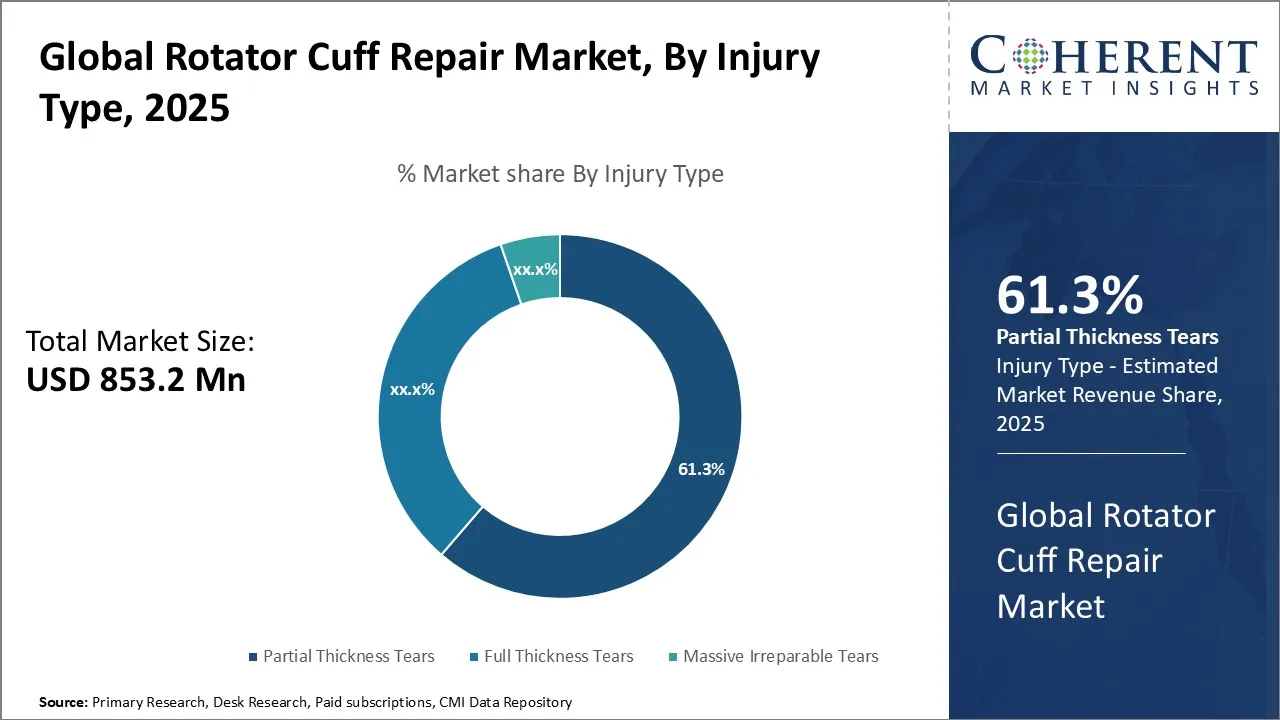
Rotator Cuff Repair Market Insights, By Injury Type - Partial Thickness Tears Contributes the Highest Share Owing to Increasing Prevalence and Early Intervention Benefits
Partial thickness tears dominate the rotator cuff repair market largely, due to their high prevalence and the clinical advantage of early diagnosis and treatment, with an estimated share of 62.3% in 2026. These injuries often occur as a result of the natural aging process combined with repetitive stress or trauma to the shoulder, making them common among both aging populations and younger, active individuals such as athletes and manual laborers. The large patient pool experiencing partial thickness tears significantly drives demand for treatments tailored to this injury type.
For Example, according to data published in Journal of ISAKOS, in December 2022, Partial-thickness rotator cuff tears (PTRCTs) are common shoulder injuries that increase with age, affecting around 4% of individuals under 40 and up to 25% of those over 60. These tears do not span the full thickness of the tendon and are often linked to repetitive overhead activity, sports injuries, or age-related degeneration.
One key factor fueling growth in this segment is the increasing awareness among patients and healthcare providers about the importance of early intervention in partial thickness tears. Unlike full thickness or massive irreparable tears that often necessitate more complex and invasive surgical procedures, partial thickness tears can frequently be addressed through less invasive options, which often lead to quicker recovery times and better functional outcomes.
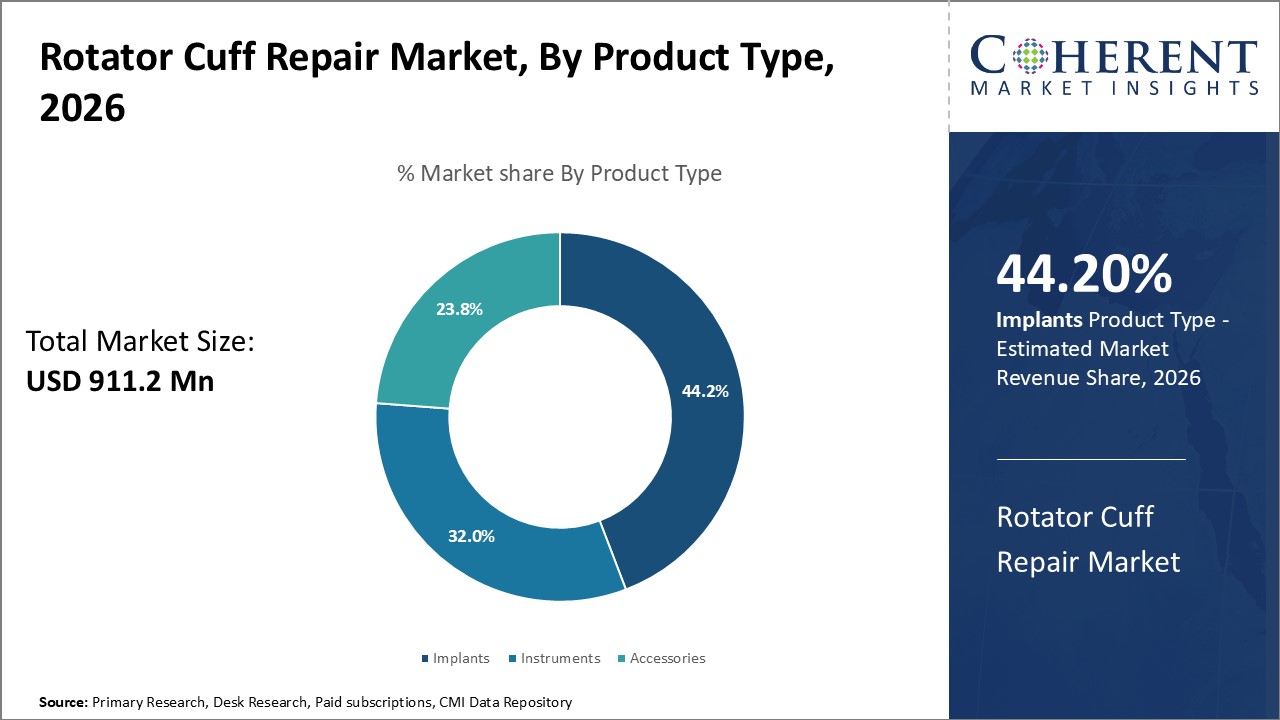
Rotator Cuff Repair Market Insights, By Product Type - Implants Contribute the Highest Share Due to Innovation and Versatility in Surgical Applications
Implants maintain a leading position within the product type segmentation of the rotator cuff repair market with an estimated share of 44.2% in 2026 primarily because of their essential role in stabilizing and facilitating tendon healing during surgical repair procedures. Their critical importance across various injury types and surgical techniques ensures sustained demand, driven by both ongoing technological innovation and the evolving preferences of surgeons towards more effective and reliable implant materials.
For example, OSSIO Inc. is a medical technology company specializing in bio-integrative orthopedic implants that support natural bone healing. Its suture anchors are designed for soft tissue repair in both open and arthroscopic procedures, offering high pull-out resistance, sustained strength, and enhanced stability through a unique coupling system.
One of the major growth factors is the continuous development of advanced implant materials that enhance biocompatibility, strength, and integration with bone and soft tissue. Implants such as suture anchors, which are available in metal, PEEK (polyether ether ketone), bioabsorbable, and biocomposite variants, offer surgeons multiple options to tailor treatment according to patient-specific anatomy and tear characteristics.
Rotator Cuff Repair Market Insights, By Surgical Technique - Arthroscopic Repair Holds the Highest Market Share Due to Minimally Invasive Advantages and Faster Recovery
Arthroscopic repair has emerged as the dominant surgical technique within the rotator cuff repair market with a projected share of 33.2% in 2026, driven by its minimally invasive nature, superior clinical outcomes, and patient preference. This technique involves inserting a small camera and instruments through tiny incisions, allowing surgeons to visualize and repair the rotator cuff without the trauma associated with open surgeries.
The primary factor stimulating growth in this segment is the reduced postoperative pain and faster recovery time associated with arthroscopic repair compared to traditional open surgical methods. Patients experience less soft tissue damage, lower risk of infection, and minimal scarring, which enhances overall satisfaction and facilitates early return to daily activities and work. These clinical advantages create strong demand among a broad patient base, including athletes, middle-aged adults, and elderly patients looking for effective yet less disruptive treatment options.
Role of Artificial Intelligence (AI) in the Global Rotator Cuff Repair Market
- Artificial Intelligence (AI) is rapidly transforming the global rotator cuff repair market by streamlining surgical workflows, enhancing precision, and enabling data-driven clinical decisions. AI-powered imaging tools are increasingly integrated into preoperative planning, allowing orthopedic surgeons to assess tendon damage more accurately and tailor surgical interventions with high precision. Predictive analytics, powered by machine learning algorithms, aid in forecasting patient outcomes, identifying candidates for early intervention, and minimizing postoperative complications. Robotic-assisted systems enhanced by AI, such as augmented reality (AR)-enabled smart glasses and navigation platforms, provide real-time intraoperative guidance, significantly reducing human error and operative time. This not only improves surgical consistency and recovery times but also reduces overall costs for healthcare providers. AI also supports automation in hospital inventory management and device reprocessing, improving operational efficiency across surgical departments.
- The integration of AI opens up a wide array of emerging opportunities, including personalized implant design, virtual rehabilitation platforms, and remote surgical support through telesurgery and teleproctoring. Companies can harness these technologies to create innovative business models that focus on outcome-based care, AI-enabled service bundles, and real-time surgical analytics. For example, partnerships between orthopedic device manufacturers and AI software companies are driving the development of smart surgical kits and decision-support tools that enhance both surgeon experience and patient satisfaction. However, despite its benefits, AI adoption faces barriers such as high implementation costs, data privacy concerns, and the need for specialized training. To leverage AI effectively, stakeholders should invest in scalable AI platforms, prioritize clinician engagement during integration, and focus on regulatory-compliant data infrastructure. While AI offers transformative potential, its true impact will depend on balanced, inclusive adoption strategies that align technological innovation with practical, on-the-ground clinical needs.
Regional Insights
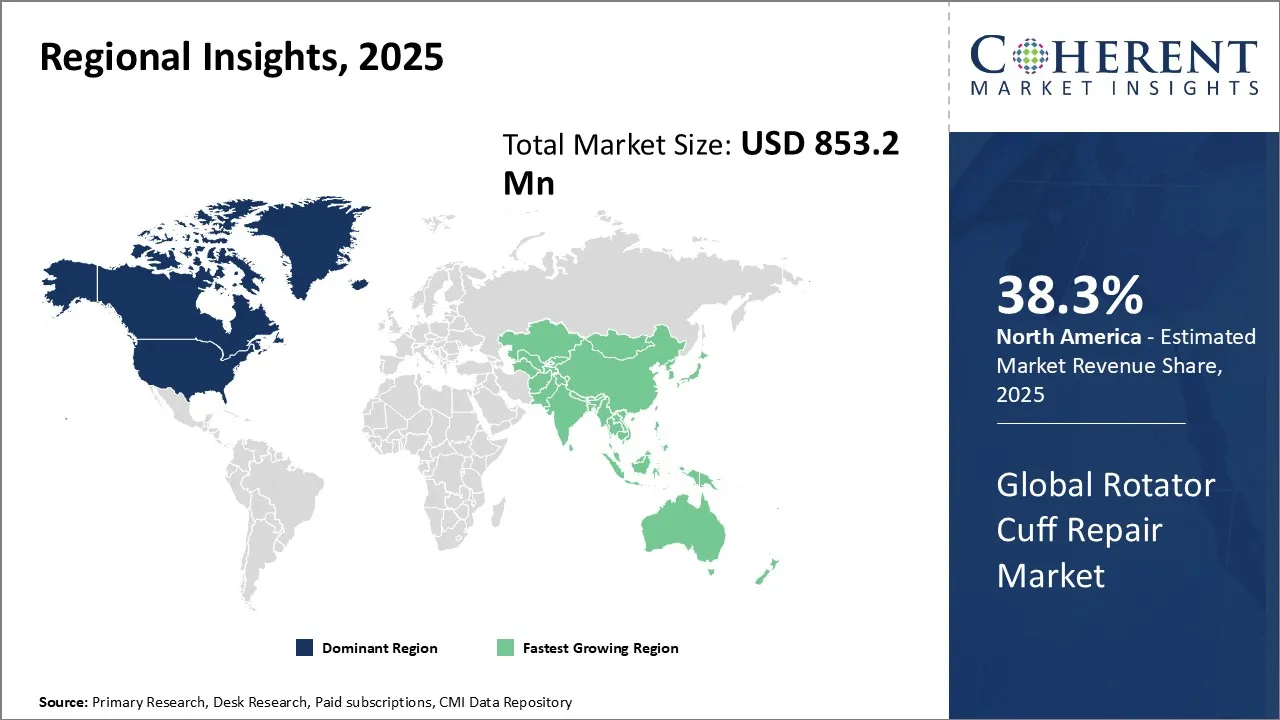
North America Rotator Cuff Repair Market Analysis and Trends
North America’s dominance in global rotator cuff repair market, with an estimated share of 38.3% in 2026, can be attributed to a well-established healthcare infrastructure, higher healthcare expenditure, and widespread adoption of advanced surgical technologies. The region benefits from strong government support in terms of healthcare policies and reimbursement frameworks, which enhance accessibility to orthopedic surgeries. A mature medical device industry and presence of leading companies like Johnson & Johnson (DePuy Synthes), Stryker Corporation, and Arthrex significantly contribute to technological advancements and product availability.
For example, Johnson & Johnson (DePuy Synthes) offers a full suite of arthroscopic solutions, including suture anchors and soft tissue repair tools, widely used across U.S. hospitals. Exactech Inc. specializes in shoulder arthroplasty systems and has developed the Equinoxe Shoulder Platform for both anatomic and reverse rotator cuff repair procedures. Additionally, robust investments in research and development by academic and clinical institutions further consolidate North America’s position. For example, the Affordable Care Act (ACA) significantly expanded insurance coverage across the U.S., leading to a rise in surgical procedures, including orthopedic interventions like rotator cuff repair.
Asia Pacific Rotator Cuff Repair Market Analysis and Trends
The Asia Pacific exhibits the fastest growth due to rising awareness about orthopedic disorders, increasing incidence of sports-related injuries with an estimated share of 23.4% in 2026, and expanding healthcare infrastructure across emerging economies such as China and India. Government initiatives aimed at improving healthcare access and affordability, along with increasing insurance coverage, have facilitated higher patient inflow for surgical interventions.
Trade dynamics such as favorable import regulations and regional trade agreements have helped ease the entry of advanced medical devices into these markets. For example, PanAsia Surgery Group (Singapore) it offers specialized shoulder repair services using modern arthroscopy tools and regenerative techniques. & United Orthopedic Corporation (Taiwan) is Expanding arthroscopy offerings and partnering with regional distributors to increase market penetration in Southeast Asia.
Rotator Cuff Repair Market Outlook for Key Countries
U.S. Rotator Cuff Repair Market Trends
The U.S. remains at the forefront of the rotator cuff repair market due to its advanced healthcare infrastructure and high patient awareness. Presence of top medical device companies like Arthrex and Stryker, known for innovative rotator cuff repair systems and minimally invasive instruments, plays a pivotal role. Extensive clinical research and early adoption of arthroscopic repair techniques contribute to the country’s leadership.
In August 2024, Stryker, a global leader in medical technologies, launched InSpace, a groundbreaking biodegradable subacromial balloon implant, in India. Designed for the treatment of massive irreparable rotator cuff tears (MIRCTs), a common cause of shoulder dysfunction, InSpace offers a minimally invasive surgical option that restores the subacromial space without the need for sutures or fixation devices.
Germany Rotator Cuff Repair Market Trends
Germany's established healthcare system and focus on high-quality medical care underpin its significant role in the European rotator cuff repair market. The country hosts advanced orthopedic device manufacturers such as B. Braun and Medacta, which emphasize precision engineering and patient-specific solutions. Government policies supporting healthcare innovation and investment in hospital infrastructures facilitate widespread use of rotator cuff repair procedures. The presence of well-regulated clinical trials and strong physician expertise also enhance market penetration in Germany.
In July 2023, Inovedis GmbH, a medical device company specializing in orthopedic solutions, has received USFDA clearance for its Sinefix rotator cuff repair implant system. Designed to create even contact between tendon and bone while promoting blood circulation and healing
China Rotator Cuff Repair Market Trends
China is witnessing dynamic expansion within the rotator cuff repair market driven by increased government expenditure on healthcare reforms and infrastructure development. Growing urban populations and rising incidences of injuries due to lifestyle changes fuel demand. Both international companies like Johnson & Johnson and domestic firms are investing heavily in the region, adapting products to meet cost and compliance requirements. Trade policies and participation in regional trade blocs facilitate easier market entry and technology transfer. Additionally, the rise of specialized orthopedic hospitals is strengthening treatment availability and accessibility in China.
In September 2020, Smith+Nephew received approval from China’s National Medical Products Administration to launch its REDAPT System in the Chinese market, aimed at revision hip arthroplasty. While the company continues to strengthen its orthopedic portfolio across joint reconstruction, including innovations in rotator cuff repair, the REDAPT System specifically enhances joint stability, surgical efficiency, fixation across varying bone types, and ensures a predictable stem position.
India Rotator Cuff Repair Market Trends
India’s rotator cuff repair market is gaining momentum due to expanding healthcare access, rising disposable incomes, and a surge in sports activity among younger demographics. Government initiatives aimed at universal healthcare coverage are gradually improving affordability. Multinational enterprises such as Smith & Nephew and Zimmer Biomet have established strong marketing and distribution networks, complemented by local manufacturers focusing on affordable repair kits. Despite infrastructural challenges, the presence of numerous orthopedic centers and increasing awareness about minimally invasive procedures accelerate market uptake.
In July 2023, Smith+Nephew, a global leader in medical technology, has launched the REGENETEN Bioinductive Implant in India for rotator cuff repair. With over 100,000 successful procedures worldwide, the collagen-based implant facilitates natural healing by promoting tendon-like tissue growth, enhancing rotator cuff repair, and reducing re-tear rates by 86% compared to conventional surgery. Clinically proven over 10 years, the implant has shown remarkable results for various rotator cuff injuries, from partial tears to large and massive full-thickness tears.
End User Feedback and Unmet Needs
- End user feedback from orthopedic surgeons, hospital procurement managers, and ambulatory surgical centers (ASCs) consistently emphasizes the growing preference for minimally invasive rotator cuff repair systems that reduce operative time, improve surgical precision, and enable quicker patient recovery. For instance, ASCs in North America have reported high satisfaction with suture anchor systems that incorporate bioabsorbable materials, citing their ease of use, reduced post-operative complications, and faster rehabilitation timelines for active patients.
- These systems have become a preferred choice among sports medicine practitioners who demand reliable, patient-friendly solutions. Conversely, users in public healthcare settings and emerging markets have voiced concerns over the high capital cost and steep learning curve associated with robotic-assisted arthroscopic platforms. Many hospitals, particularly in Asia and Latin America, struggle to integrate these technologies due to lack of skilled personnel, limited training support, and high maintenance costs, which collectively hinder wider adoption.
Market Players, Key Developments, and Competitive Intelligence
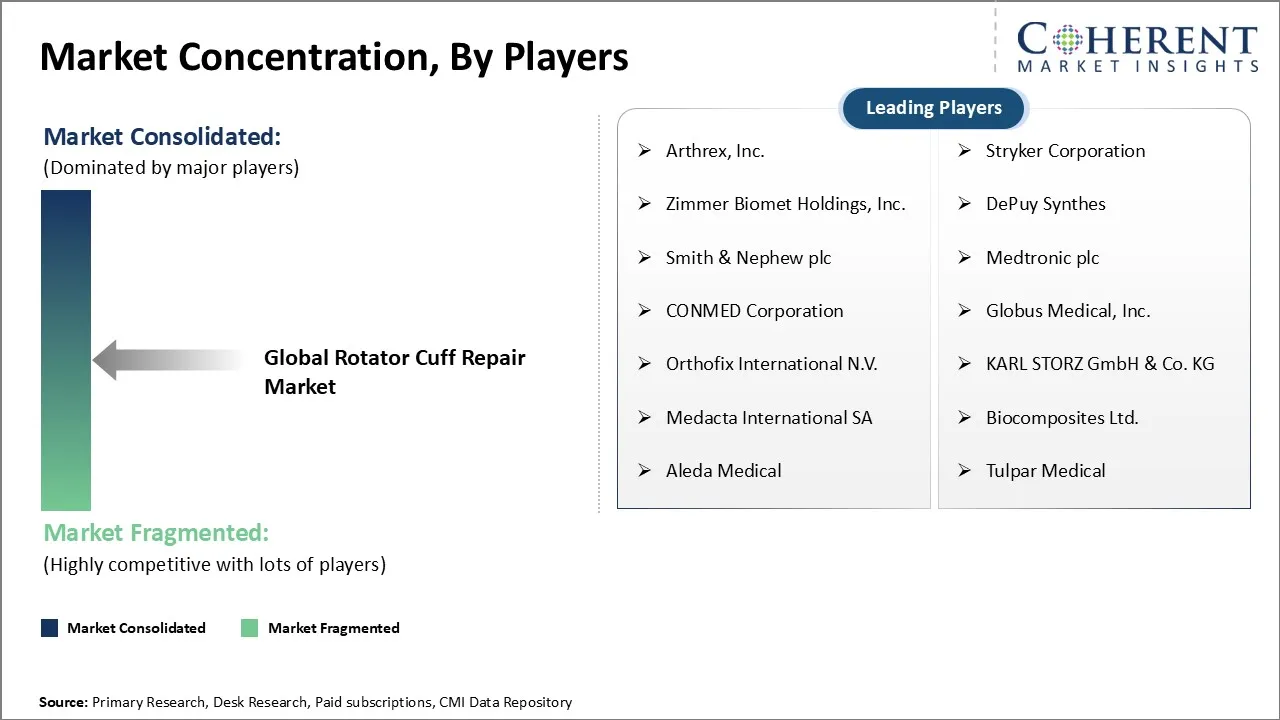
Key Developments
- In February 2025, Arcuro Medical Ltd., a leading innovator in medical technologies, has received FDA 510(k) clearance for its SuperBall-RC system, designed for rotator cuff repair procedures. Building on the success of its SuperBall platform, previously used in over 5,000 meniscus repairs, the new product addresses the high re-tear rates in rotator cuff surgeries (20%-40% in patients over 50). The SuperBall-RC simplifies the fixation of augmentation grafts, enhancing healing and improving surgical outcomes. Arcuro is set for a limited user release in Q2 2025, with a full launch planned for later in the year.
- In December 2024, Atreon Orthopedics, a leader in tissue healing and regenerative technologies based in Columbus, Ohio, has reached a significant milestone with the successful use of its ROTIUM Bioresorbable Wick in over 10,000 rotator cuff repair surgeries. ROTIUM, a fully resorbable synthetic-nanofiber scaffold, enhances healing at the tendon-bone interface, reducing retear rates and improving patient outcomes. The implant is praised for its proven efficacy, cost-effectiveness, and ease of use, with rapid adoption in the market.
- In November 2024, Auxein, a global leader in orthopedic products, made a strong impact at MEDICA 2024 in Düsseldorf, showcasing its latest innovations in orthopedic and arthroscopy solutions. The event attracted over 5,800 exhibitors and 80,000 trade visitors from around the world. Auxein launched a range of advanced products, including AV-Wiselock Plates, Osteochondral Transfer Systems, Bioabsorbable Anchors, and more.
Top Strategies Followed by Global Rotator Cuff Repair Market Players
- Established market leaders in the rotator cuff repair industry invest heavily in research and development (R&D) to create high-performance products that meet evolving clinical needs. This ongoing innovation focuses on improving efficacy, safety, and usability of products. In addition to R&D, these companies form strategic partnerships with Original Equipment Manufacturers (OEMs) and healthcare institutions to enhance product portfolios and strengthen market positions. These collaborations help expand global footprints, especially in emerging markets where increasing healthcare expenditure and rising awareness offer significant growth opportunities.
- In January 2024, Arthrex, a global leader in minimally invasive surgical technology and education, has launched TheNanoExperience.com, an online resource to educate patients on Nano arthroscopy. This cutting-edge, minimally invasive procedure uses a small camera and miniature arthroscopic instruments to treat orthopedic injuries in joints such as the wrist, ankle, elbow, knee, and shoulder.
- Mid-scale companies like ConMed Corporation, Parcus Medical, and Tornier (a subsidiary of Wright Medical Group) adopt pragmatic approaches by offering cost-effective yet reliable alternatives to premium solutions. These companies tailor their products for hospitals and surgical centers with budget constraints or in regions with strict reimbursement frameworks.
- Parcus Medical, for example, provides competitively priced sports medicine implants, positioning itself as a value-based supplier in markets across Eastern Europe and Latin America.ConMed, through its Linvatec division, focuses on arthroscopy systems that balance performance and price, making them appealing in mid-tier hospital settings.
- Smaller companies such as MiMedx, Bioventus, and Ortho Regenerative Technologies focus on innovation and specialization. These firms typically operate in niche segments, developing bioengineered scaffolds, growth-factor technologies, or novel delivery mechanisms for biologics.
- Ortho Regenerative Technologies, a Canadian biotech company, is advancing ORTHO-R, a Chitosan-based biologic implant aimed at improving healing in rotator cuff repair. Although still in clinical trials, the product has shown promise and attracted early-stage clinical collaborators. Bioventus, while relatively smaller in orthopedic implants, has carved a niche in orthobiologics and has entered co-development agreements with academic labs for regenerative therapies.
Market Report Scope
Rotator Cuff Repair Market Report Coverage
| Report Coverage | Details | ||
|---|---|---|---|
| Base Year: | 2025 | Market Size in 2026: | USD 911.2 Mn |
| Historical Data for: | 2020 To 2024 | Forecast Period: | 2026 To 2033 |
| Forecast Period 2026 to 2033 CAGR: | 6.8% | 2033 Value Projection: | USD 1,444.2 Mn |
| Geographies covered: |
| ||
| Segments covered: |
| ||
| Companies covered: | Arthrex, Inc., Stryker Corporation, Zimmer Biomet Holdings, Inc., DePuy Synthes, Smith & Nephew plc, Medtronic plc, CONMED Corporation, Globus Medical, Inc., Orthofix International N.V., KARL STORZ GmbH & Co. KG, Medacta International SA, Biocomposites Ltd., Aleda Medical, and Tulpar Medical | ||
| Growth Drivers: |
| ||
| Restraints & Challenges: |
| ||
Rotator Cuff Repair Market Dynamics
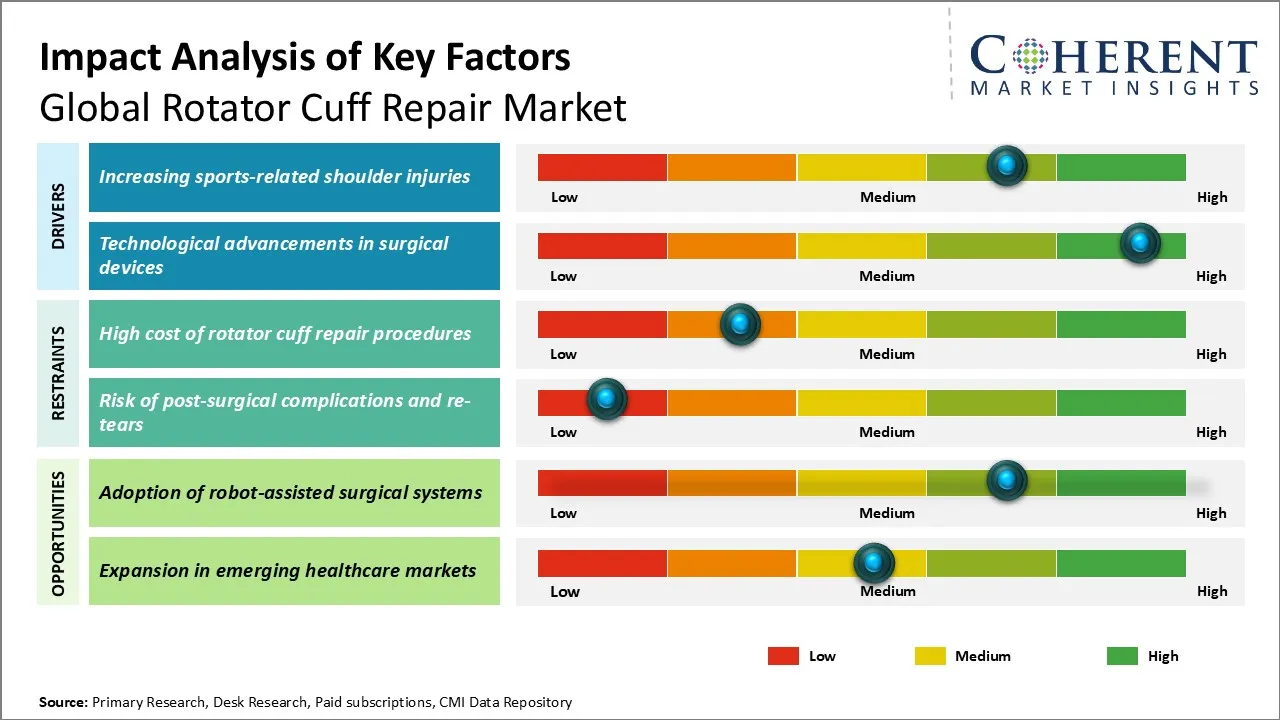
Rotator Cuff Repair Market Driver - Increasing Sports-related Shoulder Injuries
The increasing participation in sports and physical activities worldwide has led to a significant rise in shoulder injuries, particularly those affecting the rotator cuff. Athletes engaged in high-impact or repetitive overhead motions, such as baseball pitchers, swimmers, and tennis players, are especially prone to rotator cuff tears and strains. These injuries often result from overuse, trauma, or sudden physical exertion, creating a growing need for effective medical interventions. As awareness about the long-term consequences of untreated shoulder injuries grows, both amateur and professional athletes are seeking timely and advanced treatment options to restore function and reduce pain. Furthermore, the trend of active lifestyles among various age groups is contributing to the volume of rotator cuff injuries, thereby driving the demand for surgical repair procedures.
In February 2024, According to American Academy of Orthopaedic Surgeons, Sports-related injuries among seniors have increased significantly, with shoulder injuries becoming more prevalent. Data presented at the 2024 AAOS Annual Meeting revealed that sports injuries in individuals aged 65 and older rose from 55,684 in 2012 to 93,221 in 2021. This surge is expected to continue, with a projected 123% increase in such injuries by 2040. Key findings include a rise in elbow and upper leg injuries, as well as a higher incidence of fractures, particularly in sports like biking and scooters. However, the number of orthopedic surgeons is projected to increase by only 7.9%, creating a disparity between demand and availability of care. These trends highlight the need for a patient-centered approach to treating active older adults.
Rotator Cuff Repair Market Opportunity: Adoption of Robot-Assisted Surgical Systems in Global Rotator Cuff Repair Market
The integration of robot-assisted surgical systems presents a significant growth opportunity within the global rotator cuff repair market. As healthcare providers increasingly seek precision and minimally invasive procedures, robot-assisted surgeries are gaining traction for their ability to enhance surgical accuracy, reduce human error, and improve patient outcomes. These systems offer superior visualization, dexterity, and control compared to traditional methods, facilitating more precise tendon repairs and reducing recovery times. Furthermore, robot-assisted technology supports the growing demand for outpatient procedures by minimizing complications and postoperative discomfort. The increasing investments by healthcare institutions in advanced surgical robotics and the rising awareness among orthopedic surgeons regarding the benefits of robotic platforms are driving adoption rates.
For instance, in April 2024, Zimmer Biomet, a global leader in medical technology, has announced the successful completion of the world’s first robotic-assisted shoulder replacement surgery using its ROSA Shoulder System at Mayo Clinic. The surgery was performed by Dr. John W. Sperling, a leading orthopedic surgeon. ROSA Shoulder, which received USFDA 510(k) clearance in February 2024, allows for precise placement of implants using either anatomic or reverse techniques, enhancing surgical accuracy and improving patient outcomes. The system integrates with the Signature ONE 2.0 Surgical Planning System, providing real-time data for personalized surgical planning. Zimmer Biomet continues to innovate in orthopedic solutions, aiming to improve clinical outcomes and patient satisfaction.
Analyst Opinion (Expert Opinion)
- The global rotator cuff repair market is experiencing strong growth, driven by several factors that enhance both surgical outcomes and patient care. Key drivers of this growth include significant advancements in surgical technologies. One of the most notable innovations is robotic-assisted surgery, which enhances surgical precision, reduces human error, and potentially leads to quicker recovery times. These systems offer more accurate placement of implants and better visualization of the surgical site, significantly improving the quality of the procedure. Additionally, biomaterial innovations such as bioresorbable implants have gained attention for their ability to provide structural support while avoiding the need for removal after the tissue heals, further improving patient recovery.
- Moreover, the increasing use of minimally invasive surgical techniques, driven by patient demand for procedures that reduce recovery times and minimize scarring, is accelerating the adoption of rotator cuff repair surgeries. These techniques often require specialized surgical tools and technology but are less invasive than traditional open surgeries, leading to shorter hospital stays and reduced postoperative complications. The aging global population, particularly the growing number of older adults remaining active in sports and physical activities, is another critical factor propelling the demand for rotator cuff repairs. Rotator cuff injuries, common in the aging population due to tendon degeneration, along with the rise in active older adults, is pushing the need for effective repair solutions.
Speak to the analyst
Want personalized insights?
Take the findings above to one of our principal consultants, or have the report rebuilt around the segments, geographies and competitors you actually track.
Market Segmentation
- Injury Type Insights (Revenue, USD Mn, 2021 - 2033)
- Partial Thickness Tears
- Full Thickness Tears
- Massive Irreparable Tears
- Product Type Insights (Revenue, USD Mn, 2021 - 2033)
- Implants
- Suture Anchors (Metal, PEEK, Bioabsorbable, Biocomposites)
- Interference Screws
- Tendon Reinforcement Devices (Orthobiologics, etc)
- Instruments
- Arthroscopes
- Shavers and Burrs
- Fluid Management Systems
- Suture Management Tools (Suture Passers, etc.)
- Accessories
- Suture Devices
- Cannulas and Trocar Systems
- Repair Kits (Pre-packaged instruments, etc.)
- Implants
- Surgical Technique Insights (Revenue, USD Mn, 2021 - 2033)
- Arthroscopic Repair
- Open Surgical Repair
- Revision and Complex Repair
- Age Group Insights (Revenue, USD Mn, 2021 - 2033)
- Under 50 Years
- 50-65 Years
- 65-70 Years
- Above 70 Years
- Gender Insights (Revenue, USD Mn, 2021 - 2033)
- Male
- Female
- End User Insights (Revenue, USD Mn, 2021 - 2033)
- Hospitals
- Orthopedic Clinics
- Ambulatory Surgery Centers (ASCs)
- Rehabilitation Centers
- Others (Academic and Research Institutes, etc.)
- Regional Insights (Revenue, USD Mn, 2021 - 2033)
- North America
- U.S.
- Canada
- Latin America
- Brazil
- Argentina
- Mexico
- Rest of Latin America
- Europe
- Germany
- U.K.
- Spain
- France
- Italy
- Russia
- Rest of Europe
- Asia Pacific
- China
- India
- Japan
- Australia
- South Korea
- ASEAN
- Rest of Asia Pacific
- Middle East
- GCC Countries
- Israel
- Rest of Middle East
- Africa
- South Africa
- North Africa
- Central Africa
- North America
- Key Players Insights
- Arthrex, Inc.
- Stryker Corporation
- Zimmer Biomet Holdings, Inc.
- DePuy Synthes
- Smith & Nephew plc
- Medtronic plc
- CONMED Corporation
- Globus Medical, Inc.
- Orthofix International N.V.
- KARL STORZ GmbH & Co. KG
- Medacta International SA
- Biocomposites Ltd.
- Aleda Medical
- Tulpar Medical
Sources
Primary Research Interviews
- Orthopedic Surgeons
- Sports Medicine Specialists
- Hospital Procurement Managers
- Biomedical Engineers
- Healthcare Administrators
- Rehabilitative Therapists
Government and International Databases
- U.S. Food and Drug Administration (FDA)
- Centers for Medicare & Medicaid Services (CMS)
- World Health Organization (WHO)
- Organisation for Economic Co-operation and Development (OECD)
- European Medicines Agency (EMA)
- National Institutes of Health (NIH)
- Indian Council of Medical Research (ICMR)
- Health Canada
- Medicines and Healthcare products Regulatory Agency (MHRA – UK)
- Japan Pharmaceuticals and Medical Devices Agency (PMDA)
Trade Publications
- Becker’s Orthopedic Review
- Orthopedic Design & Technology (ODT)
- BoneZone Publications
- MedTech Dive
- Fierce Biotech
- Medical Device Network
- The Journal of Arthroscopy and Related Surgery News
Academic Journals
- The Journal of Bone and Joint Surgery
- Arthroscopy: The Journal of Arthroscopic and Related Surgery
- American Journal of Sports Medicine
- Journal of Shoulder and Elbow Surgery
- Journal of Orthopaedic Research
- Clinical Orthopaedics and Related Research
- British Journal of Sports Medicine
Reputable Newspapers
- The New York Times – Health Section
- The Guardian – Healthcare
- The Washington Post – Health
- The Times of India – Health
- The Wall Street Journal – Health & Wellness
Industry Associations
- American Academy of Orthopaedic Surgeons (AAOS)
- International Society of Arthroscopy, Knee Surgery and Orthopaedic Sports Medicine (ISAKOS)
- American Orthopaedic Society for Sports Medicine (AOSSM)
- European Society of Sports Traumatology, Knee Surgery and Arthroscopy (ESSKA)
- Orthopaedic Research Society (ORS)
- Asia Pacific Orthopaedic Association (APOA)
Public Domain Resources
- NCBI Gene & Protein Databases
- National Library of Medicine (NLM)
- National Center for Health Statistics (NCHS)
- World Bank Open Data
- United Nations Digital Library
- WHO Global Health Observatory (GHO)
Proprietary Elements
- CMI Data Analytics Tool: Proprietary analytics tool to analyze real-time market trends, consumer behavior, and technology adoption in market
- Proprietary CMI Existing Repository of Information for Last 8 Years
Get access to 250+ pages report
Every segment, forecast, competitor profile and data table behind the analysis above — available for instant download.
- ESOMAR Member
- ISO 9001:2015 Certified
- D-U-N-S Registered
- GDPR & CCPA Compliant
Missing comfort of reading report in your local language? Find your preferred language:
Transform your Strategy with Exclusive Trending Reports
Frequently Asked Questions
The global Rotator Cuff Repair market is estimated to be valued at USD 2.62 Bn in 2026 and is expected to reach USD 2.62 Bn by 2033.
The CAGR of global rotator cuff repair market is projected to be 6.8% from 2026 to 2033.
Increasing sports-related shoulder injuries and technological advancements in surgical devices are the major factors driving the growth of the global rotator cuff repair market.
High cost of rotator cuff repair procedures and risk of post-surgical complications and re-tears are the major factors hampering the growth of the global rotator cuff repair market.
In terms of Injury Type, Partial Thickness Tears are estimated to dominate the market revenue share in 2026.
New technologies for rotator cuff repair include bioresorbable implants and robotic-assisted systems that offer precise implant placement and enhanced healing. Additionally, biological augmentation with dual growth factors helps improve tendon-bone integration and reduce retear rates.
The leading component segment in the rotator cuff repair market is suture anchors, essential for tendon reattachment during surgery. These anchors, made from materials like bioresorbable, PEEK, and metal, dominate both open and arthroscopic procedures.