

Platelet Rich Plasma Market Analysis & Forecast
The Global Platelet Rich Plasma Market is estimated to be valued at USD 700.5 Mn in 2026 and is expected to reach USD 1,637.9 Mn by 2033, exhibiting a compound annual growth rate (CAGR) of 12.9% from 2026 to 2033.
Key Takeaways
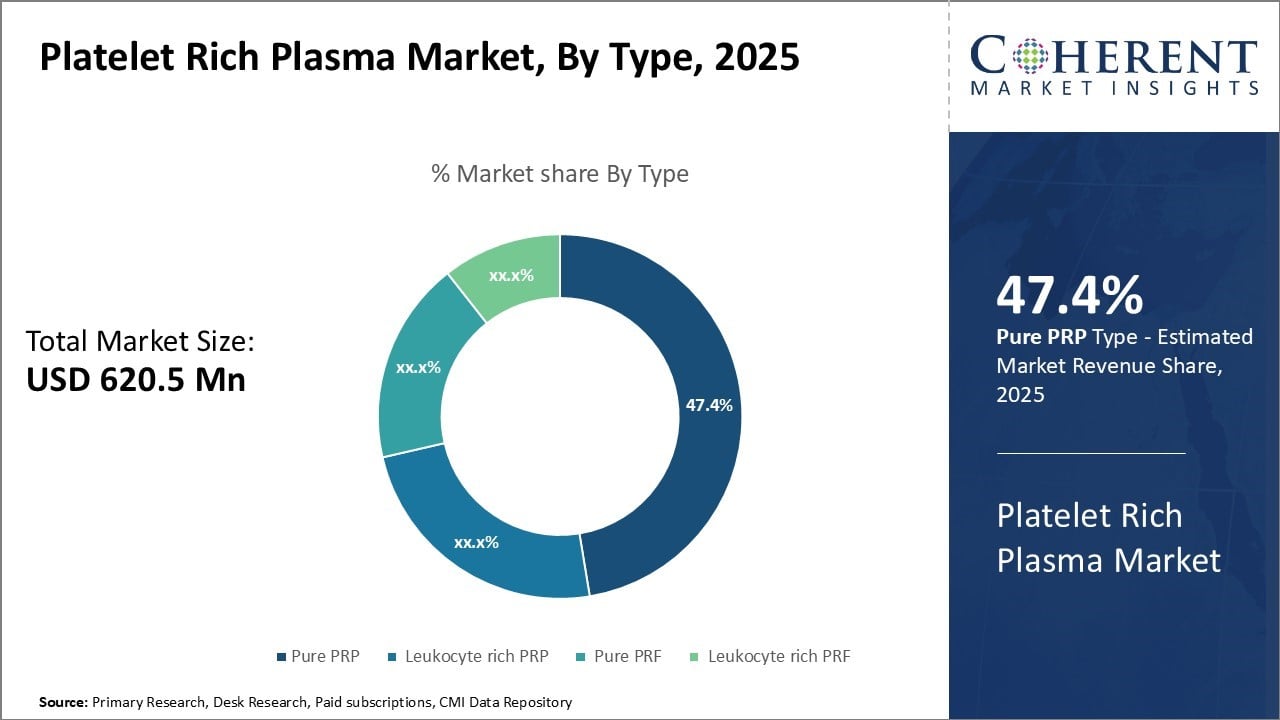
- By Type, the Pure PRP Segment is expected to lead the platelet rich plasma market with a projected 48.4% share in 2026, driven by its superior purity, reduced inflammatory response, and higher clinical efficacy across multiple applications.
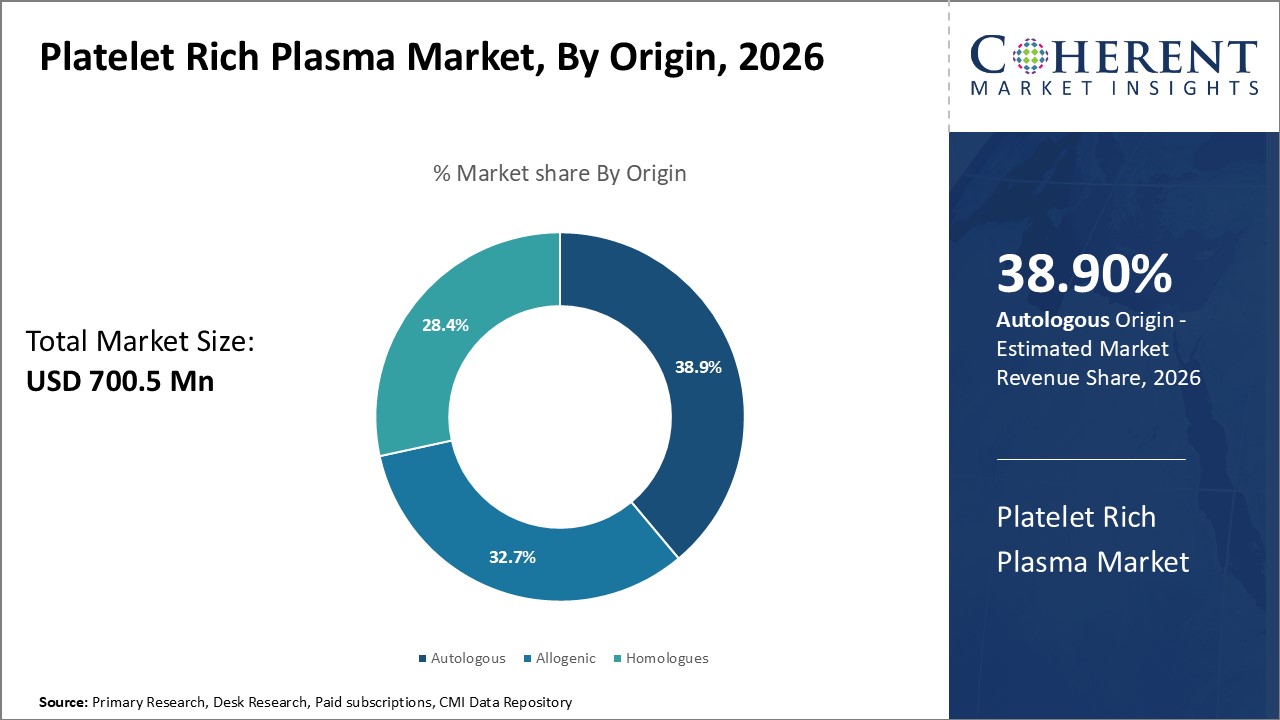
- By Origin, the Autologous PRP segment is anticipated to hold the largest revenue share of 38.9% in 2026, owing to its enhanced safety profile, reduced risk of immune reactions, and personalized therapeutic outcomes.
- By Application, the Orthopedic Surgery segment is set to dominate the market with a projected 46.2% share in 2026, fueled by the high burden of musculoskeletal disorders, sports injuries, and growing preference for non-surgical regenerative treatments.
- By Region, North America is projected to remain the leading regional market, accounting for 37.3% of the global revenue share in 2026, supported by advanced healthcare infrastructure, strong clinical adoption, and robust investment in biologics research.
Market Overview
The Global Platelet Rich Plasma Market is driven by the growing popularity of non-invasive cosmetic procedures and increasing use of platelet rich plasma in therapeutic areas like orthopedic, general surgery, and neurosurgery. The rising adoption of platelet rich plasma therapy over drug therapies due to lesser side effects also supports market expansion. However, high cost of PRP procedures and therapies may hamper the market growth to some extent during the forecast period.
Current Events and Its Impact on the Global Platelet Rich Plasma Market
Event | Description and Impact |
Regulatory Developments |
|
Trade Policy Shifts |
|
Technological Advancements |
|
Pricing Analysis
The global Platelet Rich Plasma (PRP) market exhibits a wide pricing spectrum, influenced by application type, technology used, geographic region, and healthcare infrastructure. Treatment costs typically range between $500 and $5,000 per session, with orthopedic and sports medicine commanding the highest prices—averaging $800 to $2,500 depending on the complexity.
Aesthetic procedures, such as facial rejuvenation and hair restoration, are moderately priced at $500 to $1,800 per session. Wound care applications, particularly for diabetic ulcers and chronic wounds, fall in the $1,200 to $3,500 range due to intensive treatment protocols. Dental applications are relatively cost-effective, ranging from $300 to $1,200 per procedure.
Regionally, North America maintains a premium pricing tier—20–30% above the global average—while Asia-Pacific and Latin America offer more competitive rates due to increasing medical tourism and cost-sensitive markets. In Europe, pricing is moderately high, influenced by CE regulatory compliance. Product kits vary in cost from $70 to $300, with AI-integrated and next-gen systems commanding premium prices.
- Current Industry Events of 2026
- Market Size Estimation
- Regional Breakdown
- Competitive Landscape
- Customer Intelligence
- Segmental Analysis
- Pricing Analysis
- Key Market Drivers, Challenges & Future Trends
- Customized Insights Section
Role of Technologies like AI on the Market
Artificial Intelligence (AI) is revolutionizing the Platelet Rich Plasma (PRP) market by enhancing precision, standardization, and personalization in regenerative therapies. AI integration is streamlining PRP preparation processes, reducing manual variability, and improving consistency in clinical outcomes across applications like orthopedics, aesthetics, and wound healing.
Leading innovations include Arthrex’s Angel System, which uses real-time AI algorithms to analyze blood samples and automatically adjust centrifugation parameters, ensuring optimal platelet concentration. Zimmer Biomet’s GPS III System employs machine learning to personalize PRP treatment by analyzing patient-specific variables—such as age and injury type—to predict optimal concentration levels, improving healing efficiency and reducing outcome variability.
Terumo BCT has further advanced the field with an AI-powered Automated Cell Processing (ACP) system that uses computer vision to monitor platelet activation during preparation. This results in up to 40% higher platelet yields and 60% greater consistency in growth factor levels compared to traditional systems.
Overall, AI is enhancing clinical efficiency, reducing preparation time, and delivering more predictable patient outcomes. As AI capabilities evolve, the PRP market is poised to move toward highly personalized, data-driven regenerative treatments.
End User Feedback – Platelet Rich Plasma (PRP) Market
End users across various sectors have expressed growing interest in PRP therapies, though feedback highlights both opportunities and challenges. IVF clinics report increasing use of PRP in endometrial rejuvenation and ovarian insufficiency treatments, noting improved implantation rates in select patient groups. However, they emphasize the need for more robust clinical data and standardized dosing protocols to ensure consistency.
Biotechnology and pharmaceutical companies view PRP as a valuable adjunct in regenerative medicine but stress regulatory ambiguity and variability in preparation methods as barriers to large-scale commercialization. Many are exploring PRP’s integration with stem cell and growth factor therapies for enhanced efficacy.
Research and academic institutions remain key drivers of innovation, focusing on optimizing centrifugation techniques and validating clinical outcomes across orthopedic, neurological, and dermatological applications. They advocate for unified preparation guidelines to support reproducibility.
Biobanks are exploring autologous PRP storage solutions, especially for patients undergoing multi-stage treatments. While the concept holds promise, challenges around preservation, logistics, and cost efficiency remain.
Overall, end users are optimistic about PRP’s potential but call for greater clinical standardization, regulatory clarity, and long-term outcome data to fully realize its therapeutic value.
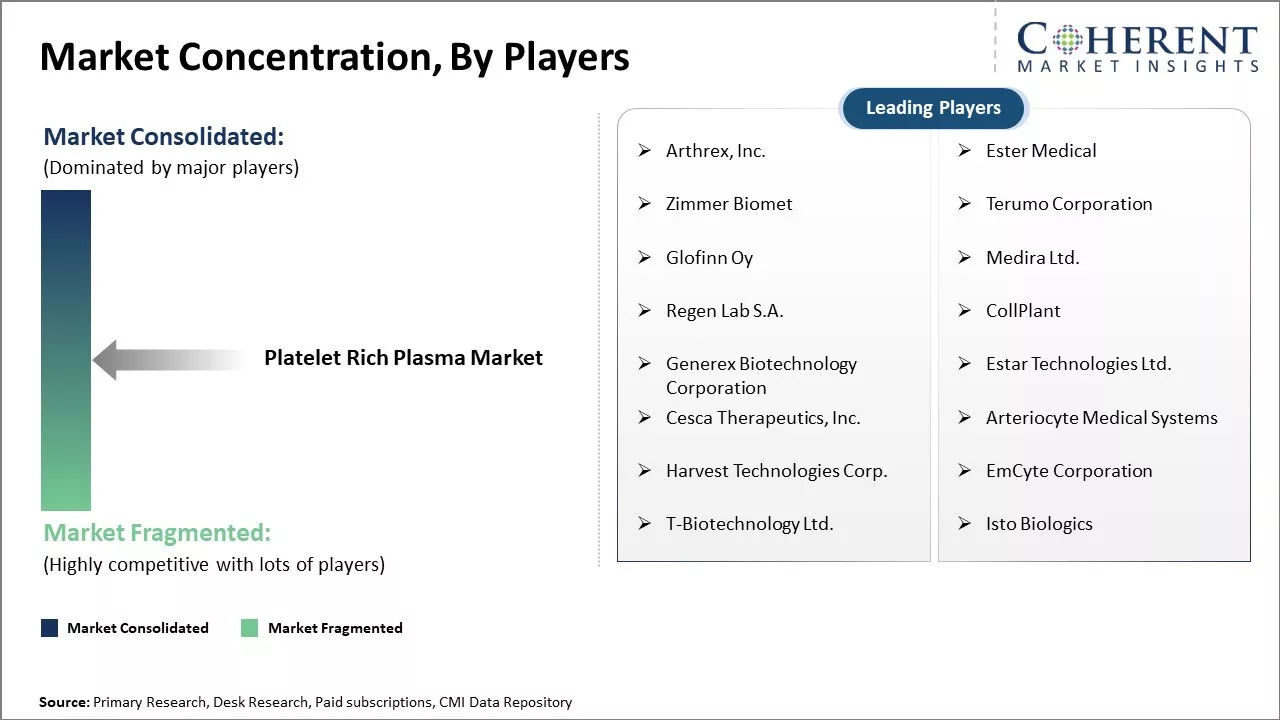
Market Concentration and Competitive Landscape
Market Driver
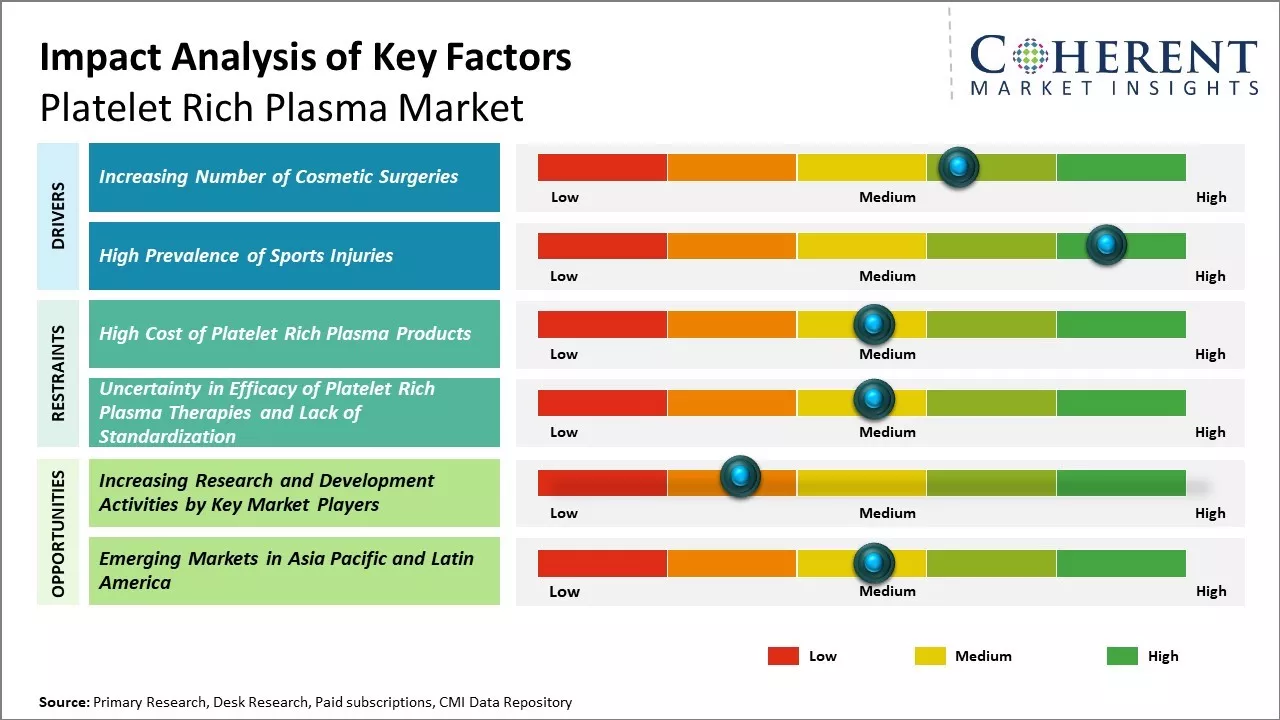
- Increasing Number of Cosmetic Surgeries
Increasing number of cosmetic surgeries is expected to propel the growth of the global platelet rich plasma market over the forecast period. For instance, in 2021, according to a survey of the International Society of Aesthetic Plastic Surgery (ISAPS), in 2020, approximately 10,129,528 surgical procedures such as eyelid surgery, ear surgery, and liposuction were performed worldwide and 14,400,347 non- surgical procedures such as hair removal, photo rejuvenation, and botulinum toxin were performed.
- High Prevalence of Sports Injuries
The high prevalence of sports injuries has become a major concern globally which is one of the key factors fueling the growth of platelet rich plasma market. Athletes from all age groups are facing various musculoskeletal injuries during training and competitions which prolongs their recovery time.
Platelet rich plasma (PRP) therapy has emerged as an effective alternative for treating ligament tears, muscle strains and other sports-related injuries. PRP helps in faster healing of the injured tissue by concentrating platelets from the patient's own blood which secrete growth factors. For instance, according to the National High School Sports-Related Injury Surveillance Study 2021-2022, 1,385,717 cases of sport-related injuries were recorded in high schools in the U.S.
Market Challenges – Uncertainty in Efficacy of Platelet Rich Plasma Therapies and Lack of Standardization
Increasing recommendations by government bodies against the use of PRP is expected to hinder the market growth. For instance, in January 2020, the American College of Rheumatology, in partnership with the Arthritis Foundation, released the 2019 ACR/AF Guideline for the Management of Osteoarthritis of the Hand, Hip and Knee, which did not recommend the use of PRP injections for treatment of hip and knee osteoarthritis.
Lack of standardization in the preparation and dosage of autologous blood concentrate and platelet-separation techniques is a major factor hindering the market growth. Lack of standardization has led to the lack of strong evidence to support the increasing clinical use of platelet-rich plasma therapy as a treatment modality for musculoskeletal injuries, including orthopedic bone and soft-tissue injuries.
Market Opportunities – Increasing Research and Development Activities by Key Market Players
Increasing research and development activities for PRP by key market players, in order to expand their product portfolio is expected to drive the market growth over the forecast period. For instance, in June 2022, a research article published in the Journal of Skin and Steam Cells, where researchers found that under sterile conditions, platelet rich plasma preparation and administration protocol reduced the prevalence of further contamination and complications associated with it.
The occurrence of infection after injection was zero, even in patients with hemophilia. When carried out under controlled circumstances, platelet rich plasma therapy is effective for treating a wide range of etiologies and involves both intra-articular and soft tissue operations with no danger of infection.
Segmental Insights
Platelet Rich Plasma (PRP) Market Insights, By Type
The type segment includes Pure PRP, Leukocyte rich PRP, Pure PRF, and Leukocyte rich PRF. The Pure PRP sub-segment is estimated to hold 48.4% of the market share in 2026 owing to its purity and proven effectiveness. Pure PRP isolates only the platelet fraction to obtain a highly concentrated preparation without any additional blood components.
This purity allows Pure PRP treatments to specifically and precisely target injured or degenerative tissues by delivering an optimal dose of growth factors locally. Numerous clinical studies have validated the superior healing outcomes of Pure PRP across various therapeutic areas such as orthopedic injuries, dental/oral procedures, and dermal rejuvenation due to its well-defined composition.
In comparison, other types involving additional blood components cannot replicate the focused regenerative actions of growth factors from Pure PRP. Additionally, being devoid of leukocytes, Pure PRP minimizes any inflammatory reactions at the treatment site. Its simplicity of preparation and administration have also fueled Pure PRP's widespread adoption among healthcare practitioners.
Platelet Rich Plasma (PRP) Market Insights, By Origin
The origin segment includes autologous, allogenic, and homologues. The autologous sub-segment is estimated to hold 38.9% of the market share in 2026 owing to its safety and ability to tailor treatment outcomes. With Autologous PRP, a patient's own blood is used to prepare the platelet concentrate, eliminating any risks of disease transmission or immunological rejection. This autologous nature confers a superior safety profile valuable for treating various medical conditions.
Furthermore, using a patient's own blood takes into account their individual biological characteristics as well as the specific requirements of the condition being addressed. Customizing PRP compositions precisely to each patient enables optimizing the therapeutic effects and clinical outcomes. Such personalized care has set the benchmark for regenerative therapies with platelet rich plasma. In contrast, allogeneic and homologous preparations face challenges in replicating these advantages due to inter-individual variability in therapeutic responses.
Platelet Rich Plasma (PRP) Market Insights, By Application
The application segment includes neurosurgery, cosmetic surgery, orthopedic surgery, general surgery, and others. The orthopedic surgery sub-segment is estimated to hold 46.2% of the market share in 2026 due to the high prevalence of musculoskeletal disorders and sports injuries. Common orthopedic issues such as tendinopathies, ligament/muscle tears, arthritis, and bone defects are increasingly addressed with PRP therapy. These pathologies afflict people of all ages but have particular relevance among physically active populations and older demographics prone to degeneration.
Additionally, the prominence and growth of contact/extreme sports have resulted in a surge in orthopedic trauma cases treatable with PRP's regenerative properties. Rising healthcare expenditures on joint replacements and reconstructive surgeries have also promoted interest in PRP as a lower-cost alternative or adjuvant. Successful outcomes from case studies and clinical evidence continue to support widespread orthopedic applications of platelet rich plasma.
Platelet Rich Plasma (PRP) Market - Regional Insights
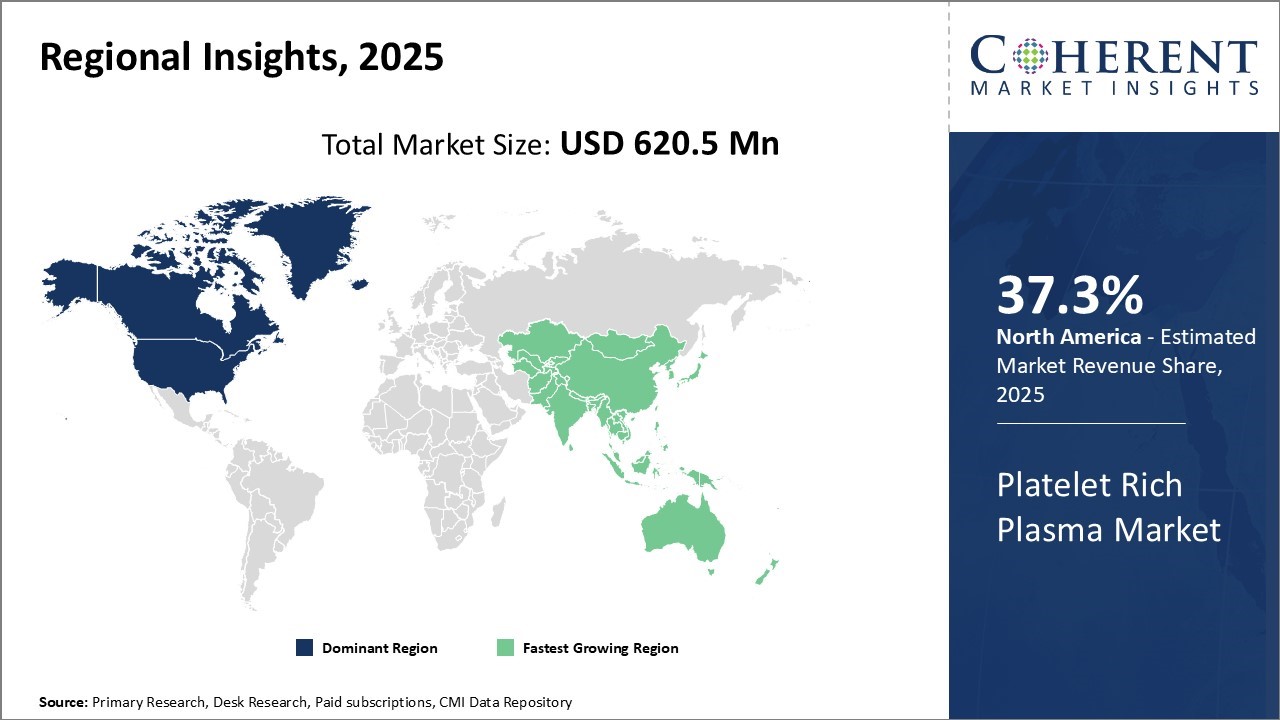
North America Platelet Rich Plasma Market Analysis and Trends
North America is projected to remain the dominant region in the global platelet rich plasma (PRP) market, accounting for a 37.3% revenue share in 2026. This leadership is underpinned by a well-developed healthcare infrastructure, widespread clinical acceptance of regenerative therapies, and strong presence of leading PRP manufacturers.
The increasing adoption of PRP treatments across orthopedic procedures, sports injury rehabilitation, and aesthetic medicine has further accelerated regional demand. In particular, the rising preference for non-surgical, minimally invasive interventions has made PRP an attractive therapeutic option across a broad range of clinical disciplines.
United States Platelet Rich Plasma Market Analysis and Trends
The United States commands the largest share within North America, driven by robust healthcare spending, high consumer awareness, and a favorable reimbursement landscape. The country has seen significant growth in the use of PRP for conditions such as osteoarthritis, tendonitis, and hair loss, supported by active clinical research and growing physician adoption.
Innovation hubs across the U.S. continue to advance PRP technologies and expand their application across new therapeutic areas. The presence of a large network of specialized clinics and outpatient centers has further strengthened the U.S. position as a global leader in platelet rich plasma therapy.
Asia Pacific Platelet Rich Plasma Market Analysis and Trends
Asia Pacific is emerging as the fastest-growing regional market for platelet rich plasma, fueled by the expansion of medical tourism, rising healthcare investments, and growing access to advanced treatment options. The region benefits from a large and aging population that is increasingly affected by orthopedic and degenerative conditions, leading to heightened demand for regenerative therapies like PRP.
Countries such as China and India are particularly attractive markets due to their relatively relaxed regulatory frameworks, cost-effective manufacturing, and increasing healthcare awareness. These factors have encouraged local companies to enter the market and international players to establish regional partnerships or production facilities.
In addition, rising exports of PRP-related products and services from Asia Pacific have positioned the region as a strategic hub for global supply chains. Lower marketing and operating costs, coupled with a growing number of skilled healthcare professionals, are expected to reinforce the region’s rapid growth trajectory over the forecast period.
Dominating Countries in the Platelet Rich Plasma Market
United States Platelet Rich Plasma Market Analysis and Trends
The United States leads the global PRP market due to its advanced healthcare infrastructure, strong clinical adoption, and concentration of major industry players. The growing demand for non-surgical treatments in areas like orthopedics, sports medicine, and dermatology has significantly contributed to market expansion.
Favorable reimbursement structures, high patient awareness, and an active ecosystem of research and innovation continue to drive adoption. U.S.-based manufacturers are also playing a key role in developing next-generation PRP systems with improved efficacy and user convenience.
China Platelet Rich Plasma Market Analysis and Trends
China is rapidly gaining traction in the platelet rich plasma market, bolstered by increasing public and private healthcare expenditure, supportive government policies, and a large patient base. The country’s aging population and rising incidence of chronic orthopedic and musculoskeletal conditions have created strong demand for regenerative therapies.
China's comparatively less stringent regulatory environment has allowed faster product approvals and market entry for both domestic and international firms. Furthermore, China’s manufacturing capabilities and export potential are helping it emerge as a global supplier of PRP-related products.
India Platelet Rich Plasma Market Analysis and Trends
India is one of the fastest-growing PRP markets in Asia Pacific, propelled by a flourishing medical tourism industry, rising patient awareness, and expanding access to modern medical technologies. PRP therapies are increasingly being adopted in dermatology, orthopedics, and pain management due to their affordability and efficacy.
India offers cost-competitive treatment options, which attract international patients seeking quality care at lower prices. The market is further supported by improving healthcare infrastructure, increasing investment by private hospitals and clinics, and the presence of skilled practitioners trained in advanced regenerative techniques.
Market Report Scope
Platelet Rich Plasma Market Report Coverage
| Report Coverage | Details | ||
|---|---|---|---|
| Base Year: | 2025 | Market Size in 2026: | USD 700.5 Mn |
| Historical Data for: | 2020 To 2024 | Forecast Period: | 2026 To 2033 |
| Forecast Period 2026 to 2033 CAGR: | 12.9% | 2033 Value Projection: | USD 1,637.9 Mn |
| Geographies covered: |
| ||
| Segments covered: |
| ||
| Companies covered: | Arthrex, Inc., Ester Medical, Zimmer Biomet, Terumo Corporation, Glofinn Oy, Medira Ltd., Regen Lab S.A., CollPlant, Generex Biotechnology Corporation, Estar Technologies Ltd., Cesca Therapeutics, Inc., Arteriocyte Medical Systems, Harvest Technologies Corp., EmCyte Corporation, T-Biotechnology Ltd., and Isto Biologics | ||
| Growth Drivers: |
| ||
| Restraints & Challenges: |
| ||
Analyst Viewpoint – Platelet Rich Plasma Market
- The PRP market is gaining strong traction due to the rising popularity of regenerative medicine and a shift toward minimally invasive therapies for chronic and age-related conditions.
- Orthopedic disorders, sports injuries, and degenerative diseases are primary drivers, as clinicians seek alternatives to surgery with faster recovery times.
- Growing demand in aesthetic medicine—including facial rejuvenation and hair restoration—continues to broaden the PRP market's clinical footprint.
- Market growth is tempered by lack of standardized PRP protocols, making treatment outcomes inconsistent across clinics and regions.
- Limited insurance reimbursement and high out-of-pocket costs are significant barriers, particularly in the U.S. and developing economies.
- Regulatory ambiguity regarding PRP classification (biologic vs. medical device) hinders product approvals and global commercialization efforts.
- The emergence of automated PRP systems and centrifugation technologies is improving treatment reproducibility and reducing dependency on operator skill.
- Integration of AI into treatment planning and preparation is optimizing dosage precision, improving patient outcomes, and reducing errors.
- Growing clinical validation of PRP across fertility, orthopedics, dermatology, and dentistry is reinforcing physician confidence and expanding use cases.
- North America leads the global market, supported by strong healthcare infrastructure and high R&D investment, while Asia-Pacific is witnessing the fastest growth due to improving access, expanding cosmetic demand, and rising medical tourism.
Platelet Rich Plasma Market Key Developments
- In December 2023, Hairline International Hair and Skin Clinic, the hair clinic, announced the launch of an advanced hair regeneration therapy called Sonicated PRP, based on groundbreaking research utilizing platelet-rich plasma (PRP). The cutting-edge treatment, aims to revolutionize hair follicle activation and regeneration.
- In January 2023, RegenOrthoSport, an orthopedic clinic, in Mumbai, Maharashtra, announced that it had received an approval from the National Ethics Committee Registry for Biomedical and Health Research (NECRBHR), under the Ministry of Health and Family Welfare for the use of Autologous Bone Marrow Aspirate Concentrate (BMAC) and Platelet Rich Plasma (PRP) on patients affected with musculoskeletal disorders.
- In May, 2022, Ester Medical, a pharmaceutical company announced that it had signed an agreement with Aesthetic Management for exclusive long-term marketing and distribution of Eclipse PRP and Tropocells in the U.S. market.
- In March 2020, EmCyte Corporation, a manufacturer of medical devices announced the acquisition of all of the assets of Cellmedix Holdings, a biotechnology company, including its Centrepid Platelet Concentrator system. EmCyte’s acquisition of Cellmedix Holdings LLC’s (Cellmedix) assets could expands its intellectual property profile and product development capabilities.
Market Segmentation
- Type Insights (Revenue, USD Mn, 2021 - 2033)
- Pure PRP
- Leukocyte rich PRP
- Pure PRF
- Leukocyte rich PRF
- Origin Insights (Revenue, USD Mn, 2021 - 2033)
- Autologous
- Allogenic
- Homologues
- Application Insights (Revenue, USD Mn, 2021 - 2033)
- Neurosurgery
- Cosmetic Surgery
- Orthopedic Surgery
- General Surgery
- Others
- Regional Insights (Revenue, USD Mn, 2021 - 2033)
- North America
- U.S.
- Canada
- Latin America
- Brazil
- Argentina
- Mexico
- Rest of Latin America
- Europe
- Germany
- U.K.
- Spain
- France
- Italy
- Russia
- Rest of Europe
- Asia Pacific
- China
- India
- Japan
- Australia
- South Korea
- ASEAN
- Rest of Asia Pacific
- Middle East
- GCC Countries
- Israel
- Rest of Middle East
- Africa
- South Africa
- North Africa
- Central Africa
- Key Players Insights
- Arthrex, Inc.
- Ester Medical
- Zimmer Biomet
- Terumo Corporation
- Glofinn Oy
- Medira Ltd.
- Regen Lab S.A.
- CollPlant
- Generex Biotechnology Corporation
- Estar Technologies Ltd.
- Cesca Therapeutics, Inc.
- Arteriocyte Medical Systems
- Harvest Technologies Corp.
- EmCyte Corporation
- T-Biotechnology Ltd.
- Isto Biologics
Sources
Primary Research Interviews
- Medical Device Manufacturers
- Healthcare Providers and Practitioners
- Distributors and Suppliers
- Regulatory Experts
- Others
Databases
- FDA Device Database
- WHO Global Health Observatory
- Medical Device Market Research Database
- Healthcare Analytics Database
- Others
Magazines
- Medical Device & Diagnostic Industry (MD+DI)
- BioWorld Magazine
- Healthcare Business & Technology
- Medical Economics Magazine
- Others
Journals
- Journal of Tissue Engineering and Regenerative Medicine
- Platelets Journal
- American Journal of Sports Medicine
- Others
Newspapers
- Financial Times Healthcare
- Healthcare Finance News
- Modern Healthcare
- Medical Device Daily
- Others
Associations
- International Society for Cellular Therapy (ISCT)
- American Academy of Orthopaedic Surgeons (AAOS)
- International Association of Healthcare Central Service Materiel Management (IAHCSMM)
- Medical Device Manufacturers Association (MDMA)
- Others
Public Domain Sources
- U.S. Securities and Exchange Commission (SEC) Filings
- Company Annual Reports and Press Releases
- Government Healthcare Statistics
- Patent Databases (USPTO, EPO)
- Others
Proprietary Elements
- CMI Data Analytics Tool
- Proprietary CMI Existing Repository of information for last 8 years
*Definition: Platelet-rich plasma (PRP), also called platelet enriched plasma or platelet gel, is a blood plasma product, which contains elevated level of platelets and growth factors (at least four to ten times) than normal blood concentration. An increased blood plasma concentration accentuates the injury healing process by releasing high amount of growth factors at the injury site. Some of the main benefits of injecting PRP are that they may reduce the need for anti-inflammatory drugs or more potent drugs such as opioids.
Get access to 250+ pages report
Every segment, forecast, competitor profile and data table behind the analysis above — available for instant download.
- ESOMAR Member
- ISO 9001:2015 Certified
- D-U-N-S Registered
- GDPR & CCPA Compliant
Missing comfort of reading report in your local language? Find your preferred language:
Transform your Strategy with Exclusive Trending Reports
Frequently Asked Questions
The Platelet Rich Plasma Market size is estimated to be valued at USD 700.5 Mn in 2026, and is expected to reach USD 1,637.9 Mn by 2033.
The CAGR of the global Market is projected to be 12.9% from 2026 to 2033.
Increasing number of cosmetic surgeries and high prevalence of sports injuries are the major factors driving the growth of the platelet rich plasma industry.
High cost of platelet rich plasma products and uncertainty in efficacy of platelet rich plasma therapies and lack of standardization are the major factors hampering the growth of the platelet rich plasma industry.
In terms of type, Pure PRP is estimated to dominate the market revenue share in 2026.
Arthrex, Inc., Ester Medical, Zimmer Biomet, Terumo Corporation, Glofinn Oy, Medira Ltd., Regen Lab S.A., CollPlant, Generex Biotechnology Corporation, Estar Technologies Ltd., Cesca Therapeutics, Inc., Arteriocyte Medical Systems, Harvest Technologies Corp., EmCyte Corporation, T-Biotechnology Ltd., and Isto Biologics are the major players.
North America is expected to lead the platelet rich plasma industry.