

Global Sequencing Reagents Market Size and Forecast – 2026 To 2033
The global sequencing reagents market is expected to grow from USD 11.3 Bn in 2026 to USD 34.8 Bn by 2033, registering a compound annual growth rate (CAGR) of 17.5% from 2026 to 2033. The market for global sequencing reagents are poised for significant expansion, fueled by rising adoption of genomic sequencing in precision medicine and cancer diagnostics.
According to National Cancer Institute, in 2025, an estimated 2,041,910 new cases of cancer will be diagnosed in the U.S. and 618,120 people will die from the disease. Additionally, the cancer mortality rate is higher among men than women (171.5 per 100,000 men and 126.3 per 100,000 women). When comparing groups based on race/ethnicity and sex, cancer mortality is highest in non-Hispanic Black men (203.6 per 100,000) and lowest in non-Hispanic Asian/Pacific Islander women (83.1 per 100,000).
(Source: National Cancer Institute)
Key Takeaways of the Global Sequencing Reagents Market
- Library preparation reagents are projected to hold 32.9% of the global sequencing reagents market share in 2026, making it the dominant product type segment, throughout North America where the focus of precision medicine programs and oncology genomics projects are using high throughput sequencing workflows for biomarker finding and profiling cancer applications. For instance, the U.S. National Institutes of Health (NIH) persists in funding largescale genomics initiatives aimed at furthering genomics research, genomic medicine and personalized healthcare-all of which serve to drive growth in the use of library preparation consumables within research and clinical laboratory settings. (Source: National Human Genome Research Institute)
- Next-Generation Sequencing (NGS) are projected to hold 73.5% of the global sequencing reagents market share in 2026, making it the dominant sequencing type segment, across Europe where the healthcare systems are increasingly adopting genomic sequencing as part of diagnosis of rare diseases, for oncology screening and infectious disease surveillance programs. For instance, Genomics England advances further national genome sequencing projects to promote widespread adoption of genomic medicine into the health care sector across the U.K., thus providing supported demand for NGS reagents and consumables. (Source: Genomics England)
- Library preparation is projected to hold 38.7% of the global sequencing reagents market share in 2026, making it the dominant workflow segment, across Asia Pacific where an expanding research infrastructure for genomics and greater government funding for precision medicine initiatives are driving up adoption of sequencing-based diagnostic and genomic workflows. For instance, the Japan’s national genome medicine programs under the Agency for Medical Research and Development (AMED) maintain support for high-throughput genomic studies and clinical sequencing projects to enhance precision medicine and personalized treatment. This increases the region-wide demand for library prep workflows and sequencing consumables. (Source: Japan Agency for Medical Research and Development)
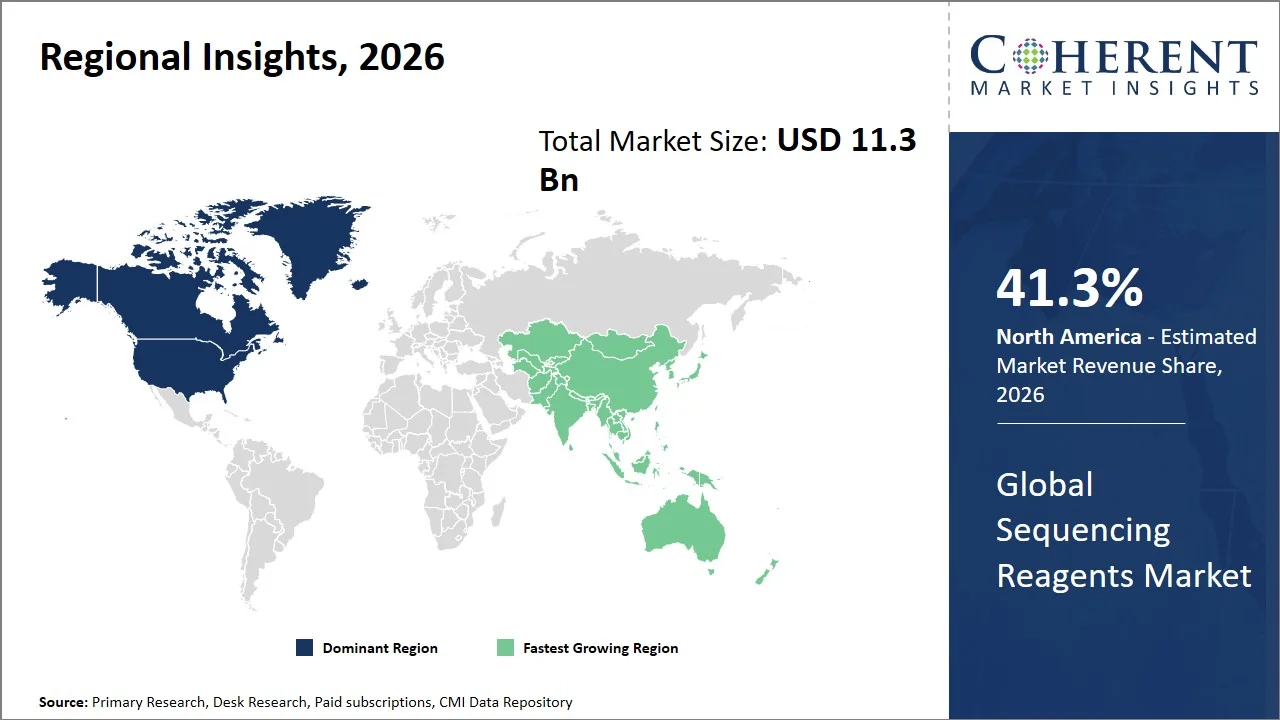
- North America maintains dominance with an expected share of 41.3% in 2026, attributed to strong presence of genomic research centers, growing use of precision medicine, and growing clinical use of next-generation sequencing across U.S. and Canada. For instance, in the U.S., the Centers for Disease Control and Prevention (CDC) is furthering pathogen genomics and sequencing surveillance programs to improve monitoring of infectious diseases and response capabilities-boosting demand for sequencing reagents and other genomic consumables throughout the country. (Source: Centers for Disease Control and Prevention)
- Asia Pacific is expected to exhibit the fastest growth with an estimated contribution of 22.8% share in 2026, due to the growth in investments towards genomic medicines, development of healthcare infrastructure together with the growing adoption of molecular diagnostics in countries like China, India and Japan. For instance, India's GenomeIndia Project is a leading advocate of advances in population-wide whole genome sequencing projects that aid the development of precision healthcare research and genetic disease studies, increasing adoption of sequencing workflows and reagents across the region. (Source: Department of Biotechnology)
- Increasing Adoption of Multi-Omics Research Platforms: The use of integrated genomics, transcriptomics, proteomics, and epigenomics techniques in biomedical research and development is spurring greater use of sequencing reagents. Both research institutes and pharmaceutical companies are now rapidly adopting multi-omics techniques for discovering genomic biomarkers, drug targets and future treatment strategies, which in turn is driving demand for high-end library prep and sequencing consumables.
- Rising Utilization of Sequencing in Infectious Disease Surveillance: In recent years, the adoption of genomic sequencing in global public health institutions for pathogen surveillance, epidemic investigation, and antimicrobial resistance diagnosis is gradually increasing. With expanding use of various genomics epidemiology programs for various disease states like respiratory viruses, foodborne pathogen, and emerging infectious disease and the emphasis on real-time genomic surveillance, it is providing supports to the long-term market expansion of the genomic sequencing reagents.
Segmental Insights
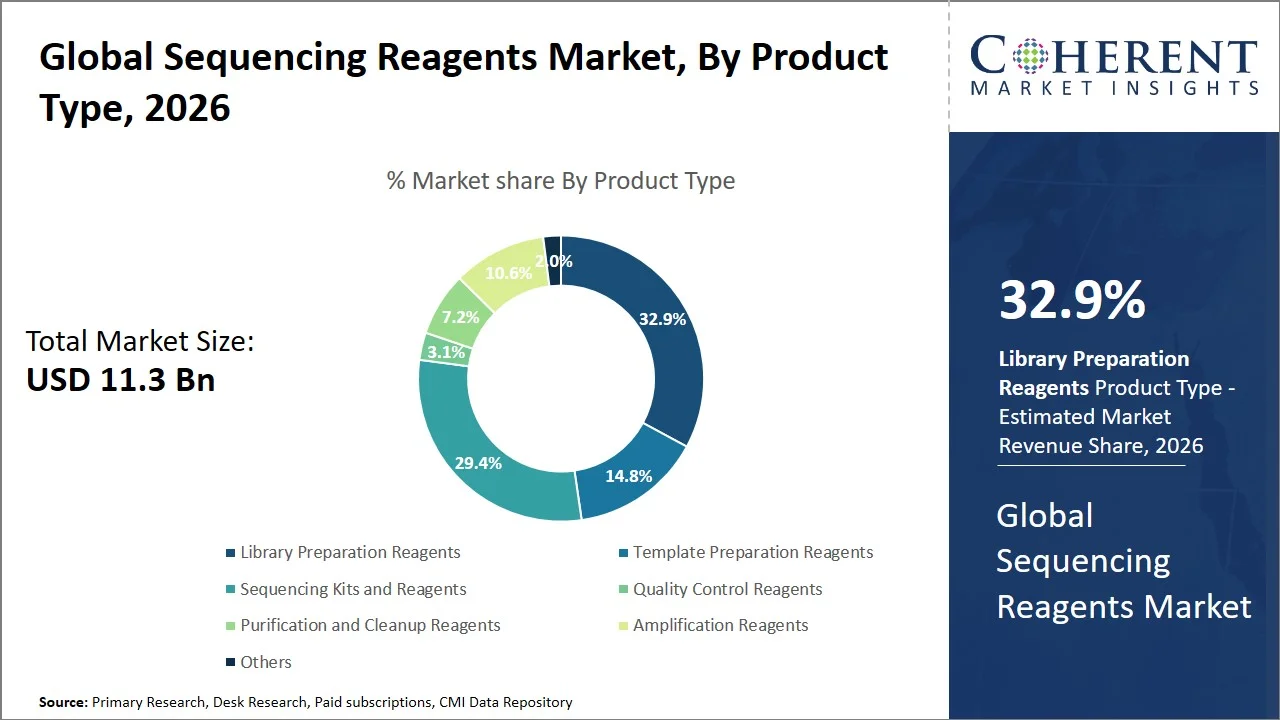
Why Does Library Preparation Reagents Segment Dominate the Global Sequencing Reagents Market?
Library preparation reagents are projected to hold the market share of 32.9% in 2026, owing to its ability to generate ready-to-sequence libraries that can be directly used for next-generation sequencing (NGS) workflow. The rising application of precision medicine, oncology genomics, RNA sequencing and targeted sequencing is further estimating increasing consumption of automation-ready and premium quality library preparation chemistries for the next-generation sequencing (NGS) study.
Moreover, innovations in high throughput sequencing technologies and rising demand for processing complex clinical and environmental samples further escalating usage of advanced library preparation reagents in diagnostic and research laboratories. For instance, in July 2025, QIAGEN announced the release of QIAseq xHYB Long Read Panels to optimize long read sequencing enrichment workflows, indicating ongoing industry developments in sophisticated library prep techniques for genomic research. (Source: QIAGEN)
- Current Industry Events of 2026
- Market Size Estimation
- Regional Breakdown
- Competitive Landscape
- Customer Intelligence
- Segmental Analysis
- Pricing Analysis
- Key Market Drivers, Challenges & Future Trends
- Customized Insights Section
Why Does Next-Generation Sequencing (NGS) Represent the Largest Sequencing Type Segment in the Global Sequencing Reagents Market?
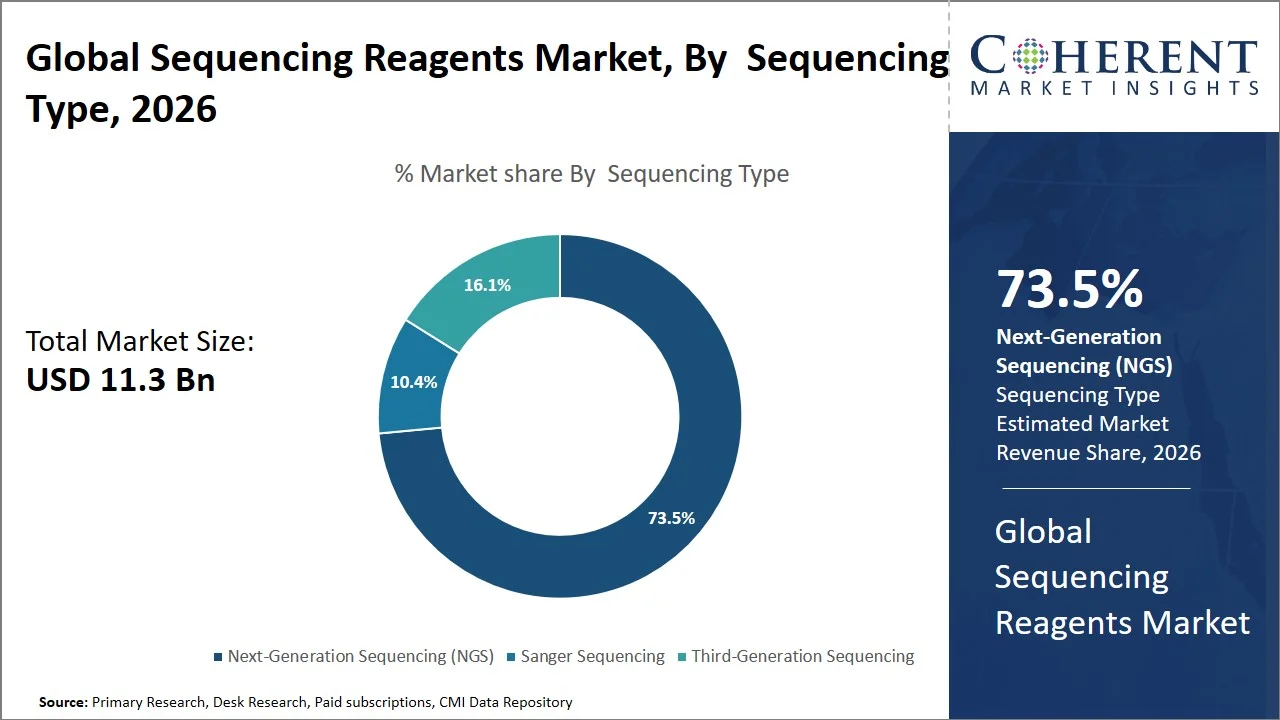
Next-generation sequencing (NGS) is projected to hold a market share of 73.5% in 2026, driven by its capability to enable fast, high throughput and highly precise genome analysis in diverse applications. The growing application of next-generation sequencing (NGS) system in cancer genomics, rare disease diagnostics, infectious disease characterization, pharmacogenomics and precision medicine, thus prominently driving the demand for advanced sequencing reagents and related workflow consumables. Additionally, ongoing innovations in sequencing chemistry, read accuracy, multiplexing system and long read sequencing are further catalyzing the uptake of next-generation sequencing (NGS) devices in research as well as clinical settings.
For instance, in February 2025, F. Hoffmann-La Roche announced a novel next-generation sequencing platform, developed around the company's innovative sequencing-by-expansion (SBX) chemistry, which was designed to enhance sequencing throughput, scalability and accuracy across a variety of genome analysis applications. The platform underscored the industry's rising concentration on next-generation sequencing chemistries and high-throughput genomic workflows, which will encourage earlier adoption of next-generation sequencing (NGS) platforms and higher demand for next-generation sequencing reagents and consumables globally. (Source: F. Hoffmann-La Roche)
Library Preparation Segment Dominates the Global Sequencing Reagents Market
The library preparation segment is projected to hold a market share of 38.7% in 2026, owing to its essential function in nucleic acid extraction, isolation, purification, quantification, and quality check prior to sequencing analysis. The growing applications of complex clinical samples, cell-free or liquid biopsy techniques, metagenomics studies and single cell sequencing are predominantly fueling demand for premium performance sample preparation chemistries that can reproduce high precision genomic data.
Moreover, the increasing integration of high-throughput sequencing workflows continues to push the development of specific library preparation chemistries in both research and diagnostic laboratories. For instance, in February 2026, Twist Bioscience launched next-generation library preparation kits based on internally developed enzymes, such as, PCR-free whole genome sequencing library preparation kits aimed at the growing sequencing reagents market (Source: Twist Bioscience). The launch emphasizes the growing industry pressure for innovative sample preparation methods to reduce sequencing time and optimize workflow capabilities.
Currents Events and their Impact
Current Events | Description and its Impact |
FDA Draft Guidance Expanding Use of Next-Generation Sequencing (NGS) in Genome Editing Safety Assessment (April 2026) |
|
European Commission Proposed IVDR Simplification Reforms for Genomic and Molecular Diagnostics (December 2025) |
|
(Source: Food and Drug Administration, European Hematology Association)
Global Sequencing Reagents Market Dynamics
Market Drivers
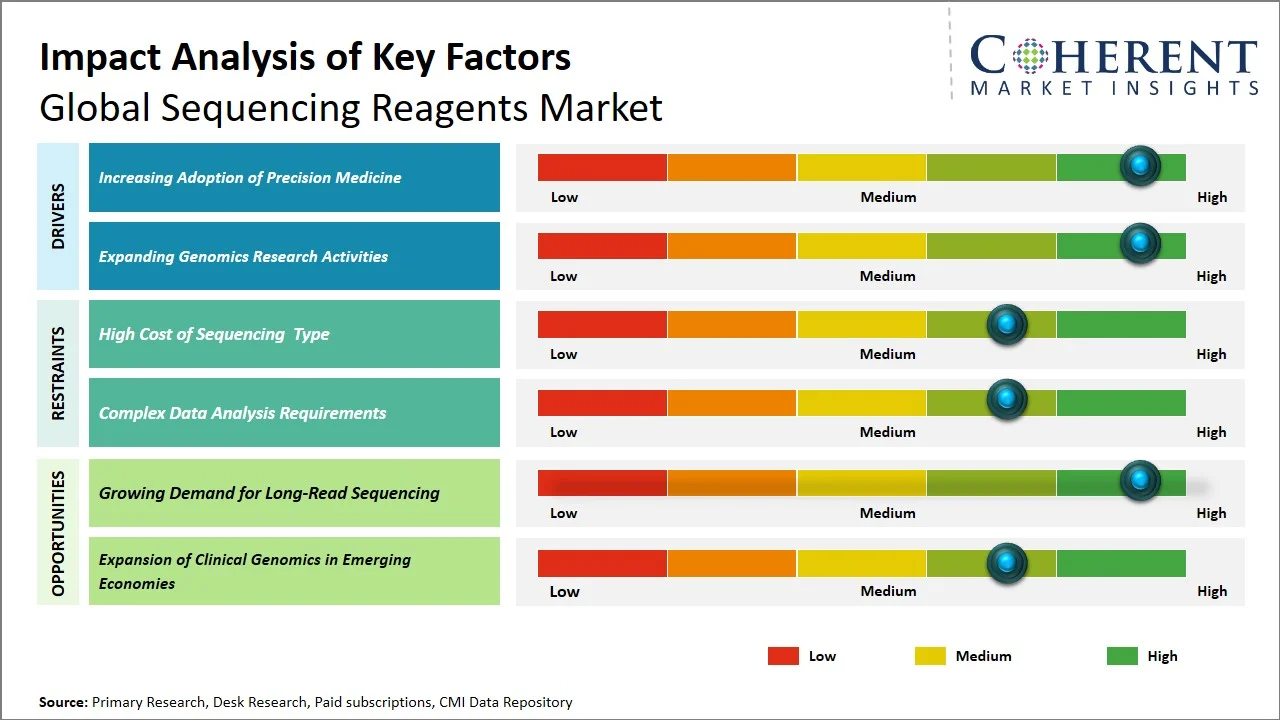
- Increasing Adoption of Precision Medicine: Increasing need for personalized medicine due to shift in trend of healthcare management towards precision medicine is one of the major growth drivers for sequencing reagents globally. In vitro advanced genomic sequencing solutions are used to ensure identification of patient specific biomarkers and therapy as per the biomarker profile of patient, thus increasing the efficiency of drugs with simultaneous reducing the adverse effects. This growth of cancer genome, rare disease diagnosis and pharmacogenomics are further driving the demand for massively parallel sequencing approaches in the clinical and research settings. Moreover, growing funding and growth focus of pharmaceutical and biotech companies towards targeted therapy has also been a major growth driver for sequencing reagents and library preparation technologies. For instance, European Union maintained its effort on the 1+ Million Genomes Initiative to provide a collaborative access to genomic and clinical data between the EU Member States to accelerate personalized medicine implementation and genomics research in Europe. The initiative enables broader adoption of genomic sequencing in healthcare, while expanding the use of sequencing pathways and genomic consumables in Europe. (Source: European Commission)
- Expanding Genomics Research Activities: The booming genomics research in fields such as cancer, infectious diseases, rare genetic diseases and biomarker discovery has been a huge global driver for the surging demand of sequencing reagents. Research institutions, biotech labs and academic institutions are extensively adopting next-generation sequencing technologies for high-throughput genome analysis and translational medicine initiatives, while increasing funding dedicated to population genomics and precision medicine research is also propelling strong growth for high-throughput sequencing workflows and library preparation hardware and consumables. For instance, in November 2025, the Wellcome Trust announced an USD 11.4 million (EURO 10 million) investment to develop GEN-IMPACT, an Africa-led genomics initiative, with the intention of driving genomic discovery and enhancing health equity across the continent. The GEN-IMPACT initiative would specifically target enhancements in genomic research infrastructure, sequencing capacity and precision medicine development across Africa. (Source: Wellcome) This type of investment could hasten the acceptance of next-generation sequencing work streams in addition to increasing the requirement for sequencing reagents and other genomic consumable materials within emerging medicine and research markets.
Emerging Trends
- Rising Adoption of Single-Cell and Spatial Genomics Sequencing: Biotech and research institutions are utilizing single cell and spatial genomics technologies for genetic analysis of cells at the tissue- and cell- levels. Application of these high- resolution sequencing methods are growing across many areas of oncology, neuroscience, and immunology research, driving higher demand for unique sequencing reagent kits and ultra- sensitive library preparation workflows.
- Growing Integration of AI in Genomic Sequencing Workflows: The use of artificial intelligence and machine learning technologies to automate sequencing workflows are becoming more commonplace to identify more relevant information within the genomic sequence, identify variants, and optimize the sequencing process. The growing market share of AI-enabled bioinformatics platforms is fueling the automation of genomic analysis, as well as the trial and development of faster, more efficient sequence reagent solutions for research and clinical use.
Regional Insights
Why is North America a Strong Market for Sequencing Reagents?
North America leads the global sequencing reagents market, accounting for an estimated 41.3% share in 2026, due to nurturing biotechnology ecosystem enabled by robust research infrastructure and funding supports from governments in countries like the U.S. The presence of world-leading scientific academic institutions, biotech startups and pharma companies proliferate a growing demand for high quality sequencing reagents. Prominent government programs such as the U.S. precision medicine initiative augments research-based activities leading to product development for reagents.
Additionally, the expansion of precision medicine Initiative and heightened investments from the National Institutes of Health (NIH) have started several exploratory research activities that demand for superior reagents., complemented with a solid regulatory system allowing rapid order approvals. For instance, the 21st Century Cures Act provided nearly USD 1.5 billion through 2026 to the NIH All of Us Research Program to fund large genomic data collection and personalized medicine programs in the U.S. that accelerated the demand for sequencing consumables and library preparation technologies (Source: National Institutes of Health). Further, a robust presence of multinationals such as Thermo Fisher Scientific, Illumina or Agilent Technologies, has their headquarters and remarkable R&D centers in the country pushing reagent catalogues and product enhancements.
Why Does Asia Pacific Sequencing Reagents Market Exhibit High Growth?
The Asia Pacific sequencing reagents market is expected to exhibit the fastest growth with an estimated contribution of 22.8% share to the market in 2026, led by rising genomic research capabilities, a surging healthcare expenditure and an increased emphasis on personalized medicine. The countries such as India, China, Japan, and South Korea are making remarkable investments in biotechnology infrastructure along with government sponsored policies that favor innovativeness and technology localization.
For instance, in January 2026, pharma giant AstraZeneca revealed plans to plough USD 15 billion into China through 2030 in order to develop advanced medicine research, biotech innovation and healthcare development capabilities in the country. The announced investment will likely facilitate the scaling of precision medicine and genomics-oriented R&D infrastructure and application in the country, speeding up the diffusion of sequencing technologies and thus the demand for sequencing reagents in the Chinese healthcare and life sciences domains (Source: AstraZeneca). Such investments in large-scale biotech and precision medicine are likely to promote the adoption of sequencing technologies, and would also underpin long-term demand for reagents for sequencing applications across the region.
Global Sequencing Reagents Market Outlook for Key Countries
Why is the U.S. Leading Innovation and Adoption in the Sequencing Reagents Market?
The U.S. dominates the sequencing reagents market owing to the widespread adoption of genomic sequencing in the fields of oncology diagnostics, rare disease screening and personalized medicine workflows in healthcare services and academic research institutions. An advanced infrastructure of genomic research institutes, molecular diagnostic laboratories, biotechnology companies and clinical sequencing facilities ensure development and commercialization of novel sequencing chemistries and automated library preparation techniques that are driving the market growth. Furthermore, the early adoption of long-read sequencing, single-cell genomics, and AI-enabled genome interpretation platforms is further driving high-performance sequencing reagents market penetration in the U.S.
Is U.K. a Favorable Market for Sequencing Reagents Market?
The U.K. is an ideal market for sequencing reagents as the utilization of genomic sequencing in routine clinical practice is well-established. The majority of the market is focused on cancer diagnostics and rare disease testing, and a well-established genomics system integrates hospitals, academic institutions, and national sequencing programmes all demanding recall for sequencing reagents and library preparation workflows. With the increased utilization of whole genome sequencing in the public healthcare market for diagnostics, and the rise of precision medicine research, the use of sophisticated sequencing reagents in the U.K. is expected to rise.
Is China Emerging as a Key Growth Hub for the Sequencing Reagents Market?
Sequencing reagents market in China is currently experiencing significant development attributed to the overdrive growth in clinical genomics, cancer sequencing initiatives and genomics-based precision medicine research. The adoption of next-generation sequencing into hospital diagnostics, reproductive health screening and infectious disease testing is enhancing the consumption of sequencing consumables and library preparation tools at a fast pace. Additionally, comprehensive domestication of genomics innovation in the country with immense emphasis on broad scale genomic projects, is boosting the participation of state-of-art sequencing platforms in the country.
Why Does Germany Top the Europe Sequencing Reagents Market?
Germany is the largest market for sequencing reagents in Europe and is leading due to penetration of molecular diagnostics with technology applied to genomic sequencing in the hospital laboratories, university hospitals and translating research ecosystems. The country has high capability in the precision medicine, biotechnology and advanced cancer genomics, rare disease diagnostics and biomarker research and laboratory automation work streams in keeping with demand for reagents and sequencing library preparation consumables.
Is Sequencing Reagents Market Developing in Japan?
The sequencing reagents market in Japan is gradually growing based on expansion of genomic sequencing for precision medicine, rare disease diagnostics, and regenerative medicine study. Japan has a very sophisticated and mature clinical research infrastructure, where precision medicine development using next-generation sequencing workflow in addition to molecular diagnostics is widely adopted by hospitals and academic institutes. Moreover, the focus on automation of laboratory systems with high-quality genomic analysis in Japan are maintained a continuous market demand for reliable reagent kits and library preparation consumables applied in clinical and translational research.
Regulatory Landscape Governing the Global Sequencing Reagents Market
Region | Key Regulatory Bodies | Approval & Compliance Framework | Impact on Market |
North America | U.S. Food and Drug Administration (FDA), Centers for Medicare & Medicaid Services (CMS), Health Canada | FDA regulations for in vitro diagnostic (IVD) sequencing assays, Clinical Laboratory Improvement Amendments (CLIA), Laboratory Developed Tests (LDTs), precision medicine and companion diagnostics frameworks | Strong regulatory support for genomic diagnostics and precision medicine is accelerating adoption of sequencing workflows, clinical genomics testing, and advanced sequencing reagents across the region |
Europe | European Medicines Agency (EMA), European Commission, National Health Authorities | In Vitro Diagnostic Regulation (IVDR), CE marking requirements, genomic data protection and clinical validation standards | Increasing standardization of genomic diagnostics and implementation of precision medicine programs are supporting wider commercialization of sequencing technologies and reagents across Europe |
Asia Pacific | National Medical Products Administration (NMPA - China), Pharmaceuticals and Medical Devices Agency (PMDA - Japan), Central Drugs Standard Control Organization (CDSCO - India) | Country-specific genomic testing approvals, molecular diagnostic regulations, precision healthcare and population genomics initiatives | Expanding government investments in genomics research and precision medicine are accelerating regulatory approvals and increasing sequencing reagent adoption throughout Asia Pacific |
Latin America | Brazilian Health Regulatory Agency (ANVISA), Federal Commission for Protection against Sanitary Risk (COFEPRIS - Mexico) | Regulations for molecular diagnostics, laboratory accreditation requirements, genomic testing compliance frameworks | Improving regulatory pathways for molecular diagnostics and increasing adoption of genomic healthcare are supporting gradual market expansion in the region |
Middle East & Africa | Saudi Food and Drug Authority (SFDA), South African Health Products Regulatory Authority (SAHPRA), UAE Ministry of Health & Prevention | Genomic testing regulations, healthcare laboratory accreditation standards, precision medicine initiatives | Rising investments in healthcare modernization, genetic disease screening, and molecular diagnostics infrastructure are increasing demand for sequencing technologies and reagents across the region |
How is the expansion of clinical genomics in emerging economies creating new growth opportunities in the global sequencing reagents market?
The growth of clinical genomics in developing economies are accelerating the growth of the sequencing reagents market by a considerable margin on account of higher pace of penetration of precision medicine, growing investments in molecular diagnostics and growing infrastructure for genomics research. Regulatory and healthcare agencies are increasingly integrating molecular sequencing for cancer diagnostics, infectious disease surveillance and rare disease screening tests to improve clinical outcomes.
For instance, Saudi Human Genome Program-the project was launched to establish comprehensive sequencing and genetic analysis of thousands of Saudi Arabian peoples' genomes in order to comprehensively identify mutated genes for inherited disorder facilitating earlier diagnosis and familial planning with enabled personalized genomic medicine. The project greatly expanding the application of next-generation sequencing (NGS) workflows and promoting increased requirement for sequencing reagents, library prep kits and genomic consumables across Middle East.(Source: Saudi Vision 2030) These national genomics initiatives will drive the translation of sequencing protocols, including the growing demand for sequencing reagents, library preparation kits and other genic consumables into emerging healthcare markets.
Market Players, Key Development, and Competitive Intelligence
Key Developments
- In February 2026, Illumina introduced TruPath Genome a higher performing genome sequencing platform that offers a more comprehensive genome view coupled with a simplified sample-to-sequencer workflow. The new platform showed good detection accuracy for rare genetic disease and further supports the trend in the field for the development of new sequencing chemistries, workflow improvements and precision diagnostics. The launch is predicted to boost demand for high performance sequencing reagents and consumables for clinical genomics and rare disease testing use cases.
- In September 2025, Quantum launched its V4 Sequencing Kit that will offer expanded proteome coverage and added use in various protein sequencing workflows. The kit is anticipated to enable a more sensitive protein sequencing method, leading to enable proteomic identification at greater sensitives within research and diagnostic laboratories. This launch is part of the growing trend of the industry with a focus on sequencing reagents innovation to support the future growth in the proteomic sequencing industry for biomarker breakthroughs, translational research and precision medicine.
Competitive Landscape
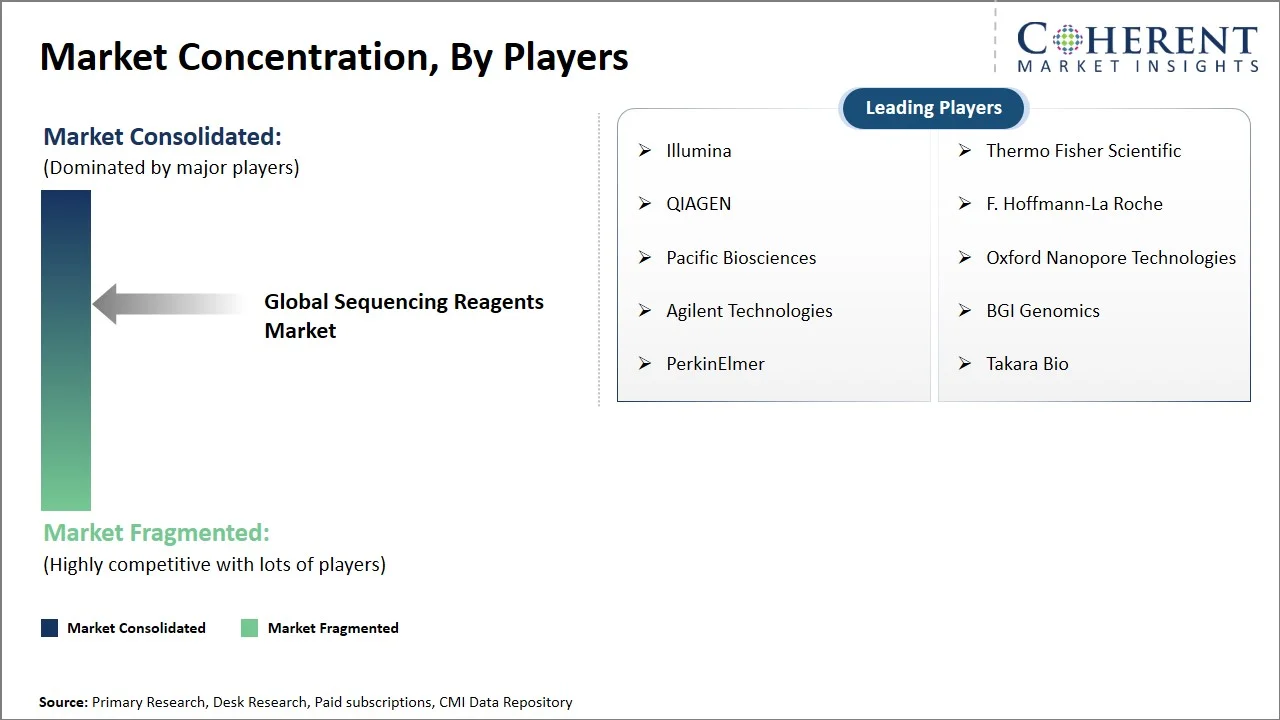
The global sequencing reagents market is highly competitive with the majority of major biotechnology companies, genomic technology providers, molecular diagnostics companies and life science reagent producers targeting the development of advanced sequencing workflows and precision genomics applications. A number of key market participants are recently investing large amounts into high-throughput sequencing chemistries and automation platforms to enhance efficiency and into long-read sequencing chemistries, advanced library prep systems to maximize sample throughput, while also combining efforts through strategic partnerships with genomics firms, research institutions and healthcare providers to further commercialize sequencing-based diagnostic and translational research markets. Key focus areas include:
- Development of advanced library preparation and sequencing chemistries
- Expansion of long-read sequencing and single-cell genomics capabilities
- Strategic collaborations for precision medicine and clinical genomics research
- Increasing investments in automated and high-throughput sequencing workflows
- Enhancement of genomic data accuracy, sensitivity, and sequencing efficiency
Market Report Scope
Sequencing Reagents Market Report Coverage
| Report Coverage | Details | ||
|---|---|---|---|
| Base Year: | 2025 | Market Size in 2026: | USD 11.3 Bn |
| Historical Data for: | 2020 To 2024 | Forecast Period: | 2026 To 2033 |
| Forecast Period 2026 to 2033 CAGR: | 17.5% | 2033 Value Projection: | USD 34.8 Bn |
| Geographies covered: |
| ||
| Segments covered: |
| ||
| Companies covered: | Illumina, Thermo Fisher Scientific, QIAGEN, F. Hoffmann-La Roche, Pacific Biosciences, Oxford Nanopore Technologies, Agilent Technologies, BGI Genomics, PerkinElmer, and Takara Bio | ||
| Growth Drivers: |
| ||
| Restraints & Challenges: |
| ||
Analyst Opinion (Expert Opinion)
- The global market for sequencing reagents is projected to experience a stable growth rate owing to the continuous and rapid adoption of these tools by the field of precision medicine, clinical genomics and 'multi-omics' applications. The number of labs applying next-generation sequencing (NGS) technologies to cancer and other disease diagnosis, screening for rare and inherited conditions, tracking infectious disease outbreaks and monitoring utilization of targeted therapeutics will grow increasingly, further spurring the need for advanced sequencing consumables and other workflow reagents. In parallel, new technologies will continue to emerge and have a transformative impact on the scope of genomic analysis possible, providing market players the opportunity for substantial, long-term expansion.
- The highest opportunities are anticipated in oncology and clinical diagnostics markets in the Asia Pacific region, especially driven by rapidly deploying genomic medicine initiatives and molecular diagnostic infrastructure development by central and regional governments and healthcare organizations in China, India, and Japan. Rising investments in population-based genomics programs, cancer genomics projects, and precision medicine initiatives will encourage more widespread adoption of library prep reagents, sequencing kits, and automated genomic workflows in developed health systems. Additionally, increasing market for genetic biomarker studies, companion diagnostics, will generate additional opportunities for pharma/Biotech research applications of genomics
- For gaining any competitive advantage in the market, companies need to focus on developing inexpensive, high-throughput, automation-ready sequencing reagent offerings that offer improved workflow efficiency and increased sequencing accuracy. They should create collaborations with healthcare institutions, genomics research centers and precision medicine programs to support clinical adoption. In addition, the formation of partnerships that develop AI-enabled genomic analysis platforms, long-read sequencing chemistries and scalable sample prep systems will enable emerging companies to differentiate from competition and capture a wider scope of opportunities in this rapidly growing field.
Speak to the analyst
Want personalized insights?
Take the findings above to one of our principal consultants, or have the report rebuilt around the segments, geographies and competitors you actually track.
Market Segmentation
- Product Type Insights (Revenue, USD Bn, 2021 - 2033)
- Library Preparation Reagents
- Template Preparation Reagents
- Sequencing Kits and Reagents
- Quality Control Reagents
- Purification and Cleanup Reagents
- Amplification Reagents
- Others
- Sequencing Type Insights (Revenue, USD Bn, 2021 - 2033)
- Next-Generation Sequencing (NGS)
- Sanger Sequencing
- Third-Generation Sequencing
- Workflow Insights (Revenue, USD Bn, 2021 - 2033)
- Sample Preparation
- Library Preparation
- Sequencing
- Data Validation and Quality Control
- Application Insights (Revenue, USD Bn, 2021 - 2033)
- Clinical Diagnostics
- Oncology and Cancer Research
- Reproductive Health and Genetic Screening
- Infectious Disease Testing
- Drug Discovery and Development
- Agrigenomics and Animal Research
- Forensic Research
- Others
- End User Insights (Revenue, USD Bn, 2021 - 2033)
- Pharmaceutical and Biotechnology Companies
- Academic and Research Institutes
- Hospitals and Diagnostic Laboratories
- Contract Research Organizations (CROs)
- Government and Public Health Laboratories
- Others
- Regional Insights (Revenue, USD Bn, 2021 - 2033)
- North America
- U.S.
- Canada
- Latin America
- Brazil
- Argentina
- Mexico
- Rest of Latin America
- Europe
- Germany
- U.K.
- Spain
- France
- Italy
- Russia
- Rest of Europe
- Asia Pacific
- China
- India
- Japan
- Australia
- South Korea
- ASEAN
- Rest of Asia Pacific
- Middle East
- GCC Countries
- Israel
- Rest of Middle East
- Africa
- South Africa
- North Africa
- Central Africa
- North America
- Key Players Insights
- Illumina
- Thermo Fisher Scientific
- QIAGEN
- Hoffmann-La Roche
- Pacific Biosciences
- Oxford Nanopore Technologies
- Agilent Technologies
- BGI Genomics
- PerkinElmer
- Takara Bio
Sources
Primary Research Interviews
- Sequencing reagent scientists, molecular biologists, genomic medicine researchers, and next-generation sequencing (NGS) specialists from academic and research institutes
- Clinical researchers, oncologists, and molecular diagnostic specialists involved in cancer genomics and precision medicine studies
- Biotechnology and pharmaceutical company executives focused on genomic diagnostics, biomarker discovery, and sequencing workflow development
- Laboratory directors and genomic testing specialists utilizing library preparation and sequencing technologies
- Contract research organization (CRO) and contract development & manufacturing organization (CDMO) professionals involved in genomic assay development and sequencing workflows
- Regulatory and translational medicine experts involved in clinical genomics and molecular diagnostics commercialization
Stakeholders
- Sequencing Reagent Manufacturers
- End-use Sectors
- Pharmaceutical & Biotechnology Companies
- Academic & Research Institutes
- Hospitals & Diagnostic Laboratories
- CROs/CDMOs
- Regulatory & Health Bodies: U.S. Food and Drug Administration (FDA) – genomic diagnostics and sequencing-based testing regulations, European Medicines Agency (EMA) – precision medicine and molecular diagnostics framework, National Institutes of Health (NIH) – genomics and biomarker research funding, Centers for Disease Control and Prevention (CDC) – pathogen genomics and disease surveillance programs, World Health Organization (WHO) – global cancer and infectious disease statistics
Databases
- ClinicalTrials.gov – studies on genomic sequencing, precision oncology, and molecular diagnostics
- NIH RePORTER – federally funded genomics and sequencing research projects
- National Center for Biotechnology Information (NCBI) – genomic datasets and sequencing resources
- World Health Organization Global Health Observatory – cancer and chronic disease statistics
Magazines
- Genetic Engineering & Biotechnology News (GEN) – updates on genomics, sequencing technologies, and precision medicine
- BioPharma Dive – developments in molecular diagnostics and genomic medicine commercialization
- Pharmaceutical Technology – advancements in sequencing workflows and biomarker discovery applications
Journals
- Nature Biotechnology
- Genome Research
- Nature Genetics
- The American Journal of Human Genetics
- Journal of Molecular Diagnostics
Newspapers
- The Wall Street Journal – biotechnology investments and precision medicine developments
- Financial Times – healthcare innovation and genomic diagnostics industry trends
- The New York Times (Health Section) – cancer genomics and emerging biotechnology coverage
Associations
- American Society of Human Genetics (ASHG)
- Association for Molecular Pathology (AMP)
- American Association for Cancer Research (AACR)
- Biotechnology Innovation Organization (BIO)
Public Domain Sources
- National Institutes of Health (NIH) – genomics and precision medicine research
- Centers for Disease Control and Prevention (CDC) – pathogen genomics and disease surveillance statistics
- National Cancer Institute (NCI) – cancer genomics and biomarker research initiatives
- World Health Organization (WHO) – global cancer burden and chronic disease prevalence data
- National Human Genome Research Institute (NHGRI) – genomic medicine and sequencing initiatives
Proprietary Elements
- CMI Data Analytics Tool, Proprietary CMI Existing Repository of information for last 10 years.
Get access to 250+ pages report
Every segment, forecast, competitor profile and data table behind the analysis above — available for instant download.
- ESOMAR Member
- ISO 9001:2015 Certified
- D-U-N-S Registered
- GDPR & CCPA Compliant
Missing comfort of reading report in your local language? Find your preferred language:
Transform your Strategy with Exclusive Trending Reports
Frequently Asked Questions
The global sequencing reagents market is estimated to be valued at USD 11.3 Bn in 2026 and is expected to reach USD 34.8 Bn by 2033.
Library preparation reagents dominate due to their critical role in preparing DNA and RNA samples for next-generation sequencing (NGS) workflows, enabling accurate genomic analysis, biomarker discovery, and precision medicine applications.
Sequencing reagents are specialized chemical consumables including enzymes, nucleotides, buffers, primers, and library preparation kits used to prepare, amplify, and analyze genetic material during DNA and RNA sequencing workflows.
The CAGR of global sequencing reagents market is projected to be 17.5% from 2026 to 2033.
Increasing adoption of precision medicine and expanding genomics research activities are the major factors driving the growth of the global sequencing reagents market.
High cost of sequencing workflows and complex data analysis requirements are the major factors hampering the growth of the global sequencing reagents market.
Next-Generation Sequencing (NGS)enables rapid, high-throughput, and cost-effective sequencing of large volumes of genetic material for clinical and research applications.