

Sickle Cell Disease Treatment Market Size and Trends Forecast – 2026 - 2033
The sickle cell disease treatment market is estimated to be valued at USD 3.70 Bn in 2026 and is expected to reach USD 10.35 Bn by 2033, exhibiting a compound annual growth rate (CAGR) of 15.8% from 2026 to 2033.
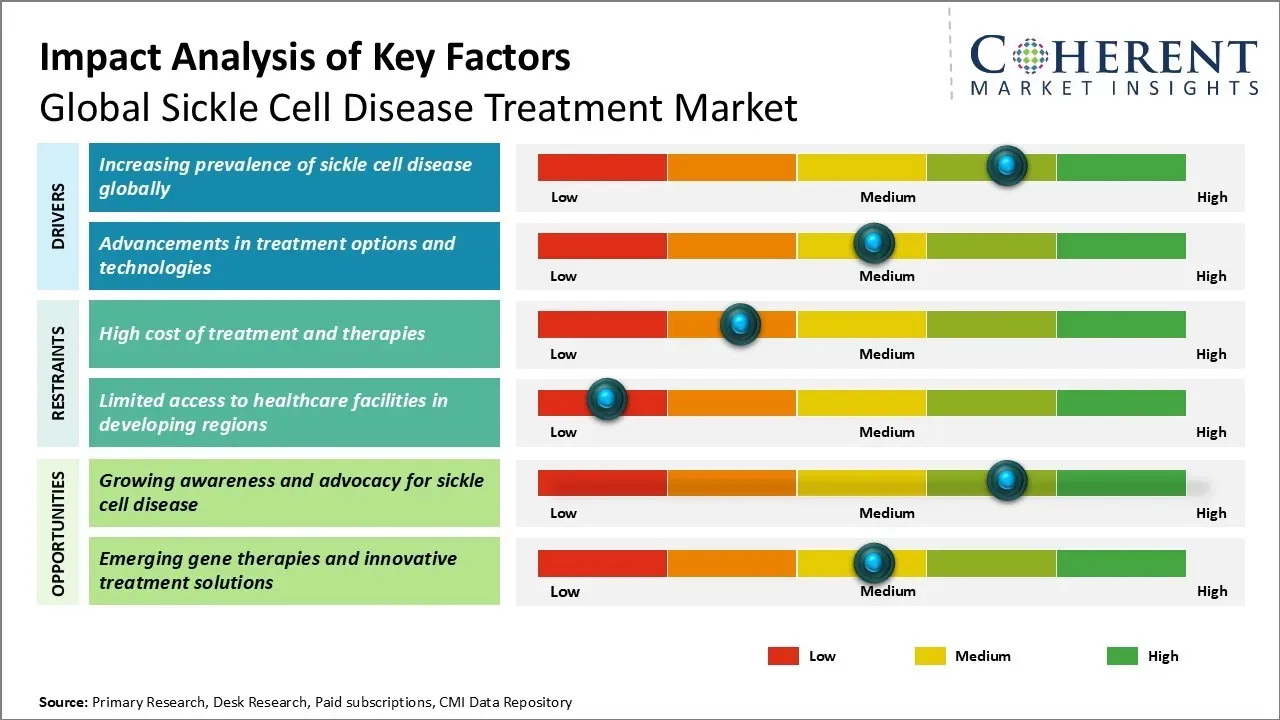
Key Takeaways of the Sickle Cell Disease Treatment Market
- By treatment type, the blood transfusion segment is expected to contribute the highest share of the market with 44.1% in 2026.
- By age group, the adults segment is expected to contribute the highest share of the global sickle cell disease treatment market with 39.3% in 2026.
- By route of administration, the oral segment is expected to gain prominence in the global sickle cell disease treatment market with a share of 56.3% in 2026.
- North America is expected to top the global market with 35. 3% share in 2026, followed by Asia Pacific, which is expected to account for 27.7% share in 2026.
Market Overview
The market trend for sickle cell disease treatment shows immense potential for growth. Increasing awareness about the disease, improvements in healthcare infrastructure, and rising investments in R&D for novel therapies are some key factors contributing to the rising demand for sickle cell treatment. Greater research emphasis on stem cell and gene therapy as a cure offers promise for growth. Existing drugs mainly address symptoms but recent pipeline drugs hold promise of increasing reimbursements and reducing disease burden.
However, one of the major challenges for the global sickle cell disease treatment market is the high cost of treatment and therapies.
Market Concentration and Competitive Landscape
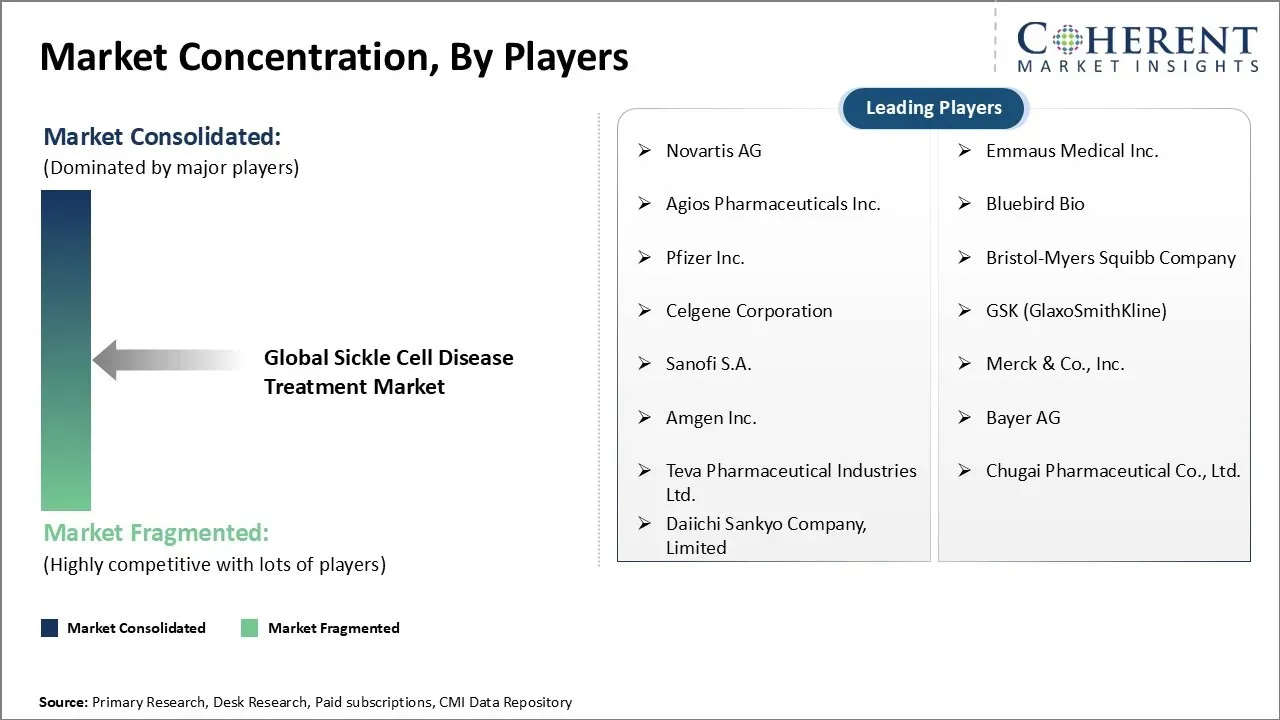
- Leading pharmaceutical companies are heavily investing in research and development (R&D) to innovate high-performance treatments for sickle cell disease (SCD).
- Mid-sized companies are focusing on delivering quality, budget-friendly treatments targeting price-sensitive consumers. Emmaus Medical, Inc. offers Endari, a U.S. Food and Drug Administration approved treatment for sickle cell disease, providing a more affordable option for patients.
Current Events and Its Impact
Current Events | Description and its impact |
Gene Therapy Clinical Advancements & Commercialization |
|
Emerging Market Healthcare Initiatives |
|
- Current Industry Events of 2026
- Market Size Estimation
- Regional Breakdown
- Competitive Landscape
- Customer Intelligence
- Segmental Analysis
- Pricing Analysis
- Key Market Drivers, Challenges & Future Trends
- Customized Insights Section
Market Trends
Increasing Prevalence of Sickle Cell Disease Globally
Sickle cell disease is a very debilitating genetic disorder that has affected millions of people globally. Due to the rising levels of migration and movement of people across different geographies in the past few decades, the prevalence of sickle cell disease has significantly increased in many parts of the world.
For instance, according to the World Health Organization, approximately 5% of the world’s population carries trait genes for hemoglobin disorders, mainly, sickle-cell disease and thalassemia. With more ethnic mixing and interracial marriages happening worldwide, newborns from different ethnic backgrounds are at a higher risk of inheriting the sickle cell gene from their parents.
Growing Awareness and Advocacy for Sickle Cell Disease
Advancements in research and therapeutic options have helped increase public understanding of the disease in recent decades. Campaigns by sickle cell disease advocacy groups are educating more people about SCD, its signs and symptoms, and available resources for support. Through their efforts, more at-risk communities and the general public now recognize SCD as a serious health issue.
For instance, Global Alliance of Sickle Cell Disease Organizations, announced on June 19, 2025, a theme as “Uniting for World Sickle Cell Awareness,” Amplifying the voices of individuals and families affected by sickle cell disease.
Segmental Insights
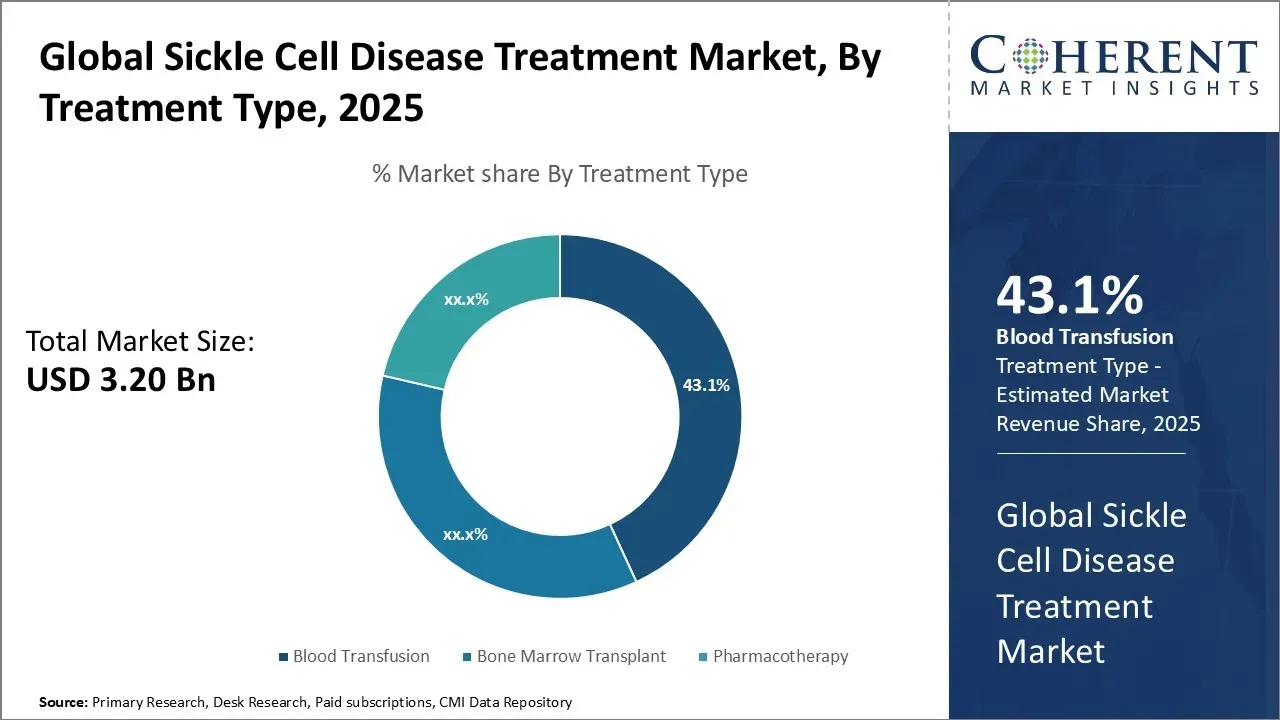
Sickle Cell Disease Treatment Market Insights, by Type - Dependence on Available Treatment Options, Blood Transfusion contributes the highest share of the market
In terms of treatment type, the blood transfusion segment is expected to contribute the highest share of the market with 44.1% in 2026 owing to its availability and low risks compared to other treatment options for sickle cell disease patients.
Blood transfusion is one of the primary and widely available treatment methods that helps reduce the percentage of sickle hemoglobin in the blood and provides relief from symptoms of the disease. Patients with frequent pain crises or strokes largely rely on regular blood transfusions. Moreover, blood transfusion is a relatively safe option compared to experimental treatments like bone marrow transplantation which carries risks of transplant rejection or infections.
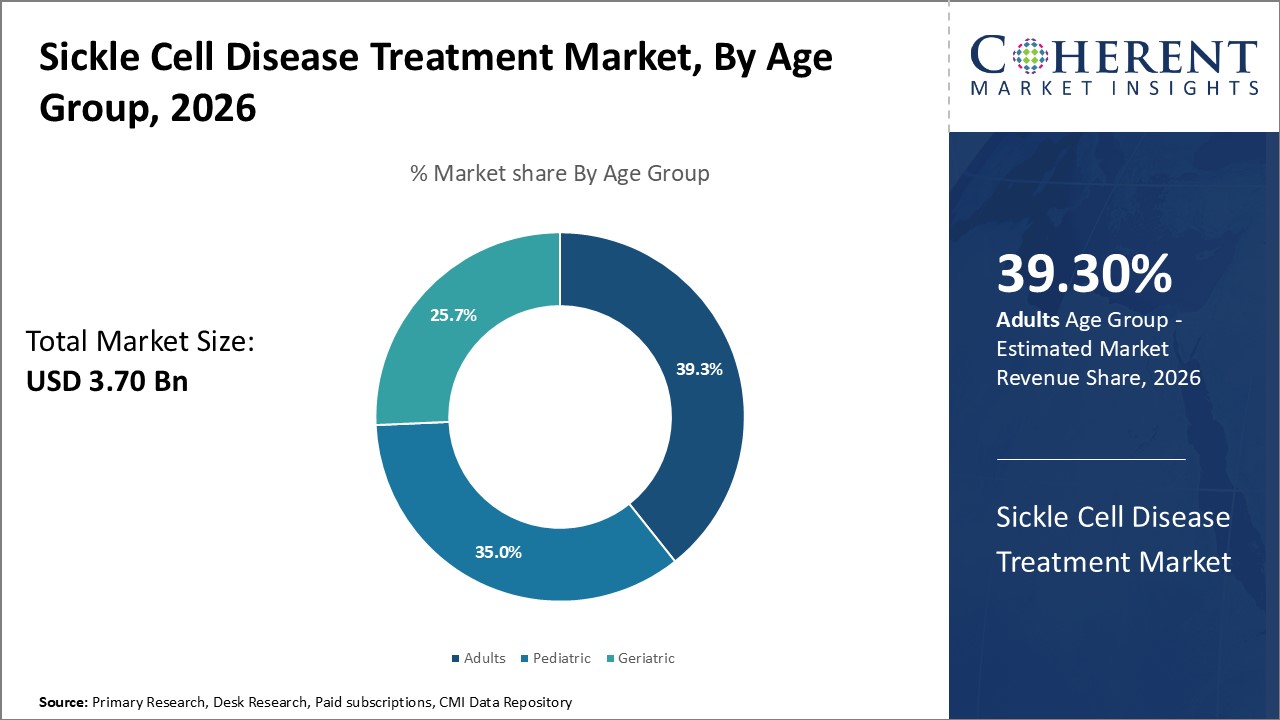
Sickle Cell Disease Treatment Market Insights, by Age Group - Demographic Factors Fuel Adults Segment Dominance, Adults contributes the Highest Share of the Market
In terms of age group, the adults segment is expected to contribute the highest share of the global sickle cell disease treatment market with 39.3% in 2026, owing to various demographic factors.
Sickle cell disease being a genetic condition, patients are diagnosed from early childhood. However, symptoms generally increase in severity with age and patients require long-term management plans. A majority of affected demographic already falls in the adult category in developing nations where the disease is more prevalent. Treatment needs progressively rise with age as complications like severe pain episodes, organ damage or failures become more frequent in adults.
Sickle Cell Disease Treatment Market Insights, by Route of Administration - Oral Route Dominates on Grounds of Convenience and Compliance, Oral Contributes the Highest Share of the Market
When examined based on route of administration, the oral segment is projected to gain prominence in the global sickle cell disease treatment market with a share of 56.3% in 2026, owing to advantages over parenteral options.
Oral medications are preferred due to their convenience of self-administration and flexibility. Treatments like hydroxyurea pills require less medical supervision and hospital visits thus avoiding disruption to daily routines. This translates to better compliance seen with oral drugs compared to injectables. Additionally, oral administration eliminates risks of complications from intramuscular or intravenous injections.
Emerging Innovations in the Sickle Cell Disease Treatment Market
- Casgevy (Exa-cel) – CRISPR/Cas9 Gene-Editing Therapy
Application: Uses CRISPR/Cas9 to edit a patient’s hematopoietic stem cells, permanently activating fetal hemoglobin (HbF) to prevent red blood cell sickling. In phase III trials, 93.5% of participants remained free from severe vaso‑occlusive crises for at least 12 consecutive months. Approved by the Food and Drug Administration in December 2023 and by the U.K.’s MHRA in November 2023. As of early 2025, the National Health Service plans to offer treatment to approximately 50 patients annually, with early rollout in London, Manchester, and Birmingham.
- Lyfgenia (Lovo ‑ cel) – Lentiviral Gene Therapy
Application: Delivers a functional beta-globin gene into patient stem cells via a lentiviral vector to correct defective hemoglobin. 88% of patients in pivotal trials experienced a complete resolution of vaso‑occlusive events between 6 and 18 months after treatment.
Example: LYFGENIA is the longest-studied approved gene therapy for sickle cell disease. It is a one-time gene therapy to treat sickle cell disease in individuals 12 years of age or older and a history of vaso-occlusive events (VOEs).
Impact of AI on the Sickle Cell Disease Treatment Market
AI is making significant inroads in both the clinical and therapeutic realms of Sickle Cell Disease (SCD) treatment.
- Transplant Outcome Models: NIH researchers-built ML systems using lab results and imaging data from 111 SCD patients undergoing stem-cell transplant, yielding a C‑statistic of 0.84—far better than conventional indices.
- Biometric Detection of Pain Levels: Researchers at Northwestern University created an algorithm using vitals data (heart rate, BP, temperature) that outperformed standard pain-based scales for SCD patients.
- Simulated Combination Therapies: AI-humanoid models simulated drug combos (like Endari + Crizanlizumab), proposing new regimens that reduced vaso-occlusive events and side effects in virtual patient cohorts.
Regional Insights
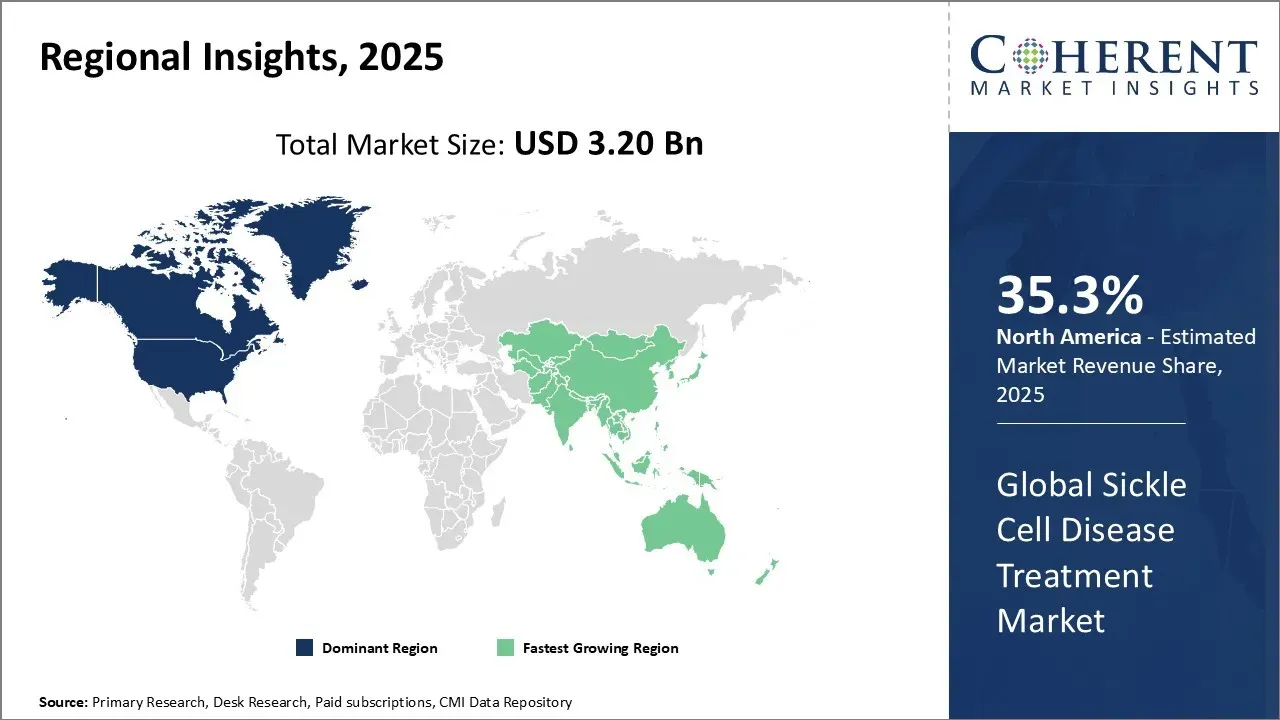
North America Sickle Cell Disease Treatment Market Analysis and Trends
North America’s dominance in the sickle cell disease treatment market with a projected share of 35.3% in 2026 can be attributed to the strong presence of major pharmaceutical companies such as Pfizer Inc. in the region.
According to an article published by Terumo Global in February 2026, NASCC is a 501(c)(3) non-profit organization supporting U.S. sickle cell centers with a national network of over 100 recognized multi-disciplinary SCD centers. NASCC and Terumo BCT will combine their collective expertise with the BET on Blood for SCD partnership to focus on comprehensive strategies to address systemic challenges in SCD care related to blood therapy and cellular therapies.
Asia Pacific Sickle Cell Disease Treatment Market Analysis and Trends
The Asia Pacific region is expected to exhibit the fastest growth with a share of 27.7% in 2026, led by countries like India, China, and Southeast Asian nations. Rising healthcare expenditure, growing patient awareness, and efforts by governments to expand access to affordable treatment are driving the market growth in the region.
For instance, according to the National Library of Medicine, in December 2024, hydroxyurea, a standard SCD treatment, is manufactured in India, sold at approximately USD 0.03 to USD 0.18 per 500 mg, and dispensed free through government channels
U.S Sickle Cell Disease Treatment Market Analysis and Trends
The U.S. sickle cell disease treatment market is set to witness significant growth, fueled by increased awareness, advanced R&D investments, and a high prevalence of sickle cell disease.
For instance, as per Cleveland, sickle cell anemia affects at least 100,000 people in the U.S.
U.K. Sickle Cell Disease Treatment Market Analysis and Trends
The U.K. leads the sickle cell disease treatment market, driven by its pioneering advancements in medical innovation.
According to the Sickle Cell Society, approximately 1 in 79 babies born in the U.K. carry sickle cell trait. Children with SCD are at increased risk for stroke, the risk is highest between the ages of 2 and 16.
India Sickle Cell Disease Treatment Market Analysis and Trends
India has a high prevalence of sickle cell disease, particularly in tribal regions. Government initiatives, such as the National Health Mission's focus on screening and awareness programs, aim to improve diagnosis and treatment access, driving market expansion.
For instance, as per a study by Orphanet Journal of Rare Diseases, in South Asia, the highest prevalence of the SCD is observed in India, where over 20 million patients with the disease are known to live. The burden of the disease in India is estimated to be second only to that of Africa with the highest frequency of βs allele being found in a belt stretching across central India, from South-eastern Gujarat to South-western Odisha.
South Africa Sickle cell disease treatment Market Analysis and Trends
South Africa drives the sickle cell disease treatment market through its advanced healthcare infrastructure, high disease burden among infants. According to the National Institutes of Health (NIH), In Africa, SCD prevalence is exceptionally high, with an estimated 240,000 affected infants born annually. The SCT is believed to offer a survival advantage against malaria, a factor that has influenced its distribution across malaria-endemic regions of Africa.
Pricing Analysis
- Casgevy (CRISPR-based gene therapy)
- List Price: Approximately USD 2.2 million per single-dose treatment in the U.S.; comparable pricing (Approximately USD 2 million) expected in the U.K. and EU markets.
- Lyfgenia (Lentiviral vector gene therapy)
- List Price: Approximately USD 3.1 million per treatment in the U.S.; features outcome-based reimbursement agreements with major U.S. payers.
Market Report Scope
Sickle Cell Disease Treatment Market Report Coverage
| Report Coverage | Details | ||
|---|---|---|---|
| Base Year: | 2025 | Market Size in 2026: | USD 3.70 Bn |
| Historical Data for: | 2020 To 2024 | Forecast Period: | 2026 To 2033 |
| Forecast Period 2026 to 2033 CAGR: | 15.8% | 2033 Value Projection: | USD 10.35 Bn |
| Geographies covered: |
| ||
| Segments covered: |
| ||
| Companies covered: | Novartis AG, Emmaus Medical Inc., Agios Pharmaceuticals Inc., Bluebird Bio, Pfizer Inc., Bristol-Myers Squibb Company, Celgene Corporation, GSK (GlaxoSmithKline), Sanofi S.A., Merck & Co., Inc., Amgen Inc., Bayer AG, Teva Pharmaceutical Industries Ltd., Chugai Pharmaceutical Co., Ltd., and Daiichi Sankyo Company, Limited | ||
| Growth Drivers: |
| ||
| Restraints & Challenges: |
| ||
Global Sickle cell disease treatment Industry News
- In January 2025, gene therapy, known as exagamglogene autotemcel (or ‘exa-cel’), approved for use on the NHS in England by the National Institute for Health and Care Excellence for older children and adults with a severe form of sickle cell disease.
- In January 2025, Emmaus Life Sciences,, a commercial-stage biopharmaceutical company and leader in the treatment of sickle cell disease, announced Endari (L-glutamine oral powder) which afforded market exclusivity in the Kingdom of Saudi Arabia, or KSA, by the National Uniform Procurement Agency, or NUPCO.
- In January 2025, Agios announced key 2025 milestones for innovative rare disease portfolio. Topline results from Phase 3 RISE UP study of Mitapivat in sickle cell disease to be announced in late 2025, with potential U.S. commercial launch in 2026.
- In June 2025, the U.S. Food and Drug Administration (FDA) has granted orphan drug designation to rilzabrutinib, a novel, advanced, oral, reversible Bruton's tyrosine kinase (BTK) inhibitor that works via multi-immune modulation, to target a reduction in vaso-occlusive crises, which may occur via inflammation, in sickle cell disease. The FDA grants orphan drug designation to investigational therapies addressing rare medical diseases or conditions that affect fewer than 200,000 people in the US.
Analyst View
- The sickle cell disease treatment market is majorly fueled by the high occurrence of sickle cell disease across regions. According to estimates, sickle cell disease affects over 100,000 Americans annually and millions globally. Developing countries in Africa and Southeast Asia have witnessed high numbers.
- Additionally, efforts taken by government authorities to spread awareness about the symptoms and treatment options available for sickle cell disease management are creating demand. Moreover, new product approvals and robust pipelines will propel market revenue. The U.S. will continue dominating the market given strong reimbursement structures and the presence of key players. However, developing Asian countries are likely to provide lucrative opportunities attributable to growing health expenditures.
- Competitive pipeline and technological disruption, such as Vertex’s Type 1 diabetes/chronic kidney disease diversification, impacting R&D resource shift from SCD gene therapy, allowing rivals (beam, bluebird) market share gains. Similarly, CRISPR vs. base editing efficacy debates is impacting BEAM-101’s reduced off-target risk (if proven) threatening CRISPR’s dominance; investor pivot to next-gen platforms.
- The emergence of combination therapies, gene therapies, and targeted oral medications can potentially overcome these restraints, collaborations between pharmaceutical companies and research institutes aim to develop novel and affordable treatment options. This will further expand the market reach in developing regions. If priced competitively, new product launches are expected to bolster market expansion during the forecast period.
Speak to the analyst
Want personalized insights?
Take the findings above to one of our principal consultants, or have the report rebuilt around the segments, geographies and competitors you actually track.
Market Segmentation
- By Treatment Type Insights (Revenue, USD Bn, 2021 - 2033)
- Blood Transfusion
- Bone Marrow Transplant
- Pharmacotherapy
- Hydroxyurea Therapy
- Oxbryta
- Adakveo
- Pain Management Drugs
- Others
- By Age Group Insights (Revenue, USD Bn, 2021 - 2033)
- Adults
- Pediatric
- Geriatric
- By Route of Administration Insights (Revenue, USD Bn, 2021 - 2033)
- Oral
- Parenteral
- By End User Insights (Revenue, USD Bn, 2021 - 2033)
- Hospitals
- Specialty Clinics
- Homecare Settings
- Others
- By Distribution Channel Insights (Revenue, USD Bn, 2021 - 2033)
- Hospital Pharmacies
- Retail Pharmacies
- Online Pharmacies
- Regional Insights (Revenue, USD Bn, 2021 - 2033)
- North America
- U.S.
- Canada
- Latin America
- Brazil
- Argentina
- Mexico
- Rest of Latin America
- Europe
- Germany
- U.K.
- Spain
- France
- Italy
- Russia
- Rest of Europe
- Asia Pacific
- China
- India
- Japan
- Australia
- South Korea
- ASEAN
- Rest of Asia Pacific
- Middle East
- GCC Countries
- Israel
- Rest of Middle East
- Africa
- South Africa
- North Africa
- Central Africa
- North America
- Key Players Insights
- Novartis AG
- Emmaus Medical Inc.
- Agios Pharmaceuticals Inc.
- Bluebird Bio
- Pfizer Inc.
- Bristol-Myers Squibb Company
- Celgene Corporation
- GSK (GlaxoSmithKline)
- Sanofi S.A.
- Merck & Co., Inc.
- Amgen Inc.
- Bayer AG
- Teva Pharmaceutical Industries Ltd.
- Chugai Pharmaceutical Co., Ltd.
- Daiichi Sankyo Company, Limited
Sources
Primary Research interviews
- Hematologists specializing in sickle cell disease
- Pharmaceutical company Research & Development (R&D) heads
- Healthcare providers managing sickle cell patients
- Policy makers in rare disease treatment
- Others
Databases
- GlobalData Healthcare
- EvaluatePharma
- ClinicalTrials.gov
- FDA Drug Database
- Others
Magazines
- Sickle Cell Disease News
- Rare Disease Report
- PharmaVOICE
- Others
Journals
- Blood Advances
- The American Journal of Hematology
- Journal of Clinical Medicine
- Others
Newspapers
- The New York Times Health Section
- The Guardian Health
- Reuters Health News
- Others
Associations
- Sickle Cell Disease Association of America (SCDAA)
- National Organization for Rare Disorders (NORD)
- American Society of Hematology (ASH)
- World Health Organization (WHO)
- Others
Public Domain sources
- World Health Organization (WHO) Database
- Centers for Disease Control and Prevention (CDC) Reports
- National Institutes of Health (NIH) Publications
Proprietary Elements
- CMI Data Analytics Tool – Sickle Cell Disease Treatment Market
- CMI Existing Repository of Information for the Last 8 Years
*Definition: The Sickle Cell Disease treatment market includes all products and services aimed at managing, alleviating, or potentially curing sickle cell disease and its complications. This covers one-time curative gene and cell therapies like CRISPR/Cas9, supportive pharmacotherapies such as hydroxyurea, L‑glutamine, Voxelotor, and Crizanlizumab; routine blood transfusions and iron chelation; hospital-based acute management, and diagnostic monitoring and long-term patient follow-up.
Get access to 250+ pages report
Every segment, forecast, competitor profile and data table behind the analysis above — available for instant download.
- ESOMAR Member
- ISO 9001:2015 Certified
- D-U-N-S Registered
- GDPR & CCPA Compliant
Missing comfort of reading report in your local language? Find your preferred language:
Transform your Strategy with Exclusive Trending Reports
Frequently Asked Questions
The global sickle cell disease treatment market is estimated to be valued at USD 3.20 Billion in 2025 and is expected to reach USD 8.81 Billion by 2032.
The CAGR of the global sickle cell disease treatment market is projected to be 15.6% from 2025 to 2032.
Increasing prevalence of sickle cell disease globally and advancements in treatment options and technologies are the major factors driving the growth of the global sickle cell disease treatment market.
High cost of treatment and therapies and limited access to healthcare facilities in developing regions are the major factors hampering the growth of the global sickle cell disease treatment market.
In terms of treatment type, the blood transfusion segment is estimated to dominate the market revenue share in 2025.
Novartis AG, Emmaus Medical Inc., Agios Pharmaceuticals Inc., Bluebird Bio, Pfizer Inc., Bristol-Myers Squibb Company, Celgene Corporation, GSK (GlaxoSmithKline), Sanofi S.A., Merck & Co., Inc., Amgen Inc., Bayer AG, Teva Pharmaceutical Industries Ltd., Chugai Pharmaceutical Co., Ltd., and Daiichi Sankyo Company, Limited are the major players.
North America is expected to lead the global sickle cell disease treatment market in 2025.