

Global Small Microspheres (<50 µm) Market in the Life Science Industry Size and Forecast – 2026 To 2033
The global small microspheres (<50 µm) market in the life science industry is expected to grow from USD 1,080.6 Mn in 2026 to USD 1,943.1 Mn by 2033, registering a compound annual growth rate (CAGR) of 8.7% from 2026 to 2033. The market for small microspheres (<50 µm) in the life science industry is poised for significant expansion, fueled by the increased adoption of microsphere-based technologies within the fields of molecular diagnostics, immunoassays, cell analysis and drug discovery, facilitated by growing investments in biomedical research.
The U.S. National Institutes of Health (NIH) invests nearly USD 48 billion annually in medical research, with approximately 82% of its funding awarded through nearly 50,000 competitive grants to more than 300,000 researchers across over 2,500 universities, medical schools, and research institutions, driving the demand for advanced life science research tools such as small microspheres.
(Source: National Institutes of Health)
Key Takeaways of the Global Small Microspheres (<50 µm) Market in the Life Science Industry
- Polymer microspheres are projected to hold 48.8 % of the global small microspheres (<50 µm) market in the life science industry share in 2026, making it the dominant type (below 50 μm only) segment, across North America due to their extensive use in regulated bioanalytical assays, immunoassays, and molecular diagnostics. For instance, the U.S. Food and Drug Administration (FDA) recognizes polymeric microspheres as critical components in numerous in vitro diagnostic systems and laboratory-developed tests, supporting their widespread adoption in life science research and clinical diagnostics.
- The diagnostics segment is projected to hold 45.5 % of the global small microspheres (<50 µm) market in the life science industry share in 2026, making it the dominant application segment, particularly across Europe owing to the region's stringent regulatory framework for in vitro diagnostics and strong emphasis on analytical performance. For instance, the European Commission's Regulation (EU) 2017/746 requires in vitro diagnostic medical devices to demonstrate scientific validity, analytical performance, and clinical performance before commercialization, driving the adoption of high-quality microsphere-based diagnostic technologies.
- Biopharmaceutical companies are projected to hold 38.8 % of the global small microspheres (<50 µm) market in the life science industry share in 2026, making it the dominant end user segment across Asia Pacific due to the rapid expansion of biologics manufacturing, biosimilar development, and biopharmaceutical R&D. For instance, China's 14th Five-Year Plan for Bioeconomy Development identifies biopharmaceuticals as a strategic industry and promotes innovation in biotechnology, advanced therapeutics, and high-end biomedical research, driving the demand for life science consumables such as functionalized microspheres.
- North America maintains its dominance with an expected share of 38.0 % in 2026, bolstered by its strong biopharmaceutical R&D ecosystem, advanced life science infrastructure, and extensive adoption of microsphere-based technologies in drug discovery and molecular diagnostics. For instance, in January 2025, AstraZeneca announced an investment of USD 570 million in Canada to expand its global R&D hub and clinical delivery capabilities, creating more than 700 high-skilled jobs and supporting over 210 global clinical studies, further strengthening North America's life sciences innovation ecosystem.
- Asia Pacific is expected to exhibit the fastest growth with an estimated contribution of 23.9 % share in 2026, driven by expanding biopharmaceutical research, increasing innovation in biologics and biosimilars, and strengthening pharmaceutical R&D infrastructure across the region. For instance, in December 2025, the Department of Pharmaceuticals, government of India, strengthened the implementation of the Promotion of Research and Innovation in Pharma MedTech (PRIP) Scheme by establishing seven Centers of Excellence across the National Institutes of Pharmaceutical Education and Research (NIPERs) and providing financial assistance for R&D and commercialization of new medicines, complex generics, biosimilars, and novel medical devices, supporting the demand for advanced life science research tools such as small microspheres.
- Increasing Adoption of Microspheres in Spatial Biology and Single-Cell Research: The rapid advancement of spatial biology, single-cell genomics, and multi-omics research is driving the demand for highly uniform small microspheres (<50 µm). Functionalized microspheres are increasingly used in cell isolation, target enrichment, and multiplex biomarker detection, enabling high-resolution molecular analysis. As research institutions expand precision biology capabilities, the need for specialized microsphere technologies continues to grow.
- Expansion of Microsphere-Based Automated Laboratory Workflows: The growing deployment of automated liquid handling systems and high-throughput laboratory platforms presents a significant opportunity for manufacturers of small microspheres. Laboratories increasingly require highly consistent, surface-engineered microspheres compatible with robotic workflows to improve assay reproducibility and processing efficiency. This trend is expected to accelerate the demand for customized microspheres across pharmaceutical, biotechnology, and clinical research laboratories.
Segmental Insights
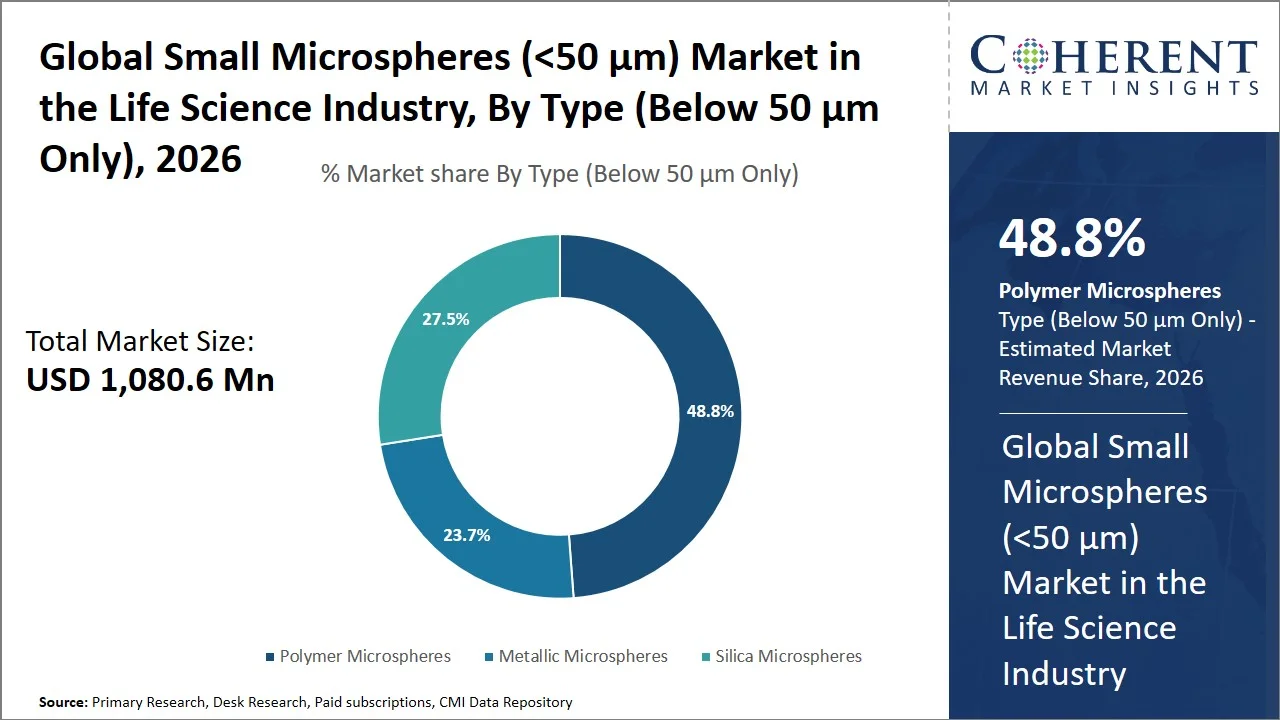
Why Do Polymer Microspheres Dominate the Global Small Microspheres (<50 µm) Market in the Life Science Industry ?
Polymer microspheres are projected to hold a market share of 48.8% in 2026, owing to their good biocompatibility, ease of surface functionalization and compatibilities with flow cytometry, immunoassays, and molecular diagnostics applications. Polymer microspheres exhibit strong affinity, uniformity of particle size and reproducibility, making them the preferred material for multiplex bioassays and biomarker analysis. For instance, in August 2023, Bangs Laboratories unveiled Magzilla Magnetic Microspheres, featuring a proprietary polymer microsphere with a novel core and surfaces functionalized with carboxyl groups for coupling with ligands and nucleic acids in applications such as sequencing, bio separation, and assay development. (Source: Bangs Laboratories)
- Current Industry Events of 2026
- Market Size Estimation
- Regional Breakdown
- Competitive Landscape
- Customer Intelligence
- Segmental Analysis
- Pricing Analysis
- Key Market Drivers, Challenges & Future Trends
- Customized Insights Section
Why Does Diagnostics Represent the Largest Application Segment in the Small Microspheres (<50 µm) Market in the Life Science Industry?
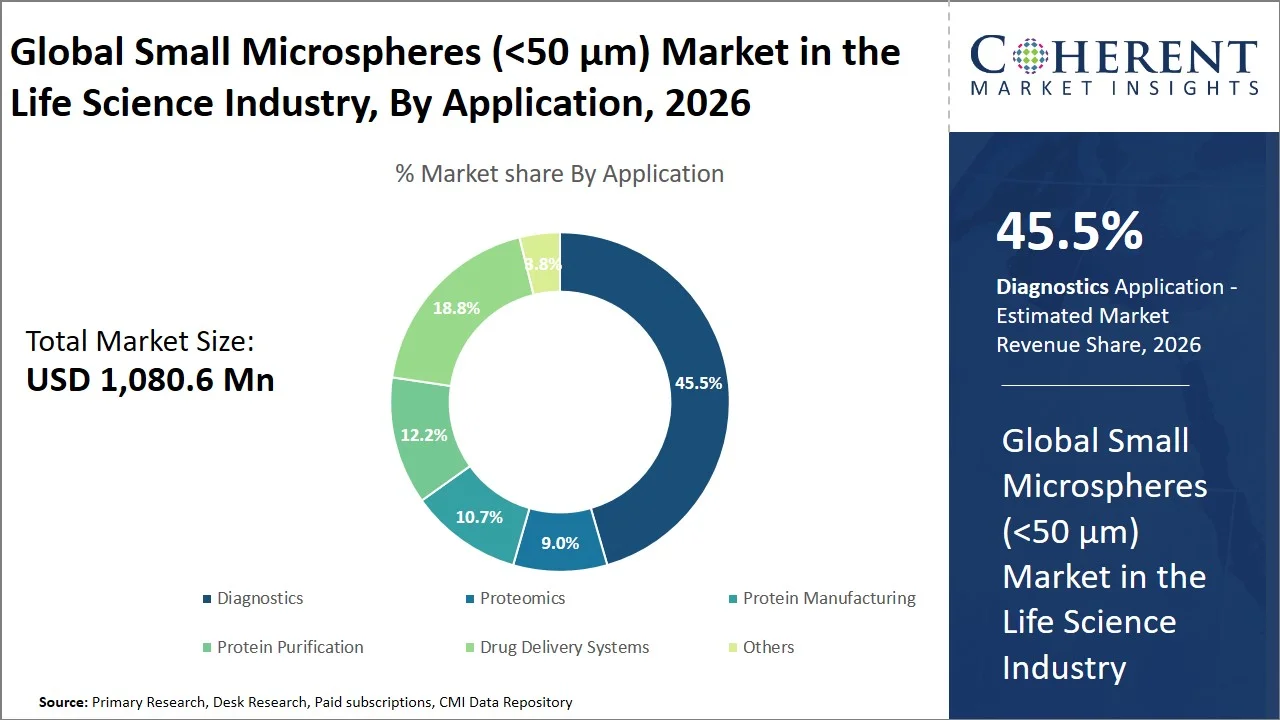
Diagnostics are projected to hold a market share of 45.5% in 2026, owing to the vast application of these particles in immunoassays (multiplex) assays, biomarker analysis, and in molecular diagnostics techniques. Microspheres possess high functionalization degree along with excellent binding efficiency toward various biomolecules; this makes them capable of performing detection of multi-analytes at high speed as well as efficiently in the diagnostic systems (automated analyzers). For instance, DiaSorin has unveiled another significant step to enhance its Luminex xMAP platform, the Luminex xMap system, which leverages color-coded polymer microspheres to simultaneously detect 500 different analytes in one sample, demonstrating increasing microsphere-based adoption in life sciences and diagnostics applications. (Source: DiaSorin)
Biopharmaceutical Companies Segment Dominates the Global Small Microspheres (<50 µm) Market in the Life Science Industry
The biopharmaceutical companies segment is projected to hold a market share of 38.8% in 2026, owing to their significant demand for microspheres in various applications including biologics, drug development and discovery, bio separation, and cell and gene therapies. As innovation in the biopharmaceutical manufacturing and production processes grow, the demand for advanced microspheres will continue to spur in the market. For instance, In December 2024, Novo Holdings completed the acquisition of Catalent for approximately USD 16.5 billion, enhancing Catalent's offering as a service provider for the pharmaceutical and biotechnology sector globally, and advancing the adoption of state-of-the-art life science research technologies and consumables, such as small microspheres. (Source: Catalent, Inc)
Currents Events and their Impact
Current Events | Description and its Impact |
European Commission Launches EU Life Sciences Strategy (July 2025) |
|
European Commission Proposes the EU Biotech Act (December 2025) |
|
Small Microspheres (<50 µm) Market in the Life Science Industry Dynamics
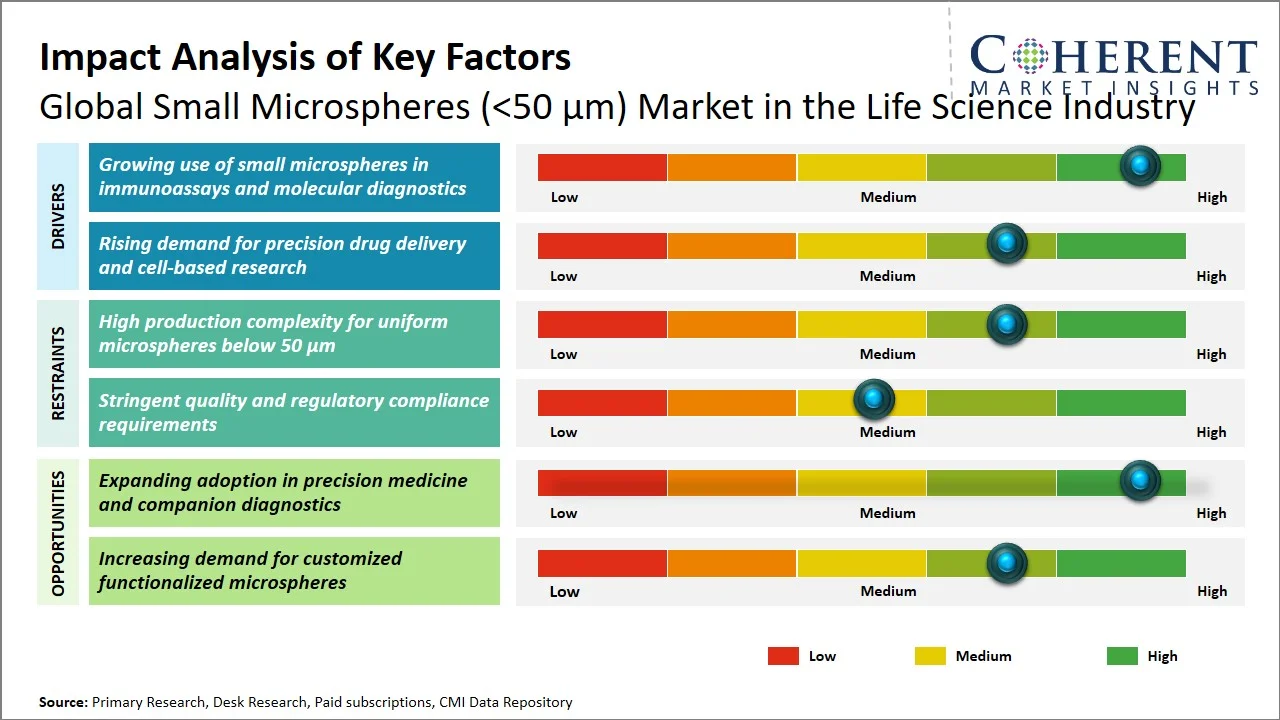
Market Drivers
- Growing use of small microspheres in immunoassays and molecular diagnostics: The growing adoption of multiplex immunoassays and biomarker-guided molecular diagnostics is driving the need for small microspheres (<50 m) as they can provide better biomolecule binding capability and high assay sensitivity, which can achieve detection of more than one analyte simultaneously. This growth in bead-based diagnostics allows analytical precision and efficient analysis in various research and clinical laboratories. For instance, in May 2025, the U.S. Food and Drug Administration (FDA) cleared the first blood test used in diagnosing Alzheimer's disease, highlighting the growing adoption of advanced biomarker-based diagnostic technologies and creating greater demand for microsphere-enabled immunoassay platforms in life science applications.
- Rising demand for precision drug delivery and cell-based research: Rising adoption of precision drug delivery systems and cell-based research is driving the demand for small microspheres (<50 µm), as these particles enable controlled therapeutic delivery, efficient cell isolation, and biomolecule immobilization for advanced biomedical applications. Their tunable physicochemical properties and surface functionalization make them indispensable in regenerative medicine, targeted drug development, and translational research. For instance, in June 2025, the U.S. Food and Drug Administration (FDA) granted its first Platform Technology Designation, recognizing an innovative drug delivery platform designed to accelerate the development of multiple therapies, reinforcing the growing need for advanced biomaterials and research tools, including functionalized microspheres.
Emerging Trends
- Growing Adoption of Microspheres in Extracellular Vesicle (EV) and Exosome Research: Increasing research on extracellular vesicles and exosomes for biomarker discovery and therapeutic development is driving demand for small functionalized microspheres. These microspheres enable efficient exosome capture, isolation, and characterization, supporting advances in liquid biopsy and precision medicine.
- Rising Demand for Microspheres in Synthetic Biology and Cell Engineering: The rapid evolution of synthetic biology and engineered cell platforms is expanding the use of small microspheres for cell manipulation, bioconjugation, and biomolecule immobilization. Their ability to provide controlled surfaces and high binding efficiency makes them valuable tools in next-generation life science research and bioprocess development.
Regional Insights
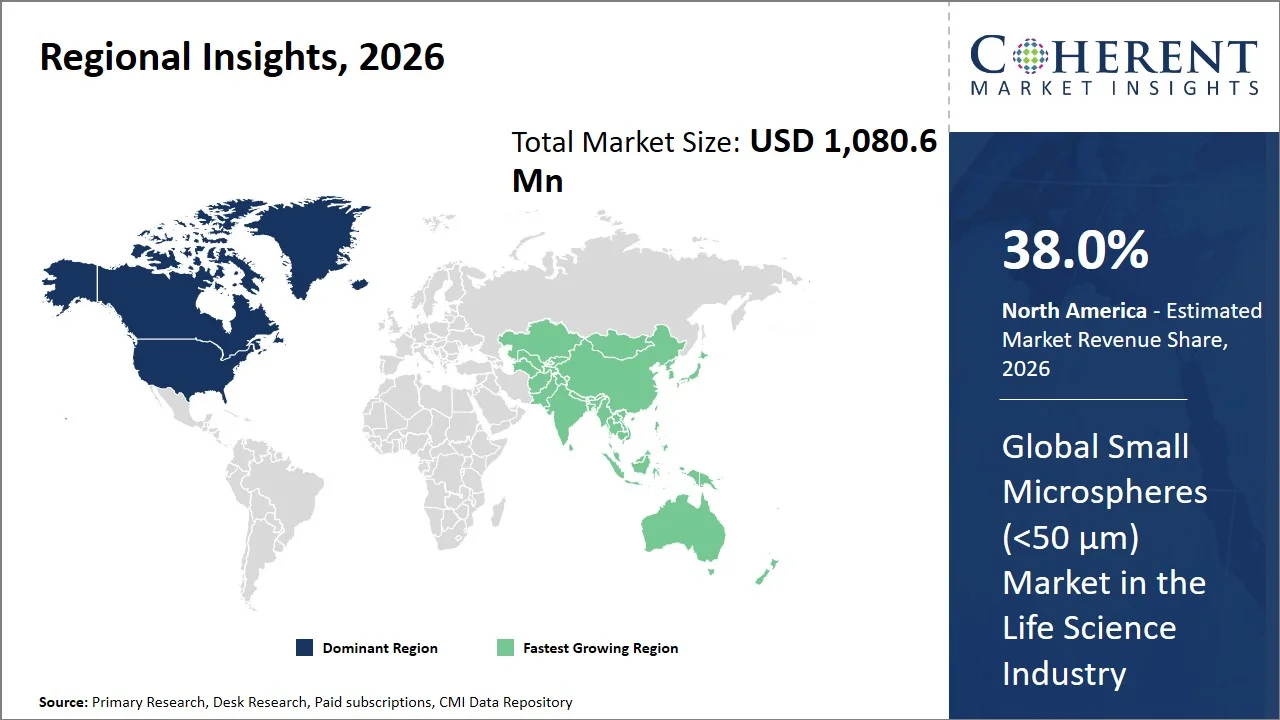
Why is North America a Strong Market for Small Microspheres (<50 µm) Market in the Life Science Industry?
North America leads the global small microspheres (<50 µm) market in the life science industry, accounting for an estimated 38.0% share in 2026, owing to thriving biopharmaceutical research facilities, extensive investments in research, in areas such as the biopharmaceutical segment and its prevalent adoption of multiple diagnostic approaches. Moreover, rapid commercialization of newly launched laboratory technologies, together with significant utilization of micro-sphere-based platforms in precision drug discovery, will further fuel the market growth.
Furthermore, increased government support for biomedical research and development, translational research, and internal biomanufacturing are enhancing the usage of modern life sciences instruments that create opportunities for sustained demand in small microsphere market. For instance, in November 2023, the U.S. Advanced Research Projects Agency for Health (ARPA-H) introduced its Precision Surgical Interventions (PSI) program designed to speed the progress of cutting-edge biomedical tech for enhanced diagnosis and treatments. This program could boost demand for sophisticated life sciences research tools-like the microspheres-used for biomarker assays, molecular diagnostics, and translational research. (Source: ARPA-H)
Why Does the Asia Pacific Small Microspheres (<50 µm) Market in the Life Science Industry Exhibit High Growth?
The Asia Pacific small microspheres (<50 µm) market in the life science industry is expected to exhibit the fastest growth with an estimated contribution of 23.9% share to the global market in 2026, owing to faster expansion of biopharmaceutical production, rise in investment in genomics and molecular diagnostics and uptake of high-end life sciences technologies for research. The demand for small microspheres-based life science solutions is rapidly growing in applications such as immunoassays, cell separation and bioanalytical research.
Furthermore, government-supported policies for the promotion of drug discovery and biotechnology and growth in biomanufacturing initiatives within countries such as Australia, China, Japan, and South Korea, are fueling in vitro research capabilities & development in the life sciences industry. For instance, in July 2022, the government of South Korea launched K-Bio Vaccine Fund to strengthen domestic biopharmaceutical R&D and commercialization ability of vaccine and future generation medicine. Through K-Bio Vaccine Fund, investment in future life sciences research technologies will be fostered, and the need for laboratory consumables like small microspheres in biomarker tests, cell separation and molecular diagnostic will rise significantly. (Source: Global Trade Alert)
Global Small Microspheres (<50 µm) Market in the Life Science Industry Outlook for Key Countries
Why is the U.S. Leading Innovation and Adoption in the Small Microspheres (<50 µm) Market in the Life Science Industry?
The U.S. dominates the small microspheres (<50 µm) market in the life science industry leveraging a comprehensive life sciences reagent manufacturing base, extensive biotechnology firm community and research institution network to spearhead the relentless pace of product innovation. As an early implementer of microsphere technology for such multiplex assays, flow cytometry and cell separation applications, the U.S. witnesses a quick market launch of leading-edge lab solutions. This coupled with integrated biopharmaceutical R&D and research facility ecosystems and focused life sciences clustering, allowing quicker adoption of micro spheres in research and therapeutic development pipelines.
Is Japan a Favorable Market for Small Microspheres (<50 µm) Market in the Life Science Industry?
Japan is one of the most promising markets for the small microspheres (<50 µm) market in the life science industry, because of its highly skilled professionals in the area of precision diagnostics, regenerative medicine, and sophisticated analytical science. The Japanese life science landscape, with high consumption of microspheres in flow cytometry, immunoassay, cell sorting, and life science and biotechnology analysis, also serves a growing demand in both the research community and commercial life science markets due to top instrument makers, and laboratory automation innovations.
Is China Emerging as a Key Growth Hub for the Small Microspheres (<50 µm) Market in the Life Science Industry?
China is positioned as a key growth hub in the global small microspheres (<50 µm) market in the life science industry propelled by rapid advancements in biopharmaceutical manufacturing, life science research and molecular diagnostics facilities. The country is adopting microsphere-technologies extensively in the development of immunoassays, genomics, cell isolation as well as accelerating in-country manufacturing of complex and premium-end life science reagents and laboratory consumables.
Why Does Germany Top the European Small Microspheres (<50 µm) Market in the Life Science Industry?
Germany is the leader in the European market for global small microspheres (<50 µm) market in the life science industry, driven by the robust capabilities of the life sciences sector, the established infrastructure in biopharmaceutical research, and wide use of microsphere-based technology in the fields of molecular diagnostics and bio-analysis. Germany has a well-developed system comprising research institutes, biotechnology organizations, and reagent producers, which expedite product developments and market availability. Moreover, Germany is known for precision analytical instruments and laboratory automation, hence it represents a key market.
Is the Small Microspheres (<50 µm) Market in the Life Science Industry Developing in India?
India is a high-potential market for small microspheres (<50 µm) market in the life science industry driven by robust biopharmaceutical research & development initiatives, growing application in molecular diagnostics, and rising investment in the genomics and precision medicine research. Moreover, the expansion in contract research and biomanufacturing activities, which necessitate high-purity microsphere-based reagents in immunoassays, cell separations, and others, is expected to push the market ahead.
Product Innovation Landscape in the Global Small Microspheres (<50 µm) Market in the Life Science Industry
Innovation Focus | Industry Shift | Commercial Significance |
Functionalized Microspheres | Increasing use of antibody-, streptavidin-, amino-, and carboxyl-coated microspheres | Improves assay specificity and expands molecular diagnostics applications |
Multiplex Detection Microspheres | Development of color-coded and fluorescent microspheres for simultaneous biomarker detection | Supports high-throughput testing and precision diagnostics |
Magnetic Microsphere Platforms | Enhanced magnetic responsiveness for automated cell isolation and nucleic acid purification | Accelerates laboratory automation and bioprocess workflows |
Ultra-Uniform Monodisperse Microspheres | Improved particle size consistency and batch reproducibility | Ensures reliable analytical performance in life science research |
Customized Microsphere Solutions | Application-specific particle size, chemistry, and surface modifications | Enables tailored solutions for biopharmaceutical, genomics, and cell therapy research |
How is the expanding adoption in precision medicine and companion diagnostics creating new growth opportunities in the small microspheres (<50 µm) market in the life science industry?
The expanded adoption of precision medicine and companion diagnostics in the life science industry represents the next frontier for small microspheres (<50m). These tiny balls play important roles in various applications such as multiplex immunoassays, biomarker discovery and identification, cell isolation and molecular diagnostics. The drive for new biomarker-directed drugs and personalized medicine approaches contributes to greater demand for tailored microspheres that ensure high levels of specificity and accuracy. For instance, the U.S. Food and Drug Administration (FDA) is routinely expanding the list of cleared and approved companion diagnostic devices to address a more ubiquitous inclusion of precision diagnostics into treatment decisions, and the increased demand for these advanced technologies based on microsphere-based assay platforms. (Source: Food and Drug Administration)
Market Players, Key Development, and Competitive Landscape
Key Developments
- In May 2024, Merck KGaA launched its M-Trace Software & Mobile App, the company's first electronic test record solution for complete data traceability in microbial quality control. The platform digitalizes sterility testing workflows, enabling real-time data tracking, improved regulatory compliance, and reduced human error, thereby enhancing efficiency across pharmaceutical quality control and life science laboratories.
- In April 2024, Merck KGaA announced an investment of more than USD 343.5 million (€300 million) to establish a new Advanced Research Center in Darmstadt, Germany. The facility will strengthen research capabilities in bioprocessing, mRNA technologies, and next-generation life science applications, supporting the development of advanced research tools and consumables, including materials used in microsphere-enabled assays, diagnostics, and drug discovery workflows.
Competitive Landscape
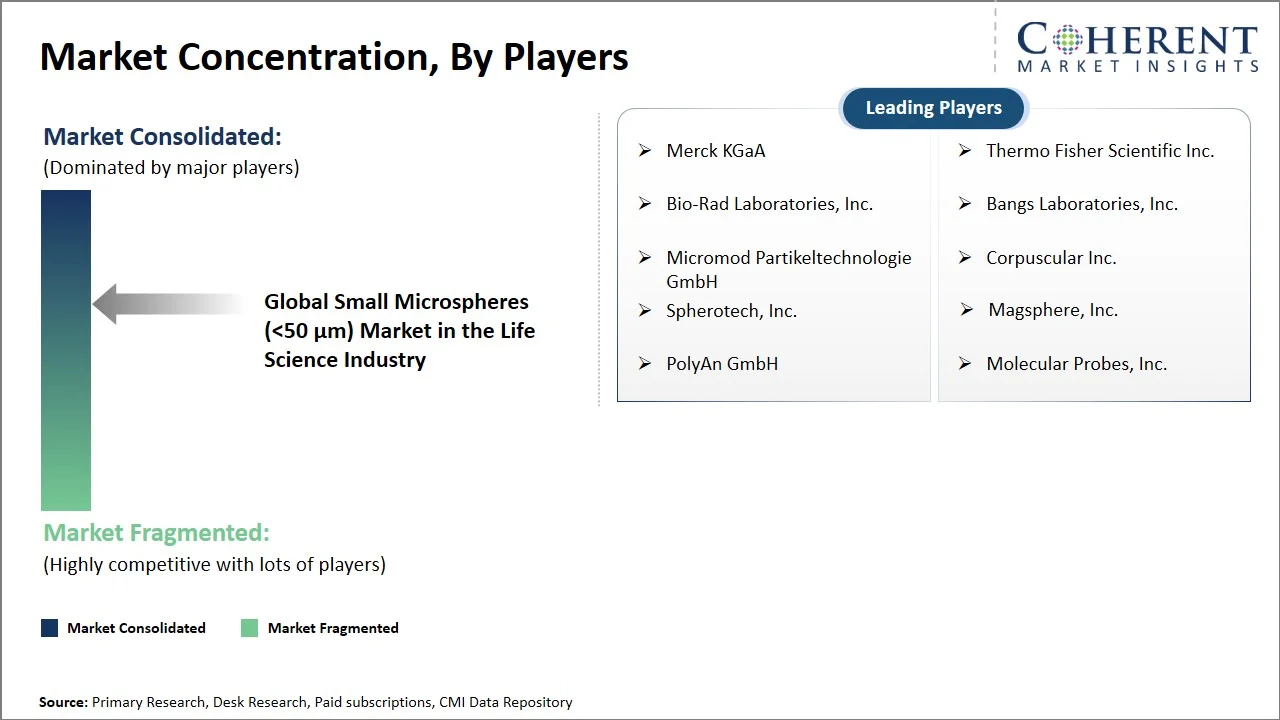
The global small microspheres (<50 µm) market in the life science industry is moderately consolidated, where companies vie for superiority in designing the best quality ultra-consistent functionalized microspheres for the most challenging life sciences applications. Small microsphere makers in the life sciences industry are focused on expanding their portfolio of magnetic, polymeric, fluorescent and silica microspheres while also focusing on improving the versatility of their microsphere surface chemistries, its consistency from batch to batch, and making these smaller sized spheres more amenable to automated laboratory workflows. Partnerships with biopharmaceutical players, research institutions and diagnostics providers and ongoing efforts on the production scalability of their products as well as customized solutions also present key differentiation elements for the players. Key focus areas include:
- Development of highly uniform polymer, magnetic, and fluorescent microspheres for high-sensitivity assays
- Expansion of surface-functionalized microsphere portfolios for molecular diagnostics and cell isolation
- Custom microsphere solutions for biopharmaceutical, genomics, and cell therapy applications
- Strategic collaborations with research institutes, diagnostic developers, and biopharmaceutical companies
- Investment in high-precision manufacturing and quality control to improve batch consistency and scalability
Market Report Scope
Small Microspheres (<50 µm) Market in the Life Science Industry Report Coverage
| Report Coverage | Details | ||
|---|---|---|---|
| Base Year: | 2025 | Market Size in 2026: | USD 1,080.6 Mn |
| Historical Data for: | 2020 To 2024 | Forecast Period: | 2026 To 2033 |
| Forecast Period 2026 to 2033 CAGR: | 8.7% | 2033 Value Projection: | USD 1,943.1 Mn |
| Geographies covered: |
| ||
| Segments covered: |
| ||
| Companies covered: | Merck KGaA, Thermo Fisher Scientific Inc., Bio-Rad Laboratories, Inc., Bangs Laboratories, Inc., Micromod Partikeltechnologie GmbH, Corpuscular Inc., Spherotech, Inc., Magsphere, Inc., PolyAn GmbH, and Molecular Probes, Inc. | ||
| Growth Drivers: |
| ||
| Restraints & Challenges: |
| ||
Analyst Opinion (Expert Opinion)
- In the coming years, small microspheres (<50 µm) market in the life science industry will be shaped by the rising adoption of precision diagnostics, cell and gene therapies, and automated laboratory technologies. As life science research shifts toward multiplex assays, single-cell analysis, and personalized medicine, demand will increasingly favor highly uniform, functionalized microspheres with enhanced sensitivity and reproducibility.
- The maximum opportunities will probably exist within polymer microspheres for molecular diagnostics and cell separation applications, particularly in the United States, where strong biopharmaceutical R&D, expanding precision medicine programs, and continuous innovation in life science research are accelerating the adoption of advanced microsphere technologies.
- In order to obtain a competitive advantage, market participants should prioritize the development of customized surface chemistries, improve batch-to-batch consistency for high-throughput applications, and expand strategic collaborations with biopharmaceutical companies, diagnostic developers, and research institutions. Investments in scalable manufacturing and application-specific microsphere platforms will be critical to meeting evolving customer requirements and differentiating products in a competitive market.
Speak to the analyst
Want personalized insights?
Take the findings above to one of our principal consultants, or have the report rebuilt around the segments, geographies and competitors you actually track.
Market Segmentation
- Type (Below 50 μm only) Insights (Revenue, USD Mn, 2021 - 2033)
- Polymer Microspheres
- Metallic Microspheres
- Silica Microspheres
- Application Insights (Revenue, USD Mn, 2021 - 2033)
- Diagnostics
- Proteomics
- Protein Manufacturing
- Protein Purification
- Drug Delivery Systems
- Others
- End User Insights (Revenue, USD Mn, 2021 - 2033)
- Biopharmaceutical Companies
- Medical/Diagnostics Device Manufacturers
- Diagnostic Laboratories
- Contract Development and Manufacturing Organizations
- Others
- Regional Insights (Revenue, USD Mn, 2021 - 2033)
- North America
- U.S.
- Canada
- Latin America
- Brazil
- Argentina
- Mexico
- Rest of Latin America
- Europe
- Germany
- U.K.
- Spain
- France
- Italy
- Russia
- Rest of Europe
- Asia Pacific
- China
- India
- Japan
- Australia
- South Korea
- ASEAN
- Rest of Asia Pacific
- Middle East
- GCC Countries
- Israel
- Rest of Middle East
- Africa
- South Africa
- North Africa
- Central Africa
- North America
- Key Players Insights
- Merck KGaA
- Thermo Fisher Scientific Inc.
- Bio-Rad Laboratories, Inc.
- Bangs Laboratories, Inc.
- Micromod Partikeltechnologie GmbH
- Corpuscular Inc.
- Spherotech, Inc.
- Magsphere, Inc.
- PolyAn GmbH
- Molecular Probes, Inc.
Sources
Primary Research Interviews
- Scientists and laboratory managers specializing in immunoassays and molecular diagnostics
- Flow cytometry and cell sorting specialists from research laboratories
- R&D scientists from microsphere, reagent, and life science tool manufacturers
- Bioprocessing and bioseparation experts from biopharmaceutical companies
- Product managers and application scientists from life science consumables companies
- Academic researchers working in genomics, proteomics, and cell biology
Stakeholders
- Small microsphere (<50 µm) manufacturers
- Life science reagent and assay kit manufacturers
- Biopharmaceutical and biotechnology companies
- Contract Research Organizations (CROs) and Contract Development & Manufacturing Organizations (CDMOs)
- End-use Sectors
- Pharmaceutical & Biotechnology Companies
- Clinical & Diagnostic Laboratories
- Academic & Research Institutes
- Contract Research Organizations (CROs)
- Cell & Gene Therapy Research Centers
- Regulatory & Health Bodies
- U.S. Food and Drug Administration (FDA)
- European Medicines Agency (EMA)
- European Commission – Directorate-General for Health and Food Safety (DG SANTE)
- National Institutes of Health (NIH), U.S.
- National Medical Products Administration (NMPA), China
- Pharmaceuticals and Medical Devices Agency (PMDA), Japan
Databases
- National Center for Biotechnology Information (NCBI)
- NIH RePORTER
- ClinicalTrials.gov
- FDA Medical Device Databases
- OECD Health Statistics
Magazines
- Genetic Engineering & Biotechnology News (GEN)
- BioPharm International
- Drug Discovery World
- The Medicine Maker
Journals
- Nature Biotechnology
- Nature Methods
- ACS Applied Materials & Interfaces
- Journal of Controlled Release
- Analytical Chemistry
- Biosensors and Bioelectronics
Newspapers
- Financial Times – Life Sciences & Pharmaceuticals
- The Wall Street Journal – Health & Science
- The Economic Times – Health World / Pharma
- China Daily – Healthcare & Biotechnology
- The Korea Herald – Bio & Healthcare
Associations
- American Association for Clinical Chemistry (AACC/ADLM)
- International Society for Cell & Gene Therapy (ISCT)
- American Association of Pharmaceutical Scientists (AAPS)
- Biotechnology Innovation Organization (BIO)
- European Society for Clinical Cell Analysis (ESCCA)
- Controlled Release Society (CRS)
Public Domain Sources
- U.S. Food and Drug Administration (FDA)
- National Institutes of Health (NIH)
- National Center for Biotechnology Information (NCBI)
- European Commission
- World Health Organization (WHO)
- Organisation for Economic Co-operation and Development (OECD)
- Centers for Disease Control and Prevention (CDC)
Proprietary Elements
- CMI Data Analytics Tool, Proprietary CMI Existing Repository of information for last 10 years.
Get access to 250+ pages report
Every segment, forecast, competitor profile and data table behind the analysis above — available for instant download.
- ESOMAR Member
- ISO 9001:2015 Certified
- D-U-N-S Registered
- GDPR & CCPA Compliant
Missing comfort of reading report in your local language? Find your preferred language:
Transform your Strategy with Exclusive Trending Reports
Frequently Asked Questions
The global small microspheres (<50 µm) market in the life science industry is estimated to be valued at USD 1,080.6 Mn in 2026 and is expected to reach USD 1,943.1 Mn by 2033.
Polymer microspheres dominate due to their excellent biocompatibility, versatile surface functionalization, uniform particle size, and widespread use in molecular diagnostics, immunoassays, cell separation, drug delivery, and life science research.
Small microspheres (<50 µm) are engineered polymeric, magnetic, silica, or latex particles used as carriers, separation media, and detection platforms in diagnostics, drug discovery, bio separation, and biomedical research.
The CAGR of the global small microspheres (<50 µm) market in the life science industry is projected to be 8.7% from 2026 to 2033.
Surface functionalization enables the attachment of biomolecules such as antibodies, proteins, and nucleic acids, improving specificity, sensitivity, and assay performance.
Small microspheres are widely used in flow cytometry, immunoassays, magnetic cell separation, molecular diagnostics, protein purification, and multiplex bioanalytical assays.
High production complexity for uniform microspheres below 50 µm, and stringent quality and regulatory compliance requirements are the major factors hampering the growth of the global small microspheres (<50 µm) market in the life science industry.