

Global Ulcerative Colitis Drug Market Size and Forecast – 2026 to 2033
The Global Ulcerative Colitis Drug Market is estimated to be valued at USD 10.16 Bn in 2026 and is expected to reach USD 15.99 Bn by 2033, exhibiting a compound annual growth rate (CAGR) of 6.7% from 2026 to 2033. This growth reflects the increasing prevalence of ulcerative colitis worldwide, alongside advancements in drug development and rising adoption of innovative therapies, contributing to the expanding market size over the forecast period.
Key Takeaways of the Global Ulcerative Colitis Drug Market
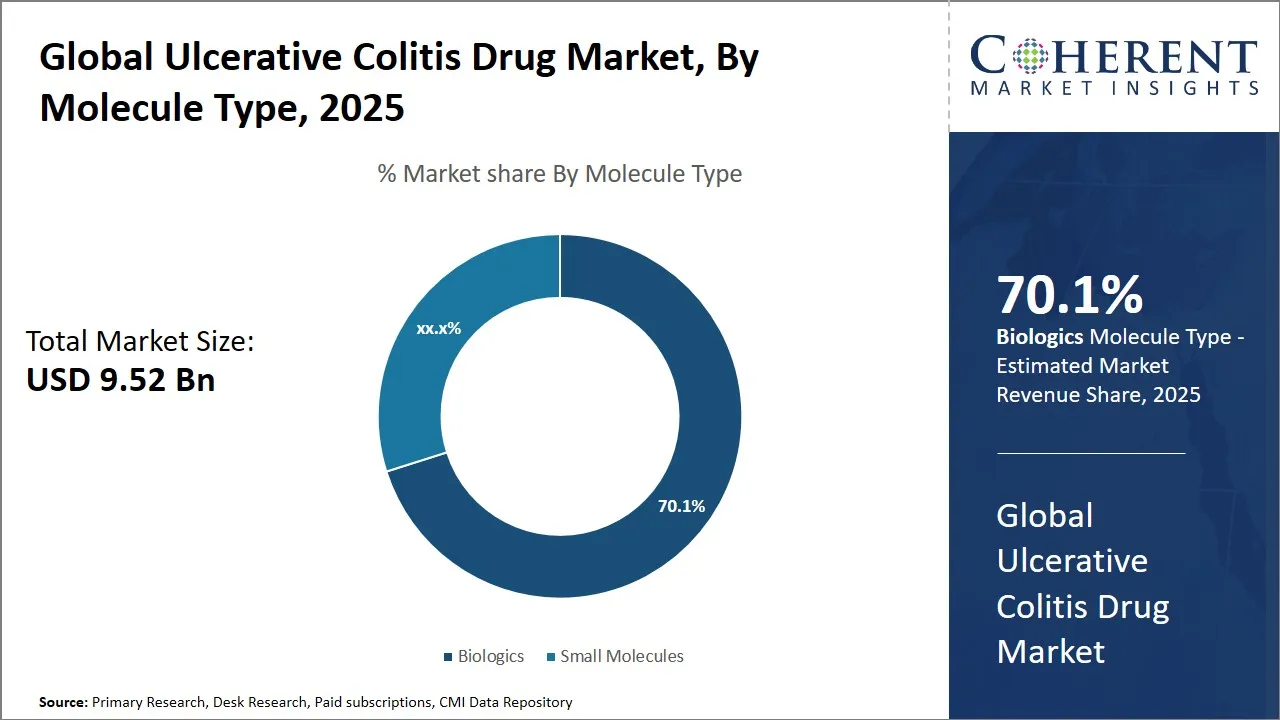
- Biologics accounts for the largest share of the ulcerative colitis market by molecule type, capturing an estimated 71.1 % of the market share in 2026 due to their targeted mechanism and strong efficacy in regulating immune responses.
- Within drug class segment, aminosalicylates is expected to lead with a 24.2% % share in 2026.
- By disease type, ulcerative proctitis is projected to hold the dominant share of the ulcerative colitis patient population at 35.2% in 2026.
- North America is expected to lead the market, holding a share of 37.3 % in 2026. Asia Pacific is anticipated to be the fastest-growing region, with a market share of 24.3% in 2026.
Market Overview
Market trends indicate a significant shift towards biologics and targeted therapies, driven by their higher efficacy and improved patient outcomes compared to traditional treatments. Additionally, personalized medicine and increasing investment in research and development are fostering rapid innovation in the ulcerative colitis drug landscape. The growing awareness about disease management and expansion of healthcare infrastructure in emerging markets further support sustained market growth during the forecast period.
Current Events and Its Impact
Current Events | Description and its impact |
Samsung Bioepis Launches PYZCHIVA in the U.S. and University of Chicago and Shares New Study Results (2025) |
|
University of Chicago publishes global Ulcerative Colitis study results |
|
Segmental Insights
- Current Industry Events of 2026
- Market Size Estimation
- Regional Breakdown
- Competitive Landscape
- Customer Intelligence
- Segmental Analysis
- Pricing Analysis
- Key Market Drivers, Challenges & Future Trends
- Customized Insights Section
Ulcerative Colitis Drug Market Insights, By Molecule Type - Biologics contributes the highest share of the market owing to advanced targeted therapies and increasing adoption in treatment protocols
Among the molecule types used to manage ulcerative colitis, biologics is segment is expected to command the leading market share with 71.1% due to their specificity and effectiveness in modulating immune responses. Biologics, which include monoclonal antibodies and fusion proteins, provide targeted inhibition of inflammatory cytokines and receptors pivotal in the pathogenesis of ulcerative colitis. This precise mode of action enables biologics to better control moderate to severe cases, particularly where conventional therapies fall short. The rise in personalized medicine and deeper understanding of immunology has driven clinicians to prefer biologics as a frontline or subsequent treatment option, given their superior ability to induce and maintain remission.
For instance, in June 2024, AbbVie, a U.S.-based global biopharmaceutical company, announced that the U.S. FDA approved SKYRIZI (risankizumab-rzaa), a biologic therapy, for adults with moderately to severely active ulcerative colitis. Already approved for Crohn’s disease, psoriasis, and psoriatic arthritis, SKYRIZI is now the first IL-23 specific biologic cleared for both major inflammatory bowel diseases. Backed by Phase 3 INSPIRE and COMMAND trials, it demonstrated significant clinical remission and endoscopic improvement. AbbVie said this approval expands its IBD biologics portfolio and reinforces its commitment to improving treatment outcomes for patients with chronic inflammatory conditions.
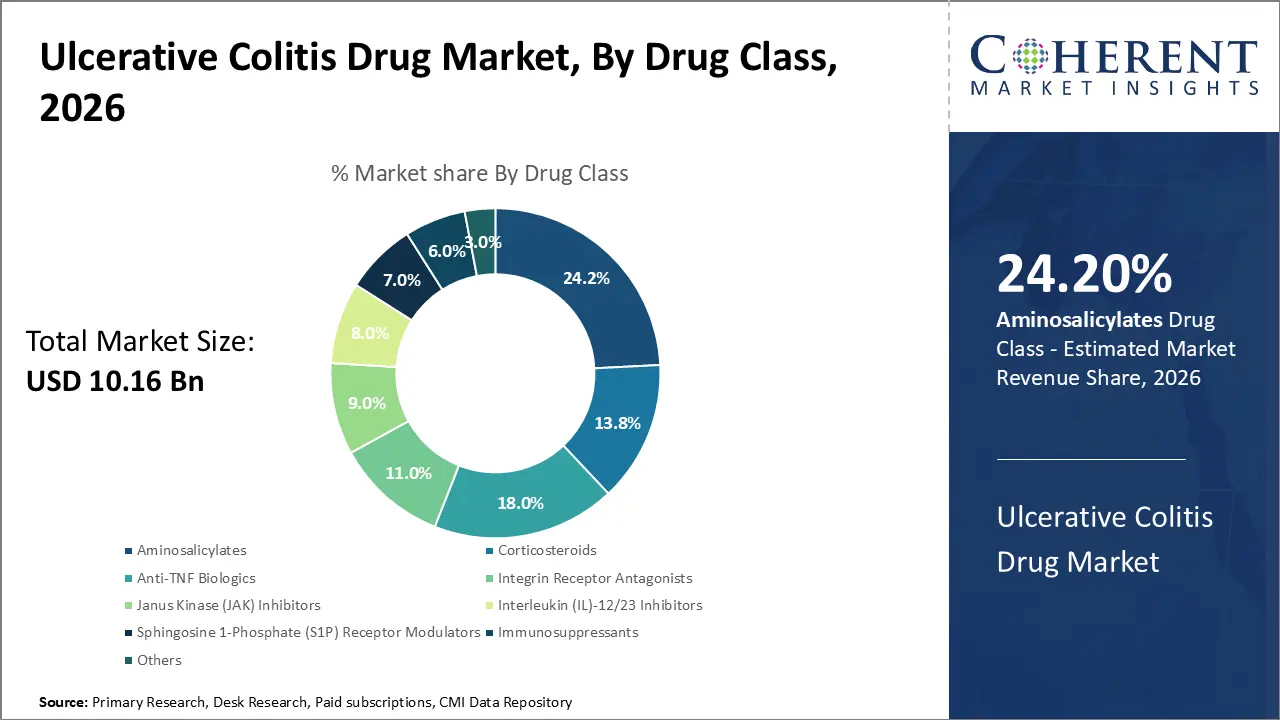
Ulcerative Colitis Drug Market Insights, By Drug Class - Aminosalicylates dominate due to their established safety profile and widespread first-line therapy use
The aminosalicylates segment is projected to hold the largest share within the drug classification segment for ulcerative colitis treatment with 24.2% in 2026. Their dominance stems largely from being the standard of care for mild to moderate disease activity, particularly for patients newly diagnosed or experiencing maintenance therapy. These drugs work topically on the colonic mucosa to reduce inflammation, minimizing systemic exposure and associated side effects, which makes them a preferred initial treatment choice.
The extensive clinical experience with aminosalicylates has solidified their safety and tolerability profile over decades, encouraging both physicians and patients to rely on them as a foundational therapy. Their effectiveness in achieving remission in the early stages of ulcerative colitis and preventing relapses across different disease extents offers a strong clinical rationale for their consistent use.
Ulcerative Colitis Drug Market Insights, By Disease Type - Ulcerative proctitis accounts for the highest share driven by targeted treatment approaches and early diagnosis
Ulcerative proctitis, characterized by inflammation limited to the rectum, represents the disease type with the largest market presence within the ulcerative colitis population with an estimated 35.2% in 2026. This prevalence is largely due to its relative frequency and the fact that it often presents with milder symptoms compared to more extensive forms like pancolitis. Early diagnosis of ulcerative proctitis has facilitated timely intervention, which improves patient prognosis and expands opportunities for effective localized treatment.
Treatment of ulcerative proctitis typically involves the use of topical therapies such as rectal aminosalicylates and corticosteroids, offering targeted anti-inflammatory effects with minimal systemic absorption. This localized approach allows for effective symptom control, fewer side effects, and better quality of life for patients, thereby securing a high adoption rate of appropriate treatments.
Regional Insights
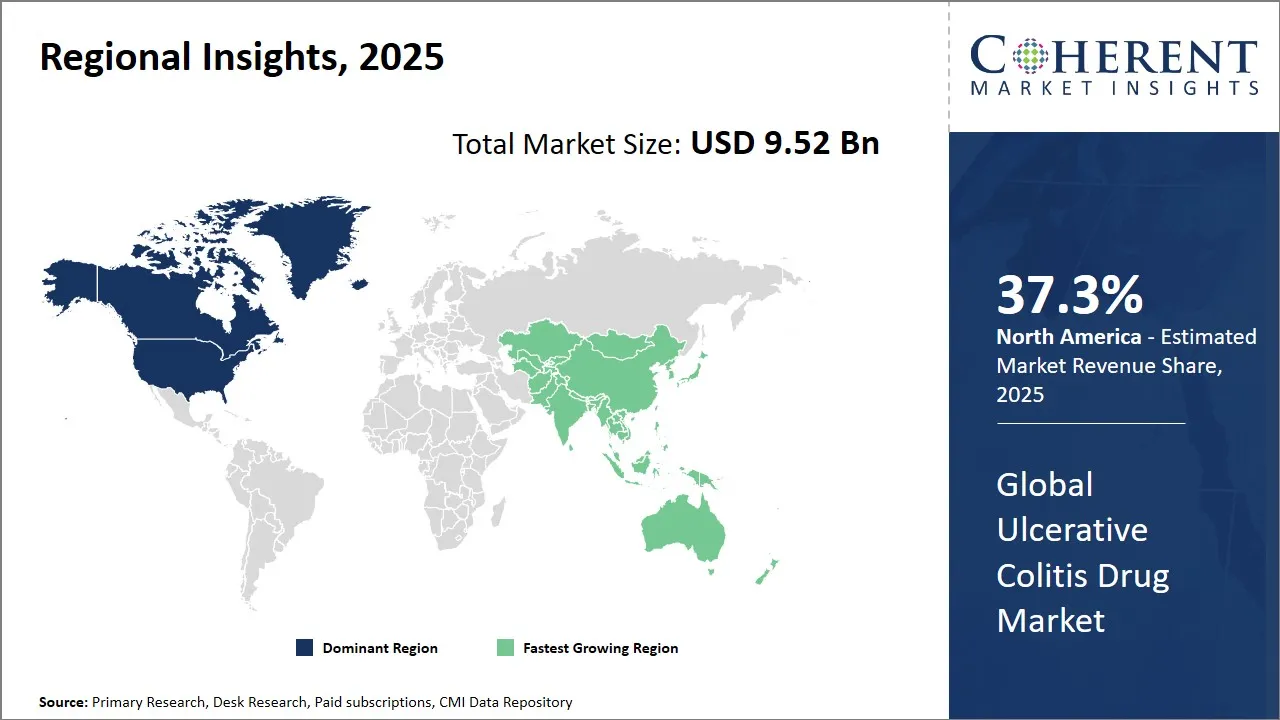
North America Ulcerative Colitis Drug Market Analysis and Trends
In North America, the dominance in the global ulcerative colitis drug market is driven by the well-established healthcare infrastructure with an estimated share of 37.3% in 2026. This growth is driven by the high prevalence of ulcerative colitis and substantial investments in pharmaceutical research and development. The presence of leading biotech and pharmaceutical companies, such as AbbVie, Johnson & Johnson, and Pfizer, enhances market competitiveness and innovation, with frequent launch of advanced biologics and novel therapies. Additionally, government policies like the U.S. Food and Drug Administration (FDA) fast-track approval processes and significant funding for inflammatory bowel disease (IBD) research foster a conducive ecosystem for drug development and commercialization.
In October 2023, Eli Lilly and Company, a U.S.-based global pharmaceutical leader, gained U.S. FDA approval for mirikizumab, a new ulcerative colitis treatment that works in both induction and maintenance phases. The therapy gives patients with moderate to severe ulcerative colitis a better chance at remission and addresses bowel urgency a major symptom that impacts daily life.
Asia Pacific Ulcerative Colitis Drug Market Analysis and Trends
Meanwhile, the Asia Pacific region is expected to exhibit the fastest growth in the ulcerative colitis drug market with 24.3% in 2026, driven by increasing disease awareness, rising healthcare expenditure, and expanding access to advanced therapies in emerging economies like India, China, and Japan. The growth is further accelerated by improving healthcare infrastructure, growing patient population, and favorable government initiatives such as national health insurance schemes and policies encouraging domestic drug production. Moreover, the expanding pharmaceutical industry in the region, featuring companies like Takeda Pharmaceuticals, Astellas Pharma, and Lupin, contributes significantly through localized clinical trials and drug launches catering to regional patient needs.
Ulcerative Colitis Drug Market Outlook for Key Countries
U.S. Ulcerative Colitis Drug Market Trends
The U.S. continues to lead the ulcerative colitis drug market with its advanced healthcare system, robust R&D capabilities, new product launches, and a strong presence of major pharmaceutical giants such as AbbVie, Pfizer, and Johnson & Johnson. These companies consistently introduce innovative biologics and small-molecule therapies, supported by comprehensive patient support programs. The U.S. FDA’s streamlined regulatory pathways enable quicker approval and market entry of novel drugs, while patient advocacy groups enhance disease awareness and adherence, ensuring sustained demand for advanced ulcerative colitis treatments.
In October 2023 Pfizer Inc a, U.S.-based global biopharmaceutical company, received U.S. FDA approval for Velsipity, an oral once-daily S1P receptor modulator for adults with moderately to severely active ulcerative colitis offering patients a new treatment option with favorable safety and efficacy that supports steroid-free remission and improved quality of life.
China Ulcerative Colitis Drug Market Trends
China’s ulcerative colitis drug market is witnessing strong momentum, driven by rising disease awareness, improved diagnostic capabilities, and expanding access to advanced therapies. The market is shifting from conventional treatments like aminosalicylates toward biologics and biosimilars, supported by government initiatives to accelerate approvals and inclusion in the National Reimbursement Drug List (NRDL). Growing investment by domestic pharmaceutical firms, coupled with collaborations with global players, is fostering innovation and broader treatment availability.
In December 2023, Insilico Medicine, a Hong Kong-based clinical stage biotechnology company, started a Phase I trial in Australia for ISM5411 its first AI-discovered ulcerative colitis drug with around 76 healthy volunteers set to be enrolled to assess safety tolerability and pharmacokinetics before moving into patient-focused trials.
Japan Ulcerative Colitis Drug Market Trends
Japan continues to lead in the Asia Pacific region with its advanced healthcare system and a growing focus on personalized medicine in ulcerative colitis treatment. Pharmaceutical companies like Takeda and Astellas are prominent players driving innovation through novel drug development and targeted therapies. Government initiatives to expedite drug approval and enhance healthcare reimbursement policies have expanded patient access to newer biologics.
In July 2021, Tillotts Pharma AG, a Switzerland-based specialty pharmaceutical company owned by Japan’s Zeria Group, launched Asacol 800 mg tablets in China as a first-line treatment for mild to moderate Ulcerative Colitis, marking a key milestone achieved through its partnership with Menarini and expanding treatment options for UC patients with a high-strength mesalazine formulation.
India Ulcerative Colitis Drug Market Trends
India’s ulcerative colitis drug market is rapidly evolving due to increased healthcare expenditure, improving diagnostic capabilities, and greater patient awareness. The presence of numerous domestic pharmaceutical firms such as Lupin and Sun Pharmaceutical accelerates the availability of affordable medications, including biosimilars, making ulcerative colitis treatment more accessible. Government programs aimed at strengthening healthcare infrastructure and expanding insurance coverage further support market growth.
In June 2024, Sun Pharmaceutical Industries Ltd., one of India’s leading drug makers, partnered with Japan’s Takeda Pharmaceutical Company Ltd., a global biopharma innovator, to launch a new gastrointestinal drug in India. The deal gives Sun Pharma rights to market and distribute the treatment developed by Takeda, aimed at addressing widespread conditions like Crohn’s disease and ulcerative colitis that affect nearly 30% of the Indian population, tapping into the country’s fast-growing USD 42 billion gastrointestinal healthcare industry.
End User Feedback and Unmet Needs - Ulcerative Colitis Drug Market
- Patients and healthcare providers in the global ulcerative colitis drug market frequently highlight both the therapeutic benefits and the practical challenges that come with current treatment options. On the positive side, biologics and advanced targeted therapies are praised for significantly improving symptom control and enhancing quality of life, particularly among patients who had limited response to conventional therapies. For instance, hospital clinicians in Europe report that access to next-generation biologics has enabled many patients to achieve remission faster and maintain longer periods without relapse, which reduces hospital admissions and overall healthcare burden. This level of performance has created a sense of trust and optimism among end-users who value the promise of sustained disease management and improved daily functionality.
- At the same time, feedback also underscores persistent challenges that limit wider adoption and consistent treatment outcomes. Many patients voice frustration over high drug costs and insurance restrictions, which make long-term therapy financially unsustainable for a significant portion of the global population. Physicians in emerging markets emphasize issues around delayed access to newer therapies due to regulatory bottlenecks and limited reimbursement coverage, leaving patients dependent on less effective alternatives. These concerns point to clear unmet needs such as more affordable pricing models, better customization of treatment pathways, and simplified access to advanced drugs. Addressing these gaps would not only expand access to care but also open new opportunities for manufacturers to build stronger relationships with healthcare providers, improve patient adherence, and differentiate through patient-centric innovation.
Market Players, Key Developments, and Competitive Intelligence
Key Developments
- In February 2025, Amneal Pharmaceuticals, a U.S.-based generics and specialty drug manufacturer, launched mesalamine 800 mg delayed-release tablets for moderately active Ulcerative Colitis in adults while also receiving U.S. FDA approval for multiple strengths of lenalidomide for blood cancers underscoring its expanding portfolio and R&D strength in delivering affordable complex medicines.
- In September 2024, Johnson and Johnson, a U.S.-based healthcare and pharmaceutical giant, highlighted its decades-long efforts in developing innovative therapies for inflammatory bowel disease including ulcerative colitis and Crohn’s disease with the recent U.S. FDA approval of a new medication adding to its legacy of pioneering biologics and advanced treatments that reduce inflammation manage flare-ups and improve patient outcomes worldwide.
- In August 2024, Chugai Pharmaceutical, a Japan-based research-focused pharmaceutical company, secured exclusive rights from Roche a Switzerland-based global healthcare leader to develop and market RG6631 an anti-TL1A antibody in Japan for ulcerative colitis and Crohn’s disease with clinical data showing promising remission results and plans underway for a global phase III trial by Roche.
- In June 2024 EpiEndo Pharmaceuticals, an Iceland-based clinical stage biopharma company, and AlveoliX, a Swiss innovator in organ-on-chip technology, announced progress in their EpicoliX Project with the identification of Enterothelin a Barriolide compound as a promising first-in-class therapy for ulcerative colitis marking an important step toward new treatment options for this chronic inflammatory disease.
Top Strategies Followed by Global Ulcerative Colitis Drug Market Players
- Established industry giants dominate the landscape by investing heavily in research and development (R&D) to innovate high-performance products that address unmet medical needs and improve patient outcomes. These established companies continually develop novel drug formulations, delivery mechanisms, and combination therapies to maintain a competitive edge. Furthermore, they pursue strategic partnerships and collaborations with other major pharmaceutical companies or original equipment manufacturers (OEMs), enabling them to leverage complementary expertise, share risk, and enhance product pipelines.
- In April 2025, Takeda Pharmaceutical, a global biopharmaceutical leader, reported continued growth for its gut-selective biologic ENTYVIO in ulcerative colitis and Crohn’s disease with momentum boosted by the introduction of a subcutaneous formulation that enhances patient convenience and expands access worldwide. The therapy, already approved in more than 70 countries for IV use and over 50 countries for SC use, has surpassed one million patient-years of exposure and continues to benefit from rising IBD prevalence and geographic expansion.
- Mid-level players in the ulcerative colitis drug market primarily aim to sustain their market position by offering cost-effective solutions that balance affordability with quality. They focus on developing generics and biosimilars of established therapies to expand access among price-sensitive patients in both developed and emerging regions. These companies also prioritize efficient manufacturing processes and supply chain optimization to keep production costs low while ensuring efficacy and safety standards remain intact.
- Examples of such mid-level players include Biocon Limited, which initiated a clinical study of Itolizumab for ulcerative colitis in India in December 2022, highlighting its commitment to affordable biologics. Other key players include Dr. Reddy’s Laboratories, Lupin Limited, Celltrion Healthcare, Zydus Lifesciences, and Intas Pharmaceuticals, all of which are actively engaged in producing generics or biosimilars to improve accessibility for patients worldwide.
- Small-scale players in the global ulcerative colitis drug market often focus on niche strategies such as targeted drug delivery systems, natural or plant-based compounds, and innovative formulations that improve patient adherence while minimizing side effects. These specialized approaches help them differentiate their offerings and remain competitive against larger pharmaceutical rivals.
- For example, MorphoSys AG, in collaboration with Incyte, is developing guselkumab, an IL-23 inhibitor originally indicated for psoriasis but now being repositioned for ulcerative colitis and Crohn’s disease. With Phase II/III IBD trials underway, the drug targets biologic-experienced patients and highlights how small-scale innovators leverage repositioning strategies and partnerships to create meaningful impact in the ulcerative colitis treatment landscape.
Market Report Scope
Ulcerative Colitis Drug Market Report Coverage
| Report Coverage | Details | ||
|---|---|---|---|
| Base Year: | 2025 | Market Size in 2026: | USD 10.16 Bn |
| Historical Data for: | 2020 To 2024 | Forecast Period: | 2026 To 2033 |
| Forecast Period 2026 to 2033 CAGR: | 6.7% | 2033 Value Projection: | USD 15.99 Bn |
| Geographies covered: |
| ||
| Segments covered: |
| ||
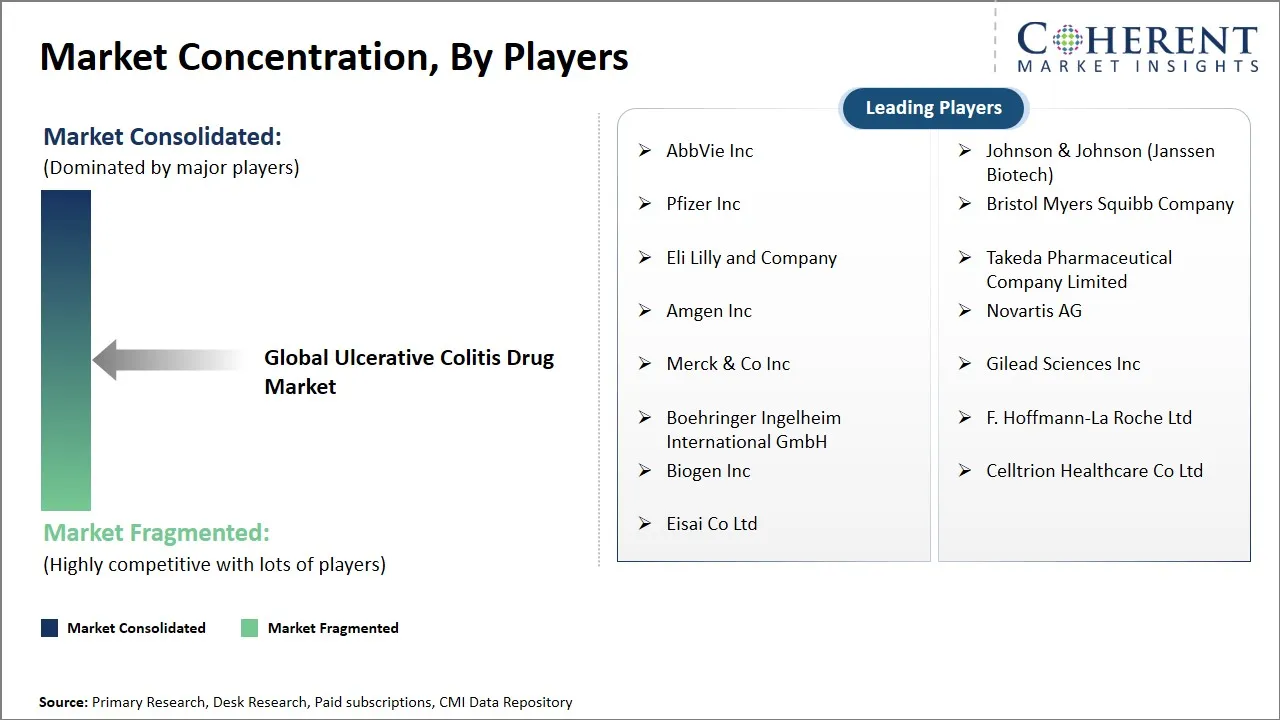
| Companies covered: | AbbVie Inc, Johnson & Johnson (Janssen Biotech), Pfizer Inc, Bristol Myers Squibb Company, Eli Lilly and Company, Takeda Pharmaceutical Company Limited, Amgen Inc, Novartis AG, Merck & Co Inc, Gilead Sciences Inc, Boehringer Ingelheim International GmbH, F. Hoffmann-La Roche Ltd, Biogen Inc, Celltrion Healthcare Co Ltd, and Eisai Co Ltd | ||
| Growth Drivers: |
| ||
| Restraints & Challenges: |
| ||
Ulcerative Colitis Drug Market Dynamics
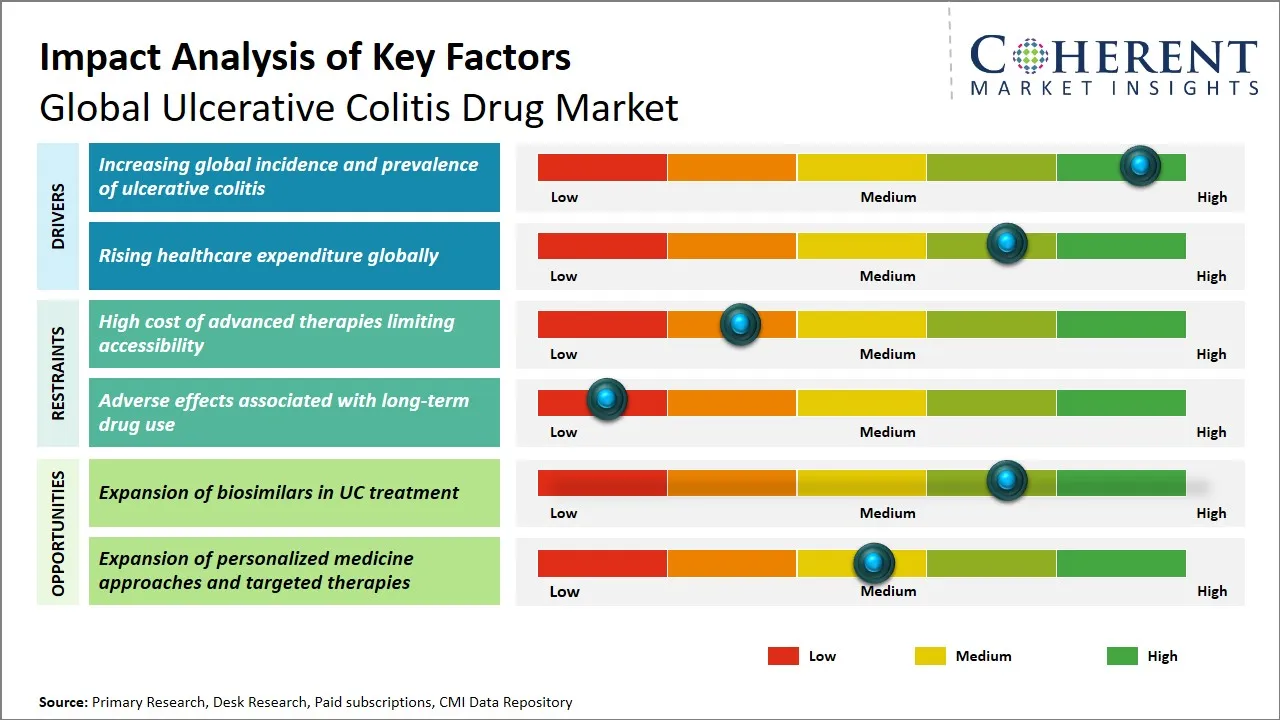
Ulcerative Colitis Drug Market Driver - Increasing Global Incidence and Prevalence of Ulcerative Colitis
The growing global incidence and prevalence of ulcerative colitis (UC) significantly contribute to the expanding demand for therapeutic interventions in this domain. Increasing awareness, improved diagnostic techniques, and changing lifestyles, particularly in developing regions adopting Western dietary habits, have led to a noticeable surge in UC cases worldwide. This chronic inflammatory bowel disease, characterized by persistent inflammation and ulceration of the colon lining, often manifests in young adults, thereby imposing a substantial long-term burden on healthcare systems. The persistent rise in patient populations necessitates the development and availability of effective and targeted drug therapies to manage symptoms, induce remission, and improve quality of life. Moreover, the increasing prevalence is prompting pharmaceutical companies to invest in innovative formulations, biologics, and novel treatment modalities, aiming to address unmet needs associated with disease severity and resistance to conventional therapies. Consequently, this escalating patient base is a critical driver fueling research, development, and commercialization efforts within the global ulcerative colitis drug market.
In August 2023, according to The Lancet Journal, ulcerative colitis is a chronic inflammatory disease of the colon affecting about 5 million people globally, treated with 5-ASA, corticosteroids, biologics, and small molecules, though up to 20% of patients still need surgery.
Ulcerative Colitis Drug Market Opportunity - Expansion of Biosimilars in Ulcerative Colitis Treatment
The global ulcerative colitis (UC) drug market presents a significant opportunity through the increasing adoption and expansion of biosimilars in UC treatment. Biosimilars, being cost-effective alternatives to original biologic therapies, have gained considerable traction due to their potential to lower treatment costs and improve patient access to effective therapies. As many biologic drugs used in UC, such as anti-TNF agents, come with high price tags, the introduction of biosimilars enables healthcare systems, especially in price-sensitive and emerging markets, to offer advanced treatment options to a broader patient population. Regulatory agencies worldwide have streamlined approval pathways for biosimilars, thereby accelerating their market entry. Additionally, growing physician confidence in biosimilars, supported by clinical data demonstrating comparable efficacy and safety to originator biologics, further drives their uptake.
In February 2025, Teva Pharmaceuticals, a U.S.-based affiliate of Teva Pharmaceutical Industries, and Alvotech, an Iceland-based biosimilars company, launched Selarsdi, a biosimilar to Stelara in the U.S. for multiple indications including ulcerative colitis, marking their second joint biosimilar launch and reinforcing their partnership to expand affordable treatment options and reduce healthcare costs.
Analyst Opinion (Expert Opinion)
- The ulcerative colitis drug market is shaped by a combination of strong scientific progress and shifting patient needs. Biologics and advanced small molecules have transformed treatment outcomes, supported by regulatory bodies that are increasingly fast-tracking novel therapies to address unmet demand. Rising awareness among patients, broader diagnostic reach, and the steady growth of specialty care infrastructure are fueling adoption worldwide. At the same time, challenges around affordability, uneven access across regions, and the complex safety profiles of long-term therapies remain pressing issues. This environment opens space for innovation not only in drug development but also in pricing strategies, patient support programs, and integrated digital solutions that can help improve adherence and monitoring.
- Conferences such as Digestive Disease Week in the US and the European Crohn’s and Colitis Organisation Congress in Europe have played an important role in shaping the market by bringing together clinicians, researchers, and industry leaders to share trial results and policy discussions. Real-world initiatives add further momentum, such as collaborations between pharmaceutical companies and academic centers to advance IL-23 inhibitors, or government-led reimbursement programs in countries like Japan and Canada that expand patient access to biologics. These efforts, alongside pilot projects exploring digital health integration for inflammatory bowel disease management, are setting the stage for a more patient-centered and technology-enabled future in ulcerative colitis care.
Speak to the analyst
Want personalized insights?
Take the findings above to one of our principal consultants, or have the report rebuilt around the segments, geographies and competitors you actually track.
Market Segmentation
- Molecule Type Insights (Revenue, USD Bn, 2021 - 2033)
- Biologics
- Small Molecules
- Drug Class Insights (Revenue, USD Bn, 2021 - 2033)
- Aminosalicylates
- Mesalamine (Asacol HD, Lialda)
- Olsalazin
- Corticosteroids
- Budesonide (Uceris)
- Prednisone
- Anti-TNF Biologics
- Infliximab (Remicade)
- Adalimumab (Humira)
- Integrin Receptor Antagonists
- Vedolizumab (Entyvio)
- Janus Kinase (JAK) Inhibitors
- Tofacitinib (Xeljanz)
- Upadacitinib (Rinvoq)
- Interleukin (IL)-12/23 Inhibitors
- Ustekinumab (Stelara)
- Risankizumab (Skyrizi)
- Sphingosine 1-Phosphate (S1P) Receptor Modulators
- Ozanimod (Zeposia)
- Etrasimod (Velsipity)
- Immunosuppressants
- Azathioprine
- 6-Mercaptopurine
- Others
- Aminosalicylates
- Disease Type Insights (Revenue, USD Bn, 2021 - 2033)
- Ulcerative Proctitis
- Left-Sided Colitis
- Pancolitis
- Fulminant Colitis
- Disease Severity Insights (Revenue, USD Bn, 2021 - 2033)
- Mild Ulcerative Colitis
- Moderate Ulcerative Colitis
- Severe Ulcerative Colitis
- Route of Administration Insights (Revenue, USD Bn, 2021 - 2033)
- Oral
- Parenteral
- Rectal
- Age Group Insights (Revenue, USD Bn, 2021 - 2033)
- Adults
- Pediatrics
- Geriatric
- Gender Insights (Revenue, USD Bn, 2021 - 2033)
- Male
- Female
- Distribution Channel Insights (Revenue, USD Bn, 2021 - 2033)
- Hospital Pharmacies
- Retail Pharmacies
- Online Pharmacies
- End User Insights (Revenue, USD Bn, 2021 - 2033)
- Hospitals and Clinics
- Infusion Centers
- Specialty Gastroenterology Clinics
- Ambulatory Surgical Centers (ASCs)
- Research and Diagnostic Laboratories
- Home Healthcare Settings
- Regional Insights (Revenue, USD Bn, 2021 - 2033)
- North America
- U.S.
- Canada
- Latin America
- Brazil
- Argentina
- Mexico
- Rest of Latin America
- Europe
- Germany
- U.K.
- Spain
- France
- Italy
- Russia
- Rest of Europe
- Asia Pacific
- China
- India
- Japan
- Australia
- South Korea
- ASEAN
- Rest of Asia Pacific
- Middle East
- GCC Countries
- Israel
- Rest of Middle East
- Africa
- South Africa
- North Africa
- Central Africa
- North America
- Key Players Insights
- AbbVie Inc
- Johnson & Johnson (Janssen Biotech)
- Pfizer Inc
- Bristol Myers Squibb Company
- Eli Lilly and Company
- Takeda Pharmaceutical Company Limited
- Amgen Inc
- Novartis AG
- Merck & Co Inc
- Gilead Sciences Inc
- Boehringer Ingelheim International GmbH
- Hoffmann-La Roche Ltd
- Biogen Inc
- Celltrion Healthcare Co Ltd
- Eisai Co Ltd
Sources
Primary Research Interviews
Industry Stakeholders
- Gastroenterologists
- Clinical Trial Investigators
- Pharmaceutical R&D Directors
- Hospital Procurement Managers
- Drug Safety & Regulatory Affairs Specialists
- Health Economics & Outcomes Research Experts
End Users
- Ulcerative Colitis Patients
- Caregivers and Family Members
- Patient Advocacy Groups
- Pharmacists in Specialty Pharmacies
- Insurance & Reimbursement Officers
- Outpatient Clinic Managers
Government and International Databases
- U.S. Food and Drug Administration (FDA)
- European Medicines Agency (EMA)
- World Health Organization (WHO) – Global Health Observatory
- National Institutes of Health (NIH) – ClinicalTrials.gov
- Centers for Medicare & Medicaid Services (CMS)
- Japan Pharmaceuticals and Medical Devices Agency (PMDA)
Trade Publications
- BioPharm International
- PharmaVOICE
- InPharma Technologist
- Pharmaceutical Executive
- Drug Development & Delivery
- Contract Pharma
Academic Journals
- The Lancet Gastroenterology & Hepatology
- Journal of Crohn’s and Colitis
- Gastroenterology
- Inflammatory Bowel Diseases Journal
- American Journal of Gastroenterology
- Clinical Gastroenterology and Hepatology
Reputable Newspapers
- The New York Times – Health Section
- The Guardian – Health
- The Wall Street Journal – Health & Pharma
- Financial Times – Pharmaceuticals & Healthcare
- The Washington Post – Health
- Reuters Health News
Industry Associations
- Crohn’s & Colitis Foundation (CCF)
- American Gastroenterological Association (AGA)
- European Crohn’s and Colitis Organisation (ECCO)
- International Organization for the Study of Inflammatory Bowel Diseases (IOIBD)
- Digestive Disease Week (DDW) Organization
- British Society of Gastroenterology (BSG)
Public Domain Resources
- National Center for Biotechnology Information (NCBI)
- World Bank Health Data
- OECD Health Statistics
- United Nations Health Data Resources
- U.S. National Library of Medicine
Proprietary Elements
- CMI Data Analytics Tool: Proprietary analytics tool to analyze real-time market trends, consumer behavior, and technology adoption in market
- Proprietary CMI Existing Repository of Information for Last 8 Years
Get access to 250+ pages report
Every segment, forecast, competitor profile and data table behind the analysis above — available for instant download.
- ESOMAR Member
- ISO 9001:2015 Certified
- D-U-N-S Registered
- GDPR & CCPA Compliant
Missing comfort of reading report in your local language? Find your preferred language:
Transform your Strategy with Exclusive Trending Reports
Frequently Asked Questions
The global ulcerative colitis drug market is estimated to be valued at USD 10.16 Bn in 2026 and is expected to reach USD 15.99 Bn by 2033.
The CAGR of the global ulcerative colitis drug market is projected to be 6.7% from 2026 to 2033.
Increasing global incidence and prevalence of ulcerative colitis and rising healthcare expenditure globally are the major factors driving the growth of the global ulcerative colitis drug market.
High cost of advanced therapies limiting accessibility and adverse effects associated with long-term drug use are the major factors hampering the growth of the global ulcerative colitis drug market.
In terms of molecule type, biologics is estimated to dominate the market revenue share in 2026.
AbbVie Inc, Johnson & Johnson (Janssen Biotech), Pfizer Inc, Bristol Myers Squibb Company, Eli Lilly and Company, Takeda Pharmaceutical Company Limited, Amgen Inc, Novartis AG, Merck & Co Inc, Gilead Sciences Inc, Boehringer Ingelheim International GmbH, F. Hoffmann-La Roche Ltd, Biogen Inc, Celltrion Healthcare Co Ltd, and Eisai Co Ltd are the major players.
North America is expected to lead the global ulcerative colitis drug market in 2026.