

Global Visceral Leishmaniasis Market Size and Forecast – 2026 to 2033
The Global Visceral Leishmaniasis Market is estimated to be valued at USD 1.23 Bn in 2026 and is expected to reach USD 1.99 billion by 2033, exhibiting a compound annual growth rate (CAGR) of 7.1% from 2026 to 2033. This steady growth is driven by the increasing prevalence of the disease in endemic regions, rising awareness, and advancements in diagnostic and therapeutic technologies, contributing to expanding market opportunities.
Key Takeaways of the Global Visceral Leishmaniasis Market
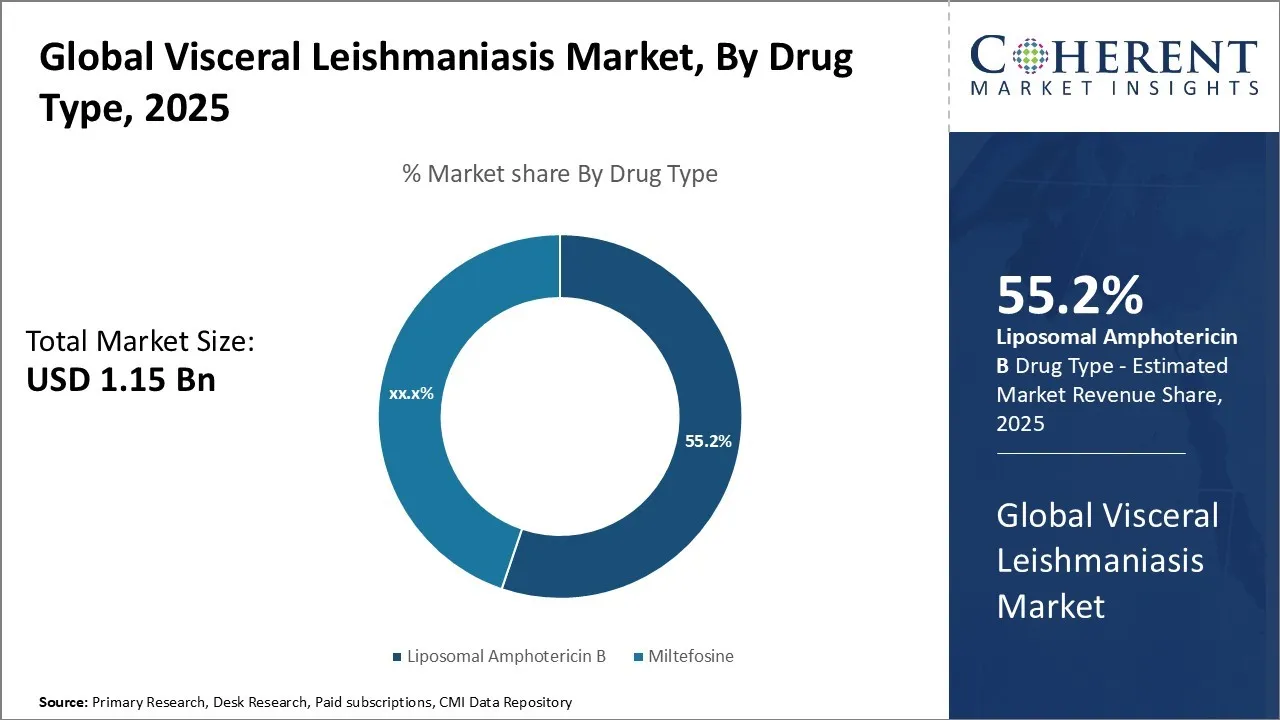
- Liposomal Amphotericin B is expected to dominate the global visceral leishmaniasis market in 2026, accounting for 56.2% of the market share.
- Oral administration is expected to be the leading route of administration in the market, capturing 66.2% of the share in 2026, driven by enhanced patient convenience and improved compliance.
- The capsule segment is projected to hold the largest share in the dosage form segment, with 61.2% in 2026, due to their ease of use and pharmacological benefits.
- North America is expected to lead the market, holding a share of 38. 3% in 2026. Asia Pacific is anticipated to be the fastest-growing region, with a market share of 23.2% in 2026.
Market Overview
Current market trends highlight a shift towards the development of novel drug therapies and diagnostics that offer improved efficacy and reduced side effects. Additionally, increasing government initiatives and funding for neglected tropical diseases, along with heightened focus on early detection and preventive measures, are shaping the market landscape. Integration of digital health technologies and growing collaborations between pharmaceutical companies and research institutions further accelerate innovation within the visceral leishmaniasis market.
Currents Events and their Impact
Current Events | Description and its impact |
Regional Industrial Automation Surges |
|
Technological Advancements in VL Diagnostics |
|
Segmental Insights
- Current Industry Events of 2026
- Market Size Estimation
- Regional Breakdown
- Competitive Landscape
- Customer Intelligence
- Segmental Analysis
- Pricing Analysis
- Key Market Drivers, Challenges & Future Trends
- Customized Insights Section
Visceral Leishmaniasis Market Insights, By Drug Type - Liposomal Amphotericin B contributes the highest share of the market owing to its superior efficacy and safety profile
Liposomal Amphotericin B has emerged as the leading drug type within the global visceral leishmaniasis market with an estimated share of 56.2% in 2026 due to its significant therapeutic advantages over traditional treatments. The key factor driving its dominance is its enhanced efficacy in effectively targeting and eradicating the Leishmania parasites responsible for the disease. This drug formulation encapsulates amphotericin B within lipid vesicles, which not only improves targeted delivery to infected macrophages but also reduces toxicity to healthy tissues. This results in fewer adverse effects compared to conventional amphotericin B, making it a preferred choice among healthcare providers.
Another critical element contributing to the widespread adoption of liposomal amphotericin B is its improved safety profile, particularly regarding nephrotoxicity, a common concern with older formulations. Its reduced risk of kidney damage, especially in patients with renal conditions, enables the treatment of a broader patient population, including vulnerable groups such as children, immunocompromised individuals, and those with pre-existing renal conditions, which is particularly relevant in nephrology. Moreover, the drug’s relatively shorter treatment duration and high cure rates enhance patient compliance and treatment outcomes, further solidifying its market position.
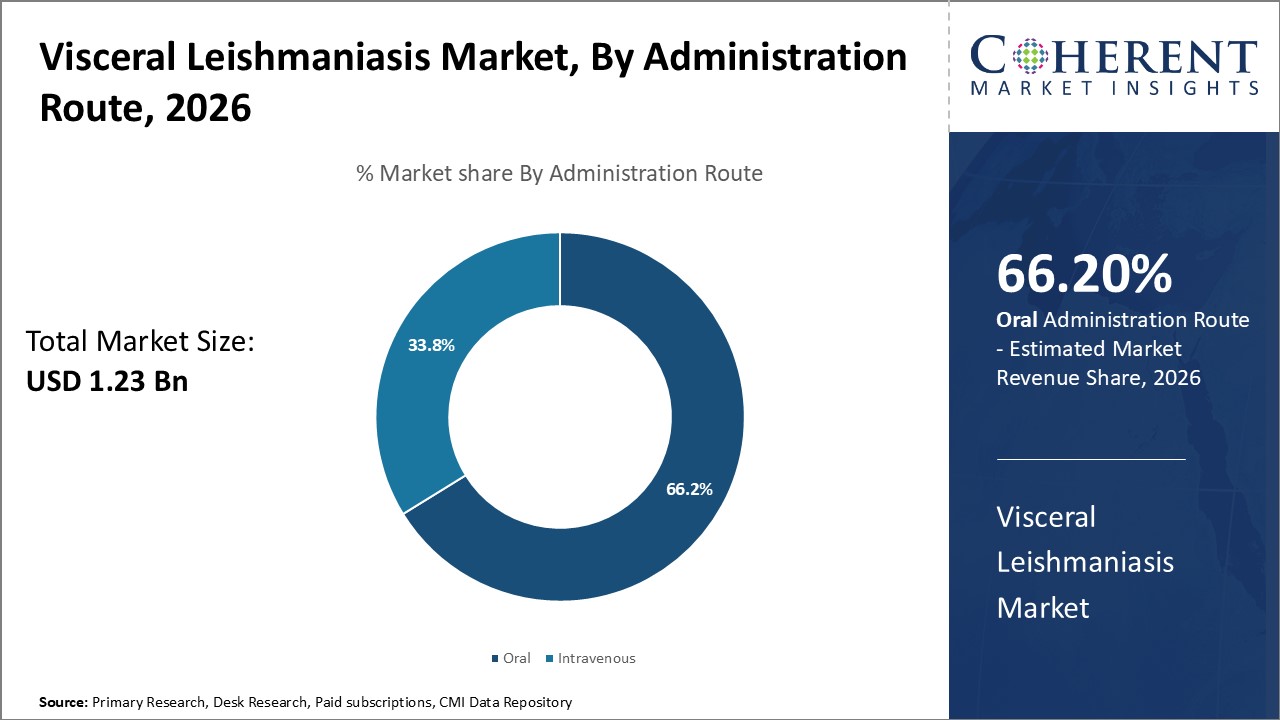
Visceral Leishmaniasis Market Insights, By Administration Route - Oral administration dominates due to ease of use and improved patient compliance
Oral administration stands out as the dominant route in the global visceral leishmaniasis market with an estimated share of 66.2% in 2026, driven primarily by patient convenience and compliance factors. The oral route allows for self-administration of medication, which reduces the need for hospital visits or trained healthcare professionals, making it particularly attractive in low-resource and rural settings where the disease burden is often highest. By simplifying the delivery mechanism, oral administration improves adherence to prescribed treatment regimens, which is critical to ensuring complete parasite clearance and preventing relapse.
Miltefosine, the primary drug administered orally for visceral leishmaniasis, has contributed significantly to the rising adoption of this administration route. Its effectiveness combined with the non-invasive nature of oral intake makes it a more acceptable choice for patients, especially children and populations apprehensive about injections. Oral treatment also minimizes the risk of complications associated with intravenous administration, such as infections at the injection site or the need for sterile equipment, which can be challenging to guarantee in certain endemic zones.
Visceral Leishmaniasis Market Insights, By Dosage Form - Capsules lead due to convenience and enhanced stability
The capsule segment is expected to hold the highest share when analyzing the visceral leishmaniasis market by dosage form with 61.2% in 2026, largely attributable to their convenience of use and pharmacological advantages. Capsule formulations, primarily containing miltefosine, provide patients with a straightforward mode of drug intake that is portable, easy to swallow, and dosage-precise. This form factor addresses compliance challenges by simplifying the treatment process, which is often prolonged and requires strict adherence to dosing schedules.
From a pharmaceutical perspective, capsules offer better stability and extended shelf life compared to other dosage forms like injections, which demand stringent storage conditions such as refrigeration. This is particularly beneficial in endemic regions where supply chains can be inconsistent, and temperature control is limited. The improved stability reduces the risk of drug degradation, ensuring consistent therapeutic efficacy upon administration.
Regional Insights
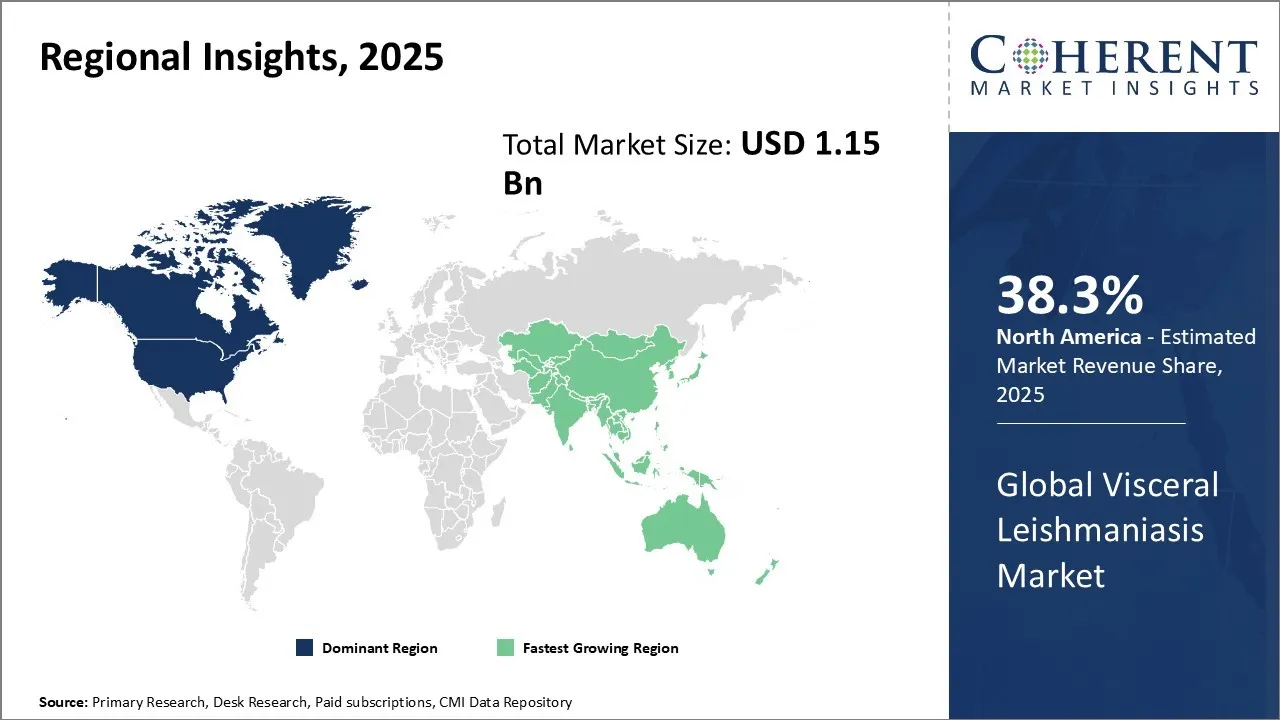
North America Visceral Leishmaniasis Market Analysis and Trends
In North America, the global visceral leishmaniasis market is dominated by a combination of well-established healthcare infrastructure with an estimated share of 38.3% in 2026, strong government support for global health initiatives, and the presence of leading pharmaceutical companies. The U.S., in particular, plays a crucial role due to its focus on international aid, research, and the availability of advanced diagnostics and therapeutics.
Companies like Gilead Sciences and Pfizer are significantly involved in the development of treatments for visceral leishmaniasis, contributing to the region's leadership in disease management. Additionally, ongoing collaborations with global health organizations like the WHO and active participation in the funding and support of elimination programs globally enhance North America's dominant position in the market.
Asia Pacific Visceral Leishmaniasis Market Analysis and Trends
The Asia Pacific region is experiencing the fastest growth in the global visceral leishmaniasis market with an estimated share of 23.2% in 2026. This rapid expansion is driven by the high prevalence of the disease in countries such as India, Bangladesh, Nepal, and other parts of Southeast Asia. The region benefits from increased government initiatives to combat neglected tropical diseases, enhanced investments in healthcare infrastructure, and strengthened collaborations with international health organizations. India’s government-led programs and partnerships with pharmaceutical companies are a major factor in controlling and eliminating the disease.
For example, Zydus Lifesciences is a leading Indian pharmaceutical company that has expanded its focus to include the treatment of neglected diseases like Visceral Leishmaniasis. Zydus offers a generic version of Miltefosine, making it a more affordable and accessible treatment option in regions where VL is prevalent. The company’s version of Miltefosine provides an essential treatment alternative to patients in developing countries, ensuring that cost does not become a barrier to accessing life-saving therapy.
Global Visceral Leishmaniasis Market Outlook for Key Countries
U.S. Visceral Leishmaniasis Market Trends
Although visceral leishmaniasis is not endemic in the U.S., the country plays a crucial role in global market dynamics through research funding, pharmaceutical innovation, and regulatory approvals. US-based companies like Gilead Sciences and Regeneron are significant contributors to the development of novel therapeutics and immunotherapies. The robust clinical research environment and investment in neglected tropical disease programs strengthen the country’s influence in developing global solutions and driving demand for advanced diagnostics and therapies in both endemic and non-endemic regions.
For example, Profounda, Inc. is a clinical-stage biopharmaceutical company specializing in the development and commercialization of treatments for rare and neglected diseases. The company has expanded its portfolio to include Impavido (miltefosine), the first and only U.S. FDA-approved oral treatment for all three forms of leishmaniasis: visceral, mucosal, and cutaneous. Profounda partnered with Knight Therapeutics Inc. to exclusively distribute Impavido in the U.S., making it accessible to patients who previously had limited treatment options.
India Visceral Leishmaniasis Market Trends
India’s visceral leishmaniasis market remains pivotal due to its positioning as a major endemic country for visceral leishmaniasis. With robust government programs such as the National Kala-azar Elimination Program, India focuses on early detection, effective treatment, and vector control. Collaboration with pharmaceutical leaders like Cipla and Novartis has advanced drug accessibility and affordability. Additionally, the country’s well-established clinical trial infrastructure supports ongoing development of next-generation therapeutics and diagnostics, making it a key contributor to the region’s dominance.
In July 2021, according to the World Health Organization India is intensifying efforts to eliminate visceral leishmaniasis (VL), also known as kala-azar, by opening 4 centers of excellence to train healthcare workers and improve treatment for complicated cases., VL is caused by the Leishmania donovani parasite and transmitted by sand flies. It primarily affects impoverished populations with inadequate housing and sanitation. Over the past three decades, India has significantly reduced VL cases from 77,000 in 1992 to 2,048 in 2020, with related deaths decreasing from 1,400 to 37 during the same period.
Brazil Visceral Leishmaniasis Market Trends
Brazil is a critical market in Latin America, facing endemic visceral leishmaniasis in many rural areas with significant governmental emphasis on disease containment. The Ministry of Health’s investment in vector control and treatment provisioning, paired with active partnerships with multinational players like Sanofi and emerging local biotech firms, drives the market’s swift growth. The integration of advanced diagnostic technologies and treatment protocols has enhanced disease management effectiveness, influencing overall market dynamics positively.
In June 2022, according to WHO, in Brazil, visceral leishmaniasis remains a significant public health concern, with the country reporting a high number of cases, between 2008 and 2020, Brazil reported a total of 43,749 VL cases, averaging approximately 3,418 new cases annually, which corresponds to an incidence rate of 1.8 cases per 100,000 inhabitants.
Bangladesh Visceral Leishmaniasis Market Trends
Bangladesh’s visceral leishmaniasis market is shaped by aggressive public health initiatives supported by government agencies and international organizations such as WHO and MSF. The country prioritizes access to integrated diagnostic and treatment solutions, facilitated by global pharmaceuticals like Gilead Sciences and local suppliers. Bangladesh’s strategic focus on community health worker training and awareness campaigns has improved early detection and treatment adherence, playing a key role in the Asia Pacific region’s market dominance.
In October 2023, according to WHO, Bangladesh has become the first country globally to be validated for the elimination of visceral leishmaniasis (VL), achieving the target of fewer than one case per 10,000 population at the sub-district level since 2017. This significant milestone, despite COVID-19 disruptions, underscores the country's commitment to addressing neglected tropical diseases (NTDs). The success of Bangladesh’s VL elimination program reflects growing advancements in diagnostics and treatment, signaling positive market trends for VL control and treatment in the region.
End User Feedback and Unmet Needs in the Global Visceral Leishmaniasis Market
- End users, including healthcare providers, government bodies, and NGOs, have consistently shared insights on the challenges and benefits of visceral leishmaniasis (VL) treatments. Recurring positive feedback revolves around the oral formulation of miltefosine (Impavido), which has been praised for its ease of administration compared to traditional intravenous therapies, especially in rural settings with limited healthcare infrastructure. Users in remote areas have highlighted its ability to reduce hospital visits, thus improving patient adherence and satisfaction. However, a frequent concern arises regarding the high cost and limited accessibility of advanced treatments, particularly for economically disadvantaged regions where VL is most prevalent. This concern is particularly acute in sub-Saharan Africa and South Asia, where affordability is a major barrier to effective treatment. Many healthcare providers have noted that the lack of affordable options for long-term care limits the overall effectiveness of treatment strategies, undermining efforts to control the disease.
- The unmet needs in the VL market are significant, especially concerning the affordability and accessibility of effective treatments. Despite the availability of miltefosine and liposomal amphotericin B, technological gaps in early diagnosis and the slow rollout of new therapeutic options hinder overall progress. There is also a noticeable lack of customization in current treatment regimens to address varying geographic strains of the disease. The high cost of treatment and limited healthcare infrastructure in endemic areas further exacerbate the issue. Addressing these unmet needs through innovations like affordable, accessible diagnostics, region-specific treatment development, and improved support infrastructure could not only drive market growth but also strengthen customer loyalty and encourage new partnerships between manufacturers, governments, and NGOs.
Market Players, Key Developments, and Competitive Intelligence
Key Developments
- In April 2025, LifeArc, a self-funded, independent medical research charity based in the U.K., and FIND, a global non-profit organization, launched a USD 7.08 million project in Kenya to improve the diagnosis and treatment of visceral leishmaniasis, with the goal of eliminating the disease by 2030. The project aims to increase testing capacity, raise awareness, and develop new diagnostic tests, supporting the World Health Organization’s efforts to reduce mortality and prevent disability. The initiative will run from 2024 to 2027.
- In May 2025, African nations united to tackle visceral leishmaniasis (VL) during the 78th World Health Assembly. Led by the African Union Commission, health ministers from Chad, Djibouti, Ethiopia, Somalia, South Sudan, and Sudan signed a Memorandum of Understanding (MoU) to intensify efforts towards VL elimination. The countries are committed to investing resources, implementing policies, and promoting cross-border collaboration to meet VL elimination targets outlined in a 2024 strategic framework.
- In June 2024, a new framework for the elimination of visceral leishmaniasis (VL), also known as kala-azar, was launched for Eastern Africa. Developed by the World Health Organization (WHO) in collaboration with the Drugs for Neglected Diseases initiative (DNDi) and regional health ministries, the framework outlines key strategies to combat VL, including early diagnosis, vector management, surveillance, and advocacy. The framework targets a 90% reduction in VL cases by 2030 and aims to eliminate deaths, particularly in children.
Top Strategies Followed by Global Visceral Leishmaniasis Market Players
- Established players dominate the sector by heavily investing in research and development (R&D) to innovate high-performance diagnostic tools and therapeutic products. These investments focus on improving product efficacy, reducing side effects, and enhancing patient compliance, thereby sustaining their technological edge. Additionally, these major companies form strategic partnerships and alliances with other leading industry players, original equipment manufacturers (OEMs), and research institutions. These collaborations enable them to leverage complementary strengths, optimize supply chains, and accelerate product development cycles.
- For example, Gilead Sciences is a prominent global biopharmaceutical company renowned for its innovative therapies in several therapeutic areas, including infectious diseases. In the context of Visceral Leishmaniasis, Gilead has made significant contributions with AmBisome (liposomal amphotericin B), an intravenous treatment that has been widely used to treat severe cases of VL. AmBisome offers a safer and more effective alternative to traditional amphotericin B, particularly in resource-limited regions where Visceral Leishmaniasis is endemic, such as India and East Africa.
- Mid-level players in the visceral leishmaniasis market adopt a more cost-conscious approach, focusing primarily on offering products that balance quality with affordability. This strategy caters to price-sensitive consumers, including public health institutions and NGOs that operate under constrained budgets, especially in developing countries where the disease burden is significant. These companies emphasize producing effective and reliable diagnostic kits or treatments at a lower cost, ensuring a competitive edge against higher-priced alternatives offered by established firms. To supplement their capabilities and expand their market presence, mid-level companies actively seek collaborations and partnerships.
- For example, MOLOGEN AG is a German biotechnology company focused on DNA-based immunotherapies for cancer and infectious diseases. One of its key initiatives in the visceral leishmaniasis market is the development of LEISHDNAVAX, a DNA vaccine aimed at enhancing the immune response to Leishmania parasites.
- Small-scale players carve out niches in the visceral leishmaniasis market by concentrating on specialized features or innovative products tailored to specific regional or clinical requirements. These companies often adopt cutting-edge technologies, such as rapid diagnostic assays, point-of-care devices, or novel drug delivery systems, to differentiate themselves and remain competitive despite limited resources. Small-scale players frequently build local alliances with startups, research labs, and regional manufacturers, facilitating market entry and increasing visibility within targeted geographic areas.
Market Report Scope
Visceral Leishmaniasis Market Report Coverage
| Report Coverage | Details | ||
|---|---|---|---|
| Base Year: | 2025 | Market Size in 2026: | USD 1.23 Bn |
| Historical Data for: | 2020 To 2024 | Forecast Period: | 2026 To 2033 |
| Forecast Period 2026 to 2033 CAGR: | 7.1% | 2033 Value Projection: | USD 1.99 Bn |
| Geographies covered: |
| ||
| Segments covered: |
| ||
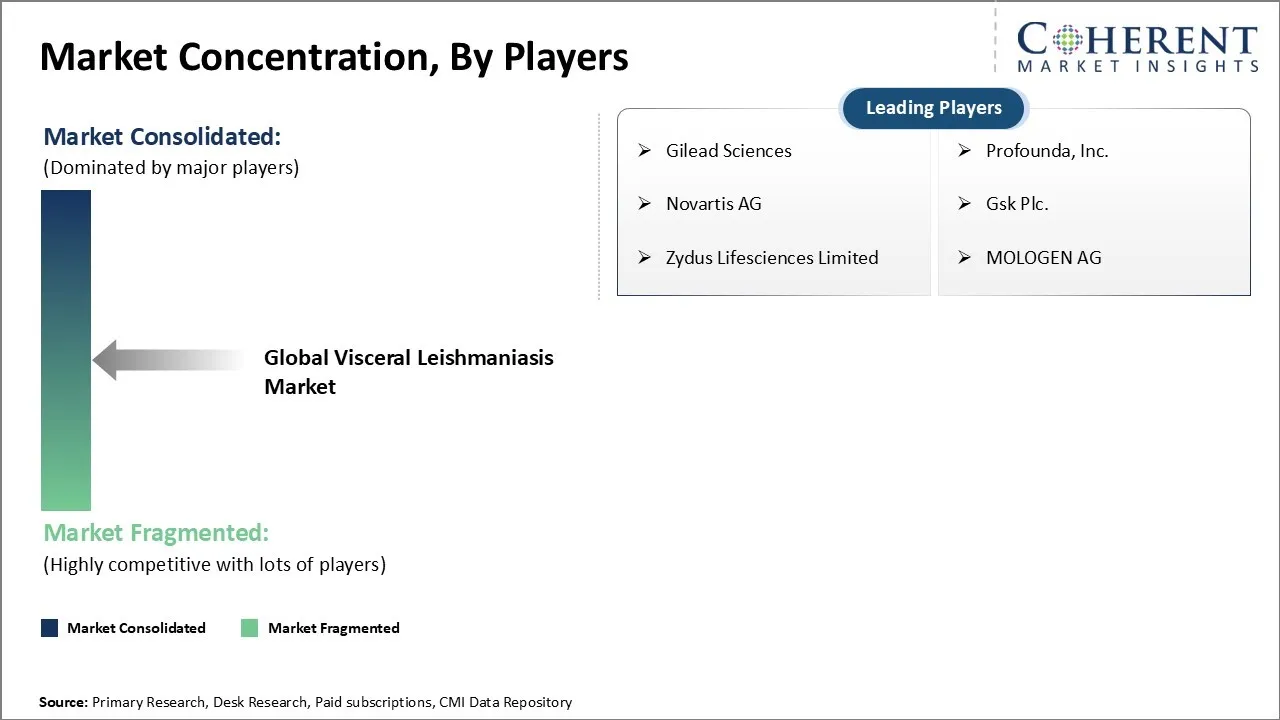
| Companies covered: | Gilead Sciences, Profounda, Inc., Novartis AG, Gsk Plc., Zydus Lifesciences Limited, and MOLOGEN AG | ||
| Growth Drivers: |
| ||
| Restraints & Challenges: |
| ||
Visceral Leishmaniasis Market Dynamics
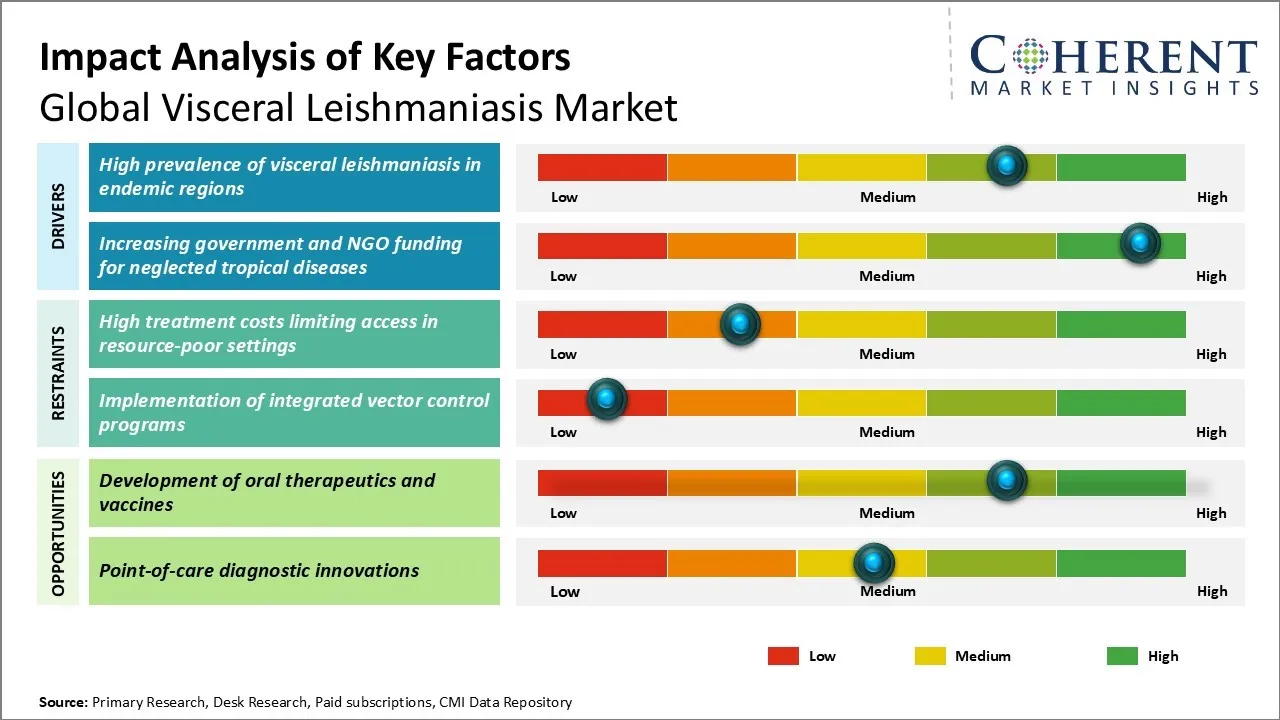
Visceral Leishmaniasis Market Driver - High prevalence of visceral leishmaniasis in endemic regions
The sustained high prevalence of visceral leishmaniasis (VL) in endemic regions across South Asia, East Africa, and parts of Latin America significantly drives the demand for improved diagnostic tools, treatment options, and disease management solutions. These regions experience a persistent burden due to factors such as poverty, limited healthcare infrastructure, malnutrition, and climatic conditions favorable to the Leishmania parasite’s sandfly vectors. The widespread incidence of VL creates an urgent need for accessible and effective therapies, prompting investments in drug development and vector control strategies. Additionally, ongoing outbreaks and the disease’s complex clinical manifestations often lead to misdiagnosis or delayed treatment, which emphasizes the importance of rapid diagnostic advancements. Public health initiatives and governmental programs targeting VL control further stimulate market activities by promoting awareness, surveillance, and distribution of therapeutic interventions.
In January 2023, according to WHO, Visceral leishmaniasis (VL), also known as kala-azar, is a life-threatening disease caused by Leishmania parasites transmitted by sandflies. It is most prevalent in regions such as Brazil, East Africa, and India. VL accounts for around 50,000 to 90,000 new cases annually, with a high mortality rate if untreated. Symptoms include fever, weight loss, organ enlargement, and anemia. Despite the global burden, only 25–45% of cases are reported to the WHO. This disease disproportionately affects impoverished populations with limited access to healthcare.
Visceral Leishmaniasis Market Opportunity - Development of oral therapeutics and vaccines for the global visceral leishmaniasis market
A significant opportunity in the global visceral leishmaniasis market lies in the development of oral therapeutics and vaccines, which have the potential to revolutionize disease management and improve patient outcomes. Current treatment options for VL largely depend on injectable drugs, such as amphotericin B and antimonials, which are often associated with severe side effects, lengthy treatment durations, and challenges related to administration in low-resource settings. The innovation of oral therapies offers a more convenient and patient-friendly alternative, increasing treatment adherence and accessibility, especially in endemic regions with limited healthcare infrastructure.
In February 2020, Novartis, a global healthcare company and the Drugs for Neglected Diseases initiative (DNDi) have partnered to develop LXE408, a first-in-class oral treatment for visceral leishmaniasis, a severe parasitic disease. Discovered by Novartis with funding from the Wellcome Trust, LXE408 is currently undergoing Phase I trials, with Novartis handling further clinical development and regulatory submissions. DNDi will lead Phase II and III trials, beginning in India with additional studies planned in East Africa. Novartis has pledged to make the drug affordable and accessible in endemic regions upon approval. The collaboration aims to address the limitations of existing treatments, which are often ineffective, toxic, and costly.
Analyst Opinion (Expert Opinion)
- The visceral leishmaniasis market is driven by multiple factors, including advancements in diagnostic technologies and treatments, as well as increased awareness and regulatory support. Governments and global health organizations like the WHO are bolstering efforts to combat VL, with strategic plans and funding initiatives aimed at improving access to effective therapies in endemic regions. Moreover, the rising demand for new drug formulations due to increasing resistance to existing treatments is spurring market growth. Technological innovations in rapid diagnostics and the development of oral drug therapies present significant opportunities for market players. However, challenges such as funding limitations, inadequate healthcare infrastructure in affected regions, and the complexity of deploying mass vaccination programs hinder broader adoption and control.
- Key conferences such as the "International Leishmaniasis Research Conference" and the "World Health Assembly" have been pivotal in advancing knowledge-sharing and policy formulation. These forums have facilitated collaborations between governments, pharmaceutical companies, and NGOs, emphasizing global efforts to address VL's impact. Notably, the collaboration between Novartis and the Drugs for Neglected Diseases initiative (DNDi) on new oral treatments has drawn attention for its potential to transform the landscape of VL treatment. Additionally, pilot programs aimed at improving diagnostic infrastructure and access to life-saving medications in endemic regions are expected to significantly impact the market's future outlook.
Speak to the analyst
Want personalized insights?
Take the findings above to one of our principal consultants, or have the report rebuilt around the segments, geographies and competitors you actually track.
Market Segmentation
- Drug Type Insights (Revenue, USD Bn, 2021 - 2033)
- Liposomal Amphotericin B
- Miltefosine
- Administration Route Insights (Revenue, USD Bn, 2021 - 2033)
- Oral
- Intravenous
- Dosage Form (Revenue, USD Bn, 2021 - 2033)
- Capsule
- Injection
- Disease Stage Insights (Revenue, USD Bn, 2021 - 2033)
- Acute Visceral Leishmaniasis
- Chronic Visceral Leishmaniasis
- Age Group Insights (Revenue, USD Bn, 2021 - 2033)
- Adults
- Pediatric
- Distribution Channel Insights (Revenue, USD Bn, 2021 - 2033)
- Hospital Pharmacies
- Retail Pharmacies
- Online Pharmacies
- End User Insights (Revenue, USD Bn, 2021 - 2033)
- Hospitals
- Specialty Clinics
- Diagnostic Laboratories
- Home Care Settings
- Academics and Research Institutes
- Regional Insights (Revenue, USD Bn, 2021 - 2033)
- North America
- U.S.
- Canada
- Latin America
- Brazil
- Argentina
- Mexico
- Rest of Latin America
- Europe
- Germany
- U.K.
- Spain
- France
- Italy
- Russia
- Rest of Europe
- Asia Pacific
- China
- India
- Japan
- Australia
- South Korea
- ASEAN
- Rest of Asia Pacific
- Middle East
- GCC Countries
- Israel
- Rest of Middle East
- Africa
- South Africa
- North Africa
- Central Africa
- North America
- Key Players Insights
- Gilead Sciences
- Profounda, Inc.
- Novartis AG
- Gsk Plc.
- Zydus Lifesciences Limited
- MOLOGEN AG
Sources
Primary Research Interviews
Industry Stakeholders List
- World Health Organization (WHO)
- Drugs for Neglected Diseases initiative (DNDi)
- Indian Council of Medical Research (ICMR)
End Users List
- National Health Services (NHS) – UK
- Local Health Departments in Endemic Regions (e.g., India, Brazil, Sudan)
- Hospitals and Clinics in Endemic Regions
Government and International Databases
- World Health Organization (WHO) Global Health Observatory
- Centers for Disease Control and Prevention (CDC)
- United Nations Development Programme (UNDP)
- U.S. National Institutes of Health (NIH)
- European Medicines Agency (EMA)
- Global Health Data Exchange (GHDx)
- United Nations International Children's Emergency Fund (UNICEF)
Trade Publications
- The Lancet Infectious Diseases
- Clinical Infectious Diseases Journal
- Tropical Medicine & International Health
- Journal of Tropical Medicine and Hygiene
- American Journal of Tropical Medicine and Hygiene
Academic Journals
- PLoS Neglected Tropical Diseases
- International Journal of Infectious Diseases
- Journal of Clinical Microbiology
- Tropical Medicine and Infectious Disease
- Emerging Infectious Diseases Journal
- Pathogens and Global Health Journal
- The American Journal of Tropical Medicine and Hygiene
Reputable Newspapers
- The Guardian
- The New York Times
- BBC News
- Al Jazeera
- Reuters
Industry Associations
- International Federation of Tropical Medicine (IFTM)
- Global Health Council
- American Society of Tropical Medicine and Hygiene (ASTMH)
- World Federation of Public Health Associations (WFPHA)
- International Society of Infectious Diseases (ISID)
Public Domain Resources
- National Center for Biotechnology Information (NCBI)
- Global Health Data Exchange (GHDx)
- Global Health Observatory Data Repository
Proprietary Elements
- CMI Data Analytics Tool Proprietary analytics tool to analyze real-time market trends, consumer behavior, and technology adoption in market
- Proprietary CMI Existing Repository of Information for Last 8 Years
Get access to 250+ pages report
Every segment, forecast, competitor profile and data table behind the analysis above — available for instant download.
- ESOMAR Member
- ISO 9001:2015 Certified
- D-U-N-S Registered
- GDPR & CCPA Compliant
Missing comfort of reading report in your local language? Find your preferred language:
Transform your Strategy with Exclusive Trending Reports
Frequently Asked Questions
The global visceral leishmaniasis market is estimated to be valued at USD 1.23 Bn in 2026 and is expected to reach USD 1.99 Bn by 2033.
The CAGR of global visceral leishmaniasis market is projected to be 7.1% from 2026 to 2033.
High prevalence of visceral leishmaniasis in endemic regions and increasing government and NGO funding for neglected tropical diseases are the major factors driving the growth of the global visceral leishmaniasis market.
High treatment costs limiting access in resource-poor settings and implementation of integrated vector control programs are the major factors hampering the growth of the global visceral leishmaniasis market.
In terms of drug type, Liposomal Amphotericin B is estimated to dominate the market revenue share in 2026.
Gilead Sciences, Profounda, Inc., Novartis AG, Gsk Plc., Zydus Lifesciences Limited, and MOLOGEN AG are the major players.
North America is expected to lead the global visceral leishmaniasis market in 2026.