

Global Wearable Sleeping Tech Market Size and Forecast: 2026-2033
The global wearable sleeping tech market is estimated to be valued at USD 23,007.8 Mn in 2026 and is expected to reach USD 44,512.6 Mn by 2033, exhibiting a compound annual growth rate (CAGR) of 11.3% from 2026 to 2033. The market growth can be attributed to the rising awareness about the importance of sleep among people and betterment of wearable technology. In addition, the number of people suffering from sleep disorders is rising globally. For instance, a 2025 study published in the Sleep Medicine Reviews estimates that approximately 852 million adults, or around 16.2% of the global population, are affected by insomnia, highlighting the substantial and growing burden of sleep-related conditions.
Key Takeaways of the Global Wearable Sleeping Tech Market
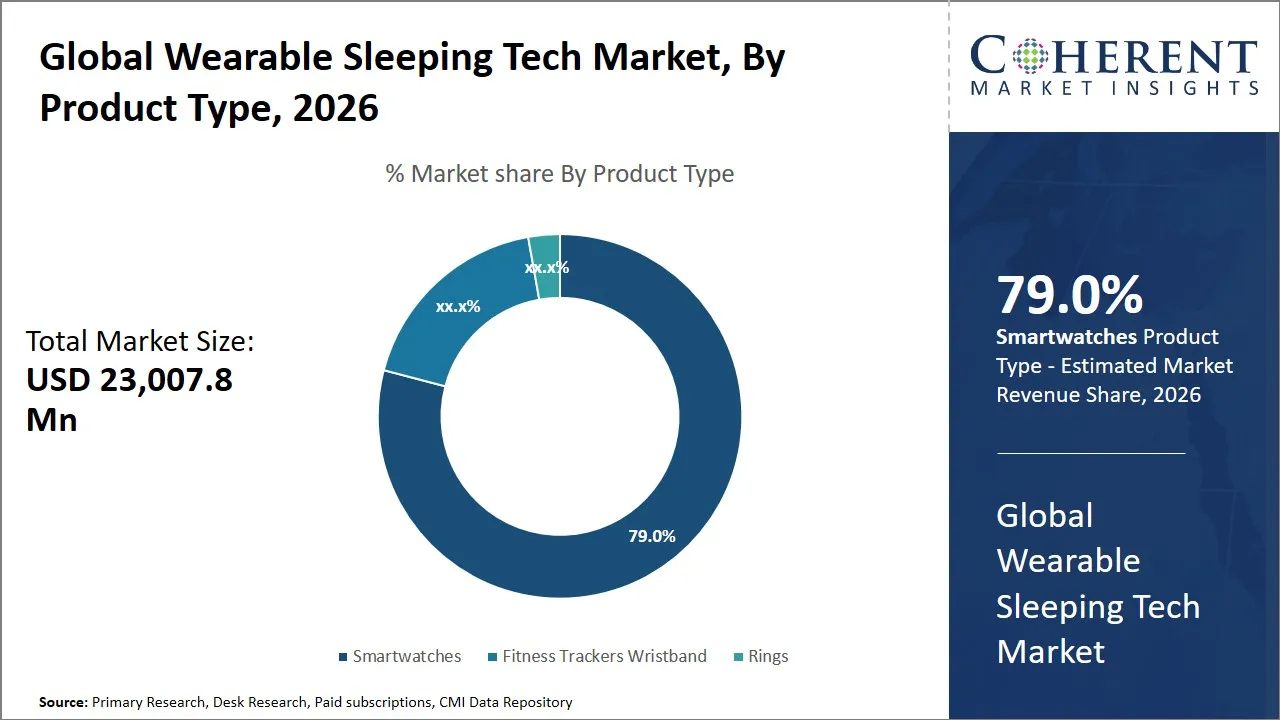
- Smartwatches segment is expected to lead the global wearable sleeping tech market, capturing 79.0% share in 2026.
- Male segment is estimated to represent 53.6% of the global wearable sleeping tech market share in 2026.
- Adult/Geriatrics segment is projected to dominate with 87.7% of the global wearable sleeping tech market share in 2026.
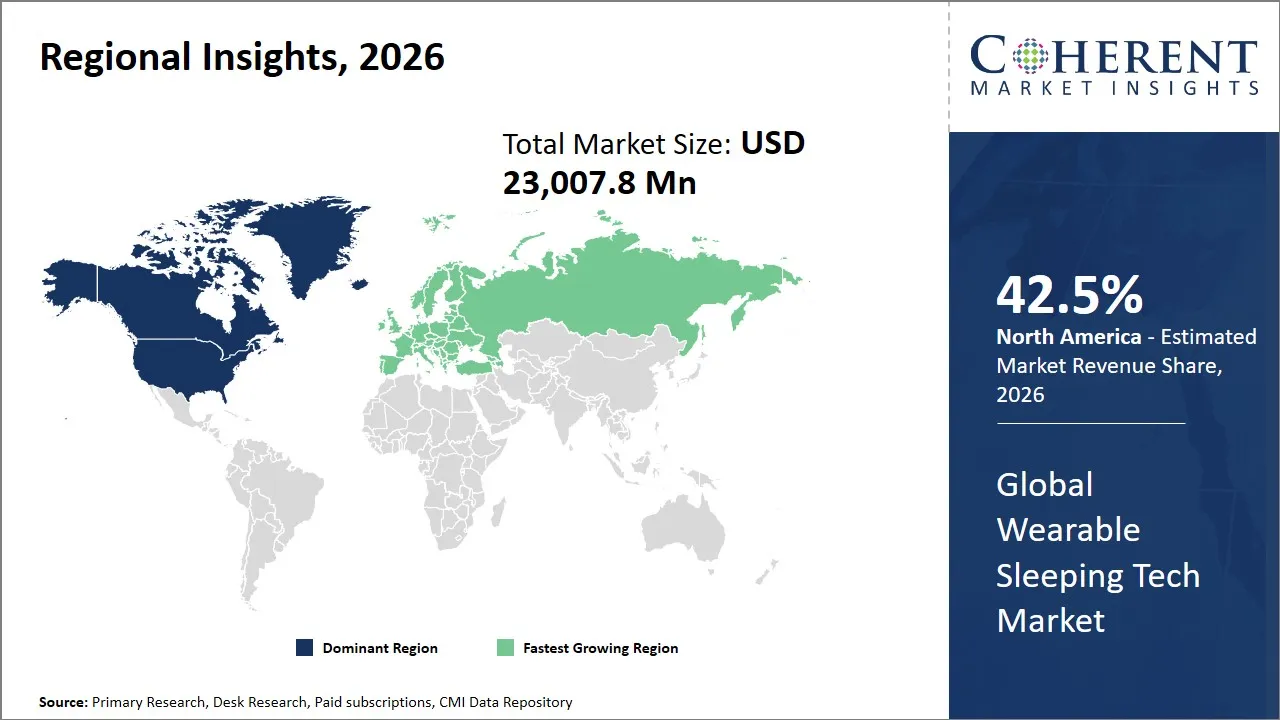
- North America is expected to lead the market, holding a share of 42.5% in 2026. Europe is anticipated to be the fastest-growing region, with 26.0% share in 2026.
Market Overview
- The global wearable sleeping tech market is fueled by the growing incidence rate of sleep-related disorders such as insomnia and sleep apnea.
- The focus is shifting from treating sleep-related issues to preventing them, and this is reflected in the growing trend of sleep tracking as a daily habit.
- Wearable technology is becoming a regular tool for health monitoring, rather than just an occasional one, and this is expected to contribute to the growth of the global wearable sleeping tech market.
- Furthermore, the power of AI is being harnessed in wearable technology to move beyond mere data tracking and provide insights and recommendations, such as suggestions on how to improve sleep and alerts on health conditions through the analysis of real-time data.
Currents Events and their Impact
Current Events | Description and its Impact |
Macro Trend: Rising Global Focus on Sleep Health & Preventive Care |
|
Micro Trend: Advancement in AI-Integrated Sleep Wearables |
|
Segmental Insights
- Current Industry Events of 2026
- Market Size Estimation
- Regional Breakdown
- Competitive Landscape
- Customer Intelligence
- Segmental Analysis
- Pricing Analysis
- Key Market Drivers, Challenges & Future Trends
- Customized Insights Section
Why Does the Smartwatches Segment Dominate the Global Wearable Sleeping Tech Market in 2026?
The smartwatches segment is expected to hold a market share of 79.0% in 2026, driven by the high technology and multifunctionality offered in the product, which is not only limited to tracking the sleep patterns of the consumer but offers a whole new range of solutions for the user in the form of a comprehensive health monitor.
For instance, in May 2023, Samsung unveiled an improved One UI 5 Watch platform, and this will be included in future Galaxy Watch devices. This update brought substantial improvements to sleep tracking. New features included sleep scoring, snoring detection, blood oxygen (SpO₂) monitoring while one sleep, personalized sleep coaching, and an infrared-based sleep mode.
(Source- Samsung)
The convenience of using a smartwatch is another factor that has been considered crucial in the increased demand for smartwatches. Smartwatches are more preferred because they are capable of providing the user with more variety in the designs, which are more stylish compared to the other wearables available in the market. The availability of well-established brands has also been considered crucial in the increased demand for smartwatches.
Why Does the Male Segment Dominate the Global Wearable Sleeping Tech Market in 2026?
The male segment is expected to hold 53.6% of the market share in 2026. This is supported by the fact that men are more prone to certain sleep-related conditions, such as sleep apnea and short sleep duration, which increases the need for continuous monitoring solutions.
Fitness culture, especially for men, brings yet another factor that makes men more likely to use wearable sleeping technology. Male consumers are more likely to combine sleeping patterns and fitness patterns, realizing that sleeping patterns are important for muscle endurance and sharpness. It is for this reason that products that combine sleeping patterns and fitness patterns are popular within the male demographic. For instance, the WHOOP Strap 4.0 integrates sleep monitoring, recovery tracking, and fitness performance analytics in a single wearable device.
The Adult/Geriatrics Segment Dominates the Global Wearable Sleeping Tech Market
The adult/geriatrics segment is projected to hold a market share of 87.7% share by 2026. This is largely because sleep disorders, chronic ailments, and age-related health concerns are more common in middle-aged and older adults. Insomnia, sleep apnea, and disrupted sleep are all more likely to affect older individuals, creating a need for constant monitoring and prompt treatment.
Wearable technology offers a practical solution, facilitating the immediate monitoring of sleep quality, heart rate, and respiratory patterns; these metrics are especially valuable in the management of various health conditions. Furthermore, the increasing focus on preventive care, alongside the growing use of remote patient monitoring is driving demand within the wearable sleeping tech market.
Telehealth Integration and Remote Monitoring in Wearable Sleep Technology
- Integration with Telehealth Platforms- Wearable sleep technologies have been linked to telehealth technologies to allow for information sharing with patients and healthcare providers. For example, Samsung Electronics and Ultrahuman have developed wearable sleep devices for patients to be able to share information regarding their sleep with healthcare providers through mobile health technologies and cloud technologies. This allows doctors to monitor patients’ sleep patterns and identify any abnormal changes, thus enhancing telemedicine services based on objective patient information instead of patient history.
- Expansion of Remote Patient Monitoring (RPM)- The integration of wearable sleep technology and RPM is significantly changing the face of chronic disease management and preventive healthcare approaches. Continuous surveillance of physiological indicators, encompassing sleep patterns, heart rate variability, and respiratory rate, is proving instrumental in identifying a spectrum of health issues, including sleep apnea, insomnia, and cardiovascular vulnerabilities. As a result, the increasing adoption of decentralized healthcare models ensures the significance of wearable technology in proactive interventions, thereby extending the scope of its use beyond traditional healthcare settings.
Regional Insights
North America Wearable Sleeping Tech Market Analysis and Trends
The North America region is projected to lead the market with a share of 42.5% in 2026, attributed to its developed healthcare infrastructure, strong technology platform, and awareness among consumers regarding sleep health. The developed footprint of prominent industry players like Fitbit, a subsidiary of Google, Apple, and ResMed, has resulted in a developed market ecosystem, with constant innovations and a high level of R&D investments. The positive government initiatives in countries like the U.S. and Canada, encouraging the use of digital health technologies, along with a strong industry relationship between technology and healthcare organizations, have also contributed to the dominance of the market.
In the U.S., the HITECH Act and programs spearheaded by the Centers for Medicare & Medicaid Services have been instrumental in pushing telehealth and remote patient monitoring into the mainstream. These policies have fueled the rapid rise of digital health. Canada is also seeing a similar trend. The Government of Canada's support of Canada Health Infoway is helping to bring digital health solutions and electronic health records into use across the country.
For instance, in February 2023, UnitedHealth Group made a move to enhance the effectiveness of its wellness programs by urging its members to use wearable technology to monitor their health parameters, including patterns of sleep, in a preventive care program. The members who monitored patterns of exercise and sleep were rewarded and enjoyed lower healthcare costs.
(Source- UnitedHealth Group)
Europe Wearable Sleeping Tech Market Analysis and Trends
Europe is projected to hold a market share of 26.0% in 2026, fueled by several factors: a strong public understanding of sleep health, a robust digital health landscape, and a growing emphasis on preventive healthcare.
Countries such as Germany, the U.K., and France are driving this region, owing to factors such as a favorable environment for regulations and wearables integration with the healthcare system. The region is also seeing a high demand for advanced wearables with AI-based sleep analytics and clinical validation, owing to factors such as the opportunities that are being explored for healthcare providers to use wearables for RPM. Additionally, factors such as an aging population and sleep disorders are also driving this region, even though there are strict regulations regarding data privacy, such as GDPR.
Global Wearable Sleeping Tech Market Outlook for Key Countries
How is the U.S. Helping in the Growth of the Wearable Sleeping Tech Market?
The U.S. continues to be a vital market due to the high level of development in the country’s healthcare system, coupled with the investment in tech-driven solutions in the healthcare space. For instance, national healthcare spending reached approximately USD 4.9 trillion in 2023, accounting for 17.6% of GDP, and is estimated to have increased to around USD 5.3 trillion (18% of GDP) in 2024, according to the Centers for Medicare & Medicaid Services (CMS)
(Source: Centers for Medicare & Medicaid Services (CMS))
Established companies like Apple and Fitbit are in the market with wearables that can monitor sophisticated features of sleep, along with the ability to connect them to the wider health monitoring landscape. The government’s push in the direction of telehealth and digital wellness, coupled with the availability of venture capital, indicates the high level of focus on next-gen innovations in the space of sleep technology startups.
How is China Helping in the Growth of the Wearable Sleeping Tech Market?
The opportunities for the growth of the China wearable sleeping tech market is supplemented by the presence of domestic brands such as Xiaomi and Huawei, which are providing sleep monitoring facilities through their multi-functional smartwatches and fitness bands. The focus of the government on the ‘Healthy China 2030’ initiative, which includes developing digital health infrastructure, also results in increased demand for health monitoring technology, including sleeping technology. Urbanization and increasing rates of chronic sleep disorders also contribute to increased consumer interest in sleeping technology, making China a major growth hub.
Key Drivers for the Growth of the Japan Wearable Sleeping Tech Market
Japan remains at the forefront because of its aging population and high healthcare expenditure, thus increasing the need for sophisticated sleep monitoring technology for better care of elderly people. Sony and Omron are some of the companies working hard to develop innovative wearable devices with accurate sleep tracking technology. Good cooperation between technology companies and healthcare service providers helps to make products more effective and easier to use. The government's initiatives, such as the "Community-based Integrated Care System" and "Data Health Reform Initiative" under the Ministry of Health, Labour and Welfare, and the overall concept of "Society 5.0," have been promoting aging-in-place and preventive medicine, thus increasing the adoption of wearable sleeping devices.
South Korea Wearable Sleeping Tech Market Trends
The market outlook for the wearable sleeping tech market in South Korea is expected to be positive owing to the high-tech nature and electronics manufacturing capabilities in the country. The wearable devices offered by Samsung Electronics, which are enabled with sleep and health management, have an important part to play in the growth of the wearable sleeping tech market. The government's focus on smart healthcare and innovation is expected to provide an ideal setting for the growth of wearable sleeping technology. The availability of an e-commerce facility and a high rate of internet penetration are expected to facilitate the penetration of the wearable sleeping tech market.
Integration with Digital Health Platforms and Ecosystems
- Seamless Data Sync with Health Ecosystems- Wearable sleep devices are becoming more interconnected with other popular health platforms, such as Apple Health and Google Fit, to provide users with an avenue to consolidate their health information. This allows users to integrate sleep information, such as the number of hours they have been sleeping, with other activity, nutrition, and heart rate information. This provides users with an overview of their well-being and helps them understand the link between their sleep and activity.
- Enhanced Insights and Cross-Platform Accessibility- This integration with existing health applications helps wearable devices promote the accessibility and portability of data and applications between devices and operating systems. The integration helps other applications and organizations in the health sector to use standardized data, and this helps in the provision of advanced recommendations and analysis, as well as the monitoring of the long-term health of the user. The integration helps promote the portability of the user's sleep data.
Market Players, Key Developments, and Competitive Intelligence
Key Developments
- In February 2026, Ultrahuman announced that its next-generation smart wearable, termed Ring PRO, would be available for global launch, a wearable device intended for continuous sleep and metabolic health monitoring, a move considered to be an upgrade to its wearable technology portfolio.
- In August 2025, Ultrahuman announced that the company acquired a medical device company called viO HealthTech, which provides medical devices with ovulation tracking and temperature analysis capabilities. This is considered a move towards the inclusion of enhanced health monitoring capabilities in the wearable technology portfolio of the company.
- In August 2024, Samsung Electronics unveiled its latest creation, the Galaxy Ring. This launch represents a significant advancement in the world of wearable sleep technology and smart rings. The Galaxy Ring marks a substantial advancement in the company's digital health technology, particularly with its AI-enhanced sleep tracking features. This ring is built to keep tabs on various aspects of a person's slumber. It tracks how long it takes to drift off, any nighttime movements, heart and respiratory rates, and even the sounds of snoring.
Top Strategies Followed by Global Wearable Sleeping Tech Market Players:
Player Type | Strategic Focus | Examples |
Established Market Leaders | Established players maintain dominance by investing heavily in R&D to develop advanced sleep wearables with AI-driven insights and high-precision sensors, while leveraging partnerships with tech firms, healthcare providers, and OEMs to expand capabilities and global reach. They also scale through strong distribution networks, especially in high-growth regions like Asia-Pacific and Latin America | Apple continues to strengthen its position through continuous upgrades in Apple Watch sleep tracking features and partnerships with healthcare ecosystems, enabling deeper integration of sleep data into clinical and wellness platforms while expanding its global user base. |
Mid-Level Players | Mid-level players compete by offering affordable sleep wearables with essential features, targeting price-sensitive consumers. They rely on partnerships with technology providers and manufacturers to improve product quality, scale efficiently, and expand reach in cost-driven markets. | Amazfit focuses on budget-friendly smartwatches with reliable sleep tracking and health metrics, leveraging efficient manufacturing and partnerships to compete strongly in emerging markets. |
Small-Scale Players | Small-scale players focus on niche innovation, offering specialized sleep solutions tailored to specific user groups such as athletes or individuals with sleep disorders. Their agility allows rapid experimentation, while local partnerships help them scale and gain visibility in targeted markets. | NextSense developed EEG-based Smartbuds that track brain activity during sleep, targeting users seeking advanced, clinically relevant sleep insights beyond standard wearables. |
Market Report Scope
Wearable Sleeping Tech Market Report Coverage
| Report Coverage | Details | ||
|---|---|---|---|
| Base Year: | 2025 | Market Size in 2026: | USD 23,007.8 Mn |
| Historical Data for: | 2020 To 2024 | Forecast Period: | 2026 To 2033 |
| Forecast Period 2026 to 2033 CAGR: | 11.3% | 2033 Value Projection: | USD 44,512.6 Mn |
| Geographies covered: |
| ||
| Segments covered: |
| ||
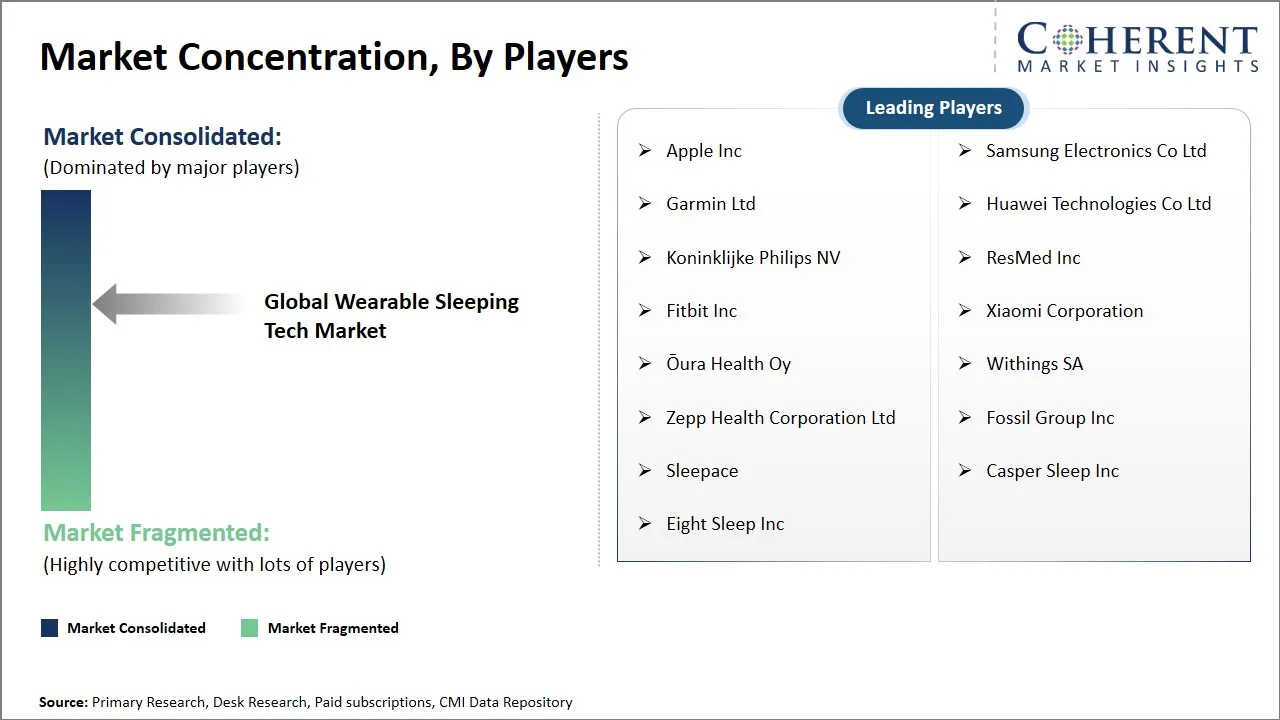
| Companies covered: | Apple Inc, Samsung Electronics Co Ltd, Garmin Ltd, Huawei Technologies Co Ltd, Koninklijke Philips NV, ResMed Inc, Fitbit Inc, Xiaomi Corporation, Ōura Health Oy, Withings SA, Zepp Health Corporation Ltd, Fossil Group Inc, Sleepace, Casper Sleep Inc, and Eight Sleep Inc | ||
| Growth Drivers: |
| ||
| Restraints & Challenges: |
| ||
Global Wearable Sleeping Tech Market Dynamics
Global Wearable Sleeping Tech Market Driver - Rising Prevalence of Sleep Disorders and Insomnia Cases
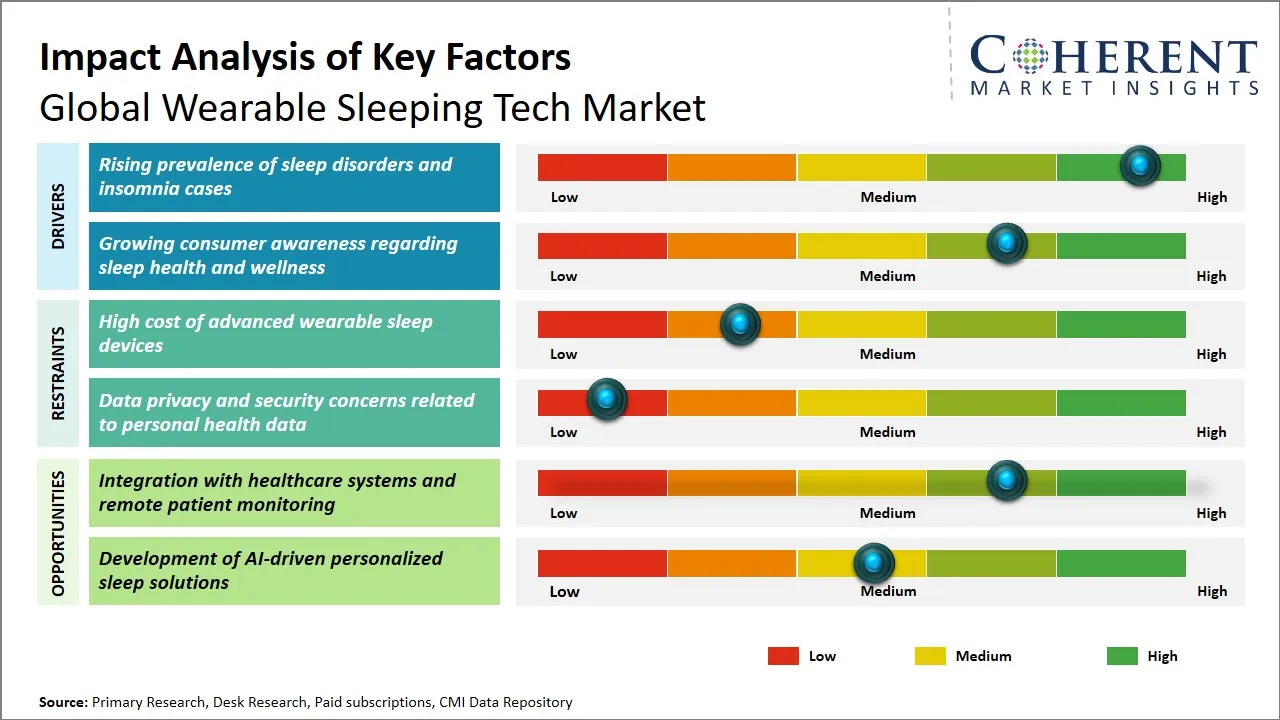
The growing prevalence of sleep-related health problems such as insomnia, sleep apnea, and restless leg syndrome has emerged as a vital factor, thereby contributing to the growing demand for wearable sleeping tech in the global market. Modern lifestyle, which includes a high level of stress, irregular working hours, and the use of electronic gadgets, has resulted in poor sleeping patterns among different age groups in society. As individuals are becoming increasingly aware of the importance of sleep-in maintaining health and wellness, the demand for innovative wearable sleeping technology to effectively monitor and improve sleep patterns is growing.
For instance, in May 2024, in an update from the Centers for Disease Control and Prevention, a large percentage of adults in the U.S. receive less than 7 hours of sleep, and insomnia and sleep deprivation are increasingly associated with conditions such as obesity, diabetes, and heart diseases.
(Source- Centers for Disease Control and Prevention)
Global Wearable Sleeping Tech Market Opportunity - Integration with Healthcare Systems and Remote Patient Monitoring
A significant opportunity for the global wearable sleeping tech market is the integration of wearable sleeping technology with healthcare systems and remote patient monitoring. With the increasing adoption of digital health solutions in healthcare organizations, wearable sleeping tech devices that have the potential to monitor continuous sleep patterns, physiological parameters, and real-time data will have tremendous value in the diagnosis and treatment of sleep disorders, including insomnia, sleep apnea, and restless leg syndrome. These devices will enable the sharing of patient information with healthcare professionals, thus promoting proactive healthcare interventions. In addition, the use of electronic health records and telemedicine technologies would allow for remote patient monitoring, and this would likely improve patient outcomes. The increasing use of telemedicine services, fueled by the COVID-19 pandemic, is another factor that would likely have a positive influence on the wearable sleeping tech market.
For instance, in June 2025, Garmin announced that it was developing a device called the Index Sleep Monitor, which would be a screen-free device that would be worn on the upper arm and would allow users to more accurately track their sleep, heart rate, SpO2, and heart rate variability, rather than relying on a device worn on the wrist.
(Source- Garmin)
Analyst Opinion (Expert Opinion)
- The global market for wearable sleeping tech is moving from simple tracking to intelligent health management, driven by the awareness of sleep disorders, the need to prevent rather than just treat diseases, and the progress being made in artificial intelligence technology.
- While the big players are focusing on driving the adoption of the technology through the ecosystem, new entrants are focusing on miniaturized versions of the technology while ensuring high accuracy, which is the largest opportunity in the market, but accuracy and data privacy are the two challenges facing the technology, which may affect the adoption of the technology in the future.
- Industry momentum is being driven by platforms such as CES, HLTH, and MEDICA, which are driving the pace of collaboration between the tech and healthcare industries. However, the efforts being undertaken by organizations such as the National Health Service to integrate wearable data into the system are indicating the direction towards the adoption of the technology. The market is moving towards the integration of consumer and clinical technologies, and players that are offering reliable insights and integration will be the ones to watch.
Speak to the analyst
Want personalized insights?
Take the findings above to one of our principal consultants, or have the report rebuilt around the segments, geographies and competitors you actually track.
Market Segmentation
- Product Type Insights (Revenue, USD Mn, 2021 - 2033)
- Smartwatches
- Fitness Trackers Wristband
- Rings
- Gender Insights (Revenue, USD Mn, 2021 - 2033)
- Male
- Female
- User Insights (Revenue, USD Mn, 2021 - 2033)
- Children
- Adult/Geriatrics
- Distribution Channel Insights (Revenue, USD Mn, 2021 - 2033)
- Online
- Offline
- Regional Insights (Revenue, USD Mn, 2021 - 2033)
- North America
- U.S.
- Canada
- Latin America
- Brazil
- Argentina
- Mexico
- Rest of Latin America
- Europe
- Germany
- U.K.
- Spain
- France
- Italy
- Russia
- Rest of Europe
- Asia Pacific
- China
- India
- Japan
- Australia
- South Korea
- ASEAN
- Rest of Asia Pacific
- Middle East
- GCC Countries
- Israel
- Rest of Middle East
- Africa
- South Africa
- North Africa
- Central Africa
- North America
- Key Players Insights
- Apple Inc
- Samsung Electronics Co Ltd
- Garmin Ltd
- Huawei Technologies Co Ltd
- Koninklijke Philips NV
- ResMed Inc
- Fitbit Inc
- Xiaomi Corporation
- Oura Health Oy
- Withings SA
- Zepp Health Corporation Ltd
- Fossil Group Inc
- Sleepace
- Casper Sleep Inc
- Eight Sleep Inc
Sources
Primary Research Interviews
Industry Stakeholders
- Product Managers (Wearable Device Manufacturers)
- Sleep Scientists & Clinical Researchers
- Digital Health Platform Executives
- Biomedical Engineers (Sensor Technology)
- Hospital Sleep Lab Specialists
- Consumer Electronics Retail Heads
End-Users List
- Fitness Enthusiasts
- Patients with Sleep Disorders
- Corporate Wellness Program Participants
- Athletes & Performance Coaches
- Biohacking Community Members
- General Health-Conscious Consumers
Government and International Databases
- World Health Organization
- Centers for Disease Control and Prevention
- National Institutes of Health
- Eurostat
- OECD
- Ministry of Health and Family Welfare
Trade Publications
- MobiHealthNews
- MedTech Dive
- Wearable Technologies
- Healthcare IT News
- Fierce Healthcare
- Electronics Weekly
Academic Journals
- Sleep
- Journal of Clinical Sleep Medicine
- Nature and Science of Sleep
- The Lancet Digital Health
- IEEE Journal of Biomedical and Health Informatics
- JMIR mHealth and uHealth
Reputable Newspapers
- The New York Times
- The Guardian
- The Wall Street Journal
- Financial Times
- The Economic Times
- The Hindu
Industry Associations
- Consumer Technology Association
- Digital Medicine Society
- Healthcare Information and Management Systems Society
- American Academy of Sleep Medicine
- Sleep Research Society
- Global Wellness Institute
Public Domain Resources
- Google Scholar
- arXiv
- ClinicalTrials.gov
- Data.gov
- Open Government Data Platform India
- Top of Form
Proprietary Elements
- CMI Data Analytics Tool: Proprietary analytics tool to analyze real-time market trends, consumer behavior, and technology adoption in market
- Proprietary CMI Existing Repository of Information for Last 10 Years
Get access to 250+ pages report
Every segment, forecast, competitor profile and data table behind the analysis above — available for instant download.
- ESOMAR Member
- ISO 9001:2015 Certified
- D-U-N-S Registered
- GDPR & CCPA Compliant
Missing comfort of reading report in your local language? Find your preferred language:
Transform your Strategy with Exclusive Trending Reports
Frequently Asked Questions
The global wearable sleeping tech market is estimated to be valued at USD 23,007.8 Mn in 2026 and is expected to reach USD 44,512.6 Mn by 2033.
The CAGR of global wearable sleeping tech market is projected to be 11.3% from 2026 to 2033.
Rising prevalence of sleep disorders and insomnia cases and growing consumer awareness regarding sleep health and wellness are the major factors driving the growth of the global wearable sleeping tech market.
High cost of advanced wearable sleep devices and data privacy and security concerns related to personal health data are the major factors hampering the growth of the global wearable sleeping tech market.
In terms of product type, smartwatches are estimated to dominate the market revenue share in 2026.
Apple Inc, Samsung Electronics Co Ltd, Garmin Ltd, Huawei Technologies Co Ltd, Koninklijke Philips NV, ResMed Inc, Fitbit Inc, Xiaomi Corporation, Ōura Health Oy, Withings SA, Zepp Health Corporation Ltd, Fossil Group Inc, Sleepace, Casper Sleep Inc, and Eight Sleep Inc are the major players.
North America is expected to lead the global wearable sleeping tech market in 2026.