

Global Zanubrutinib Market Size and Forecast – 2026 to 2033
The Global Zanubrutinib Market is estimated to be valued at USD 1.80 Bn in 2026 and is expected to reach USD 3.76 Bn by 2033, exhibiting a compound annual growth rate (CAGR) of 11.1% from 2026 to 2033. This significant growth reflects the increasing adoption of Zanubrutinib in the treatment of various hematologic malignancies, driven by its efficacy and fewer side effects compared to alternatives. Expansion in healthcare infrastructure and rising prevalence of blood cancers further contribute to market growth during this period.
Key Takeaways of the Global Zanubrutinib Market
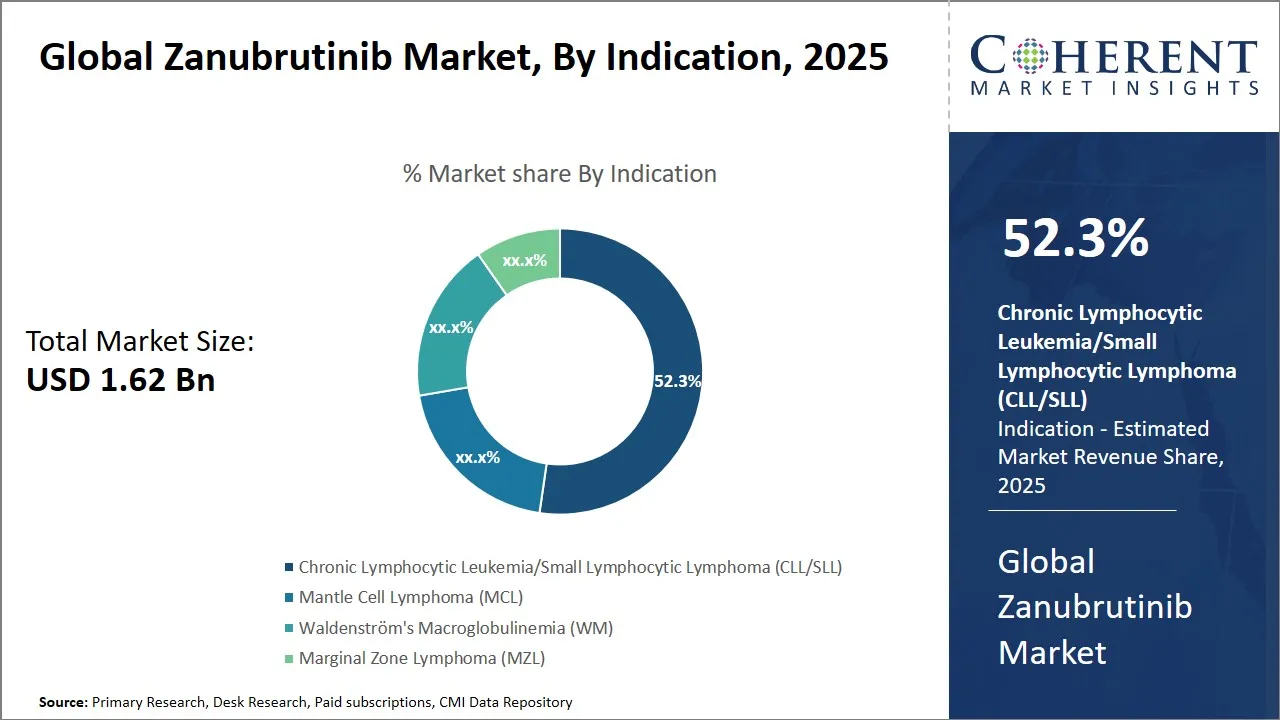
- In 2026, Chronic Lymphocytic Leukemia/Small Lymphocytic Lymphoma (CLL/SLL) is expected to account for the largest share of the global Zanubrutinib market at 53.3 % by indication.
- Within the line of therapy, the relapsed/refractory therapy segment is projected to lead with a 60.9 % share in 2026.
- By gender, the male segment is expected to present the dominant share of the market at 56.3 % in 2026.
- North America is expected to lead the market, holding a share of 37.3 % in 2026. Asia Pacific is anticipated to be the fastest-growing region, with a market share of 24.2% in 2026.
Market Overview
A notable market trend in the Zanubrutinib segment is the growing focus on personalized medicine and targeted therapies, which is reshaping treatment protocols globally. Continuous advancements in clinical trials highlight Zanubrutinib’s potential in addressing previously unmet medical needs, boosting physician preference and patient outcomes. Additionally, collaborations between pharmaceutical companies and research institutes are accelerating drug development and market penetration. Regional markets, particularly in North America and Asia Pacific, are witnessing increased investments, supporting expansion and innovation within this high-growth landscape.
Current Events and Its Impact
Current Events | Description and its impact |
Health Policy and Oncology Access Programs |
|
Regulatory Approval of Tablet Formulation |
|
Segmental Insights
- Current Industry Events of 2026
- Market Size Estimation
- Regional Breakdown
- Competitive Landscape
- Customer Intelligence
- Segmental Analysis
- Pricing Analysis
- Key Market Drivers, Challenges & Future Trends
- Customized Insights Section
Zanubrutinib Market Insights, By Indication - Chronic Lymphocytic Leukemia/Small Lymphocytic Lymphoma (CLL/SLL) Leads Due to High Prevalence and Established Clinical Efficacy
In terms of indication, Chronic Lymphocytic Leukemia/Small Lymphocytic Lymphoma (CLL/SLL) is expected to dominate the global Zanubrutinib market with 53.3% in 2026, primarily due to the high prevalence and unmet therapeutic needs associated with these diseases. CLL/SLL, characterized by the abnormal proliferation of lymphocytes, is one of the most common types of leukemia in adults, making it a significant target for targeted cancer therapies like Zanubrutinib. Zanubrutinib’s mechanism as a selective Bruton's tyrosine kinase (BTK) inhibitor has demonstrated efficacy in inhibiting B-cell receptor signaling, which is crucial in the pathogenesis of CLL/SLL. This targeted action offers improved clinical outcomes by reducing tumor burden and slowing disease progression. The rising incidence of CLL/SLL globally, especially in aging populations, fuels the demand for effective treatments
For example, in July 2025, Monash University, a leading research institution in Australia, reported through Blood Advances that immunoglobulin replacement therapy did not reduce the risk of serious infections requiring hospitalization in patients with chronic lymphocytic leukemia. The large real-world study, led by health economist Mrs. Sara Carrillo de Albornoz and hematology expert Mrs. Erica Wood, tracked more than 6,200 patients in Victoria over 14 years and found infection rates remained high despite increasing use of immunoglobulins. Researchers stressed that while some patients may benefit, the therapy’s high cost, variable outcomes, and prolonged use highlight the need for clearer clinical guidelines and better identification of who truly benefits from treatment.
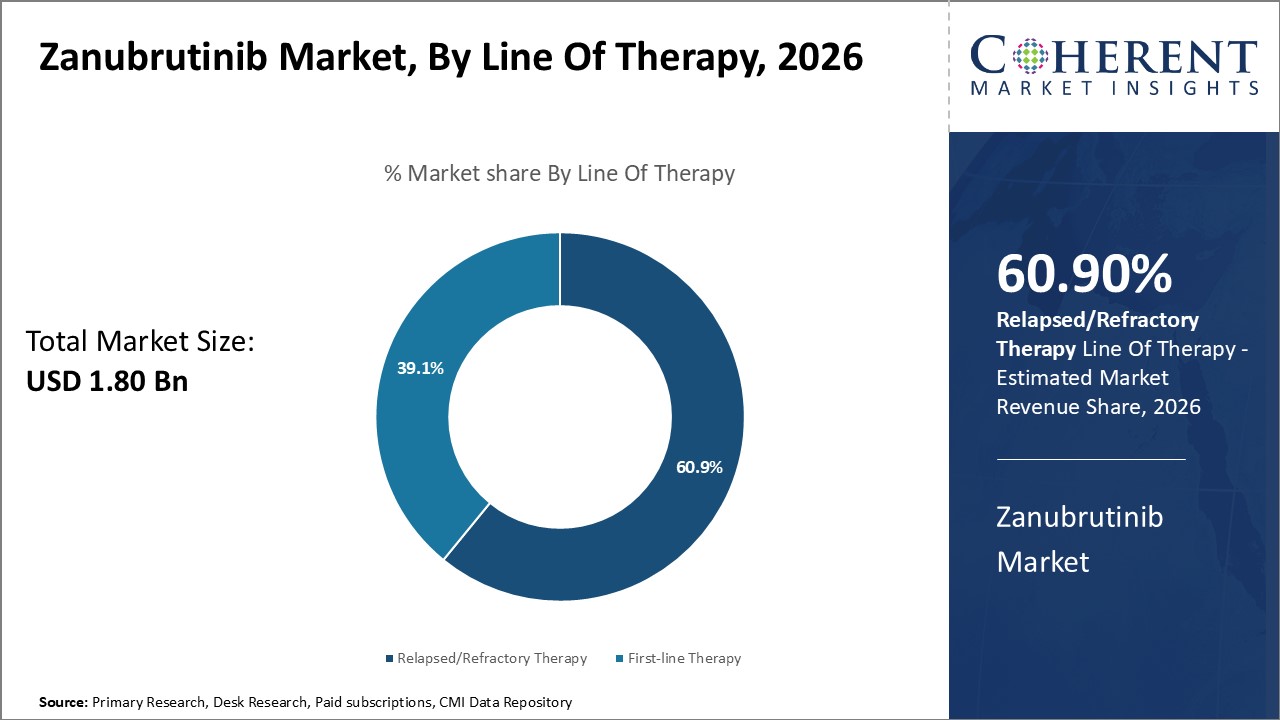
Zanubrutinib Market Insights, By Line of Therapy - Relapsed/Refractory Therapy Dominates Owing to Wider Patient Pool and Strong Clinical Outcomes
Within the line of therapy segmentation, the relapsed/refractory therapy category is projected to hold the highest market share with 60.9% in 2026, driven by Zanubrutinib’s proven effectiveness in patients who have failed prior treatments. The relapsed/refractory setting represents a critical unmet need where standard therapies lose efficacy, leaving patients with limited therapeutic options. The emergence of resistance and poor tolerance to previous lines of chemotherapy or earlier BTK inhibitors creates demand for new agents like Zanubrutinib that can overcome resistance mechanisms.
Clinical evidence supports Zanubrutinib’s robust activity in relapsed/refractory patients, showcasing high response rates and prolonged progression-free survival. This segment benefits substantially as zanubrutinib offers a potent alternative to existing therapies characterized by suboptimal results or intolerable side effects. Furthermore, Zanubrutinib’s selective kinase inhibition reduces off-target toxicities, which is particularly advantageous in heavily pretreated patients who may be more vulnerable to adverse drug reactions.
Zanubrutinib Market Insights, By Gender - Male Segment Leads Zanubrutinib Usage Due to Higher CLL/SLL Incidence Among Men
The male segment is anticipated to contribute the largest share within the gender-based segmentation of the global Zanubrutinib market with 56.3% in 2026, primarily reflecting the higher incidence rates of diseases treated by Zanubrutinib, such as CLL/SLL and MCL, in men compared to women. Epidemiological data consistently show that hematologic malignancies targeted by Zanubrutinib occur more frequently in males, influencing prescribing patterns and treatment demand.
Biological and genetic differences between genders may also influence disease progression and response to therapies, further shaping clinical decisions. For instance, men often present with more aggressive disease phenotypes or later stages, which can prompt earlier or more intensive treatment regimens involving Zanubrutinib. As a result, healthcare providers tend to initiate Zanubrutinib therapy more frequently in male patients to address these clinical challenges.
Regional Insights
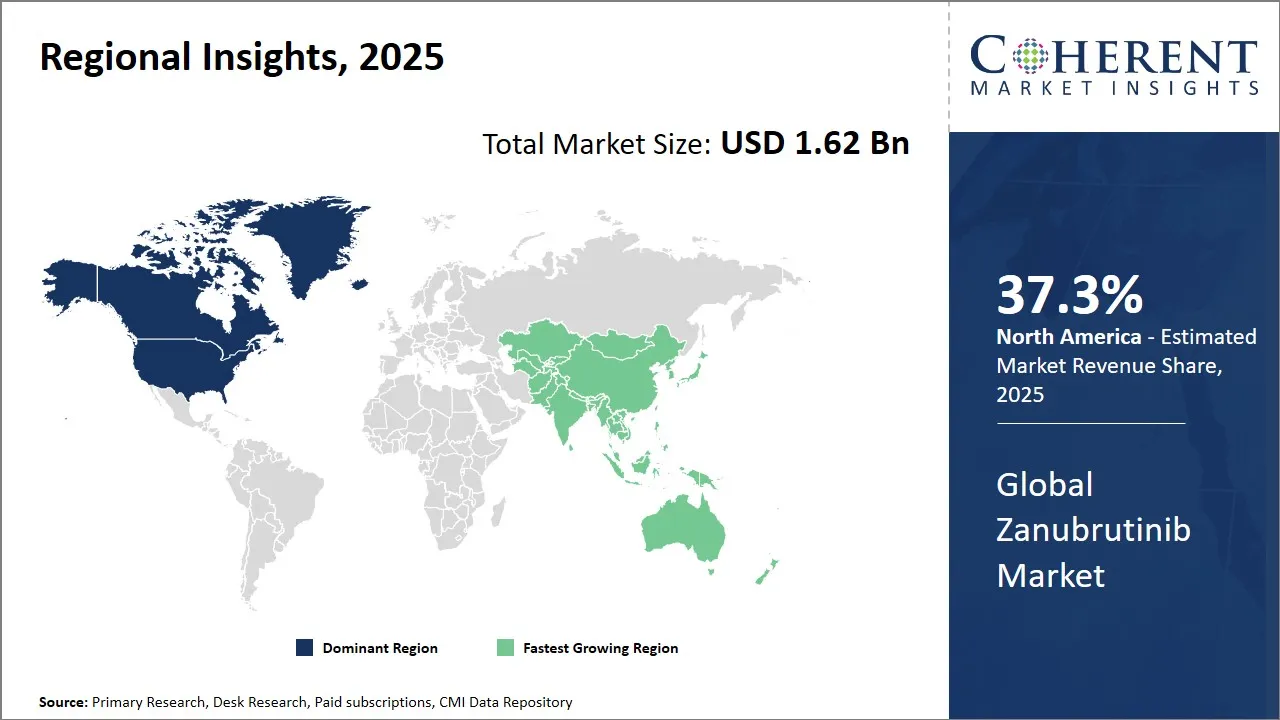
North America Zanubrutinib Market Analysis and Trends
In North America, the dominance in the Zanubrutinib market is primarily driven by a robust healthcare infrastructure with an estimated share of 37.3% in 2026 coupled with significant investment in pharmaceutical research and development. The U.S., as the largest contributor within the region, benefits from streamlined regulatory frameworks facilitated by the U.S. FDA, which accelerates drug approvals and accessibility. The presence of key industry players such as BeiGene (the developer of Zanubrutinib), AbbVie, and Janssen Pharmaceuticals, with strong commercial and clinical trial operations, bolsters the market ecosystem.
Moreover, the region’s established healthcare insurance systems and high patient awareness contribute to wider adoption of advanced therapies like Zanubrutinib, predominantly for hematologic malignancies. Trade dynamics are favorable, supported by comprehensive intellectual property protections and well-established distribution networks, ensuring efficient product deployment across hospitals and specialty clinics.
Asia Pacific Zanubrutinib Market Analysis and Trends
Asia Pacific is expected to exhibit the fastest growth in the Zanubrutinib market with a share of 24.2% in 2026, driven by rising healthcare spending, expanding cancer diagnosis infrastructure, and increasing government initiatives aimed at improving access to innovative therapies. Countries like China and Japan are central to this expansion, encouraged by regulatory reforms that aim to fast-track approvals for breakthrough oncology drugs.
The region’s diverse patient pool and increasing prevalence of lymphoid cancers create a high demand for targeted therapies. Enhancements in healthcare insurance coverage and a growing number of oncology centers contribute significantly to market penetration. Notable players such as BeiGene, which originated in China, have made strategic moves to strengthen their presence through partnerships and localized clinical trials, accelerating acceptance and market growth.
Zanubrutinib Market Outlook for Key Countries
U.S. Zanubrutinib Market Trends
The U.S. market for Zanubrutinib is highly advanced, with early adoption driven by strong clinical trial activities and extensive physician networks specialized in hematologic malignancies. BeiGene’s launch strategies in collaboration with local distributors and insurance reimbursement frameworks have enhanced patient access. The U.S. pharmaceutical ecosystem’s emphasis on innovation ensures ongoing pipeline development and combination therapy research, which reinforces Zanubrutinib’s market position. Major biotech hubs and cancer research institutes also contribute by generating clinical evidence supporting Zanubrutinib’s efficacy and safety profile.
In December 2022, at the ASH Late-Breaking Abstracts session, the ALPINE phase 3 final analysis reported that zanubrutinib from BeiGene, a global oncology biotech, delivered superior progression-free survival to ibrutinib from AbbVie, a U.S.-based biopharma, and Janssen, the pharmaceutical arm of Johnson & Johnson, for adults with relapsed or refractory CLL or SLL, with 79% versus 67% progression-free at two years, fewer adverse events including no fatal cardiac events versus six on ibrutinib, and simultaneous publication in the New England Journal of Medicine supporting zanubrutinib as a potential standard in this setting.
China Zanubrutinib Market Trends
China represents a highly dynamic market, largely propelled by domestic biotech firms like BeiGene, which developed Zanubrutinib. Government initiatives promoting biotechnology self-reliance and expedited regulatory pathways have facilitated faster drug availability. Increasing cancer screening programs and investment in oncology hospitals augment patient identification and treatment rates. Moreover, partnerships between global pharmaceutical companies and Chinese entities enhance distribution capabilities and support local manufacturing scale-up. The Chinese government’s focus on healthcare reform and insurance expansion further bolsters market accessibility.
In May 2023, China’s National Medical Products Administration approved zanubrutinib (Brukinsa) for chronic lymphocytic leukemia, small lymphocytic lymphoma, and Waldenström macroglobulinemia; BeiGene, a global oncology biotechnology company, reported support from the phase 3 SEQUOIA trial showing longer progression-free survival versus bendamustine plus rituximab (Rituxan, by Genentech, a Roche subsidiary) and the phase 3 ASPEN trial showing higher very good partial response rates versus ibrutinib (Imbruvica, by AbbVie and Janssen, the pharmaceutical arm of Johnson & Johnson), following the U.S. Food and Drug Administration’s January 2023 approval for chronic lymphocytic leukemia and small lymphocytic lymphoma.
Japan Zanubrutinib Market Trends
Japan continues to lead in the Zanubrutinib market leveraging its sophisticated healthcare system, aging population, and favorable reimbursement policies for oncology drugs. The country’s regulatory body, PMDA, maintains rigorous but efficient drug approval processes, encouraging multinational companies such as BeiGene and Takeda to invest robustly in market penetration. Japan’s well-established oncology care infrastructure and high physician expertise result in quicker integration of novel therapies. Collaborative post-marketing surveillance and pharmacovigilance initiatives ensure ongoing drug safety monitoring, enhancing clinical confidence in Zanubrutinib’s use.
In May 2026, BeiGene, a global oncology company, reported that its BTK inhibitor Zanubrutinib delivered high and durable response rates in Japanese patients with chronic lymphocytic leukemia/small lymphocytic lymphoma (CLL/SLL) and Waldenström macroglobulinemia, according to phase 1/2 BGB-3111-111 trial results published in the International Journal of Hematology. At over two years of follow-up, treatment-naive and relapsed/refractory groups in both CLL/SLL and WM cohorts achieved response rates between 92% and 100%, with progression-free survival and overall survival rates remaining strong.
India Zanubrutinib Market Trends
India’s Zanubrutinib market is emerging, underpinned by improving healthcare infrastructure and growing awareness of novel cancer treatments. Regulatory reforms have led to better harmonization with global standards, facilitating clinical trials and drug availability. However, market growth is influenced by ongoing efforts to improve insurance coverage and affordability of advanced therapies. Multi-national pharmaceutical firms often collaborate with domestic partners to enhance distribution and patient outreach.
In May 2024, Glenmark Pharmaceuticals, a research-led global pharmaceutical company, announced an exclusive partnership with BeOne Medicines GmbH, a global oncology company, to market and distribute Tislelizumab and Zanubrutinib in India. Under the agreement, Glenmark will handle local development, registration, and commercialization, expanding access to BeiGene’s innovative oncology therapies for Indian patients.
End User Feedback and Unmet Needs - Zanubrutinib Market
- End users of Zanubrutinib, particularly oncologists, hematologists, and hospital-based cancer centers, consistently highlight the therapy’s favorable clinical profile. Physicians frequently emphasize the drug’s lower incidence of cardiovascular complications compared to earlier-generation BTK inhibitors, which has improved treatment adherence among elderly patients and those with pre-existing heart conditions. For instance, several clinicians report that patients with relapsed CLL have shown strong tolerance to Zanubrutinib during extended treatment cycles, allowing them to maintain continuity of care without frequent dose adjustments. This reliability in performance has strengthened confidence in prescribing the drug, especially in settings where long-term disease management is a priority.
- At the same time, end users point to challenges that continue to limit broader adoption. Hospital administrators and payers often raise concerns about affordability, with the high cost of long-term therapy posing a barrier for patients in both developed and emerging markets. Access delays due to reimbursement negotiations or limited availability in secondary hospitals also remain a recurring frustration. Additionally, some physicians note that while Zanubrutinib has proven effective in specific hematological malignancies, gaps remain in addressing patients with complex comorbidities or those requiring combination regimens.
- These unmet needs suggest that manufacturers could benefit from exploring flexible pricing models, expanding real-world evidence to support diverse patient populations, and investing in combination therapy research. Addressing these gaps would not only improve equity of access but also create opportunities for stronger market penetration, better patient retention, and innovation in next-generation oncology solutions.
Market Players, Key Developments, and Competitive Intelligence
Key Developments
- In August 2025, the European Commission (EC) approved a new 160 mg tablet formulation of Zanubrutinib for all existing European Union indications, allowing a simplified daily dose of 320 mg (two tablets). BeOne Medicines GmbH, which markets zanubrutinib in Europe, noted the update lowers pill burden and improves treatment convenience. The label covers chronic lymphocytic leukemia (CLL), Waldenström macroglobulinemia (WM), marginal zone lymphoma (MZL), and its use with obinutuzumab (marketed as Gazyva by Roche’s Genentech) for relapsed or refractory follicular lymphoma (FL). The decision follows the U.S. Food and Drug Administration (FDA)’s June 2025 approval of the same tablet, with common side effects including upper respiratory tract infection (URTI), bruising, and neutropenia.
- In June 2025, Glenmark Pharmaceuticals, a leading Indian pharmaceutical company, saw its shares rise after announcing the upcoming launch of zanubrutinib in India, approved by the Drugs Controller General of India. The therapy, co-developed with BeOne Medicines GmbH, a global oncology-focused biopharma, will be marketed as Brukinsa and becomes the first Brutons tyrosine kinase inhibitor in India approved for five B-cell malignancies including CLL/SLL, WM, MCL, MZL, and FL, already recognized in over 70 countries for its strong safety profile and durable efficacy.
- In June 2025, the U.S. FDA approved a new 160 mg tablet formulation of zanubrutinib, marketed by BeOne Medicines GmbH, a global oncology-focused company, for all its approved indications including chronic lymphocytic leukemia. The tablet, proven bioequivalent to the capsule in crossover studies, reduces the daily pill burden from four capsules to two tablets, offering greater convenience and flexibility in dosing, even for patients with severe hepatic impairment. This update is expected to replace the capsule in the U.S. starting October 2025, with a European Medicines Agency review ongoing, further strengthening zanubrutinib’s role in treating multiple B-cell malignancies.
- In March 2024, the U.S. FDA granted accelerated approval to zanubrutinib, developed by BeOne Medicines GmbH., a global biotechnology company focused on innovative cancer medicines, in combination with obinutuzumab for treating adults with relapsed or refractory follicular lymphoma after two or more lines of systemic therapy. The approval was supported by positive results from the ROSEWOOD trial, where the combination therapy showed a 69% overall response rate compared with 46% for obinutuzumab alone, with longer duration of response observed in the zanubrutinib plus obinutuzumab arm.
Market Report Scope
Zanubrutinib Market Report Coverage
| Report Coverage | Details | ||
|---|---|---|---|
| Base Year: | 2025 | Market Size in 2026: | USD 1.80 Bn |
| Historical Data for: | 2020 To 2024 | Forecast Period: | 2026 To 2033 |
| Forecast Period 2026 to 2033 CAGR: | 11.1% | 2033 Value Projection: | USD 3.76 Bn |
| Geographies covered: |
| ||
| Segments covered: |
| ||
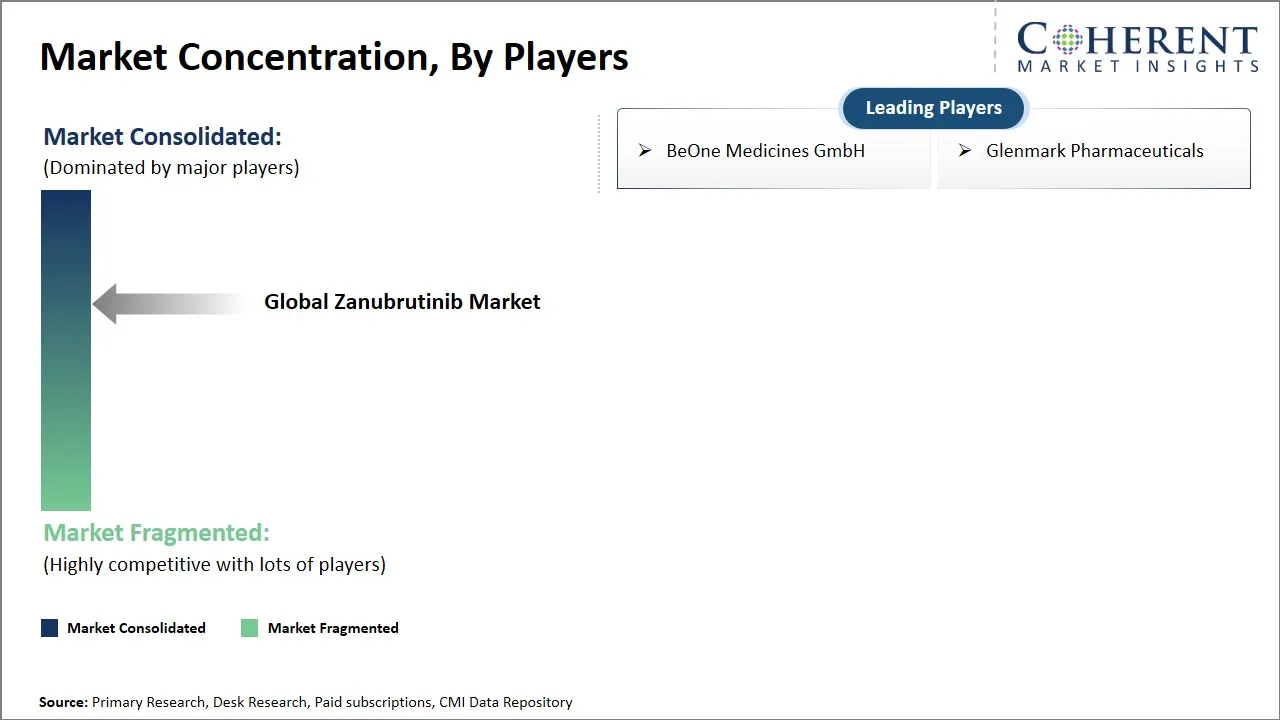
| Companies covered: | BeOne Medicines GmbH and Glenmark Pharmaceuticals | ||
| Growth Drivers: |
| ||
| Restraints & Challenges: |
| ||
Zanubrutinib Market Dynamics
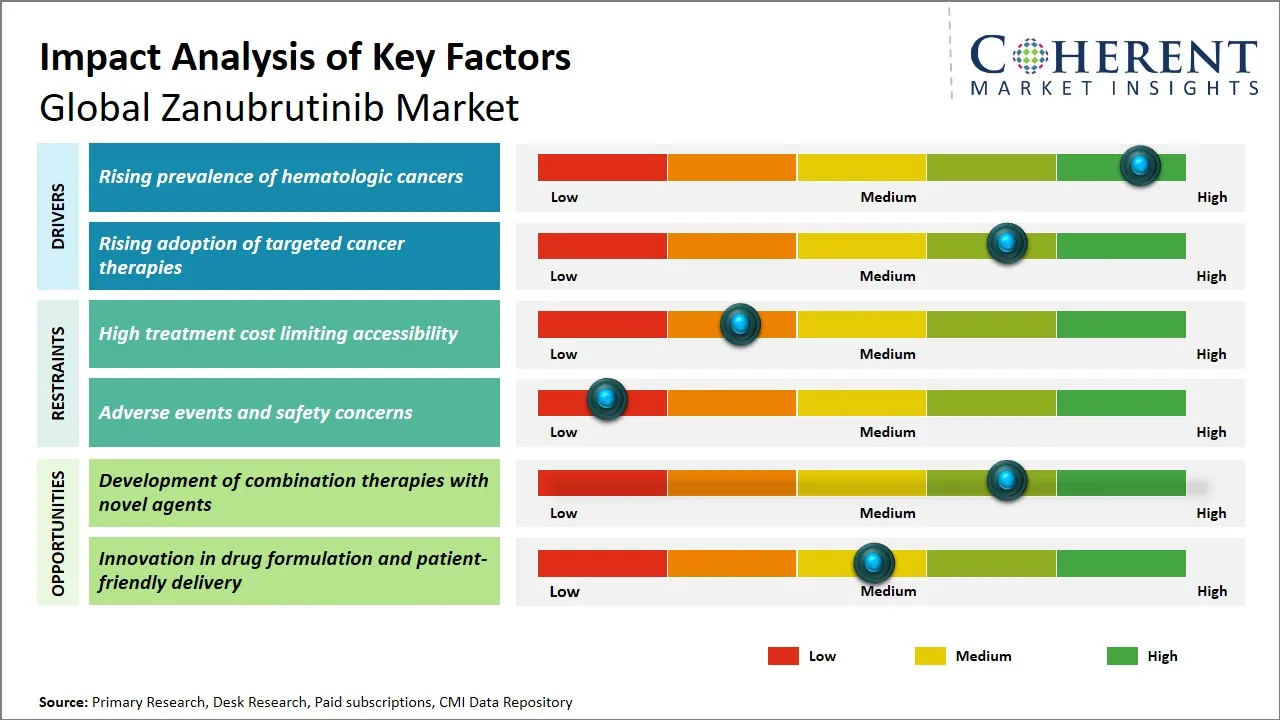
Zanubrutinib Market Driver - Rising Prevalence of Hematologic Cancers
The increasing incidence of hematologic malignancies, such as chronic lymphocytic leukemia (CLL), mantle cell lymphoma (MCL), and Waldenström’s macroglobulinemia, is significantly fueling the demand for Zanubrutinib globally. As these blood cancers become more prevalent due to factors like aging populations and improved diagnostic techniques, there is an urgent need for effective targeted therapies that offer better efficacy and safety profiles compared to conventional chemotherapy. Zanubrutinib, a next-generation Bruton’s tyrosine kinase (BTK) inhibitor, addresses this need by selectively targeting BTK, helping to disrupt cancer cell proliferation and survival pathways. Its ability to provide deeper and more durable responses with a manageable side effect profile makes it a preferred treatment option among oncologists.
The HAEMACARE project (Blood, 2010) analyzed nearly 98,000 cases of hematologic malignancies (HMs) from 44 European cancer registries (2000–2002). It reported incidence rates of 24.5 per 100,000 for lymphoid malignancies (LMs) and 7.55 per 100,000 for myeloid malignancies (MMs). Common subtypes included plasma cell neoplasms, chronic lymphocytic leukemia (CLL)/small B-cell lymphoma, diffuse B-cell lymphoma, and Hodgkin lymphoma. Acute myeloid leukemia (AML) was the leading myeloid cancer. Also, A 2025 Scientific Reports review found HMs affect 27.3% of patients in Africa. Leukemia (53.7%) and lymphoma (38.4%) were most common, with prevalence highest in Kenya (44.7%) and lowest in Nigeria (20.5%). Children were more affected (60.9%) than adults (17%), highlighting the urgent need for better monitoring, early diagnosis, and healthcare support.
Zanubrutinib Market Opportunity - Development of Combination Therapies with Novel Agents in the Global Zanubrutinib Market
The evolving landscape of oncology treatment presents a significant opportunity for the global zanubrutinib market through the development of combination therapies involving novel agents. Zanubrutinib, a next-generation Bruton's tyrosine kinase (BTK) inhibitor, has demonstrated substantial efficacy in treating various B-cell malignancies such as mantle cell lymphoma and chronic lymphocytic leukemia. However, the emergence of resistance mechanisms and disease heterogeneity necessitate the exploration of synergistic treatment regimens. Combining zanubrutinib with other targeted therapies, immunotherapies, or chemotherapeutic agents could enhance treatment effectiveness, improve patient outcomes, and potentially overcome resistance barriers. Ongoing clinical trials are investigating zanubrutinib’s co-administration with agents like anti-CD20 monoclonal antibodies and BCL-2 inhibitors, which may expand its therapeutic applications.
For instance, in July 2025, updated phase I results from the BGB-11417-101 trial presented at the European Hematology Association Congress highlighted the combination of sonrotoclax, a next-generation BCL-2 inhibitor by Beigene, and zanubrutinib, a second-generation BTK inhibitor, in relapsed/refractory mantle cell lymphoma. Among 51 patients treated, the 320 mg sonrotoclax plus zanubrutinib group achieved an overall response rate of 78% with a complete remission rate of 70%, and the median duration of response was not reached, with an estimated 24-month rate of 80.1%.
Analyst Opinion (Expert Opinion)
- The Zanubrutinib market is being shaped by a mix of innovation, regulatory momentum, and patient demand for targeted therapies in hematological malignancies. The steady wave of approvals across geographies, including U.S. FDA and EMA endorsements, has not only validated its safety and efficacy but also accelerated its integration into treatment regimens. Growing adoption is fueled by oncologists’ preference for BTK inhibitors with favorable safety profiles, alongside rising patient awareness and improved diagnostic pathways. Still, challenges remain—pricing pressures, access barriers in emerging markets, and competition from other next-generation inhibitors will likely test growth trajectories. Opportunities lie in expanding into earlier lines of therapy, exploring combination regimens, and capturing untapped demand in Asia and Latin America where patient volumes are expanding rapidly.
- In parallel, the broader oncology landscape has been energized by global forums such as ASH (American Society of Hematology), ESMO (European Society for Medical Oncology), and ASCO (American Society of Clinical Oncology), which over the past few years have served as key platforms for sharing pivotal trial results, shaping clinical guidelines, and spotlighting BTK inhibitor innovation. Recent developments like Glenmark’s partnership with BeiGene to distribute Zanubrutinib in India highlight how collaborations are bridging access gaps in high-burden regions. Meanwhile, national programs to accelerate cancer drug approvals and pilot projects in precision oncology are paving the way for faster adoption. Together, these scientific exchanges and policy shifts are creating an environment where Zanubrutinib can move from being a niche therapy to a mainstream standard of care, provided the industry navigates affordability and competitive differentiation effectively.
Speak to the analyst
Want personalized insights?
Take the findings above to one of our principal consultants, or have the report rebuilt around the segments, geographies and competitors you actually track.
Market Segmentation
- Indication Insights (Revenue, USD Bn, 2021 - 2033)
- Chronic Lymphocytic Leukemia/Small Lymphocytic Lymphoma (CLL/SLL)
- Mantle Cell Lymphoma (MCL)
- Waldenström’s Macroglobulinemia (WM)
- Marginal Zone Lymphoma (MZL)
- Line of Therapy Insights (Revenue, USD Bn, 2021 - 2033)
- Relapsed/Refractory Therapy
- First-line Therapy
- Gender Insights (Revenue, USD Bn, 2021 - 2033)
- Male
- Female
- Dosage Form Insights (Revenue, USD Bn, 2021 - 2033)
- Capsule
- Tablet
- Distribution Channel Insights (Revenue, USD Bn, 2021 - 2033)
- Hospital Pharmacies
- Retail Pharmacies
- Online Pharmacies
- End User Insights (Revenue, USD Bn, 2021 - 2033)
- Hospitals
- Specialty Clinics
- Research and Academic Institutes
- Homecare Settings
- Others
- Regional Insights (Revenue, USD Bn, 2021 - 2033)
- North America
- U.S.
- Canada
- Latin America
- Brazil
- Argentina
- Mexico
- Rest of Latin America
- Europe
- Germany
- U.K.
- Spain
- France
- Italy
- Russia
- Rest of Europe
- Asia Pacific
- China
- India
- Japan
- Australia
- South Korea
- ASEAN
- Rest of Asia Pacific
- Middle East
- GCC Countries
- Israel
- Rest of Middle East
- Africa
- South Africa
- North Africa
- Central Africa
- North America
- Key Players Insights
- BeOne Medicines GmbH
- Glenmark Pharmaceuticals
Sources
Primary Research Interviews
Industry Stakeholders List
- Oncologists specializing in hematology
- Clinical trial investigators
- Hospital procurement managers
- Pharmaceutical regulatory affairs experts
- Biotechnology R&D heads
- Drug distribution network executives
End users List
- Hematology patients
- Caregivers of cancer patients
- Oncology nurses
- Patient advocacy groups
- Clinical pharmacists
- Survivorship support communities
Government and International Databases
- U.S. Food and Drug Administration (FDA)
- European Medicines Agency (EMA)
- National Medical Products Administration (NMPA, China)
- World Health Organization (WHO)
- National Cancer Institute (NCI)
Trade Publications
- PharmaTimes
- BioPharma Dive
- The Pharma Letter
- Pharmaceutical Executive
- Scrip Intelligence
- FiercePharma
Academic Journals
- The Lancet Haematology
- Blood (American Society of Hematology)
- Journal of Clinical Oncology
- Leukemia (Nature Publishing Group)
- Haematologica
- Cancer Research
Reputable Newspapers
- The New York Times – Health Section
- The Guardian – Healthcare & Medicine
- The Wall Street Journal – Pharma & Biotech
- Financial Times – Health & Pharma
- The Washington Post – Health & Science
- BBC News – Health
Industry Associations
- American Society of Hematology (ASH)
- European Society for Medical Oncology (ESMO)
- American Society of Clinical Oncology (ASCO)
- Leukemia & Lymphoma Society (LLS)
- International Society of Hematology (ISH)
- Biotechnology Innovation Organization (BIO)
Public Domain Resources
- U.S. National Library of Medicine)
- World Bank Health Data
- Global Health Observatory (WHO)
- Centers for Disease Control and Prevention (CDC)
- Organisation for Economic Co-operation and Development (OECD) Health Statistics
- National Health Service (NHS, UK)
Proprietary Elements
- CMI Data Analytics Tool: Proprietary analytics tool to analyze real-time market trends, consumer behavior, and technology adoption in market
- Proprietary CMI Existing Repository of Information for Last 8 Years
Get access to 250+ pages report
Every segment, forecast, competitor profile and data table behind the analysis above — available for instant download.
- ESOMAR Member
- ISO 9001:2015 Certified
- D-U-N-S Registered
- GDPR & CCPA Compliant
Missing comfort of reading report in your local language? Find your preferred language:
Transform your Strategy with Exclusive Trending Reports
Frequently Asked Questions
The global Zanubrutinib market is estimated to be valued at USD 1.80 Bn in 2026 and is expected to reach USD 3.76 Bn by 2033.
The CAGR of global Zanubrutinib market is projected to be 11.1% from 2026 to 2033.
Rising prevalence of hematologic cancers and rising adoption of targeted cancer therapies are the major factors driving the growth of the global Zanubrutinib market.
High treatment cost limiting accessibility and adverse events and safety concerns are the major factors hampering the growth of the global Zanubrutinib market.
In terms of indication, Chronic Lymphocytic Leukemia/Small Lymphocytic Lymphoma (CLL/SLL) is estimated to dominate the market revenue share in 2026.
Developing companion diagnostics, expanding into autoimmune disorders, and early-stage treatment approvals offer growth avenues.
Early-line therapy approvals, combination regimens, and expansion into emerging markets will define growth in the coming years.