

Global Zepbound Market Size and Forecast – 2026 to 2033
The global Zepbound market is estimated to be valued at USD 10.37 Bn in 2026 and is expected to reach USD 31.68 Bn by 2033, exhibiting a compound annual growth rate (CAGR) of 17.3% from 2026 to 2033.
Key Takeaways of the Global Zepbound Market
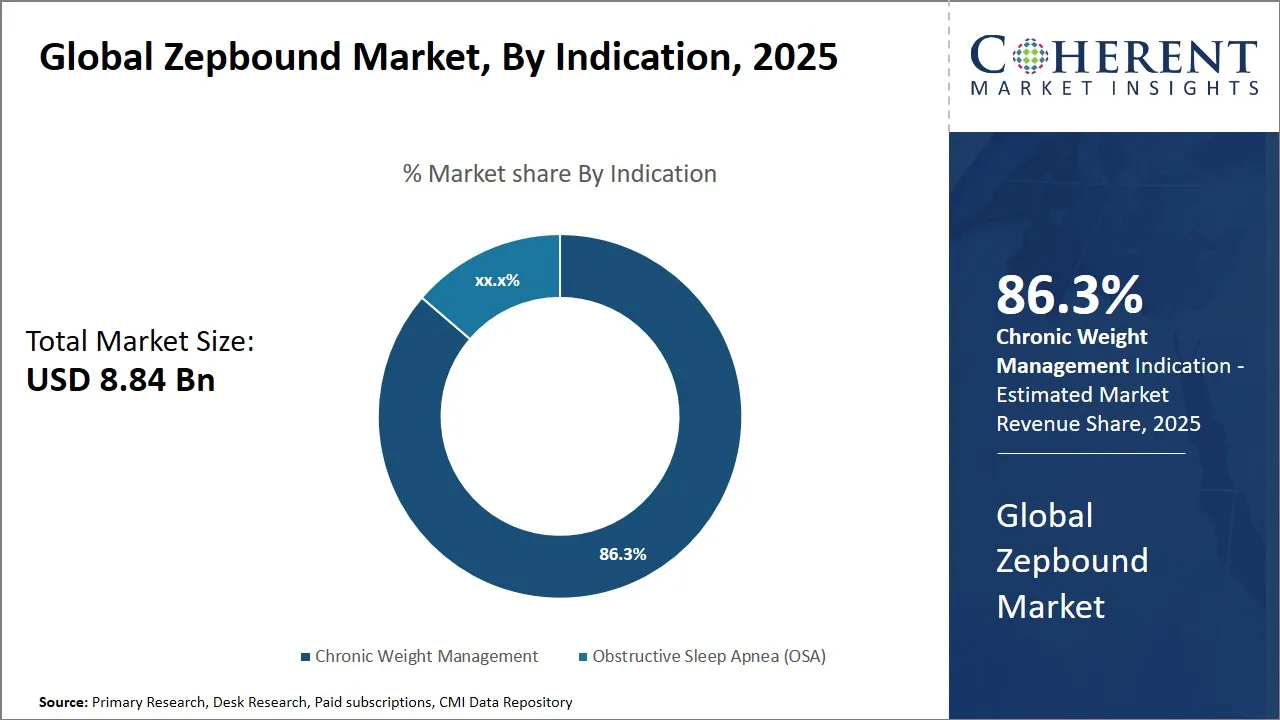
- Chronic weight management holds the largest market share by indication, accounting for an expected 87.3 % in 2026, due to the growing global prevalence of obesity and weight-related health conditions.
- As for dosage form, the single dose pen segment is expected to dominate, contributing 59.1 % to the global Zepbound market in 2026, due to its ease of use, portability, and dosing accuracy, attributes that are especially valued in chronic treatments requiring regular administration
- In terms of strength, the 15 mg segment is expected to lead the market with a 24.4% share in 2026, due to the maximum weight loss efficacy and maintenance dose of choice for chronic weight management.
- North America is expected to lead the market, holding a share of 38.3% in 2026
- Asia Pacific is anticipated to be the fastest-growing region, with a market share of 25.7% in 2026.
Market Overview
The global Zepbound market has experienced significant growth in recent years. This significant growth reflects increasing demand driven by rising obesity rates worldwide and greater awareness about effective weight management therapies. Continued advancements in obesity treatment and strong adoption in developed as well as emerging markets contribute to this robust market expansion.
Current Events and Its Impact
Current Events | Description and its Impact |
Eli Lilly and Company Expands Affordable Access to Higher Doses of Zepbound |
|
Zepbound Launches in Japan with National Health Insurance Coverage |
|
Segmental Insights
- Current Industry Events of 2026
- Market Size Estimation
- Regional Breakdown
- Competitive Landscape
- Customer Intelligence
- Segmental Analysis
- Pricing Analysis
- Key Market Drivers, Challenges & Future Trends
- Customized Insights Section
Zepbound Market Insights, By Indication - Chronic Weight Management Leads due to the Rising Prevalence of Obesity Worldwide and the Growing Awareness about its Associated Health Complications
In terms of indication, the chronic weight management segment, which includes obesity and overweight, dominates the global Zepbound market with an estimated 87.3% market share in 2026 primarily due to the rising prevalence of obesity worldwide and the growing awareness of its associated health complications. Obesity has become a significant public health concern, linked to numerous chronic conditions such as diabetes, hypertension, and respiratory disorders. Zepbound is a long-acting GIP (glucose-dependent insulinotropic polypeptide) and GLP-1 (glucagonlike peptide-1) receptor dual agonist that activates both GIP and GLP-1 receptors. The increasing adoption of Zepbound for weight management is driven by its demonstrated efficacy in clinical trials, showing substantial and sustained weight loss, which enhances patient adherence and clinician confidence.
According to the data provided by World Obesity Atlas 2023, the estimates for global levels of overweight and obesity (BMI ≥25kg/m²), also referred to as high BMI throughout this Atlas, suggest that over 4 billion people may be affected by 2035, compared with over 2.6 billion in 2020. This reflects an increase from 38% of the world’s population in 2020 to over 50% by 2035. The prevalence of obesity (BMI ≥30kg/m²) alone is anticipated to rise from 14% to 24% of the population over the same period, affecting nearly 2 billion adults, children and adolescents by 2035.
Moreover, the societal emphasis on health and wellness is fueling the demand for medical therapies that support weight loss. Healthcare providers are increasingly prescribing Zepbound to patients who have struggled with conventional approaches such as diet and exercise alone, recognizing its ability to improve metabolic parameters and reduce obesity-related risks.
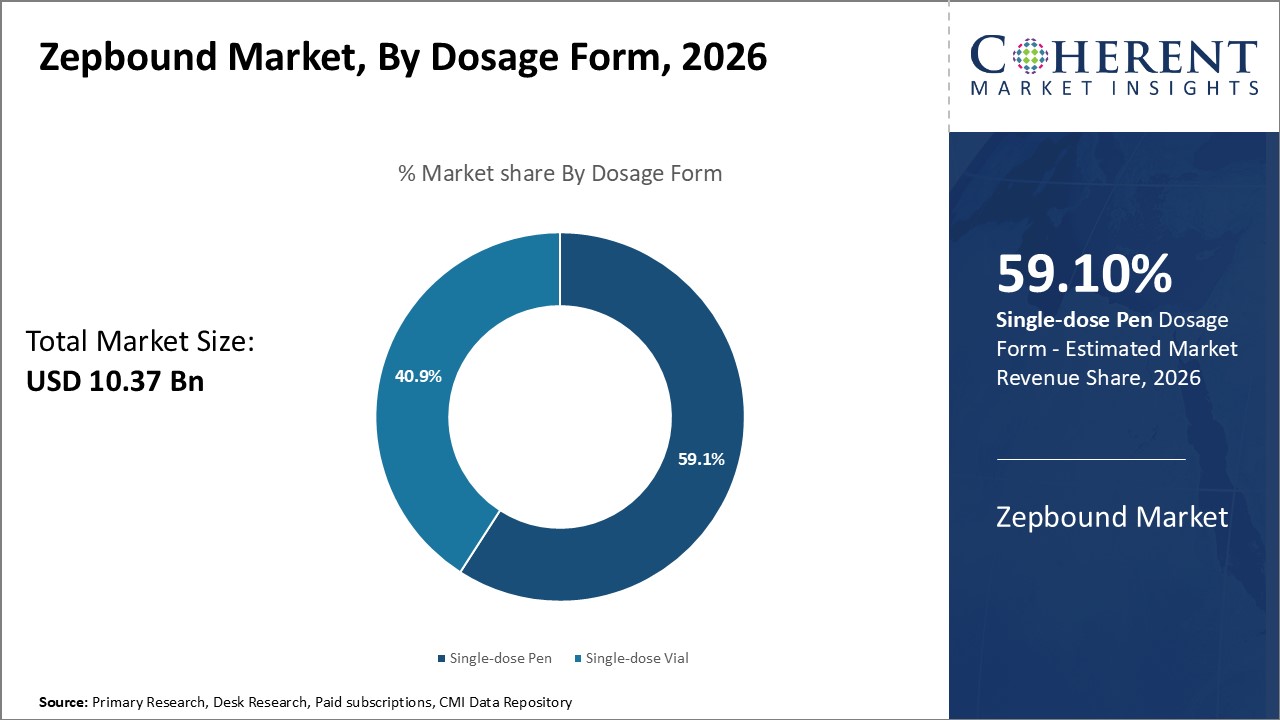
Zepbound Market Insights, By Dosage Form - Chronic Weight Management Leads due to Patient Convenience and Accuracy
In terms of dosage form, single-dose pen is expected to contribute 59.1% share of the global Zepbound market largely due to its ease of use, portability, and dosing accuracy, attributes that are especially valued in chronic treatments requiring regular administration. The single-dose pen format aligns well with patient-centric healthcare trends by supporting self-administration, minimizing dosing errors, and enhancing adherence. These attributes are critical in treatments such as Zepbound, where consistent dosing is important to optimize therapeutic outcomes and reduce side effects.
The pen-based delivery system is favored by both healthcare providers and patients because it simplifies the injection process through pre-measured, ready-to-use doses that eliminate measurement mistakes common with vial-based methods. This convenience is particularly important in chronic weight management, where patients may be less inclined to continue therapy if administration is complicated or requires frequent clinic visits. The portability of Single-dose Pens allows patients greater flexibility, supporting treatment adherence in various lifestyle settings including work, travel, or social environments.
Healthcare professionals also tend to prefer prescribing Single-dose Pens as they reduce training time for patients unfamiliar with injectable therapies, decrease needle phobia with discreet designs, and improve overall safety by minimizing contamination risks. From a commercial perspective, pharmaceutical companies often find pen devices more appealing due to the potential for brand differentiation and enhanced user experience. Additionally, trends towards self-care and home-based management during healthcare system pressures have bolstered the demand for user-friendly delivery devices like the single-dose pen.
Zepbound Market Insights, By Strength – 15 Mg Strength is Solidifying its Position as the Maintenance Dose of Choice for Chronic Weight Management
15 mg segment is expected to hold 24.4% in 2026 of the market share of the Zepbound market. This market preference stems from its status as the only U.S.FDA-approved maintenance dose specifically indicated for long-term obesity treatment. Clinical trials have consistently demonstrated its superior efficacy, with patients achieving 15-18% sustained body weight reduction - significantly higher outcomes than lower dosages. The medical community widely adopts this dose as the end point of the standard titration protocol, where patients gradually escalate over 16-20 weeks before maintaining on the highest dose indefinitely.
Payers and providers strongly favor the 15 mg strength due to its proven outcomes and cost-effectiveness in long-term treatment. Pharmacy benefit managers like CVS Caremark specifically designate this dosage as preferred on formularies, while insurers recognize its value in preventing costly obesity-related comorbidities.
Epidemiology and Clinical Efficacy of Zepbound
- Global estimate (2020) and projected number of adults (2025-2035) with high BMI
| 2020 | 2025 | 2030 | 2035 |
Adults with overweight (BMI ≥25 to 30 kg/m2) | 1.39 Bn | 1.52 Bn | 1.65 Bn | 1.77 Bn |
Adults with obesity (BMI ≥30 kg/m2) | 0.81 Bn | 1.01 Bn | 1.25 Bn | 1.53 Bn |
Adults with overweight or obesity as a proportion of all adults globally | 42% | 46% | 50% | 54% |
- Global estimate (2020) and projected number of young people (2025-2035) with overweight (BMI >1sd – 2sd)* and obesity (BMI >2sd)*
| 2020 | 2025 | 2030 | 2035 |
Children with overweight | 260 Mn | 310 Mn | 350 Mn | 390 Mn |
Children with obesity | 175 Mn | 240 Mn | 310 Mn | 380 Mn |
Children with overweight or obesity as a proportion of all children globally | 22% | 28% | 33% | 39% |
- Zepbound’s SURMOUNT-1 trial demonstrated 15-22% mean weight loss at 72 weeks—significantly outperforming older drugs (e.g., Saxenda: 5-10%) and even rivaling bariatric surgery in some cases. Over 50% of patients lost ≥15% body weight, a threshold rarely achieved with other anti-obesity medications. For diabetics, Zepbound also lowers HbA1c by 1.6-2.4%, rivaling dedicated T2DM drugs like Ozempic. Ongoing trials (e.g., SURMOUNT-MMO) are evaluating its cardiovascular benefits, which could further differentiate it from competitors like Wegovy.
Regional Insights
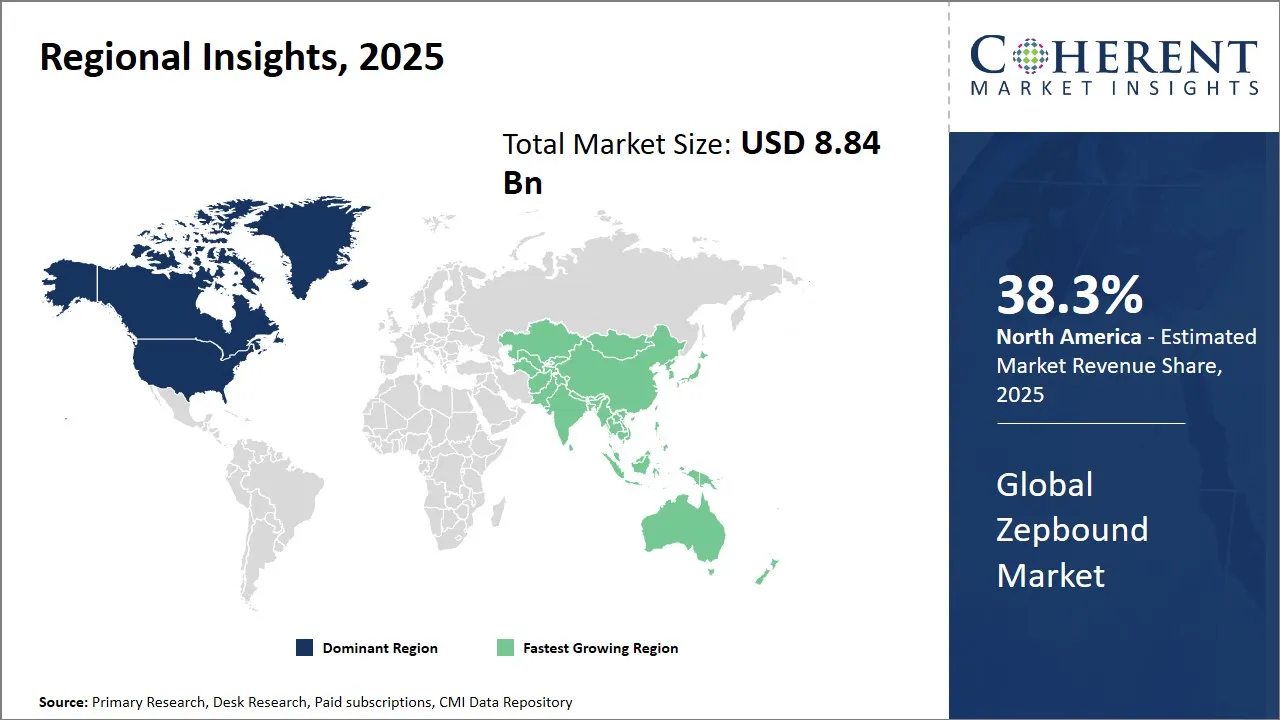
North America Zepbound Market Analysis and Trends
The North America region is expected to hold the largest share which is 38.3% in 2026 in the global Zepbound market. In North America, the dominance in the global Zepbound market is largely driven by a robust healthcare infrastructure, high prevalence of obesity-related conditions, and strong market awareness around innovative obesity treatments. Moreover, on July 9, 2026, Eli Lilly Canada announced the availability of ZEPBOUND KwikPen (tirzepatide injection) providing a new, innovative treatment for adult Canadians living with obesity or overweight. Health Canada authorized ZEPBOUND KwikPen as a once-weekly injection for chronic weight management, as an adjunct to diet and exercise, for adults living with obesity (with a BMI of 30 kg/m2 or greater), or overweight (with a BMI of 27 kg/m2 to less than 30 kg/m2) and also have at least one weight-related medical condition such as hypertension, dyslipidemia, type 2 diabetes mellitus, obstructive sleep apnea or cardiovascular disease.
The recent Canadian approval of ZEPBOUND KwikPen represents a strategic expansion, as it introduces a more convenient delivery system to a market where obesity affects nearly 30% of adults. This launch is particularly significant as it positions Zepbound to compete directly with Novo Nordisk’s Wegovy in Canada, where weight-management drugs have historically faced reimbursement challenges. The KwikPen’s introduction could potentially improve treatment adherence through its user-friendly design while capturing market share from compounded semaglutide products that have gained popularity due to drug shortages. As both Eli Lilly and Novo Nordisk continue to expand their obesity drug portfolios, North America remains the key battleground for market leadership in the lucrative anti-obesity pharmaceutical sector. The region’s combination of high disease burden, healthcare spending capacity, and regulatory receptiveness ensures it.
Asia Pacific Zepbound Market Analysis and Trends
The Asia Pacific region is expected to account for 25.7% of the market share in 2026. The region represents a significant growth opportunity for Zepbound, as obesity rates surge across both developed and developing economies. While traditionally considered lower-risk populations, countries like Australia, Japan, and South Korea now report adult obesity rates exceeding 30-35% in urban areas, coupled with rapidly increasing type 2 diabetes prevalence.
Japan's recent NHI coverage approval sets an important precedent for market access, though strict prescribing criteria (requiring BMI ≥27 with comorbidities) may limit initial uptake. Cultural perceptions of weight management drugs as "lifestyle" rather than medical treatments remain a barrier in some markets, along with generally lower BMI thresholds for obesity classification compared to Western standards. However, rising healthcare expenditure and growing awareness of metabolic health are gradually changing these attitudes.
Zepbound faces unique challenges in Asia-Pacific, including price sensitivity, conservative reimbursement policies, and competition from locally manufactured GLP-1 analogs. In China - which represents the region's largest potential market - domestic competitors are developing biosimilar tirzepatide formulations that could undercut Zepbound's pricing. Australia and New Zealand may prove more receptive markets due to their Western-style healthcare systems, though they represent smaller populations.
Eli Lilly's strategy will likely focus on tiered pricing and partnerships with local pharmaceutical companies, as seen with their collaboration with Mitsubishi Tanabe in Japan. The upcoming expiration of key patents for older GLP-1 drugs may also create pricing pressure. Nevertheless, the APAC region's massive population and worsening obesity epidemic position it as a crucial long-term growth market for Zepbound, provided Eli Lilly can navigate regulatory hurdles and adapt to local market dynamics. Success will depend on demonstrating cost-effectiveness to payers and educating physicians about obesity as a chronic disease rather than a lifestyle choice.
Global Zepbound Market Outlook for Key Countries
U.S. Zepbound Market Analysis and Trends
The U.S. Zepbound market is characterized by high adoption rates of Zepbound, driven by extensive clinical evidence supporting its efficacy and safety. The U.S. remains the largest and most mature market for Zepbound due to advanced healthcare services, widespread insurance coverage, and significant patient awareness initiatives. Moreover, Novo Nordisk adopts various initiatives for patient access.
For instance, in December 2024, the U.S. Food and Drug Administration approved Zepbound (tirzepatide) for the treatment of moderate to severe obstructive sleep apnea (OSA) in adults with obesity, to be used in combination with a reduced-calorie diet and increased physical activity. Zepbound’s approval for moderate to severe OSA in adults with obesity is based on two randomized, double-blind, placebo-controlled studies of 469 adults without type 2 diabetes.
Regulatory support from agencies like the U.S. FDA has enabled swift market access, while major healthcare providers emphasize obesity management as part of routine care. Novo Nordisk has heavily invested in direct-to-consumer advertising and healthcare professional engagement in the U.S., cementing its leadership. Additionally, prominent pharmacy benefit managers and insurers are increasingly including Zepbound in formularies, improving patient affordability and uptake.
Japan Zepbound Market Analysis and Trends
Japan continues to lead in the Zepbound market within Asia Pacific through its rigorous regulatory framework and strong emphasis on quality standards. Eli Lilly and Company has a significant footprint, supported by government incentives for pharmaceutical innovation and healthcare spending. Collaborations between government bodies and industry players also help streamline approvals and market access. For instance, on March 19, 2026, Eli Lilly and Company in collaboration with Mitsubishi Tanabe Pharma Corporation announced the availability of Zepbound in in Japan. Moreover, it is estimated that there are 28 million people living with obesity in Japan. Of those, “obesity disease” which has obesity related disorders is not being actively carried out of the diagnosis and treatment compared to other chronic diseases.
China Zepbound Market Analysis and Trends
Increasing prevalence of obesity in China is expected to augment the China Zepbound market over the analysis period. For instance, a Journal of Pharmacology and Therapeutic in August 2023, provided a cross-sectional, nationwide database analysis to evaluate the prevalence of overweight/obesity and associated complications. By Chinese BMI classification, 34.8% were overweight and 14.1% were obese. Overweight and obesity were more prevalent in male than female participants (standardized: overweight 40.2% vs. 27.4%; obesity 17.6% vs. 9.6%, respectively). The prevalence of assessed complications was higher in participants with overweight/obesity versus those with normal BMI (P < 0.001 for trends). The most prevalent complications in participants with overweight/obesity were fatty liver disease, prediabetes, dyslipidaemia and hypertension. The number of complications increased with higher BMI.
China’s growing obesity prevalence coupled with rapid healthcare modernization is fueling demand for Zepbound. The Chinese government’s focus on improving chronic disease management and expanding insurance coverage for innovative drugs enhances market potential. Eli Lilly and Company has strategically expanded its presence through partnerships with local distributors and investment in clinical research tailored to the Chinese population. The government’s streamlined approval processes for breakthrough therapies enable quicker market entry, supporting demand growth in urban centers.
Pricing Analysis of Zepbound
- Zepbound is available in 2.5mg/0.5mL, 5.0mg/0.5mL, 7.5mg/0.5mL and 10.0mg/0.5mL doses in a single-dose vial 4-count package for a direct-to-patient price of USD349, USD499, USD599 and USD699 respectively.
- The list price of Zepbound is USD1,086.37 per fill, but the amount to pay will largely depend on your prescription drug insurance plan. If the person have commercial drug insurance with coverage for Zepbound, then they may be eligible to pay as low as USD25 for a one- or three-month supply of Zepbound.
- If the person has commercial drug insurance but it does not cover Zepbound, then the person may be eligible to pay as low as USD650 for a 1-month supply of Zepbound.
- Zepbound is available in 2.5mg/0.5mL, 5.0mg/0.5mL, 7.5mg/0.5mL and 10.0mg/0.5mL doses in a single-dose vial 4-count package for a direct-to-patient price of USD349, USD499, USD599 and USD699 respectively.
- Lilly also reduced the price of the 2.5 mg and 5 mg vials. These new offerings are available exclusively through LillyDirect Self Pay Pharmacy Solutions, which enables a transparent price by removing third-party supply chain entities and allowing patients to access savings directly outside of insurance.
- Self-pay patients with obesity now have additional Zepbound vial options, including 2.5 mg, 5 mg, 7.5 mg and 10 mg doses. In addition to expanding the doses available, Lilly is taking steps to make Zepbound vials more affordable, including:
- Lowering the price of the 2.5 mg dose to USD349 per month.
- Lowering the price of the 5 mg dose to USD499 per month.
- Launching the Zepbound Self Pay Journey Program, which reduces the price of the 7.5 mg (USD599) and 10 mg (USD699) doses to USD499 per month at first fill and refills that occur within 45 days of prior delivery.
Market Players, Key Developments, and Competitive Intelligence
Key Developments
- On April 29, 2025, WeightWatchers announced a pharmacy integration with Eli Lilly and Company’s LillyDirect pharmacy provider, Gifthealth. The integration will streamline access to Lilly’s USFDA-approved Zepbound (tirzepatide) single-dose vials for WeightWatchers Clinic members with an on-label prescription from their clinician. As part of WeightWatchers’ holistic approach to weight management, the integration will streamline access to Zepbound by offering a vial format for eligible Zepbound self-pay patients who do not have insurance coverage.
- On March 7, 2025, Eli Lilly and Company partnered up with telehealth providers LifeMD and Teladoc Health to offer its lower cost, single-vial Zepbound (tirzepatide) to patients in the virtual care companies' full-service weight loss management programs.
- On February 25, 2025, Eli Lilly and Company announced the launch of 7.5 mg and 10 mg Zepbound (tirzepatide) single-dose vials, available for USD499 with the new Zepbound Self Pay Journey Program. These new offerings are available exclusively through LillyDirect Self Pay Pharmacy Solutions, which enables a transparent price by removing third-party supply chain entities and allowing patients to access savings directly outside of insurance
- In December 2024, Eli Lilly and Company joined forces with direct-to-consumer (D2C) telehealth company Ro to offer single-dose vials of its GLP-1 Zepbound to Ro patients with obesity. The drugmaker opens up a new distribution channel for Zepbound by leveraging Ro's advertising and marketing prowess. Since its launch, Ro has assisted more than 1.5 million patients and facilitated over 8 million digital health visits.
Market Report Scope
Zepbound Market Report Coverage
| Report Coverage | Details | ||
|---|---|---|---|
| Base Year: | 2025 | Market Size in 2026: | USD 10.37 Bn |
| Historical Data for: | 2020 To 2024 | Forecast Period: | 2026 To 2033 |
| Forecast Period 2026 to 2033 CAGR: | 17.3% | 2033 Value Projection: | USD 31.68 Bn |
| Geographies covered: |
| ||
| Segments covered: |
| ||
| Companies covered: | Eli Lilly and Company | ||
| Growth Drivers: |
| ||
| Restraints & Challenges: |
| ||
Zepbound Market Dynamics
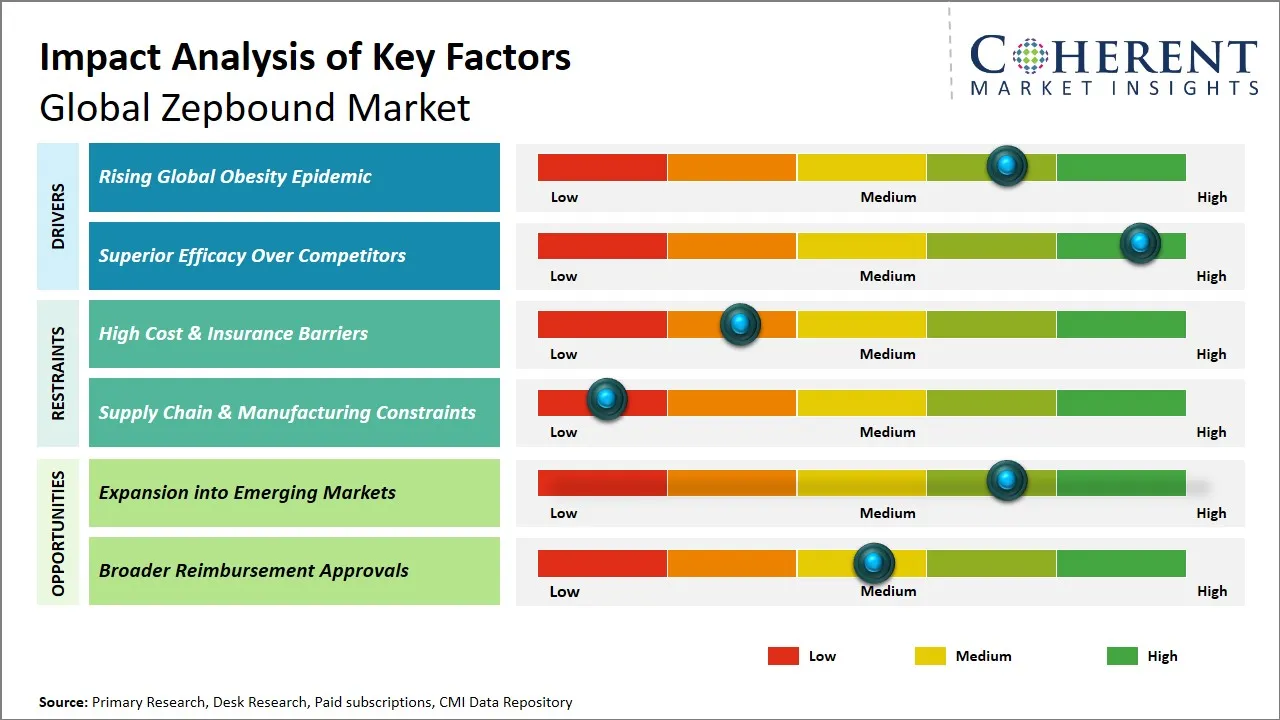
Zepbound Market Driver - Rising Global Obesity Epidemic
The escalating prevalence of obesity worldwide is a significant factor propelling the demand for effective weight management solutions such as Zepbound. As sedentary lifestyles become more common and unhealthy dietary habits persist, the number of individuals classified as obese continues to surge across various age groups and regions. This growing health crisis not only increases the risk of associated comorbidities like type 2 diabetes, cardiovascular diseases, and certain cancers, but also intensifies the urgency for pharmaceutical interventions that aid in sustainable weight loss. Zepbound, with its clinically proven ability to promote substantial weight reduction, is increasingly seen as a vital tool for healthcare providers managing obesity. Moreover, heightened public awareness about the health consequences of obesity is encouraging more patients to seek medical treatment rather than relying solely on traditional methods such as diet and exercise. As a result, the global obesity epidemic remains a critical driver for the expanding uptake of Zepbound in both developed and emerging markets.
On May 7, 2025, World Health Organization (WHO) provided data according to which in 2022, 2.5 billion adults aged 18 years and older were overweight, including over 890 million adults who were living with obesity. This corresponds to 43% of adults aged 18 years and over (43% of men and 44% of women) who were overweight; an increase from 1990, when 25% of adults aged 18 years and over were overweight. Prevalence of overweight varied by region, from 31% in the WHO South-East Asia Region and the African Region to 67% in the Region of the Americas. About 16% of adults aged 18 years and older worldwide were obese in 2022. The worldwide prevalence of obesity more than doubled between 1990 and 2022.
In 2024, an estimated 35 million children under the age of 5 years were overweight. Once considered a high-income country problem, overweight is on the rise in low- and middle-income countries. In Africa, the number of overweight children under 5 years has increased by nearly 12.1% since 2000. Almost half of the children under 5 years who were overweight or living with obesity in 2024 lived in Asia.
Zepbound Market Opportunity - Expansion into Emerging Markets with Growing Obesity Rates
The Global Zepbound market presents a significant opportunity through strategic expansion into emerging markets, where obesity rates are rapidly increasing due to urbanization, changing lifestyles, and dietary habits.
Countries in regions such as Latin America, Southeast Asia, and parts of Africa are witnessing a surge in obesity prevalence, driven by economic growth and increased adoption of Western food consumption patterns. These demographic and epidemiological shifts create a substantial unmet medical need for effective weight management solutions like Zepbound. Moreover, emerging markets often have large populations with limited access to advanced obesity treatments, positioning Zepbound to fill a critical gap in therapeutic options.
The improving healthcare infrastructure and rising public awareness around obesity-related health risks further support market penetration efforts. Additionally, government initiatives focusing on non-communicable diseases and chronic health conditions offer an enabling environment for the introduction of innovative pharmaceuticals. Tailored marketing strategies, strategic partnerships with local healthcare providers, and pricing models adapted to market dynamics can facilitate broader acceptance and uptake of Zepbound in these regions. Expanding into emerging markets not only diversifies revenue streams for manufacturers but also drives global efforts to combat the obesity epidemic, leveraging Zepbound’s demonstrated efficacy in weight reduction to improve patient outcomes on a wider scale.
Analyst Opinion (Expert Opinion)
- The global Zepbound market is experiencing strong momentum, driven by significant advances in formulation technologies and the expanding recognition of metabolic disorders as a major public health priority. Regulatory bodies across North America and Europe have accelerated approvals for innovative GLP-1 receptor agonists, bolstering market access and reimbursement frameworks. Rising global obesity prevalence, coupled with heightened patient awareness and physician confidence in Zepbound’s efficacy, is further stimulating demand. While technological progress and supportive policies are expanding therapeutic reach, the market also faces challenges related to production scalability, pricing pressures, and the need for long-term safety data. Emerging opportunities include expanding indications beyond diabetes and obesity into cardiovascular risk reduction and exploring combination regimens to optimize outcomes.
- Notably, recent industry conferences such as the Obesity Week Conference, the American Diabetes Association (ADA) Scientific Sessions, and the European Association for the Study of Diabetes (EASD) Annual Meeting have served as pivotal platforms for presenting real-world evidence and clinical trial updates on Zepbound and other incretin-based therapies. For instance, Eli Lilly’s large-scale Phase 3 SURMOUNT program results, showcased at these forums, have influenced clinical practice guidelines and payer coverage decisions. In parallel, initiatives like the U.S. National Institutes of Health’s continued funding for obesity management innovation and regional pilot reimbursement programs in Europe are expected to further strengthen market growth and adoption over the coming years.
Speak to the analyst
Want personalized insights?
Take the findings above to one of our principal consultants, or have the report rebuilt around the segments, geographies and competitors you actually track.
Market Segmentation
- Indication Insights (Revenue, USD Bn, 2021 - 2033)
- Chronic Weight Management
- Obstructive Sleep Apnea (OSA)
- Dosage Form Insights (Revenue, USD Bn, 2021 - 2033)
- Single-dose Pen
- Single-dose Vial
- Strength Insights (Revenue, USD Bn, 2021 - 2033)
- 5 mg
- 5 mg
- 5 mg
- 10 mg
- 5 mg
- 15 mg
- Distribution Channel Insights (Revenue, USD Bn, 2021 - 2033)
- Hospital Pharmacies
- Retail Pharmacies
- Online Pharmacies
- End User Insights (Revenue, USD Bn, 2021 - 2033)
- Hospitals
- Specialty Clinics
- Outpatient and Primary Care Centers
- Long-Term Care Facilities
- Others (Research and Academic Institutions, etc.)
- Regional Insights (Revenue, USD Bn, 2021 - 2033)
- North America
- U.S.
- Canada
- Latin America
- Brazil
- Argentina
- Mexico
- Rest of Latin America
- Europe
- Germany
- U.K.
- Spain
- France
- Italy
- Russia
- Rest of Europe
- Asia Pacific
- China
- India
- Japan
- Australia
- South Korea
- ASEAN
- Rest of Asia Pacific
- Middle East
- GCC Countries
- Israel
- Rest of Middle East
- Africa
- South Africa
- North Africa
- Central Africa
- North America
- Key Players Insights (Revenue, USD Bn, 2021 - 2033)
- Eli Lilly and Company
Sources
Primary Research Interviews
- Interviews with healthcare providers
- Interviews with key opinion leaders (KOLs)
- Interviews with pharmacists and medical professionals
- Interviews with patients using Zepbound and other biologic therapies
Databases
- National Health Service (NHS) U.K.
- U.S. National Institutes of Health (NIH)
- Centers for Disease Control and Prevention (CDC)
- World Health Organization (WHO)
- European Medicines Agency (EMA)
- National Institute for Health and Care Excellence (NICE)
Magazines
- Pharmaceutical Technology
- BioPharma Reporter
- The Pharmaceutical Journal
Journals
- American Heart Association
- Journal of the American Heart Association (JAHA)
- Journal of Clinical Medicine
- Journal of Clinical Lipidology
- The New England Journal of Medicine
- Diabetology & Metabolic Syndrome
Newspapers
- The Guardian (UK)
- The New York Times
- The Financial Times
- The Washington Post
- The Times (UK)
- The Wall Street Journal
Associations
- Journal of the American Heart Association (JAHA)
- European Heart Journal (European Society of Cardiology - ESC)
- The Obesity Society
Public Domain Sources
- U.S. National Library of Medicine
- UK National Health Service (NHS) Resources
- National Health Interview Survey (NHIS)
- Centers for Disease Control and Prevention (CDC) Data
- National Institute for Health and Care Excellence (NICE) Guidelines
Proprietary Elements
- CMI Data Analytics Tool: Proprietary analytics tool to analyze real-time market trends, consumer behavior, and technology adoption in market
- Proprietary CMI Existing Repository of Information for Last 8 Years.
Get access to 250+ pages report
Every segment, forecast, competitor profile and data table behind the analysis above — available for instant download.
- ESOMAR Member
- ISO 9001:2015 Certified
- D-U-N-S Registered
- GDPR & CCPA Compliant
Missing comfort of reading report in your local language? Find your preferred language:
Transform your Strategy with Exclusive Trending Reports
Frequently Asked Questions
The global Zepbound market is estimated to be valued at USD 10.37 billion in 2026 and is expected to reach USD 31.68 billion by 2033.
The CAGR of the global Zepbound market is projected to be 17.3% from 2026 to 2033.
Rising global obesity epidemic and superior efficacy over competitors are the major factors driving the growth of the global Zepbound market.
High cost & insurance barriers and supply chain & manufacturing constraints are the major factors hampering the growth of the global Zepbound market.
In terms of indication, chronic weight management is estimated to dominate the market revenue share in 2026.
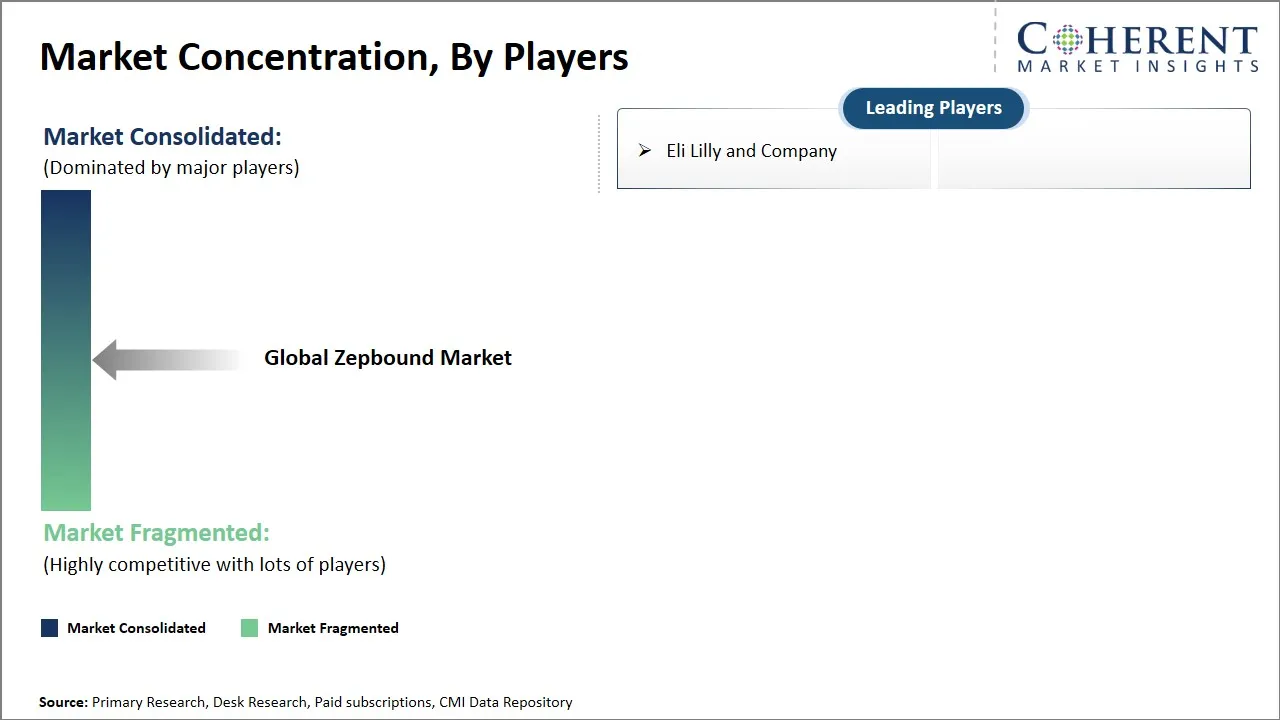
Eli Lilly and Company is the only player in the global Zepbound market.
North America is expected to lead the global Zepbound market in 2026.