

Duchenne Muscular Dystrophy Treatment Market Size and Forecast – 2026-2033
The duchenne muscular dystrophy treatment market size is estimated to be valued at US$ 13,307.8 Mn in 2026 and is expected to reach US$ 207,474.2 Mn by 2033, exhibiting a compound annual growth rate (CAGR) of 48.0% from 2026 to 2033.
Key Takeaways
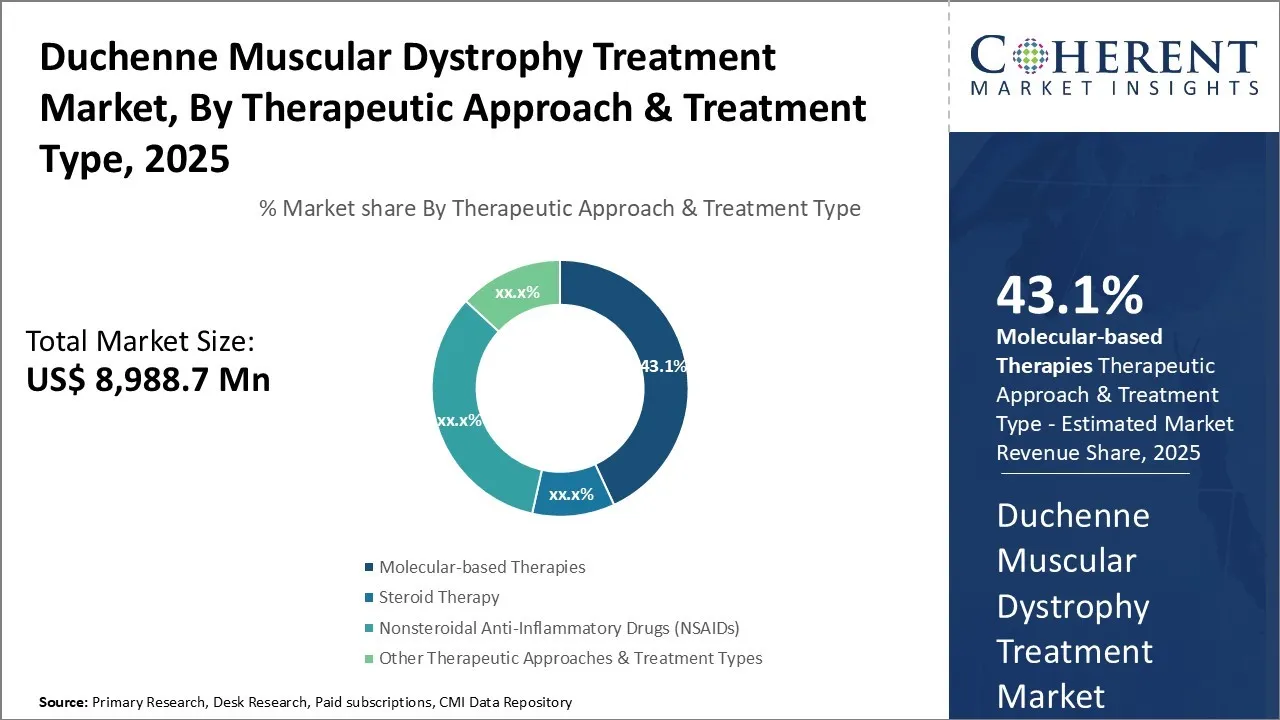
- By therapeutic approach & treatment type, the molecular-based therapies segment is expected to lead the duchenne muscular dystrophy treatment market, accounting for a 44.1% market share in 2026. This growth is driven by the precision and effectiveness of molecular therapies, especially exon-skipping technologies that target specific genetic mutations in duchenne muscular dystrophy.
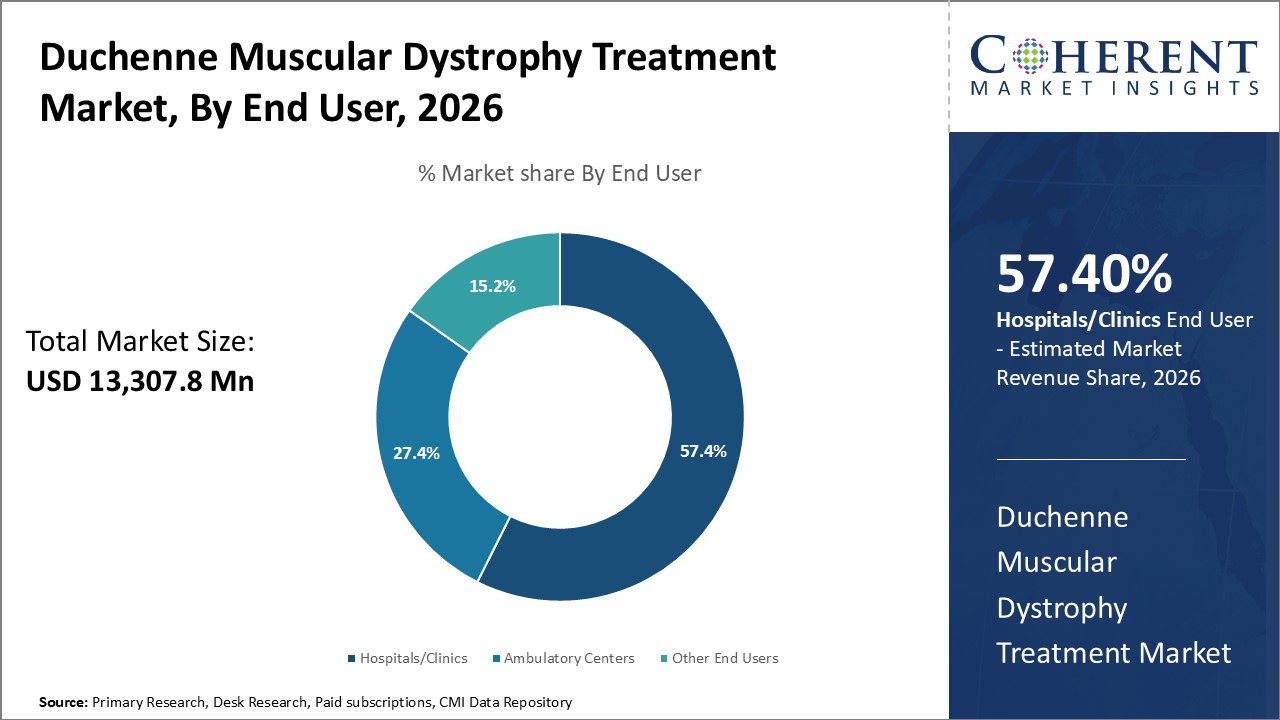
- In terms of end user, hospitals/clinics segment is expected to hold the largest share in the duchenne muscular dystrophy treatment market in 2026, due to high patient inflow, availability of advanced diagnostic and treatment facilities, and increasing investments in healthcare infrastructure.
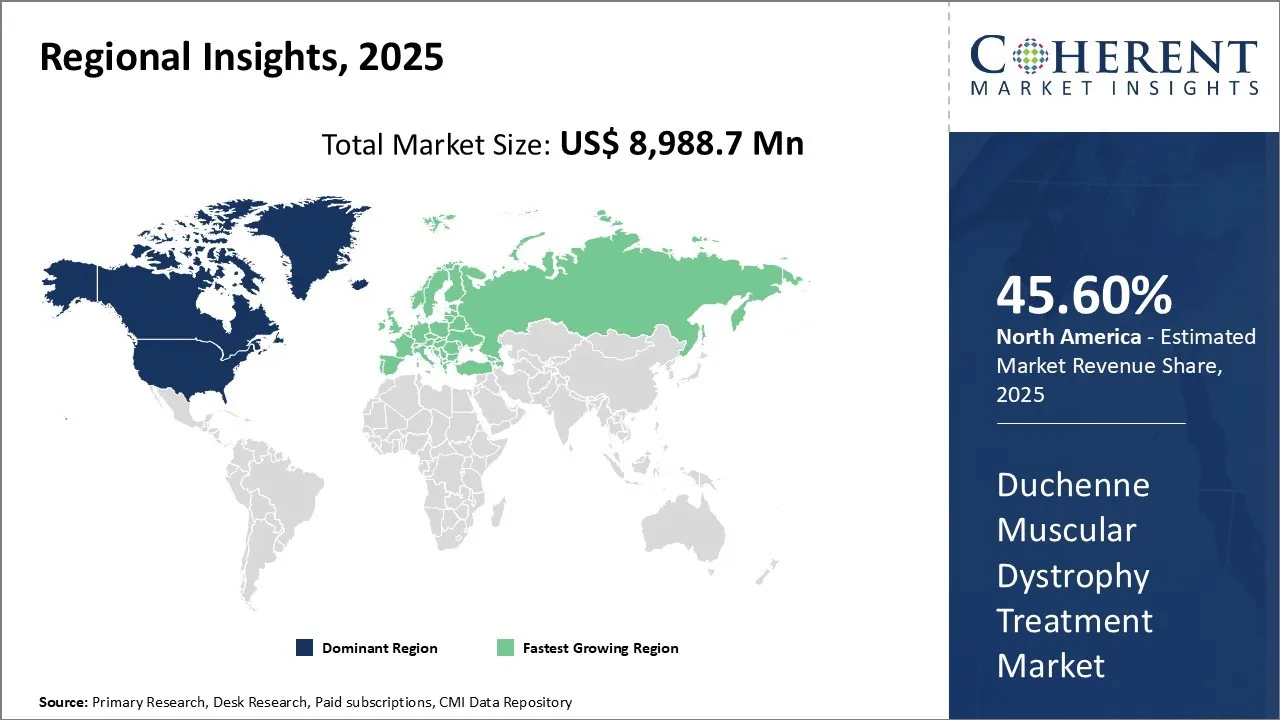
- Based on region, North America is projected to hold the largest share of the global duchenne muscular dystrophy treatment market in 2026, accounting for approximately 45.6%. This growth is driven by the presence of key market players, high healthcare expenditure, strong regulatory support for orphan drugs, and increasing awareness and diagnosis rates of duchenne muscular dystrophy.
Market Overview
The increasing awareness of rare genetic disorders and heightened emphasis on cutting-edge therapeutic options are driving the duchenne muscular dystrophy treatment market growth. Fueled by continued research in gene therapy, exon skipping methods, and corticosteroid innovations, the treatment space is witnessing exponential growth. Rising R&D spending combined with favorable regulatory environments and orphan drug designations are increasing the availability and efficacy of DMD treatments. Besides, the increasing pool of patients and early diagnosis due to genetic testing are favoring the utilization of targeted therapies. However, high cost for duchenne muscular dystrophy treatment and limited availability of curative options continue to pose challenges to the duchenne muscular dystrophy treatment market growth.
Current Events and Their Impact on the Duchenne Muscular Dystrophy Treatment Market
Current Events | Description and its impact |
Regulatory Changes and Healthcare Policy Reforms
|
|
Public Health Trends
|
|
Duchenne Muscular Dystrophy Treatment Market Trends
Integration of Digital Biomarkers and Wearable Technology in Clinical Trials
The duchenne muscular dystrophy treatment market is undergoing a major shift with the increasing adoption of digital biomarkers and wearable technologies in clinical trials. These technologies are increasingly being utilized to track motor function and disease progression in real time, improving the accuracy and consistency of trial results. Technologies like smartwatches, motion detection devices, and artificial intelligence-based gait analysis tools deliver ongoing data collection capabilities, facilitating a better insight into patient mobility than through sporadic clinic appointments.
For example, in August 2023, the European Medicines Agency (EMA) licensed Stride Velocity 95th Centile (SV95C) as an acceptable clinical trial outcome measure for DMD. This metric, the speed of the top 5% of a patient's strides, is recorded with the ActiMyo wearable device. The device features wrist or ankle sensors and provides more natural, consistent monitoring of mobility than traditional metrics such as the 6-minute walk test. This regulatory clearance represents a move toward real-world, technology-based clinical assessment techniques that are less invasive and patient-centric.
Rising Strategic Collaborations and M&A Activity
Duchenne muscular dystrophy treatment market is witnessing an increasing wave of strategic partnerships, licensing agreements, and mergers & acquisitions (M&A), particularly between large pharmaceutical companies and biotech firms focused on genetic and RNA-based therapies. These collaborations are aimed at pooling resources, accelerating research and development, and gaining a competitive edge in a rapidly evolving therapeutic area.
For instance, in January 2022, Capricor Therapeutics, a biotechnology company focused on the development of transformative cell and exosome-based therapeutics for the treatment and prevention of a broad spectrum of diseases, announced that it had entered into a partnership with Nippon Shinyaku Co., Ltd., a Japan-based pharmaceutical company listed on the TYO, for the exclusive commercialization and distribution in the U.S. of Capricor’s lead asset, CAP-1002, for the treatment of Duchenne muscular dystrophy (DMD), a rare neuromuscular disease with limited treatment options.
- Current Industry Events of 2026
- Market Size Estimation
- Regional Breakdown
- Competitive Landscape
- Customer Intelligence
- Segmental Analysis
- Pricing Analysis
- Key Market Drivers, Challenges & Future Trends
- Customized Insights Section
Market Challenges
Lack of standardization to hinder market growth
Lack of standardization to measure clinical efficacy across all stages of DMD is one of the vital factors expected to hamper growth of the global duchenne muscular dystrophy treatment market. There are quite a few on-going clinical trials in DMD, which use the diverse outcome measures to quantify the disease progression, including the 6-minutewalking test, the performance of the upper limb, the time taken to rise from the floor, the time taken to climb four steps, and the north star ambulatory assessment scale. There is need for other better outcome measures which may capture the progression between ambulant and non-ambulant phases of the disease.
Stringent regulatory framework to hamper market growth
Another factor which is hampering growth of the global duchenne muscular dystrophy treatment market is the stringent rules and regulations. Regulatory agencies like the U.S. FDA and the European Medicines Agency have strict rules and procedures for approving new drugs and therapies. Thus, very few companies (pharmaceutical companies spend huge amounts on the R&D of drugs) come into front for the new drug research for the rare diseases because it needs bigger funds.
Market Opportunity
Expansion of Gene Therapy and Precision Medicine in Duchenne Muscular Dystrophy Treatment Market
The increasing development of gene therapy and targeted medicine offers a vast opportunity for expansion of the duchenne muscular dystrophy treatment market. With increasing investments in precision medicine and biotechnology, there is greater potential to create drugs that address the underlying cause of DMD at the genetic level, with long-term or even curative effects.
Additionally, continuous research, combined with pharma and research institution alliances, is pushing the discovery of new therapeutic candidates faster. Increased emphasis on patient registries, real-world data, and biomarker identification further supports the creation of individualized treatment regimens. With changing science and technology, these technologies are likely to unlock new business opportunities and tremendously increase the market for DMD treatments in the future years.
Segmental Analysis
Duchenne Muscular Dystrophy Treatment Market Insights, By Therapeutic Approach & Treatment Type
Based on therapeutic approach & treatment type, the market is segmented into molecular-based therapies (mutation suppression and exon skipping), steroid therapy (corticosteroids), nonsteroidal anti-inflammatory drugs (NSAIDs), and other therapeutic approaches & treatment types. Molecular-based therapies segment is further segmented into mutation suppression and exon skipping. Out of which, exon skipping segment is expected to dominate the market because it has the highest potential to actually change the trajectory of duchenne muscular dystrophy (DMD) at the level of genes.
Exon skipping therapies are designed to skip faulty exons within the dystrophin gene so that a working dystrophin protein can be produced, important for muscle function. These treatments should pick up considerable momentum in the market since they can correct the genetic root cause of DMD, having more targeted and possibly longer-term effects than existing treatments.
For instance, in February 2023, SQY Therapeutics, sponsor of the "Avance1" clinical trial, is pleased to announce that patient enrolment has begun, following the authorization for clinical trial by the ANSM (The French National Agency for the Safety of Medicines) in the framework of the European regulation on clinical trials of medicinal products, number EU CT 2022-500703-49-01.
Duchenne Muscular Dystrophy Treatment Market Insights, By End User
By end user, the hospitals/clinics segment is expected to dominate with the highest market share of 57.4% in 2026 due to the growing incidence of duchenne muscular dystrophy (DMD) and a demand for tertiary care offered at hospital and clinic facilities. Hospitals and clinics provide a variety of services, including monitoring, diagnostics, and sophisticated therapeutic interventions that are critical to the treatment of DMD. For instance, in March 2024, Sheikh Khalifa Medical City (SKMC) in Abu Dhabi administered delandistrogene moxeparvovec (Elevidys), a gene therapy for DMD, marking the first time this treatment was provided outside the United States. This milestone was achieved through collaboration between SKMC and the Department of Health – Abu Dhabi, highlighting the capability of hospital settings to deliver cutting-edge treatments.
Emerging Therapies in Duchenne Muscular Dystrophy Treatment
Gene and Cell-based Therapies:
- Application: Gene therapy and cell-based treatments are being explored to correct the underlying genetic cause of duchenne muscular dystrophy with a focus to restore or replace the dystrophin protein and provide long-term effects beyond symptom relief.
- Example: In October 2024, Sarepta Therapeutics and Roche expanded the availability of Elevidys, the first FDA-approved gene therapy for DMD, targeting eligible pediatric patients with confirmed DMD mutations. This breakthrough is part of a broader trend in the DMD treatment space, where personalized, disease-modifying therapies are becoming more prominent and helping redefine care standards.
Exon Skipping Therapies to Enable Partial Dystrophin Production
- Application: Exon skipping therapies use antisense oligonucleotides (ASOs) to "skip" over faulty parts of the DMD gene, allowing the production of a shorter but functional dystrophin protein.
- Example: In September 2024, Wave Life Sciences announced positive interim data from the ongoing Phase 2 FORWARD-53 study in Duchenne amenable skipping exon 53. After 24 weeks of 10 mg/kg dosing every two weeks, individuals treated with WVE-N531 demonstrated an average dystrophin expression of 9.0% of normal when adjusted for muscle content (5.5% of normal dystrophin if unadjusted).
Stem Cell Therapy for Muscle Regeneration
- Application: Stem cell-based therapies are under investigation to regenerate damaged muscle tissue and slow disease progression in DMD patients.
- Example: On July 28, 2023, Kaneka Corporation initiated a Phase I/II clinical trial of human (allogeneic) amnion-derived mesenchymal stem cellsKA-301 (hereafter, KA-301) for Duchenne Muscular Dystrophy. This clinical trial is part of the KA-301 development project adopted by the Japan Science and Technology Agency (JST) under the newly extended TEchnology transfer Program (NexTEP).
Regional Insights
North America Duchenne Muscular Dystrophy Treatment Market Trends
Among regions, North America is expected to gain highest share in the market over the forecast period owing to the rising disease burden of Duchenne muscular dystrophy, introduction of novel therapies, high healthcare expenditure, and rise in awareness among people in the region.
For instance, market players operating in the industry are focusing on launching novel drugs or therapies for the treatment of DMD. In May 2022, Elamipretide received Orphan Drug Designation from the U.S. Food and Drug Administration (FDA) Office of Orphan Products Development for the treatment of patients with Duchenne muscular dystrophy.
Europe Duchenne Muscular Dystrophy Treatment Market Trends
Europe is a promising growth region for the Duchenne muscular dystrophy treatment market, supported by encouraging regulatory policies, improving disease awareness, and a rising demand for orphan drugs. DMD affects around one in 3 500 new-born boys. It is therefore classed as a ‘rare’ disease – despite the fact that the European Medicines Agency (EMA) estimates that approximately 26 000 people suffer from the condition in Europe. Moreover, in December 2023, vamorolone (Agamree) was approved by the European Commission for the age group of four years and above, in tune with Europe's positive approach to rare disease treatment.
Asia Pacific Duchenne Muscular Dystrophy Treatment Market Trends
The Asia Pacific region is likely to experience the most rapid expansion in the market for treating DMD as a consequence of increasing healthcare spending, enhanced access to diagnostics, and increasing numbers of undiagnosed patients. Japan, China, and India are making investments in rare disease publicity campaigns as well as increasing research partnerships with Western drug firms. Japan has been a significant location for clinical trials involving exon-skipping drugs. The region's growing focus on early genetic screening and the addition of DMD to newborn screening programs are expected to improve diagnosis and treatment access in the next few years.
U.S. Duchenne Muscular Dystrophy Treatment Market Trends
The U.S. remains the hub of DMD treatment innovation, powered by robust biotech ecosystems, early launches, and favorable policies. As of 2023, the U.S. had more than 16,000 prevalent cases of DMD, generating strong demand for novel treatments. Top-tier institutions like Nationwide Children's Hospital have been pioneers in adopting gene therapies such as Elevidys. Also, programs under the Orphan Drug Act and fast-track designations have spurred drug development and availability. The advent of new drugs like Duvyzat and expedited clinical trials under the guidance of the FDA have made America a world leader in treating DMD.
Pricing Analysis in Duchenne Muscular Dystrophy Treatment
The pricing analysis for Duchenne muscular dystrophy treatment involves a complex set of factors, including the cost of drugs, technology, regulatory expenses, insurance coverage, and regional differences in healthcare infrastructure. Below is a detailed breakdown of specific pricing factors that influence the Duchenne muscular dystrophy treatment market:
- Drug Treatment Costs
- Exon-Skipping Therapies:
Drugs like eteplirsen (Exondys 51) and golodirsen (Vyondys 53) are among the leading exon-skipping therapies for DMD. The cost of these therapies can range from US$ 300,000 to US$ 400,000 per year per patient depending on the country and insurance coverage.
These treatments are costly due to the complex manufacturing processes involved, regulatory hurdles, and the limited patient population.
- Treatment Delivery and Administration Costs
- Infusion-Related Costs:
Certain treatments, like exon-skipping drugs, often require infusion, add significant costs due to healthcare professional involvement, hospital facilities, and equipment. The cost of an infusion can range from US$ 1,000 to US$ 10,000 per session, depending on the type of treatment.
Gene therapies typically require a one-time infusion, but the cost of the procedure and post-treatment care adds to the overall cost.
- Ongoing Monitoring and Testing:
Patients receiving advanced treatments, particularly gene therapy and exon-skipping drugs, often require ongoing monitoring. Regular tests, including muscle biopsies, MRI scans, and genetic testing, add an additional US$ 5,000 to US$ 15,000 annually in clinical costs.
Market Report Scope
Duchenne Muscular Dystrophy Treatment Market Report Coverage
| Report Coverage | Details | ||
|---|---|---|---|
| Base Year: | 2025 | Market Size in 2026: | USD 13,307.8 Mn |
| Historical Data for: | 2020 To 2024 | Forecast Period: | 2026 To 2033 |
| Forecast Period 2026 to 2033 CAGR: | 48.0% | 2033 Value Projection: | USD 207,474.2 Mn |
| Geographies covered: |
| ||
| Segments covered: |
| ||
| Companies covered: | Pfizer Inc., Fibrogen Inc., BioMarin, Santhera Pharmaceuticals, PTC Therapeutics, NS Pharma Inc., Nobelpharma Co. Ltd., Bristol-Myers Squibb, Sarepta Therapeutics, and Eli Lilly and Company | ||
| Growth Drivers: |
| ||
| Restraints & Challenges: |
| ||
Duchenne Muscular Dystrophy Treatment Industry News
- On March 27, 2024, Santhera Pharmaceuticals announced that the China National Medical Products Administration (NMPA) had accepted for priority review the new drug application (NDA) for vamorolone in Duchenne muscular dystrophy (DMD) which was submitted by Sperogenix Therapeutics, Santhera’s specialized rare disease partner for China.
- In January 2024, Solid Biosciences Inc., a life sciences company developing precision genetic medicines for neuromuscular and cardiac diseases, announced that it had been granted orphan drug designation (ODD) from the U.S. Food and Drug Administration (FDA) for SGT-003, the company’s next-generation Duchenne muscular dystrophy (Duchenne) gene therapy candidate.
- In October 2023, Santhera Pharmaceuticals ("Santhera") obtained the U.S. Food and Drug Administration ("FDA") approval for AGAMREE (vamorolone) oral suspension 40 mg/mL for use in treating Duchenne Muscular Dystrophy ("DMD") in patients aged two years and older. AGAMREE offers a novel corticosteroid treatment option for DMD, addressing a significant unmet medical need.
Analyst’s Viewpoint
- The Duchenne muscular dystrophy treatment market is undergoing a significant transformation, with exon-skipping and gene therapies leading the way. These therapies target the genetic root of DMD and offer potential long-term benefits, including restoring dystrophin protein production and slowing disease progression. Exon-skipping therapies are expected to capture the largest market share due to their personalized, targeted treatment approach, significantly improving patient quality of life.
- Despite growth prospects, challenges remain. The high cost of gene therapies and exon-skipping drugs presents a barrier, especially in low- and middle-income regions. The complexity of developing these therapies, along with regulatory hurdles, may slow market adoption unless accessibility and affordability improve. The lack of curative treatments highlights the ongoing need for innovation.
- The hospitals/clinics segment will remain the primary market due to the specialized care needed for DMD patients and the infrastructure required for complex therapies. Hospitals and clinics will continue to play a key role in administering advanced treatments, genetic testing, and patient monitoring.
- North America will maintain market leadership due to its strong healthcare infrastructure, high healthcare spending, and regulatory support for orphan drugs. Europe will see continued growth, driven by increasing awareness and demand for novel treatments.
- The duchenne muscular dystrophy treatment market is poised for rapid expansion, driven by advancements in gene and cell-based therapies, strategic collaborations, and increased research investments. Companies using digital biomarkers and wearable tech to monitor disease progression will gain an edge by providing more accurate data and enabling faster regulatory approvals.
- The future of the duchenne muscular dystrophy treatment market holds promise for significant innovation. Companies focused on personalized medicine, gene therapy, and patient-centered solutions will lead the market, paving the way for DMD to become a manageable, and potentially curable, condition.
Definition: Duchenne muscular dystrophy is a form of muscular dystrophy. It is caused by a defective gene for dystrophin (a protein in the muscles). It is a genetic disorder characterized by progressive muscle degeneration and weakness due to the alterations of dystrophin (a protein) that helps keep muscle cells intact.
Market Segmentation
- Global Duchenne Muscular Dystrophy Treatment Market, By Therapeutic Approach and Treatment Type (Revenue, USD Mn, 2021 - 2033)
- Molecular-based Therapies
- Steroid Therapy
- Nonsteroidal Anti-Inflammatory Drugs (NSAIDs)
- Other Therapeutic Approaches and Treatment Types
- Global Duchenne Muscular Dystrophy Treatment Market, By End User (Revenue, USD Mn, 2021 - 2033)
- Hospitals/Clinics
- Ambulatory Centers
- Other End Users
- Regional Insights (Revenue, USD Mn, 2021 - 2033)
- North America
- U.S.
- Canada
- Latin America
- Brazil
- Argentina
- Mexico
- Rest of Latin America
- Europe
- Germany
- U.K.
- Spain
- France
- Italy
- Russia
- Rest of Europe
- Asia Pacific
- China
- India
- Japan
- Australia
- South Korea
- ASEAN
- Rest of Asia Pacific
- Middle East
- GCC Countries
- Israel
- Rest of Middle East
- Africa
- South Africa
- North Africa
- Central Africa
- North America
- Company Profiles
- Pfizer Inc.
- Fibrogen Inc.
- BioMarin
- Sarepta Therapeutics
- Santhera Pharmaceuticals
- PTC Therapeutics
- NS Pharma Inc.
- Nobelpharma Co. Ltd.
- Bristol-Myers Squibb
- Eli Lilly and Company
Sources
Primary Research Interviews:
Stakeholders:
- Biopharmaceutical Companies developing DMD therapies
- Gene Therapy and Cell Therapy Firms
- Neurologists and Pediatric Specialists
- Clinical Research Organizations (CROs)
- Healthcare Providers and Hospitals treating DMD patients
- Patient Advocacy Groups (e.g., Parent Project Muscular Dystrophy)
- Regulatory Experts and Policy Advisors
- Pharmacovigilance and Drug Safety Officers
Databases:
- ClinicalTrials.gov
- FDA Drug Approval Database
- EMA (European Medicines Agency) Product Database
- PubMed & MEDLINE
- GlobalData Healthcare Database
- World Health Organization (WHO) Health Data
- Orphanet – Rare Disease Database
Magazines:
- PharmaTimes
- Genetic Engineering & Biotechnology News (GEN)
- BioPharma Dive
- Pharmaceutical Technology
- Rare Disease Report
- Nature Medicine News Section
Journals:
- Neuromuscular Disorders (Official journal of the World Muscle Society)
- The Lancet Neurology
- Muscle & Nerve
- Journal of Neurology, Neurosurgery & Psychiatry
- Gene Therapy
- Molecular Therapy
Newspapers:
- The New York Times (Health Section)
- The Guardian (Science & Health)
- The Washington Post (Medical Breakthroughs)
- Financial Times (Pharma & Biotech Section)
Associations:
- Parent Project Muscular Dystrophy (PPMD)
- Muscular Dystrophy Association (MDA)
- World Muscle Society (WMS)
- European Organisation for Rare Diseases (EURORDIS)
- National Organization for Rare Disorders (NORD)
- International Rare Diseases Research Consortium (IRDiRC)
Public Domain Sources:
- U.S. Food and Drug Administration (FDA)
- European Medicines Agency (EMA)
- Centers for Disease Control and Prevention (CDC)
- World Health Organization (WHO)
- National Institutes of Health (NIH)
- ClinicalTrials.gov
- ResearchGate – Open Access Academic Publications on DMD
- Global Burden of Disease (GBD) Database
Proprietary Elements:
- CMI Data Analytics Tool, and Proprietary CMI Existing Repository of information for last 8 years
Get access to 250+ pages report
Every segment, forecast, competitor profile and data table behind the analysis above — available for instant download.
- ESOMAR Member
- ISO 9001:2015 Certified
- D-U-N-S Registered
- GDPR & CCPA Compliant
Missing comfort of reading report in your local language? Find your preferred language:
Transform your Strategy with Exclusive Trending Reports
Frequently Asked Questions
The Duchenne Muscular Dystrophy Treatment Market is estimated to be valued at USD 13,307.8 Mn in 2026, and is expected to reach USD 2,07,474.2 Mn by 2033.
The CAGR of the Duchenne Muscular Dystrophy Treatment Market is projected to be 48.0% from 2026 to 2033.
Rise in prevalence of Duchenne muscular dystrophy and increase in demand for novel drugs or therapies is fueling the market.
The molecular-based therapies segment is the therapeutic approach segment in the market.
Lack of standardization and stringent rules and regulations are major factors restraining market.
Major players operating in the market are Pfizer Inc., Fibrogen Inc., BioMarin, Sarepta Therapeutics, Santhera Pharmaceuticals, PTC Therapeutics, NS Pharma Inc., Nobelpharma Co. Ltd., Bristol-Myers Squibb, and Eli Lilly and Company.