

Nanobodies Market Size and Forecast — 2026-2033
Nanobodies Market is estimated to be valued at USD 706.4 Mn in 2026 and is expected to reach USD 3,238.5 Mn in 2033, exhibiting a compound annual growth rate (CAGR) of 24.3% from 2026 to 2033.
Analysts’ Views on Global Nanobodies Market:
Nanobodies are single-domain antibodiesthat are derived from llama heavy-chain only antibodies with unique properties such as nanoscale size, robust structure, stable and soluble behaviors in aqueous solution, reversible refolding, high affinity and specificity for only one target, and others..
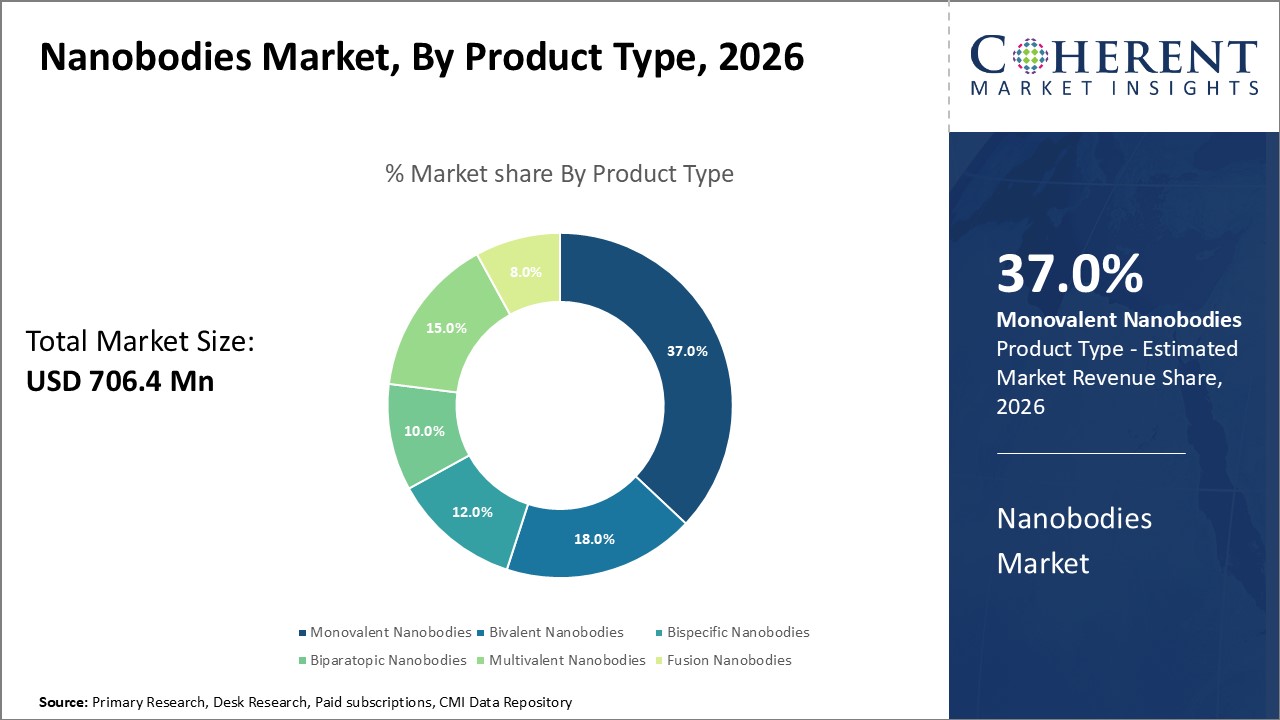
Figure 1. Global Nanobodies Market Share (%), By Product Type, 2026
Global Nanobodies Market– Drivers
- Increasing funding to launch the nanobody platforms: Increasing funding to launch nanobody platforms can increase demand for and supply of nanobody-based therapeutics. For instance, on June 20, 2023, Alamar Biosciences, a privately held life sciences company, and Frazier Life Sciences, a venture capital fund, announced the launch of Attovia Therapeutics, a new company that focuses on developing biotherapeutics for immune-mediated illness and cancer. The firm, which is built on Attobody, Alamar's innovative patented biparatopic nanobody platform, completed a US$ 60 million Series A funding led by Frazier and joined by venBio and Illumina Ventures. Hence, the benefits and potential applications of nanobodies in various fields are expected to drive the global nanobodies market’s growth over the forecast period.
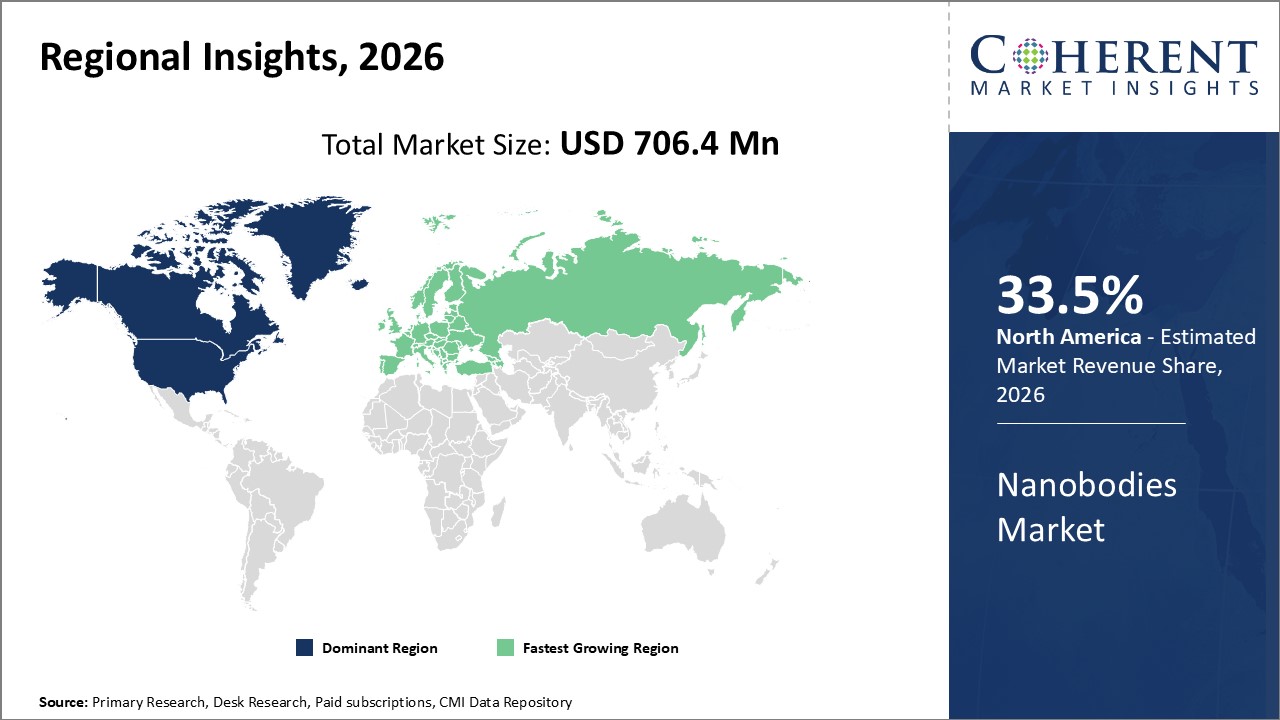
Figure 2. Global Nanobodies Market Share (%), By Region, 2026
Global Nanobodies Market- Regional Analysis
Among regions, North America is estimated to hold a dominant position in the global nanobodies market over the forecast period. North America is estimated to hold 33.5% of the market share in 2026. The global nanobodies market is expected to witness significant growth in the near future, driven by the increasing adoption of inorganic growth strategies such as acquisition by the key market players in the North America region. For instance, in October 2020, Proteintech Group, Inc., a biotechnology company, announced the acquisition of ChromoTek, a manufacturer of Camelid single-domain antibodies or nanobodies.
- The team developed new nanobodies by using a collection of antibodies taken from llama blood cells.
Global Nanobodies Market Segmentation:
The global nanobodies market report is segmented into product type, therapeutic area, application, end user and region.
- Based on product type, the market is segmented into monovalent nanobodies, bivalent nanobodies, bispecific nanobodies, biparatopic nanobodies, multivalent nanobodies, and fusion nanobodies. Out of which, monovalent nanobodies is expected to hold a dominant position in the global nanobodies market during the forecast period, and this is attributed to technological advancement as its more effective in neurosurgery.
- Based on therapeutic area, the market is segmented into oncology, infectious diseases, inflammatory and autoimmune diseases, neurological disorders, and others. Out of which, the oncology segment is expected to hold a dominant position in the global nanobodies market during the forecast period, and this is attributed to technological advancement because it works better for neurosurgery.
- Based on application, the market is segmented into therapeutic, diagnostic, and research. Out of which, diagnostic is expected to dominate the market over the forecast period, and this is attributed to increasing neurologic disorders.
- Based on end user, the market is segmented into hospitals, biopharmaceutical companies, diagnostic laboratories and others. Out of which, diagnostic laboratories is expected to dominate the market over the forecast period, and this is attributed to the prompt treatment that can lead to proper recovery.
Among all the segmentation, the product type segment is expected to dominate the market over the forecast period, and this is attributed to increasing product approvals from regulatory bodies.
- Current Industry Events of 2026
- Market Size Estimation
- Regional Breakdown
- Competitive Landscape
- Customer Intelligence
- Segmental Analysis
- Pricing Analysis
- Key Market Drivers, Challenges & Future Trends
- Customized Insights Section
Nanobodies Market Report Coverage
| Report Coverage | Details | ||
|---|---|---|---|
| Base Year: | 2025 | Market Size in 2026: | USD 706.4 Mn |
| Historical Data for: | 2020 To 2024 | Forecast Period: | 2026 To 2033 |
| Forecast Period 2026 to 2033 CAGR: | 24.3% | 2033 Value Projection: | USD 3,238.5 Mn |
| Geographies covered: |
| ||
| Segments covered: |
| ||
| Companies covered: | Merck KGaA, Sanofi, AlpalifeB Inc, GenScript, Novartis International AG, Taisho Pharmaceutical Holdings Co., Ltd., Sino Biological, Inc., GeneMedi, Biocytogen, Abnova Corporation, NanoTag Biotechnologies, Avillion LLP, Capra Science, Numab Therapeutics, CUSABIO TECHNOLOGY LLC, Proteintech Group, Inc., GT Biopharma, Inc., Confo Therapeutics, R&D Systems, Inc., Abcepta Biotech Ltd. Co. | ||
| Growth Drivers: |
| ||
| Restraints & Challenges: |
| ||
Global Nanobodies Market- Cross Sectional Analysis:
In the North America region, the product type segment is expected to be dominant as the key players are focused on getting approvals from regulatory authorities, which is also expected to boost the nanobodies market in the North America region. For instance, in February 2021, Sanofi received approval from the U.S. Food and Drug Administration for Cablivi (caplacizumab-yhdp) to treat adults with acquired thrombotic thrombocytopenic purpura (aTTP). The Cablivi provides an effective treatment option for people suffering from thrombotic thrombocytopenic purpura (aTTP).
Global Nanobodies Market: Key Developments
- On February 21 2023, Biocytogen Pharmaceuticals (Beijing) Co., Ltd., a global biotechnology company, announced the launch of the “Nano 100 Project” that aims to develop fully human nanobody drugs for over 100 targets. The project combines the company’s proprietary fully human nanobody mouse named RenNano with its high-throughput in vitro and in vivo antibody screening platforms to develop fully human nanobody drugs on a large-scale.
- In February 2021, i2O Therapeutics, a developer of a platform for oral delivery of traditionally injectable biological drugs, announced a research collaboration with Sanofi to investigate the oral delivery of Sanofi's Nanobody-based medicines that are currently administered through intravenous or subcutaneous injections.
- In August 2020, Numab Therapeutics, a biopharmaceutical company, announced the initiation of a clinical trial to study the safety and immunogenicity of NM21-1480 in adult patients with advanced solid tumors to determine the maximal tolerated dose. This is currently in Phase ½ of clinical trial. NM21-1480 consists of three monovalent antibodies. It is a next-generation multi-specific cancer therapeutic that simultaneously targets the tumor-immunity suppressive PD(L)-1 pathway and the tumor-immunity stimulatory 4-1BB/CD137 pathway.
- In December 2022, Taisho Pharmaceutical Co., Ltd., a Japan-based pharmaceutical company, announced the launch of Nanozora (Ozoralizumab) 30 mg syringes for subcutaneous injection, which were included in the National Health Insurance Drug Price List in November 2022.
Global Nanobodies Market: Key Trends
- Increasing investments and funding: Increasing investments and funding for nanobodies by key players in the market is expected to drive the growth of the global nanobodies market over the forecast period. For instance, on June 20, 2023, Attovia Therapeutics, a newly formed company by Alamar Biosciences, a privately held life sciences company, and Frazier Life Sciences, an investment firm, announced that Attovia Therapeutics raised funding of US$ 60 million in Series A financing to unlock potential of novel biparatopic nanobody platform.
Global Nanobodies Market: Restraint
- Limitations associated with nanobodies: Nanobodies are increasingly used in research, diagnostics, and cancer therapeutics. However, the limitations of nanobodies are likely to hamper the global nanobodies market’s growth. For instance, in February 2021, according to AZoLifeSciences.com, a platform designed to share life science news and stories, nanobodies have significant limitations and disadvantages that limit the use of nanobody. For example, the heavy-chain antibodies from which nanobodies are developed can only be obtained from camelids and sharks. Traditional monoclonal antibodies like infliximab and adalimumab, on the other hand, are obtained from mice. Therefore, the development of nanobodies requires larger, more complicated housing and animal husbandry for obtaining the desired antibody. Key players are focusing on developing advanced products with limited disadvantages, which is expected to drive market growth over the forecast period.
- Counterbalances: It would allow the creation of novel antibodies to be made more easily by means of methods for designing antibodies, even if they do not involve a larger scale of animal husbandry.
Global Nanobodies Market - Key Players
Major players operating in the global nanobodies market include Merck KGaA, Sanofi, AlpalifeB Inc, GenScript, Novartis International AG, Taisho Pharmaceutical Holdings Co., Ltd., Sino Biological, Inc., GeneMedi, Biocytogen, Abnova Corporation, NanoTag Biotechnologies, Avillion LLP, Capra Science, Numab Therapeutics, CUSABIO TECHNOLOGY LLC, Proteintech Group, Inc., GT Biopharma, Inc., Confo Therapeutics, R&D Systems, Inc., and Abcepta Biotech Ltd. Co.
*Definition: Nanobodies are single-domain antibodies that are derived from llama heavy-chain only antibodies with unique properties such as nanoscale size, robust structure, stable and soluble behaviors in aqueous solution, reversible refolding, high affinity and specificity for only one cognate target, and others.
Sources
Primary Research Interviews
- Nanobody-based therapeutic developers (Sanofi/Ablynx, Confo Therapeutics)
- Translational research scientists in immunology and oncology
- Biologics CDMOs manufacturing VHH/single-domain antibodies
Databases
- ClinicalTrials.gov
- EMBL-EBI Protein Data Bank
Magazines
- GEN (Genetic Engineering & Biotechnology News)
Journals
- mAbs (Taylor & Francis)
- Nature Biotechnology
- Journal of Biological Chemistry
Newspapers
- Reuters Health
Associations
- The Antibody Society
- BIO (Biotechnology Innovation Organization)
Public Domain Sources
- U.S. FDA – Biologics
- European Medicines Agency (EMA)
Proprietary Elements
- CMI Data Analytics Tool, Proprietary CMI Existing Repository of information for last 10 years.
Get access to 250+ pages report
Every segment, forecast, competitor profile and data table behind the analysis above — available for instant download.
- ESOMAR Member
- ISO 9001:2015 Certified
- D-U-N-S Registered
- GDPR & CCPA Compliant
Missing comfort of reading report in your local language? Find your preferred language:
Transform your Strategy with Exclusive Trending Reports
Frequently Asked Questions
The Nanobodies Market is estimated to be valued at USD 706.4 Mn in 2026, and is expected to reach USD 3,238.5 Mn by 2033.
The CAGR of the Nanobodies Market is projected to be 24.3% from 2026 to 2033.
Increasing application of nanobodies in diagnostics of viral infections such as COVID-19 and increasing funding to launch nanobody platforms are expected to drive the global nanobodies market’s growth.
Monovalent nanobodies is the leading product type segment in the market.
Limitations associated with nanobodies are expected to hinder the market over the forecast period.
Major players operating in the market are Merck KGaA, Sanofi, AlpalifeB Inc, GenScript, Novartis International AG, Taisho Pharmaceutical Holdings Co., Ltd., Sino Biological, Inc., GeneMedi, Biocytogen, Abnova Corporation, NanoTag Biotechnologies, Avillion LLP, Capra Science, Numab Therapeutics, CUSABIO TECHNOLOGY LLC, Proteintech Group, Inc., GT Biopharma, Inc., Confo Therapeutics, R&D Systems, Inc., Abcepta Biotech Ltd. Co.