

Global AmBisome Market Size and Forecast – 2026 to 2033
The global AmBisome market is estimated to be valued at USD 1.53 Bn in 2026 and is expected to reach USD 2.31 Bn by 2033, exhibiting a compound annual growth rate (CAGR) of 6.1% from 2026 to 2033. This growth is driven by the increasing prevalence of fungal infections, rising awareness about the drug’s efficacy, and expanding healthcare infrastructure across emerging markets.
Key Takeaways of the global AmBisome market
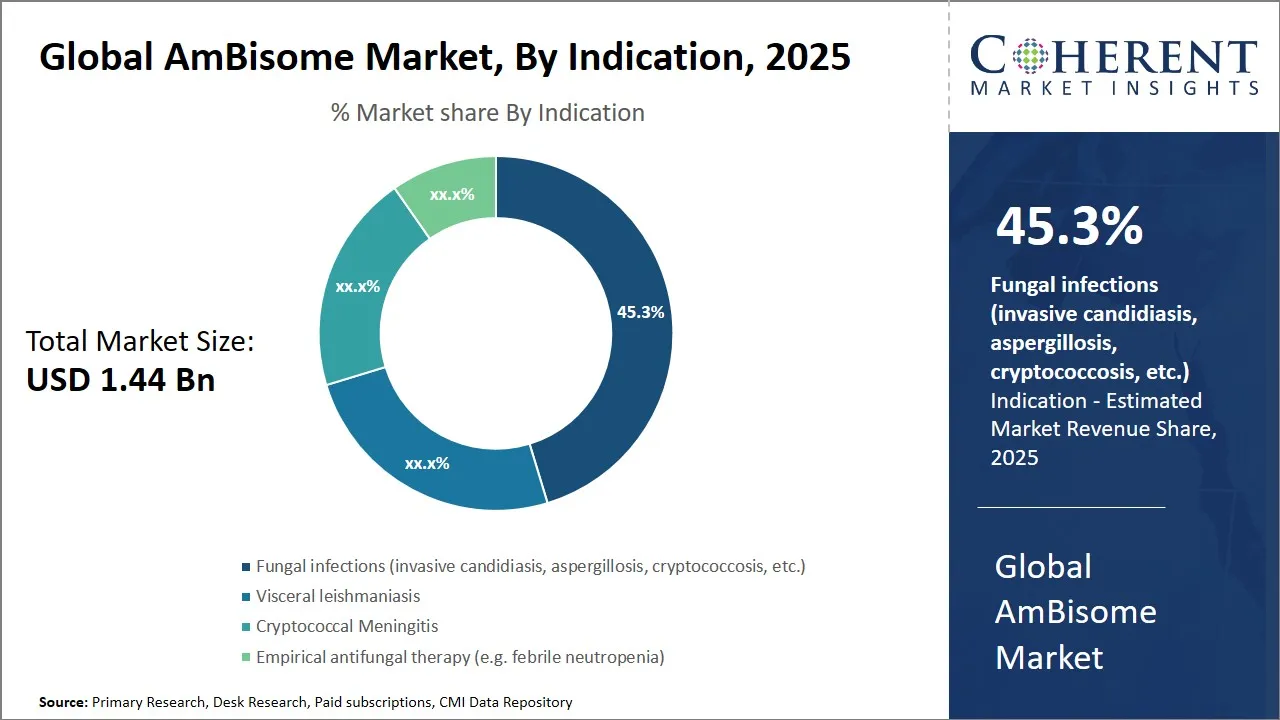
- By indication, fungal infections (including invasive candidiasis, aspergillosis, cryptococcosis, etc.) segment is expected to account for the largest share of the global AmBisome market at 46.3 % in 2026.
- By dosage form, the lyophilized powder form segment is projected to lead with a 68.8 % share in 2026.
- By dosage strength, the 25 mg vials segment is anticipated to dominate, representing 73.2 % of the market in 2026.
- North America is expected to lead the market, holding a share of 38.3 % in 2026. Asia Pacific is anticipated to be the fastest-growing region, with an estimated market share of 24.4% in 2026.
Market Overview
Current trends in the AmBisome market highlight a shift towards lipid-based antifungal therapies due to their reduced toxicity and enhanced patient compliance. Additionally, innovations in drug delivery systems and increased investments in R&D are facilitating new formulations, further propelling market expansion. Growing demand from immunocompromised patient populations, including those undergoing chemotherapy or organ transplants, continues to fuel the market momentum.
Currents Events and their Impact
Current Events | Description and its Impact |
Entry of generic competitors and pricing pressure |
|
Patent Expiration and Generic Entry |
|
Segmental Insights
- Current Industry Events of 2026
- Market Size Estimation
- Regional Breakdown
- Competitive Landscape
- Customer Intelligence
- Segmental Analysis
- Pricing Analysis
- Key Market Drivers, Challenges & Future Trends
- Customized Insights Section
AmBisome Market Insights, by Indication - Fungal Infections Dominate Due to High Prevalence and Clinical Dependence on Antifungal Therapies
By indication, fungal infections (invasive candidiasis, aspergillosis, cryptococcosis, etc.) are expected to hold the greatest portion of the global AmBisome market with 46.3% in 2026 due to a variety of critical factors. Systemic and invasive fungal infections are spreading worldwide, especially among immunocompromised groups of patients, who are receiving chemotherapy, organ transplantation, or living with HIV/AIDS. This has increased the vulnerability to life threatening fungus which has resulted in a strong demand for effective antifungal drugs such as AmBisome.
The other driver is that AmBisome possesses specific antifungal effects with better safety profiles than traditional formulations. It has a liposomal delivery system that improves drug bioavailability as well as reduces nephrotoxicity which is a frequent side effect of antifungal agents. This is an advantage that would make it particularly helpful in the management of infections in the critical care environment where patients are lowly tolerant to side effects.
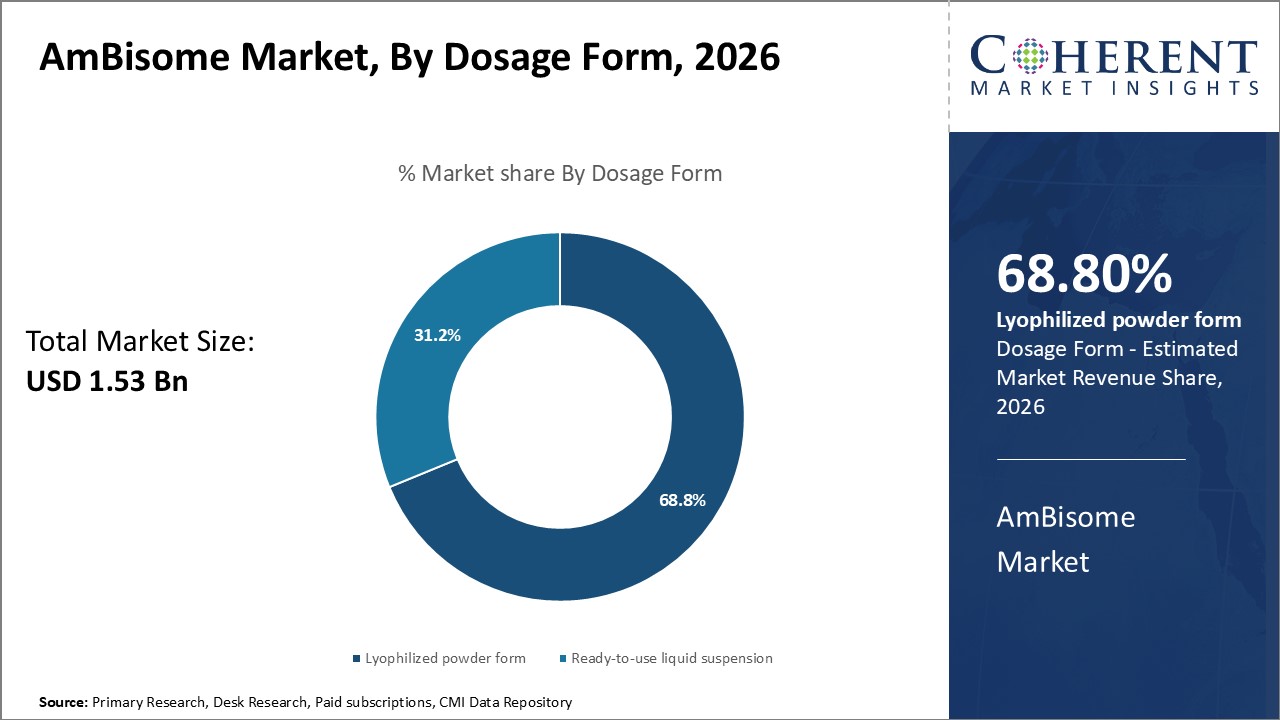
AmBisome Market Insights, by Dosage Form - Preference for Lyophilized Powder Form is its Driven by Stability and Handling Benefits
By dosage form, the lyophilized powder form segment is expected to hold 68.8% of the total market of AmBisome in 2026 which can be explained by its excellent stability and storage and distribution ease. Lyophilization helps prolong the shelf life of the product and retain the drug potency in varied temperatures, which is especially important in antifungal agents in varied geographic areas, even those with low cold chain networks. Such stability advantage guarantees consistency of efficacy reconstitution, thus the lyophilized powder form of the product is the formulation of choice in hospitals and treatment centers across the globe.
Moreover, flexibility of the dosing schedule is possible because the lyophilized format can be accurately reconstituted to the therapeutic requirements of the patient, in any concentration desired. This flexibility is particularly critical in intensive care units where personalized dosing is necessary to be able to balance efficacy with possible toxicity.
AmBisome Market Insights, by Dosage Strength - 25 mg Vials are Preferred due to their Enhanced Dose Flexibility and Cost Efficiency
In terms of dosage strength, 25 mg vials segment is projected to contribute the highest share of the global AmBisome market with 73.2% in 2026, driven by their ability to offer greater dose flexibility and optimized cost management. Many patients requiring treatment for fungal infections or visceral leishmaniasis need varying doses depending on factors such as body weight, severity of infection, and renal function. The 25 mg vial enables clinicians to tailor doses more precisely compared to larger, fixed-dose vials, thereby reducing drug wastage and improving treatment personalization.
This granular dosing option is particularly beneficial in pediatric and elderly patients, where smaller incremental dosing adjustments are critical to minimizing adverse effects while maintaining therapeutic efficacy. Moreover, 25 mg vials facilitate incremental dosing adjustments during treatment courses, allowing physicians to fine-tune therapy based on patient response without the constraints imposed by fixed larger vial sizes.
Regional Insights
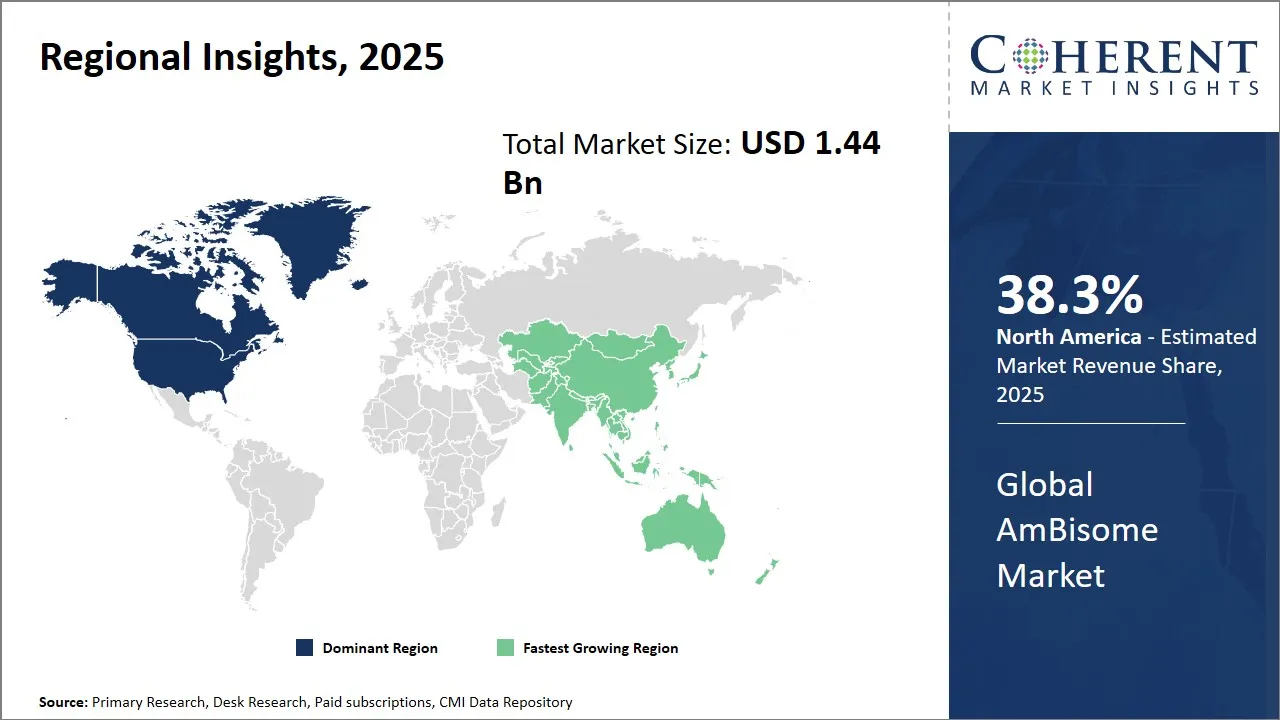
North America AmBisome Market Analysis and Trends
The global AmBisome market is expected to be dominated by North America due to its highly mature healthcare infrastructure, accounting for a market share of 38.3% in 2026. This growth is driven by the presence of well-established pharmaceutical companies and government policies which are conducive to advanced antifungal treatment The United States and Canada benefit from the presence of major players such as Gilead Sciences (producer of AmBisome), Pfizer, and Merck, all of which have invested heavily in R&D while building robust manufacturing and distribution networks. The regulatory environment, like expedited drug approvals by regulatory bodies, such as the U.S. FDA, are believed to allow market adaptation faster.
In April 2020, Astellas Pharma announced that it expanded its Astellas Pharma Support Solutions program to help U.S. patients struggling during the COVID-19 pandemic. The company simplified application and verification for its patient assistance program, increased customer service capacity, and made healthcare coverage and financial support resources easier to access. Mr. Percival Barretto-Ko, President of Astellas U.S., said patients should not have to worry about affording medicines during such financial strain. The initiative covers key products including AmBisome (amphotericin B liposome for injection), Cresemba(isavuconazonium sulfate injection and capsules), and Lexiscan (regadenoson injection).
Asia Pacific AmBisome Market Analysis and Trends
The Asia Pacific region is projected to witness the fastest growth, accounting for a 24.4% share in 2026, driven by rising healthcare spending, growing awareness of fungal infections, an expanding patient population with HIV/AIDS and cancer, and improved healthcare access in emerging markets such as India, China, and Southeast Asian countries.
The push to modernize healthcare facilities by the government and the growing collaboration between the government and the private sector have assisted in the broader access to sophisticated antifungal treatment. The increase in the number of multinational pharmaceutical companies, as well as the work of local manufacturers, oriented on the production of generics and biosimilars, increases the competition and innovativeness of the market.
AmBisome Market Outlook for Key Countries
U.S. AmBisome Market Trends
The U.S. AmBisome market is the most developed with well-developed healthcare facilities and extensive pharmaceutical research. Gilead Sciences has been on the forefront of its availability and therapeutic adoption due to solid clinical validation, and insurance coverage systems.
A high number of immunocompromised individuals in the country such as patients on chemotherapy and patients with HIV/AIDS provides an unwavering demand. The partnerships between medical professionals and investigative centers are still experiencing the integration of new treatment plans with the help of AmBisome, which strengthens its position in the market.
Germany AmBisome Market Trends
The AmBisome market in Germany is highly demanded due to the advanced hospital-based healthcare provision and strict government regulations towards patient safety, which characterize the market. The adoption of AmBisome is backed by major pharmaceutical distributors including Pfizer and local biotech companies who are involved with large-scale clinical research and local manufacturing projects.
The insurance of national health insurers guarantees the access of patients requiring this antifungal treatment that is a specialized treatment. Also, the strategic location of Germany in the regulatory system of the European Union contributes to the creation of a competitive market environment and free trade with other countries.
India AmBisome Market Trends
AmBisome market in India is growing at a high rate due to increased cases of fungal infection related to the increasing diabetic and immunocompromised patients. Accessibility has been boosted by low-cost pricing policies by multinational companies as well as local generic companies.
The concentration by the government on improving the health facilities where people receive care and subsidies on imperative medicines facilitate greater access to patients. The availability of liposomal forms of amphotericin B introduced by companies such as Cipla and Sun Pharma are cost-effective and have increased access to treatment in both rural and urban centers.
China AmBisome Market Trends
China has continued to take the lead in the growth of Asian Pacific through the rigorous health care reforms that seek to enhance access to novel therapies. The rising use of AmBisome is supported by the government efforts to combat infectious diseases and the expanded hospital facilities. The multinational corporations with offices as well as the mighty domestic pharmaceutical companies like Shanghai Fosun Pharmaceutical are major players in local production and distribution.
In addition, partnership with foreign companies increases technology capacities, and the changing regulations policies ease market entry.
End User Feedback and Unmet Needs in the Global AmBisome Market
- End users report that liposomal amphotericin B delivers dependable fungal clearance with fewer kidney events than conventional formulations, which speeds recovery and shortens ICU stays in oncology, transplant, and HIV care. Hospitals value predictable infusion tolerability, clear dosing guidance, and inclusion on essential medicine lists that supports procurement. One large tertiary center described a switch to liposomal regimens in neutropenic sepsis with faster time to defervescence and fewer dialysis consults, which improved bed turnover and clinician confidence. Public health programs in leishmaniasis belts note strong cure rates and simpler courses that improve adherence. Nurses appreciate better patient comfort and less electrolyte rescue. Formulary committees highlight consistent batch quality and cold chain instructions that are easy to audit.
- Pain points are persistent. Pharmacy teams flag high per vial cost, tender volatility, and stockouts during outbreaks. District hospitals report cold chain gaps, limited infusion chairs, and variable training across shifts. A teaching hospital in a Candida auris cluster cited delayed rapid diagnostics and stewardship sign off as barriers that pushed start times into day two. Patients face out of pocket exposure where reimbursement is narrow, which can shift prescribing to azoles even when risk calls for broader coverage. Unmet needs include lower cost presentations, heat stable packs for last mile delivery, pediatric friendly dosing, label aligned protocols for peri transplant prophylaxis, and tighter integration with rapid fungal tests and stewardship dashboards. Addressing these gaps can lift guideline adherence, reduce total episode costs through fewer adverse events and shorter stays, expand government tenders in South Asia and Africa, and open room for service models that bundle drug, diagnostics, and training to raise retention and defend price.
Market Players, Key Developments, and Competitive Intelligence
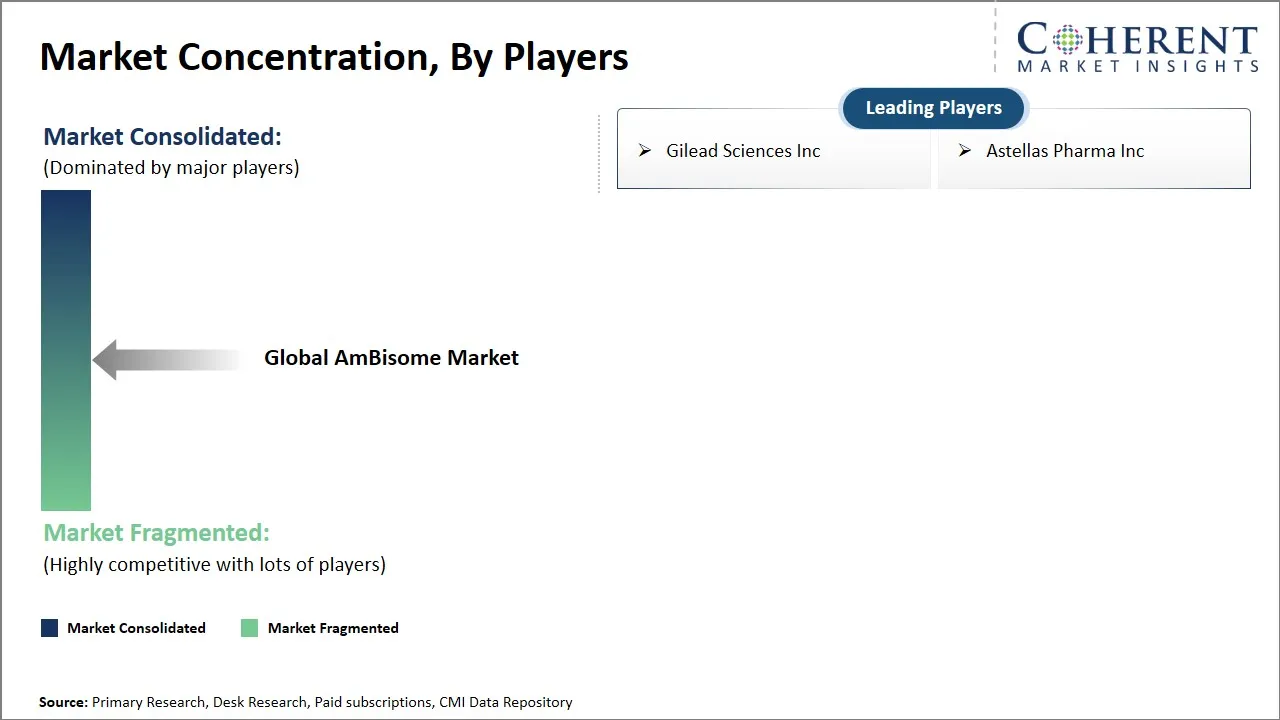
Key Developments
- In March 2024, researchers from the University of Genoa and the IRCCS Istituto Giannina Gaslini published a study in Pharmaceutics on AmBisome formulations for pediatric use. The work evaluated liposomal amphotericin B at concentrations of 4.0 mg/mL, 2.0 mg/mL, and 0.2 mg/mL, focusing on stability, aggregation, and cytotoxicity. Findings showed that the most diluted formulation stored at room temperature exhibited the greatest drug aggregation and cytotoxicity, raising safety concerns for vulnerable pediatric patients.
- In May 2023 in Johannesburg, Doctors Without Borders (MSF), an international medical humanitarian organization, urged Gilead Sciences Inc, a U.S. biopharmaceutical company, to honor its 2018 pledge to make liposomal amphotericin B (AmBisome) accessible for treating HIV-related cryptococcal meningitis in all 116 low- and middle-income countries.
- In March 2022, results from the European and Developing Countries Clinical Trials Partnership (EDCTP)-funded phase III AMBIsome Therapy Induction Optimisation (AMBITION-cm) trial, published in the New England Journal of Medicine, showed that a single high dose of liposomal amphotericin B (AmBisome) given with 14 days of flucytosine (5-FC) and fluconazole (FLU) is as effective as the current standard regimen for treating HIV-associated cryptococcal meningitis (CM).
- In July 2021, the Botswana Harvard AIDS Institute (BHP), in collaboration with the London School of Hygiene & Tropical Medicine (LSHTM) and St George’s University of London (SGUL), announced positive results from the AMBITION-cm trial on HIV-associated cryptococcal meningitis. The study, presented at the 11th International AIDS Society (IAS) Conference on HIV Science, found that a single high dose of liposomal amphotericin B (AmBisome) combined with flucytosine and fluconazole was as effective as the current 7-day amphotericin B-based regimen.
Market Report Scope
AmBisome Market Report Coverage
| Report Coverage | Details | ||
|---|---|---|---|
| Base Year: | 2025 | Market Size in 2026: | USD 1.53 Bn |
| Historical Data for: | 2020 To 2024 | Forecast Period: | 2026 To 2033 |
| Forecast Period 2026 to 2033 CAGR: | 6.1% | 2033 Value Projection: | USD 2.31 Bn |
| Geographies covered: |
| ||
| Segments covered: |
| ||
| Companies covered: | Gilead Sciences Inc and Astellas Pharma Inc | ||
| Growth Drivers: |
| ||
| Restraints & Challenges: |
| ||
AmBisome Market Dynamics
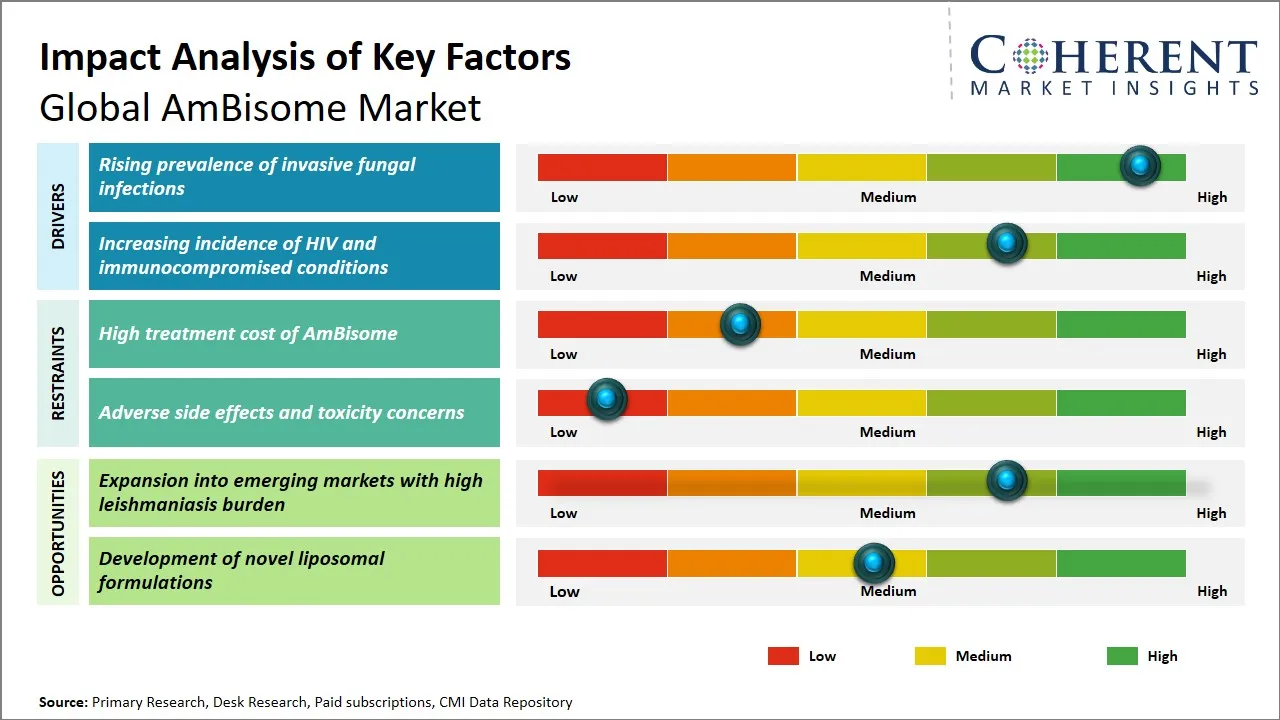
AmBisome Market Driver - Rising Prevalence of Invasive Fungal Infections
The growing rate of invasive fungal infections, especially in immunocompromised patients like those undergoing chemotherapy, organ transplantation or living with HIV/AIDS is greatly driving the use of effective antifungal agents, including AmBisome. Candida, Aspergillus, and Cryptococcus species are some of the pathogens that cause these infections, which are linked to high morbidity and mortality rates unless they are treated promptly and effectively. The issue of lower efficacy and safety issues of traditional antifungal treatments further intensify the complexity of managing these infections, thus putting AmBisome, a liposomal preparation of amphotericin B that has been shown to be safe and targeted delivery, as an option of choice among healthcare providers.
In March 2023, the Centers for Disease Control and Prevention (CDC, U.S. public health agency) reported a rapid U.S. spread of Candida auris, an antimicrobial-resistant fungus, with clinical cases rising from 476 in 2019 to 1,471 in 2021 and echinocandin-resistant cases tripling, based on data in the Annals of Internal Medicine (peer-reviewed medical journal). Also, in July 2025, an open-access journal BMC Infectious Diseases meta-analysis of 34 studies in intensive care units (ICUs) covering 655,169 patients found invasive fungal infections (IFIs) at a pooled 5% prevalence, with lower-middle-income countries at 21% versus 3% in high-income countries; Aspergillus species accounted for ~10% and Candida species for ~3%, highlighting the need for ICU-specific, standardized diagnostics to curb rising IFI risk.
AmBisome Market Opportunity - Expansion into Emerging Markets with High Leishmaniasis Burden
The main market potential of AmBisome is in the growth of the new market that is highly burdened by leishmaniasis, including parts of South Asia, East Africa, and Latin America. The potential of these markets is untapped because of the prevalence of cutaneous and visceral leishmaniasis, a neglected tropical disease, which has mainly impacted the poor population with access to few sophisticate healthcare systems. Increasingly, governments and international health organizations in the regions are putting disease control programs on the agenda, with international programs like those initiated by the World Health Organization (WHO) to eradicate leishmaniasis as a community healthcare issue.
In January 2023, the World Health Organization (WHO), the United Nations health agency, and Gilead Sciences Inc, a U.S.-based biopharmaceutical company, extended their partnership to improve access to AmBisome for treating visceral leishmaniasis. Under the new three-year agreement worth US$ 11.3 million, Gilead will donate 304,700 vials of AmBisome along with financial support to strengthen diagnosis, treatment, and surveillance.
Analyst Opinion (Expert Opinion)
- AmBisome demand is rising on the back of stubborn invasive fungal infections in oncology, transplant, and ICU settings, where clinicians favor liposomal amphotericin B for its efficacy with lower nephrotoxicity than conventional amphotericin B. Growth levers include rapid diagnostics that shorten time-to-therapy, stewardship protocols that prioritize early active coverage, WHO Essential Medicines status that supports procurement, and tender-driven uptake in endemic leishmaniasis regions. Headwinds are real: cold-chain and infusion capacity in low-resource settings, API and vial supply constraints during surges, budget pressure from hospital formularies, and uneven reimbursement that can tilt choices toward azoles or echinocandins. Near-term opportunity sits in protocol standardization for Candida auris outbreaks, peri-transplant prophylaxis studies, pediatric formulations and dosing clarity, and broader public procurement in South Asia, LATAM, and Africa.
- Knowledge flows that shape this market have centered at ECCMID, IDWeek, ASM Microbe, and TIMM over the past two to three years, where late-breakers on antifungal resistance, therapeutic drug monitoring, and outcome data have fed guideline updates and purchasing policies. Recent signals with market impact include national alerts on Candida auris that catalyzed hospital stockpiles, government tenders expanding liposomal amphotericin B access for visceral leishmaniasis, and health-system switches from conventional amphotericin B to liposomal regimens to cut acute kidney injury and ICU length of stay. Company-hospital collaborations on rapid fungal diagnostics and stewardship dashboards, plus multilateral pooled procurement pilots in endemic belts, are setting a higher base of demand and hard-wiring AmBisome into critical-care pathways.
Speak to the analyst
Want personalized insights?
Take the findings above to one of our principal consultants, or have the report rebuilt around the segments, geographies and competitors you actually track.
Market Segmentation
- Indication Insights (Revenue, USD Bn, 2021 - 2033)
- Fungal infections (invasive candidiasis, aspergillosis, cryptococcosis, etc.)
- Visceral leishmaniasis
- Cryptococcal Meningitis
- Empirical antifungal therapy (e.g. febrile neutropenia)
- Dosage Form Insights (Revenue, USD Bn, 2021 - 2033)
- Lyophilized powder form
- Ready-to-use liquid suspension
- Dosage Strength Insights (Revenue, USD Bn, 2021 - 2033)
- 25 mg vials
- 50 mg vials
- Patient Group Insights (Revenue, USD Bn, 2021 - 2033)
- Adult
- Pediatric
- Geriatric
- Distribution Channel Insights (Revenue, USD Bn, 2021 - 2033)
- Hospital Pharmacies
- Retail Pharmacies
- Online Pharmacies
- End User Insights (Revenue, USD Bn, 2021 - 2033)
- Hospitals
- Specialty Clinics
- Ambulatory Surgical Centers
- Research and Academic Institutes
- Regional Insights (Revenue, USD Bn, 2021 - 2033)
- North America
- U.S.
- Canada
- Latin America
- Brazil
- Argentina
- Mexico
- Rest of Latin America
- Europe
- Germany
- U.K.
- Spain
- France
- Italy
- Russia
- Rest of Europe
- Asia Pacific
- China
- India
- Japan
- Australia
- South Korea
- ASEAN
- Rest of Asia Pacific
- Middle East
- GCC Countries
- Israel
- Rest of Middle East
- Africa
- South Africa
- North Africa
- Central Africa
- North America
- Key Players Insights
- Gilead Sciences Inc
- Astellas Pharma Inc
Sources
Primary Research Interviews
- Industry Stakeholders list
- Gilead Sciences medical affairs team
- Astellas Pharma clinical research division
- End Users List
- Infectious disease specialists in tertiary hospitals
- Oncology department clinicians
Government and International Databases
- World Health Organization (WHO)
- U.S. Food and Drug Administration (FDA)
- European Medicines Agency (EMA)
- Centers for Disease Control and Prevention (CDC)
- Indian Council of Medical Research (ICMR)
- National Institutes of Health (NIH)
Trade Publications
- PharmaTimes
- Pharmaceutical Executive
- Applied Clinical Trials
- Drug Development & Delivery
- BioPharm International
- FiercePharma
Academic Journals
- The Lancet Infectious Diseases
- Clinical Infectious Diseases (CID)
- Antimicrobial Agents and Chemotherapy
- Journal of Antimicrobial Chemotherapy
- New England Journal of Medicine (NEJM)
- PLoS Neglected Tropical Diseases
Reputable Newspapers
- The New York Times
- The Guardian
- The Washington Post
- The Hindu
- Financial Times
- Reuters Health
Industry Associations
- Infectious Diseases Society of America (IDSA)
- International Society for Infectious Diseases (ISID)
- European Society of Clinical Microbiology and Infectious Diseases (ESCMID)
- American Society for Microbiology (ASM)
- International Leishmania Network (ILN)
- HIV Medicine Association (HIVMA)
Public Domain Resources
- World Bank Health Data
- Global Health Observatory (WHO GHO)
- UNICEF Health Statistics
- OpenFDA
Proprietary Elements
- CMI Data Analytics Tool: Proprietary analytics tool to analyze real-time market trends, consumer behavior, and technology adoption in market
- Proprietary CMI Existing Repository of Information for Last 8 Years
Get access to 250+ pages report
Every segment, forecast, competitor profile and data table behind the analysis above — available for instant download.
- ESOMAR Member
- ISO 9001:2015 Certified
- D-U-N-S Registered
- GDPR & CCPA Compliant
Missing comfort of reading report in your local language? Find your preferred language:
Transform your Strategy with Exclusive Trending Reports
Frequently Asked Questions
USD 1.53 Bn in 2026 and is expected to reach USD 2.31 Bn by 2033.
The CAGR of global AmBisome market is projected to be 6.1% from 2026 to 2033.
Rising prevalence of invasive fungal infections and increasing incidence of HIV and immunocompromised conditions are the major factors driving the growth of the global AmBisome market.
High treatment cost of AmBisome and adverse side effects and toxicity concerns are the major factors hampering the growth of the global AmBisome market.
In terms of indication, fungal infections (invasive candidiasis, aspergillosis, cryptococcosis, etc.) segment is estimated to dominate the market revenue share in 2026.
Gilead Sciences Inc and Astellas Pharma Inc are the major players.
North America is expected to lead the global AmBisome market in 2026.