

Global Biotech Ingredients Market Size and Forecast – 2026 to 2033
The global biotech ingredients market is estimated to be valued at USD 59.68 Bn in 2026 and is expected to reach USD 102.95 Bn by 2033, exhibiting a compound annual growth rate (CAGR) of 8.1% from 2026 to 2033. This significant growth is driven by the increasing adoption of biotechnology in the pharmaceuticals, agriculture, and food industries, as well as rising consumer demand for natural and sustainable ingredients. The expanding application base across various sectors is expected to bolster the market expansion throughout the forecast period.
Key Takeaways of the Global Biotech Ingredients Market
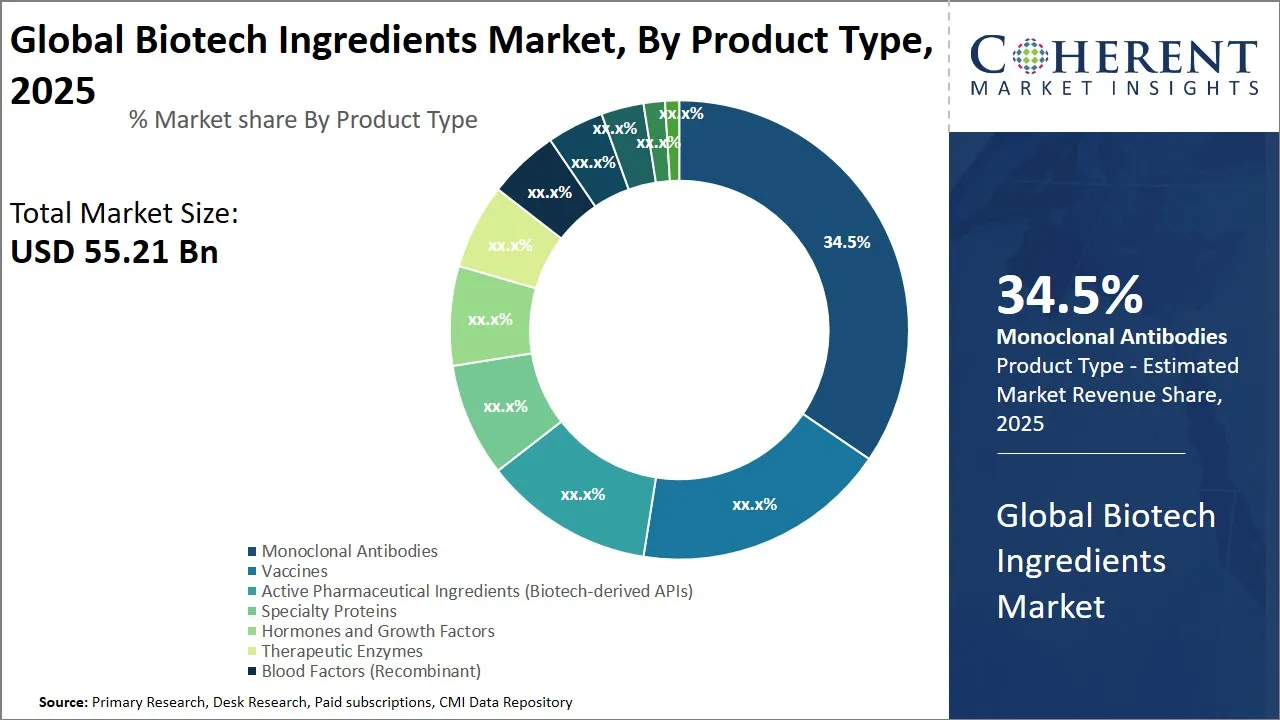
- In 2026, by product type, the monoclonal antibodies segment is expected to dominate the market with a 35.3% share.
- By source, the microbial fermentation segment is expected to capture 27.0% share in 2026.
- By expression system, the mammalian expression systems segment is projected to accounted for 34.4% share in 2026.
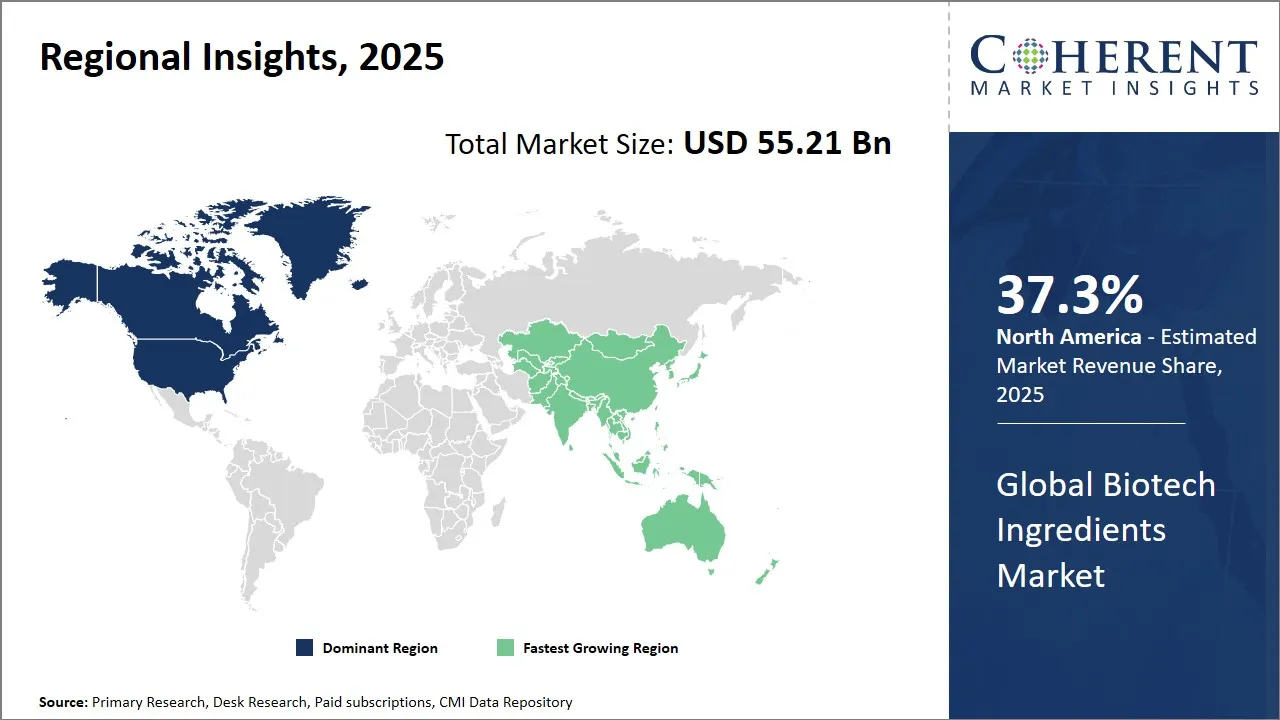
- North America is expected to lead the market, holding a share of 37.3% in 2026. Asia Pacific is anticipated to be the fastest-growing region, with an expected market share of 27.3% in 2026.
Market Overview
A prominent trend in the biotech ingredients market is the growing emphasis on sustainable and eco-friendly production methods, which aligns with global environmental concerns and regulatory frameworks. Additionally, advancements in genetic engineering and synthetic biology are enabling the development of customized ingredients with enhanced functionality and improved efficacy. The convergence of these technological innovations with increasing investment in R&D is propelling the market towards more innovative and cost-effective solutions, thereby accelerating its adoption across diverse industries.
Currents Events and their Impact
Current Events | Description and its Impact |
Rising Investments in Biotech R&D |
|
Technological Advancements in Bioprocessing |
|
Segmental Insights
- Current Industry Events of 2026
- Market Size Estimation
- Regional Breakdown
- Competitive Landscape
- Customer Intelligence
- Segmental Analysis
- Pricing Analysis
- Key Market Drivers, Challenges & Future Trends
- Customized Insights Section
Biotech Ingredients Market Insights, By Product Type - Monoclonal Antibodies Contributes the Highest Share of the Market Owing to their Unparalleled Specificity and Therapeutic Versatility
The monoclonal antibodies segment is projected to account for 35.3% share in 2026, due to their ability to precisely target disease-related antigens. This precision enables highly effective therapies, particularly in oncology, autoimmune disorders, and infectious diseases, which are areas of significant unmet medical need globally. The growing prevalence of chronic diseases and cancer has markedly increased the demand for targeted treatments, positioning monoclonal antibodies as a frontline therapeutic option.
The advancement in antibody engineering technologies has further propelled this segment. Innovations such as humanized and fully human antibodies have enhanced safety profiles by minimizing immunogenicity, thus expanding patient applicability. Additionally, the expansion of biosimilars has improved accessibility and reduced treatment costs, encouraging wider adoption.
In June 2025, Bio-Techne, a U.S.-based life sciences company specializing in biotech ingredients and analytical solutions, announced a collaboration with the U.S. Pharmacopeia (USP) to distribute monoclonal antibody and recombinant AAV reference standards alongside its Maurice analytical system. This partnership supports global development of monoclonal antibody therapies and gene therapies by ensuring rigorous quality testing, regulatory compliance, and reliable product characterization, addressing critical challenges in biologics manufacturing and biosimilar development.
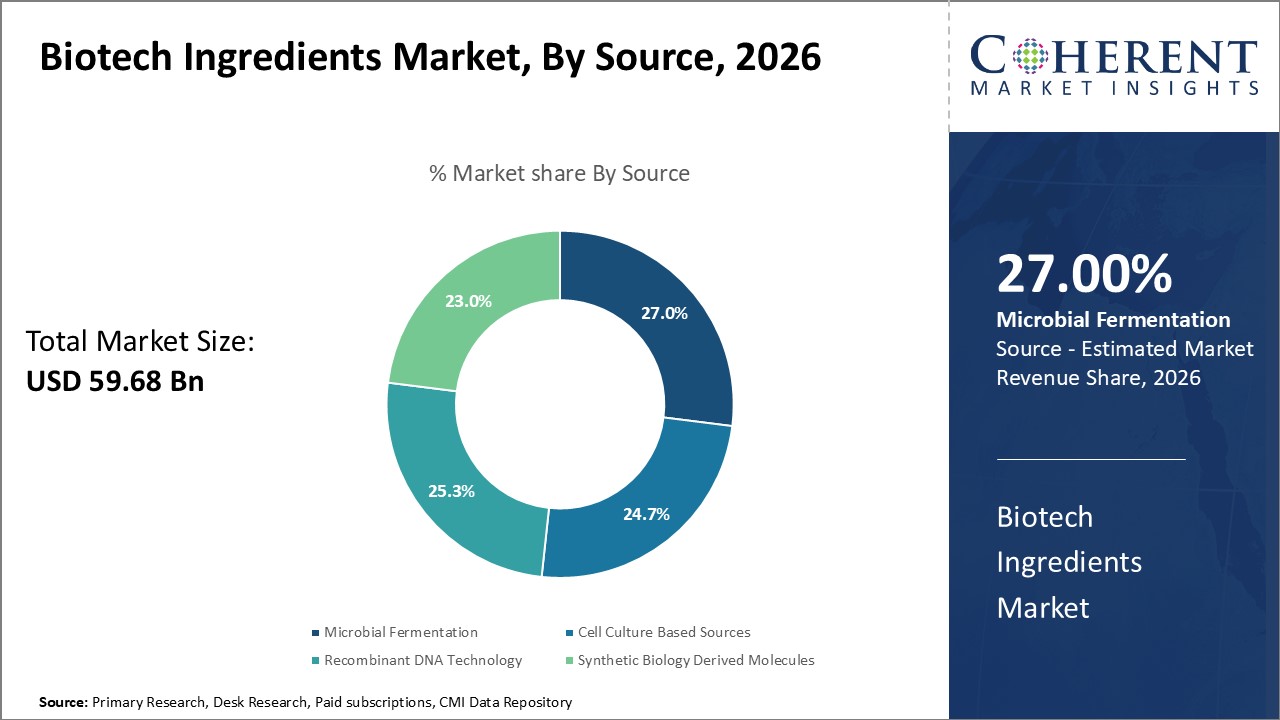
Biotech Ingredients Market Insights, By Source - Microbial Fermentation Contributes the Highest Share of the Market due to its Scalability and Cost-Effectiveness in Producing Biotechnological Ingredients
The microbial fermentation segment is expected to capture 27.0% share in 2026, due to utilizing the metabolic capabilities of bacteria and fungi for large-scale ingredient production. This source is favored primarily because of its ability to generate high yields in controlled environments, ensuring consistency and quality of the products, which is critical for pharmaceutical and industrial applications. Microbial systems are especially effective for producing amino acids, specialty proteins, and enzymes that form the backbone of many biotech-derived ingredients.
One of the key drivers for microbial fermentation is its adaptability to genetic manipulation, allowing precise optimization of metabolic pathways to maximize product output and reduce impurities. This flexibility also extends to customizing microbial strains to produce novel or enhanced compounds, supporting innovation in the market. The relatively low production cost combined with rapid growth rates enables producers to meet high-volume demands efficiently, making microbial fermentation commercially attractive.
Biotech Ingredients Market Insights, By Expression System - Mammalian Expression Systems Hold the Highest Share due to their Ability to Produce Complex and Functionally Active Proteins
The mammalian expression systems segment is projected to hold 34.4% share in 2026, playing a crucial role in producing biopharmaceuticals that depend on complex post-translational modifications like glycosylation and accurate protein folding. which are essential for the biological activity and stability of many biotech ingredients. These systems are predominantly used for monoclonal antibodies, therapeutic enzymes, and blood factors, where human-like processing is critical to therapeutic efficacy and safety.
The demand for biotherapeutics that mimic native human proteins closely has led to the preference for mammalian cells such as Chinese Hamster Ovary (CHO) cells and Human Embryonic Kidney (HEK) cells in production pipelines. Such systems can synthesize proteins with complex tertiary and quaternary structures, enabling the successful development of next-generation biologics and biosimilars that meet stringent regulatory requirements.
Regional Insights
North America Biotech Ingredients Market Analysis and Trends
The North America region is projected to lead the market with a 37.3% share in 2026, driven by a well-established market ecosystem characterized by strong research infrastructure, high investment in biotechnology, and an extensive presence of leading industry players. The U.S., as a major contributor within this region, benefits from robust government support including favorable regulatory frameworks, funding for biotech innovation, and streamlined approval pathways for biotech ingredients. The presence of biotech hubs such as Boston and San Francisco fosters collaboration between academia, startups, and established pharmaceutical and chemical manufacturers, accelerating product development and commercialization.
For example, Thermo Fisher Scientific, expanded its biotech ingredient portfolio through advanced cell culture media and recombinant proteins, Amgen continues to lead in monoclonal antibody development for oncology and autoimmune diseases, and Genentech, a pioneer in recombinant DNA technology, has developed landmark biologics that paved the way for modern biotech ingredient applications. These companies highlight how North America players drive innovation and global leadership in biotech ingredients.
Asia Pacific Biotech Ingredients Market Analysis and Trends
The Asia Pacific region is expected to exhibit the fastest growth in the global biotech ingredients market with a share of 27.3% in 2026, due to rapid industrialization, increasing R&D investments, and supportive government initiatives to promote biotechnology as a strategic sector. Countries like China, India, Japan, and South Korea are increasingly focused on scaling biotech manufacturing capabilities and improving regulatory environments, enabling faster product approvals and innovation. The rising middle-class population and growing the demand for bio-based products in pharmaceuticals, nutraceuticals, and personal care drive the regional market expansion. Local and multinational companies, such as Wuxi Biologics, Dabur India, and Ajinomoto, actively invest in expanding production capacities and developing new biotech ingredient formulations tailored to regional consumer preferences.
Global Biotech Ingredients Market Outlook for Key Countries
U.S. Biotech Ingredients Market Analysis and Trends
The U.S. biotech ingredients market leads globally due to its mature ecosystem and strong emphasis on innovation. Government policies such as the U.S. FDA’s supportive regulatory framework and funding through the NIH promote continuous advancements in biotech ingredient applications. Major players like Amgen and Thermo Fisher Scientific dominate through sustained investments in R&D, expanding their product portfolios for pharmaceuticals and industrial biotechnology sectors.
In December 2022, Ginkgo Bioworks, a U.S.-based biotechnology company specializing in cell programming and biotech ingredients, launched its Ginkgo Enzyme Services to accelerate enzyme discovery, optimization, and large-scale manufacturing using high-throughput screening, AI-driven protein design, and proprietary microbial hosts, supporting industries from biopharma to food, with notable projects including improving mRNA vaccine enzyme manufacturing with Aldevron and developing biocatalysts for API production with Merck.
China Biotech Ingredients Market Analysis and Trends
China biotech ingredients market is expanding rapidly, propelled by the government initiatives like the “Made in China 2026” plan that emphasize biotechnology as a core growth area. Significant investments in biotech parks and state-backed funding have enabled firms such as Wuxi Biologics and Shanghai Pharma to scale innovative ingredient manufacturing. The growing domestic demand for natural and sustainable biotech ingredients in food and healthcare sectors also boosts the market momentum.
In November 2021, researchers from the Chinese PLA General Hospital and the Chinese Academy of Sciences reviewed advancements in hydrogel-based biomaterials developed from natural polysaccharides and proteins for hemostasis and wound healing, highlighting their biocompatibility, degradability, injectability, and ability to promote coagulation and tissue repair. Innovative biotech ingredients are being developed as next-gen solutions for bleeding control in surgery, emergencies, and battlefields, though issues like weak adhesion and low strength must be resolved for wider use.
India Biotech Ingredients Market Analysis and Trends
India biotech ingredients market is marked by strong government support through programs like Biotechnology Industry Research Assistance Council (BIRAC), enhancing innovation among startups and SMEs focused on biotech ingredient development. The country leverages its skilled workforce and cost-effective production capacities, attracting global partnerships. Companies such as Dabur and Serum Institute of India are significant contributors, advancing both domestic product development and exports. Increased health awareness and growth in niche sectors such as nutraceuticals augment demand across the biotech ingredients spectrum.
In September 2024, Wanbury, an India-based pharmaceutical company specializing in active pharmaceutical ingredients and formulations, announced the launch of its new biotech ingredients-focused API portfolio for FY24-25, covering therapeutic areas such as anti-diabetics, antidepressants, antihistamines, analgesics, and anaesthetics. The portfolio includes high-demand APIs like Metformin HCl, Sertraline HCl, and Diphenhydramine, with global requirements estimated in thousands of metric tons, while the company also outlined regulatory approval plans through USDMF and CEP filings to strengthen its international market presence.
Japan Biotech Ingredients Market Analysis and Trends
Japan biotech ingredients market is shaped by a combination of technological innovation and an aging population demanding advanced health solutions. Government policies encouraging biopharmaceutical research and regenerative medicine stimulate ingredient innovation. Leading corporations such as Ajinomoto and Takeda Pharmaceuticals invest heavily in R&D, developing novel enzymes, amino acids, and other biotech-based ingredients for food and therapeutic uses.
In October 2024, Ciconia Bioventures was launched in Japan with the backing of Takeda, Astellas, and SMBC to help turn cutting-edge Japanese biotech research into real medicines. The new venture focuses on nurturing early discoveries from universities and startups, providing funding, expertise, and global development support. For Japan biotech ingredients market, means more innovation in areas like antibodies, enzymes, vaccines, and other biologics can move faster from labs to patients worldwide, boosting Japan’s role as a hub for biotech breakthroughs.
End User Feedback and Unmet Needs in the Biotech Ingredients Market
- Across the healthcare sector, end users consistently emphasize the importance of biotech ingredients that deliver reliability, safety, and clinical efficacy. Hospitals and pharmaceutical companies report strong satisfaction with the role of monoclonal antibodies in oncology and autoimmune therapies, particularly noting their ability to achieve precise targeting with fewer side effects compared to traditional treatments. A leading hospital network in North America highlighted how the stability and purity of recombinant proteins sourced from trusted suppliers have improved patient outcomes and streamlined their clinical protocols. These experiences reflect how advancements in product quality and regulatory compliance are meeting critical healthcare demands while building confidence among prescribers and patients alike.
- At the same time, recurring concerns persist in areas such as affordability, supply chain resilience, and customization for niche therapeutic needs. Smaller research institutes and regional healthcare providers often cite high procurement costs of biotech ingredients, coupled with delays in accessing specialized enzymes or oligonucleotides for rare disease research. Limited flexibility in formulations has also been mentioned, making integration into specific drug development pipelines more complex than anticipated. These unmet needs point to significant opportunities: manufacturers who can lower production costs, expand access to emerging markets, or offer tailored ingredient solutions are well-positioned to strengthen customer trust, foster long-term partnerships, and drive innovation that aligns with the evolving priorities of modern healthcare systems.
Market Players, Key Developments, and Competitive Intelligence
Key Developments
- In May 2025, Planttech Biotech, a Spain-based biotechnology company specializing in science-backed natural biotech ingredients, announced the launch of its NOW Ingredient System at Vitafoods Europe, introducing NOW Energy and NOW Weight made from 100% natural carob fruit to support weight management, blood sugar control, and energy balance, reinforcing its mission to combine medical expertise, nutrition, and advanced process technologies for the global healthcare industry.
- In April 2025, Avidicure, a Netherlands-based biotechnology company focused on innovative biotech ingredients for oncology, launched with USD 50 million in seed funding led by EQT Life Sciences alongside Kurma Partners, BioGeneration Ventures, BOM, Curie Capital, and V-Bio Ventures. The company is developing AVC-Boosters, a new class of multifunctional antibodies designed to trigger both innate and adaptive immune responses for safer and more potent cancer therapies, with its lead candidate AVC-S-101 targeting Trop2 for non-small cell lung cancer and other solid tumors.
- In October 2024, Rice University’s Biotech Launch Pad, a U.S.-based innovation hub for biotech ingredients and advanced therapies, announced plans to commercialize ROGUE, a USD 34.9 million ARPA-H–funded bioelectronic implant designed to treat obesity and type 2 diabetes by producing biologic drugs inside the body on demand. Developed with Carnegie Mellon University and other partners, ROGUE functions as a “living pharmacy” to improve treatment adherence, lower costs, and expand access to biologics-based therapies.
- In October 2023, Clariant, a specialty chemicals company known for its focus on sustainability and innovation, introduced new high-purity excipients at CPHI Barcelona to enhance the stability and solubility of biotech ingredients and Active Pharmaceutical Ingredients (APIs). The launch included its VitiPure range, designed to improve delivery and bioavailability of APIs across oral, topical, and parenteral applications, with specialized solutions for sensitive biologics such as mRNA vaccines, positioning Clariant as a one-stop shop provider in the pharmaceutical excipients market.
Top Strategies Followed by the Global Biotech Ingredients Market Players
- Established players dominate the sector through significant investments in research and development (R&D), aiming to innovate and deliver high-performance biotech ingredients that meet stringent industry standards and evolving consumer demands. These companies often secure their market leadership by forming strategic partnerships with Original Equipment Manufacturers (OEMs) and other key industry stakeholders, fostering collaborative innovation and ensuring integrated supply chain solutions. Furthermore, leading players aggressively pursue global expansion, broadening their distribution networks across emerging markets in Asia Pacific, Latin America, and Africa.
- In April 2025, Johnson & Johnson, a leading U.S. healthcare and biotechnology company with a strong focus on biotech ingredients and innovative therapies, secured U.S. FDA approval for IMAAVY (nipocalimab-aahu), an FcRn-blocking monoclonal antibody for generalized myasthenia gravis, making it the first and only approved treatment option for both adult and pediatric patients aged 12 and above who are anti-AChR or anti-MuSK antibody positive, with clinical studies confirming significant IgG reduction and durable disease control.
- Mid-level players in the biotech ingredients market adopt strategies that center on offering cost-effective solutions that balance quality with affordability. These companies primarily target price-sensitive consumers and industries seeking performance without premium pricing, allowing them to carve out substantial market shares in regions or segments where budget constraints prevail. To strengthen their competitive positioning, mid-sized enterprises often engage in collaborations and joint ventures with technology providers or larger organizations to boost their production capabilities and enhance technological know-how.
- In September 2024, Bharat Biotech, an India-based vaccine manufacturer with a strong portfolio spanning COVID-19 and novel biotech ingredients-based vaccines, partnered with U.S.-based clinical-stage biotech company, Alopexx, to co-develop and commercialize AV0328, a broad-spectrum antimicrobial vaccine targeting poly N-acetyl glucosamine (PNAG) found on multiple pathogens.
- Small-scale players navigate the competitive biotech ingredients market by capitalizing on their agility and specialization. These organizations frequently carve out niches by developing innovative products that address specific customer needs, such as natural, organic, or functionally enhanced biotech ingredients that appeal to targeted regional or demographic segments.
- For instance, Amino GmbH (Germany) specializes in high-purity amino acids for pharmaceutical and biotech applications, Creative Enzymes (U.S.) offers tailored enzyme products and contract research services, and Bachem (Switzerland), while mid-sized, has built a strong niche in peptide-based biotech ingredients with custom synthesis expertise. These companies exemplify how smaller or specialized players thrive by focusing on targeted innovation and flexible customer-oriented solutions.
Market Report Scope
Biotech Ingredients Market Report Coverage
| Report Coverage | Details | ||
|---|---|---|---|
| Base Year: | 2025 | Market Size in 2026: | USD 59.68 Bn |
| Historical Data for: | 2020 To 2024 | Forecast Period: | 2026 To 2033 |
| Forecast Period 2026 to 2033 CAGR: | 8.1% | 2033 Value Projection: | USD 102.95 Bn |
| Geographies covered: |
| ||
| Segments covered: |
| ||
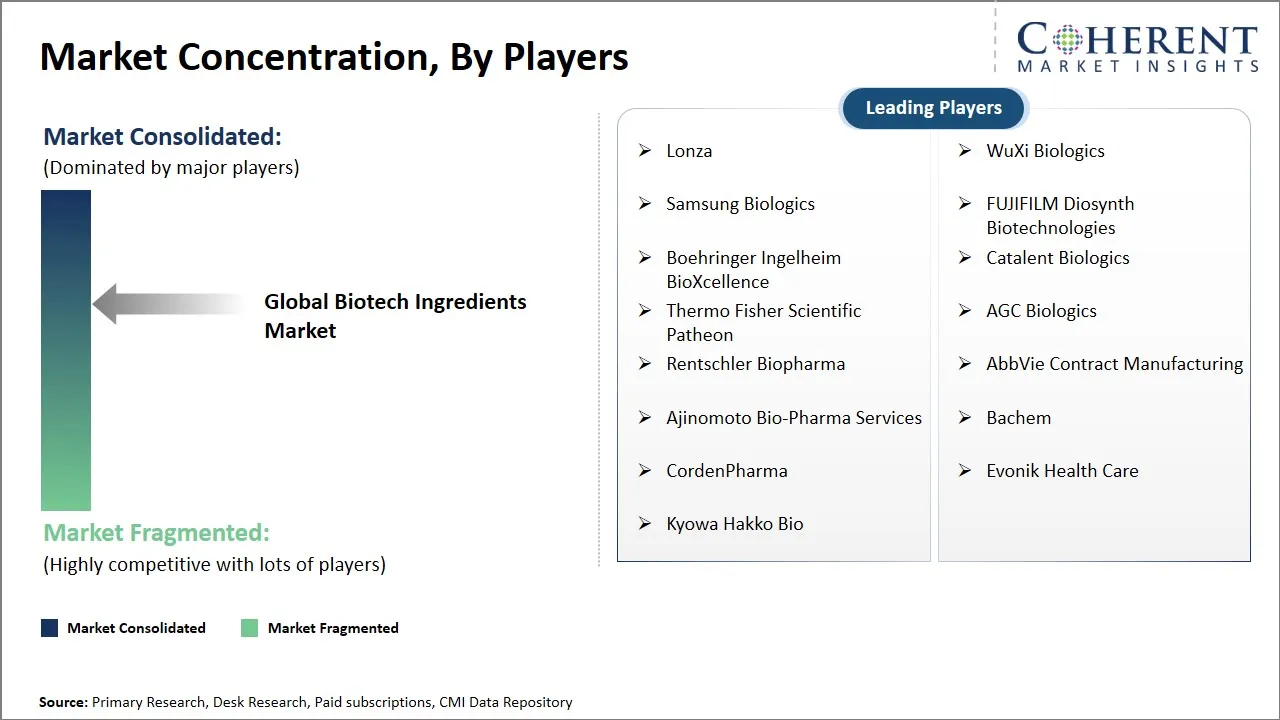
| Companies covered: | Lonza, WuXi Biologics, Samsung Biologics, FUJIFILM Diosynth Biotechnologies, Boehringer Ingelheim BioXcellence, Catalent Biologics, Thermo Fisher Scientific Patheon, AGC Biologics, Rentschler Biopharma, AbbVie Contract Manufacturing, Ajinomoto Bio-Pharma Services, Bachem, CordenPharma, Evonik Health Care, and Kyowa Hakko Bio | ||
| Growth Drivers: |
| ||
| Restraints & Challenges: |
| ||
Biotech Ingredients Market Dynamics
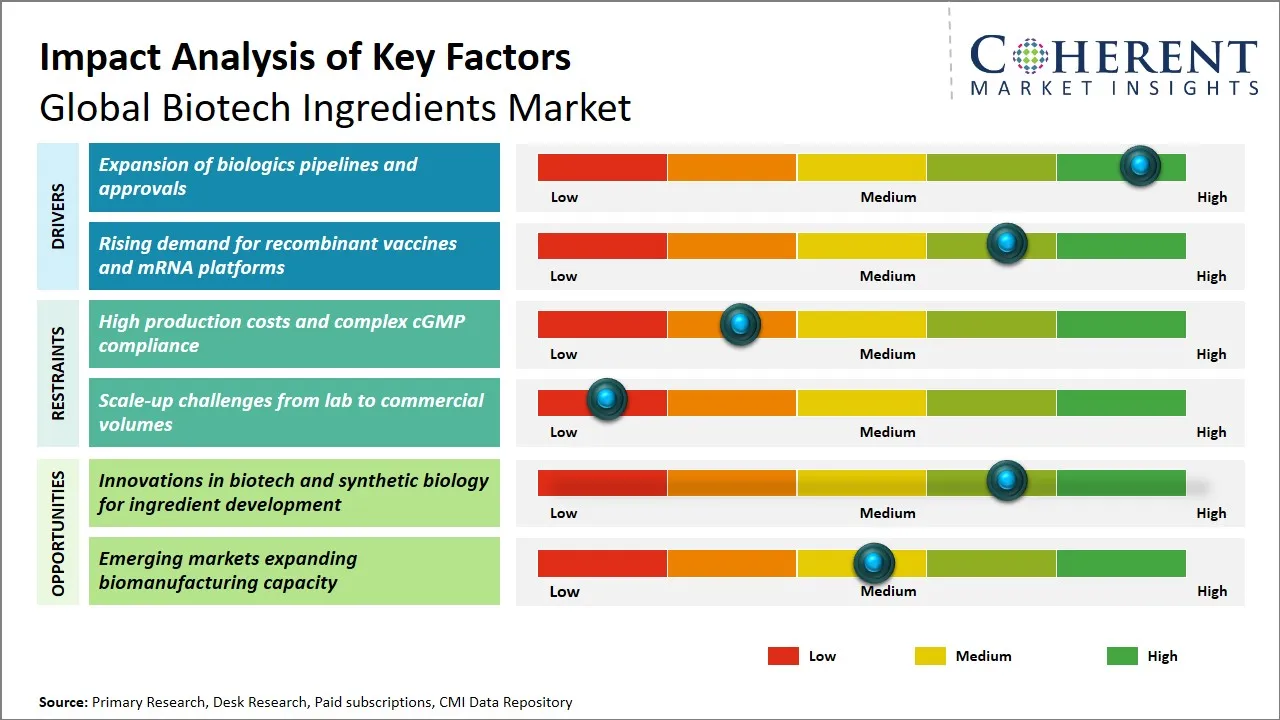
Biotech Ingredients Market Driver - Expansion of Biologics Pipelines and Approvals
The continuous expansion of biologics pipelines is significantly driving the demand for biotech ingredients, as pharmaceutical companies increasingly focus on developing novel biologic therapies to address complex and chronic diseases. Advances in biotechnology have enabled the creation of diverse biologic products, including monoclonal antibodies, vaccines, and cell and gene therapies, which require specialized biotech ingredients to ensure efficacy, stability, and safety. Moreover, regulatory agencies around the world have streamlined approval processes for innovative biologics, encouraging faster market entry and broader acceptance. This increase in biologics approvals not only boosts the production volume but also diversifies the application scope for biotech ingredients, fostering innovation in formulation and manufacturing.
In June 2025, Biocon Biologics Ltd, a global biosimilars company and subsidiary of Biocon Ltd, announced that Health Canada approved Yesafili (aflibercept), the first biosimilar to Eylea in Canada, with its launch scheduled for July 2025. The product, developed as part of Biocon’s expanding biotech ingredients portfolio, is indicated for conditions such as wet age-related macular degeneration, diabetic macular edema, and retinal vein occlusion. The approval, supported by robust clinical and analytical data, marks Biocon Biologics’ 10th biosimilar commercialization worldwide and reflects the company’s commitment to providing high-quality, affordable biologics to patients.
Biotech Ingredients Market Opportunity - Innovations in Biotech and Synthetic Biology for Ingredient Development
The global biotech ingredients market presents a significant growth opportunity driven by rapid advancements in biotechnology and synthetic biology, enabling the development of novel, sustainable, and highly efficient ingredients. These innovations are transforming traditional production methods by utilizing engineered microorganisms, cell cultures, and enzymatic processes, which offer enhanced precision and scalability. Synthetic biology, in particular, allows for the design and construction of custom biological parts and systems that can produce ingredients with improved functionality, purity, and consistency, meeting the rising the demand from diverse sectors such as pharmaceuticals, food and beverages, cosmetics, and agriculture. This approach not only reduces reliance on conventional raw materials but also minimizes environmental impact by lowering resource consumption and waste generation.
In 2025, Antheia is tackling drug shortages with synthetic biology by producing biosynthetic Key Starting Materials and Active Pharmaceutical Ingredients through controlled fermentation, offering a sustainable, scalable, and reliable alternative to fragile plant-based supply chains. This approach strengthens pharmaceutical resilience, cuts environmental impact, and ensures faster access to essential medicines.
Analyst Opinion (Expert Opinion)
- The biotech ingredients market has been evolving rapidly, shaped by a mix of strong scientific progress and increasing healthcare needs. Technological advancements in bioprocessing, such as the use of single-use bioreactors and AI-enabled process monitoring, are making production more efficient and reliable. At the same time, supportive regulatory pathways in regions like the U.S. and Europe are easing the approval of biosimilars and biotech-derived APIs, allowing quicker access to advanced therapies. The growing demand for monoclonal antibodies, vaccines, and specialty proteins is pushing companies to expand pipelines, while new opportunities are opening in emerging markets where governments are aligning local frameworks with global standards. Challenges remain in areas like cost management, complex manufacturing requirements, and supply chain stability, but the overall momentum points toward continued growth. Industry events such as BIO International Convention, CPhI Worldwide, and regional biotech summits have been instrumental in fostering collaborations, shaping policy dialogues, and showcasing breakthrough innovations that directly feed into the market expansion.
- Real-world initiatives are also making a visible impact on this space. For example, global pharma companies have launched collaborative programs to scale oligonucleotide therapies, while public health agencies are investing in biotech-based vaccine manufacturing hubs to secure supply resilience. Partnerships between governments and biotech firms in Asia Pacific and Africa are focusing on affordable biosimilar production, reflecting a shift toward wider accessibility of advanced therapies. These kinds of initiatives, combined with pilot projects in digital bioprocessing and green manufacturing, are not only setting the tone for the industry’s future but also reinforcing the crucial role biotech ingredients play in modern healthcare.
Speak to the analyst
Want personalized insights?
Take the findings above to one of our principal consultants, or have the report rebuilt around the segments, geographies and competitors you actually track.
Market Segmentation
- Product Type Insights (Revenue, USD Bn, 2021 - 2033)
- Monoclonal Antibodies
- Vaccines
- Active Pharmaceutical Ingredients (Biotech-derived APIs)
- Specialty Proteins
- Hormones and Growth Factors
- Therapeutic Enzymes
- Blood Factors (Recombinant)
- Nucleotides and Oligonucleotides
- Biotech-Derived Polysaccharides
- Amino Acids (Pharma Grade)
- Others (Cytokines, etc.)
- Source Insights (Revenue, USD Bn, 2021 - 2033)
- Microbial Fermentation
- Cell Culture Based Sources
- Recombinant DNA Technology
- Synthetic Biology Derived Molecules
- Expression System Insights (Revenue, USD Bn, 2021 - 2033)
- Mammalian Expression Systems
- Microbial Expression Systems
- Yeast Expression Systems
- Plant Expression Systems
- Insect Expression Systems
- End User Insights (Revenue, USD Bn, 2021 - 2033)
- Biopharmaceutical Companies
- Contract Research Organizations (CROs)
- Contract Manufacturing Organizations (CMOs/CDMOs)
- Diagnostic Laboratories
- Academic and Research Institutes
- Regional Insights (Revenue, USD Bn, 2021 - 2033)
- North America
- U.S.
- Canada
- Latin America
- Brazil
- Argentina
- Mexico
- Rest of Latin America
- Europe
- Germany
- U.K.
- Spain
- France
- Italy
- Russia
- Rest of Europe
- Asia Pacific
- China
- India
- Japan
- Australia
- South Korea
- ASEAN
- Rest of Asia Pacific
- Middle East
- GCC Countries
- Israel
- Rest of Middle East
- Africa
- South Africa
- North Africa
- Central Africa
- North America
- Key Players Insights
- Lonza
- WuXi Biologics
- Samsung Biologics
- FUJIFILM Diosynth Biotechnologies
- Boehringer Ingelheim BioXcellence
- Catalent Biologics
- Thermo Fisher Scientific Patheon
- AGC Biologics
- Rentschler Biopharma
- AbbVie Contract Manufacturing
- Ajinomoto Bio-Pharma Services
- Bachem
- CordenPharma
- Evonik Health Care
- Kyowa Hakko Bio
Sources
Primary Research Interviews
- Industry Stakeholders list
- Senior R&D Scientists (Biopharmaceutical Companies)
- Regulatory Affairs Managers (Biotech Manufacturers)
- Quality Assurance Heads (API Production Facilities)
- Product Development Directors (Vaccine Developers)
- Clinical Trial Investigators (Biotech CROs)
- Bioprocess Engineers (Biomanufacturing Plants)
- End Users list
- Hospital Procurement Managers
- Clinical Pharmacologists
- Oncologists & Immunologists
- Academic Research Professors (Life Sciences)
- Laboratory Technicians (Drug Formulation Units)
- Patient Advocacy Group Representatives
Government and International Databases
- U.S. Food and Drug Administration (FDA) – Drugs@FDA Database
- European Medicines Agency (EMA) – Medicines Database
- World Health Organization (WHO) – Global Health Observatory
- National Institutes of Health (NIH) – ClinicalTrials.gov
- United Nations Comtrade Database
- Organization for Economic Co-operation and Development (OECD) Biotechnology Statistics
Trade Publications
- BioPharm International
- Genetic Engineering & Biotechnology News (GEN)
- Pharma Manufacturing
- Fierce Biotech
- European Pharmaceutical Review
- Chemical & Engineering News (C&EN)
Academic Journals
- Nature Biotechnology
- Journal of Biotechnology
- Biotechnology Advances
- Trends in Biotechnology
- Applied Microbiology and Biotechnology
- Journal of Pharmaceutical Sciences
Reputable Newspapers
- The New York Times – Science Section
- The Guardian – Health & Science
- The Wall Street Journal – Health & Pharma
- Financial Times – Life Sciences Coverage
- The Hindu BusinessLine – Healthcare & Pharma
- Nikkei Asia – Biotechnology Developments
Industry Associations
- Biotechnology Innovation Organization (BIO)
- International Federation of Pharmaceutical Manufacturers & Associations (IFPMA)
- European Federation of Pharmaceutical Industries and Associations (EFPIA)
- Indian Drug Manufacturers’ Association (IDMA)
- Japan Bioindustry Association (JBA)
- International Society for Pharmaceutical Engineering (ISPE)
Public Domain Resources
- U.S. National Library of Medicine
- World Bank Open Data – Healthcare & R&D
- U.S. Patent and Trademark Office (USPTO)
- European Patent Office (EPO) – Espacenet Database
- National Center for Biotechnology Information (NCBI)
- Open Access Theses and Dissertations (OATD)
Proprietary Elements
- CMI Data Analytics Tool: Proprietary analytics tool to analyze real-time market trends, consumer behavior, and technology adoption in market
- Proprietary CMI Existing Repository of Information for Last 8 Years
Get access to 250+ pages report
Every segment, forecast, competitor profile and data table behind the analysis above — available for instant download.
- ESOMAR Member
- ISO 9001:2015 Certified
- D-U-N-S Registered
- GDPR & CCPA Compliant
Missing comfort of reading report in your local language? Find your preferred language:
Transform your Strategy with Exclusive Trending Reports
Frequently Asked Questions
The global biotech ingredients market is estimated to be valued at USD 59.68 Bn in 2026 and is expected to reach USD 102.95 Bn by 2033.
The CAGR of the global biotech ingredients market is projected to be 8.1% from 2026 to 2033.
Expansion of biologics pipelines and approvals and rising demand for recombinant vaccines and mRNA platforms are the major factors driving the growth of the global biotech ingredients market.
High production costs and complex cGMP compliance and scale-up challenges from lab to commercial volumes are the major factors hampering the growth of the global biotech ingredients market.
In terms of product type, the monoclonal antibodies segment is estimated to dominate the market revenue share in 2026.
Lonza, WuXi Biologics, Samsung Biologics, FUJIFILM Diosynth Biotechnologies, Boehringer Ingelheim BioXcellence, Catalent Biologics, Thermo Fisher Scientific Patheon, AGC Biologics, Rentschler Biopharma, AbbVie Contract Manufacturing, Ajinomoto Bio-Pharma Services, Bachem, CordenPharma, Evonik Health Care, and Kyowa Hakko Bio are the major players.
North America is expected to lead the global biotech ingredients market in 2026.