

Global Cellular Immunotherapy Market Size and Forecast – 2026 to 2033
The Global Cellular Immunotherapy Market is estimated to be valued at USD 8.81 Bn in 2026 and is expected to reach USD 23.86 Bn by 2033, exhibiting a compound annual growth rate (CAGR) of 15.3% from 2026 to 2033. This robust growth is driven by the increasing adoption of personalized medicine, advancements in gene editing technologies, and rising prevalence of cancer and autoimmune diseases globally. The expanding pipeline of novel therapies and favorable regulatory frameworks further contribute to the market’s promising outlook over the forecast period.
Key Takeaways of the Global Cellular Immunotherapy Market
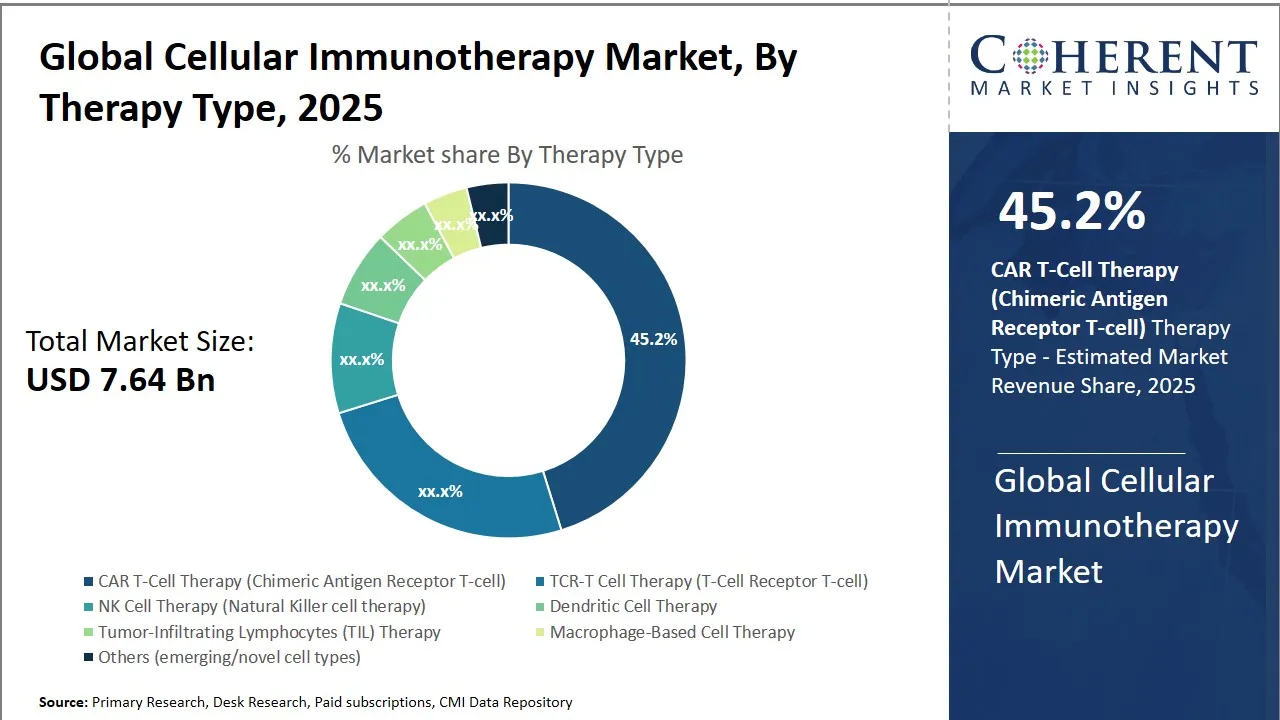
- By therapy type, CAR T-cell therapy (Chimeric Antigen Receptor T-cell) is expected to account for the largest share of the global cellular immunotherapy market at 46.2 % in 2026.
- By source, autologous cellular therapies using patient-derived cells lead the market with an estimated 60.4 % of the market share in 2026
- By indication, cancer remains the dominant segment, representing an estimated 46.6 % of the market share in 2026.
- North America is expected to lead the market, holding an estimated share of 39.5 % in 2026. Asia Pacific is anticipated to be the fastest-growing region, with a market share of 26.7% in 2026.
Market Overview
Current market trends indicate a significant shift towards developing allogeneic and off-the-shelf cellular immunotherapies, reducing manufacturing time and costs compared to autologous therapies. Integration of artificial intelligence and machine learning to optimize treatment protocols and patient selection is gaining momentum. Additionally, collaborations between biotech firms and academic institutions are accelerating innovation, while emerging markets are witnessing increased investment to expand access to cellular immunotherapy treatments. These trends collectively underscore the dynamic evolution of the market landscape.
Current Events and Its Impact
Current Events | Description and its impact |
U.S. FDA approves the first TIL therapy (Amtagvi/lifileucel) for melanoma |
|
Growing Government Funding and Biotechnology Investments |
|
Segmental Insights
- Current Industry Events of 2026
- Market Size Estimation
- Regional Breakdown
- Competitive Landscape
- Customer Intelligence
- Segmental Analysis
- Pricing Analysis
- Key Market Drivers, Challenges & Future Trends
- Customized Insights Section
Cellular Immunotherapy Market Insights, By Therapy Type - Dominance of CAR T-Cell Therapy in Cellular Immunotherapy Market is Driven by Targeted Cancer Treatment and Innovation
In terms of therapy type, CAR T-Cell Therapy (Chimeric Antigen Receptor T-cell) is expected to hold the highest share of the global cellular immunotherapy market with 46.2% in 2026, largely due to its revolutionary approach in targeting and eliminating cancer cells. This therapy harnesses genetically engineered T-cells that are equipped with synthetic receptors capable of recognizing specific antigens on tumor cells. The precision and adaptability of CAR T-cell technology allow it to effectively target hematologic malignancies such as leukemia and lymphoma, conditions where traditional therapies have often faced limitations.
The primary driver behind the dominance of CAR T-cell therapy lies in its successful clinical outcomes, especially in refractory or relapsed blood cancers where conventional treatments fail to achieve remission. The ability of CAR T-cells to persist in the patient’s body and mount a sustained immune response contributes significantly to long-term disease control.
In January 2025, Immuneel Therapeutics, India’s leading cell and gene therapy start-up, launched Qartemi, the country’s first global CAR T-cell therapy for adult B-cell Non-Hodgkin Lymphoma (B-NHL).
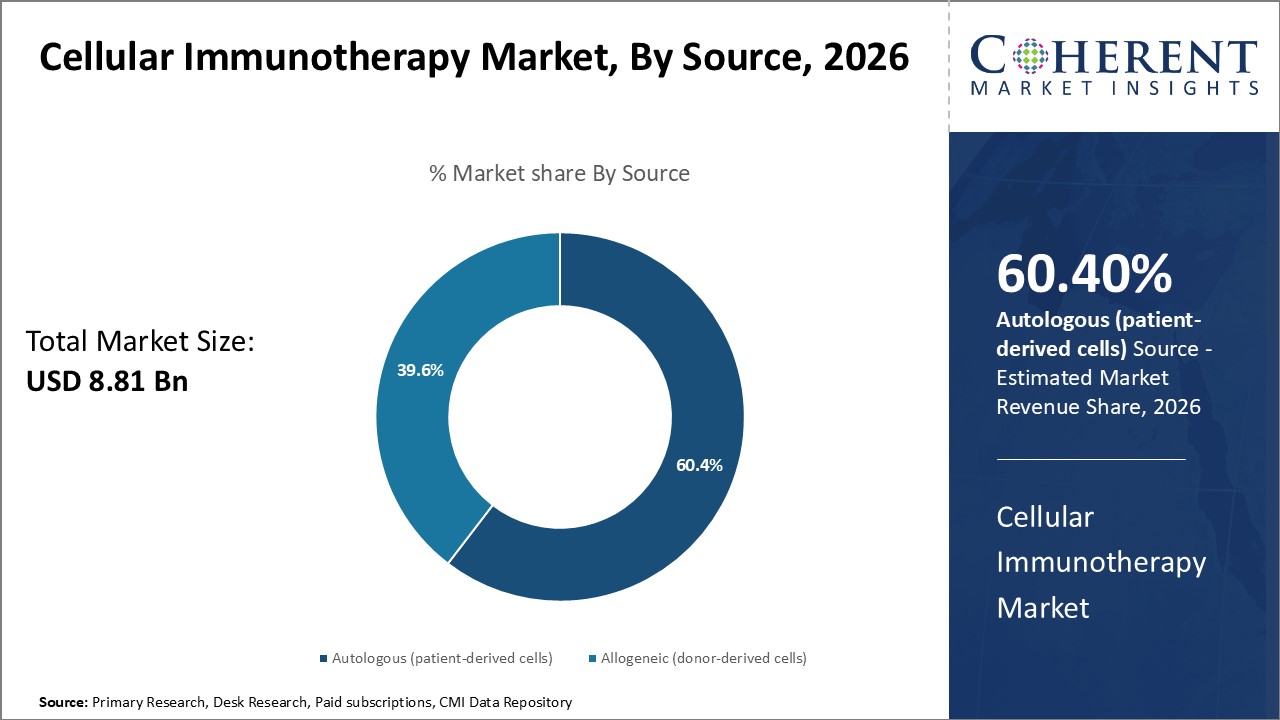
Cellular Immunotherapy Market Insights, By Source - Autologous Cell Sources Dominate Driven by Personalized Treatment Efficacy and Safety
In terms of source, autologous cellular therapies, which use patient-derived cells, represent the largest segment within the global cellular immunotherapy market with an estimated share of 60.4% in 2026. The preference for autologous cells is largely driven by their inherent compatibility with the recipient’s immune system, minimizing the risk of immune rejection and graft-versus-host disease (GVHD). This biocompatibility ensures enhanced safety and effectiveness, particularly in personalized cancer immunotherapies where immune system modulation is critical.
Autologous approaches allow for precise tailoring of therapies by utilizing the patient’s own immune cells that are collected, modified ex vivo, and reintroduced to combat disease. This customization reduces immunogenic complications compared to allogeneic therapies derived from donors, which carry a higher risk of adverse immune reactions. The autologous segment benefits from growing innovations in cell isolation, genetic engineering, and expansion techniques that preserve cell viability and functionality during processing.
Cellular Immunotherapy Market Insights, By Indication – Cancer Dominates Due to Advancement in Immuno-Oncology and Unmet Medical Needs Which Propel Market Growth
In terms of indication, cancer represents the largest segment within the global cellular immunotherapy market with an estimated share of 46.6% in 2026. This is predominantly due to the significant unmet medical needs in oncology, particularly for hematologic malignancies and solid tumors that remain challenging to treat using conventional modalities. Cellular immunotherapies offer a promising paradigm shift by leveraging the immune system to identify and eradicate malignant cells with improved specificity and durability compared to chemotherapy and radiation.
Rapid advancements in immuno-oncology have spotlighted the immune system’s pivotal role in tumor suppression, emphasizing therapies such as CAR T-cells, TCR-T cells, and tumor-infiltrating lymphocyte (TIL) therapies. Hematologic cancers especially benefit from cellular immunotherapies due to the accessibility of target antigens, enabling precise targeting of diseased cells. Moreover, progress in overcoming tumor microenvironment immunosuppression has broadened the potential application of cellular therapies to solid tumors, addressing cancers like lung, breast, ovarian, and melanoma.
Role of Artificial Intelligence (AI) on the Global Cellular Immunotherapy Market
- Artificial Intelligence (AI) is reshaping the global cellular immunotherapy market by accelerating research, optimizing development, and improving patient care. AI-powered predictive analytics helps identify the most promising immune cell therapy candidates and anticipate patient-specific responses by processing vast genomic, proteomic, and clinical datasets. This enables precision-based treatment plans, minimizing trial-and-error and boosting therapy effectiveness. In manufacturing, AI-driven automation streamlines cell processing, quality control, and logistics, reducing costs while enhancing scalability. Industry leaders such as Novartis and Gilead Sciences (Kite Pharma), as well as innovative biotech firms like Insilico Medicine, are leveraging AI to refine CAR-T cell therapies, discover new targets, and shorten development timelines—ultimately making advanced treatments more accessible.
- Beyond operational gains, AI is creating new growth avenues in this market, such as AI-based companion diagnostics, predictive patient outcome platforms, and digital simulation models for therapy optimization. These innovations enable faster product development, greater customization, and stronger competitive positioning. However, the technology’s adoption comes with considerations: ensuring data security, addressing algorithm bias, managing integration costs, and acquiring the right expertise. Companies can harness AI’s potential by embedding it in R&D processes, building partnerships with AI specialists, and standardizing datasets for better model performance.
Regional Insights
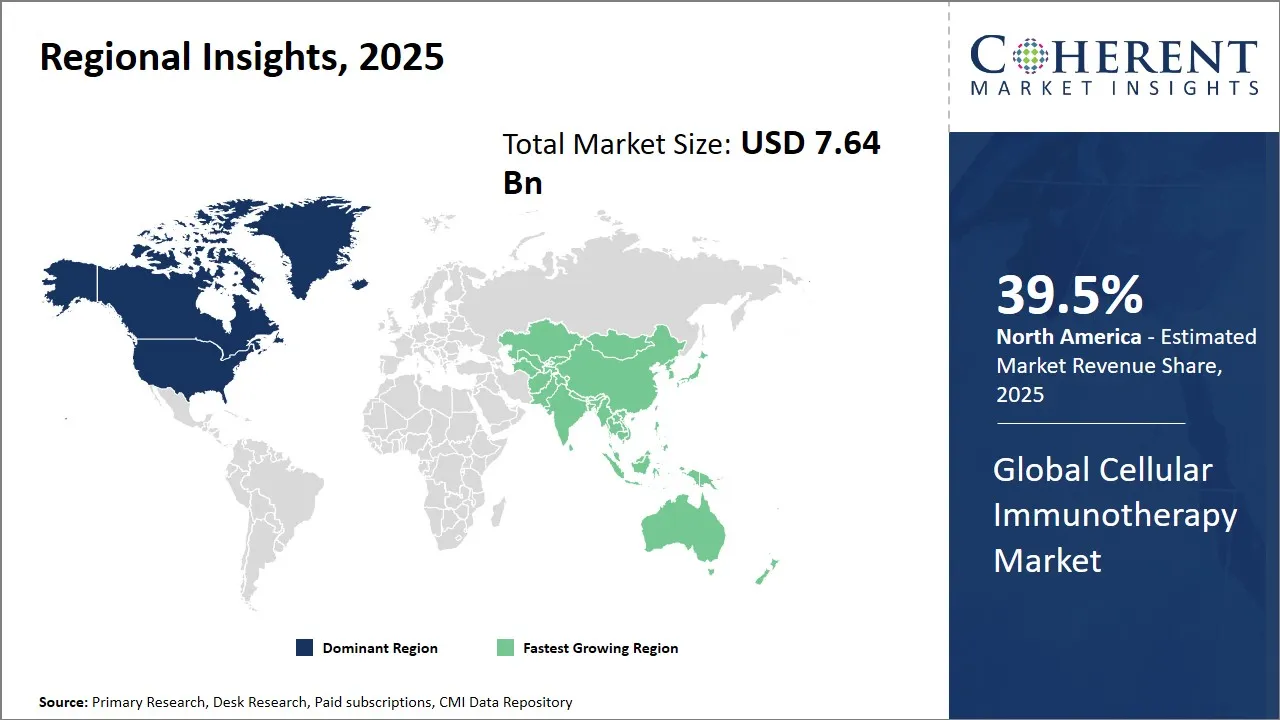
North America Cellular Immunotherapy Market Analysis and Trends
In North America, the dominance in the global cellular immunotherapy market is driven by a highly advanced healthcare infrastructure with an estimated share of 39.5% in 2026, robust research and development capabilities, and favorable government initiatives supporting biotechnological innovations. The U.S., in particular, plays a pivotal role with strong collaboration between academia, industry, and regulatory bodies like the U.S. FDA facilitating streamlined clinical trial approvals and commercialization processes.
Additionally, the presence of leading pharmaceutical and biotechnology companies such as Novartis, Gilead Sciences (through Kite Pharma), and Bristol-Myers Squibb has fostered an ecosystem conducive to rapid innovation and development of novel therapies. The region benefits from high healthcare expenditure, a well-established reimbursement framework, and access to a large patient pool, which accelerates market penetration of cellular immunotherapies.
Asia Pacific Cellular Immunotherapy Market Analysis and Trends
The Asia Pacific region is expected to exhibit the fastest growth in the cellular immunotherapy market, with a projected share of 26.7% in 2026. This growth is driven by rapidly improving healthcare infrastructure, increasing prevalence of cancer and other immune-related diseases, and growing investments in biopharmaceutical R&D, particularly in countries like China, Japan, and South Korea. Governments in this region have taken proactive measures to boost the biotechnology sector through favorable policies, expedited drug approval frameworks, and significant public funding aimed at innovations in personalized medicine and immunotherapies. The expanding middle-class population and growing affordability of advanced medical treatments are also driving demand. Local and multinational companies are increasingly collaborating to accelerate clinical developments and market launches.
In December 2021, Kite, a U.S.-based Gilead Company specializing in cell therapy, and Daiichi Sankyo Company, Limited, a leading Japan-based global pharmaceutical firm, announced the authorization of Japan’s first treatment site for YESCARTA (axicabtagene ciloleucel), a CAR T-cell therapy for relapsed or refractory large B-cell lymphomas.
Global Cellular Immunotherapy Market Outlook for Key Countries
U.S. Cellular Immunotherapy Market Trends
The U.S. continues to lead the global cellular immunotherapy market with a strong emphasis on innovation and commercialization of CAR-T therapies and other cell-based treatments. Pioneering companies like Novartis and Gilead Sciences have launched several breakthrough products here, supported by comprehensive clinical trial networks and robust patent frameworks. The government’s proactive stance on accelerating biotech approvals and investments in immunotherapy research significantly contributes to maintaining the country’s leadership.
In November 2024, the University of Texas MD Anderson Cancer Center, a leading U.S.-based cancer research and treatment institution, announced the launch of its Institute for Cell Therapy Discovery & Innovation to advance transformative cell therapies for cancer, autoimmune diseases, infections, and other conditions.
China Cellular Immunotherapy Market Trends
China’s cellular immunotherapy market is witnessing remarkable expansion driven by supportive regulatory reforms and growing investments in biotechnology innovation. Key players such as Legend Biotech, Fosun Pharma, and JW Therapeutics are instrumental in advancing CAR-T and TCR-T therapies through extensive clinical developments within the country. The government’s focus on becoming a global biotech leader, along with initiatives to simplify approval processes and increase healthcare accessibility, bolster market growth. The increasing incidence of cancer and enhanced healthcare expenditure contribute to expanding the patient pool for advanced therapies.
In April 2022, JW Therapeutics, a China-based independent biotechnology company specializing in the development, manufacturing, and commercialization of cell immunotherapy products, announced that its therapies have successfully treated 200 Chinese patients through both clinical studies and commercial use.
Germany Cellular Immunotherapy Market Trends
Germany serves as a crucial market in Europe, with strong pharmaceutical and biotechnology sectors underpinning cellular immunotherapy advancements. The country benefits from robust public funding in biomedical research and a collaborative ecosystem involving institutions like BioNTech and other innovative biotechs. Germany’s supportive reimbursement policies and access to European regulatory frameworks facilitate the introduction of novel therapies. The presence of multinational corporations and specialized SMEs enables comprehensive clinical trial capabilities, allowing Germany to be an essential strategic market in European cellular immunotherapy development.
Japan Cellular Immunotherapy Market Trends
Japan’s cellular immunotherapy market is strongly supported by government policies aimed at fostering regenerative medicine and advanced biotechnologies. The Pharmaceuticals and Medical Devices Agency (PMDA) offers conditional approvals to speed therapy availability, encouraging innovation. Major pharmaceutical companies such as Takeda and Daiichi Sankyo actively contribute to the pipeline with a focus on CAR-T and next-generation cell therapies. Japan’s aging population and high prevalence of cancer create a significant demand for advanced immunotherapies, while collaborations between academia and industry institutions further enhance clinical development and market expansion.
In December 2023, Bristol-Myers Squibb K.K., the Japan arm of the U.S.-based global biopharmaceutical company, Bristol Myers Squibb, received approval for a supplemental New Drug Application in Japan for Abecma (idecabtagene vicleucel), a BCMA-directed CAR T cell therapy, for use in patients with relapsed or refractory multiple myeloma who have received at least two prior treatments.
Market Players, Key Developments, and Competitive Intelligence
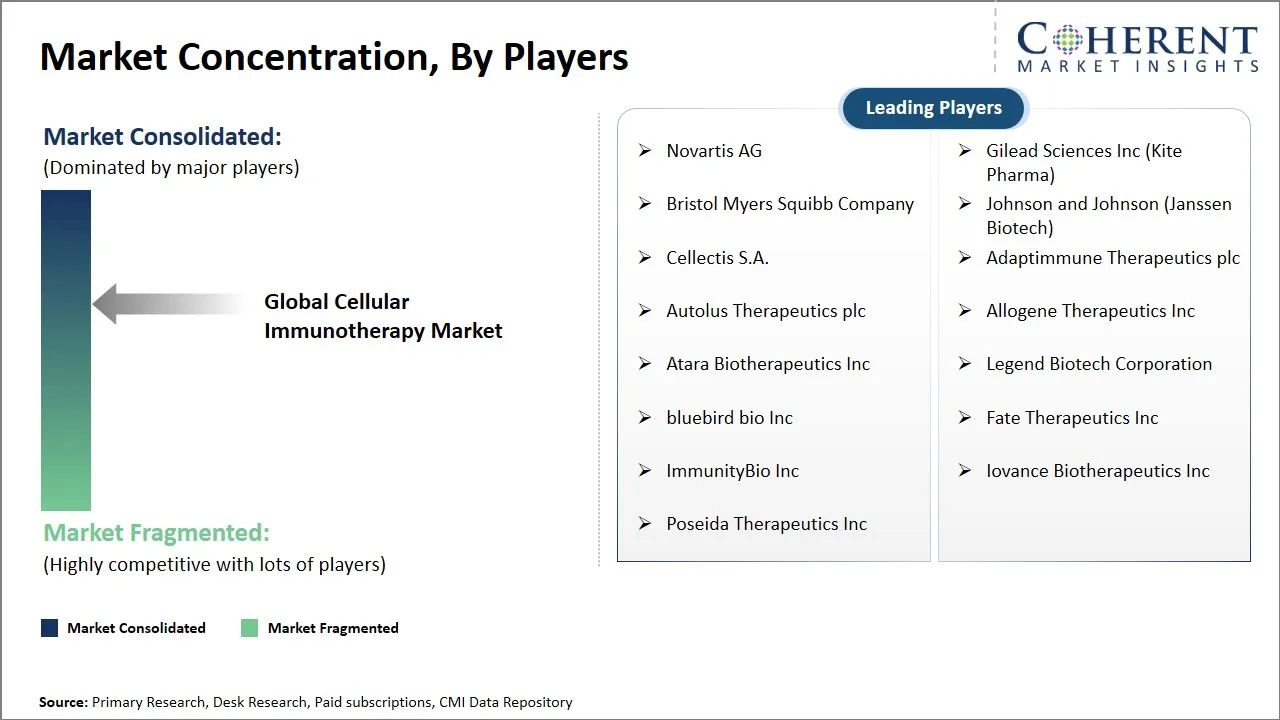
Key Developments
- On August 05, 2025, Intas Pharmaceuticals Ltd, a global pharmaceutical company with a strong presence in oncology and biosimilars), launched HETRONIFLY (Serplulimab), India’s first novel immunotherapy and the world’s first PD-1 inhibitor approved for Extensive-Stage Small Cell Lung Cancer (ES-SCLC). The launch, following a strategic licensing agreement with Shanghai Henlius Biotech, Inc. (a China-based biopharmaceutical company specializing in monoclonal antibodies and innovative biologics), strengthens Intas oncology portfolio.
- In February 2025, TG Therapeutics a U.S.-based biopharmaceutical company, signed a licensing agreement with MaxCyte (a U.S.-based cell-engineering technology company) to use MaxCyte’s Flow Electroporation technology and ExPERT platform for research, clinical, and commercial purposes in developing novel immunotherapies. The deal grants TG nonexclusive rights, while MaxCyte will receive annual licensing fees and program-related revenue.
- In January 2025, a new CAR-NK cell-based immunotherapy approach, developed by Fate Therapeutics, a U.S.-based biopharmaceutical company, specializing in induced pluripotent stem cell (iPSC)-derived cell therapies, has shown promising results in treating B-cell lymphomas in a Phase 1 clinical trial published in The Lancet.
- In December 2024, Tampa General Hospital (TGH), a U.S.-based leading academic health system, launched a new outpatient Cellular-Immunotherapy Transplant Unit (CTU) at the TGH Cancer Institute to provide alternative cell therapy treatments for aggressive blood cancers, including leukemias, lymphomas, and multiple myeloma.
Top Strategies Followed by Global Cellular Immunotherapy Market Players
- The global cellular immunotherapy market is characterized by a dynamic and competitive landscape, shaped by a diverse array of players ranging from well-established pharmaceutical giants to innovative startups. Leading market incumbents consistently invest heavily in research and development (R&D) as a cornerstone strategy to drive product innovation and improve therapeutic efficacy. These companies prioritize the development of high-performance cellular therapies that address unmet medical needs, such as advanced CAR-T cell therapies with enhanced safety profiles and expanded indications. To fortify their market position, major players form strategic alliances with other pharmaceutical corporations, original equipment manufacturers (OEMs), and biotechnology firms.
- In June 2025, Johnson & Johnson, a U.S.-based global healthcare and pharmaceutical company, reported that its dual-target CAR-T therapy JNJ-90014496 achieved a 100% objective response rate in first-line large B-cell lymphoma patients, with no cases of Grade 3 or 4 cytokine release syndrome.
- Mid-level players in the cellular immunotherapy space adopt a distinct approach centered on delivering cost-effective yet quality-driven solutions to capture price-sensitive segments of the market. These companies recognize the barriers to accessibility inherent in highly specialized therapies and consequently focus on optimizing manufacturing processes and supply chains to reduce costs without compromising therapeutic value. By balancing affordability with clinical effectiveness, mid-sized firms aim to broaden patient access, particularly in developing countries and underserved regions.
- In September 2024, LumaCyte, a U.S.-based leader in advanced cellular analysis and precision bioanalytics, launched a predictive CAR T donor analytics application designed to transform cell therapy manufacturing. Using its proprietary Laser Force Cytology (LFC) technology and Radiance instrument, the company provides deep insights into variable patient and donor cellular starting material, enabling developers to forecast manufacturing success.
- Small-scale players in the global cellular immunotherapy market carve out specialized niches by concentrating on unique therapeutic features or pioneering innovative products that differentiate them from larger competitors. Their agility allows them to quickly adopt cutting-edge technologies, such as gene editing tools and novel vector systems, positioning them at the forefront of scientific advances. Given their limited resources, these firms often focus on regional markets, cultivating local alliances with startups, academic institutions, and indigenous manufacturers to gain market entry and increase visibility.
- In September 2024, Vironexis Biotherapeutics, a U.S.-based biotechnology company, emerged from stealth with the launch of its TransJoin AAV Gene Therapy Platform and a pipeline of over 10 candidates targeting blood-based cancers, solid tumor metastasis prevention, and a cancer vaccine.
Market Report Scope
Cellular Immunotherapy Market Report Coverage
| Report Coverage | Details | ||
|---|---|---|---|
| Base Year: | 2025 | Market Size in 2026: | USD 8.81 Bn |
| Historical Data for: | 2020 To 2024 | Forecast Period: | 2026 To 2033 |
| Forecast Period 2026 to 2033 CAGR: | 15.3% | 2033 Value Projection: | USD 23.86 Bn |
| Geographies covered: |
| ||
| Segments covered: |
| ||
| Companies covered: | Novartis AG, Gilead Sciences Inc (Kite Pharma), Bristol Myers Squibb Company, Johnson and Johnson (Janssen Biotech), Cellectis S.A., Adaptimmune Therapeutics plc, Autolus Therapeutics plc, Allogene Therapeutics Inc, Atara Biotherapeutics Inc, Legend Biotech Corporation, bluebird bio Inc, Fate Therapeutics Inc, ImmunityBio Inc, Iovance Biotherapeutics Inc, and Poseida Therapeutics Inc | ||
| Growth Drivers: |
| ||
| Restraints & Challenges: |
| ||
Cellular Immunotherapy Market Dynamics
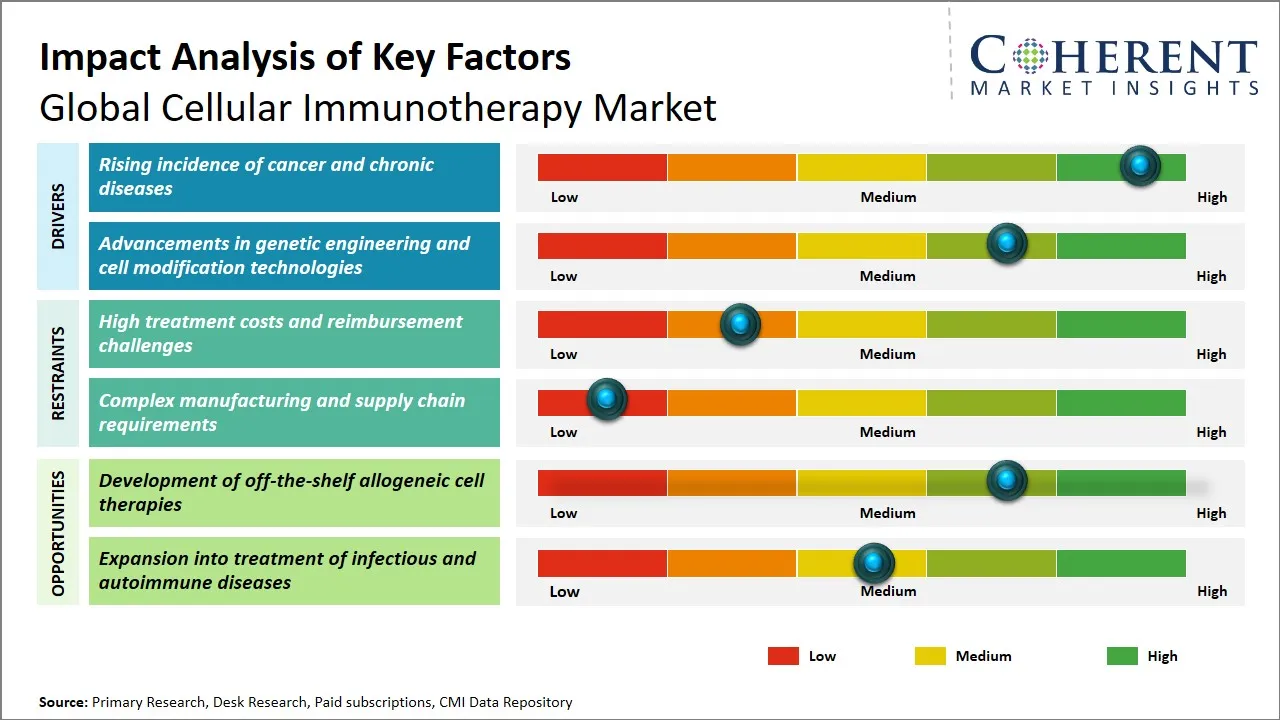
Cellular Immunotherapy Market Driver - Rising incidence of cancer and chronic diseases
The global cellular immunotherapy market is witnessing strong growth momentum, driven in large part by the rising incidence of cancer and chronic diseases worldwide. According to the World Health Organization, in February 2025, cancer remains one of the leading causes of death, with cases projected to increase significantly over the next decade due to aging populations, lifestyle factors, and environmental influences. Cancer remains a leading cause of death globally, responsible for nearly 10 million deaths in 2020—around one in every six worldwide. The most common cancers include breast (2.26 million cases), lung (2.21 million), colon and rectum (1.93 million), prostate (1.41 million), non-melanoma skin (1.20 million), and stomach (1.09 million), with lung cancer alone causing 1.80 million deaths.
Similarly, chronic diseases such as autoimmune disorders and certain infectious conditions are becoming more prevalent, creating an urgent demand for advanced, targeted treatment options that can offer durable responses and improved survival rates. In January 2024, according to National Library of Medicine, the rising prevalence of chronic diseases (CCDs) is a major factor in the recent decline in U.S. life expectancy, with 7 of the 10 leading causes of death linked to conditions such as heart disease, diabetes, obesity, and chronic respiratory illnesses.
Cellular Immunotherapy Market Opportunity - Development of off-the-shelf allogeneic cell therapies
The development of off-the-shelf allogeneic cell therapies presents a significant growth opportunity in the cellular immunotherapy market. Unlike autologous therapies, which require cells to be harvested, engineered, and re-infused for each individual patient, allogeneic approaches use donor-derived cells that can be manufactured in bulk, stored, and made readily available when needed.
In addition to improving accessibility, off-the-shelf allogeneic therapies have the potential to lower manufacturing costs through large-scale production, creating more affordable treatment options for healthcare systems worldwide. Their scalability also opens pathways for broader geographic reach, including regions with limited cell therapy infrastructure.
In April 2025, Cellistic (a Belgium-based pioneer in induced pluripotent stem cell (iPSC)-based therapies) launched its Echo-NK platform, a scalable and cost-effective solution for manufacturing off-the-shelf allogeneic NK cell therapies targeting blood cancers, solid tumors, and autoimmune diseases.
Analyst Opinion (Expert Opinion)
- The global cellular immunotherapy market is experiencing a strong growth phase, driven by rapid technological advancements in cell engineering, increasing regulatory approvals for novel therapies, and rising demand for targeted cancer treatments. Breakthroughs in CAR-T and NK cell platforms, along with improved manufacturing scalability, are making therapies more accessible to patients across multiple regions. Supportive regulatory pathways in the U.S., Europe, and Asia Pacific are accelerating clinical trial timelines and approvals, while the expansion of personalized medicine is creating new opportunities in rare and hard-to-treat cancers. However, high treatment costs, complex production processes, and challenges in ensuring long-term safety and efficacy remain key hurdles. Emerging opportunities lie in allogeneic “off-the-shelf” therapies, which promise lower costs and faster deployment, as well as the integration of AI and big data to optimize patient selection and therapy outcomes.
- Industry engagement has been strengthened by leading events such as the American Society of Hematology (ASH) Annual Meeting, the European Society for Blood and Marrow Transplantation (EBMT) Congress, and the World Oncology Forum, which have provided platforms for sharing clinical breakthroughs, shaping policy directions, and showcasing next-gen technologies. Real-world initiatives, such as Bristol Myers Squibb’s expansion of CAR-T therapy access programs, Novartis’ global manufacturing network for Kymriah, and government-backed pilot projects in China to streamline cell therapy commercialization, are reshaping market accessibility and scale. These collaborative efforts, coupled with cross-border research partnerships, are setting the stage for wider adoption, improved affordability, and greater patient impact in the years ahead.
Speak to the analyst
Want personalized insights?
Take the findings above to one of our principal consultants, or have the report rebuilt around the segments, geographies and competitors you actually track.
Market Segmentation
- Therapy Type Insights (Revenue, USD Bn, 2021 - 2033)
- CAR T-Cell Therapy (Chimeric Antigen Receptor T-cell)
- TCR-T Cell Therapy (T-Cell Receptor T-cell)
- NK Cell Therapy (Natural Killer cell therapy)
- Dendritic Cell Therapy
- Tumor-Infiltrating Lymphocytes (TIL) Therapy
- Macrophage-Based Cell Therapy
- Others (emerging/novel cell types)
- Source Insights (Revenue, USD Bn, 2021 - 2033)
- Autologous (patient-derived cells)
- Allogeneic (donor-derived cells)
- Indication Insights (Revenue, USD Bn, 2021 - 2033)
- Cancer
- Hematologic Malignancies (e.g., leukemia, lymphoma, myeloma)
- Solid Tumors (e.g., lung, breast, melanoma, ovarian, glioblastoma)
- Infectious Diseases
- Viral Infections (e.g., HIV, HBV, HCV, COVID-19)
- Bacterial Infections (e.g., tuberculosis)
- Autoimmune Disorders
- Multiple Sclerosis
- Rheumatoid Arthritis
- Type 1 Diabetes
- Others
- Manufacturing Modality Insights (Revenue, USD Bn, 2021 - 2033)
- Ex Vivo Cell Expansion
- In Vivo Engineering
- End User Insights (Revenue, USD Bn, 2021 - 2033)
- Hospitals and Clinics
- Specialty Endocrinology and Obesity Centers
- Ambulatory Surgical Centers (ASCs)
- Home Healthcare Services
- Others (Academic and Research Institutes, etc.)
- Regional Insights (Revenue, USD Bn, 2021 - 2033)
- North America
- U.S.
- Canada
- Latin America
- Brazil
- Argentina
- Mexico
- Rest of Latin America
- Europe
- Germany
- U.K.
- Spain
- France
- Italy
- Russia
- Rest of Europe
- Asia Pacific
- China
- India
- Japan
- Australia
- South Korea
- ASEAN
- Rest of Asia Pacific
- Middle East
- GCC Countries
- Israel
- Rest of Middle East
- Africa
- South Africa
- North Africa
- Central Africa
- North America
- Key Players Insights
- Novartis AG
- Gilead Sciences Inc (Kite Pharma)
- Bristol Myers Squibb Company
- Johnson and Johnson (Janssen Biotech)
- Cellectis S.A.
- Adaptimmune Therapeutics plc
- Autolus Therapeutics plc
- Allogene Therapeutics Inc
- Atara Biotherapeutics Inc
- Legend Biotech Corporation
- bluebird bio Inc
- Fate Therapeutics Inc
- ImmunityBio Inc
- Iovance Biotherapeutics Inc
- Poseida Therapeutics Inc
Sources
Primary Research Interviews
Industry Stakeholders List
- Senior executives from biopharmaceutical companies involved in immunotherapy
- Clinical researchers and oncologists specializing in cell-based therapies
- Regulatory affairs specialists in drug approval bodies
- Manufacturing heads at GMP-certified cell therapy facilities
- Clinical trial coordinators for immunotherapy studies
- R&D directors from biotechnology firms
End-Users List
- Patients undergoing CAR-T or NK cell therapy
- Patient advocacy group representatives
- Hospital procurement managers for oncology treatments
- Directors of cancer treatment centers
- Immunotherapy-specialized nurses and clinicians
- Health insurance policy advisors
Government and International Databases
- U.S. Food and Drug Administration (FDA)
- European Medicines Agency (EMA)
- World Health Organization (WHO)
- National Cancer Institute (NCI)
- ClinicalTrials.gov
- Medicines and Healthcare products Regulatory Agency (MHRA – UK)
Trade Publications
- FierceBiotech
- BioPharma Dive
- Genetic Engineering & Biotechnology News (GEN)
- Pharmaceutical Technology
- Endpoints News
- Labiotech.eu
Academic Journals
- Nature Reviews Drug Discovery
- The Lancet Oncology
- Journal of Immunotherapy
- Blood (American Society of Hematology)
- Cell Stem Cell
- Cancer Immunology Research
Reputable Newspapers
- The New York Times – Health Section
- The Guardian – Science Section
- The Washington Post – Health and Science
- Financial Times – Health & Pharmaceuticals
- BBC News – Health
- Reuters – Health News
Industry Associations
- International Society for Cell & Gene Therapy (ISCT)
- American Society of Gene & Cell Therapy (ASGCT)
- European Society for Blood and Marrow Transplantation (EBMT)
- American Association for Cancer Research (AACR)
- Society for Immunotherapy of Cancer (SITC)
- Alliance for Regenerative Medicine (ARM)
Public Domain Resources
- National Institutes of Health (NIH) Open Access Articles
- World Bank Health Statistics
- WHO Global Health Observatory (GHO) Data
- OECD Health Data
- European Commission – Health and Food Safety Data
Proprietary Elements
- CMI Data Analytics Tool: Proprietary analytics tool to analyze real-time market trends, consumer behavior, and technology adoption in market
- Proprietary CMI Existing Repository of Information for Last 8 Years
Get access to 250+ pages report
Every segment, forecast, competitor profile and data table behind the analysis above — available for instant download.
- ESOMAR Member
- ISO 9001:2015 Certified
- D-U-N-S Registered
- GDPR & CCPA Compliant
Missing comfort of reading report in your local language? Find your preferred language:
Transform your Strategy with Exclusive Trending Reports
Frequently Asked Questions
The global cellular immunotherapy market is estimated to be valued at USD 8.81 Bn in 2026 and is expected to reach USD 23.86 Bn by 2033.
The CAGR of global cellular immunotherapy market is projected to be 15.3% from 2026 to 2033.
Rising incidence of cancer and chronic diseases and advancements in genetic engineering and cell modification technologies are the major factors driving the growth of the global cellular immunotherapy market.
High treatment costs and reimbursement challenges and complex manufacturing and supply chain requirements are the major factors hampering the growth of the global cellular immunotherapy market.
In terms of therapy type, CAR T-Cell Therapy (Chimeric Antigen Receptor T-cell) is estimated to dominate the market revenue share in 2026.
The market is expected to grow rapidly with innovations in allogeneic cell therapies, AI integration, and broader disease applications.
Efficient and scalable manufacturing ensures consistent product quality, reduces costs, and supports wider patient access.