

Global Desonide Market Size and Forecast – 2026 to 2033
The global desonide market is estimated to be valued at USD 173.6 Mn in 2026 and is expected to reach USD 275.1 Mn by 2033, exhibiting a compound annual growth rate (CAGR) of 6.8% from 2026 to 2033. This steady growth is driven by increasing prevalence of inflammatory skin conditions and rising demand for effective topical corticosteroid treatments worldwide. Expanding healthcare infrastructure and improved access to dermatological therapies further support market expansion during the forecast period.
Key Takeaways of the Global Desonide Market
- The cream/ointment segment is projected to account for 46.3% of the market share in 2026.
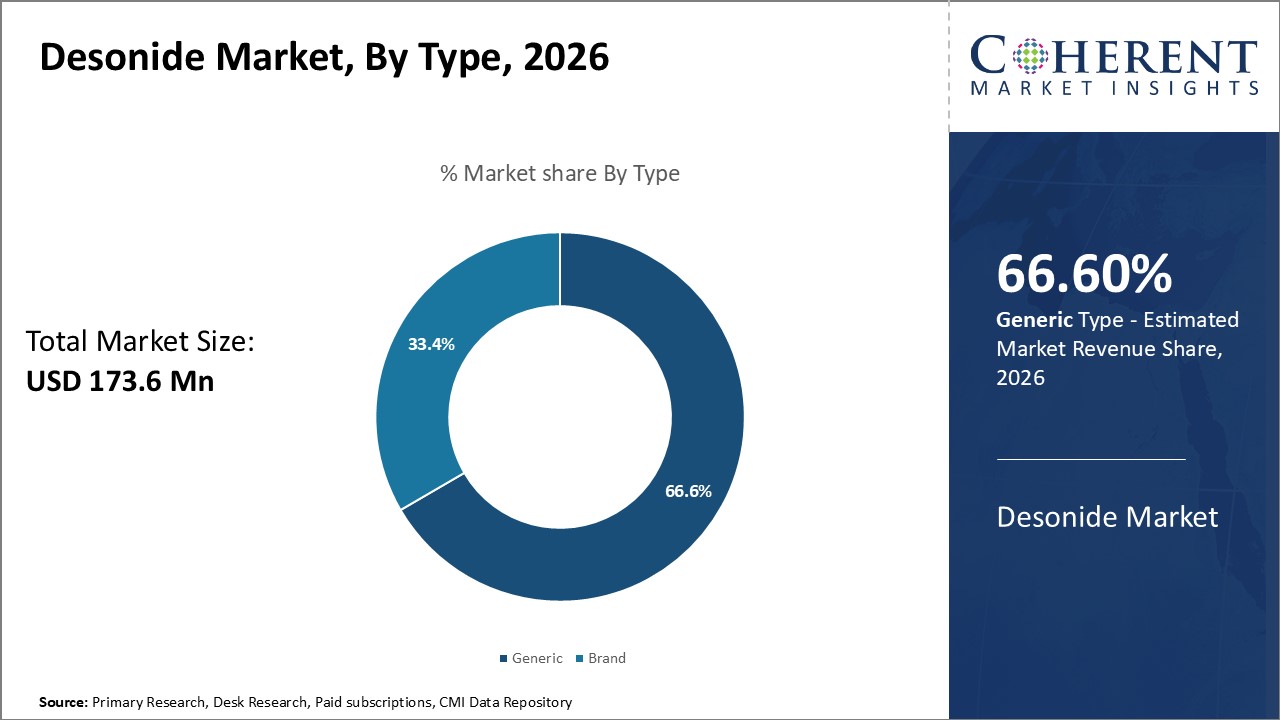
- The generic segment will account for the largest share at 66.6 % in 2026.
- Prescription-only (Rx) segment is expected to capture 56.6 % share in 2026.
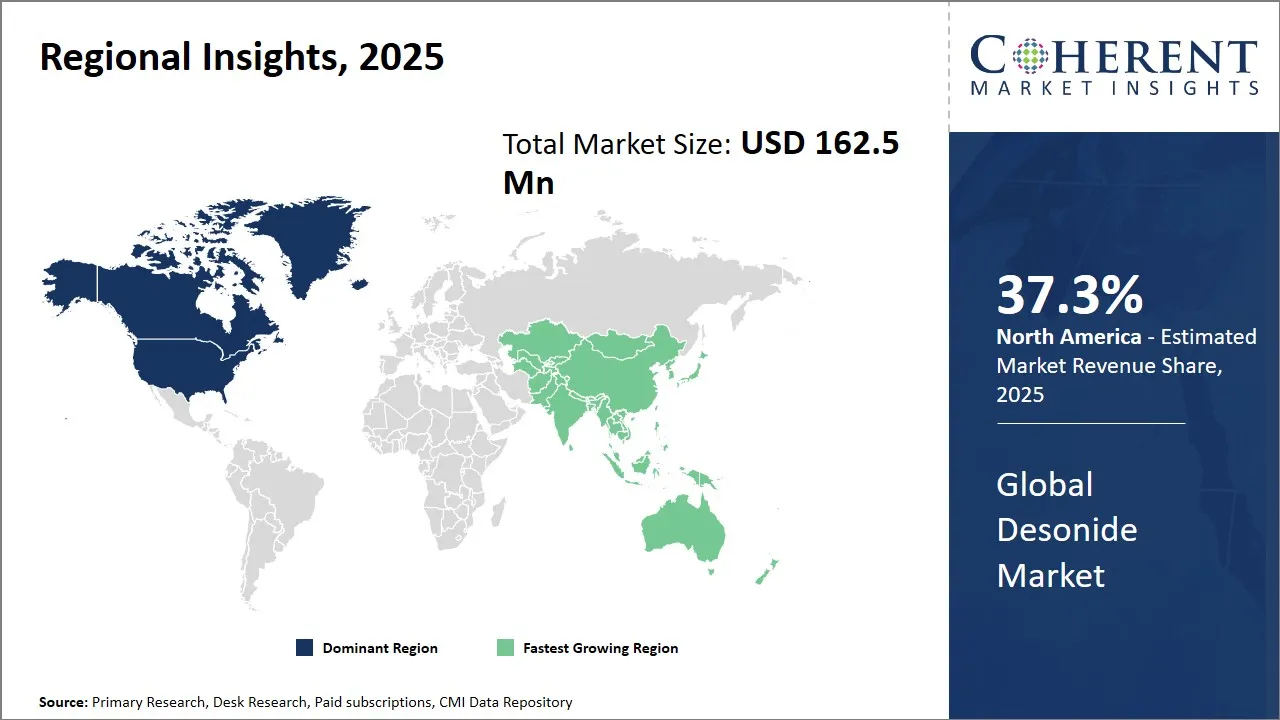
- North America is expected to lead the market, holding a share of 37.3 % in 2026. Asia Pacific is anticipated to be the fastest-growing region, with an estimated market share of 24.5% in 2026.
Market Overview
A significant trend within the desonide market is the growing preference for safer, low-potency corticosteroids due to their favorable safety profile, especially among pediatric and sensitive patient populations. Additionally, pharmaceutical companies are investing in innovative formulations, such as creams, ointments, and lotions, to enhance patient compliance and therapeutic outcomes. The rising awareness about skin health, coupled with increasing adoption of personalized medicine approaches, is also facilitating market growth and driving the evolution of treatment protocols globally.
Current Events and Its Impact
Current Events | Description and its Impact |
Advancements in Drug Delivery Formulations |
|
Rising Prevalence of Inflammatory Skin Diseases |
|
Segmental Insights
- Current Industry Events of 2026
- Market Size Estimation
- Regional Breakdown
- Competitive Landscape
- Customer Intelligence
- Segmental Analysis
- Pricing Analysis
- Key Market Drivers, Challenges & Future Trends
- Customized Insights Section
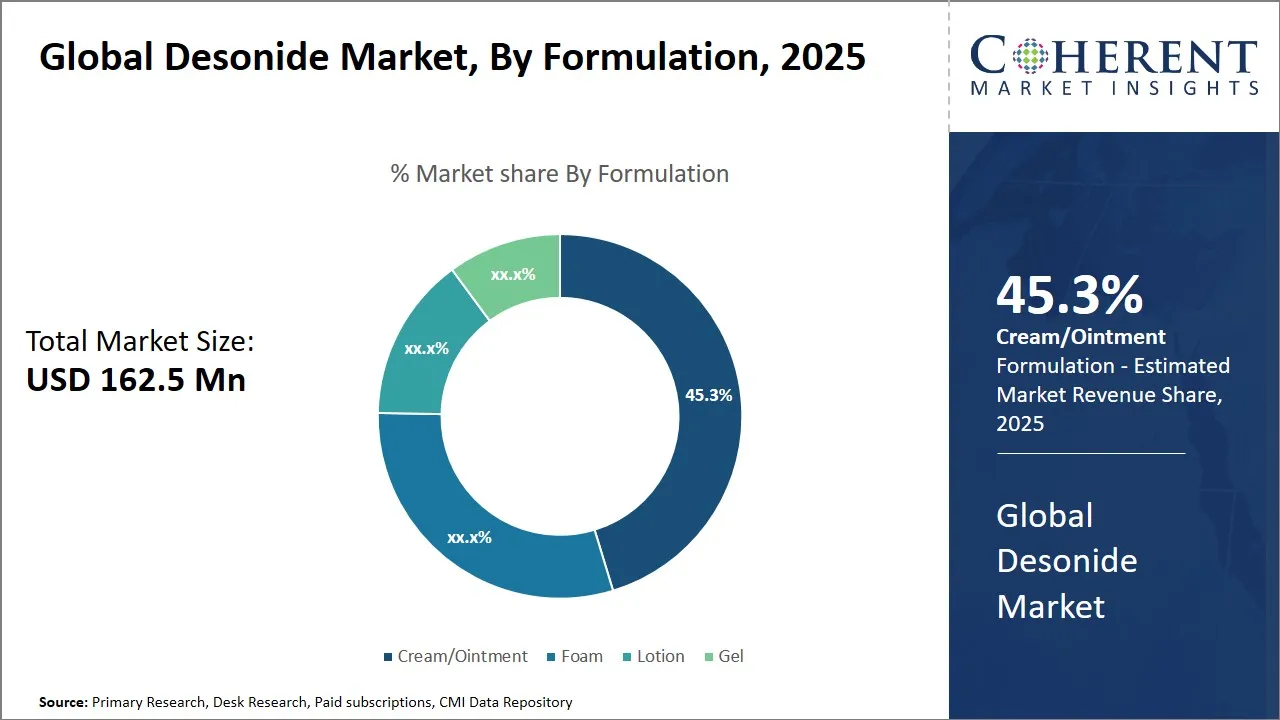
Desonide Market Insights, by Formulation - Cream/Ointment Contributes the Highest Share of the Market Owning to its Versatility and Established Clinical Efficacy
The cream/ointment segment is projected to hold 46.3% share in 2026, due to its broad acceptance among patients and medical professionals. For topical corticosteroids like desonide, creams and ointments have long been the preferred form due to their dual benefits: creams are easy to apply and absorb quickly, while ointments have a more occlusive effect that improves drug penetration and hydration in areas of dry or thick skin.
For example, Cadila Healthcare Ltd, a leading Indian pharmaceutical company based in Ahmedabad, India, released the safety data sheet for its desonide cream 0.05% a low potency corticosteroid used to treat inflammatory and itchy skin conditions. The cream available in 15 g and 60 g packs is recommended for short-term topical use and shows a low incidence of adverse reactions such as itching, rash, and mild irritation.
Desonide Market Insights, by Type - Generic Segment dominate the market driven by Cost-Effectiveness and Increasing Healthcare Affordability Needs
The generic segment is projected to account for 66.6% share in 2026, due to the growing demand for affordable and accessible healthcare solutions worldwide. With rising healthcare expenditures and increasing patient populations requiring long-term management of chronic skin conditions, generic formulations have become crucial for cost containment without compromising therapeutic efficacy.
For example, Teligent, a specialty generics company from New Jersey, received U.S. FDA approval in partnership with Impax Laboratories for desonide lotion 0.05%. Under this deal, Teligent made the product while Impax managed its sales.
Desonide Market Insights, by Prescription Status - Prescription-only (Rx) Segment Lead the Market Owing to Stringent Regulatory Controls and the Need for Medical Oversight
Prescription-only (Rx) segment is expected to capture 56.6% share in 2026, because of the inherent nature of corticosteroid medications, which require careful medical supervision to ensure safe and effective use. Desonide’s pharmacological profile, which includes potent anti-inflammatory effects, demands that clinicians monitor its application to avoid adverse effects like skin thinning or systemic complications.
The prescription status serves as a crucial gatekeeper mechanism, ensuring that patients receive proper diagnosis, dosage recommendations, and guidance on the duration and frequency of use. This controlled approach minimizes misuse and potential resistance issues, fostering a balance between efficacy and safety.
Regional Insights
North America Desonide Market Analysis and Trends
North America region is projected to lead the market with a 37.3% share in 2026, driven by a highly developed healthcare infrastructure, widespread awareness of dermatological conditions, and robust pharmaceutical R&D activities. The presence of leading pharmaceutical companies such as Pfizer, Mylan (now part of Viatris), and Allergan has strengthened the market ecosystem through innovation and extensive product portfolios.
Regulatory support from agencies like the U.S. FDA ensures stringent quality controls, which boosts consumer confidence and adoption of topical corticosteroids including desonide. Additionally, favorable patent laws and strong intellectual property enforcement encourage investment in new formulations and delivery mechanisms.
Asia Pacific Desonide Market Analysis and Trends
The Asia Pacific region is expected to exhibit the fastest growth in the desonide market with 24.5% in 2026, due to rising incidences of dermatological disorders, increasing healthcare expenditure, and expanding dermatology awareness, especially in emerging economies like India and China. Government initiatives aimed at improving healthcare infrastructure and access to affordable medications have also catalyzed market expansion.
The region's growing middle-class population, improving purchasing power, and increasing urbanization create favorable demand conditions. Notable local and multinational players such as Sun Pharma, Lupin, and GlaxoSmithKline have formed strategic partnerships and localized their offerings to cater to diverse patient needs.
Global Desonide Market Outlook for Key Countries
U.S. Desonide Market Analysis and Trends
The U.S. desonide market remains highly competitive and technologically advanced, dominated by multinational pharmaceutical giants. The regulatory framework maintained by the FDA facilitates the introduction of innovative desonide formulations, including creams, ointments, and lotions tailored for various dermatological conditions. Companies such as Pfizer and Viatris leverage strong marketing and distribution channels to maintain leadership. The presence of well-established dermatologists and high healthcare expenditure also propels the demand, along with growing patient preference for topical corticosteroids with proven efficacy and safety profiles.
In February 2023, Alembic Pharmaceuticals, a leading Indian pharmaceutical company with a strong presence in generics, launched its desonide cream 0.05% in the U.S. desonide market. The product, offered in 15 gm and 60 gm tubes, is bioequivalent and therapeutically equivalent to Padagis’ desonide cream 0.05% and is indicated for the relief of inflammatory and pruritic manifestations of corticosteroid-responsive dermatoses.
India Desonide Market Analysis and Trends
India desonide market reflects rapid expansion driven by increasing public awareness of skin conditions and government healthcare initiatives promoting access to affordable medicines. Local pharmaceutical companies such as Sun Pharma and Lupin play a pivotal role by offering cost-effective desonide products, which are crucial in a price-sensitive market. The country’s large population, coupled with gradual improvements in healthcare infrastructure, supports the growing acceptance of topical corticosteroids. Additionally, the expansion of online pharmacies and telemedicine platforms enhances consumer access to dermatology treatments including desonide.
Glenmark Pharmaceuticals, a global generics and specialty pharma company headquartered in India, received final approval from the U.S. FDA for its generic version of Desonide Cream 0.05%, used to treat various skin conditions. The approval is for the generic equivalent of Desonide Cream 0.05% originally marketed by Perrigo New York Inc., a leading US-based healthcare company known for generics and specialty pharma. According to IMS Health, Desonide Cream 0.05% recorded sales of about USD 44.6 million in the US for the 12 months ending May 2017.
Germany Desonide Market Analysis and Trends
Germany continues to lead the Europe desonide market supported by strong healthcare policies, stringent regulatory environment, and high adoption of prescription dermatological treatments. The country’s robust health insurance system enables widespread access to effective topical corticosteroids for chronic and acute skin conditions. Furthermore, Germany’s emphasis on research and development in dermatology fosters continuous improvements in drug formulation and delivery.
In Germany, companies such as Taro Pharmaceuticals Germany GmbH and Galderma Germany GmbH play a key role in supplying desonide formulations, supported by the country’s well-established dermatology sector and high prescription adoption. Local pharmaceutical distributors like Stada Arzneimittel AG also facilitate broad market access, ensuring availability of topical corticosteroids through Germany’s robust insurance-backed healthcare network.
China Desonide Market Analysis and Trends
China desonide market is fueled by increasing urbanization, rising prevalence of skin ailments, and government investments in healthcare reforms aiming to expand access to essential drugs. The expanding middle class driven by greater healthcare spending capacity, along with a surge in dermatology clinics, reinforces demand. Additionally, ongoing improvements in regulatory standards and adoption of generics create a dynamic environment conducive to rapid market expansion.
In China, Sun Pharmaceutical Industries’ Chinese subsidiary and Zydus Lifesciences through partnerships are expanding their dermatology footprint, offering desonide and other topical corticosteroids to meet rising demand. Domestic firms such as Shanghai General Pharmaceutical Co. and Hisun Pharmaceutical are also contributing to the growing generics market, leveraging regulatory reforms and expanding dermatology clinic networks to penetrate both urban and-d semi-urban areas.
End User Feedback and Unmet Needs - Desonide Market
- Across the global desonide market, feedback from dermatologists, pharmacists, and patients has highlighted both satisfaction with clinical performance and concerns around accessibility and usability. Many healthcare professionals note that desonide formulations, particularly low-potency creams and lotions, are well tolerated by patients with sensitive skin or pediatric conditions. For example, clinicians working in pediatric dermatology centers have consistently reported positive outcomes when prescribing desonide for children with mild-to-moderate eczema. They emphasize its advantage of minimizing steroid-associated side effects, which enhances patient compliance and builds trust in long-term treatment plans. Pharmacists also point out that the availability of generic options has improved affordability for some patient groups, making it easier to include desonide in standard care protocols.
- At the same time, recurring concerns from end-users point to gaps that remain unaddressed. Patients frequently express frustration about inconsistent insurance coverage and the relatively high cost of branded formulations, which can limit continuity of care. A common issue cited by clinicians is the lack of more diverse delivery systems beyond creams and lotions, with a demand for user-friendly formats such as sprays or foam-based applications that could improve adherence, especially for hard-to-reach areas. These unmet needs ranging from better product customization and improved affordability to broader formulation innovation highlight clear opportunities for manufacturers and policymakers. Addressing these gaps could not only strengthen patient trust and retention but also drive innovation pipelines, positioning desonide products more competitively in a market where patient-centric solutions are becoming a decisive growth driver.
Market Players, Key Developments, and Competitive Intelligence
Company Insights
- Galderma Laboratories, a leading global dermatology company, markets Desowen, a desonide 0.05% topical corticosteroid available as cream, lotion, and ointment. It is indicated for the relief of inflammatory and pruritic manifestations of corticosteroid-responsive dermatoses in adults and children aged two years and older, applied two to three times daily depending on severity. Manufactured in Australia by Galderma Australia Pty Ltd, Desowen is classified as a mild-to-moderate potency corticosteroid and is typically prescribed for short-term use, with continuous treatment not exceeding eight weeks to minimize the risk of systemic absorption and side effects.
- Intas Pharmaceuticals, a diversified Indian pharmaceutical company with a strong presence in dermatology, manufactures DesoADD Cream, a desonide-based topical corticosteroid. The cream is prescribed for managing skin rash conditions such as eczema, psoriasis, and dermatitis by reducing swelling, redness, and itching. It is intended strictly for external use and may occasionally cause mild side effects like stinging, dryness, or irritation, which generally subside on their own. Patients are advised to avoid contact with eyes, nose, mouth, or open wounds and to use it only under medical guidance, with special caution in cases of infections, glaucoma, pregnancy, or breastfeeding.
- Glenmark Pharmaceuticals, a global pharmaceutical company headquartered in India, manufactures Dosetil Cream, a desonide-based topical corticosteroid. It is prescribed for treating skin conditions such as eczema, psoriasis, and dermatitis by alleviating redness, swelling, and itching. The cream is meant for external use only and may occasionally cause mild side effects like stinging, dryness, or irritation at the application site, which usually resolve on their own. Patients are advised to follow medical guidance closely, avoid contact with sensitive areas like eyes or open wounds, and exercise caution in cases of infections, glaucoma, pregnancy, or breastfeeding.
Top Strategies Followed by Global Desonide Market Players
- Established players dominate the industry through significant investments in research and development (R&D), which is pivotal for innovating high-performance formulations that meet stringent regulatory standards and fulfill unmet clinical needs. These companies often engage in strategic partnerships with major pharmaceutical firms and original equipment manufacturers (OEMs) to leverage complementary expertise and resources, thereby solidifying their market presence.
- Zydus Lifesciences Ltd., a leading Indian pharmaceutical company, manufactures and markets desonide cream 0.05%, a mild topical corticosteroid used for treating skin conditions such as eczema, dermatitis, and allergic reactions by reducing itching, redness, and swelling. The product is manufactured at Zydus’s topical formulations facility in Ahmedabad and has received approval from the U.S. FDA, allowing its entry into the U.S. market. It is supplied in tubes, typically in 15 g and 60 g sizes, and is listed under the U.S. National Drug Code registry. This approval strengthened Zydus’s dermatology portfolio, reinforcing its global presence in the generics market.
- Mid-level players within the desonide market pursue a different approach that balances quality and affordability to appeal particularly to price-sensitive consumers. These companies concentrate on offering cost-effective solutions aimed at segments where budget constraints remain a crucial determinant of purchase decisions. To enhance their capabilities and expand market reach, mid-tier firms often engage in collaborative ventures and partnerships that provide access to advanced production technologies and improve operational efficiencies.
- Stiefel Laboratories, a dermatology company under GlaxoSmithKline, provides Verdeso, a desonide 0.05% foam first approved in the U.S. in 1972. It is indicated for the topical treatment of mild to moderate atopic dermatitis in patients as young as 3 months old, applied twice daily for up to four weeks, offering a convenient and effective option for managing inflammatory skin conditions.
- Small-scale players in the desonide market typically concentrate on niche segments by emphasizing specialized product features or innovation-driven offerings that differentiate them from mainstream alternatives. These firms invest in cutting-edge technologies, such as novel drug delivery systems and formulation enhancements, to capture unique market opportunities and cater to specific patient needs.
- For example, Encube Ethicals Private Limited, an India-based specialty topical formulation company, develops and manufactures niche dermatology products including desonide ointments for global markets, focusing on formulation expertise and contract development. Similarly, Cosette Pharmaceuticals, a U.S.-based specialty pharma company, emphasizes dermatology generics and reformulated corticosteroid creams, carving out a strong presence in dermatology niches
Market Report Scope
Desonide Market Report Coverage
| Report Coverage | Details | ||
|---|---|---|---|
| Base Year: | 2025 | Market Size in 2026: | USD 173.6 Mn |
| Historical Data for: | 2020 To 2024 | Forecast Period: | 2026 To 2033 |
| Forecast Period 2026 to 2033 CAGR: | 6.8% | 2033 Value Projection: | USD 275.1 Mn |
| Geographies covered: |
| ||
| Segments covered: |
| ||
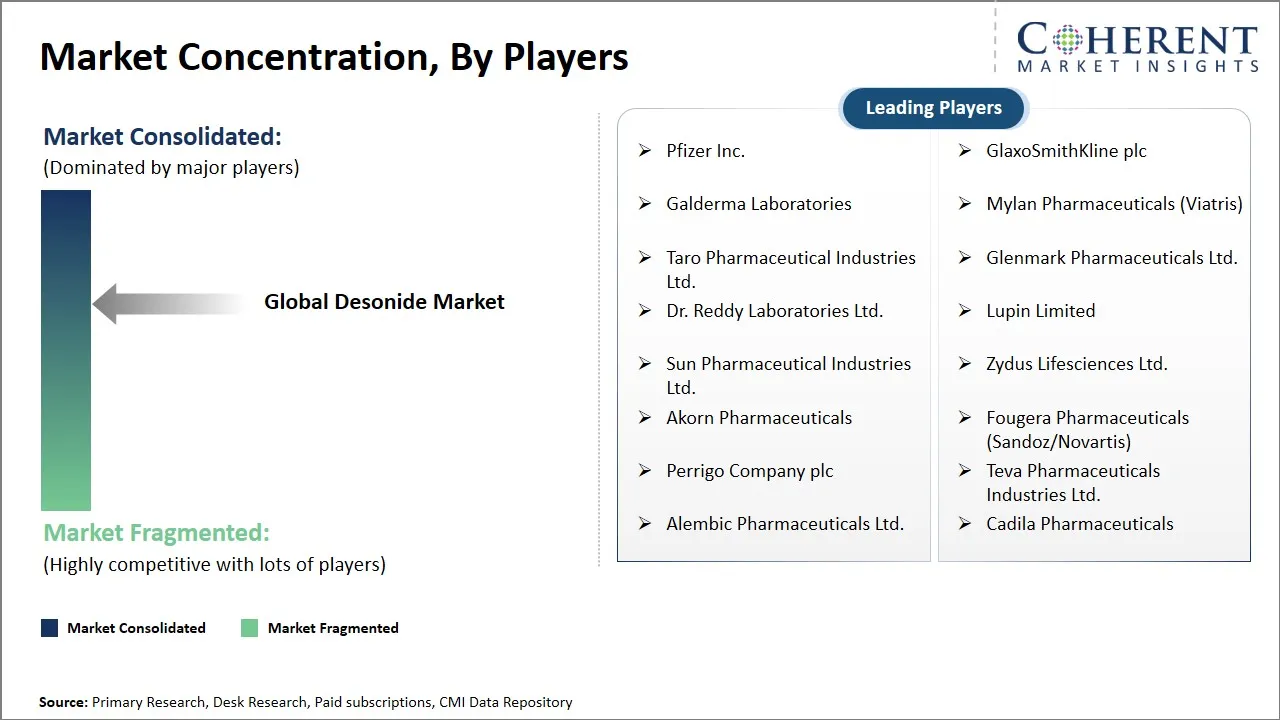
| Companies covered: | Pfizer Inc., GlaxoSmithKline plc, Galderma Laboratories, Mylan Pharmaceuticals (Viatris), Taro Pharmaceutical Industries Ltd., Glenmark Pharmaceuticals Ltd., Dr. Reddy Laboratories Ltd., Lupin Limited, Sun Pharmaceutical Industries Ltd., Zydus Lifesciences Ltd., Akorn Pharmaceuticals, Fougera Pharmaceuticals (Sandoz/Novartis), Perrigo Company plc, Teva Pharmaceuticals Industries Ltd., Alembic Pharmaceuticals Ltd., and Cadila Pharmaceuticals | ||
| Growth Drivers: |
| ||
| Restraints & Challenges: |
| ||
Desonide Market Dynamics
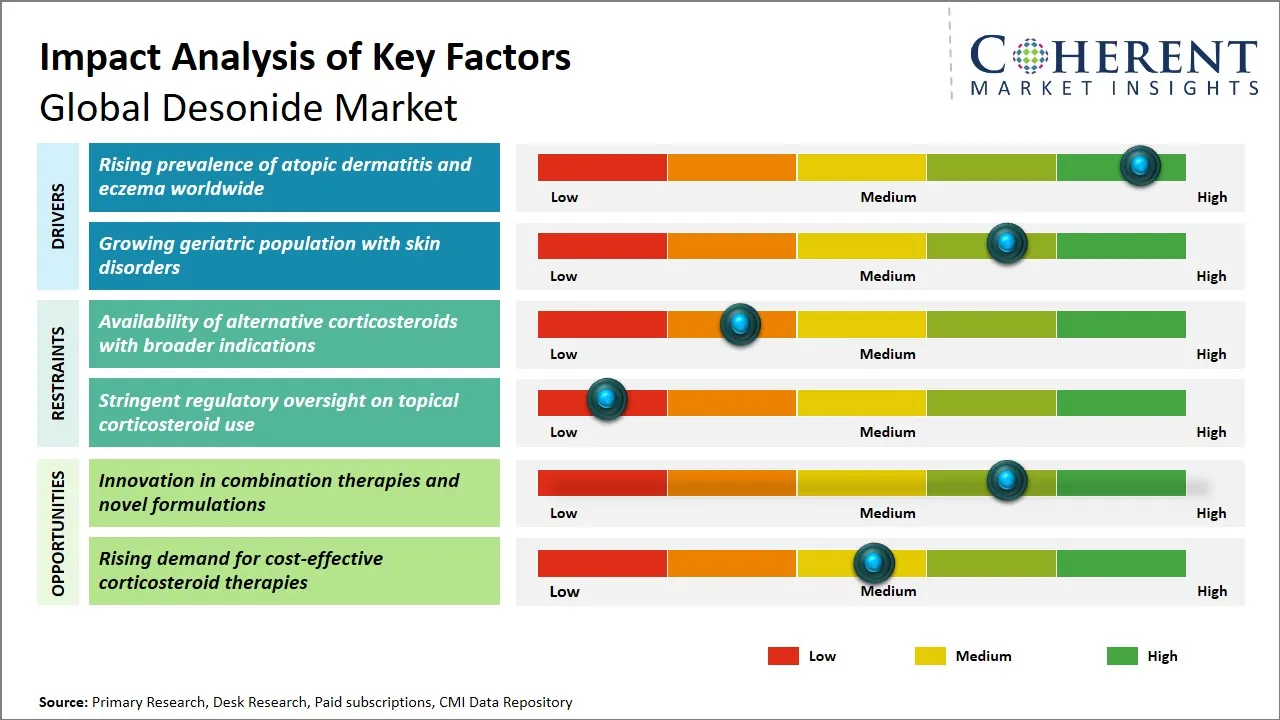
Desonide Market Driver - Rising Prevalence of Atopic Dermatitis and Eczema Worldwide
The increasing incidence of atopic dermatitis and eczema across various age groups has become a significant driver for the global desonide market. These chronic inflammatory skin conditions, characterized by symptoms such as itching, redness, and scaling, have been observed to escalate due to factors like environmental pollution, urbanization, changing climate conditions, and genetic predispositions. As awareness about these skin disorders grows alongside advancements in diagnostic capabilities, more patients are seeking effective and targeted treatments to manage symptoms and improve quality of life. Desonide, being a low-potency corticosteroid, is widely preferred for its efficacy in treating mild to moderate cases while minimizing adverse effects, thereby contributing to its increased adoption.
For instance, the International League of Dermatological Societies (ILDS), in collaboration with the International Society of Atopic Dermatitis (ISAD), the International Eczema Council (IEC), the European Taskforce for Atopic Dermatitis (ETFAD), and the International Alliance of Dermatology Patient Organizations (IADPO/GlobalSkin), has launched the first Global Report on Atopic Dermatitis, initiating the Global Atopic Dermatitis Atlas (GADA). This 2020 report highlights the global prevalence, burden, treatment gaps, and inequalities in access to care for atopic dermatitis, a chronic non-communicable skin disease that affects up to 20% of children and 10% of adults worldwide.
Desonide Market Opportunity - Innovation in Combination Therapies and Novel Formulations
The global desonide market presents significant growth opportunities through innovation in combination therapies and the development of novel formulations. As skin conditions such as atopic dermatitis, psoriasis, and eczema continue to affect a growing segment of the global population, there is increasing demand for more effective and patient-friendly treatment options. Combination therapies that integrate desonide with other active ingredients such as antimicrobials, moisturizers, or other corticosteroids can offer enhanced therapeutic outcomes by addressing multiple symptoms concurrently, reducing inflammation while preventing secondary infections or promoting skin barrier repair. Additionally, novel formulations such as creams, gels, foams, and lotions that improve drug delivery, absorption, and patient compliance are gaining traction.
For example, Karger Publishers, a Swiss-based scientific publishing house, released a pilot study in its dermatology journal evaluating a ketoconazole and desonide gel combination for facial seborrheic dermatitis. The trial, led by researchers C. Piérard-Franchimont and G.E. Piérard, showed that patients treated with the medicated gel achieved up to 92% symptom reduction in three weeks compared to 42% with placebo, with complete clearance seen in six of nine patients. The study concluded that the combination was safe, well tolerated, and significantly more effective than placebo, supporting its potential for short-term treatment.
Analyst Opinion (Expert Opinion)
- The desonide market is moving steadily on the back of strong demand for effective dermatological treatments, particularly for conditions like eczema, psoriasis, and seborrheic dermatitis. Advancements in topical formulations, greater regulatory clarity on generic approvals, and the rising preference for low-potency corticosteroids are driving adoption across the global desonide market. Opportunities are opening up in pediatric dermatology and tele-dermatology, where physicians and patients alike are seeking safe and affordable treatment options. At the same time, challenges such as the availability of substitutes, price pressures in generics, and stricter safety monitoring remain significant. Recent dermatology-focused conferences such as the American Academy of Dermatology Annual Meeting and the European Academy of Dermatology and Venereology Congress have played an important role in showcasing new research, improving clinician awareness, and influencing regulatory discussions around topical corticosteroid use.
- On the market front, initiatives like Glenmark Pharma securing U.S. FDA approval for desonide cream and Hikma expanding its topical product portfolio underscore how companies are broadening access and strengthening competition. Collaborative programs between dermatology associations and public health agencies in North America and Europe have also emphasized awareness campaigns for atopic dermatitis, creating an environment where safer topical steroids like desonide are favored. These developments, alongside ongoing pilot projects in digital dermatology services, signal a more integrated and accessible future for the desonide market, where both clinical innovation and patient-centric approaches will continue to shape growth.
Speak to the analyst
Want personalized insights?
Take the findings above to one of our principal consultants, or have the report rebuilt around the segments, geographies and competitors you actually track.
Market Segmentation
- Formulation Insights (Revenue, USD Mn, 2021 - 2033)
- Cream/Ointment
- Foam
- Lotion
- Gel
- Type Insights (Revenue, USD Mn, 2021 - 2033)
- Generic
- Brand
- Prescription Status Insights (Revenue, USD Mn, 2021 - 2033)
- Prescription-only (Rx)
- Over-the-Counter (OTC)
- Indication Insights (Revenue, USD Mn, 2021 - 2033)
- Atopic dermatitis (Mild to Moderate)
- Seborrheic dermatitis
- Contact dermatitis (allergic/irritant)
- Others (Psoriasis)
- Distribution Channel Insights (Revenue, USD Mn, 2021 - 2033)
- Hospital pharmacies
- Retail pharmacies
- Online pharmacies
- End User Insights (Revenue, USD Mn, 2021 - 2033)
- Hospitals
- Specialty and dermatology clinics
- Homecare Settings
- Others
- Age Group Insights (Revenue, USD Mn, 2021 - 2033)
- Adult
- Children
- Geriatric
- Regional Insights (Revenue, USD Mn, 2021 - 2033)
- North America
- U.S.
- Canada
- Latin America
- Brazil
- Argentina
- Mexico
- Rest of Latin America
- Europe
- Germany
- U.K.
- Spain
- France
- Italy
- Russia
- Rest of Europe
- Asia Pacific
- China
- India
- Japan
- Australia
- South Korea
- ASEAN
- Rest of Asia Pacific
- Middle East
- GCC Countries
- Israel
- Rest of Middle East
- Africa
- South Africa
- North Africa
- Central Africa
- North America
- Key Players Insights
- Pfizer Inc.
- GlaxoSmithKline plc
- Galderma Laboratories
- Mylan Pharmaceuticals (Viatris)
- Taro Pharmaceutical Industries Ltd.
- Glenmark Pharmaceuticals Ltd.
- Reddy Laboratories Ltd.
- Lupin Limited
- Sun Pharmaceutical Industries Ltd.
- Zydus Lifesciences Ltd.
- Akorn Pharmaceuticals
- Fougera Pharmaceuticals (Sandoz/Novartis)
- Perrigo Company plc
- Teva Pharmaceuticals Industries Ltd.
- Alembic Pharmaceuticals Ltd.
- Cadila Pharmaceuticals
Sources
Primary Research Interviews
- Industry Stakeholders list
- Dermatologists specializing in atopic dermatitis and psoriasis treatment
- Regulatory Affairs Managers at dermatology-focused pharmaceutical firms
- End Users List
- Hospital pharmacy procurement officers
- Chain retail pharmacy managers
Government and International Databases
- U.S. Food and Drug Administration (FDA) – Drugs@FDA & Orange Book
- European Medicines Agency (EMA) – Medicines Database
- Therapeutic Goods Administration (TGA), Australia – ARTG Database
- Pharmaceuticals and Medical Devices Agency (PMDA), Japan
- ClinicalTrials.gov – U.S. National Library of Medicine
- World Health Organization (WHO) – Essential Medicines List
Trade Publications
- Pharmaceutical Technology
- InPharma Technologist
- Drug Development & Delivery
- Scrip (by Informa Pharma Intelligence)
- Pharmaceutical Executive
- Generics Bulletin
Academic Journals
- Journal of the American Academy of Dermatology (JAAD)
- Clinical, Cosmetic and Investigational Dermatology
- Dermatology and Therapy
- Journal of Dermatological Treatment
- British Journal of Dermatology
- International Journal of Dermatology
Reputable Newspapers
- The New York Times – Health Section
- The Guardian – Healthcare & Pharma Coverage
- The Economic Times – Pharmaceuticals Section
- Financial Times – Healthcare & Life Sciences
- The Hindu Business Line – Pharma & Healthcare
- Reuters Health
Industry Associations
- American Academy of Dermatology (AAD)
- International League of Dermatological Societies (ILDS)
- Indian Association of Dermatologists, Venereologists and Leprologists (IADVL)
- European Academy of Dermatology and Venereology (EADV)
- International Federation of Pharmaceutical Manufacturers & Associations (IFPMA)
- Generic Drug Manufacturers Association (GPhA)
Public Domain Resources
- (U.S. National Library of Medicine)
- U.S. National Center for Biotechnology Information (NCBI)
- MedlinePlus (U.S. NIH)
- Health Canada – Drug Product Database
- DailyMed (U.S. National Library of Medicine)
- Medicines.org.uk (UK Electronic Medicines Compendium – EMC)
Proprietary Elements
- CMI Data Analytics Tool: Proprietary analytics tool to analyze real-time market trends, consumer behavior, and technology adoption in market
- Proprietary CMI Existing Repository of Information for Last 8 Years
Get access to 250+ pages report
Every segment, forecast, competitor profile and data table behind the analysis above — available for instant download.
- ESOMAR Member
- ISO 9001:2015 Certified
- D-U-N-S Registered
- GDPR & CCPA Compliant
Missing comfort of reading report in your local language? Find your preferred language:
Transform your Strategy with Exclusive Trending Reports
Frequently Asked Questions
The global desonide market is estimated to be valued at USD 173.6 Mn in 2026 and is expected to reach USD 275.1 Mn by 2033.
The CAGR of the global desonide market is projected to be 6.8% from 2026 to 2033.
Rising prevalence of atopic dermatitis and eczema worldwide and growing geriatric population with skin disorders are the major factors driving the growth of the global desonide market.
Availability of alternative corticosteroids with broader indications and stringent regulatory oversight on topical corticosteroid use are the major factors hampering the growth of the global desonide market.
In terms of formulation, the cream/ointment segment is estimated to dominate the market revenue share in 2026.
Pfizer Inc., GlaxoSmithKline plc, Galderma Laboratories, Mylan Pharmaceuticals (Viatris), Taro Pharmaceutical Industries Ltd., Glenmark Pharmaceuticals Ltd., Dr. Reddy Laboratories Ltd., Lupin Limited, Sun Pharmaceutical Industries Ltd., Zydus Lifesciences Ltd., Akorn Pharmaceuticals, Fougera Pharmaceuticals (Sandoz/Novartis), Perrigo Company plc, Teva Pharmaceuticals Industries Ltd., Alembic Pharmaceuticals Ltd., and Cadila Pharmaceuticals are the major players.
North America is expected to lead the global desonide market in 2026.