

Global Dialysis Market Size and Forecast – 2026 to 2033
The Global Dialysis Market is estimated to be valued at USD 130.62 Bn in 2026 and is expected to reach USD 197.70 Bn by 2033, exhibiting a compound annual growth rate (CAGR) of 6.1% from 2026 to 2033. This steady growth is driven by the increasing prevalence of chronic kidney diseases, advancements in dialysis technology, and a rising geriatric population worldwide, which collectively contribute to the expanding demand for dialysis treatments and services across different regions.
Key Takeaways of the Global Dialysis Market
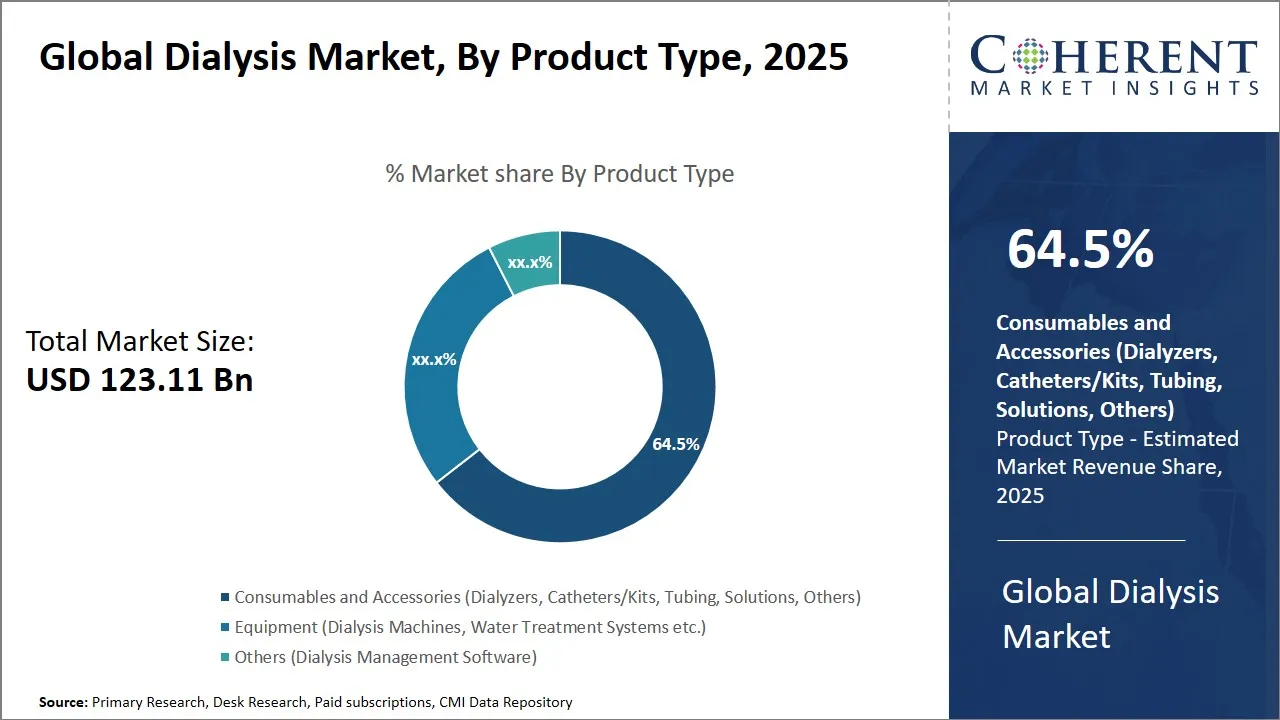
- In 2026, Consumables and Accessories (Dialyzers, Catheters/Kits, Tubing, Solutions, Others) are projected to account for the largest product type share at 65.5%.
- From a disease indication perspective, Chronic Kidney Failure (CKF) is expected to hold 53.1% share in 2026.
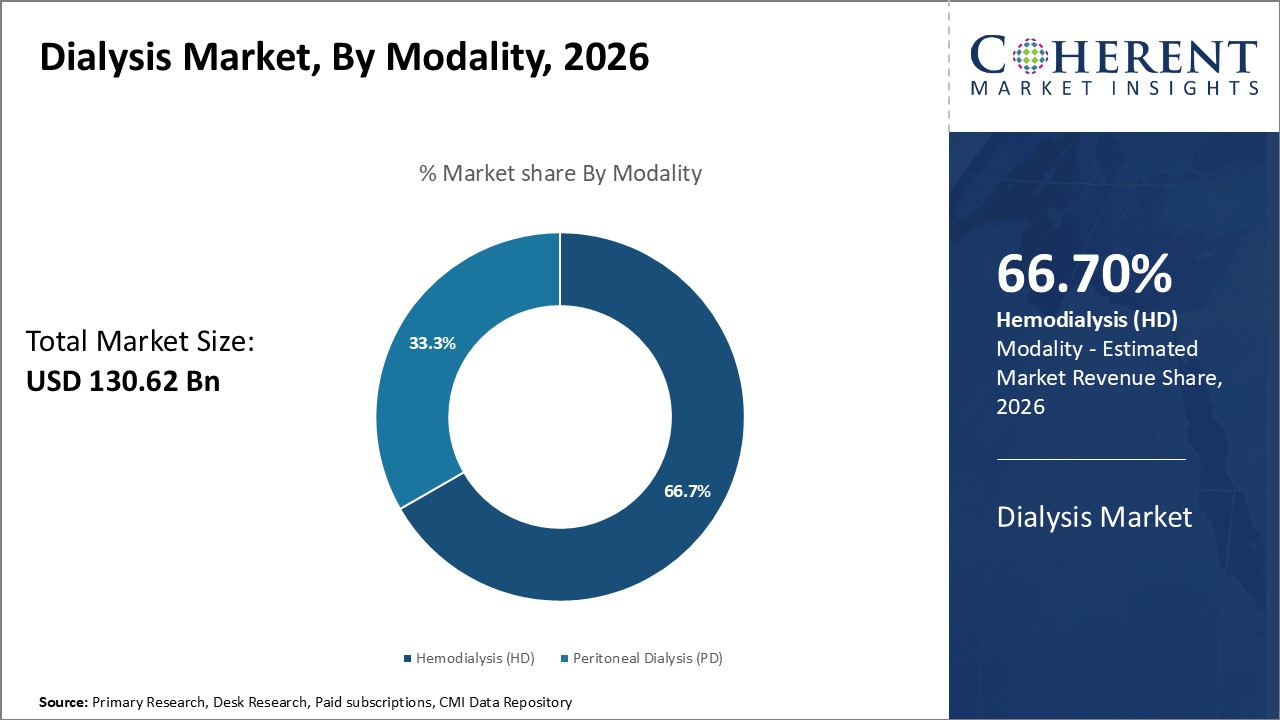
- Within the modality landscape, Hemodialysis (HD) is expected to remain the dominant segment with a 66.7% share in 2026.
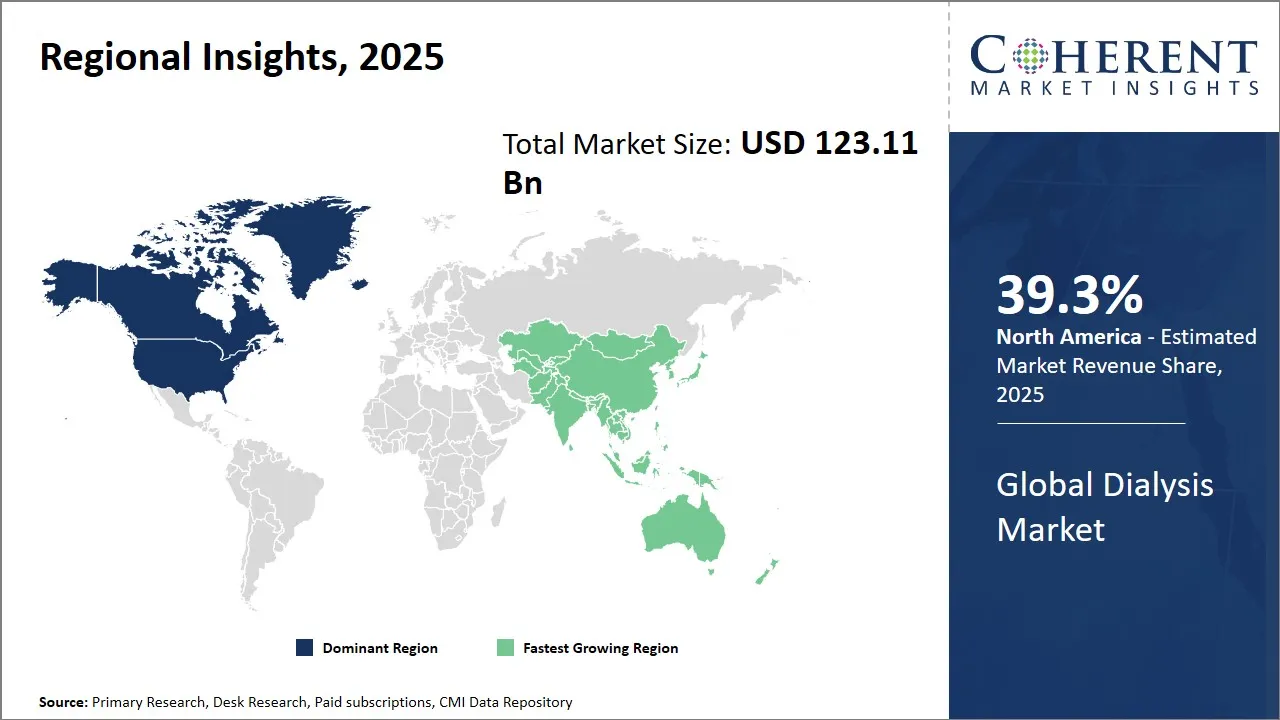
- North America is expected to lead the market, holding a share of 39.3% in 2026. Asia Pacific is anticipated to be the fastest-growing region, with a market share of 24.2% in 2026.
Market Overview
Current market trends indicate a significant shift towards home-based dialysis treatments, propelled by technological innovations and patient-centric care models. Additionally, integration of artificial intelligence and telemedicine is enhancing treatment efficiency and remote patient monitoring. The growing adoption of portable and wearable dialysis devices is also reshaping the market landscape, offering greater convenience and improved quality of life for patients, thereby fueling sustained growth in this sector.
Current Events and Its Impact
Current Events | Description and its impact |
AI Integration in Dialysis Devices |
|
Advancement in Miniaturized and Portable Dialysis Machines |
|
Segmental Insights
- Current Industry Events of 2026
- Market Size Estimation
- Regional Breakdown
- Competitive Landscape
- Customer Intelligence
- Segmental Analysis
- Pricing Analysis
- Key Market Drivers, Challenges & Future Trends
- Customized Insights Section
Dialysis Market Insights, By Product Type - Dominance of Consumables and Accessories Lead Due to Continuous Replacement Needs and Technological Innovation
In terms of product type, Consumables and Accessories (Dialyzers, Catheters/Kits, Tubing, Solutions, Others) are estimated to hold a share of 65.5% in 2026. These can be primarily attributed to their essential role in the dialysis treatment process, coupled with their inherently consumable nature which necessitates frequent replenishment. Unlike equipment, which is durable and has a longer lifespan, consumables must be replaced for every dialysis session, thereby ensuring a steady and recurring demand. For instance, dialyzers—a core component functioning as artificial kidneys are single-use or short-term devices that need to be disposed of after completing a treatment cycle, driving consistent consumption. Newer dialyzers with higher permeability and reduced risk of clotting or infection attract healthcare providers focusing on improving therapy outcomes.
In June 2023, Merit Medical Systems Inc., a global healthcare technology manufacturer, completed the acquisition of a dialysis catheter portfolio and the BioSentry Biopsy Tract Sealant System from AngioDynamics Inc., a U.S.-based medical device company, for USD 100 million. The company also acquired the Surfacer Inside-Out Access Catheter System from Bluegrass Vascular Technologies Inc., a vascular solutions developer, for USD 32.5 million. These acquisitions broaden Merit’s dialysis and biopsy product offerings, strengthen its specialty dialysis device portfolio, and are expected to add significant revenue while enhancing its position in the multi-billion-dollar dialysis market.
Dialysis Market Insights, By Modality - Hemodialysis Leads Due to Clinical Preference and Infrastructure Support
In the modality segment, Hemodialysis (HD) is expected to command the largest share of 66.7% in 2026, largely due to its widespread adoption as the standard care for patients with end-stage renal disease. This preference stems from HD’s efficacy in rapidly removing toxins and excess fluids from blood, which is critical for managing the systemic complications of kidney failure. Conventional hemodialysis sessions, typically performed thrice weekly in clinical or dialysis center settings, benefit from established medical protocols and experienced healthcare personnel, promoting trust and reliability among both clinicians and patients.
Hemodialysis’s infrastructure-driven growth is supported by significant investments in dialysis centers globally, which offer controlled environments necessary for the treatment’s complex machinery and monitoring requirements. The expansion of outpatient dialysis facilities and integration into hospital services have made it more accessible, especially in urban and semi-urban settings. Moreover, emerging hemodialysis modalities such as short daily and nocturnal hemodialysis enhance patient outcomes by offering flexible treatment schedules that reduce cardiovascular risks and improve quality of life through better toxin clearance.
Dialysis Market Insights, By Disease Indication - Chronic Kidney Failure’s Prevalence Fuels Market Growth for Dialysis Therapies
Within the disease indication landscape, chronic kidney failure (CKF) / end stage renal disease (ESRD) leads with an estimated share of 53.1% in 2026, due to the chronic, progressive nature of this condition which necessitates long-term renal replacement therapy. CKF patients require ongoing management as their kidney function gradually deteriorates, ultimately leading to a dependence on dialysis to sustain life. This continuous need for treatment creates sustained demand for dialysis products and services.
The global increase in risk factors such as diabetes, hypertension, and aging populations considerably contributes to the rising incidence and prevalence of CKF. CKF patients often experience comorbidities, they require carefully tailored dialysis regimens and supportive care products, stimulating innovations in both consumables and equipment. Healthcare systems globally prioritize managing CKF due to its high burden on morbidity, mortality, and healthcare costs, fostering investments into dialysis infrastructure and improving patient access to treatment.
Regional Insights
North America Dialysis Market Analysis and Trends
North America’s dominance in the global dialysis market, with an estimated share of 39.3% in 2026, is driven primarily by a well-established healthcare infrastructure, high prevalence of chronic kidney diseases (CKD), and significant government support. The presence of advanced medical technologies and a mature reimbursement ecosystem under programs like Medicare in the U.S. facilitates widespread dialysis adoption. Additionally, well-developed supply chains and the presence of leading dialysis equipment and consumables manufacturers such as Fresenius Medical Care and Baxter International reinforce the region’s leadership.
In June 2026, Nipro Corporation, a global leader in renal care solutions, introduced LiniXia, its next-generation reverse osmosis (RO) water treatment system, at the European Renal Association (ERA) Conference in Vienna. Designed with input from international dialysis technicians and healthcare professionals, LiniXia delivers high-quality permeate water for dialysis, ensuring safety, reliability, and optimized resource use.
Asia Pacific Dialysis Market Analysis and Trends
The Asia Pacific region is expected to exhibit the fastest growth in the global dialysis market with 24.2% in 2026. This rapid expansion stems from rising awareness of kidney disorders, improving healthcare infrastructure, and expanding insurance coverage in emerging economies like China and India. Government initiatives aimed at chronic disease management and increasing investments in healthcare facilities have broadened access to dialysis treatment. The increasing presence of international and regional players such as Nipro Corporation and B. Braun Melsungen AG working in partnership with local manufacturers supports market growth.
Global Dialysis Market Outlook for Key Countries
U.S. Dialysis Market Trends
The U.S. dialysis market is highly advanced with strong market penetration and extensive provider networks. Leading companies, such as Fresenius Medical Care and DaVita Inc., dominate the space with comprehensive offerings in dialysis equipment, supplies, and services. The country benefits from robust Medicare reimbursement policies, driving innovation in home dialysis technologies and outpatient care models. Additionally, regulatory oversight ensures high product safety and quality, fostering patient confidence and adoption.
In April 2026, UC Davis Health, a leading academic medical center in Sacramento, launched a new clinical trial testing cell therapy for chronic kidney disease patients caused by type 2 diabetes. The Proact study is evaluating Renal Autologous Cell Therapy or REACT, a first-in-class treatment that uses a patient’s own cells with the aim of preserving kidney function and potentially restoring it. With nearly one in seven Americans affected by chronic kidney disease and current options like dialysis only delaying disease progression, this trial offers hope for a breakthrough in managing diabetic kidney disease.
China Dialysis Market Trends
China’s dialysis market is rapidly expanding due to rising incidences of renal diseases coupled with increased government focus on healthcare reforms. Companies like Nipro Corporation and domestic manufacturers are enhancing product availability and affordability. Government policies promoting universal health coverage and investments in tier-2 and tier-3 city hospitals are enhancing accessibility to dialysis treatments. Enhanced local production capabilities and international partnerships improve supply chain resilience, making China a crucial growth hub.
In September 2022, WEGO Terumo, a China-based joint venture between medical device maker WEGO and Japan’s Terumo Corporation, received approval from China’s National Medical Products Administration to manufacture and market the country’s first neutralized peritoneal dialysis solution. The product, expected to launch in early 2023, offers a gentler option for patients compared with the existing acidic solutions and can be administered conveniently at home or work.
Germany Dialysis Market Trends
Germany continues to lead Europe’s dialysis market with its strong healthcare system, characterized by universal health insurance and advanced medical technologies. Key players like B. Braun Melsungen and Fresenius Medical Care have a strong presence, supplying state-of-the-art dialysis equipment and integrated care solutions. The government’s health policies encouraging early diagnosis and chronic disease management contribute to steady demand. Germany’s well-established trade relations with other European countries facilitate efficient distribution across the region.
In March 2026, Diaverum Germany, a leading international provider of renal care expanded its network with the acquisition of two new dialysis clinics in Neubrandenburg and Neustrelitz, raising its total footprint in Germany to 18 clinics. With chronic kidney disease cases steadily rising across the country, this move strengthens Diaverum’s presence in the northeastern region where it is now the sole provider of renal care.
India Dialysis Market Trends
India’s dialysis market is marked by growing demand fueled by increasing chronic kidney disease prevalence and expanding healthcare accessibility. While market penetration remains lower than developed countries, government initiatives such as Ayushman Bharat and increased healthcare spending are improving affordability and infrastructure. Domestic and multinational companies, including Fresenius Medical Care’s expanding footprint, are intensifying their operations to meet the unmet need.
For example, The Ministry of Health & Family Welfare, the Government of India’s apex body for healthcare policy and programs, launched the Pradhan Mantri National Dialysis Program (PMNDP) under the National Health Mission to provide free dialysis services for Below Poverty Line patients across district hospitals. The program covers both hemodialysis and peritoneal dialysis, operating through in-house, public-private partnership, and hybrid models across states and union territories
End User Feedback and Unmet Needs: Dialysis Market
- Feedback from end users in the global dialysis market consistently highlights both progress and persistent challenges. Patients and healthcare providers often point to the value of newer machines that integrate advanced monitoring systems, which help clinicians track fluid balance and treatment quality more effectively. For example, some dialysis centers in developed markets report that automated features allowing real-time adjustments during sessions have improved patient comfort and reduced error rates, leading to greater confidence in outcomes. On the other hand, recurring concerns come from smaller clinics and rural facilities that struggle with the complexity of machine maintenance and the high cost of imported consumables, which often translates into service interruptions or delays in patient care. These limitations make it difficult for operators to ensure consistency and reliability in regions where demand for dialysis continues to rise rapidly.
- Unmet needs remain significant across geographies. Affordability is one of the most pressing issues, especially in low and middle-income markets where patients often bear a substantial share of treatment costs. Many end users also express the need for more compact, portable systems that can fit into smaller clinics or even home settings without requiring extensive infrastructure. Another common request is better integration of digital tools, such as remote monitoring platforms that allow for seamless data sharing between patients and healthcare providers, which is still underdeveloped in many parts of the world. Addressing these needs could open new growth avenues for manufacturers by expanding access to underserved populations, improving long-term patient loyalty, and encouraging policymakers to support localized production and innovation initiatives. For companies willing to bridge these gaps, the opportunity lies not just in expanding market share but in shaping the next generation of renal care delivery.
Market Players, Key Developments, and Competitive Intelligence
Key Developments
- On August 20, 2025, AdventHealth Manchester announced the launch of its new inpatient dialysis program, scheduled to begin in Fall 2025. The initiative will provide 24/7 dialysis services for admitted patients and approved transfers, bringing life-sustaining treatment closer to the local community. According to Chief Medical Officer Mr. James Nelson, the program reflects the hospital’s mission to improve accessibility and outcomes by reducing the need for patients to travel long distances for essential renal care.
- In June 2025, Renalyx Health Systems Pvt. Ltd., a renal care technology innovator from India, launched RENALYX – RxT 21, the country’s first fully indigenous AI and cloud-enabled smart hemodialysis machine with real-time remote monitoring and clinical connectivity. Priced, significantly lower than imported machines, the launch aims to make dialysis more affordable and accessible, particularly across semi-urban and rural regions, while addressing the country’s growing demand for dialysis sessions.
- In July 2025, Apollo Dialysis Pvt. Ltd., a subsidiary of Apollo Health and Lifestyle Ltd., inaugurated a new dialysis unit at NRSLJ Hospital in Tamil Nadu to strengthen renal care services for patients with kidney failure. The launch event was attended by former minister and NRSLJ Hospital managing director Mr. N.R. Sivapathi, Apollo Dialysis Clinics COO Mr. M. Sudhakara Rao, and consultant nephrologist Rajesh.
- In May 2025, Byonyks, a medical device company, obtained 510(k) clearance from the U.S. Food and Drug Administration (FDA) for its X1 Automated Peritoneal Dialysis (APD) Cycler. This regulatory clearance marks the company’s official entry into the APD segment, offering patients improved automation, safety, and usability in home-based dialysis therapies.
Top Strategies Followed by Global Dialysis Market Players
- Established market leaders heavily invest in research and development (R&D) to drive innovation, aiming to produce high-performance and technologically advanced dialysis products that cater to evolving patient needs. These companies focus on developing cutting-edge machines, dialyzers, and consumables with enhanced safety features, efficiency, and user-friendly interfaces. In addition, they pursue aggressive global expansion by broadening their distribution networks, especially targeting emerging markets across Asia Pacific, Latin America, and Africa where dialysis penetration is growing rapidly due to rising prevalence of chronic kidney diseases and increasing healthcare investments.
- In June 2023, AWAK Technologies, in collaboration with Singapore General Hospital, initiated a pre-pivotal clinical trial for its next-generation Automated Wearable Artificial Kidney (AWAK PD) device. The compact and portable peritoneal dialysis device has been awarded Breakthrough Device Designation by the U.S. FDA, enabling greater mobility, convenience, and quality of life for patients with end-stage kidney disease (ESKD).
- Mid-level players in the dialysis market adopt a somewhat different strategic approach centered on delivering cost-effective solutions that strike a balance between quality and affordability. These companies primarily target price-sensitive consumers, including government healthcare programs and smaller healthcare facilities that require reliable yet economical dialysis equipment and consumables. To enhance their competitiveness, mid-tier manufacturers emphasize streamlining operational efficiencies and optimizing supply chains, enabling them to offer competitive pricing without compromising critical product standards.
- In October 2020, Fresenius Medical Care North America (FMCNA), a division of Fresenius Medical Care, secured U.S. FDA approval for its DELFLEX peritoneal dialysis solutions packaged in Biofine, an advanced non-PVC (polyvinyl chloride) bag material. This innovation supports FMCNA’s strategy to expand home dialysis treatment options with safer, more sustainable, convenient and patient-focused products.
- Small-scale players in the global dialysis market carve out their niches by specializing in particular product segments or innovating niche features tailored to specific patient or clinical requirements. Unlike larger competitors focused on broad product portfolios, these smaller companies often concentrate on introducing specialized or customizable products, such as portable dialysis machines, wearable devices, or dialysis accessories that address unmet patient needs.
- In February 2022, CloudCath Inc., a private medical device company, announced U.S. FDA clearance for its CloudCath System, a cloud-based remote monitoring platform for peritoneal dialysis patients. The system provides continuous real-time analysis of patient effluent fluid, allowing integration with existing PD routines and enabling clinicians to deliver ongoing monitoring while patients remain at home.
Market Report Scope
Dialysis Market Report Coverage
| Report Coverage | Details | ||
|---|---|---|---|
| Base Year: | 2025 | Market Size in 2026: | USD 130.62 Bn |
| Historical Data for: | 2020 To 2024 | Forecast Period: | 2026 To 2033 |
| Forecast Period 2026 to 2033 CAGR: | 6.1% | 2033 Value Projection: | USD 197.70 Bn |
| Geographies covered: |
| ||
| Segments covered: |
| ||
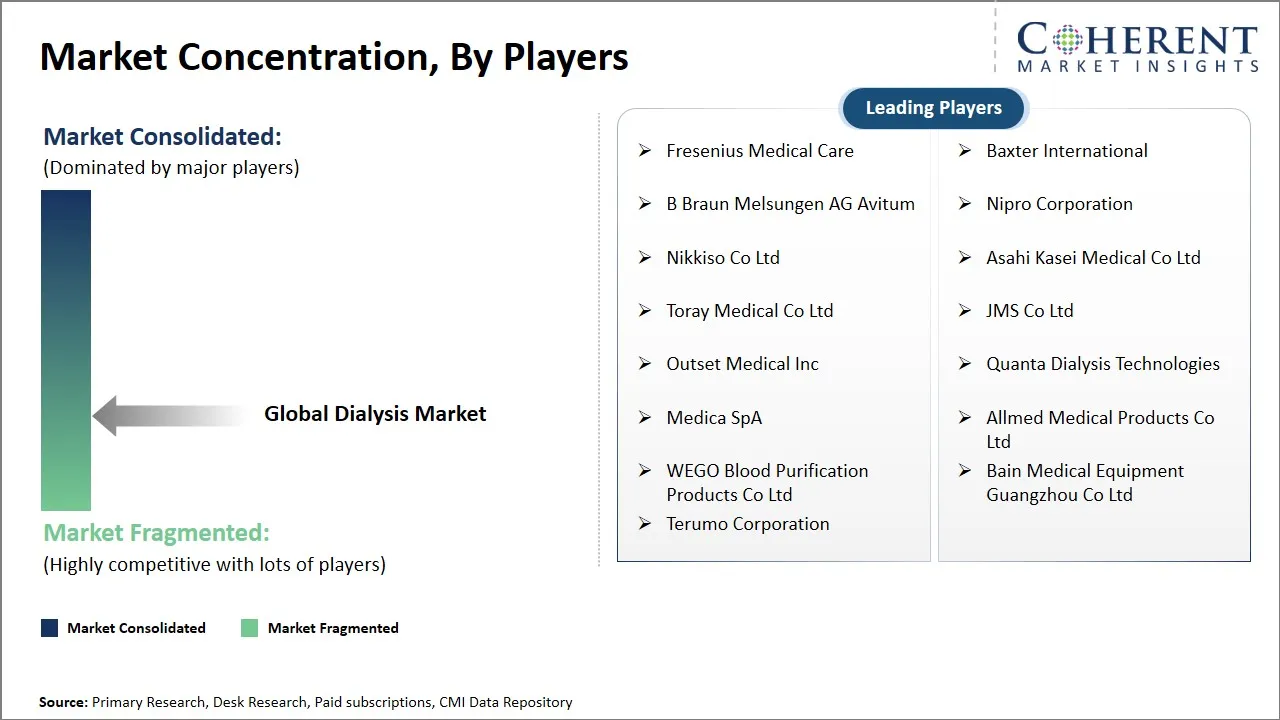
| Companies covered: | Fresenius Medical Care, Baxter International, B Braun Melsungen AG Avitum, Nipro Corporation, Nikkiso Co Ltd, Asahi Kasei Medical Co Ltd, Toray Medical Co Ltd, JMS Co Ltd, Outset Medical Inc, Quanta Dialysis Technologies, Medica SpA, Allmed Medical Products Co Ltd, WEGO Blood Purification Products Co Ltd, Bain Medical Equipment Guangzhou Co Ltd, and Terumo Corporation | ||
| Growth Drivers: |
| ||
| Restraints & Challenges: |
| ||
Dialysis Market Dynamics
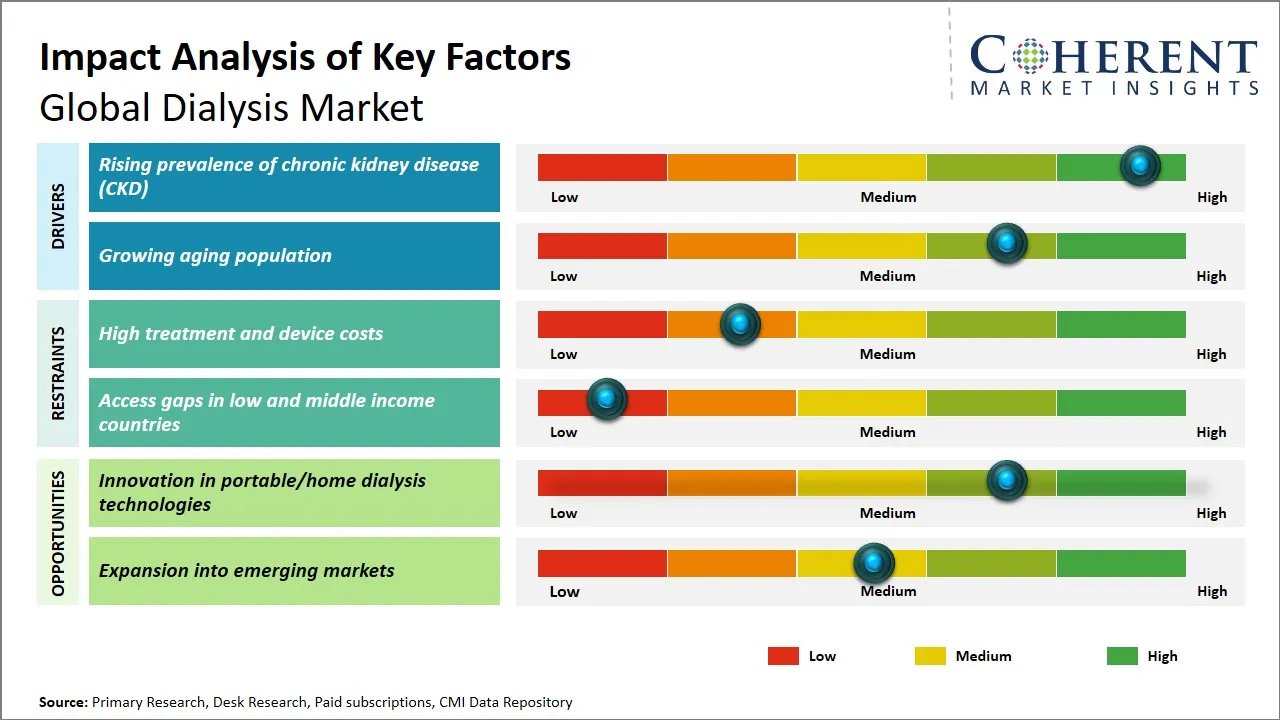
Dialysis Market Driver - Rising Prevalence of Chronic Kidney Disease (CKD)
The increasing incidence of chronic kidney disease (CKD) worldwide is a significant factor driving the demand for dialysis treatments. CKD, characterized by gradual loss of kidney function, often advances to end-stage renal disease (ESRD), where kidney replacement therapies such as dialysis become essential for patient survival. Several factors contribute to the growing prevalence of CKD, including aging populations, higher rates of diabetes, hypertension, and obesity—conditions commonly linked to kidney damage. As awareness and diagnosis of CKD improve, more individuals are identified at advanced stages requiring dialysis. Moreover, limited availability of donor organs for transplantation makes dialysis the primary treatment option for many ESRD patients. These dynamics have led to an expanding patient pool reliant on various dialysis modalities, including hemodialysis and peritoneal dialysis, thereby intensifying market demand.
In March 2022, according to National Library of Medicine, the global prevalence of chronic kidney disease (CKD) is estimated at around 10–14% as of 2022, reflecting a significant health burden worldwide. In the U.S., approximately 15% of adults were living with CKD in 2023, underscoring the impact on healthcare resources. India reports a prevalence of 6–12% in 2024, with increasing cases linked to diabetes and hypertension. In Japan, CKD prevalence was recorded at 2,749 per million population in 2022, indicating one of the highest rates globally. Meanwhile, in the United Kingdom, an estimated 7.19 million people (over 10% of the population) were affected by CKD stages 1–5 in 2023, emphasizing the scale of disease burden in developed economies.
Dialysis Market Opportunity - Innovation in Portable/Home Dialysis Technologies
The global dialysis market presents a significant growth opportunity through advancements in portable and home dialysis technologies. As the prevalence of chronic kidney disease (CKD) continues to rise worldwide, driven by aging populations and increasing incidences of diabetes and hypertension, there is an escalating demand for more convenient and patient-centric treatment options. Innovations in portable dialysis machines enable patients to perform dialysis outside traditional clinical settings, providing greater flexibility and improving quality of life. These compact, user-friendly devices allow for home-based or on-the-go treatment, reducing the need for frequent hospital visits and alleviating pressures on healthcare infrastructure.
In January 2025, Four Square Medical Center, Tamil Nadu, launched the Dimi Home Dialysis Machine, a patient-friendly device that functions without Reverse Osmosis (RO). It enables safe home dialysis, reduces hospital visits, and improves quality of life while being cost-efficient and eco-friendly.
Analyst Opinion (Expert Opinion)
- The dialysis market is experiencing robust growth fueled by technological advancements, greater regulatory support, and a global rise in chronic kidney disease. Home dialysis and remote monitoring have become increasingly vital, giving patients more autonomy and improving cost efficiency while governments and private entities push for better reimbursement policies. Alongside these growth drivers, industry players face obstacles such as persistent cost pressures, infrastructure disparities in developing regions, and the ongoing challenge of expanding skilled workforce. Opportunities abound in the Asia Pacific and Latin American regions as awareness programs and novel technology solutions attract healthcare investment and prompt policy changes, while emerging trends like green dialysis showcase the sector’s commitment to sustainability.
- Recent years have seen the sector come together at key events such as the KDIGO Controversies Conference on Green Dialysis (2025), the Annual Global Summit on Kidney Disease Innovations, and the Nephrology Summit 2025 in Rome, which have advanced best practices and inspired policy initiatives for future-ready dialysis care. The International Home Dialysis Consortium led crucial collaborations bringing patient and expert voices together in events across Dubai, Argentina, and South Asia since 2022 to promote home dialysis globally. Initiatives like Medicare’s increasing coverage for dialysis in the US and India's National Health Mission for renal care access illustrate how real-world government action and targeted industry programs are shaping market trajectories through better patient access, innovation funding, and knowledge-sharing platforms.
Speak to the analyst
Want personalized insights?
Take the findings above to one of our principal consultants, or have the report rebuilt around the segments, geographies and competitors you actually track.
Market Segmentation
- Product Type Insights (Revenue, USD Bn, 2021 - 2033)
- Consumables and Accessories (Dialyzers, Catheters/Kits, Tubing, Solutions, Others)
- Equipment (Dialysis Machines, Water Treatment Systems, etc.)
- Others (Dialysis Management Software)
- Modality Insights (Revenue, USD Bn, 2021 - 2033)
- Hemodialysis (HD)
- Conventional Hemodialysis
- Short Daily Hemodialysis
- Nocturnal Hemodialysis
- Peritoneal Dialysis (PD)
- Continuous Ambulatory Peritoneal Dialysis (CAPD)
- Automated Peritoneal Dialysis (APD)
- Hemodialysis (HD)
- Disease Indication Insights (Revenue, USD Bn, 2021 - 2033)
- Chronic Kidney Failure (CKF)/End
- Stage Renal Disease (ESRD)
- Acute Kidney Failure (AKF)
- End User Insights (Revenue, USD Bn, 2021 - 2033)
- Hospitals
- Dialysis Centers
- Home Care Setting
- Long-term Care Facilities
- Others (Research Institutes, etc.)
- Patient Type Insights (Revenue, USD Bn, 2021 - 2033)
- Children
- Adult
- Geriatric
- Regional Insights (Revenue, USD Bn, 2021 - 2033)
- North America
- U.S.
- Canada
- Latin America
- Brazil
- Argentina
- Mexico
- Rest of Latin America
- Europe
- Germany
- U.K.
- Spain
- France
- Italy
- Russia
- Rest of Europe
- Asia Pacific
- China
- India
- Japan
- Australia
- South Korea
- ASEAN
- Rest of Asia Pacific
- Middle East
- GCC Countries
- Israel
- Rest of Middle East
- Africa
- South Africa
- North Africa
- Central Africa
- North America
- Key Players Insights
- Fresenius Medical Care
- Baxter International
- B Braun Melsungen AG Avitum
- Nipro Corporation
- Nikkiso Co Ltd
- Asahi Kasei Medical Co Ltd
- Toray Medical Co Ltd
- JMS Co Ltd
- Outset Medical Inc
- Quanta Dialysis Technologies
- Medica SpA
- Allmed Medical Products Co Ltd
- WEGO Blood Purification Products Co Ltd
- Bain Medical Equipment Guangzhou Co Ltd
- Terumo Corporation
Sources
Primary Research Interviews
Industry Stakeholders
- Nephrologists
- Dialysis Center Administrators
- Hospital Procurement Managers
- Dialysis Equipment Manufacturers’ R&D Heads
- Health Insurance Policy Advisors
- Regulatory Affairs Specialists
End Users
- Chronic Kidney Disease (CKD) Patients
- End-Stage Renal Disease (ESRD) Patients
- Home Dialysis Users
- Caregivers of Dialysis Patients
- Patient Advocacy Groups
- Nursing Staff in Dialysis Units
Government and International Databases
- World Health Organization (WHO)
- Centers for Disease Control and Prevention (CDC)
- National Institute of Diabetes and Digestive and Kidney Diseases (NIDDK)
- United States Renal Data System (USRDS)
- Organisation for Economic Co-operation and Development (OECD) Health Data
Trade Publications
- Nephrology News & Issues
- Kidney News (American Society of Nephrology)
- Renal & Urology News
- Nephrology Times
- Medical Device Network
- HealthCare Business News
Academic Journals
- Journal of the American Society of Nephrology (JASN)
- Kidney International
- Clinical Journal of the American Society of Nephrology (CJASN)
- Nephrology Dialysis Transplantation
- American Journal of Kidney Diseases (AJKD)
- The Lancet – Nephrology Section
Reputable Newspapers
- The New York Times – Health Section
- The Guardian – Healthcare Reports
- Financial Times – Global Healthcare Coverage
- The Wall Street Journal – Health Industry
- The Washington Post – Health & Science
- Reuters Health
Industry Associations
- International Society of Nephrology (ISN)
- European Renal Association (ERA)
- American Society of Nephrology (ASN)
- National Kidney Foundation (NKF)
- Asian Pacific Society of Nephrology (APSN)
- European Dialysis and Transplant Nurses Association (EDTNA/ERCA)
Public Domain Resources
- U.S. National Library of Medicine
- World Bank Health Statistics
- National Institutes of Health (NIH)
- Open Data Portals
- United Nations Data
Proprietary Elements
- CMI Data Analytics Tool: Proprietary analytics tool to analyze real-time market trends, consumer behavior, and technology adoption in market
- Proprietary CMI Existing Repository of Information for Last 8 Years
Get access to 250+ pages report
Every segment, forecast, competitor profile and data table behind the analysis above — available for instant download.
- ESOMAR Member
- ISO 9001:2015 Certified
- D-U-N-S Registered
- GDPR & CCPA Compliant
Missing comfort of reading report in your local language? Find your preferred language:
Transform your Strategy with Exclusive Trending Reports
Frequently Asked Questions
The global dialysis market is estimated to be valued at USD 130.62 Bn in 2026 and is expected to reach USD 197.70 Bn by 2033.
The CAGR of the global dialysis market is projected to be 6.1% from 2026 to 2033.
Rising prevalence of chronic kidney disease (CKD) and growing aging population are the major factors driving the growth of the global dialysis market.
High treatment and device costs and access gaps in low and middle income countries are the major factors hampering the growth of the global dialysis market.
In terms of product type, consumables and accessories (dialyzers, catheters/kits, tubing, solutions, others) is estimated to dominate the market revenue share in 2026.
Adoption of digital health tools, personalized therapy, and miniaturized wearable dialysis systems are key forward-looking trends.
Developed markets focus on advanced equipment and home therapies, while emerging markets emphasize access and affordability.