

Global DNA Methylation Market Size and Forecast – 2026 to 2033
The Global DNA Methylation Market is estimated to be valued at USD 2.01 Bn in 2026 and is expected to reach USD 5.16 Bn by 2033, exhibiting a compound annual growth rate (CAGR) of 14.4% from 2026 to 2033. This significant growth is driven by increasing investments in epigenetic research, advancements in DNA sequencing technologies, and expanding applications of DNA methylation analysis in disease diagnosis and therapeutic development.
Key Takeaways of the Global DNA Methylation Market
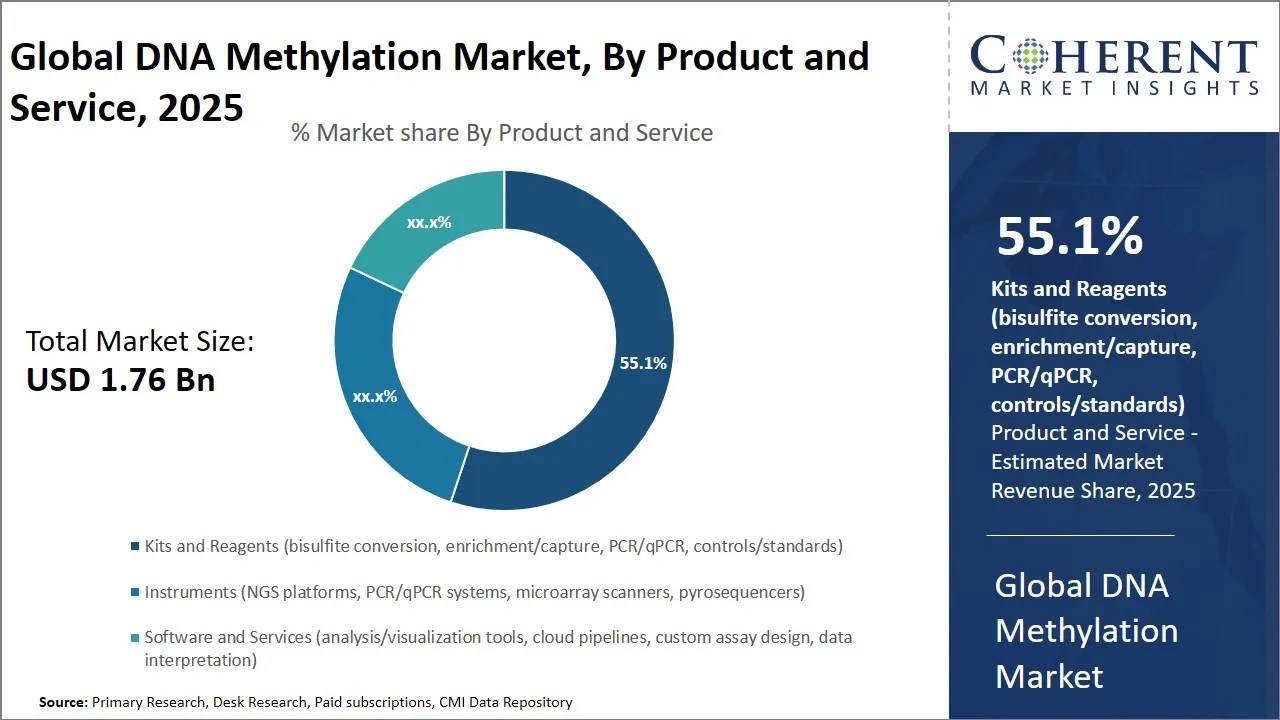
- By product and service, kits and reagents including bisulfite conversion, enrichment and capture, PCR/qPCR, and controls/standards account for the largest share of the global DNA methylation market at an estimated 56.1% in 2026.
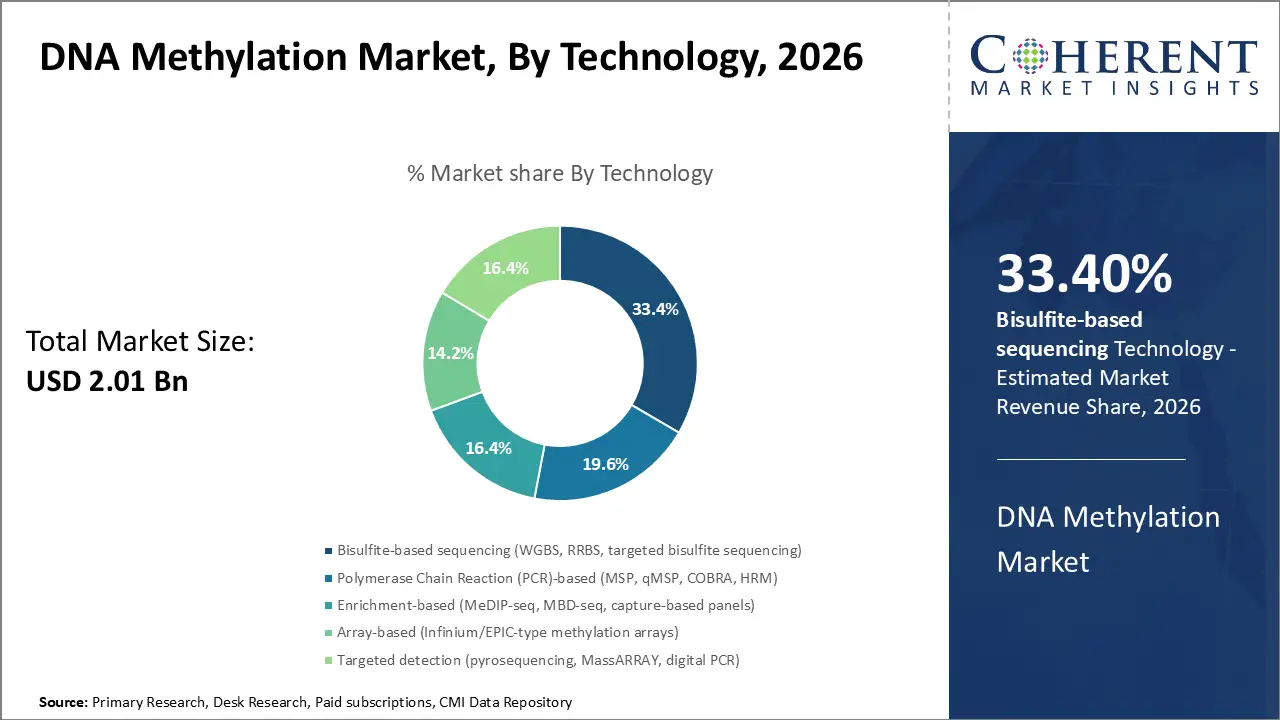
- By technology, bisulfite-based sequencing methods such as WGBS, RRBS, and targeted bisulfite sequencing lead the market with an estimated 33.4% share in 2026.
- By sample type, tissue samples including FFPE and fresh or frozen specimens dominate the market with an estimated 44.2% share in 2026.
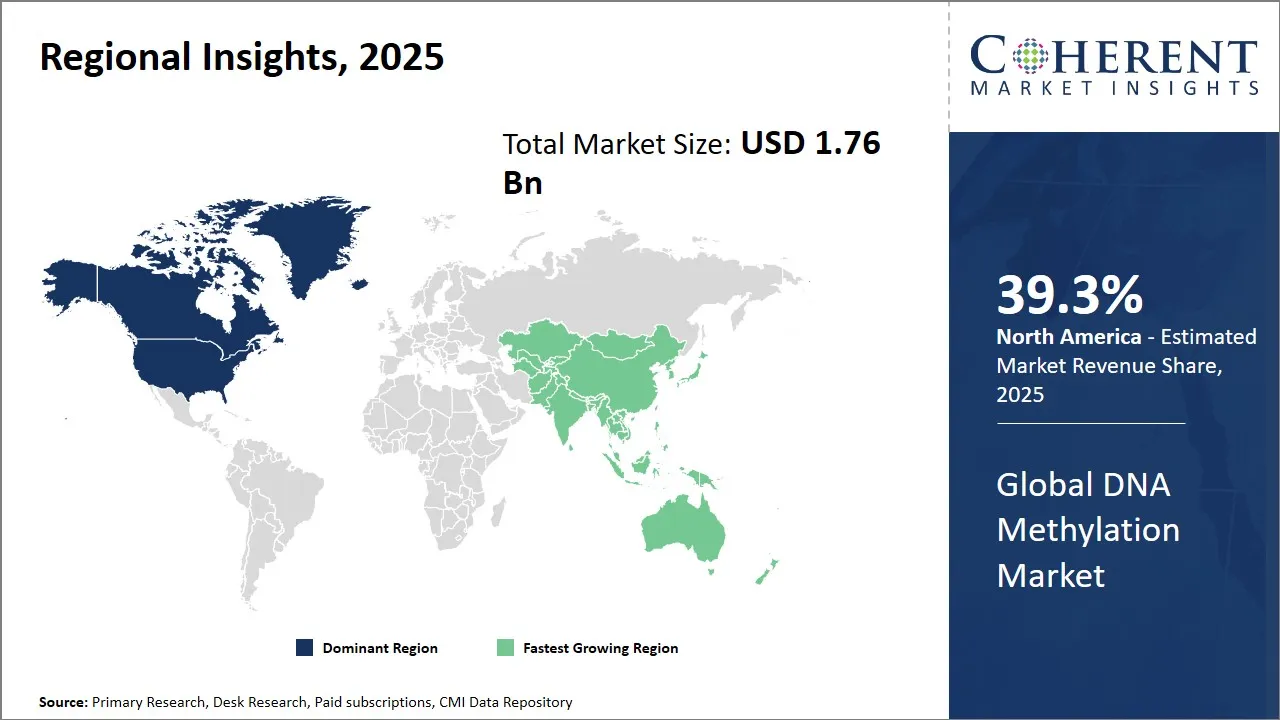
- North America is expected to lead the market, holding a share of 39.3% in 2026. Asia Pacific is anticipated to be the fastest-growing region, with an estimated market share of 24.4% in 2026.
Market Overview
A prominent market trend is the rising adoption of personalized medicine leveraging DNA methylation biomarkers for early disease detection and prognosis. Additionally, growing awareness about epigenetics in cancer research and the implementation of novel diagnostic platforms are propelling market expansion. Collaborations between biotech firms and research institutes, along with government funding, are accelerating innovation, fostering the development of cost-effective and high-throughput methylation profiling techniques, thereby shaping the future trajectory of the DNA methylation market.
Current Events and Its Impact
Current Events | Description and its Impact |
Increasing Investments in Epigenetic Research and Personalized Medicine |
|
AI Model for Multi-Cancer Detection |
|
Segmental Insights
- Current Industry Events of 2026
- Market Size Estimation
- Regional Breakdown
- Competitive Landscape
- Customer Intelligence
- Segmental Analysis
- Pricing Analysis
- Key Market Drivers, Challenges & Future Trends
- Customized Insights Section
DNA Methylation Market Insights, By Product and Service – Dominance of Kits and Reagents is Driven by Essential Role in DNA Methylation Analysis
Based on product and service, kits and reagents (bisulfite conversion, enrichment/capture, PCR/qPCR, controls/standards) have the greatest share of DNA methylation market in the world with an estimated share of 56.1% in 2026. The main force behind this leading role is the fact that they are indispensable to enable proper and reproducible profiling of methylation. Bisulfite conversion kits, especially, are essential in that they allow the chemical modification of DNA to allow differentiation between methylated and unmethylated cytosines, which is essential to subsequently perform downstream sequencing or PCR.
In April 2024, New England Biolabs NEB, a leading player in molecular biology reagents, launched the Monarch Mag Viral DNA/RNA Extraction Kit designed to enhance retrieval of small viral DNA and RNA using a magnetic bead process enabling higher precision and scalability.
DNA Methylation Market Insights, By Technology – Bisulfite-Based Sequencing Leads Due to Its Precision and Comprehensive Methylome Coverage
Bisulfite-based sequencing (WGBS, RRBS, targeted bisulfite sequencing) is the one with most market share in 2026 with an estimated share of 33.4%. This significance is inherently instigated by the fact that it has the capacity to provide base resolution and comprehensive methylome studies, hence the gold standard of providing intricate epigenetic profiling.
The bisulfite reaction will convert unmethylated cytosines to uracils but leave the methylated cytosines intact, enabling sequencing platforms to identify the presence or absence of methylation by directly reading the DNA sequences. This single-base resolution capability makes bisulfite sequencing superior to other methods of detecting methylation, and allows researchers to detect subtle yet biologically significant changes in methylation on a genome-wide basis.
DNA Methylation Market Insights, By Sample Type – Tissue Samples Dominate Owing to Proven Reliability and Clinical Relevance
In the global DNA methylation market, tissue (FFPE, fresh/frozen) is the most influential sample type comprising an estimated 44.2% of the market share in 2026. This preference is based on the long-established reliability and proven clinical relevance of tissue biopsies, which remain the gold standard for epigenetic analysis. Tissue samples offer high-quality, cell-type specific DNA which is a close representation of the microenvironment of pathological or physiological conditions, which is vital to proper methylation profiling.
FFPE tissues, especially, are highly accessible because they are utilized in daily histopathological workflows in most countries around the world, and the development of DNA extraction and bisulfite conversion procedures has made powerful methods of analyzing methylation in these archived tissues possible. This facilitates the use of retrospective studies and longitudinal analyses which is essential in biomarker validation and translational studies.
Regional Insights
North America DNA Methylation Market Analysis and Trends
North America is expected to hold a dominant 39.3% share of the global DNA methylation market in 2026, supported by its advanced biotechnology and pharmaceutical ecosystem, strong research infrastructure, and significant government support through agencies such as the National Institutes of Health (NIH). The region benefits from consistent funding in epigenetics research, a dense concentration of leading academic institutions, and well-established regulatory bodies that accelerate both innovation and commercialization.
Big industry player companies such as Illumina Inc., Thermo Fisher Scientific, and Zymo Research Corporation promote the creation of advanced technology and an extensive product range to serve DNA methylation analysis. Also, the research-industry working relationship has been shown to speed up product adoption and commercialization in the clinical diagnostics, drug discovery, and personalized medicine sectors.
Asia Pacific DNA Methylation Market Analysis and Trends
The Asia Pacific region has the highest growth in DNA methylation market with an estimated market share of 24.4% in 2026 due to increasing investments in healthcare infrastructures, growing biotechnology industries, and growing awareness about the value of epigenetics in precision medicine. The introduction of government programs in countries such as China, India, Japan, and South Korea aimed at genomic research and innovation has made it easy to introduce international and regional competitors. The increased incidence of chronic diseases and high demand for advanced diagnostic methods also continues to drive market growth.
In January 2024, an early cancer-detecting and healthy-aging biotech company based in Hong Kong, HKG epiTherapeutics Limited, released the MetaGen Mutations Panel, a genetic methylation test in saliva that was created by the pioneer in epigenetics Professor Moshe Szyf. The panel assesses single nucleotide polymorphisms of five important genes AHCY, COMT, MTHFR, MTR, and MTRR which are essential in repairing DNA methylation and detoxification and neurotransmitter production.
DNA Methylation Market Outlook for Key Countries
U.S. DNA Methylation Market Trends
The DNA methylation market of the U.S. is defined by a well-developed ecosystem of the leading research facilities, the active presence of clinical trials, and the strong biotech industry. Major companies like Illumina, Thermo Fisher Scientific, and Epizyme innovate by developing products, and by forming strategic alliances, which guarantees both extensive access to the latest DNA methylation cell technology and systems. The leadership of the country in the market is supported by strong governmental financing of epigenomics research, simplified regulation procedures, and high level of acceptance of personalized medicine application.
In May 2026, researchers from the University of Washington and the National University of Natural Medicine led by Mrs. Jamie L Villanueva and Mr. Ryan Bradley in collaboration with the University of California published a study in Aging-US showing that foods rich in methyl adaptogens such as green tea, turmeric, and berries may help reduce markers of epigenetic aging in men. Using DNA methylation patterns measured by Horvath’s epigenetic clock, the study found that targeted dietary choices could slow biological aging at the cellular level, highlighting the potential of nutrition in influencing long-term health.
China DNA Methylation Market Trends
China’s DNA methylation market is expanding rapidly, driven by strong government initiatives such as the Precision Medicine Initiative and large-scale investments in genomics research centers. The country’s growing biotechnology sector, led by players like BGI Group, is accelerating the adoption and development of regional methylation technologies. Collaboration between academia, government agencies, and industry stakeholders is enabling the rapid scale-up of diagnostic and therapeutic applications. In addition, the increasing use of DNA methylation biomarkers in clinical research publications highlights China’s rising importance in shaping the global DNA methylation market.
In June 2026, Singlera Genomics, a biotech company focused on early cancer detection, and Fudan University’s Zhongshan Hospital in China reported in Molecular Cancer that the GutSeer DNA methylation blood test detected early-stage gastrointestinal cancers with 81.5% sensitivity and 94.4% specificity, outperforming other methods and showing promise for affordable early intervention.
Germany DNA Methylation Market Trends
Germany has a good standing in the DNA methylation market as a result of its emphasis on developed research infrastructure and a good regulatory environment that promotes the innovation of biotechnology. Major manufacturers, such as Qiagen and Epigenomics AG, play an essential role in creating high-quality of methylation detection kits and diagnostics.
In July 2026, Epignostix Heidelberg GmbH, a Germany-based deeptech start-up, launched an advanced DNA methylation-based sarcoma classifier that uses AI-driven bioinformatics to accurately distinguish 120 sarcoma sub-classes. Building on its earlier brain tumor classifier, the tool developed with support from over 100 institutions aims to reduce misclassification and improve precision cancer diagnostics.
India DNA Methylation Market Trends
India is a fast-developing market due to the rising healthcare spending, rising awareness about epigenetics use in diagnosing diseases, and the spread of biotechnology centers. SciGenom Labs is a local company that is taking advantage of competitive pricing and localized expertise to increase access to methylation analysis services. The presence of government activities in the creation of genomics and partnerships with international research community also helps in the market expansion despite the issues associated with differences in infrastructure. Such an environment would foster faster uptake of DNA methylation assays in areas of oncology and rare disease research.
In August 2026, MedGenome, a leading genomics and diagnostics company in India, launched its CNS Tumor Methylation Classifier Test designed to accurately classify more than 90 brain and central nervous system tumors. The test uses DNA methylation profiling to improve diagnostic precision and supports clinicians in tailoring effective treatment strategies for patients.
End User Feedback and Unmet Needs - DNA Methylation Market
- End user feedback on DNA methylation technologies reveals both the high utility provided by the technologies in specific uses and the challenges that continue to restrict widespread use. It is not uncommon to hear clinical researchers and diagnostic laboratories discuss the critical information that the methylation assays can offer in the field of oncology, especially in the early detection and monitoring of treatment. As an example, other hospital-based laboratories in Europe have reported their positive experience with next-generation sequencing systems that incorporate methylation analysis directly as part of whole genome processes, cutting turnaround time and still achieving high accuracy. This integrated flexibility has aided clinicians to offer more timely and informed decisions on cancer patients and this is showing how the product performance can directly translate into clinical utility.
- Meanwhile, a list of recurring issues identifies gaps that are not addressed among several groups of users. In Asia Pacific, academic researchers regularly list high costs and absence of standardized protocols as significant constraints, particularly in expanding the study to larger groups. Also of concern are smaller diagnostic centers, which have complications related to bioinformatics pipelines which may need extra expertise or support. This is because such unmet needs in affordability, assay customization and availability of easy-to-understand data interpretation tools are key impediments that, when overcome, would open up adoption to non-major research institutes and well-endowed labs. To manufacturers and policymakers, enhancing cost efficiency, providing more convenient use software programs, and harmonizing standards with other regions can not only simplify the work of the end user, but also open new growth possibilities, improve long-term customer retention, and establish DNA methylation analysis as a standard instrument in precision medicine and beyond.
Market Players, Key Developments, and Competitive Intelligence
Key Developments
- On September 11, 2025, EpiCypher, a company specializing in epigenomics innovation, introduced two new DNA methylation sequencing tools, CUTANA meCUT&RUN and Multiomic CUT&RUN aimed at offering researchers more affordable and advanced solutions for epigenetic analysis.
- In April 2025, PacBio, a leading sequencing technology company, announced plans to enhance DNA methylation detection in its HiFi chemistry by licensing deep learning-based epigenetic models from The Chinese University of Hong Kong and Centre for Novostics
- In May 2024, QIAGEN, a global provider of molecular diagnostics and sample preparation technologies, introduced the QIAseq Multimodal DNA/RNA Library Kit to simplify the preparation of DNA and RNA libraries for NGS including WGS and WTS along with hybrid-capture enrichment from a single sample
- In May 2024, Exact Sciences Corp, a company specializing in cancer screening and diagnostic tests, announced it will present 10 abstracts at the ASCO Annual Meeting in Chicago showcasing new evidence on the predictive and prognostic value of its Oncotype DX Breast Recurrence Score test across diverse patient groups in oncology and DNA methylation research
- In April 2023, biomodal, biotechnology company in the U.K., formerly Cambridge Epigenetix, launched its duet multiomics solution +modC, the first single-base-resolution sequencing technology to read genetic and epigenetic information together from a single low input DNA sample on any sequencer. The platform published in Nature Biotechnology enables liquid biopsy and cfDNA analysis for cancer, neurodegenerative disease, and ageing research without harsh chemical treatments or heavy bioinformatics.
Top Strategies Followed by Global DNA Methylation Market Players
- Established players primarily focus on substantial investments in research and development (R&D) to pioneer high-performance, cutting-edge products that meet the evolving demands of genomics and epigenetics research. This constant innovation enables them to maintain technological superiority and meet rigorous quality standards. Additionally, these heavyweights often engage in strategic partnerships and collaborations with major industry players, including original equipment manufacturers (OEMs), to enhance product portfolios and integrate complementary technologies.
- In June 2024, QIAGEN further expanded its portfolio by launching 35 wet-lab tested digital PCR Microbial DNA detection assays for its QIAcuity dPCR platform supporting research on pathogens linked to tropical diseases urinary tract infections and sexually transmitted infections.
- Mid-level companies occupying the middle spectrum in the DNA methylation market primarily concentrate on delivering cost-effective yet reliable solutions tailored for price-sensitive consumers, including academic institutions and smaller research labs. Their strategy revolves around striking an optimal balance between affordability and quality to capture a broader customer base without compromising product efficacy. To bolster their competitive edge, these firms often enter into collaborations with technology providers and manufacturers, thereby enhancing their production capabilities and accelerating innovation cycles without bearing the full brunt of costly R&D expenditures.
- In June 2020, Base Genomics, a biotechnology startup from Oxford, launched with USD 11 million seed funding to commercialize TAPS, a DNA methylation sequencing technology developed by Dr Chunxiao Song that preserves DNA integrity improves sensitivity and reduces costs for early cancer detection and biomedical research.
- Small-scale players in the global DNA methylation market adopt a markedly different approach, focusing on niche segments and specialized features that distinguish their product lines from those of larger competitors. By harnessing cutting-edge technologies such as microfluidics, nanopore sequencing enhancements, or novel biomarker detection techniques these innovators maintain relevance and appeal in a competitive landscape dominated by well-funded multinationals.
- Examples include Zymo Research, which focuses on bisulfite conversion kits and niche epigenetics tools, and Active Motif, known for targeted assays in chromatin and methylation research. Oxford Nanopore Technologies integrates real-time methylation detection in nanopore sequencing, while EpigenDx specializes in custom assay development and contract research services.
Market Report Scope
DNA Methylation Market Report Coverage
| Report Coverage | Details | ||
|---|---|---|---|
| Base Year: | 2025 | Market Size in 2026: | USD 2.01 Bn |
| Historical Data for: | 2020 To 2024 | Forecast Period: | 2026 To 2033 |
| Forecast Period 2026 to 2033 CAGR: | 14.4% | 2033 Value Projection: | USD 5.16 Bn |
| Geographies covered: |
| ||
| Segments covered: |
| ||
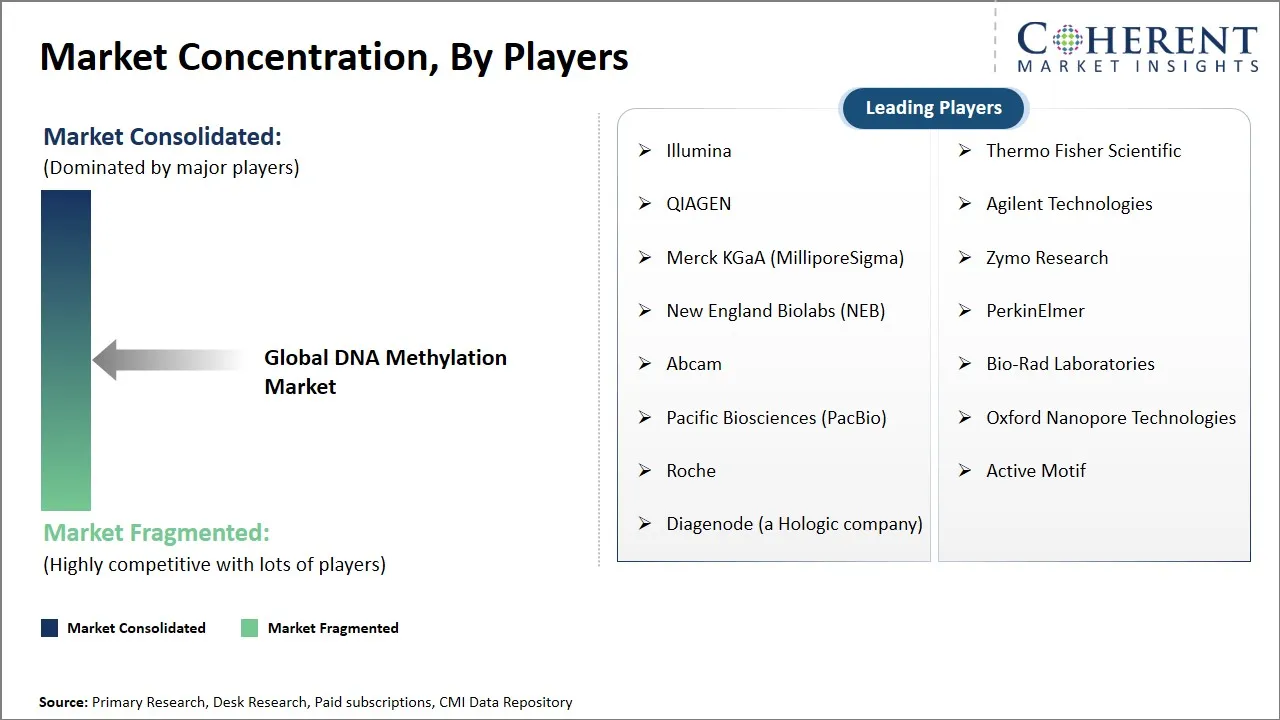
| Companies covered: | Illumina, Thermo Fisher Scientific, QIAGEN, Agilent Technologies, Merck KGaA (MilliporeSigma), Zymo Research, New England Biolabs (NEB), PerkinElmer, Abcam, Bio-Rad Laboratories, Pacific Biosciences (PacBio), Oxford Nanopore Technologies, Roche, Active Motif, and Diagenode (a Hologic company) | ||
| Growth Drivers: |
| ||
| Restraints & Challenges: |
| ||
DNA Methylation Market Dynamics
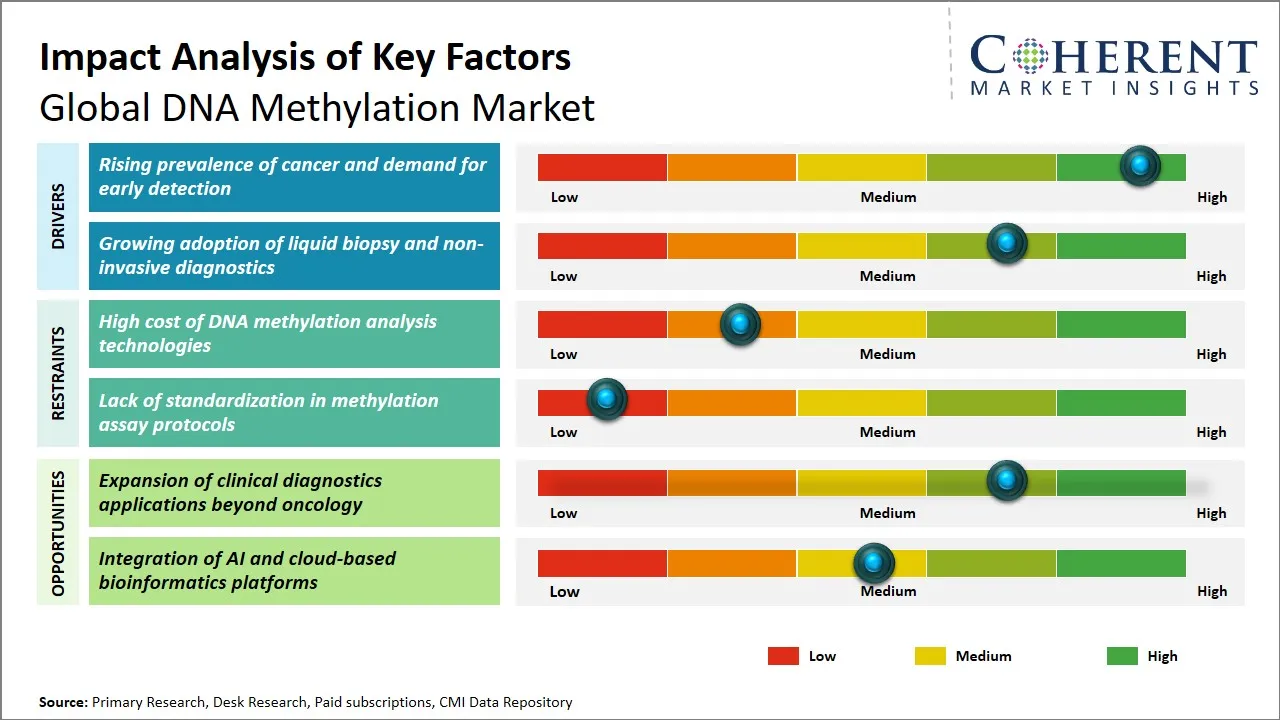
DNA Methylation Market Driver - Rising Prevalence of Cancer and Demand for Early Detection
Rising global cancer predisposition is a key driver fueling demand for advanced diagnostics, with DNA methylation analysis playing a critical role in detecting and diagnosing cancer at its early stages. The alteration in aberrant DNA methylation patterns are already considered to be some of the most important biomarkers in a number of cancers, allowing more accurate detection of the malignant changes at the initial stage when the effects of treatment tend to be more positive. With cancer remaining a critical issue in the population health, the use of non-invasive diagnostic, sensitive and specific diagnostic approaches by healthcare providers and researchers is growing, which subsequently drives the use of DNA methylation-based technologies.
In February 2024, the World Health Organization WHO and its cancer agency, the International Agency for Research on Cancer IARC reported that global cancer cases reached 20 million in 2022 with 9.7 million deaths and a projected rise to over 35 million new cases by 2050. WHO, a global health body, highlighted that most countries still lack adequate financing for cancer and palliative care under universal health coverage, while IARC based in Lyon France emphasized growing inequities particularly for women in low HDI countries who face higher mortality from breast cancer despite lower incidence.
DNA Methylation Market Opportunity - Expansion of Clinical Diagnostics Applications Beyond Oncology
The global DNA methylation market has a great opportunity to be developed with the increasing range of clinical diagnostic applications that are no longer limited to oncology. Although DNA methylation markers have been widely used in cancer detection, prognosis, and therapy monitoring, local developments have suggested that they can also be used in diagnostic and management of a broader spectrum of diseases, such as neurological disorders, autoimmune diseases, and metabolic conditions. Epigenetic modifications, including DNA methylation, are very important in the regulation of gene expression which are associated with diseases such as Alzheimer, Parkinson, multiple sclerosis, and diabetes.
In February 2025, Illumina Inc, a global leader in sequencing and genomics solutions, introduced its expanded multiomics technologies spanning genomics, spatial transcriptomics, single cell analysis, CRISPR, epigenetics, and advanced data analytics. Showcased at the Advances in Genome Biology and Technology AGBT General Meeting, these solutions highlight the growing role of DNA methylation in enabling deeper insights not only for oncology but also for applications in neurology, autoimmune disorders, and reproductive health.
Analyst Opinion (Expert Opinion)
- The DNA methylation market is gaining momentum as advancements in sequencing technologies, bioinformatics, and liquid biopsy are making epigenetic testing more accurate and clinically relevant. Rising demand for early cancer detection, companion diagnostics, and personalized medicine is driving adoption, while regulatory encouragement for biomarker-driven diagnostics further strengthens the field. At the same time, challenges such as high costs, lack of standardized protocols, and limited awareness in emerging regions remain barriers. The market also benefits from opportunities in agrigenomics, forensic science, and consumer-driven epigenetic testing, reflecting the growing reach of methylation technologies beyond oncology. Knowledge exchange platforms such as the American Association for Cancer Research (AACR) Annual Meeting, the European Human Genetics Conference, and the Advances in Genome Biology and Technology (AGBT) meetings in recent years have played an important role by providing researchers and companies space to share breakthroughs, influence policy directions, and showcase the integration of DNA methylation in next-generation sequencing workflows.
- Recent industry moves are shaping the outlook of this market. PacBio has enhanced its HiFi sequencing chemistry with deep learning-based methylation detection, Oxford researchers spun out Base Genomics around TAPS technology to improve sensitivity in blood-based cancer tests, and biomodal launched its duet multiomics solution that reads both genetic and epigenetic data in a single workflow. Governments and research bodies are also supporting early detection initiatives, with programs in the U.S. and Europe funding liquid biopsy pilots to accelerate adoption in clinical oncology. Together these advances and initiatives highlight a market that is transitioning from research-heavy applications to broader clinical, agricultural, and consumer-focused use cases, signaling significant growth potential in the coming years.
Speak to the analyst
Want personalized insights?
Take the findings above to one of our principal consultants, or have the report rebuilt around the segments, geographies and competitors you actually track.
Market Segmentation
- Product and Service Insights (Revenue, USD Bn, 2021 - 2033)
- Kits and Reagents (bisulfite conversion, enrichment/capture, PCR/qPCR, controls/standards)
- Instruments (NGS platforms, PCR/qPCR systems, microarray scanners, pyrosequencers)
- Software and Services (analysis/visualization tools, cloud pipelines, custom assay design, data interpretation)
- Technology Insights (Revenue, USD Bn, 2021 - 2033)
- Bisulfite-based sequencing (WGBS, RRBS, targeted bisulfite sequencing)
- Polymerase Chain Reaction (PCR)-based (MSP, qMSP, COBRA, HRM)
- Enrichment-based (MeDIP-seq, MBD-seq, capture-based panels)
- Array-based (Infinium/EPIC-type methylation arrays)
- Targeted detection (pyrosequencing, MassARRAY, digital PCR)
- Long-read and single-molecule (Nanopore direct, SMRT kinetics)
- Sample Type Insights (Revenue, USD Bn, 2021 - 2033)
- Tissue (FFPE, fresh/frozen)
- Liquid biopsy (plasma/serum cfDNA, whole blood/PBMC)
- Non-blood (saliva/buccal, urine, CSF)
- Germline/reproductive (sperm, oocytes)
- Others
- Workflow Stage Insights (Revenue, USD Bn, 2021 - 2033)
- Sample collection and DNA extraction
- Bisulfite conversion/chemical treatment
- Enrichment/capture
- Amplification and library preparation
- Sequencing/detection
- Bioinformatics analysis and reporting
- Application Insights (Revenue, USD Bn, 2021 - 2033)
- Clinical Applications
- Oncology Diagnostics & Prognostics
- Non-Invasive Prenatal Testing (NIPT)
- Genetic Disease Testing
- Other Disease Diagnostics (e.g., Neurological, Infectious)
- Research Applications
- Biomarker Discovery
- Developmental Biology
- Drug Discovery & Development
- Others (Animal Research)
- Clinical Applications
- End User Insights (Revenue, USD Bn, 2021 - 2033)
- Academic and research institutes
- Hospitals and clinical/diagnostic laboratories
- Pharmaceutical and biotechnology companies
- Contract research/central labs and reference labs
- Others (Forensic laboratories)
- Testing Model Insights (Revenue, USD Bn, 2021 - 2033)
- In-house testing (onsite labs)
- Outsourced testing (CROs/reference labs)
- Regional Insights (Revenue, USD Bn, 2021 - 2033)
- North America
- U.S.
- Canada
- Latin America
- Brazil
- Argentina
- Mexico
- Rest of Latin America
- Europe
- Germany
- U.K.
- Spain
- France
- Italy
- Russia
- Rest of Europe
- Asia Pacific
- China
- India
- Japan
- Australia
- South Korea
- ASEAN
- Rest of Asia Pacific
- Middle East
- GCC Countries
- Israel
- Rest of Middle East
- Africa
- South Africa
- North Africa
- Central Africa
- North America
- Key Players Insights
- Illumina
- Thermo Fisher Scientific
- QIAGEN
- Agilent Technologies
- Merck KGaA (MilliporeSigma)
- Zymo Research
- New England Biolabs (NEB)
- PerkinElmer
- Abcam
- Bio-Rad Laboratories
- Pacific Biosciences (PacBio)
- Oxford Nanopore Technologies
- Roche
- Active Motif
- Diagenode (a Hologic company)
Sources
Primary Research Interviews
- Industry Stakeholders list
- National Cancer Institute researchers
- Illumina R&D specialists
- End users list
- Oncologists in tertiary hospitals
- Clinical laboratory directors
Government and International Databases
- World Health Organization (WHO)
- National Institutes of Health (NIH)
- U.S. Food and Drug Administration (FDA)
- European Medicines Agency (EMA)
- Centers for Disease Control and Prevention (CDC)
- OECD Health Data
Trade Publications
- GenomeWeb
- BioCentury
- Clinical OMICS
- Diagnostics World
- PharmaVOICE
- Bioworld
Academic Journals
- Nature Genetics
- Epigenetics & Chromatin
- Clinical Epigenetics
- Cancer Research
- Nucleic Acids Research
- The Lancet Oncology
Reputable Newspapers
- The New York Times – Health Section
- The Guardian – Science Section
- The Wall Street Journal – Health & Science
- Financial Times – Healthcare
- Reuters Health
- BBC News – Science & Health
Industry Associations
- American Association for Cancer Research (AACR)
- European Society for Medical Oncology (ESMO)
- International Human Epigenome Consortium (IHEC)
- American Society of Clinical Oncology (ASCO)
- Human Epigenome Project
- European Society of Human Genetics (ESHG)
Public Domain Resources
- GenBank
- UCSC Genome Browser
- European Genome-phenome Archive (EGA)
- Human Protein Atlas
Proprietary Elements
- CMI Data Analytics Tool: Proprietary analytics tool to analyze real-time market trends, consumer behavior, and technology adoption in market
- Proprietary CMI Existing Repository of Information for Last 8 Years
Get access to 250+ pages report
Every segment, forecast, competitor profile and data table behind the analysis above — available for instant download.
- ESOMAR Member
- ISO 9001:2015 Certified
- D-U-N-S Registered
- GDPR & CCPA Compliant
Missing comfort of reading report in your local language? Find your preferred language:
Transform your Strategy with Exclusive Trending Reports
Frequently Asked Questions
The global DNA methylation market is estimated to be valued at USD 2.01 Bn in 2026 and is expected to reach USD 5.16 Bn by 2033.
The CAGR of global DNA methylation market is projected to be 14.4% from 2026 to 2033.
Rising prevalence of cancer and demand for early detection and growing adoption of liquid biopsy and non-invasive diagnostics are the major factors driving the growth of the global DNA methylation market.
High cost of DNA methylation analysis technologies and lack of standardization in methylation assay protocols are the major factors hampering the growth of the global DNA methylation market.
In terms of product and service, kits and reagents (bisulfite conversion, enrichment/capture, PCR/qPCR, controls/standards) are estimated to dominate the market revenue share in 2026.
Illumina, Thermo Fisher Scientific, QIAGEN, Agilent Technologies, Merck KGaA (MilliporeSigma), Zymo Research, New England Biolabs (NEB), PerkinElmer, Abcam, Bio-Rad Laboratories, Pacific Biosciences (PacBio), Oxford Nanopore Technologies, Roche, Active Motif, and Diagenode (a Hologic company) are the major players.
North America is expected to lead the global DNA methylation market in 2026.