

Global Fluoroquinolones Market Size and Forecast – 2026 to 2033
The global fluoroquinolones market is estimated to be valued at USD 5.38 Bn in 2026 and is expected to reach USD 7.83 Bn by 2033, exhibiting a compound annual growth rate (CAGR) of 5.5% from 2026 to 2033. This growth is driven by increasing prevalence of bacterial infections, rising geriatric population, and continuous advancements in pharmaceutical formulations that enhance drug efficacy and safety. The expanding healthcare infrastructure in emerging markets also contributes significantly to the market expansion during this period.
Key Takeaways of the Global Fluoroquinolones Market
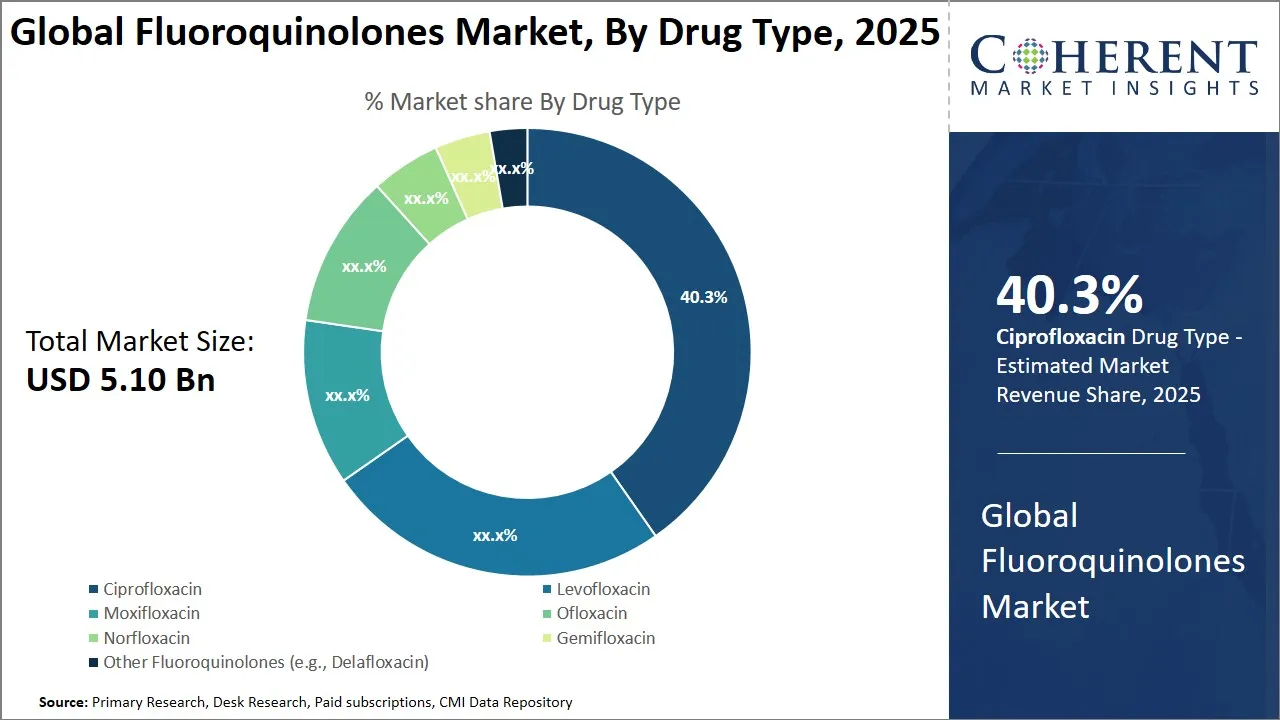
- The ciprofloxacin segment is expected to lead the fluoroquinolones market in 2026, commanding a significant share of 41.3 % in 2026.
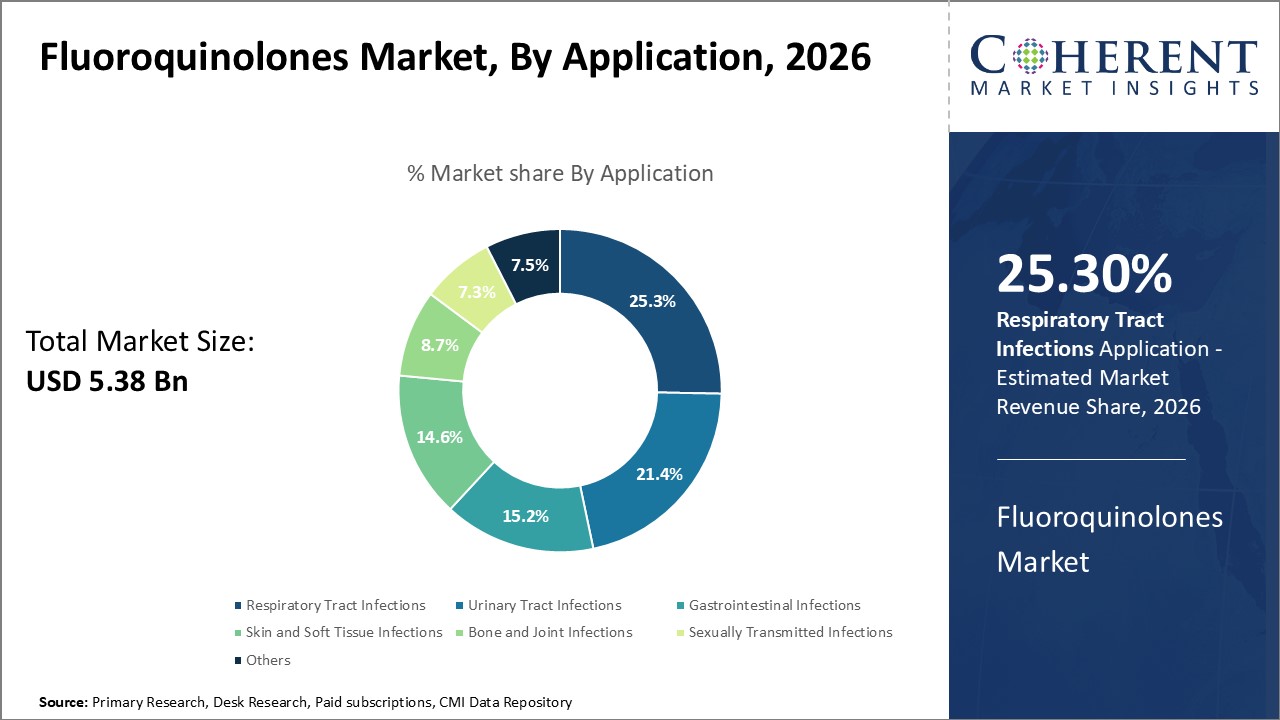
- The respiratory tract infections segment is projected to account for 25.3 % of the market share in 2026.
- The oral segment is set to dominate the fluoroquinolones market, with a share of 43.3% in 2026.
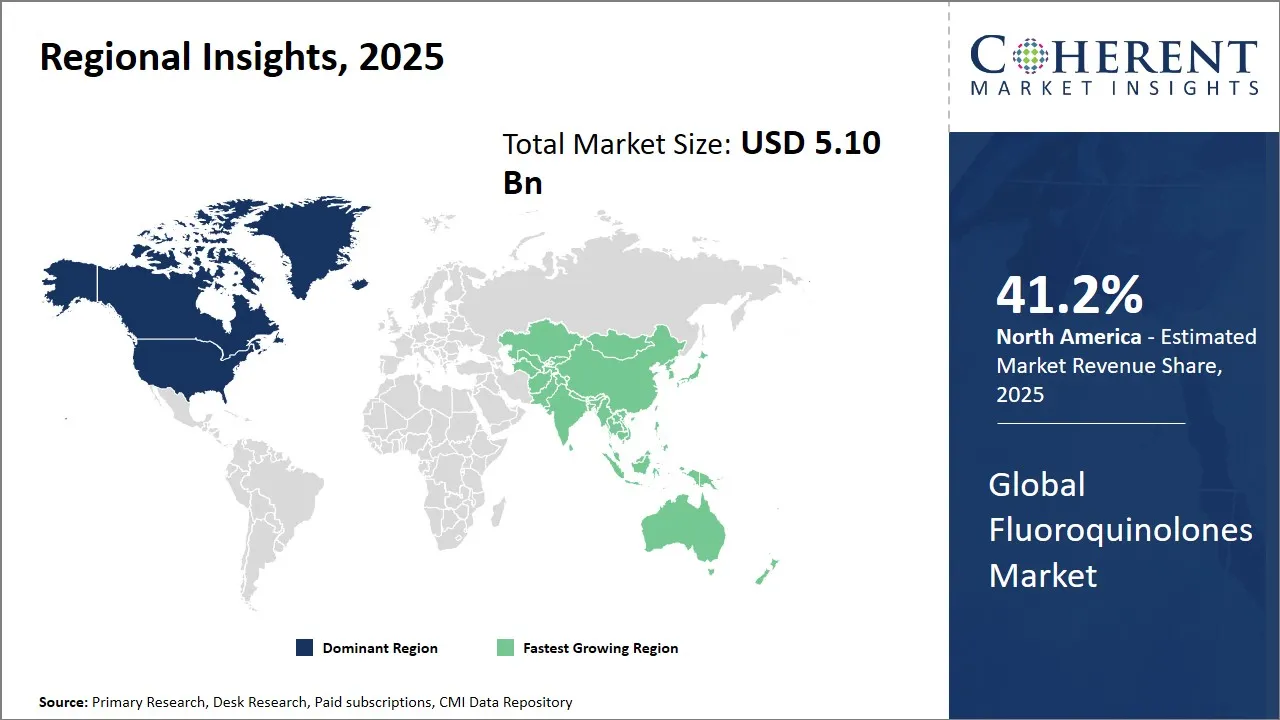
- North America is expected to lead the market, holding a share of 41.2 % in 2026. Asia Pacific is anticipated to be the fastest-growing region, with a market share of 24.4% in 2026.
Market Overview
Current market trends indicate a shift towards the development of novel fluoroquinolone derivatives with improved pharmacokinetics and reduced adverse effects, addressing growing concerns over antibiotic resistance. Additionally, there is a noticeable increase in investments towards R&D for combinational therapies that enhance treatment outcomes. Furthermore, rising awareness about respiratory and urinary tract infections, alongside the growing availability of generic fluoroquinolones, is accelerating adoption. These factors collectively shape the market landscape, fostering steady growth and innovation.
Current Events and Its Impact
Current Events | Description and their Impact |
Provincial Health Guideline Restriction (Alberta, Canada) |
|
Patent Expirations and Generic Dominance |
|
Segmental Insights
- Current Industry Events of 2026
- Market Size Estimation
- Regional Breakdown
- Competitive Landscape
- Customer Intelligence
- Segmental Analysis
- Pricing Analysis
- Key Market Drivers, Challenges & Future Trends
- Customized Insights Section
Fluoroquinolones Market Insights, by Drug Type – Ciprofloxacin Segment Contributes the Highest Market Share Owing to its Broad-Spectrum Efficacy and Versatile Clinical Applications
The ciprofloxacin segment is projected to account for 41.3% share in 2026, because it has been a proven drug and has been known to be a great broad-spectrum antibiotic. It can be used to treat various bacterial infections as it has the capacity of targeting a large number of Gram-negative and some Gram-positive bacteria. The strong antibacterial effect of ciprofloxacin against pathologic organisms causing urinary tract infections, respiratory infections, skin infections, and gastrointestinal diseases has established that the drug is a first line treatment in most clinical practices.
The other reason determining the market lead of Ciprofloxacin is the established safety profile with a long history of clinical use that has been documented over the decades. Medical workers prefer to use Ciprofloxacin because of its predictable pharmakokinetics, consistent absorption, and relatively low rates of serious adverse effects. Also, the variability of the drug in terms of dosage forms such as oral pills and intravenous injections improves its flexibility in delivering outpatient and inpatient care.
Fluoroquinolones Market Insights, by Application - Respiratory Tract Infections Segment Holds the Highest Share Driven by the High Prevalence of Respiratory Diseases and Fluoroquinolones’ Clinical Effectiveness in Treatment
The respiratory tract infections segment is expected to hold the highest share of 25.3% share in 2026. These have been one of the leading contributors to individual health across the globe with conditions such as community acquired pneumonia, bronchitis and chronic obstructive pulmonary disease flare ups. A number of bacteria pathogens cause these infections, most of which are very susceptible to fluoroquinolone antibiotics. The dominance of RTIs in the fluoroquinolones market is due to the high activity of the RTIs on important respiratory pathogens including Streptococcus pneumoniae, Haemophilus influenzae, and Moraxella catarrhalis.
For example, Mylan N. V. declared the introduction of the first AP-rated generic version of Avaxos by Bayers in the U.S. under the name Moxifloxacin Hydrochloride in 0.8% Sodium Chloride Injection, 400mg/250 ml. It is a fluoroquinolone antibacterial used in the treatment of respiratory infection in adults including community-acquired pneumonia, skin and skin infections, complicated intra-abdominal infections, plague and acute bacterial sinusitis.
Fluoroquinolones Market Insights, by Route of Administration - Oral Segment Dominates Owing to Convenience, Patient Compliance, and Widespread Outpatient Use
The oral segment is expected to capture 43.3% share in 2026, due to its significant benefits in the ease of use, access, and adherence by patients to the prescribed treatment. In primary care and outpatient, oral fluoroquinolones are superior and intravenous administration is not as practical.
Oral dosing of fluoroquinolones has been enabled by the pharmacokinetic characteristics where most drugs exhibit high bioavailability and most drugs have predictable absorption resulting in therapeutic drug concentrations equivalent to those of intravenous administration.
Regional Insights
North America Fluoroquinolones Market Analysis and Trends
North American market is expected to lead with 41.2% share in 2026, with its healthcare infrastructure, a well-developed pharmaceutical research base, and strict regulatory standards that guarantee the quality of drugs and their safety. Also, government programs that encourage antimicrobial stewardship and combating antibiotic resistance entrench the leadership of North America. Having a developed healthcare ecosystem and a high level of acceptance by healthcare providers also leads to long-term market dominance.
In August 2024, the New York State Department of Health (NYSDH) provided a health advisory to healthcare providers to discontinue the use of ciprofloxacin as a Post-Exposure Prophylaxis (PEP) in individuals who have been in contact with a person diagnosed with bacterial meningitis. This is based on the fact that there has been an upsurge in ciprofloxacin-resistant strains of Neisseria meningitidis, the bacteria that cause invasive meningococcal disease.
Asia Pacific Fluoroquinolones Market Analysis and Trends
The Asia Pacific market has the highest growth potential, with an estimated market share of 24.4% in 2026. This is owing to the increase in healthcare awareness, escalating cases of infectious diseases, and expanding drug production centers in India and China.
In August 2020, the first generic version of Ciprodex Otic Suspension, a combination of ciprofloxacin (0.3%), a fluoroquinolone antibiotic, and dexamethasone (0.1%), a corticosteroid, was released by Dr. Reddy labs. It is used as a generic treatment of infections that are caused by specific microorganisms such as Staphylococcus aureus, Streptococcus pneumoniae and Pseudomonas aeruginosa.
Global Fluoroquinolones Market Outlook for Key Countries
U.S. Fluoroquinolones Market Analysis and Trends
In the U.S fluoroquinolones market is marked with high regulatory adherence and innovation by the pharmaceutical giants like Pfizer and Merck. Such companies spend a lot of money in the development of next-generation fluoroquinolones having better efficacy and safety profiles through research and development. The existence of a well-developed healthcare system guarantees a high level of accessibility, and governmental programs that can help fight the issue of antimicrobial resistance also affect the prescribing habits, therefore, driving the market tendencies.
For example, Pfizer’s Cipro (ciprofloxacin), a cornerstone in bacterial infection treatment for years, while Merck has been advancing its pipeline for newer quinolone antibiotics to tackle antibiotic resistance. The presence of a strong healthcare infrastructure, alongside governmental initiatives like the U.S. Centers for Disease Control and Prevention’s (CDC) efforts against antimicrobial resistance, shapes prescribing patterns and encourages the use of more effective fluoroquinolones.
Germany Fluoroquinolones Market Analysis and Trends
The fluoroquinolones market in Germany has an excellent environment in terms of regulation and the healthcare policies are well established that promote the use of antibiotics prudently. The noteworthy participants that can help in stabilizing the market are Baye and Boehringer Ingelheim that provide innovative drug development, as well as generic formulations. The interest of the country on quality and sustainable healthcare provision makes sure that the fluoroquinolones are at a critical position in dealing with the bacterial infections although the situation is becoming unsustainable in terms of antibiotic resistance.
For example, companies like Bayer and Boehringer Ingelheim are pivotal to the fluoroquinolones market. Bayer, known for its Levaquin (levofloxacin), plays a significant role in providing both innovative drugs and generic alternatives, ensuring widespread accessibility.
India Fluoroquinolones Market Analysis and Trends
The market in India has been under the influence of the large generic pharmaceutical sector which has resulted in the companies like Cipla, Lupin and Sun Pharmaceutical to play the crucial roles in the local and global market of the fluoroquinolones. The penetration of the market is boosted by government assistance in the production of pharmaceuticals and health care campaigns. The large population of the country and rise in the spending on healthcare boost the demand, and competitive pricing rates enable more people in urban and rural regions to access healthcare.
For example, companies like Cipla, Lupin, and Sun Pharmaceutical dominate the Indian market, with Cipla's Cipro and Sun Pharma's fluoroquinolone formulations being widely prescribed. These companies not only cater to domestic demand but also export to international markets, benefiting from India's robust generic drug manufacturing capabilities.
China Fluoroquinolones Market Analysis and Trends
In China, the sale of fluoroquinolones is supported by the robust governmental aid to the healthcare reform and domestic pharmaceutical innovation. The leading companies in the production and new drug development activities include Jiangsu Hengrui Medicine and Huahai Pharmaceutical. The growth of the consumption of fluoroquinolones is conditioned by the increase in awareness of the management of infectious diseases and the development of the healthcare infrastructure, in particular, in the cities of the category of tier-2 and tier-3.
For example, China’s fluoroquinolones market is led by domestic pharmaceutical companies like Jiangsu Hengrui Medicine and Huahai Pharmaceutical. Hengrui’s Levofloxacin and other fluoroquinolone drugs have gained market share in both China and international markets.
End User Feedback and Unmet Needs
- End user feedback in the global fluoroquinolones market highlights a mix of satisfaction and concerns, reflecting both the strengths and limitations of these products across various sectors, including healthcare and pharmaceuticals. On the positive side, many healthcare professionals have praised fluoroquinolones for their broad-spectrum efficacy, particularly in treating severe bacterial infections where alternative antibiotics are ineffective. For instance, hospitals and clinics have consistently reported positive outcomes when using fluoroquinolones for respiratory and urinary tract infections, citing their fast action and reliable results. A healthcare practitioner in a large metropolitan hospital mentioned how fluoroquinolones like ciprofloxacin have significantly reduced the incidence of recurring infections, ultimately improving patient outcomes. However, a frequent issue reported by end-users is the growing concern over resistance development. Doctors have noted an increase in cases of antibiotic resistance, leading to treatment failures, especially with prolonged fluoroquinolone use. This is a significant challenge, with clinicians in various countries calling for stronger stewardship guidelines to mitigate resistance and ensure continued efficacy.
- The unmet needs in the fluoroquinolones market are primarily centered around innovation and support. Technologically, there is a gap in developing newer, more targeted fluoroquinolones with reduced resistance risks, as well as formulations that allow for better absorption and longer-lasting effects. Customization is another key issue, particularly in pediatrics, where dosage forms often don't align with the specific needs of children. From an affordability perspective, cost remains a barrier, especially in developing regions, where fluoroquinolone prices can be prohibitively high, limiting access to essential treatments. Addressing these gaps could drive growth opportunities, particularly for manufacturers investing in more affordable, targeted formulations and flexible dosing systems. By improving product accessibility and developing innovative solutions that combat resistance while also reducing costs, companies could not only enhance customer retention but also potentially expand market reach, especially in emerging markets.
Market Players, Key Developments, and Competitive Intelligence
Key Developments
- In April 2024, the U.S. Food and Drug Administration (FDA) approved pradofloxacin, a third-generation fluoroquinolone antibiotic, for use in cattle and swine to treat respiratory diseases. Marketed under the name Pradelex, pradofloxacin is already approved for use in cats and dogs by the European Medicines Agency since 2011. It is now authorized to treat bovine respiratory diseases caused by various pathogens and swine respiratory diseases caused by Bordetella bronchiseptica and other bacteria.
- In March 2024, Amneal Pharmaceuticals received U.S. FDA approval for its abbreviated new drug application (ANDA) to develop a generic version of Novartis’ Ciprodex (ciprofloxacin and dexamethasone otic suspension). This generic product is intended for the treatment of middle and outer bacterial ear infections. With this approval, Amneal aims to provide an affordable, complex, and high-value alternative to the branded Ciprodex, aligning with the company’s goal to diversify its business and portfolio.
- In January 2024, the Medicines and Healthcare products Regulatory Agency (MHRA) introduced new restrictions on the use of fluoroquinolone antibiotics following a review of their long-term side effects. The updated guidelines mandate that fluoroquinolones should only be prescribed when no other antibiotics are suitable, such as when other options have failed, are ineffective due to resistance, or are unsafe for the patient.
- In October 2024, a recent study published in bioRxiv journal explores a novel approach to resensitize fluoroquinolone-resistant Streptococcus pneumoniae using CRISPR interference (CRISPRi) profiling. The research identifies the activation of LiaR, a regulator involved in cell envelope homeostasis, as a potential strategy to combat fluoroquinolone resistance. Through genome-wide CRISPRi-seq screens, the study discovered that downregulating the LiaS gene, which normally keeps LiaR inactive, leads to increased fluoroquinolone sensitivity.
Top Strategies Followed by Global Fluoroquinolones Market Players
- Established players dominate the market landscape by leveraging substantial investments in research and development (R&D), which enables them to innovate and introduce high-performance fluoroquinolone products that meet stringent regulatory standards and cater to evolving therapeutic needs. These companies often form strategic partnerships with major industry stakeholders and original equipment manufacturers (OEMs), fostering collaborations that enhance product offerings and broaden technological capabilities.
- Established players such as Johnson & Johnson (Janssen Pharmaceuticals), with its widely used Levaquin (levofloxacin), and Novartis, known for (CILOXAN) Ciprofloxacin, dominate the fluoroquinolones market by investing heavily in R&D to create innovative, high-performance products.
- Mid-level market players adopt a distinct competitive approach by prioritizing cost-effective solutions that strike a balance between quality and affordability. Recognizing the price sensitivity of a significant portion of the global patient base, these companies tailor their fluoroquinolone portfolios to appeal to budget-conscious consumers, especially in developing regions with constrained healthcare budgets.
- Mid-scale players like Lupin Pharmaceuticals and Mankind Pharma focus on providing affordable, generic versions of fluoroquinolones, such as Ciprofloxacin and Levofloxacin, targeting price-sensitive markets in regions like India and Asia.
- Small-scale players in the global fluoroquinolones market employ highly specialized strategies to differentiate themselves and establish footholds within specific regional or therapeutic niches. They typically focus on developing innovative products with unique features such as novel drug delivery systems or formulations targeting resistant bacterial strains to meet unmet medical needs.
- Small-scale players like Ipca Laboratories, with products like Normax (Norfloxacin), and Sun Pharma, offering Zanocin, differentiate themselves by developing specialized formulations targeting specific regional markets or resistant bacterial strains, filling niches where larger companies might not focus.
Market Report Scope
Fluoroquinolones Market Report Coverage
| Report Coverage | Details | ||
|---|---|---|---|
| Base Year: | 2025 | Market Size in 2026: | USD 5.38 Bn |
| Historical Data for: | 2020 To 2024 | Forecast Period: | 2026 To 2033 |
| Forecast Period 2026 to 2033 CAGR: | 5.5% | 2033 Value Projection: | USD 7.83 Bn |
| Geographies covered: |
| ||
| Segments covered: |
| ||
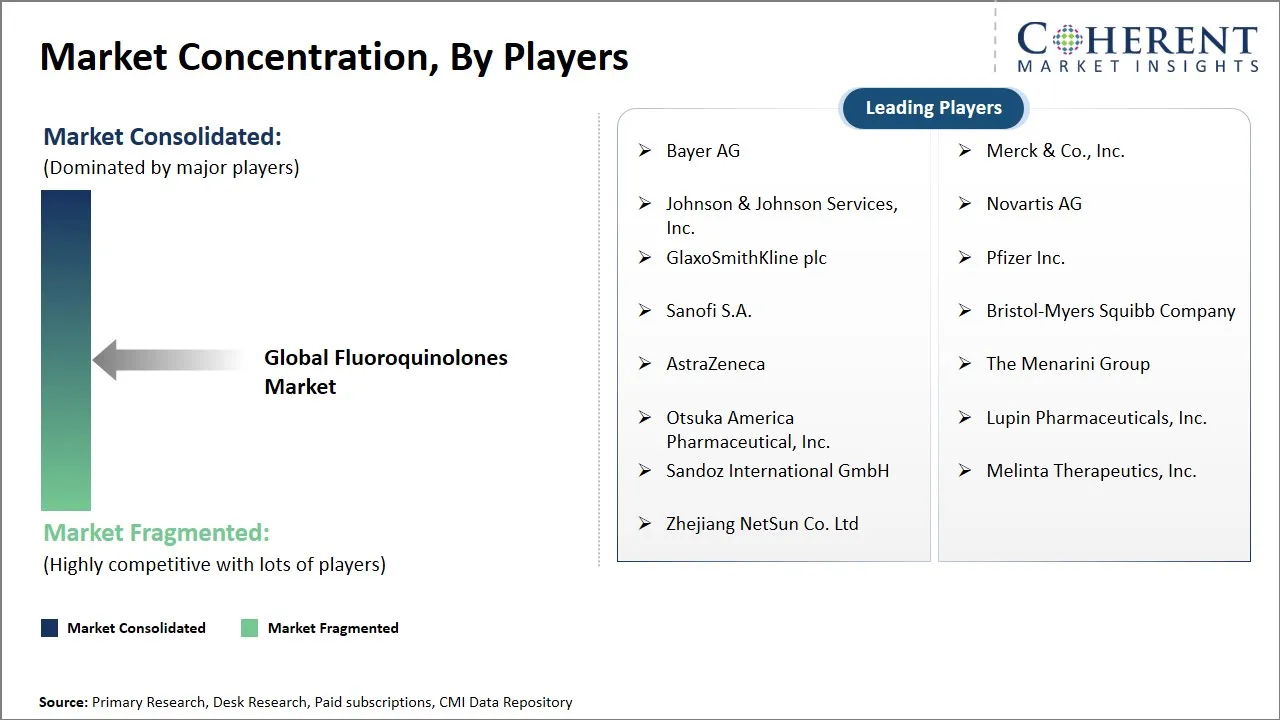
| Companies covered: | Bayer AG, Merck & Co., Inc., Johnson & Johnson Services, Inc., Novartis AG, GlaxoSmithKline plc, Pfizer Inc., Sanofi S.A., Bristol-Myers Squibb Company, AstraZeneca, The Menarini Group, Otsuka America Pharmaceutical, Inc., Lupin Pharmaceuticals, Inc., Sandoz International GmbH, Melinta Therapeutics, Inc., and Zhejiang NetSun Co. Ltd | ||
| Growth Drivers: |
| ||
| Restraints & Challenges: |
| ||
Fluoroquinolones Market Dynamics
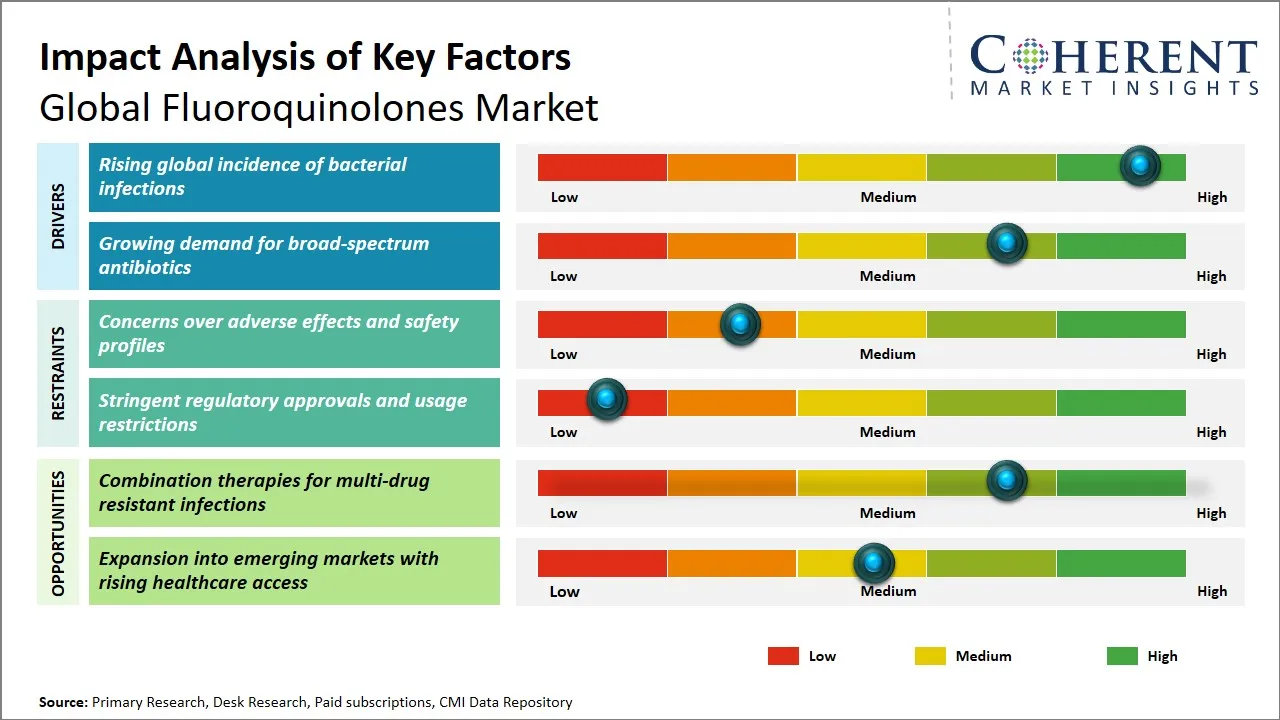
Fluoroquinolones Market Driver - Rising Global Incidence of Bacterial Infections
The growing rate of bacterial infections all over the world is a major cause that is driving the demand of fluoroquinolones. The broad-spectrum nature of the antibiotics makes their usage to be rampant in issues of respiratory and urinary tract infections, gastrointestinal infections, as well as skin-related bacterial diseases. The rise in the number of cases of bacterial infections in the emerging markets has been caused by increased urbanization, aging, and the increasing healthcare access which has increased the use of effective antibacterial agents such as fluoroquinolones.
In June 2024, the World Health Organization (WHO) highlighted a critical global need for new antibacterial therapies as antimicrobial resistance (AMR) continues to escalate, complicating the treatment of diseases such as pneumonia and bloodstream infections and making them increasingly dangerous. Despite a growing number of antibacterial agents, only a few are truly novel and capable of addressing the most threatening pathogens. Meanwhile, the rise of New Delhi metallo-β-lactamase-producing carbapenem-resistant Enterobacteriaceae (NDM-CRE), a highly resistant group of bacteria, surged by over 460% in the U.S. from 2019 to 2023. This dramatic increase has made treatment and detection more challenging, further compounded by insufficient testing capacity, posing a significant strain on healthcare systems worldwide.
Fluoroquinolones Market Opportunity - Combination Therapies for Multi-Drug Resistant Infections
The increasing incidence of Multi-Drug Resistant (MDR) catheter-associated infections has been a major avenue to the fluoroquinolones market with the establishment and utilization of combination therapy. The traditional approach to the use of fluoroquinolones is the monotherapy due to their broad-spectrum coverage against bacteria, but their effectiveness is being undercut by the uprising of resistant strains. Pharmaceutical companies and healthcare providers are in turn considering combination regimens which combine fluoroquinolones with other antimicrobial agents in order to improve the result of therapeutic interventions and curb the emergence of resistance.
In December 2023, according to article published by National Library of Medicine, A Korean study on fluoroquinolones combination therapy for hospital-acquired pneumonia found it linked to a higher mortality risk compared to cefepime or piperacillin/tazobactam monotherapy. Among 9,955 patients, those receiving fluoroquinolones had a 30% higher mortality risk (adjusted OR 1.30). The therapy also increased readmission risk due to pneumonia in high-risk patients (adjusted OR 1.60), suggesting caution in its use.
Analyst Opinion (Expert Opinion)
- The fluoroquinolones market growth is being driven by several key factors, including increasing bacterial resistance, advancements in drug formulations, and greater global access to healthcare. with the ever-growing resistance to antibiotics, the need to have effective and wide-spectrum antibiotics such as fluoroquinolones has increased, especially in those emerging economies whose healthcare systems are growing in size. The regulatory assistance provided by the agencies such as the U.S. FDA and EMA also has a key role in making sure that the further progress and approval of these drugs are possible. The market has however been faced with the problem of concern about side effects, the emergence of competition by other antibiotics as well as the pressure exerted by generic drug manufacturers. The challenges are being mitigated by the unrelenting studies on next-generation fluoroquinolones with improved safety profiles and efficacy in treating resistant pathogens.
- Opportunities are found in the technological innovations, including digital health and personalized medicine that is gradually being incorporated into antibiotic treatment. The importance of fluoroquinolones in addressing emerging infectious diseases has been indicated in such notable events of the industry as the European Congress of Clinical Microbiology and Infectious Diseases (ECCMID) and the World Health Assembly (WHA). Actual projects, e.g. Global Action Plan on Antimicrobial Resistance by the WHO, are aimed at the sustainable use of antibiotics and its management. In the recent years, the partnerships between governments and pharmaceutical companies to tackle the resistance have led to the development of policies that will have an impact on the market over the coming years.
Speak to the analyst
Want personalized insights?
Take the findings above to one of our principal consultants, or have the report rebuilt around the segments, geographies and competitors you actually track.
Market Segmentation
- Drug Type Insights (Revenue, USD Bn, 2021 - 2033)
- Ciprofloxacin
- Levofloxacin
- Moxifloxacin
- Ofloxacin
- Norfloxacin
- Gemifloxacin
- Other Fluoroquinolones (e.g., Delafloxacin)
- Application Insights (Revenue, USD Bn, 2021 - 2033)
- Respiratory Tract Infections
- Urinary Tract Infections
- Gastrointestinal Infections
- Skin and Soft Tissue Infections
- Bone and Joint Infections
- Sexually Transmitted Infections
- Others
- Route Of Administration Insights (Revenue, USD Bn, 2021 - 2033)
- Oral
- Intravenous
- Topical
- Ophthalmic
- Type Insights (Revenue, USD Bn, 2021 - 2033)
- Branded
- Generic
- Age Group Insights (Revenue, USD Bn, 2021 - 2033)
- Pediatric
- Adult
- Geriatric
- End User Insights (Revenue, USD Bn, 2021 - 2033)
- Hospitals
- Clinics
- Home Healthcare
- Specialty Clinics
- Ambulatory Surgical Centers
- Distribution Channel Insights (Revenue, USD Bn, 2021 - 2033)
- Hospital Pharmacies
- Retail Pharmacies
- Online Pharmacies
- Regional Insights (Revenue, USD Bn, 2021 - 2033)
- North America
- U.S.
- Canada
- Latin America
- Brazil
- Argentina
- Mexico
- Rest of Latin America
- Europe
- Germany
- U.K.
- Spain
- France
- Italy
- Russia
- Rest of Europe
- Asia Pacific
- China
- India
- Japan
- Australia
- South Korea
- ASEAN
- Rest of Asia Pacific
- Middle East
- GCC Countries
- Israel
- Rest of Middle East
- Africa
- South Africa
- North Africa
- Central Africa
- North America
- Key Players Insights
- Bayer AG
- Merck & Co., Inc.
- Johnson & Johnson Services, Inc.
- Novartis AG
- GlaxoSmithKline plc
- Pfizer Inc.
- Sanofi S.A.
- Bristol-Myers Squibb Company
- AstraZeneca
- The Menarini Group
- Otsuka America Pharmaceutical, Inc.
- Lupin Pharmaceuticals, Inc.
- Sandoz International GmbH
- Melinta Therapeutics, Inc.
- Zhejiang NetSun Co. Ltd
Sources
Primary Research Interviews
- Industry Stakeholders
- U.S. Food and Drug Administration (FDA)
- European Medicines Agency (EMA)
- End Users
- Centers for Disease Control and Prevention (CDC)
- World Health Organization (WHO)
Government and International Databases
- U.S. National Library of Medicine (PubMed)
- European Medicines Agency (EMA)
- U.S. Centers for Disease Control and Prevention (CDC)
- World Health Organization (WHO)
- U.S. Food and Drug Administration (FDA)
- National Institutes of Health (NIH)
Trade Publications
- The Pharmaceutical Journal
- Journal of Antimicrobial Chemotherapy
- Clinical Infectious Diseases
- The Lancet Infectious Diseases
- Emerging Infectious Diseases
- Journal of Clinical Microbiology
Academic Journals
- Clinical Infectious Diseases
- Journal of Antimicrobial Chemotherapy
- Emerging Infectious Diseases
- The Lancet Infectious Diseases
- Journal of Clinical Microbiology
- Antimicrobial Agents and Chemotherapy
Reputable Newspapers
- The New York Times
- The Guardian
- The Washington Post
- The Times
- Le Monde
- The Hindu
Industry Associations
- Infectious Diseases Society of America (IDSA)
- European Society of Clinical Microbiology and Infectious Diseases (ESCMID)
- American Society for Microbiology (ASM)
- International Society for Infectious Diseases (ISID)
- World Health Organization (WHO)
- Centers for Disease Control and Prevention (CDC)
Public Domain Resources
- U.S. National Library of Medicine (PubMed)
- European Medicines Agency (EMA)
- World Health Organization (WHO)
- Centers for Disease Control and Prevention (CDC)
- U.S. Food and Drug Administration (FDA)
- National Institutes of Health (NIH)
Proprietary Elements
- CMI Data Analytics Tool: Proprietary analytics tool to analyze real-time market trends, consumer behavior, and technology adoption in market
- Proprietary CMI Existing Repository of Information for Last 8 Years
Get access to 250+ pages report
Every segment, forecast, competitor profile and data table behind the analysis above — available for instant download.
- ESOMAR Member
- ISO 9001:2015 Certified
- D-U-N-S Registered
- GDPR & CCPA Compliant
Missing comfort of reading report in your local language? Find your preferred language:
Transform your Strategy with Exclusive Trending Reports
Frequently Asked Questions
The global fluoroquinolones market is estimated to be valued at USD 5.38 Bn in 2026 and is expected to reach USD 7.83 Bn by 2033.
The CAGR of the global fluoroquinolones market is projected to be 5.5% from 2026 to 2033.
Rising global incidence of bacterial infections and growing demand for broad-spectrum antibiotics are the major factors driving the growth of the global fluoroquinolones market.
Concerns over adverse effects and safety profiles and stringent regulatory approvals and usage restrictions are the major factors hampering the growth of the global fluoroquinolones market.
In terms of drug type, the ciprofloxacin segment is estimated to dominate the market revenue share in 2026.
Bayer AG, Merck & Co., Inc., Johnson & Johnson Services, Inc., Novartis AG, GlaxoSmithKline plc, Pfizer Inc., Sanofi S.A., Bristol-Myers Squibb Company, AstraZeneca, The Menarini Group, Otsuka America Pharmaceutical, Inc., Lupin Pharmaceuticals, Inc., Sandoz International GmbH, Melinta Therapeutics, Inc., and Zhejiang NetSun Co. Ltd are the major players.
North America is expected to lead the global fluoroquinolones market in 2026.