

Herceptin Biologic and Biosimilar Market Size and Forecast – 2026 to 2033
The Herceptin Biologic and Biosimilar Market is estimated to be valued at USD 3.49 Bn in 2026 and is expected to reach USD 5.19 Bn by 2033, exhibiting a compound annual growth rate (CAGR) of 5.8% from 2026 to 2033. The market growth is primarily driven by the increasing prevalence of breast cancer worldwide, the growing awareness about early diagnosis and treatment, and the expanding indications for Herceptin in various types of cancer.
Key Takeaways of the Herceptin Biologic and Biosimilar Market
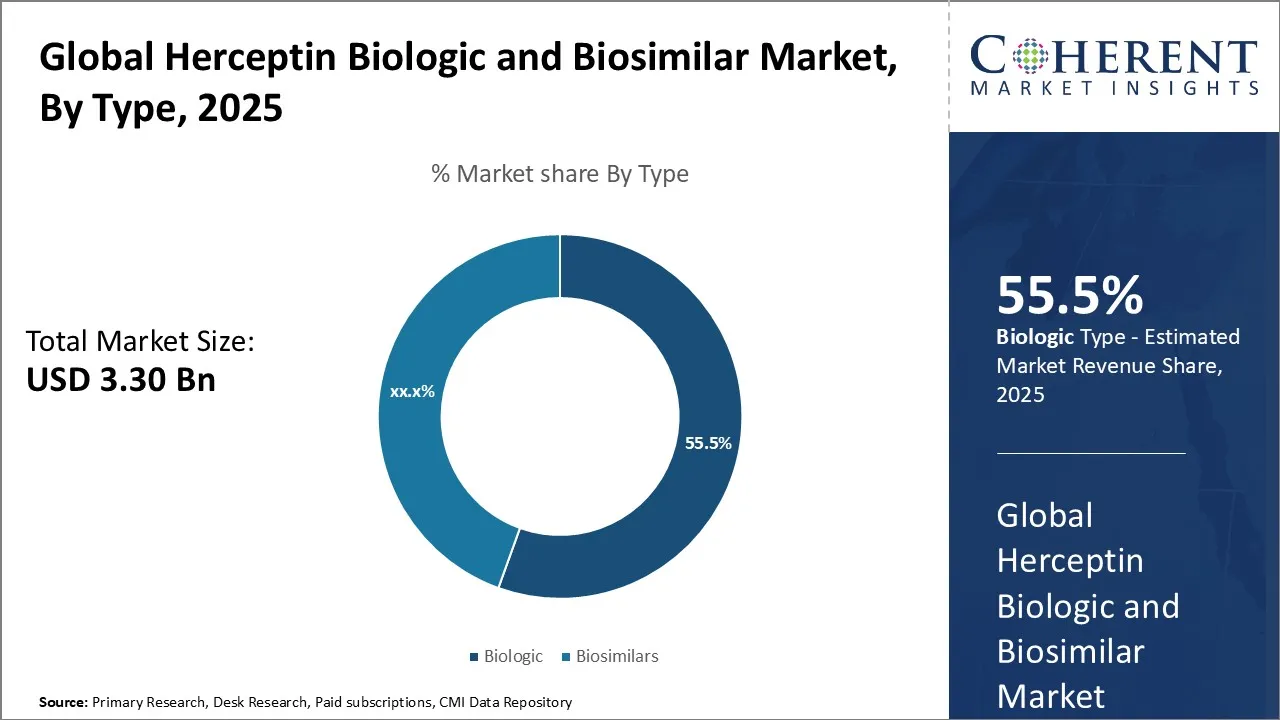
- In terms of market share by type, biologic segment is expected to dominate with 56.5% share in 2026.
- By application, breast cancer treatment is expected to hold the largest share at 57.3% in 2026.
- Based on distribution channel, hospital pharmacies account for the highest share at an estimated 36.5% in 2026.
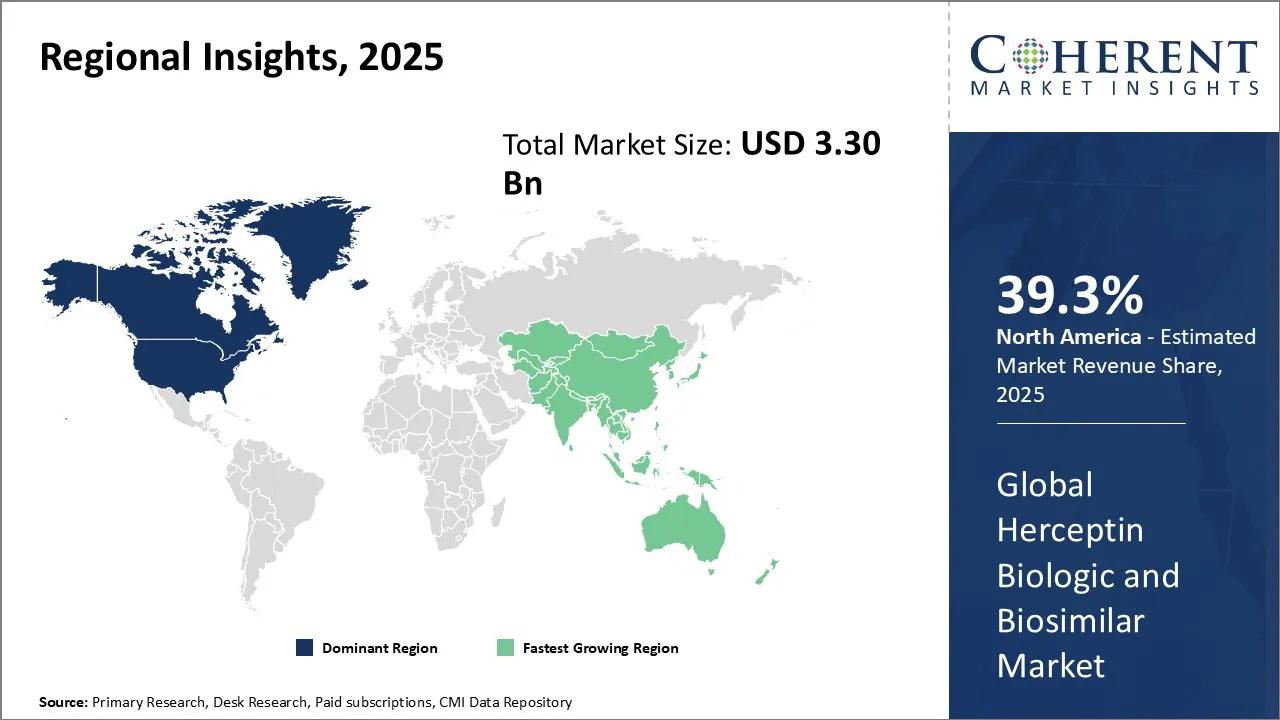
- North America is expected to lead the market, holding a share of 38.3% in 2026. Asia Pacific is anticipated to be the fastest-growing region, with a market share of 25.9% in 2026.
Market Overview
The market trend for Herceptin is expected to remain positive, with a focus on personalized medicine and targeted therapies. The development of biosimilars and the expiration of patents for Herceptin are likely to increase competition and accessibility to the drug. Furthermore, ongoing clinical trials and research are exploring the potential of Herceptin in combination with other therapies, such as immunotherapy and chemotherapy, to improve patient outcomes and expand its application in various stages and types of cancer.
Currents Events and their Impact
Current Events | Description and its impact |
Technological Advancements in Drug Delivery |
|
U.S. FDA Approval of New Biosimilar |
|
Segmental Insights
- Current Industry Events of 2026
- Market Size Estimation
- Regional Breakdown
- Competitive Landscape
- Customer Intelligence
- Segmental Analysis
- Pricing Analysis
- Key Market Drivers, Challenges & Future Trends
- Customized Insights Section
Herceptin Biologic and Biosimilar Market Insights, By Type - The biologic segment dominates due to its targeted approach and improved efficacy in treating HER2-positive breast and gastric cancers
In terms of type, biologic is expected to contribute the highest market share of 56.5% in 2026 owing to its targeted approach and improved efficacy in treating HER2-positive breast and gastric cancers. Herceptin, a monoclonal antibody, specifically targets the HER2 protein, which is overexpressed in certain types of cancers. This targeted therapy has revolutionized the treatment landscape by selectively attacking cancer cells while minimizing damage to healthy tissues. The effectiveness of Herceptin in improving patient outcomes, prolonging survival rates, and reducing the risk of recurrence has led to its widespread adoption and dominant market position.
Moreover, the increasing incidence of HER2-positive cancers and the growing awareness about personalized medicine have further fueled the demand for biologic treatments like Herceptin. As healthcare professionals and patients alike recognize the benefits of targeted therapies, the preference for biologics over traditional chemotherapy has risen significantly. The development of companion diagnostic tests that help identify patients who are likely to respond well to Herceptin has also contributed to its market dominance.
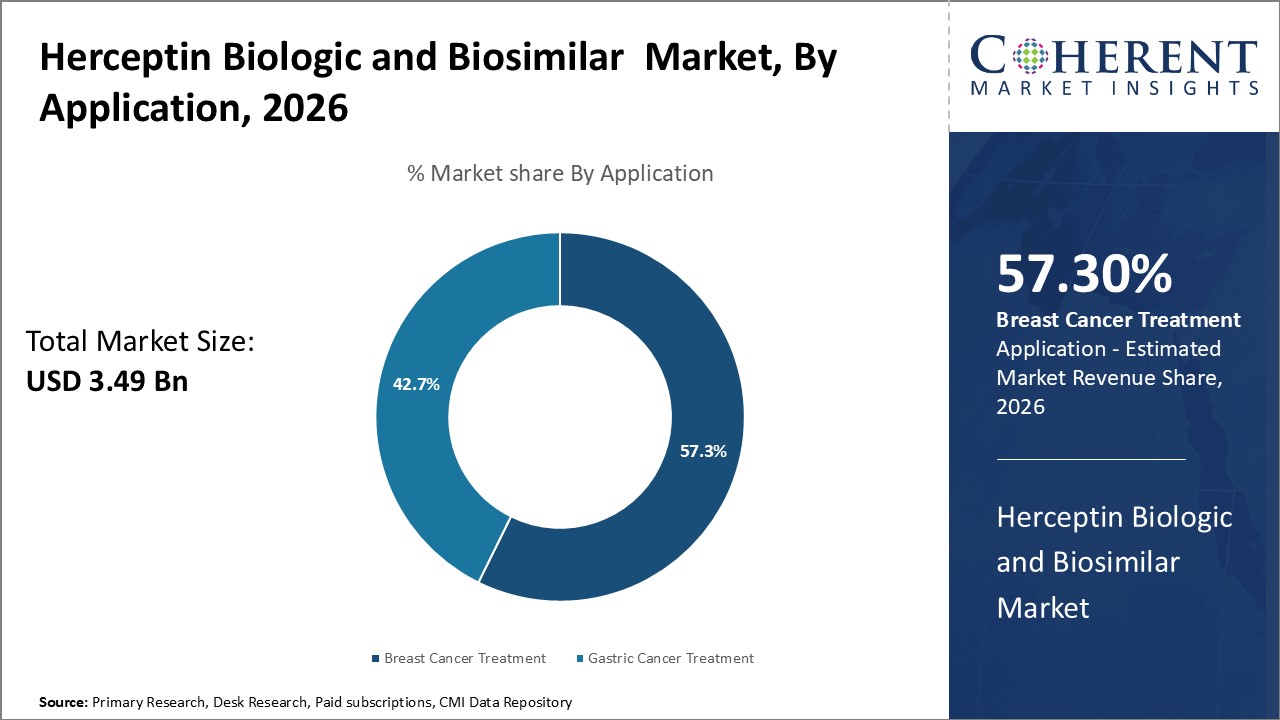
Herceptin Biologic and Biosimilar Market Insights, By Application - Breast cancer treatment is the leading segment because of the high prevalence of HER2-positive breast cancer and the well-established effectiveness of Herceptin
In terms of application, breast cancer treatment is projected to contribute the highest market share of 57.3% in 2026 due to the high prevalence of HER2-positive breast cancer and the established efficacy of Herceptin in treating this condition. Globally, breast cancer is the most common cancer among women, with a significant proportion of cases being HER2-positive. The overexpression of the HER2 protein in breast cancer cells is associated with aggressive tumor growth, increased risk of recurrence, and poor prognosis.
The well-established efficacy of Herceptin in combination with chemotherapy for both early-stage and metastatic HER2-positive breast cancer has made it the standard of care in this segment. Clinical trials have consistently demonstrated the superiority of Herceptin-based regimens in terms of tumor response, progression-free survival, and overall survival compared to chemotherapy alone.
For instance, in March 2024, Accord BioPharma, Inc., the U.S. specialty division of Intas Pharmaceuticals, received U.S. FDA approval for a new 420 mg strength of Hercessi (trastuzumab-strf), a Herceptin biosimilar for HER2-overexpressing breast and gastric cancers. This added strength enhances dosing flexibility and reduces preparation waste.
Herceptin Biologic and Biosimilar Market Insights, By Distribution Channel - Hospital pharmacies dominate since Herceptin requires specialized handling, intravenous administration, and close monitoring of patients
In terms of distribution channel, hospital pharmacies segment contributes the highest share of the market with an estimated share of 36.5% in 2026 due to the specialized handling requirements of Herceptin and the need for close monitoring of patients receiving the treatment. Herceptin, being a biologic medication, requires careful storage, preparation, and administration to ensure its stability and effectiveness. Hospital pharmacies are well-equipped to handle these complexities, with trained personnel and appropriate infrastructure in place. The availability of specialized facilities, such as clean rooms and refrigeration units, ensures the proper storage and preparation of Herceptin doses.
Furthermore, patients receiving Herceptin treatment often require close monitoring and supportive care, which is best provided in a hospital setting. The administration of Herceptin involves intravenous infusion, and patients may experience side effects that necessitate immediate medical attention. Hospital pharmacies work closely with healthcare teams to ensure the safe and effective delivery of Herceptin, monitoring patients for any adverse reactions and providing timely interventions when needed.
Reimbursement Scenario for Herceptin Biologic and Biosimilar Market
- The reimbursement scenario for Herceptin in the global market is shaped by the eligibility criteria of various financial assistance programs. For patients in the U.S. with commercial (private or non-governmental) insurance, the Genentech Oncology Co-pay Assistance Program offers substantial support, potentially covering up to USD 25,000 annually. This assistance can significantly reduce the cost burden for patients with private insurance, provided they meet specific conditions, such as being 18 years or older and using Herceptin for FDA-approved indications. Notably, this program is not available for patients using state or federally funded insurance, such as Medicare or Medicaid, and patients who are receiving assistance from other charitable organizations or government-funded plans are excluded.
- Globally, the reimbursement process for Herceptin may vary by region, but many countries follow similar principles to those seen in the U.S., where access to financial assistance is often tied to specific health insurance coverage and treatment approval. In some countries, government health programs may subsidize the cost of Herceptin, while in others, patients with commercial insurance may be able to benefit from co-pay programs like those offered by Genentech. However, it is crucial for patients to verify eligibility through the available tools and programs tailored to their specific region and insurance situation, as regulations and available assistance can differ globally.
Regional Insights
North America Herceptin Biologic and Biosimilar Market Analysis and Trends
North America dominates the global Herceptin Biologic and Biosimilar Market with an estimated share of 38.3% in 2026. The region boasts a well-established healthcare infrastructure, high adoption rates of advanced cancer therapies, and a strong presence of leading pharmaceutical companies. The U.S., in particular, has been at the forefront of breast cancer research and treatment, with numerous clinical trials and research initiatives focused on Herceptin and its efficacy.
Moreover, favorable reimbursement policies and insurance coverage for cancer treatments have contributed to the widespread use of Herceptin in the region. Key players such as Genentech (a subsidiary of Roche) and Mylan have played a significant role in the market's growth through their manufacturing capabilities and distribution networks.
Asia Pacific Herceptin Biologic and Biosimilar Market Analysis and Trends
The Asia Pacific region is expected to exhibit the fastest growth in the global Herceptin Biologic and Biosimilar Market with a share of 25.9% in 2026. This growth can be ascribed to several factors, including rising breast cancer prevalence, increasing awareness about early detection and treatment, and improving healthcare infrastructure in countries like China, India, and Japan. Governments in these countries have been implementing policies and initiatives to enhance access to cancer care and promote the use of targeted therapies like Herceptin.
Additionally, the expanding middle class and growing disposable incomes have made advanced cancer treatments more affordable for a larger population. Collaborations between international pharmaceutical companies and local manufacturers have also played a crucial role in making Herceptin more widely available in the region.
Global Herceptin Biologic and Biosimilar Market Outlook for Key Countries:
U.S. Herceptin Biologic and Biosimilar Market Trends
The U.S. market for Herceptin remains robust, driven by a high incidence rate of breast cancer, strong research and development efforts, and favorable regulatory environment. Key players such as Genentech and Mylan have a significant presence in the country, with Genentech being the primary manufacturer of Herceptin. The U.S. Food and Drug Administration (FDA) has been supportive of Herceptin's development and has granted it various approvals for different indications. The country's advanced healthcare system, coupled with extensive insurance coverage, has made Herceptin widely accessible to patients.
For instance, in March 2024, the U.S. FDA granted full approval to Merck & Co., Inc., a leading U.S.-based pharmaceutical firm, for Herceptin (pembrolizumab) in combination with trastuzumab and chemotherapy for treating HER2-positive, PD-L1-expressing advanced or metastatic gastric/GEJ adenocarcinoma. This followed its accelerated approval in May 2021, demonstrating notable survival benefits.
China Herceptin Biologic and Biosimilar Market Trends
China's market for Herceptin has been growing rapidly, fueled by a large patient population, increasing healthcare expenditure, and rising awareness about targeted cancer therapies. The Chinese government has been implementing reforms to streamline the drug approval process and improve access to innovative treatments like Herceptin. Local pharmaceutical companies, such as Shanghai Henlius Biotech, have been actively involved in developing biosimilars of Herceptin, aiming to provide more affordable options for patients. Collaborations between international companies and Chinese firms have also played a significant role in expanding the market's reach.
For instance, in July 2024, Prestige Biopharma, a global biopharmaceutical company, announced that the CHMP of the European Medicines Agency had recommended Tuznue, its biosimilar to Herceptin (Trastuzumab), for marketing authorization. Tuznue, which successfully completed Phase 1 and Phase 3 trials, demonstrated bio-similarity in effectiveness, safety, and immunogenicity.
Japan Herceptin Biologic and Biosimilar Market Trends
Japan continues to be a significant market for Herceptin, with a high prevalence of breast cancer and a well-established healthcare system. The country's aging population and increasing healthcare spending have contributed to the demand for effective cancer treatments. Chugai Pharmaceutical, a subsidiary of Roche, has been a key player in the Japanese Herceptin Biologic and Biosimilar Market, manufacturing and distributing Herceptin. The Japanese government has been supportive of cancer research and has implemented policies to ensure access to innovative therapies like Herceptin.
For instance, in December 2024, Celltrion, a leading South Korean, biopharmaceutical company, announced that its breast and gastric cancer treatment, Herzuma (trastuzumab), captured a 74% market share in Japan as of November 2024, according to IQVIA data. Herzuma surpassed the market share of Roche’s Herceptin in Q2 2021 and has maintained its leadership for three years.
India Herceptin Biologic and Biosimilar Market Trends
The India Herceptin Biologic and Biosimilar Market is experiencing notable trends driven by the rapid uptake of biosimilars, which now dominate the largest segment by revenue, reflecting both cost-effectiveness and increased accessibility for patients. Growing awareness about HER2-positive breast cancer and improved diagnostics are expanding the eligible patient pool, while ongoing clinical research and adoption of advanced treatment technologies, including AI for diagnostics and supply chain management, are further shaping market dynamics.
For instance, in March 2024, Aurobindo Pharma, an India-based generic and specialty medicines manufacturer, announced marketing approval in India for its trastuzumab biosimilar developed by subsidiary Curateq Biologics Pvt. Ltd. The product is approved for HER2-positive breast and metastatic gastric cancers, offering a more affordable option in the Indian Herceptin Biologic and Biosimilar Market.
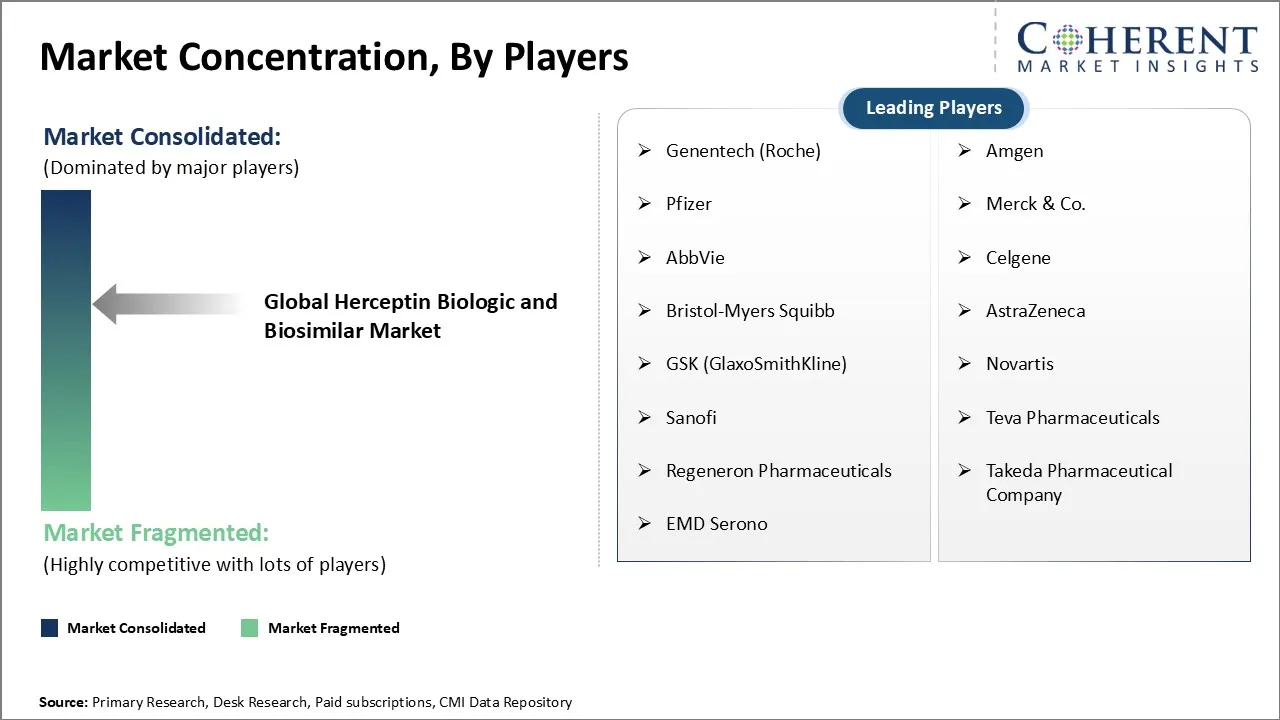
Market Players, Key Developments, and Competitive Intelligence
Key Developments
- In February 2025, Merck & Co., Inc., a U.S.-based global healthcare company, announced that Health Canada approved KEYTRUDA (pembrolizumab) in combination with trastuzumab and chemotherapy for first-line treatment of adults with HER2-positive, PD-L1-expressing advanced gastric or gastroesophageal junction (GEJ) adenocarcinoma.
- In January 2025, AstraZeneca, a U.K.-headquartered global biopharmaceutical company, announced that the U.S. FDA approved Enhertu (trastuzumab deruxtecan), developed in collaboration with Daiichi Sankyo, for treating HER2-positive breast cancer in patients previously treated with trastuzumab-based therapies.
- In August 2024, the European Commission approved the use of Padcev (enfortumab vedotin) from Astellas Pharma Inc.—a Japan-based pharmaceutical company—in combination with Herceptin (pembrolizumab) for first-line treatment of adults with unresectable or metastatic urothelial cancer. The approval was based on the Phase 3 EV-302 trial, which showed significant improvement in overall and progression-free survival over platinum-based chemotherapy.
Top Strategies Followed by Herceptin Biologic and Biosimilar Market Players
- Established players, such as Roche and Pfizer, dominate the Herceptin Biologic and Biosimilar Market through extensive research and development initiatives. These companies invest heavily in R&D to enhance the efficacy of Herceptin, develop new formulations, and explore expanded indications, such as new cancer types or adjunctive therapies.
- For instance, Roche offers Herceptin (trastuzumab) —the first targeted therapy for HER2-positive breast and advanced gastric cancers. Herceptin works by blocking HER2 receptors on cancer cells, stopping their growth and marking them for immune system destruction. Roche ensures global availability for Herceptin and supports its use in both early and advanced stages of HER2-positive disease, often in combination with chemotherapy.
- Mid-sized players such as Mylan (now part of Viatris) focus on making Herceptin more affordable to a wider patient base. Mylan’s Herceptin biosimilars provide a cost-effective alternative to Roche’s original product, helping to reduce the financial burden on healthcare systems. These companies target price-sensitive consumers, particularly in regions with less access to high-cost medications.
- Mylan also engages in strategic collaborations with other pharmaceutical firms to enhance its technology and manufacturing capabilities. For example, its partnership with Biocon resulted in the development of Ogivri, a biosimilar to Herceptin, aimed at making breast cancer treatment more accessible. By improving production processes and manufacturing quality, these players increase market penetration and improve their product offerings, ensuring competitiveness in the crowded oncology market.
- Small-scale players, such as Amgen and Samsung Bioepis, focus on niche markets by offering unique solutions or innovative Herceptin formulations. Samsung Bioepis developed Ontruzant, a biosimilar of Herceptin, which focuses on affordability while maintaining the therapeutic effectiveness of the original drug. These players often target specific patient segments, such as those in emerging markets or underserved regions, where Herceptin alternatives can make a significant impact. Small-scale companies are also pioneering advanced manufacturing techniques, such as bioreactor technology and single-use systems, to optimize production efficiency and reduce costs. To overcome barriers to market entry, they often form local partnerships with smaller pharmaceutical companies or regional manufacturers.
Market Report Scope
Herceptin Biologic and Biosimilar Market Report Coverage
| Report Coverage | Details | ||
|---|---|---|---|
| Base Year: | 2025 | Market Size in 2026: | USD 3.49 Bn |
| Historical Data for: | 2020 To 2024 | Forecast Period: | 2026 To 2033 |
| Forecast Period 2026 to 2033 CAGR: | 5.8% | 2033 Value Projection: | USD 5.19 Bn |
| Geographies covered: |
| ||
| Segments covered: |
| ||
| Companies covered: | Genentech (Roche), Amgen, Pfizer, Merck & Co., AbbVie, Celgene, Bristol-Myers Squibb, AstraZeneca, GSK (GlaxoSmithKline), Novartis, Sanofi, Teva Pharmaceuticals, Regeneron Pharmaceuticals, Takeda Pharmaceutical Company, and EMD Serono | ||
| Growth Drivers: |
| ||
| Restraints & Challenges: |
| ||
Herceptin Biologic and Biosimilar Market Dynamics
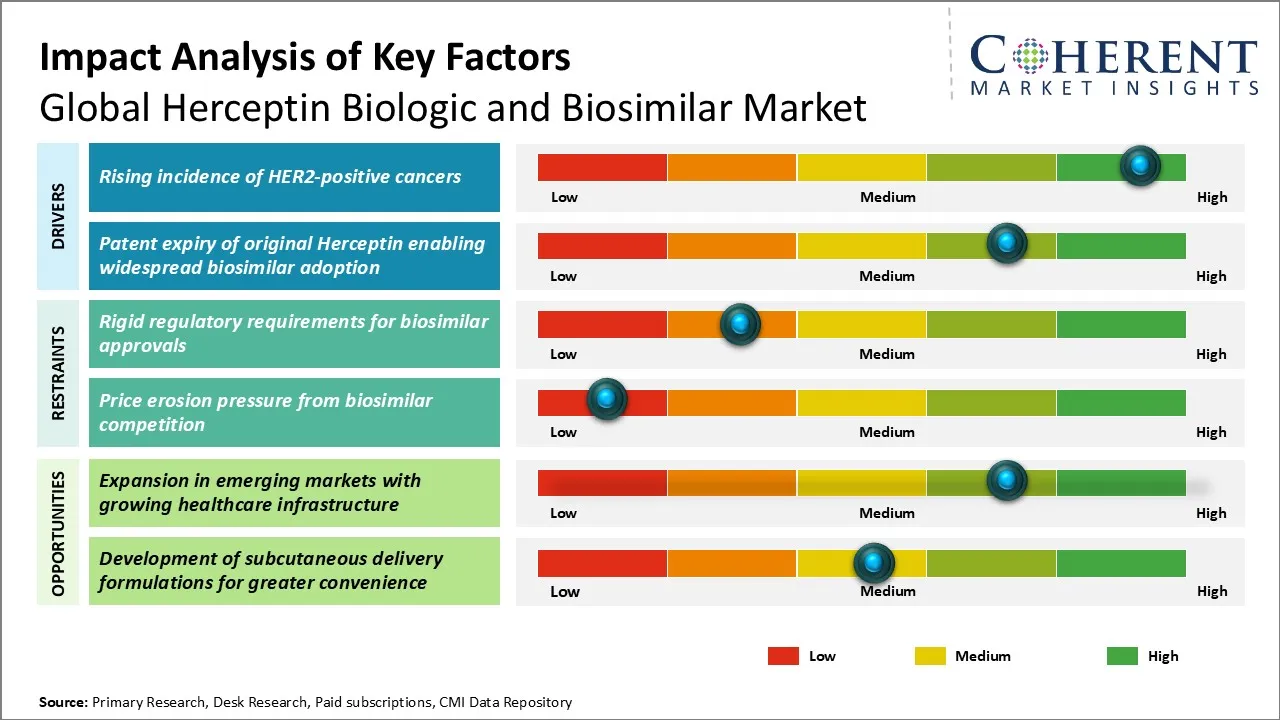
Herceptin Biologic and Biosimilar Market Driver - Rising Incidence of HER2 ‑positive Cancers
The global Herceptin Biologic and Biosimilar Market is experiencing significant growth, primarily driven by the rising incidence of HER2-positive cancers worldwide. HER2 (human epidermal growth factor receptor 2) is a protein that promotes the growth of cancer cells, and its overexpression is associated with various types of cancers, including breast, gastric, and esophageal cancers. As the prevalence of these cancers continues to increase globally, the demand for effective targeted therapies like Herceptin is expected to rise correspondingly. Herceptin, a monoclonal antibody, specifically targets the HER2 protein and has proven to be highly effective in treating HER2-positive cancers, improving patient outcomes and survival rates.
For instance, according to the World Health Organization (WHO), in March 2024, breast cancer is the most common cancer in women worldwide, with 2.3 million new cases and about 670,000 deaths globally in 2022. It occurs in every country, and about half of all cases happen in women with no specific risk factors beyond being female and older age. Roughly 0.5–1% of cases occur in men. Moreover, in January 2025, the American Cancer Society reported that approximately 20-25% of breast cancers are HER2-positive, highlighting the substantial patient population that can benefit from targeted therapies like Herceptin.
Herceptin Biologic and Biosimilar Market Opportunity - Expansion in Emerging Markets with Growing Healthcare Infrastructure
The global Herceptin Biologic and Biosimilar Market has a substantial opportunity for growth and expansion in emerging markets, driven by the development of healthcare infrastructure in these regions. Countries such as China, India, Brazil, and Russia have been investing heavily in improving their healthcare systems, including the establishment of modern medical facilities, increased healthcare spending, and a focus on providing access to advanced treatments. This growing healthcare infrastructure creates a conducive environment for the adoption of innovative cancer therapies like Herceptin.
Moreover, the rising prevalence of breast cancer in these emerging markets, coupled with increasing awareness about early detection and treatment options, is expected to drive the demand for Herceptin. As the middle class in these countries continues to expand, there is a growing willingness and ability to pay for premium healthcare services, further fueling the market potential. Furthermore, collaborations between global pharmaceutical companies and local partners in emerging markets can facilitate market entry, distribution, and access to Herceptin.
Analyst Opinion (Expert Opinion)
- The global Herceptin Biologic and Biosimilar Market is poised for continued growth, driven by advancements in HER2-targeted therapies and regulatory support that facilitates drug approvals and adoption. Technological innovations in personalized medicine, combined with rising demand for effective cancer treatments, are fueling market expansion. Regulatory agencies, particularly in the U.S. and Europe, have been instrumental in accelerating the approval of Herceptin for a variety of indications, making it accessible to a broader patient population. Additionally, growing awareness about HER2-positive cancers and the increasing prevalence of breast and gastric cancers are contributing to the market’s positive trajectory. However, challenges such as high treatment costs, patent expirations, and competition from biosimilars remain critical factors that could impact future growth.
- Conferences such as the European Society for Medical Oncology (ESMO) and the American Society of Clinical Oncology (ASCO) annual meetings have played a vital role in shaping the Herceptin Biologic and Biosimilar Market. These events serve as platforms for sharing cutting-edge research, clinical trial outcomes, and treatment innovations. Notably, the introduction of biosimilars and their potential to reduce costs while offering similar efficacy has been a focal point at these conferences, influencing market strategies and regulatory policies. Real-world initiatives, like Roche's ongoing partnerships with healthcare providers for expanded access to Herceptin in underserved regions, showcase the sector's commitment to improving patient outcomes and addressing accessibility issues.
Speak to the analyst
Want personalized insights?
Take the findings above to one of our principal consultants, or have the report rebuilt around the segments, geographies and competitors you actually track.
Market Segmentation
- Type Insights (Revenue, USD Bn, 2021 - 2033)
- Biologic
- Biosimilars
- Application Insights (Revenue, USD Bn, 2021 - 2033)
- Breast Cancer Treatment
- Gastric Cancer Treatment
- Distribution Channel Insights (Revenue, USD Bn, 2021 - 2033)
- Hospital Pharmacies
- Retail Pharmacies
- Online Pharmacies
- Payer Type Insights (Revenue, USD Bn, 2021 - 2033)
- Public
- Private
- Administration Route Insights (Revenue, USD Bn, 2021 - 2033)
- Intravenous
- Subcutaneous
- Treatment Line Insights (Revenue, USD Bn, 2021 - 2033)
- First-line Treatment
- Second-line Treatment
- Third-line Treatment
- Patient Demographics Insights (Revenue, USD Bn, 2021 - 2033)
- Age Groups
- Pediatric
- Adult
- Geriatric
- Gender
- Male
- Female
- Age Groups
- Regional Insights (Revenue, USD Bn, 2021 - 2033)
- North America
- U.S.
- Canada
- Latin America
- Brazil
- Argentina
- Mexico
- Rest of Latin America
- Europe
- Germany
- U.K.
- Spain
- France
- Italy
- Russia
- Rest of Europe
- Asia Pacific
- China
- India
- Japan
- Australia
- South Korea
- ASEAN
- Rest of Asia Pacific
- Middle East
- GCC Countries
- Israel
- Rest of Middle East
- Africa
- South Africa
- North Africa
- Central Africa
- North America
- Key Players Insights
- Genentech (Roche)
- Amgen
- Pfizer
- Merck & Co.
- AbbVie
- Celgene
- Bristol-Myers Squibb
- AstraZeneca
- GSK (GlaxoSmithKline)
- Novartis
- Sanofi
- Teva Pharmaceuticals
- Regeneron Pharmaceuticals
- Takeda Pharmaceutical Company
- EMD Serono
Sources
Primary Research Interviews
- Medical professionals (oncologists, researchers)
- Hospital administrators and healthcare providers
- Pharmaceutical industry experts
- Regulatory bodies (USFDA, EMA, etc.)
Databases
- World Health Organization (WHO)
- U.S. Food and Drug Administration (FDA)
- European Medicines Agency (EMA)
- Centers for Disease Control and Prevention (CDC)
- National Institutes of Health (NIH)
- National Cancer Institute (NCI)
- Global Health Data Exchange (GHDx)
Magazines
- The New England Journal of Medicine
- Journal of Clinical Oncology
- Cancer Research
- Pharmaceutical Technology
- The Lancet Oncology
Journals
- Journal of the National Cancer Institute
- Oncology Reports
- Cancer Chemotherapy and Pharmacology
- Nature Reviews Clinical Oncology
Newspapers
- The New York Times
- The Guardian
- The Wall Street Journal
Associations
- American Society of Clinical Oncology (ASCO)
- American Cancer Society (ACS)
- European Society for Medical Oncology (ESMO)
- International Agency for Research on Cancer (IARC)
- Breast Cancer Research Foundation (BCRF)
Public Domain Sources
- Government Health Agencies and Ministries
- Academic and Research Institutions
- National Library of Medicine (NLM)
- Publicly available hospital discharge data
Proprietary Elements
- CMI Data Analytics Tool: Proprietary analytics tool to analyze real-time market trends, consumer behavior, and technology adoption in market
- Proprietary CMI Existing Repository of Information for Last 8 Years
Get access to 250+ pages report
Every segment, forecast, competitor profile and data table behind the analysis above — available for instant download.
- ESOMAR Member
- ISO 9001:2015 Certified
- D-U-N-S Registered
- GDPR & CCPA Compliant
Missing comfort of reading report in your local language? Find your preferred language:
Transform your Strategy with Exclusive Trending Reports
Frequently Asked Questions
The Herceptin Biologic and Biosimilar Market is estimated to be valued at USD 3.49 Bn in 2026 and is expected to USD 5.19 Bn by 2033.
The CAGR of the Herceptin Biologic and Biosimilar Market is projected to be 5.8% from 2026 to 2033.
Rising incidence of HER2‑positive cancers and patent expiry of original Herceptin enabling widespread biosimilar adoption are the major factors driving the growth of the Herceptin Biologic and Biosimilar Market.
Rigid regulatory requirements for biosimilar approvals and price erosion pressure from biosimilar competition are the major factors hampering the growth of the Herceptin Biologic and Biosimilar Market.
In terms of type, biologic segment is estimated to dominate the market revenue share in 2026.
Genentech (Roche), Amgen, Pfizer, Merck & Co., AbbVie, Celgene, Bristol-Myers Squibb, AstraZeneca, GSK (GlaxoSmithKline), Novartis, Sanofi, Teva Pharmaceuticals, Regeneron Pharmaceuticals, Takeda Pharmaceutical Company, and EMD Serono are the major players.
North America is expected to lead the Herceptin Biologic and Biosimilar Market in 2026.