

Global Ibrance Market Size and Forecast – 2026 to 2033
The Global Ibrance Market is estimated to be valued at USD 4.19 Bn in 2026 and is expected to reach USD 2.27 Bn by 2033, exhibiting a compound annual growth rate (CAGR) of -8.2% from 2026 to 2033. This decline reflects shifting dynamics in the pharmaceutical landscape and competitive pressures impacting market valuation over the forecast period.
Key Takeaways of the Global Ibrance Market
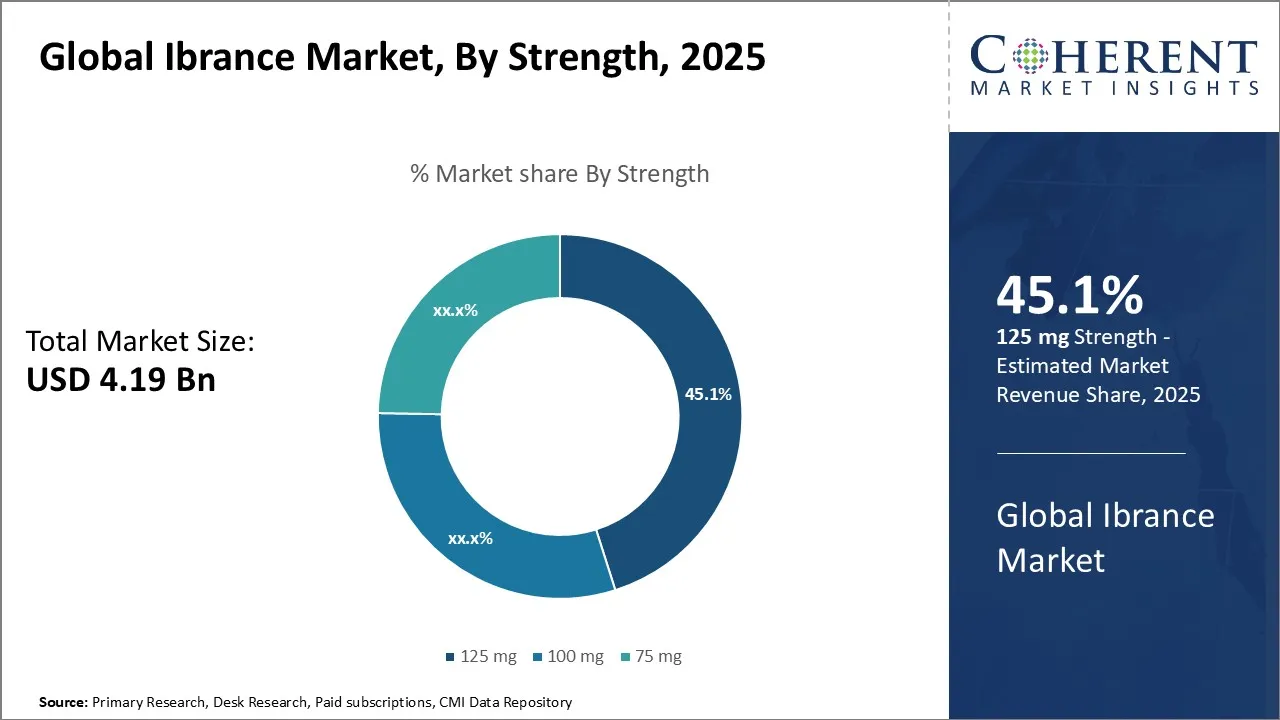
- In the global Ibrance market, the 125 mg strength is expected to hold the largest share at 46.1 % in 2026, primarily due to its established role as the standard dosing regimen, offering an optimal balance of efficacy and safety.
- The HR-positive, HER2-negative advanced or metastatic breast cancer segment is expected to dominate the market with a 101% share in 2026, driven by the high incidence rate of this specific type of breast cancer.
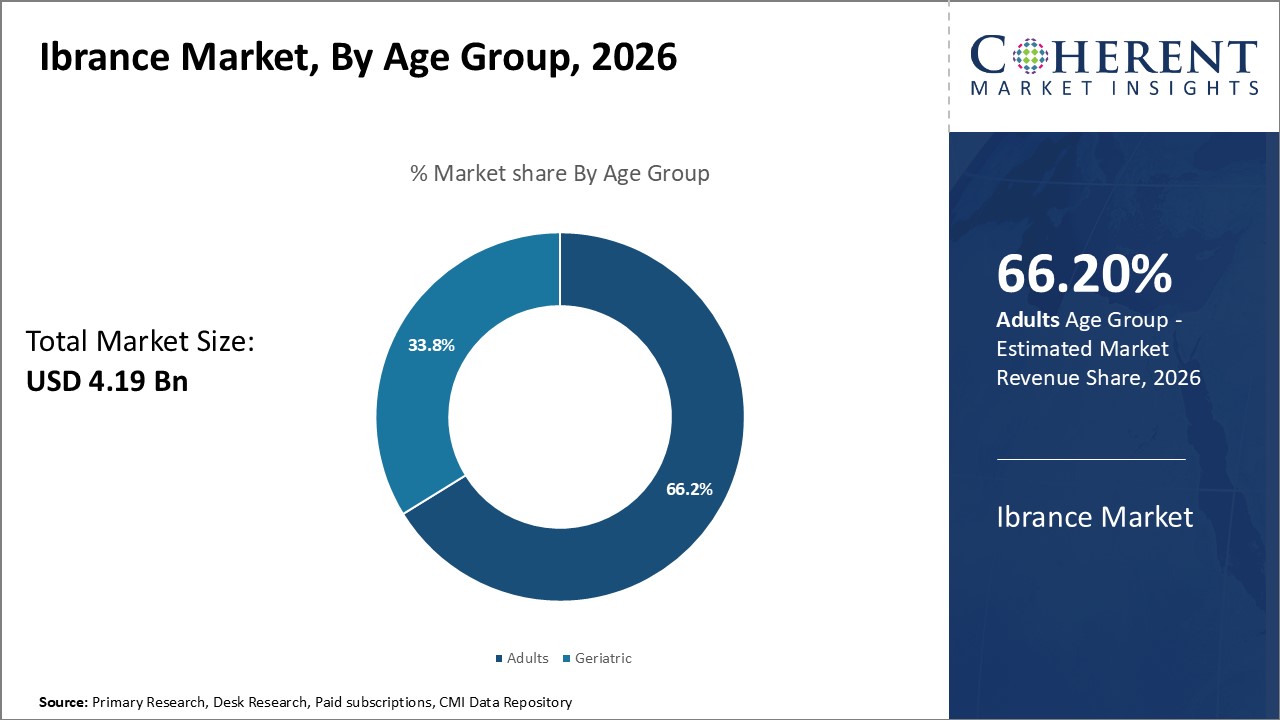
- Additionally, the adult age group leads the market with an estimated share of 66.2 % in 2026, as this demographic exhibits the highest prevalence of HR-positive, HER2-negative advanced or metastatic breast cancer.
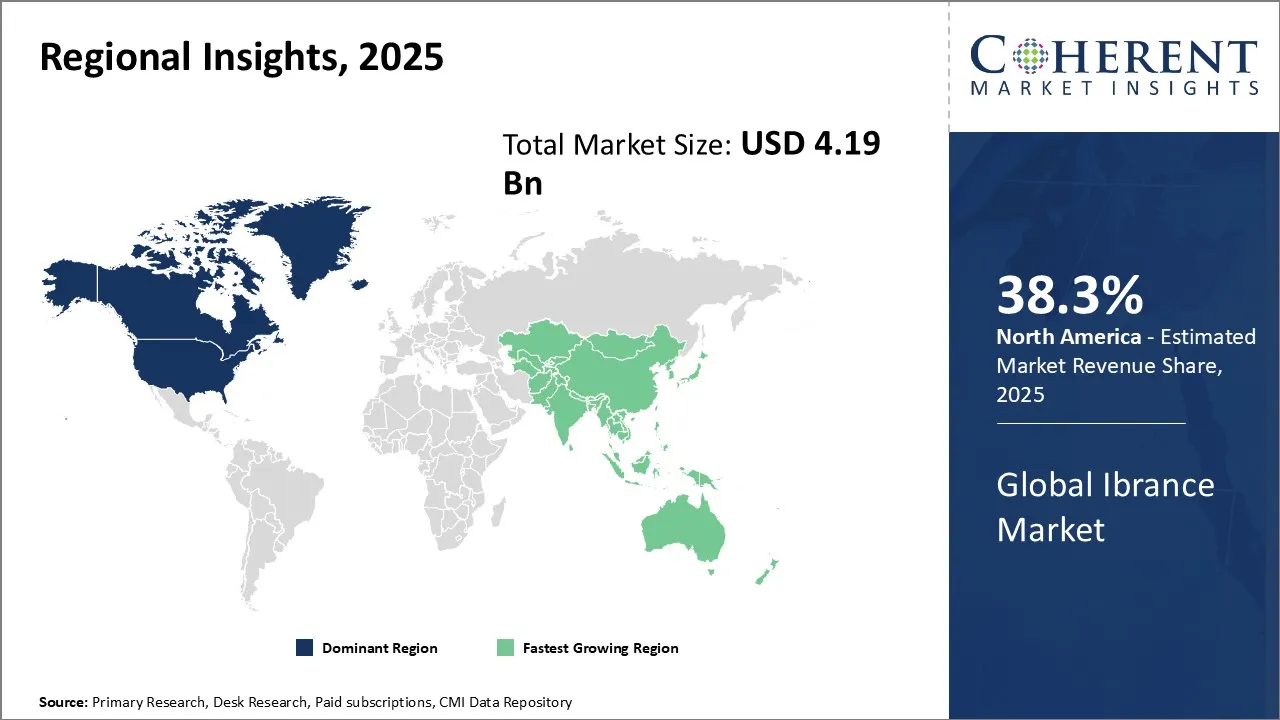
- North America is expected to lead the market, holding a share of 38.3 % in 2026. Asia Pacific is anticipated to be the fastest-growing region, with a market share of 29.5% in 2026.
Market Overview
A key market trend is the increasing focus on alternative treatments and the emergence of biosimilars, which are leading to reduced demand for Ibrance. Additionally, patent expirations and pricing pressures continue to challenge the market, prompting pharmaceutical companies to innovate and diversify their oncology portfolios. The negative CAGR highlights the importance of strategic adaptations to maintain market relevance amidst evolving healthcare priorities.
Current Events and Its Impact
Current Events | Description and its impact |
Evolving Healthcare Policy & Cost Containment |
|
Pfizer Inc.’s Ibrance Revenue Declines 8.4% in 2024 Amid Growing Oncology Competition |
|
Segmental Insights
- Current Industry Events of 2026
- Market Size Estimation
- Regional Breakdown
- Competitive Landscape
- Customer Intelligence
- Segmental Analysis
- Pricing Analysis
- Key Market Drivers, Challenges & Future Trends
- Customized Insights Section
Ibrance Market Insights, By Strength - 125 mg contributes the highest share of the market owing to its optimal therapeutic efficacy and patient compliance
Within the global Ibrance market, the 125 mg strength is expected to dominate with 46.1% in 2026 due to its established role as the standard dosing regimen that balances efficacy and safety. Clinicians widely prescribe the 125 mg dose because it aligns with the recommended treatment protocols for managing HR-positive, HER2-negative advanced or metastatic breast cancer, ensuring that patients receive the most effective dose to manage their condition.
The therapeutic effectiveness of the 125 mg strength is supported by numerous clinical trials that demonstrate its ability to inhibit cyclin-dependent kinases (CDK4/6), a mechanism crucial for halting cancer cell proliferation. This strength offers a potent, targeted approach without imposing excessive toxicity, making it the preferred choice in oncological settings.
Moreover, the 125 mg strength facilitates patient adherence due to clear dosing schedules and manageable side effect profiles. Patients receiving this dosage often experience fewer dose adjustments or interruptions compared to lower strengths, which can sometimes necessitate titration to achieve optimal response. From a prescriber’s perspective, a consistent and effective dose simplifies treatment plans and monitoring, promoting better patient outcomes.
Ibrance Market Insights, By Indication - HR-positive, HER2-negative advanced or metastatic breast cancer contributes the highest share owing to its prevalence and the targeted nature of therapy
The HR-positive, HER2-negative advanced or metastatic breast cancer segment drives a significant portion of the Ibrance market with an estimated 101% share in 2026 due to the high incidence rate of this specific breast cancer subtype and the proven efficacy of the drug in targeting its unique molecular characteristics. This subtype is one of the most common forms of breast cancer, characterized by tumors that express hormone receptors but lack overexpression of the HER2 protein. This clinical profile creates an ideal scenario for using CDK4/6 inhibitors such as Ibrance, which effectively disrupt cancer cell cycle progression in hormone receptor-driven tumors.
The preference for Ibrance in this indication stems from its ability to be combined with endocrine therapies, such as aromatase inhibitors or fulvestrant, to enhance treatment outcomes. This dual approach has transformed the management of HR-positive, HER2-negative cancers by overcoming resistance mechanisms to hormone therapy alone and prolonging progression-free survival. Consequently, oncologists favor incorporating Ibrance into treatment regimens for patients diagnosed with this indication, reinforcing its market prominence.
Ibrance Market Insights, By Age Group - Adults contribute the highest share of the market driven by disease epidemiology and treatment suitability
The adult age group leads the global Ibrance market with an estimated share of 66.2% in 2026 largely because the prevalence of HR-positive, HER2-negative advanced or metastatic breast cancer is the highest within this demographic. Adults, typically defined as those between the ages of 18 and 64, represent the largest patient pool diagnosed with this subtype of breast cancer. This age segment is increasingly the focus of precision oncology efforts, as patients in this bracket often present with cancer types amenable to novel targeted therapies like Ibrance.
Pharmacokinetic and safety profiles of Ibrance have been extensively studied in adult populations, making this group the primary beneficiary of the drug’s therapeutic effects. Adults generally possess the physiological resilience needed to tolerate the side effect profile of Ibrance, including neutropenia and fatigue, without severe complications. Their relatively robust organ function compared to older patients allows for more consistent adherence to prescribed regimens, thereby enhancing clinical outcomes.
Reimbursement Scenario for Ibrance
- The reimbursement landscape for Ibrance (palbociclib) varies depending on the patient's insurance coverage, location, and eligibility for assistance programs. In the U.S., patients with commercial health insurance may benefit from co-pay assistance programs, which can reduce their out-of-pocket costs to as low as USD 0 per month for their Ibrance treatment. However, this benefit is not available to those enrolled in state or federally funded programs such as Medicare, Medicaid, TRICARE, or Veterans Affairs health care. Pfizer Inc.'s Oncology Together program provides further support to those who are uninsured or underinsured, helping them access alternative financial resources or qualify for the Patient Assistance Program, which offers free medication to eligible individuals. Additionally, patients can access financial planning resources through platforms like myhealthcarefinances.com to better manage the cost of treatment.
- For healthcare providers, reimbursement for Ibrance typically involves verifying the patient's insurance coverage, determining their co-payment responsibilities, and obtaining necessary prior authorizations. Pfizer Inc. Oncology Together aids in this process by assisting providers with benefits verification, obtaining prior authorizations, and following up on insurance claims. The program also provides a free 1-month (21-day) trial for new patients to get started on Ibrance, as well as identifying specialty pharmacy options for patients. Despite the comprehensive support, navigating the reimbursement process can be challenging due to the complex nature of insurance policies, making these support resources essential for ensuring access to the medication.
Regional Insights
North America Ibrance Market Analysis and Trends
In North America, the dominance in the Ibrance market is driven by a well-established healthcare infrastructure with an estimated share of 38.3% in 2026, strong pharmaceutical industry presence, and supportive government policies aimed at accelerating oncology drug development and approval. The region boasts a robust ecosystem comprising top-tier research institutions, leading biopharmaceutical companies, and an extensive distribution network that facilitates rapid market penetration.
For example, Orphan Drug Act, this U.S. law provides incentives for the development of drugs for rare diseases, including some types of cancer. It offers tax credits, marketing exclusivity, and assistance with clinical trial design, facilitating the approval of drugs like Ibrance for niche oncology indications.
Additionally, regulatory frameworks such as the U.S. Food and Drug Administration’s (FDA) expedited review processes encourage innovation and early adoption of novel therapies like Ibrance. Prominent companies such as Pfizer Inc., which markets Ibrance, maintain significant operations and collaborations in this region, reinforcing its leadership. The high prevalence of breast cancer and an increasing focus on personalized medicine further fuel market demand in North America.
Asia Pacific Ibrance Market Analysis and Trends
Meanwhile, the Asia Pacific region is expected to exhibit the fastest growth in the Ibrance market with a share of 29.5% in 2026 driven by increasing cancer incidence, improving healthcare infrastructure, and rising awareness about targeted cancer therapies. The region benefits from expanding government initiatives aimed at enhancing access to advanced oncology treatments and encouraging local manufacturing of pharmaceuticals.
Countries like China, Japan, India, and South Korea are experiencing rapid advancements in medical technology adoption and clinical research capabilities. The presence of multinational pharmaceutical companies collaborating with regional stakeholders ensures steady supply and accessibility of Ibrance. Additionally, favorable trade agreements and increasing healthcare expenditure contribute to growth dynamics. The burgeoning middle-class population and rising cancer diagnosis rates facilitate further expansion of the Ibrance market in the Asia Pacific.
For example, in March 2026, Union Minister of Health & Family Welfare, Shri Jagat Prakash Nadda, inaugurated the Second AIIMS Oncology Conclave 2026 at the National Cancer Institute (NCI), AIIMS, Haryana, India. The conclave focused on advancements in cancer care, with special emphasis on HR-positive, HER2-negative advanced or metastatic breast cancer, along with breast and head & neck cancers.
Ibrance Market Outlook for Key Countries
U.S. Ibrance Market Trends
The U.S. market for Ibrance remains a key driver due to an advanced healthcare system and early adoption of oncology innovations. Pfizer Inc., the primary marketer of Ibrance, actively engages in clinical trials and patient assistance programs in the country. Regulatory encouragement from the U.S. FDA and well-established insurance frameworks bolster patient accessibility and reimbursement. For example, Pfizer Inc. offers programs to help patients with financial assistance and access to Ibrance. This includes free or discounted access for eligible patients, ensuring affordability for those without insurance or facing high out-of-pocket costs.
Germany Ibrance Market Trends
Germany’s healthcare market benefits from strong government support for cancer therapeutics and well-structured reimbursement systems. Ibrance’s uptake is supported by rigorous clinical evidence and integration within national oncology guidelines. Germany hosts several pharmaceutical research hubs, and collaboration between multinational companies and local entities facilitates streamlined distribution and patient access. The country’s focus on precision medicine and robust diagnostics infrastructure complements Ibrance’s targeted therapy profile.
Japan Ibrance Market Trends
Japan emerges as both a significant and rapidly advancing market for Ibrance, backed by government initiatives to innovate cancer care and streamline drug approvals through agencies like the Pharmaceuticals and Medical Devices Agency (PMDA). The local pharmaceutical industry fosters partnerships with global firms like Pfizer Inc., enhancing clinical evidence generation and access. A growing aging population with increasing breast cancer incidence elevates demand. Additionally, national health insurance schemes improve patient affordability and treatment reach. Japan Society of Clinical Oncology (JSCO) – JSCO advocates for the inclusion of Ibrance in treatment protocols for HR-positive, HER2-negative breast cancer. Their focus on precision medicine aligns with Japan’s push for cutting-edge cancer therapeutics.
China Ibrance Market Trends
China’s Ibrance market demonstrates dynamic growth supported by substantial public investment in healthcare modernization and cancer treatment technologies. The government’s emphasis on fast-tracking approvals for innovative oncology drugs favors Ibrance’s market entry and expansion. Collaborations between multinational pharma companies and domestic firms enable technology transfer and localized production, making the drug more accessible and cost-effective. Increasing cancer awareness and diagnostic capabilities further drive the adoption of Ibrance across urban and emerging regions.
For example, China is ramping up efforts to combat cancer through increased awareness and early detection programs. One notable initiative in Harbin, Heilongjiang Province, offers free cancer screenings using stool DNA tests to 2.4 million people. This non-invasive test, which is more effective than traditional methods, helps identify high-risk individuals for colorectal cancer (CRC) early, enabling timely interventions.
Market Players, Key Developments, and Competitive Intelligence
Key Developments
- In December 2024, Pfizer Inc. Inc. announced that its CDK46 inhibitor, IBRANCE (palbociclib), has demonstrated significant improvement in progression-free survival (PFS) for patients with hormone receptor-positive HER2-positive metastatic breast cancer (MBC). In the Phase 3 PATINA trial, the addition of IBRANCE to standard first-line maintenance therapy resulted in a median PFS of 44.3 months, compared to 29.1 months for patients receiving only anti-HER2 and endocrine therapy. This marks an extension of over 15 months in PFS. These results were presented at the 47th San Antonio Breast Cancer Symposium.
- In January 2023, Pfizer Inc. Inc. received U.S. FDA approval for an expanded indication of its breast cancer drug, IBRANCE (palbociclib). The approval allows IBRANCE to be used in combination with an aromatase inhibitor for newly diagnosed HR-positive, HER2-negative metastatic breast cancer patients, including pre- and perimenopausal women, which was previously limited to postmenopausal women. This approval follows the U.S. FDA's proactive request for Pfizer Inc. to submit an application to include this patient group
- In May 2024, Arvinas Inc. and Pfizer Inc. Inc. have announced updated clinical data from a Phase 1b trial evaluating vepdegestrant, a PROTAC estrogen receptor (ER) degrader, in combination with palbociclib (IBRANCE) for advanced ER+HER2- breast cancer. After six months of additional follow-up, the combination showed consistent results, with a median progression-free survival of 13.9 months at the recommended dose. Across all vepdegestrant dose groups, a significant reduction in circulating tumor DNA was observed, irrespective of ESR1 mutation status. These encouraging results were presented at the 2024 ESMO Breast Cancer Annual Congress.
Market Report Scope
Ibrance Market Report Coverage
| Report Coverage | Details | ||
|---|---|---|---|
| Base Year: | 2025 | Market Size in 2026: | USD 4.19 Bn |
| Historical Data for: | 2020 To 2024 | Forecast Period: | 2026 To 2033 |
| Forecast Period 2026 to 2033 CAGR: | -8.2% | 2033 Value Projection: | USD 2.27 Bn |
| Geographies covered: |
| ||
| Segments covered: |
| ||
| Companies covered: | Pfizer Inc. Inc. | ||
| Growth Drivers: |
| ||
| Restraints & Challenges: |
| ||
Ibrance Market Dynamics
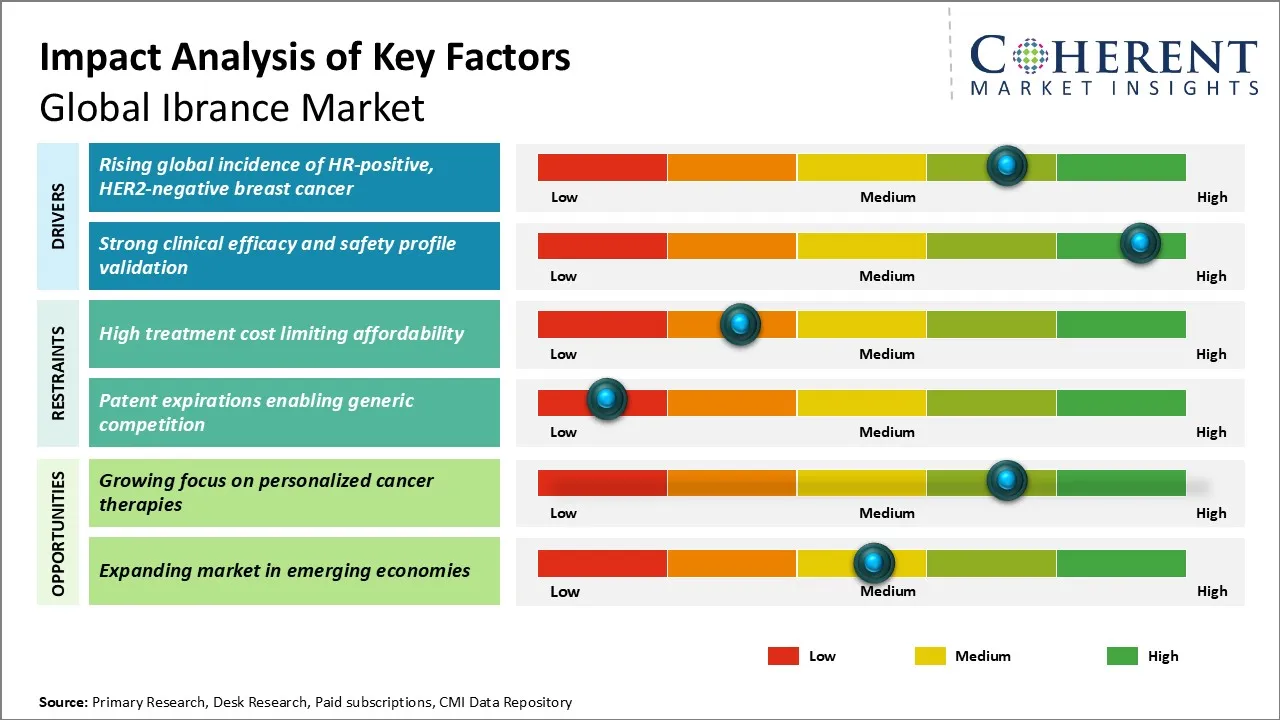
Ibrance Market Driver - Rising global incidence of HR-positive, HER2-negative breast cancer
The prevalence of HR-positive, HER2-negative breast cancer remains a key factor influencing the Ibrance market. This breast cancer subtype, the most common among women, continues to contribute to a significant patient population. While factors such as aging populations, lifestyle changes, and improved diagnostics have led to an increase in cases, the market for Ibrance is experiencing a slow and steady decline, with a negative CAGR. Despite its established role in combination therapies targeting cell cycle pathways, the market is facing challenges due to factors like increasing competition, evolving treatment protocols, and pricing pressures. As awareness and screening improve, more patients are identified earlier, but the demand for Ibrance is constrained by market dynamics and treatment alternatives. Therefore, while Ibrance remains a crucial therapeutic option, its growth prospects are subdued in the current market landscape.
According to Frontiers in Pharmacology, in January 2024, the global incidence of HR-positive, HER2-negative breast cancer has been steadily rising, making it the most prevalent subtype of breast cancer, accounting for about 74% of all cases. This increase is a significant health concern worldwide, with higher rates of incidence observed in regions like the U.S., Germany, and Japan. The rising numbers highlight the need for improved early detection and access to advanced therapies. Treatments for HR+/HER2− breast cancer have evolved, with targeted therapies like CDK4/6 inhibitors, PI3K inhibitors, and endocrine therapies offering significant improvements in survival rates. However, challenges remain, particularly in low- and middle-income countries, where access to care is limited.
Ibrance Market Opportunity - Growing Focus on Personalized Cancer Therapies
The increasing emphasis on personalized cancer therapies presents a significant opportunity for the global Ibrance market. As oncology treatment paradigms shift towards precision medicine, the adoption of targeted therapies tailored to individual patient profiles is gaining momentum. Ibrance (palbociclib), a CDK4/6 inhibitor, aligns well with this trend due to its efficacy in treating hormone receptor-positive, HER2-negative advanced breast cancer, a subtype that benefits from biomarker-driven approaches. Advancements in genomic profiling and companion diagnostic tools enable clinicians to better identify patients who are most likely to respond to Ibrance, thereby improving treatment outcomes and minimizing unnecessary exposure to ineffective therapies. Additionally, healthcare providers and payers are increasingly prioritizing therapies that demonstrate clear clinical benefits and cost-effectiveness, further reinforcing the demand for personalized interventions. The growing availability of real-world evidence and ongoing clinical trials focusing on combination regimens with Ibrance also contribute to expanding its utility across diverse patient segments.
In December 2024, Pfizer Inc. Inc., a global biopharmaceutical leader, is presenting its latest advancements at the American Society of Hematology (ASH) Annual Meeting & Exposition and the San Antonio Breast Cancer Symposium (SABCS). Pfizer Inc. Inc. will showcase over 100 research abstracts, including 13 oral presentations, highlighting the ongoing progress in hematology and breast cancer treatment. Key studies will focus on medicines like ADCETRIS for lymphoma, ELREXFIO for multiple myeloma, and IBRANCE for HR+/HER2- metastatic breast cancer. Additionally, Pfizer Inc. will present promising data from its pipeline, including next-generation therapies like atirmociclib, vepdegestrant, and PF-07248144, aiming to address unmet needs across breast cancer subtypes. These breakthroughs reinforce Pfizer Inc.'s commitment to transforming cancer care through science-driven innovations.
Analyst Opinion (Expert Opinion)
- The global Ibrance market, primarily driven by its established role in treating HR-positive, HER2-negative advanced breast cancer, is currently witnessing a slow and steady decline, reflected in a negative CAGR. Despite this, key market dynamics such as the rising demand for targeted therapies, increasing healthcare access, and advances in drug efficacy continue to provide growth opportunities. Additionally, technological advancements in clinical trials and regulatory support for continued market presence help stabilize the market in the face of declining growth rates. However, the high cost of therapy and competition from biosimilars pose ongoing challenges to the market's long-term outlook. Moreover, emerging opportunities lie in the development of combination therapies and expanding clinical indications, which could alleviate some of the pressure from negative growth trends.
- Notable conferences such as the European Society for Medical Oncology (ESMO) Congress and the American Association for Cancer Research (AACR) Annual Meeting have continued to highlight developments in breast cancer therapies, including Ibrance, and their future potential. These platforms have been instrumental in advancing scientific understanding and policy support for cancer treatments. Recent collaborations and programs like the U.S. FDA’s Project Orbis, which facilitates the global simultaneous review of oncology drugs, have significantly impacted the market by accelerating regulatory approval processes and fostering international cooperation in cancer research. These initiatives are expected to play a critical role in sustaining the market, even amidst its current challenges.
Speak to the analyst
Want personalized insights?
Take the findings above to one of our principal consultants, or have the report rebuilt around the segments, geographies and competitors you actually track.
Market Segmentation
- Strength Insights (Revenue, USD Bn, 2021 - 2033)
- 125 mg
- 100 mg
- 75 mg
- Indication Insights (Revenue, USD Bn, 2021 - 2033)
- HR-positive, HER2-negative advanced or metastatic breast cancer
- Age Group Insights (Revenue, USD Bn, 2021 - 2033)
- Adults
- Geriatric
- End User Insights (Revenue, USD Bn, 2021 - 2033)
- Hospitals
- Specialized Cancer Centers
- Cancer Research Institutions
- Others (Specialty Pharmacy)
- Regional Insights (Revenue, USD Bn, 2021 - 2033)
- North America
- U.S.
- Canada
- Latin America
- Brazil
- Argentina
- Mexico
- Rest of Latin America
- Europe
- Germany
- U.K.
- Spain
- France
- Italy
- Russia
- Rest of Europe
- Asia Pacific
- China
- India
- Japan
- Australia
- South Korea
- ASEAN
- Rest of Asia Pacific
- Middle East
- GCC Countries
- Israel
- Rest of Middle East
- Africa
- South Africa
- North Africa
- Central Africa
- North America
- Key Players Insights
- Pfizer Inc.
Sources
Primary Research Interviews
- Oncology Experts (Oncologists, Pharmacists)
- Healthcare Providers
- Clinical Trial Researchers
- Pharmaceutical Manufacturers
- Medical Practitioners in Oncology and Hematology
- Regulatory Authorities (e.g., U.S. FDA, EMA)
Government and International Databases
- World Health Organization (WHO)
- U.S. National Institutes of Health (NIH)
- European Medicines Agency (EMA)
- U.S. Food and Drug Administration (FDA)
- National Cancer Institute (NCI)
- Centers for Disease Control and Prevention (CDC)
- Global Health Data Exchange (GHDx)
- International Agency for Research on Cancer (IARC)
Trade Publications
- Journal of Clinical Oncology
- Cancer Research Journal
- The Lancet Oncology
- The European Journal of Cancer
- Oncology Times
- Cancer Treatment Reviews
Academic Journals
- Journal of Clinical Investigation
- British Journal of Cancer
- Nature Reviews Cancer
- Cancer Research
- JAMA Oncology
- Journal of the National Cancer Institute
Reputable Newspapers
- The New York Times (Health Section)
- The Guardian (Health)
- The Wall Street Journal (Health Industry)
- Reuters Health
- The Washington Post (Health Section)
Industry Associations
- American Society of Clinical Oncology (ASCO)
- European Society for Medical Oncology (ESMO)
- American Association for Cancer Research (AACR)
- National Cancer Institute (NCI)
- Oncology Nursing Society (ONS)
Public Domain Resources
- National Institutes of Health (NIH) Resources
- Cancer Clinical Pathways Tools
- Oncology Data Analytics Platforms (e.g., Clarity Oncology)
- Health Technology Assessment (HTA) Reports
Proprietary Elements
- CMI Data Analytics Tool: Proprietary analytics tool to analyze real-time market trends, consumer behavior, and technology adoption in market
- Proprietary CMI Existing Repository of Information for Last 8 Years
Get access to 250+ pages report
Every segment, forecast, competitor profile and data table behind the analysis above — available for instant download.
- ESOMAR Member
- ISO 9001:2015 Certified
- D-U-N-S Registered
- GDPR & CCPA Compliant
Missing comfort of reading report in your local language? Find your preferred language:
Transform your Strategy with Exclusive Trending Reports
Frequently Asked Questions
The Global Ibrance Market is estimated to be valued at USD 4.19 Bn in 2026 and is expected to reach USD 2.27 Bn by 2033.
The CAGR of the global Ibrance market is projected to be -8.2% from 2026 to 2033.
Rising global incidence of HR-positive, HER2-negative breast cancer and strong clinical efficacy and safety profile validation are the major factors driving the growth of the global Ibrance market.
High treatment cost limiting affordability and patent expirations enabling generic competition are the major factors hampering the growth of the global Ibrance market.
In terms of strength, 125 mg is estimated to dominate the market revenue share in 2026.
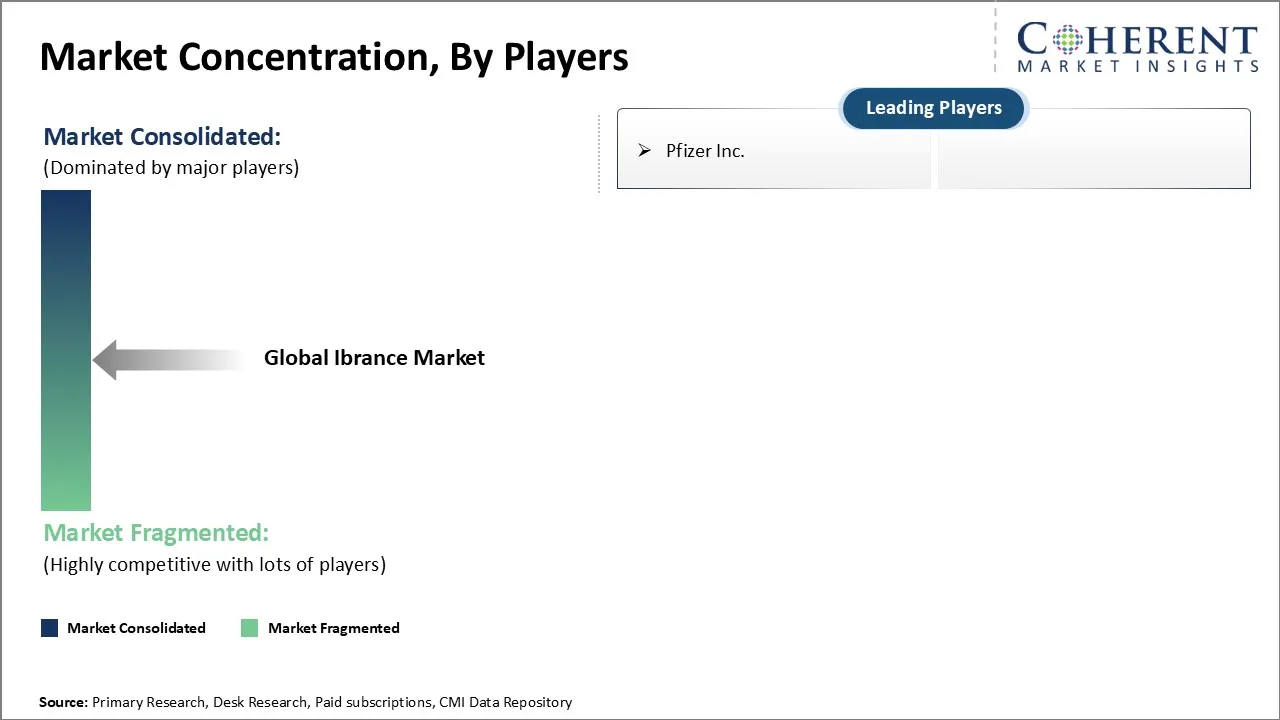
Pfizer Inc. Inc. is the only major player operating in the market.
North America is expected to lead the global Ibrance market in 2026.