

Global Personalized Nutrition Market Size and Forecast – 2026 to 2033
The Global Personalized Nutrition Market is estimated to be valued at USD 18.74 Bn in 2026 and is expected to reach USD 48.95 Bn by 2033, exhibiting a compound annual growth rate (CAGR) of 14.7% from 2026 to 2033. This significant growth highlights the increasing consumer demand for customized dietary solutions driven by advancements in technology and rising health awareness across the globe, positioning personalized nutrition as a rapidly expanding sector within the broader health and wellness industry.
Key Takeaways of the Global Personalized Nutrition Market
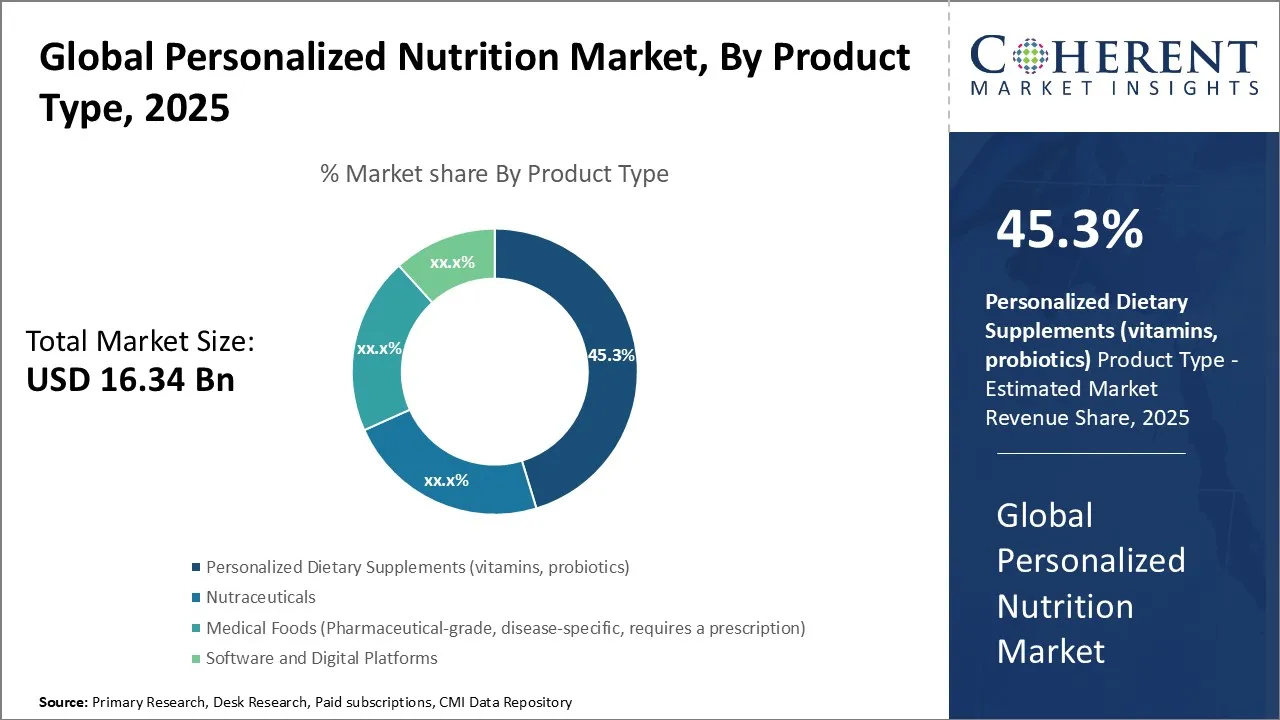
- Personalized dietary supplements, such as vitamins and probiotics, will dominate the global personalized nutrition market with an estimated 46.3% share in 2026.
- Standard supplements are expected to account for the largest portion within the application segment, representing approximately 68.8% of the market share in 2026.
- Among technological segments, genetic testing is anticipated to hold the leading position with a 37.9% share in 2026.
- North America is expected to lead the market, holding a share of 40.3% in 2026. Asia Pacific is anticipated to be the fastest-growing region, with an estimated market share of 23.5% in 2026.
Market Overview
A key trend shaping the personalized nutrition market is the integration of artificial intelligence and machine learning with genomic and microbiome data to offer tailored dietary recommendations. Additionally, the growing emphasis on preventive healthcare and the rising prevalence of lifestyle-related diseases are pushing consumers towards personalized nutrition plans. The surge in wearable devices and health apps providing real-time health data further fuels the demand for personalized nutrition products and services, making this market a focal point for innovation and investment among key industry players.
Currents Events and their Impact
Current Events | Description and its Impact |
Rising Consumer Focus on Gut Health and the Microbiome |
|
Growth of AI and Bioinformatics in Personalized Nutrition |
|
Segmental Insights
- Current Industry Events of 2026
- Market Size Estimation
- Regional Breakdown
- Competitive Landscape
- Customer Intelligence
- Segmental Analysis
- Pricing Analysis
- Key Market Drivers, Challenges & Future Trends
- Customized Insights Section
Personalized Nutrition Market Insights, By Product Type - Personalized dietary supplements (vitamins, probiotics) contributes the highest share of the market owing to increasing consumer awareness about tailored nutrition
Personalized dietary supplements (vitamins, probiotics) lead the global personalized nutrition market with an estimated share of 46.3% in 2026 largely because of the growing consumer focus on individualized health and wellness. Consumers are becoming more aware about the fact that generic supplements might be less effective in tackling their specific nutritional requirements and are requiring more products that are specific to their health requirements and lifestyles. The change of consumer attitude is encouraged by a growth of health education, more convenient access to personal health information, and the need to take active control of long-term health instead of being is a responsive approach to healthcare.
In December 2020, Revieve, a Finland-based beauty technology company partnering with over 70 global brands and retailers, launched the AI Nutrition Advisor, a digital tool that provides personalized vitamin and supplement recommendations based on individual health and wellness goals. Using AI-driven search, selfie analysis, and data integration, the platform tailors supplement suggestions to each user’s needs while enhancing e-commerce engagement for partner brands.
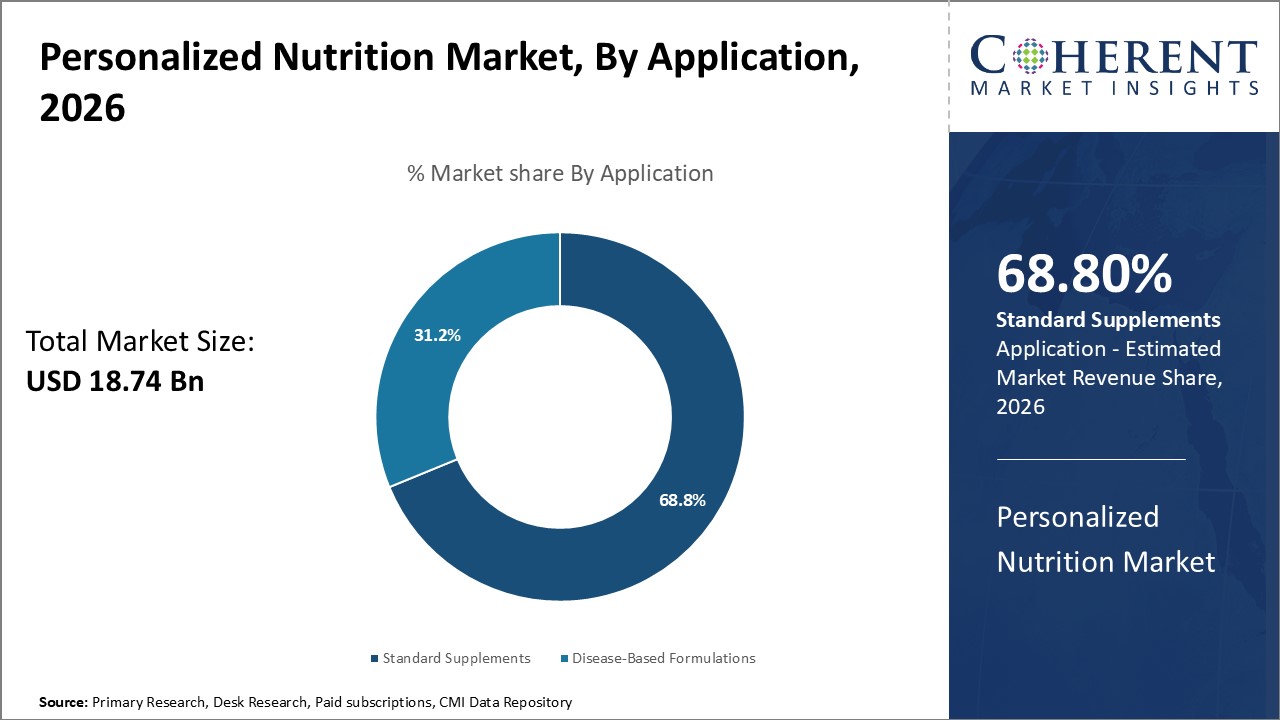
Personalized Nutrition Market Insights, By Application - Standard supplements dominate the personalized nutrition market driven by widespread consumer adoption for general wellness and ease of integration into daily routines
Standard supplements maintain the highest market share among application segments with an estimated market share of 68.8% in 2026 primarily due to their broad appeal and established role in supporting everyday nutritional needs. In contrast to highly specialized or disease-specific preparations, generic supplements are targeted at the general population and are designed to promote wellness, vitality and ward off micronutrient deficiencies. This generalizability has seen them become an ingredient in the customized nutrition arena, with people looking to have an easy but efficient way of getting the best health results.
The growth of wellness lifestyle that places more importance on preventive health has been one of the key factors behind the popularity of standard supplements. There is a growing awareness among consumers that staying nutrient-sufficient is necessary to enhance immune performance, increase energy levels, and enhance mental performance, which can be achieved by standard supplements without the need to have complicated condition-specific regimens.
Personalized Nutrition Market Insights, By Technology - Genetic testing leads the market propelled by advancements in genomics and increasing consumer demand for data-driven nutrition plans
Genetic testing is expected to occupy the largest share among technological segments in personalized nutrition with a share of 37.9% in 2026 due to its ability to deliver highly individualized insights that resonate with precision health ambitions. The appeal of genetic testing is further enhanced by rising consumer interest in self-optimization and preventive healthcare. Genetic testing has become more accessible, affordable, and accurate with advancements in genomic technologies which have allowed consumers and healthcare providers to know how genetic variations affect nutrient metabolism, food sensitivities, and the predisposition to particular conditions.
Genetic material also gives individuals the power to take proactive measures in order to reduce the risks of diseases, genetically predetermined nutrient deficiencies, and interventions in the diet to maximize the best overall health results. The concept of utilizing genetic information to personalize dietary choices has gained significant traction in popular culture, driving demand for nutrition products and recommendations tailored to individual genetic profiles.
Regional Insights
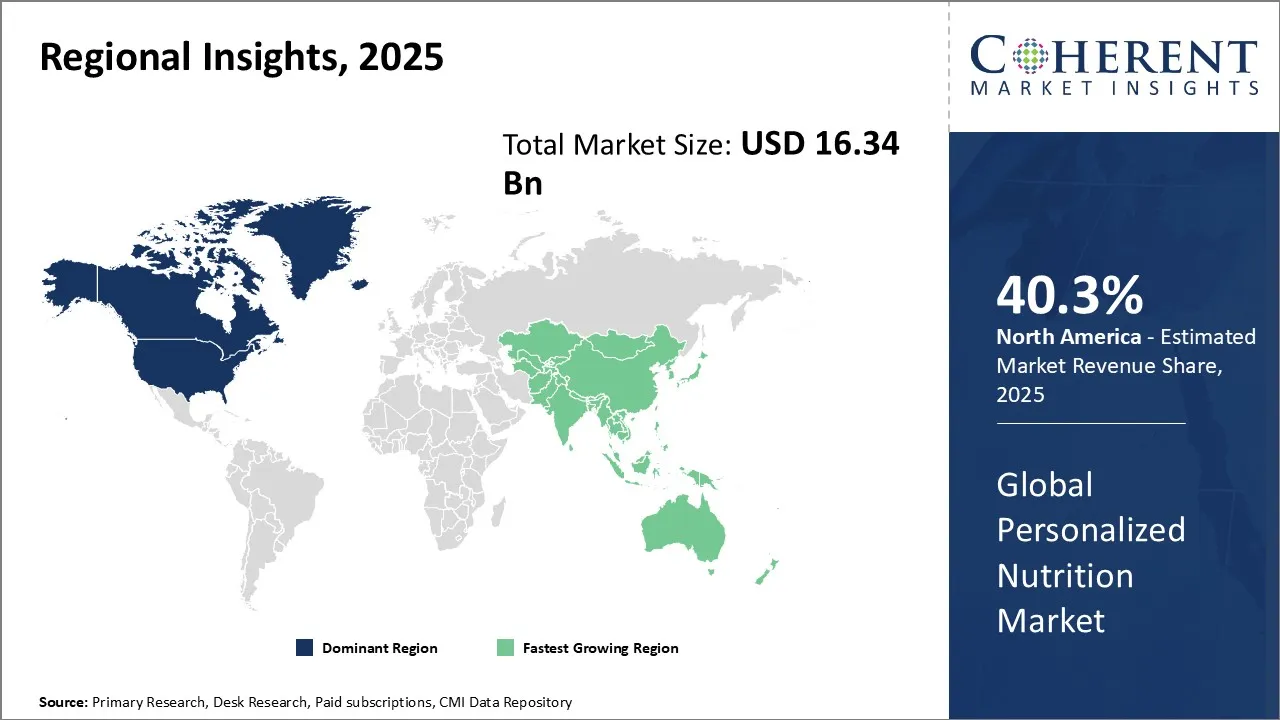
North America Personalized Nutrition Market Analysis and Trends
North America is projected to hold the leading position in the global personalized nutrition market with a 40.3% share in 2026, driven by a large population of health-conscious consumers, a well-established healthcare infrastructure, and a mature technological ecosystem. The market has grown due to the existence of the major nutrigenomics firms and the use of digital health tools. Preventive healthcare and individualized medicine programs by the government also contribute to the implementation of personalized nutrition programs. The U.S. is particularly characterized by such industry giants like Nutrigenomix, Habit, and DNAfit, who rely on high-level research, and strategic alliances with healthcare providers to provide personalized nutrition products.
In May 2023, the U.S. National Institutes of Health (NIH), the country’s leading medical research agency, launched the Nutrition for Precision Health (NPH) study, the largest precision nutrition research effort to date. Conducted across 14 sites with a target of 10,000 diverse participants, the study uses AI-driven analysis to understand how individuals uniquely respond to foods based on genetics, lifestyle, microbiome, and environment.
Asia Pacific Personalized Nutrition Market Analysis and Trends
Asia Pacific is projected to be the fastest-growing region in the personalized nutrition market, accounting for a 23.5% share in 2026. Growth is fueled by rising health awareness, increasing disposable incomes, and the rapid adoption of digital technologies. The rising middle class in emerging markets such as China and India is paying more attention to wellness and preventive health, and this is making them seek individualized nutrition solutions.
Countries like Japan and South Korea have governments that are actively encouraging individual healthcare plans by financing and giving favorable policies. The expanding e-commerce backbone makes it accessible to a large number of people to customized nutrition products. Other major participants in Asia Pacific, such as Prenetics, Baze, and GenePlanet are also increasing their presence through regionalizing products to local dietary preferences and using local genetic research. Dynamics of trade such as partnerships between local and global firms supplement the products and the market penetration.
Global Personalized Nutrition Market Outlook for Key Countries
U.S. Personalized Nutrition Market Trends
The U.S. personal nutrition market is the first to follow because it has an advanced healthcare system and is willing to use cutting-edge technologies in the sphere of wellness. Firms such as Habit and Nutrigenomix are strategic in terms of combining genetic testing and nutrition planning with strategic alliances with health insurers and clinics. Individualized medicine programs that are backed by the government also contribute to the progress. The competitive environment promotes continuous research and the enhanced availability of personal nutrition services.
In May 2024, Walmart, the U.S.-based retail giant with over 145 million weekly shoppers, launched an AI-powered nutrition platform called Everyday Health Signals to help Medicare Advantage members make healthier food choices. The tool, developed in partnership with NationsBenefits, uses customers’ Walmart.com purchase history to offer personalized nutrition insights and shopping suggestions.
U.K. Personalized Nutrition Market Trends
The U.K. personal nutrition market is changing at a very fast pace owing to increased awareness among consumers about health optimization and adoption of technology. This is becoming possible through the increasing use of DNA testing, microbiome testing, and AI-directed nutrition planning, which is facilitating customized nutrition. They are demanding customized supplements, functional foods, and wearables-based wellness programs. Consumers are moving towards scientifically approved and data privacy as a purchase driver as they find it important in sustainability, transparency, and data privacy. On the whole, the trend indicates a drift towards the generic nutrition to precision wellness solutions on the mainstream retail and online platforms.
In November 2022, IFF, a U.S.-based global leader in ingredients, flavors, and biosciences, announced a strategic partnership with U.K.-based digital wellness company, Salus Optima, to develop an AI-driven personalized nutrition platform focused on metabolic health. The collaboration combines Salus Optima’s digital technology with IFF’s science-backed ingredients from its Nourish and Health & Biosciences divisions to help consumers track and improve metabolic conditions such as obesity, pre-diabetes, and high cholesterol through mobile and wearable integration, marking IFF’s strong entry into the personalized nutrition market.
China Personalized Nutrition Market Trends
The market of personalized nutrition is growing at a very fast rate in China due to the high population size that is being more concerned with preventive healthcare and the management of chronic diseases. Local companies like GeneHealth and WeGene have been taking advantage of the next-generation sequencing and big data analytics in providing culturally modified solutions. The policies of the government are biotechnology and health tech innovations, and the internet penetration is increasing faster, driving the direct-to-consumer sales. The international working partnerships with Western companies also increase technological potential and product diversification.
In May 2026, Zinzino AB, a Sweden-based global leader in test-based personalized nutrition, announced its expansion into China through a cross-border social e-commerce model. The move aims to tap into China’s rapidly growing personalized nutrition and supplements market, which is seeing strong consumer demand for tailored health solutions.
Japan Personalized Nutrition Market Trends
The Japanese continue to be an important force that focuses much on health maintenance and longevity. The nation enjoys favorable government policies, which incorporate individualized health practices in the national wellness programs. Companies, such as Metabo and Nichiigakkan, are concerned with the integration of the traditional dietary principles and genomic insights. As a result of providing personalized nutrition as a clinical activity, the healthcare providers in Japan are establishing the market of these products.
In September 2024, Otsuka Pharmaceutical Co., Ltd., a Japan-based global healthcare company known for its nutraceutical and wellness innovations, partnered with San Francisco-based health tech firm, Vivosens Inc., to launch the Vivoo nutrition tracking service in Japan. The service allows users to perform at-home urine strip tests, scan results via the Vivoo app, and receive AI-driven nutritional data and personalized dietary advice from certified nutritionists.
End user Feedback and Unmet Needs in the Global Personalized Nutrition Market
- End user feedback in the global personalized nutrition market reflects growing enthusiasm for data-driven, tailored health solutions but also reveals areas where current offerings fall short of expectations. It is experiencing increasing interest in the use of data-driven and customized health solutions, and it also demonstrates trends in which the existing products are failing to meet customer expectations. Healthcare, fitness, and wellness platform consumers have been highly satisfied with the functionality of digital nutrition tools and subscriber-based supplement services to offer a recommendation about the specifics of the lifestyle, genetics, and metabolic data. As an example, the users of built-in applications like DNA nutrition applications or custom vitamin subscriptions are pleased by the ease of preset personalized instructions that can streamline the diet planning and monitoring of vitamins. Better participation and compliance are also reported by healthcare professionals and managers of corporate wellness programs when using systems that integrate wearable data or real-time biomarker This strengthens the belief that individualization is a motivating factor and quantifiable health outcomes and the market is an anchor of preventive health systems.
- Nevertheless, there are recurring feedbacks which also outline a number of unmet needs and limitations. The expensive nature of personalized nutrition services, the lack of interoperability between the devices and apps, and insufficient assistance with deciphering the complicated health information are reasons of many users. As an illustration, the consumers of genomic/microbiome-based nutrition services frequently complain of being provided with generic advice that does not consider regional diets or cultural preferences and the availability of suggested products. Health insurers and corporate wellness providers, who are the industry stakeholders, claim that they can never scale such solutions because of data privacy and inconsistent regulatory frameworks. These loopholes could be filled by focusing on better affordability, educating users, clarity in data management and personalization to ensure that developers and manufacturers tap into a broader market base.
Market Players, Key Developments, and Competitive Intelligence
Key Developments
- In November 2024, Persona Nutrition, a U.S.-based leader in subscription-based personalized vitamins and supplements, launched a white-labeling service to help brands enter the growing personalized nutrition market. The new B2B program provides turnkey solutions including a proprietary vitamin assessment algorithm, supplement formulations, nutritionist support, and full back-end subscription management.
- In October 2024, Oriflame Spain, a subsidiary of the Swedish beauty and wellness brand, Oriflame known for its science-backed personal care and nutrition products, launched a new personalized nutrition supplement solution under its Wellosophy brand. The offering builds on the success of its Wellness Pack by providing tailored supplement packs based on an online nutritional assessment analyzed through advanced algorithms developed by Oriflame’s in-house nutritionists.
- In October 2024, ADM, a U.S.-based global leader in nutrition and agricultural processing, partnered with U.K. startup, Remedy Health, known for its 3D-printed personalized vitamin brand, Nourished, to advance personalized nutrition solutions. ADM Ventures invested in Remedy Health and introduced its science-backed HT-BPL1 postbiotic, developed to support metabolic health, into Nourished’s portfolio of customizable gummy vitamins.
- In June 2024, Nestlé Health Science, a global leader in nutritional health solutions under the Nestlé Group, launched GLP-1 Nutrition Platform, a dedicated platform designed to support people using GLP-1 weight loss medications. The site offers personalized nutrition guidance, expert advice, and tailored product recommendations from brands such as Garden of Life, Nature’s Bounty, and Boost.
Top Strategies Followed by Global Personalized Nutrition Players
- Established players dominate the industry by heavily investing in research and development (R&D) to create high-performance, science-backed products tailored to individual health profiles. This focus on innovation enables them to continuously enhance product efficacy, safety, and personalization capabilities. Additionally, these leading companies often pursue strategic partnerships and collaborations with major industry stakeholders, including original equipment manufacturers (OEMs), technology providers, and healthcare organizations, to broaden their technological expertise and strengthen supply chain robustness.
- Companies such as Nestlé Health Science, Herbalife Nutrition, and DSM-Firmenich exemplify this category. Nestlé Health Science integrates genomic and metabolomic research into its personalized nutrition portfolio, offering products like Persona Nutrition and Garden of Life tailored to individual health profiles.
- Mid-level players in the personalized nutrition market adopt differentiated strategies aimed at balancing quality with affordability. Recognizing the growing base of price-sensitive consumers, these companies focus on developing cost-effective solutions that do not compromise core product efficacy, enabling them to tap into a wider demographic. Their value proposition often rests on providing accessible personalized nutrition options that appeal to consumers looking for practical and budget-friendly health interventions.
- Examples include Baze Labs, Care/of, and Vitl. These companies target mid-income consumers by offering affordable subscription-based nutrition kits and diagnostic tests. For instance, Care/of, a wellness startup uses digital surveys and basic biomarker assessments to personalize daily vitamin packs, balancing personalization and affordability.
- Small-scale players navigate the highly competitive personalized nutrition landscape by carving out niche segments and embracing innovation as a core differentiator. These companies often concentrate on specialized features such as allergen-free, plant-based, or condition-specific personalized nutrition products to address particular consumer needs that may be underserved by larger competitors. Embracing cutting-edge technologies such as AI-driven nutrition algorithms, wearable integration, and advanced genomic analysis, they strive to stay competitive and provide unique, tailored solutions.
- Startups like Nutrigenomix, DNAfit, and myDNA represent small-scale innovators focusing on niche markets such as gene-based dietary advice or allergy-specific formulations. Nutrigenomix provides DNA-based nutrition reports tailored for athletic performance and weight management.
Market Report Scope
Personalized Nutrition Market Report Coverage
| Report Coverage | Details | ||
|---|---|---|---|
| Base Year: | 2025 | Market Size in 2026: | USD 18.74 Bn |
| Historical Data for: | 2020 To 2024 | Forecast Period: | 2026 To 2033 |
| Forecast Period 2026 to 2033 CAGR: | 14.7% | 2033 Value Projection: | USD 48.95 Bn |
| Geographies covered: |
| ||
| Segments covered: |
| ||
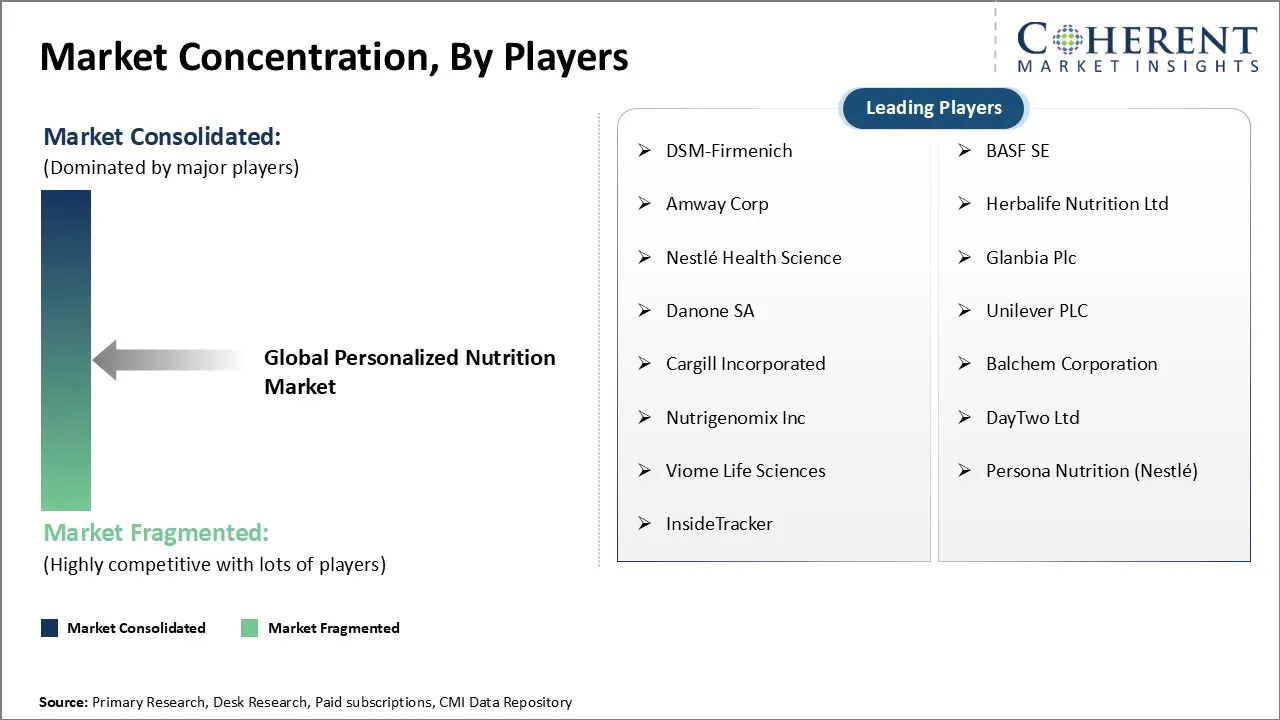
| Companies covered: | DSM-Firmenich, BASF SE, Amway Corp, Herbalife Nutrition Ltd, Nestlé Health Science, Glanbia Plc, Danone SA, Unilever PLC, Cargill Incorporated, Balchem Corporation, Nutrigenomix Inc, DayTwo Ltd, Viome Life Sciences, Persona Nutrition (Nestlé), and InsideTracker | ||
| Growth Drivers: |
| ||
| Restraints & Challenges: |
| ||
Personalized Nutrition Market Dynamics
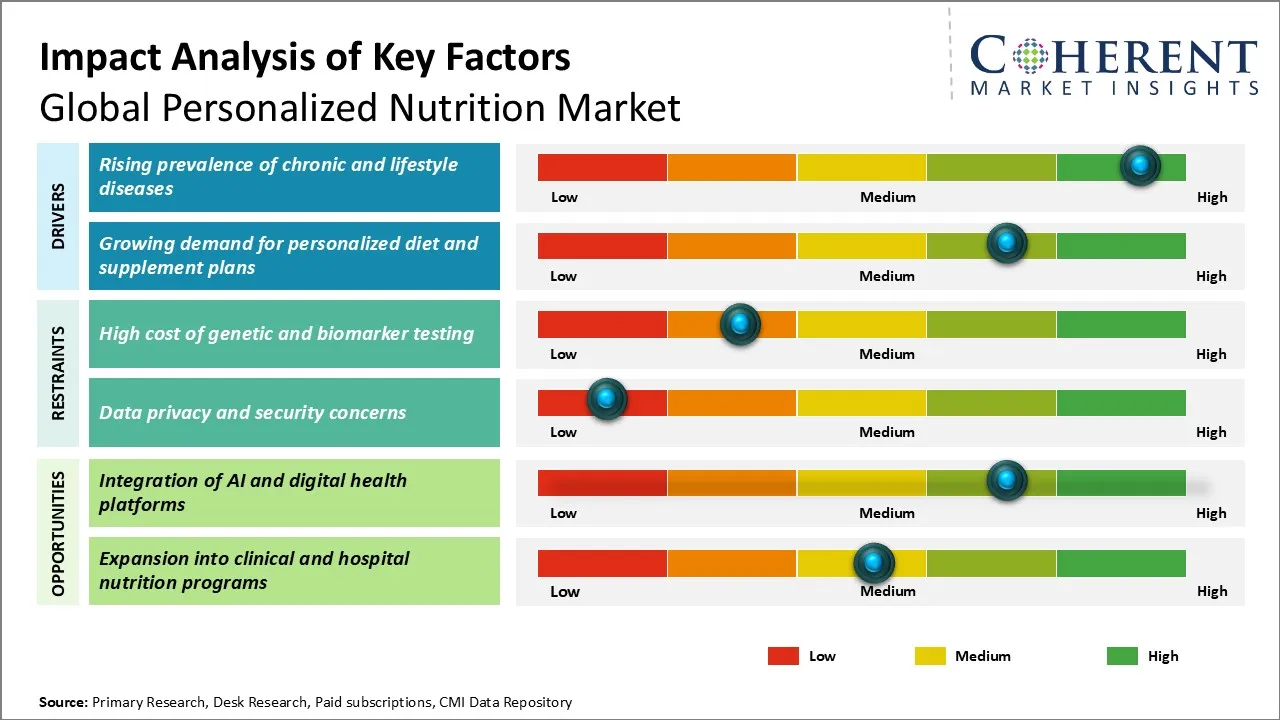
Personalized Nutrition Market Driver - Rising Prevalence of Chronic and Lifestyle Diseases
The rise in the number of chronic and lifestyle-related illnesses like diabetes, cardiovascular disorders, obesity, and hypertension has been a major impetus that led to the integration of personalized nutrition solutions the world over. Since the traditional dietary patterns tend not to take into consideration the specific health needs, as well as genetic factors, a growing awareness of the necessity to have customized nutritional programs that can be specifically directed to the individual risk profiles grows. The strength of personalized nutrition is that it allows individualizing the dietary prescriptions in relation to individual metabolic reactions, genetic background, and lifestyle patterns, which may help achieve better results in managing and preventing these chronic diseases. In addition, there is an increasing trend of understanding the importance of diet in the formation and evolution of lifestyle diseases, which is pushing consumers to find nutrition techniques beyond generalization and focusing on the personal and specific strategies.
According to the Department of Biotechnology under India’s Ministry of Science and Technology in India, chronic and lifestyle diseases have become a major health concern, accounting for 53% of all deaths and 44% of disability-adjusted life years lost. As of September 2025, WHO reported that non-communicable diseases caused 43 million deaths in 2021, accounting for 75% of global non-pandemic deaths. About 18 million people died before age 70, mostly in low- and middle-income countries. Cardiovascular diseases led with 19 million deaths, followed by cancers (10 million), chronic respiratory diseases (4 million), and diabetes (over 2 million). Together, these four accounted for 80% of premature non-communicable diseases deaths
Personalized Nutrition Market Opportunity - Integration of AI and Digital Health Platforms in the Global Personalized Nutrition Market
The introduction of Artificial Intelligence (AI) and digital health systems is an excellent expansion opportunity in the personalized nutrition market across the globe. New technologies in AI-driven data analytics and machine learning algorithms enable the combination and analysis of large volumes of data, such as genetic data, lifestyle choices, biometric information, and diet. Such ability will allow providing highly personalized nutrition advice and interventions that boost consumer interactions and effectiveness. Besides, digital health, including mobile apps and wearable devices, enable real-time monitoring and feedback, enabling consumers to make data-driven diet choices and the continuous refinement and customization of plans by nutritionists and their care providers.
In July 2025, the Indian Association for Parenteral and Enteral Nutrition (IAPEN) India and B’Spoke Wellness hosted the NutriLens Continuing Medical Education (CME) event in Mumbai, where over 120 nutrition experts discussed AI-powered personalized nutrition. B’Spoke Wellness, a precision health solutions company, presented technology enabling nutritionists to manage thousands of patients through biomarker-based dietary plans.
Analyst Opinion (Expert Opinion)
- The market of personalized nutrition is changing at a high pace due to the increasing consumer knowledge regarding preventative healthcare, the integration of technology in nutrition planning, and the conducive policy environment that facilitates transparency and labeling consistency. The growth of AI-based meal recommendation systems, nutrition apps that are connected to wearables and microbiome testing has made a personalized approach to meal planning more reachable and information-driven. Meanwhile, collaborations between food producers and online health solutions are transforming the method of delivering nutrition solutions to the end-users. Nevertheless, there exist some issues that are related to the privacy of the data, scientific legitimacy of the algorithmic-based recommendations, and the cost-effectiveness of the latter in developing markets. International conferences like the Personalized Nutrition Innovation Summit (London, 2024), Vitafoods Europe (Geneva, 20232025) and the Precision Nutrition & Wellness Conference (Boston, 2023) have reinforced the cooperation of researchers, healthcare professionals and developers of technology by showcasing the practical uses of genomics, artificial intelligence and functional food development. These platforms have turned out to be central to the development of standards and ethical models of digital nutrition technologies.
- New developments represent the transformation of the market environment by the partnership between the government and business. To illustrate, the purchase by Nestle Health Science of Persona Nutrition and the investment of DSM-Firmenich in artificial intelligence-based metabolic-tracking devices are vivid examples of how personalization is being incorporated into the general nutrition portfolio. Governments are also actively supporting, e.g. the Smart Life Project by Japan and Horizon Europe by the EU are financing personalized diet and digital health pilots to address chronic lifestyle diseases. All these initiatives, industry actions, and technological advances are becoming what was once a fringe segment in personalized nutrition but making it a key pillar of preventive healthcare and wellness innovation all over the world.
Speak to the analyst
Want personalized insights?
Take the findings above to one of our principal consultants, or have the report rebuilt around the segments, geographies and competitors you actually track.
Market Segmentation
- Product Type Insights (Revenue, USD Bn, 2021 - 2033)
- Personalized Dietary Supplements (vitamins, probiotics)
- Nutraceuticals
- Medical Foods (Pharmaceutical-grade, disease-specific, requires a prescription)
- Software and Digital Platforms
- Application Insights (Revenue, USD Bn, 2021 - 2033)
- Standard Supplements
- General wellness and vitality
- Weight management and metabolism support
- Muscle recovery
- Immune system enhancement
- Energy and stress management
- Cognitive and mental performance
- Disease-Based Formulations
- Metabolic Disorders
- Gastrointestinal (GI) Disorders
- Cardiometabolic Disorders
- Oncology Support
- Renal and Hepatic Disorders
- Other Chronic Disease Management
- Standard Supplements
- Technology Insights (Revenue, USD Bn, 2021 - 2033)
- Genetic Testing
- Microbiome and Gut Health Analysis
- Blood Biomarker and Metabolic Testing
- Others
- Dosage Form Insights (Revenue, USD Bn, 2021 - 2033)
- Capsules and Tablets
- Powders and Mixes
- Others (Liquid, etc.)
- Age Group Insights (Revenue, USD Bn, 2021 - 2033)
- Pediatric
- Adult
- Geriatric
- End User Insights (Revenue, USD Bn, 2021 - 2033)
- Individuals/Consumers
- Hospitals and clinics
- Nutritionists and dietitians
- Home Care Settings
- Corporate wellness programs
- Research and Academic Institutes
- Distribution Channel Insights (Revenue, USD Bn, 2021 - 2033)
- Online
- Offline
- Regional Insights (Revenue, USD Bn, 2021 - 2033)
- North America
- U.S.
- Canada
- Latin America
- Brazil
- Argentina
- Mexico
- Rest of Latin America
- Europe
- Germany
- U.K.
- Spain
- France
- Italy
- Russia
- Rest of Europe
- Asia Pacific
- China
- India
- Japan
- Australia
- South Korea
- ASEAN
- Rest of Asia Pacific
- Middle East
- GCC Countries
- Israel
- Rest of Middle East
- Africa
- South Africa
- North Africa
- Central Africa
- North America
- Key Players Insights
- DSM-Firmenich
- BASF SE
- Amway Corp
- Herbalife Nutrition Ltd
- Nestlé Health Science
- Glanbia Plc
- Danone SA
- Unilever PLC
- Cargill Incorporated
- Balchem Corporation
- Nutrigenomix Inc
- DayTwo Ltd
- Viome Life Sciences
- Persona Nutrition (Nestlé)
- InsideTracker
Sources
Primary Research Interviews
Industry Stakeholders List
- R&D Heads of Personalized Nutrition Companies
- Digital Health Technology Developers
End-users List
- Nutritionists and Dieticians
- End Consumers enrolled in Personalized Nutrition Programs
Government and International Databases
- U.S. Food and Drug Administration (FDA)
- European Food Safety Authority (EFSA)
- World Health Organization (WHO)
- U.S. Department of Agriculture (USDA)
- National Institutes of Health (NIH)
- Food Safety and Standards Authority of India (FSSAI)
Trade Publications
- Nutraceuticals World
- Food Navigator
- Nutrition Insight
- NutraIngredients
- Food Business News
- Healthline Pro Edition
Academic Journals
- Nature Food
- Journal of Nutrition
- Nutrients (MDPI)
- Frontiers in Nutrition
- American Journal of Clinical Nutrition
- Trends in Food Science & Technology
Reputable Newspapers
- The Guardian – Health & Wellness
- The Wall Street Journal – Health & Science
- The New York Times – Science Section
- Financial Times – Consumer Health
- Reuters Health
- Bloomberg Wellness
Industry Associations
- Academy of Nutrition and Dietetics (AND)
- International Food Information Council (IFIC)
- European Federation of the Associations of Dietitians (EFAD)
- Council for Responsible Nutrition (CRN)
- International Alliance of Dietary/Food Supplement Associations (IADSA)
- Personalized Nutrition & Health Association (PNHA)
Public Domain Resources
- U.S. National Library of Medicine
- ScienceDirect Open Access Repository
- FAO Statistics (FAOSTAT)
- OECD Health Data
- WHO Global Health Observatory
Proprietary Elements
- CMI Data Analytics Tool: Proprietary analytics tool to analyze real-time market trends, consumer behavior, and technology adoption in market
- Proprietary CMI Existing Repository of Information for Last 8 Years
Get access to 250+ pages report
Every segment, forecast, competitor profile and data table behind the analysis above — available for instant download.
- ESOMAR Member
- ISO 9001:2015 Certified
- D-U-N-S Registered
- GDPR & CCPA Compliant
Missing comfort of reading report in your local language? Find your preferred language:
Transform your Strategy with Exclusive Trending Reports
Frequently Asked Questions
The global personalized nutrition market is estimated to be valued at USD 18.74 Bn in 2026 and is expected to reach USD 48.95 Bn by 2033.
The CAGR of the global personalized nutrition market is projected to be 14.7% from 2026 to 2033.
Rising prevalence of chronic and lifestyle diseases and growing demand for personalized diet and supplement plans are the major factors driving the growth of the global personalized nutrition market.
High cost of genetic and biomarker testing and data privacy and security concerns are the major factors hampering the growth of the global personalized nutrition market.
In terms of product type, personalized dietary supplements (vitamins, probiotics) are estimated to dominate the market revenue share in 2026.
DSM-Firmenich, BASF SE, Amway Corp, Herbalife Nutrition Ltd, Nestlé Health Science, Glanbia Plc, Danone SA, Unilever PLC, Cargill Incorporated, Balchem Corporation, Nutrigenomix Inc, DayTwo Ltd, Viome Life Sciences, Persona Nutrition (Nestlé), and InsideTracker are the major players.
North America is expected to lead the global personalized nutrition market in 2026.