

Global Protein Therapeutics Market Size and Forecast – 2026 to 2033
The Global Protein Therapeutics Market is estimated to be valued at USD 371.06 Bn in 2026 and is expected to reach USD 607.64 Bn by 2033, exhibiting a compound annual growth rate (CAGR) of 7.3% from 2026 to 2033. This robust growth is driven by the increasing prevalence of chronic diseases, advancements in biotechnology, and rising demand for personalized medicine, positioning protein therapeutics as a critical component in modern healthcare solutions.
Key Takeaways of the Global Protein Therapeutics Market
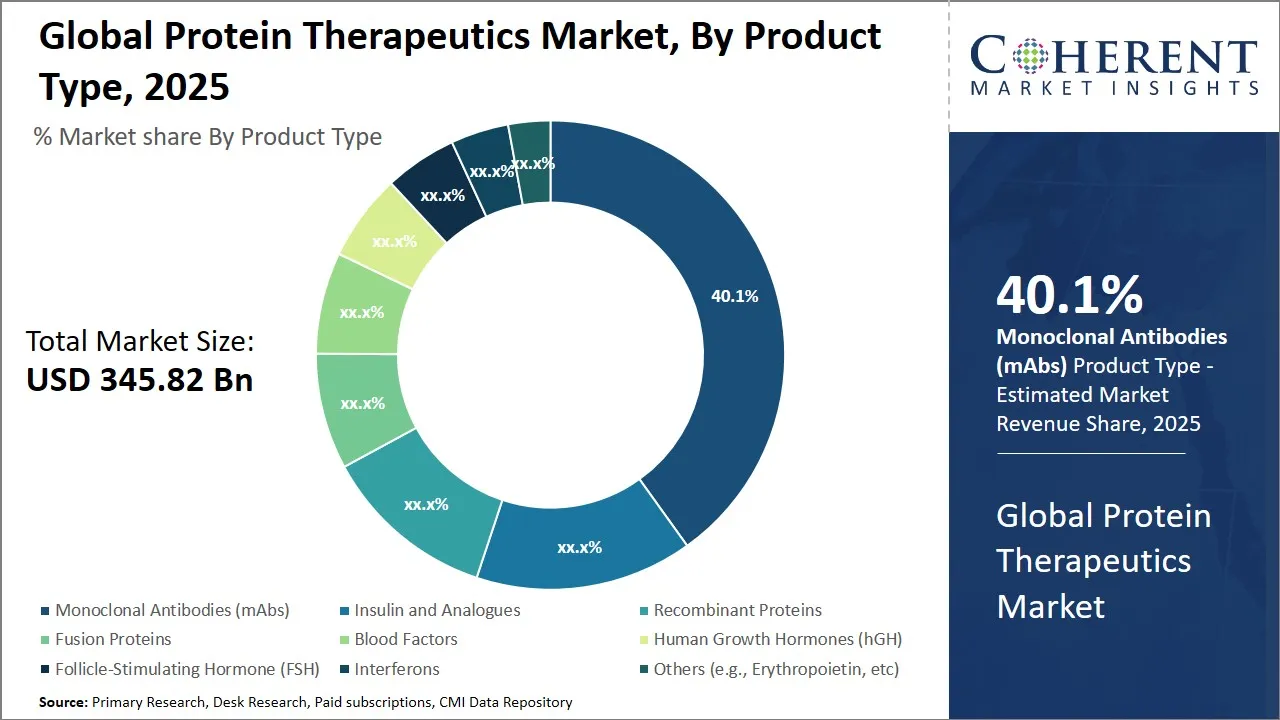
- The Monoclonal Antibodies (mAbs) segment is the leading product type in the global protein therapeutics market, capturing an estimated 41.1% of the market share in 2026.
- Cancer treatment is the largest application segment, accounting for an estimated 29.2 % of the market share in 2026.
- Recombinant DNA technology is projected to hold the dominant share in the market, with 39.3 % in 2026, owing to its crucial role in the production of a broad range of therapeutic proteins.
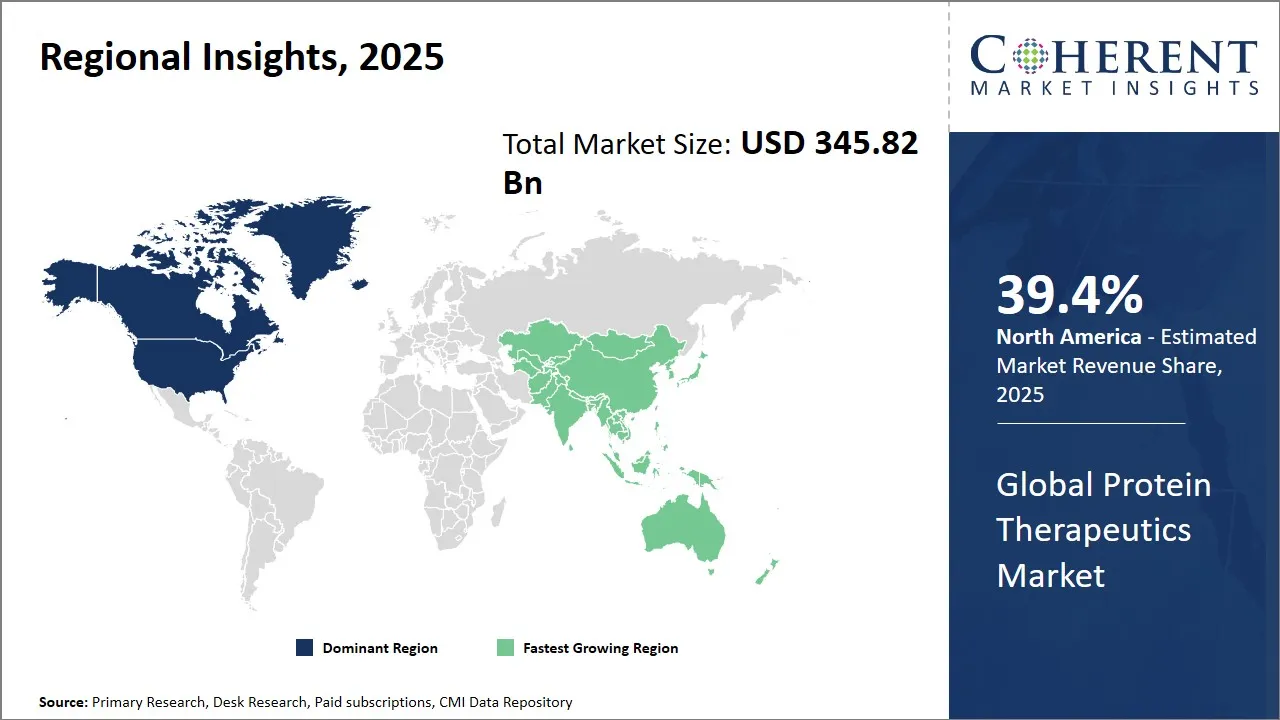
- North America is expected to lead the market, holding a share of 39.4 % in 2026. Asia Pacific is anticipated to be the fastest-growing region, with a market share of 23.4% in 2026.
Market Overview
Current market trends highlight significant innovation in protein engineering and delivery methods, enhancing therapeutic efficacy and patient compliance. Additionally, the growing adoption of biologics in oncology and autoimmune diseases fuels market expansion. The integration of artificial intelligence and machine learning in drug discovery is accelerating development cycles, while collaborations between biotech firms and pharmaceutical companies are fostering a dynamic landscape poised for sustainable growth through 2031.
Current Events and Its Impact
Current Events | Description and its impact |
AI Integration in Protein Drug Development |
|
Advances in Drug Delivery Systems |
|
Segmental Insights
- Current Industry Events of 2026
- Market Size Estimation
- Regional Breakdown
- Competitive Landscape
- Customer Intelligence
- Segmental Analysis
- Pricing Analysis
- Key Market Drivers, Challenges & Future Trends
- Customized Insights Section
Protein Therapeutics Market Insights, By Product Type - Monoclonal Antibodies (mAbs) contributes the highest share of the market owing to their specificity and versatility in treating a wide range of diseases
Monoclonal Antibodies (mAbs) have emerged as the most dominant product type within the global protein therapeutics market with an estimated share of 41.1% in 2026, primarily due to their high specificity and capacity for targeted therapy. These biologics are designed to bind selectively to specific antigens, a property that allows them to modulate disease mechanisms with precision, reducing off-target effects common in conventional treatments. This targeted action has positioned mAbs as a preferred treatment modality, especially in complex diseases such as cancers and autoimmune disorders.
The growth of the Monoclonal Antibodies (mAbs) segment is also fueled by technological advancements in antibody engineering, including humanization techniques that minimize immunogenicity and enhance therapeutic efficacy. Optimized production processes and the ability to generate monoclonal antibodies with diverse functional activities such as antibody-drug conjugates or immune checkpoint inhibitors further expand their therapeutic applications.
In July 2025, Invivyd, Inc., a clinical-stage biopharmaceutical company, announced the formation of the SPEAR Study Group to evaluate the effects of PEMGARDA (pemivibart), a monoclonal antibody, in treating Long COVID and Post-Vaccination Syndrome (PVS). The study follows reports suggesting significant clinical benefits of PEMGARDA in individuals with COVID-19.
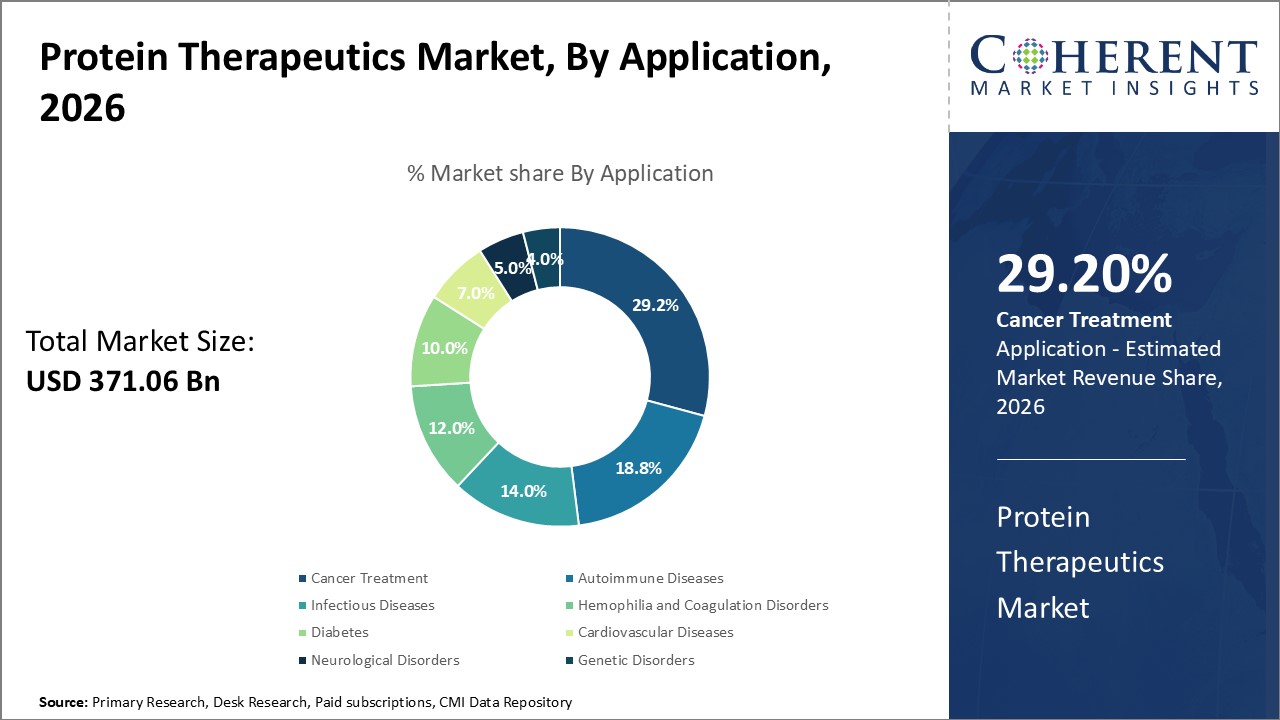
Protein Therapeutics Market Insights, By Application - Cancer treatment contributes the highest share of the market driven by the rising global cancer burden and the effectiveness of protein therapeutics in oncology
Cancer treatment represents the most significant application segment in the protein therapeutics market with an estimated share of 29.2% in 2026, a trend heavily influenced by the escalating global cancer incidence and the complex nature of oncological diseases. Cancer remains a leading cause of mortality worldwide, fueling demand for innovative and effective therapeutic options. Protein therapeutics, especially monoclonal antibodies, recombinant proteins, and fusion proteins, have transformed how various cancers are managed due to their ability to target malignant cells and modulate the immune response.
The effectiveness of protein therapies in oncology stems from their ability to target specific molecular markers expressed on cancer cells, thereby disrupting tumor growth and metastasis with minimal damage to healthy tissues. Immune checkpoint inhibitors and antibody-drug conjugates represent notable advancements, enabling the immune system to recognize and eliminate cancer cells more effectively. Moreover, the ongoing identification of novel biomarkers facilitates the development of personalized protein-based therapies tailored to individual genetic and molecular cancer profiles.
Protein Therapeutics Market Insights, By Technology - Recombinant DNA technology dominates the market due to its capacity for efficient and large-scale protein production
Recombinant DNA technology is expected to hold the largest share in the global protein therapeutics market with 39.3% in 2026 due to its pivotal role in enabling the production of a wide array of therapeutic proteins with high purity and biological activity. This technology involves inserting the gene encoding a desired protein into host cells, such as bacteria, yeast, or mammalian cells, to produce large quantities of the target therapeutic protein. Its flexibility and efficiency make it the backbone of modern protein drug manufacturing.
One major driver for the dominance of recombinant DNA technology is the scalability it offers, which is crucial to meeting the growing demand for protein therapeutics worldwide. Advancements in bioprocessing, such as optimized cell lines, fed-batch culture techniques, and bioreactor design, have enhanced yield and reduced production costs, making recombinant proteins more accessible to patients.
In March 2024, Polyplus, a leading provider of biologics production services and a part of Sartorius, received Good Manufacturing Practice (GMP) certification for recombinant protein production at its Xpress Biologics facility in Europe. The certification, granted by the Belgian Federal Agency of Medicines and Health Products (FAMHP), covers recombinant protein manufacturing, including antibody fragments using microbial expression systems such as E. coli and P. pastoris.
Regional Insights
North America Protein Therapeutics Market Analysis and Trends
In North America, the dominance in the global protein therapeutics market is fueled by a well-established healthcare infrastructure, with an estimated 39.4% market share in 2026. This is supported by strong pharmaceutical and biotechnology industries, along with substantial investments in research and development. The presence of leading biotech hubs in the U.S., such as Boston, San Francisco, and San Diego, fosters innovation and rapid adoption of protein therapeutics.
Additionally, favorable government policies, including expedited approvals by the U.S. FDA and robust intellectual property protections, incentivize companies to develop and commercialize novel protein-based drugs. Notable companies like Amgen, Genentech (a member of the Roche Group), and Biogen are key contributors, continuously driving advancements in monoclonal antibodies, enzyme replacement therapies, and personalized medicine approaches.
In January 2022, Amgen, a global leader in biotechnology, announced a collaboration with Generate Biomedicines, a Flagship Pioneering spinout, to discover and create protein therapeutics targeting five specific areas. This partnership, which could generate over USD 1.9 billion, combines Amgen’s biologics drug discovery expertise with Generate’s Artificial Intelligence (AI)-powered platform.
Asia Pacific Protein Therapeutics Market Analysis and Trends
Meanwhile, the Asia Pacific region is expected to exhibit the fastest growth in the protein therapeutics market with a share of 23.4% in 2026 due to increasing healthcare expenditures, expanding patient pools, and rising government initiatives to promote biotechnology innovation. Countries such as China, India, Japan, and South Korea are investing heavily in domestic R&D capabilities and infrastructure that support biopharmaceutical manufacturing and clinical trials.
Regulatory agencies in these nations have begun to streamline approval processes to align with international standards, accelerating market entry for protein therapeutics. The growing presence of multinational and domestic pharmaceutical companies, such as Shanghai Fosun Pharmaceutical, Takeda Pharmaceutical (Japan), and Biocon (India), also contributes to rapid product development and distribution within the region.
Protein Therapeutics Market Outlook for Key Countries
U.S. Protein Therapeutics Market Trends
The U.S. remains at the forefront of innovation in protein therapeutics due to its advanced healthcare infrastructure and substantial funding support from governmental and private institutions. The U.S. biotech industry benefits from strong patent protections and a highly developed venture capital ecosystem. Key players like Amgen, Regeneron Pharmaceuticals, and Genentech aggressively pursue research across cancer, autoimmune diseases, and rare disorders.
In July 2026, the U.S. Food and Drug Administration (FDA) has placed Sarepta Therapeutics, Inc., a leader in gene therapy for rare diseases, on clinical hold for its investigational gene therapy products targeting Limb Girdle Muscular Dystrophy (LGMD) after three deaths potentially linked to these treatments. The U.S. FDA also revoked Sarepta’s platform technology designation.
China Protein Therapeutics Market Trends
China’s protein therapeutics market is rapidly evolving, supported by government initiatives such as the “Made in China 2026” plan and increased investment in biotechnology zones. The country is focused on expanding its domestic biopharmaceutical manufacturing capabilities and enforcing regulatory reforms to expedite product approvals. Noteworthy companies such as Innovent Biologics and Shanghai Henlius Biotech are pivotal in driving innovation in monoclonal antibodies and biosimilars. In addition, strategic collaborations with multinational firms enhance technical know-how and pipeline diversity, positioning China as a key emerging player in protein therapeutics.
In July 2026, Shanghai Henlius Biotech, Inc. a leading biopharmaceutical company, entered into a strategic collaboration with FBD Biologics Limited (a subsidiary of HanchorBio) to develop HCB101, a novel SIRPα-Fc fusion protein. Under the agreement, Henlius gains exclusive rights to develop, manufacture, and commercialize HCB101 in China, Southeast Asia, and the Middle East and North Africa (MENA), with a right of first negotiation for Japan.
Japan Protein Therapeutics Market Trends
Japan continues to lead Asia Pacific’s protein therapeutics market due to its strong R&D infrastructure, aging population, and government support for advanced pharmaceuticals. The Pharmaceuticals and Medical Devices Agency (PMDA) works alongside companies to optimize regulatory pathways for innovative biologics. Major industry players, including Takeda Pharmaceutical and Chugai Pharmaceutical, are integral to the development of novel therapeutic proteins tailored to address chronic and age-related diseases. Japan’s emphasis on precision medicine and advanced biologics underpins market stability and growth potential.
In April 2026, Hoth Therapeutics, Inc., a clinical-stage biopharmaceutical company specializing in RNA-targeted precision therapies, has been granted a key patent by the Japan Patent Office (JPO) for its novel RNA-based cancer therapy targeting the KIT gene. This patent secures broad claims for antisense oligomers aimed at altering pre-mRNA splicing or reducing KIT protein expression, targeting diseases like gastrointestinal stromal tumors (GIST), leukemia, and mastocytosis.
Germany Protein Therapeutics Market Trends
Germany stands as Europe’s leading market in protein therapeutics, backed by its strong pharmaceutical sector and supportive healthcare policies. The country benefits from a well-integrated healthcare ecosystem combining research institutions, clinical expertise, and reimbursement frameworks that favor innovative biologics. Boehringer Ingelheim and BioNTech are notable companies leveraging advanced protein engineering and immunotherapy technologies. Germany’s leadership in biotechnology innovation, coupled with strong export capabilities, plays a critical role in sustaining Europe’s position in the global protein therapeutics market.
In July 2024, LenioBio, a biotech company pioneering cell-free protein production, partnered with Touchlight, a leader in enzymatic DNA production, to accelerate vaccine development using Touchlight's rapid enzymatic doggybone DNA (dbDNA) technology. This collaboration, part of LenioBio's CEPI grant, aims to enhance protein therapeutics production for pandemic response by enabling faster and more efficient vaccine manufacturing.
End User Feedback and Unmet Needs for the Global Protein Therapeutics Market
- End users in the global protein therapeutics market, including healthcare providers, pharmaceutical companies, and research institutions, have shared valuable feedback on both the strengths and challenges of current therapies. On the positive side, monoclonal antibodies and recombinant proteins have been particularly praised for their precision in treating complex diseases like cancer and autoimmune disorders. For instance, patients receiving monoclonal antibody treatments for conditions such as rheumatoid arthritis have reported significant improvements in symptoms and quality of life. Healthcare providers also appreciate the growing efficacy and safety profile of these treatments, which is enhancing their confidence in recommending them to patients. However, recurring concerns from end-users highlight issues related to the accessibility and cost of these therapies.
- The unmet needs within the protein therapeutics market are clear and varied. A major gap lies in the lack of affordable, accessible treatment options, especially in low-resource settings. Technological limitations also persist, particularly in the scalability and customization of protein production, which often leads to long development timelines and high costs. Another significant concern is the limited integration of novel therapies into existing treatment regimens, as many healthcare systems still lack the infrastructure to support advanced protein-based treatments. Addressing these challenges, particularly by making therapies more affordable and ensuring better integration with standard care pathways, could open new growth opportunities for manufacturers and developers. Focusing on more flexible, cost-effective production methods and improving patient access would not only enhance customer retention but also drive innovation, particularly in areas like gene therapy and personalized medicine.
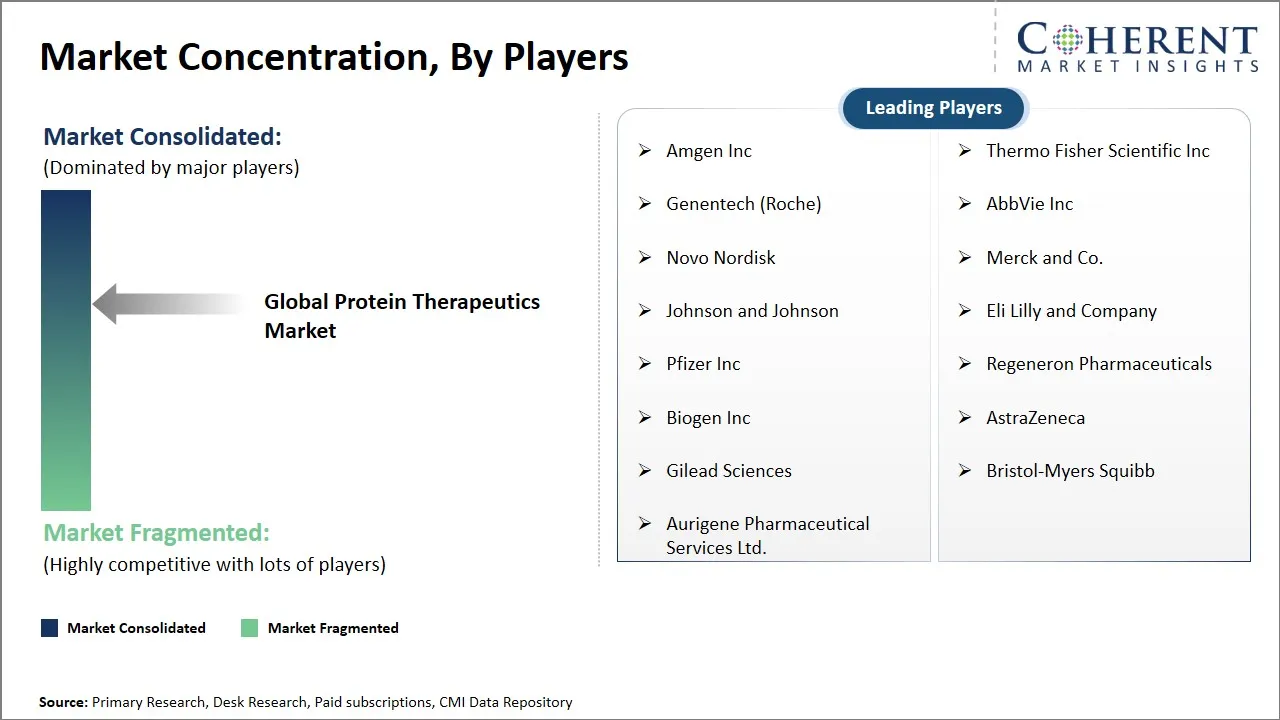
Market Players, Key Developments, and Competitive Intelligence
Key Development
- In June 2025, Gilead Sciences, a global biopharmaceutical leader, entered into an exclusive option and license agreement with Kymera Therapeutics, a biotech company specializing in targeted protein degradation. The partnership aims to develop and commercialize a novel oral molecular glue degrader (MGD) targeting cyclin-dependent kinase 2 (CDK2), a key protein involved in tumor growth.
- In February 2025, Argobio, a biotech start-up studio, and the Institut Pasteur have announced the launch of Enodia Therapeutics, a new French biotech company focused on targeting and degrading disease-causing proteins for treating cancer, inflammatory diseases, and viral infections. Leveraging cutting-edge generative artificial intelligence (AI), Enodia’s platform aims to design selective inhibitors for the Sec61/translocon molecular complex, addressing critical limitations in current therapies.
- In January 2025, Bio-Techne, a global leader in life science tools and reagents, announced the launch of new designer proteins engineered using advanced artificial intelligence (AI) and protein evolutionary workflows. The expanded portfolio from Bio-Techne’s R&D Systems brand includes IL-2 Heat Stable Agonist, Activin A Hyperactive, FGF basic Heat Stable, and Wnt/RSPO Agonist proteins, available for both research use and therapeutic development under good manufacturing practices (GMP).
- In December 2024, Tasca Therapeutics, a biotech company focused on drugging unique binding sites on proteins, raised USD 52 million in a Series A round led by Regeneron Ventures and Cure Ventures, with participation from Invus Group. The funding will support the company’s goal of bringing its first-in-class small molecule targeting auto-palmitoylation a post-translational modification involved in regulating protein function into the clinic next year.
Top Strategies Followed by Global Protein Therapeutics Market Players
- Established market leaders predominantly invest heavily in research and development (R&D) to drive innovation and develop high-performance protein-based therapeutics that meet evolving patient needs. Their robust R&D pipelines enable the creation of novel biologics, biosimilars, and complex protein therapies with improved efficacy and safety profiles. Additionally, these incumbents often engage in strategic partnerships and collaborations with other major industry players or original equipment manufacturers (OEMs), which help to bolster their technological capabilities and expand product portfolios.
- In September 2024, Generate Biomedicines, a leader in generative AI-based drug discovery, announced a multi-target collaboration with Novartis, a global healthcare company. The partnership, valued at over USD 1 billion, will focus on discovering and developing protein therapeutics across multiple disease areas using Generate’s proprietary AI platform. This platform combines machine learning with high-throughput experimental validation to create first- and best-in-class molecules.
- Mid-level players in the protein therapeutics market typically adopt a strategy centered around offering cost-effective solutions that strike a balance between quality and affordability. These companies target price-sensitive consumer segments, including healthcare providers in less affluent regions, by providing biosimilars and therapeutic proteins that maintain efficacy while reducing costs compared to branded counterparts. To enhance their competitive edge, mid-sized firms frequently leverage collaborations and joint ventures with established organizations or contract manufacturing organizations (CMOs), aiming to boost their production capabilities, acquire advanced technological know-how, and increase their market reach.
- In July 2021, Arvinas, Inc., a leader in targeted protein degradation, entered into a global collaboration with Pfizer Inc. a global biopharmaceutical company, to develop and commercialize ARV-471, an investigational oral PROTAC protein degrader targeting the estrogen receptor in breast cancer. ARV-471 is currently in Phase 2 clinical trials for the treatment of ER+/HER2- metastatic breast cancer.
- Small-scale players, while limited in resources compared to their larger counterparts, differentiate themselves by focusing on niche segments within the protein therapeutics market. These companies often concentrate on specialized features such as targeted delivery mechanisms, rare disease treatments, or personalized protein therapies, thereby addressing unmet medical needs that larger firms may overlook. To maintain competitiveness, they adopt cutting-edge technologies including advanced bioprocessing methods, artificial intelligence in protein design, or novel formulation techniques.
- In January 2021, Nurix Therapeutics, Inc., a biopharmaceutical company focused on targeted protein modulation, announced an expansion of its global collaboration with Sanofi to develop innovative protein degradation therapies for challenging diseases. As part of the expanded agreement, Sanofi increased the number of targets in the collaboration from three to five.
Market Report Scope
Protein Therapeutics Market Report Coverage
| Report Coverage | Details | ||
|---|---|---|---|
| Base Year: | 2025 | Market Size in 2026: | USD 371.06 Bn |
| Historical Data for: | 2020 To 2024 | Forecast Period: | 2026 To 2033 |
| Forecast Period 2026 to 2033 CAGR: | 7.3% | 2033 Value Projection: | USD 607.64 Bn |
| Geographies covered: |
| ||
| Segments covered: |
| ||
| Companies covered: | Amgen Inc, Thermo Fisher Scientific Inc, Genentech (Roche), AbbVie Inc, Novo Nordisk, Merck and Co., Johnson and Johnson, Eli Lilly and Company, Pfizer Inc, Regeneron Pharmaceuticals, Biogen Inc, AstraZeneca, Gilead Sciences, Bristol-Myers Squibb, and Aurigene Pharmaceutical Services Ltd. | ||
| Growth Drivers: |
| ||
| Restraints & Challenges: |
| ||
Protein Therapeutics Market Dynamics
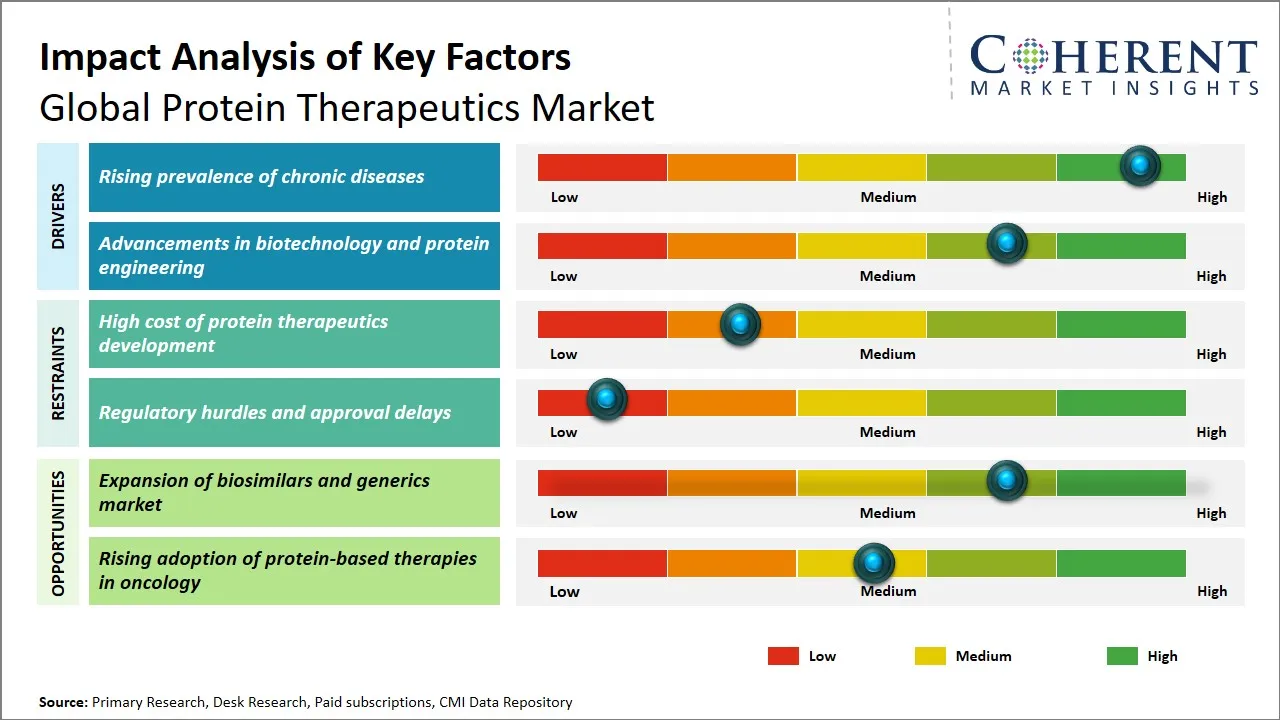
Protein Therapeutics Market Driver - Rising Prevalence of Chronic Diseases
The escalating incidence of chronic diseases such as cancer, autoimmune disorders, and metabolic conditions is significantly propelling the demand for protein therapeutics across the globe. Chronic illnesses often require long-term management and targeted treatment approaches, which protein-based drugs effectively provide due to their high specificity and ability to modulate biological pathways precisely. For instance, monoclonal antibodies and recombinant proteins are increasingly employed to address complex diseases that traditional small-molecule drugs may not adequately treat. Additionally, the growing aging population further exacerbates the prevalence of age-related chronic disorders, intensifying the need for advanced therapeutic options. As healthcare systems focus on personalized medicine and improved clinical outcomes, protein therapeutics have become pivotal in delivering tailored treatments, minimizing side effects, and enhancing efficacy.
In December 2024, according to WHO, non-communicable diseases (NCDs) were responsible for 43 million deaths, which accounted for 75% of deaths globally not related to pandemics. Of these, 18 million were premature deaths (under the age of 70), with 82% occurring in low- and middle-income countries. Cardiovascular diseases led the NCD-related deaths, causing 19 million deaths, followed by 10 million deaths from cancers, 4 million from chronic respiratory diseases, and over 2 million from diabetes and kidney disease.
Protein Therapeutics Market Opportunity - Expansion of Biosimilars and Generics Market in the Global Protein Therapeutics
The burgeoning expansion of the biosimilars and generics segment presents a significant opportunity within the global protein therapeutics market. As patents for several blockbuster protein therapeutics expire, pharmaceutical companies are increasingly focusing on developing biosimilars—biological products that are highly similar to already approved biologics—and generic versions, which are more cost-effective alternatives. This shift is driven by mounting healthcare expenditure pressures worldwide, compelling payers and providers to seek affordable treatment options without compromising efficacy or safety. Additionally, regulatory frameworks have been evolving to streamline the approval process for biosimilars, encouraging market entry and fostering healthy competition.
In April 2025, Biocon Biologics Ltd. (BBL), a subsidiary of Biocon Ltd, received U.S. FDA approval for Jobevne (bevacizumab-nwgd), a biosimilar to Avastin for the treatment of various cancers. Jobevne is a recombinant humanized monoclonal antibody that inhibits vascular endothelial growth factor (VEGF), effectively limiting tumor blood supply and combating cancer. This approval expands Biocon Biologics’ oncology biosimilar portfolio in the U.S., which already includes OGIVRI (Trastuzumab-dkst) and FULPHILA (Pegfilgrastim-jmdb).
Analyst Opinion (Expert Opinion)
- The protein therapeutics market is experiencing strong growth driven by several key factors. Technological advancements, particularly in recombinant DNA and monoclonal antibody production, are making it possible to create more targeted and effective therapies. Additionally, regulatory support and approval pathways, including the accelerated approval processes for certain protein-based treatments, are bolstering market growth. Rising demand for treatments in oncology, autoimmune diseases, and rare disorders, coupled with the increasing number of personalized medicine options, is also a major driver. These trends are creating a positive environment for continued innovation and expansion within the sector.
- However, the market is not without its challenges. Manufacturing complexities and the high costs associated with developing and scaling protein therapeutics are ongoing obstacles. Moreover, the market faces pressure to address the global need for affordable treatments. Opportunities lie in emerging markets, where regulatory frameworks are becoming more conducive to protein therapeutic development. A notable example is the collaboration between companies like LenioBio and Touchlight, which aim to improve vaccine development and protein production using innovative technologies. Similarly, initiatives like CEPI's support for pandemic response are pushing the boundaries of what’s possible in the protein therapeutics space.
Speak to the analyst
Want personalized insights?
Take the findings above to one of our principal consultants, or have the report rebuilt around the segments, geographies and competitors you actually track.
Market Segmentation
- Product Type Insights (Revenue, USD Bn, 2021 - 2033)
- Monoclonal Antibodies (mAbs)
- Insulin and Analogues
- Recombinant Proteins
- Fusion Proteins
- Blood Factors
- Human Growth Hormones (hGH)
- Follicle-Stimulating Hormone (FSH)
- Interferons
- Others (e.g., Erythropoietin, etc.)
- Application Insights (Revenue, USD Bn, 2021 - 2033)
- Cancer Treatment
- Autoimmune Diseases
- Infectious Diseases
- Hemophilia and Coagulation Disorders
- Diabetes
- Cardiovascular Diseases
- Neurological Disorders
- Genetic Disorders
- Technology Insights (Revenue, USD Bn, 2021 - 2033)
- Recombinant DNA Technology
- Cell-Based Technology
- Hybridoma Technology
- Others (Gene Editing, Transfection)
- Route of Administration Insights (Revenue, USD Bn, 2021 - 2033)
- Parenteral (Injectables)
- Oral
- Others (Topical, Nasal)
- End User Insights (Revenue, USD Bn, 2021 - 2033)
- Hospitals
- Clinics
- Research Laboratories
- Pharmaceutical and Biotechnology Companies
- Regional Insights (Revenue, USD Bn, 2021 - 2033)
- North America
- U.S.
- Canada
- Latin America
- Brazil
- Argentina
- Mexico
- Rest of Latin America
- Europe
- Germany
- U.K.
- Spain
- France
- Italy
- Russia
- Rest of Europe
- Asia Pacific
- China
- India
- Japan
- Australia
- South Korea
- ASEAN
- Rest of Asia Pacific
- Middle East
- GCC Countries
- Israel
- Rest of Middle East
- Africa
- South Africa
- North Africa
- Central Africa
- North America
- Key Players Insights
- Amgen Inc
- Thermo Fisher Scientific Inc
- Genentech (Roche)
- AbbVie Inc
- Novo Nordisk
- Merck and Co.
- Johnson and Johnson
- Eli Lilly and Company
- Pfizer Inc
- Regeneron Pharmaceuticals
- Biogen Inc
- AstraZeneca
- Gilead Sciences
- Bristol-Myers Squibb
- Aurigene Pharmaceutical Services Ltd.
Sources
Primary Research Interviews
- Industry Stakeholders List
- Senior R&D Director – Leading Protein Therapeutics Manufacturer
- Regulatory Affairs Manager – Pharmaceutical Company
- Vice President – Business Development, Biopharma
- Head of Innovation – Biotechnology Firm
- Senior Product Manager – Biopharmaceutical Company
- End Users List
- Chief Medical Officer – Oncology Hospital
- Clinical Director – Research Hospital
- Head of Clinical Trials – Pharmaceutical Company
- Medical Affairs Director – Health System
- Healthcare Procurement Manager – Public Health Institution
Government and International Databases
- U.S. Food and Drug Administration (FDA)
- European Medicines Agency (EMA)
- World Health Organization (WHO) Database
- National Institutes of Health (NIH)
- Centers for Disease Control and Prevention (CDC)
- National Cancer Institute (NCI)
Trade Publications
- Pharmaceutical Technology
- BioPharma Dealmakers
- Drug Discovery Today
- Genetic Engineering & Biotechnology News (GEN)
- BioTechniques
- The Biopharma Industry Report
Academic Journals
- Journal of Protein Chemistry
- Nature Biotechnology
- Journal of Pharmaceutical Sciences
- The Journal of Clinical Investigation
- Molecular Therapy
- Journal of Medicinal Chemistry
Reputable Newspapers
- The Wall Street Journal
- The New York Times
- Financial Times
- The Guardian
- The Washington Post
- Reuters
Industry Associations
- Biotechnology Innovation Organization (BIO)
- European Federation of Pharmaceutical Industries and Associations (EFPIA)
- International Society for Pharmaceutical Engineering (ISPE)
- American Association of Pharmaceutical Scientists (AAPS)
- International Pharmaceutical Federation (FIP)
- Drug Information Association (DIA)
Public Domain Resources
- U.S. National Library of Medicine
- World Health Organization Clinical Trials Registry
- Global Health Observatory (GHO)
- National Institutes of Health (NIH) Research Portfolio
Proprietary Elements:
- CMI Data Analytics Tool: Proprietary analytics tool to analyze real-time market trends, consumer behavior, and technology adoption in market
- Proprietary CMI Existing Repository of Information for Last 8 Years
Get access to 250+ pages report
Every segment, forecast, competitor profile and data table behind the analysis above — available for instant download.
- ESOMAR Member
- ISO 9001:2015 Certified
- D-U-N-S Registered
- GDPR & CCPA Compliant
Missing comfort of reading report in your local language? Find your preferred language:
Transform your Strategy with Exclusive Trending Reports
Frequently Asked Questions
The global protein therapeutics market is estimated to be valued at USD 371.06 Bn in 2026 and is expected to reach USD 607.64 Bn by 2033.
The CAGR of the global protein therapeutics market is projected to be 7.3% from 2026 to 2033
Rising prevalence of chronic diseases and advancements in biotechnology and protein engineering are the major factors driving the growth of the global protein therapeutics market.
High cost of protein therapeutics development and regulatory hurdles and approval delays are the major factors hampering the growth of the global protein therapeutics market.
In terms of product type, Monoclonal Antibodies (mAbs) is estimated to dominate the market revenue share in 2026.
Protein therapeutics are biologics derived from living organisms and target specific disease mechanisms, whereas small molecules are chemically synthesized and generally affect broader biological systems.
The market is expected to grow with advancements in biologics, biosimilars, and personalized medicine, despite challenges such as high production costs and regulatory hurdles.