

Global Sinusitis Drugs Market Size and Forecast – 2026 to 2033
The Global Sinusitis Drugs Market is estimated to be valued at USD 3.31 Bn in 2026 and is expected to reach USD 5.11 Bn by 2033, exhibiting a compound annual growth rate (CAGR) of 6.4% from 2026 to 2033. This steady growth is driven by the increasing prevalence of sinusitis, technological advancements in drug formulations, and rising awareness about effective treatment options worldwide. Expanding healthcare infrastructure and growing geriatric population further contribute to market expansion during this period.
Key Takeaways of the Global Sinusitis Drugs Market
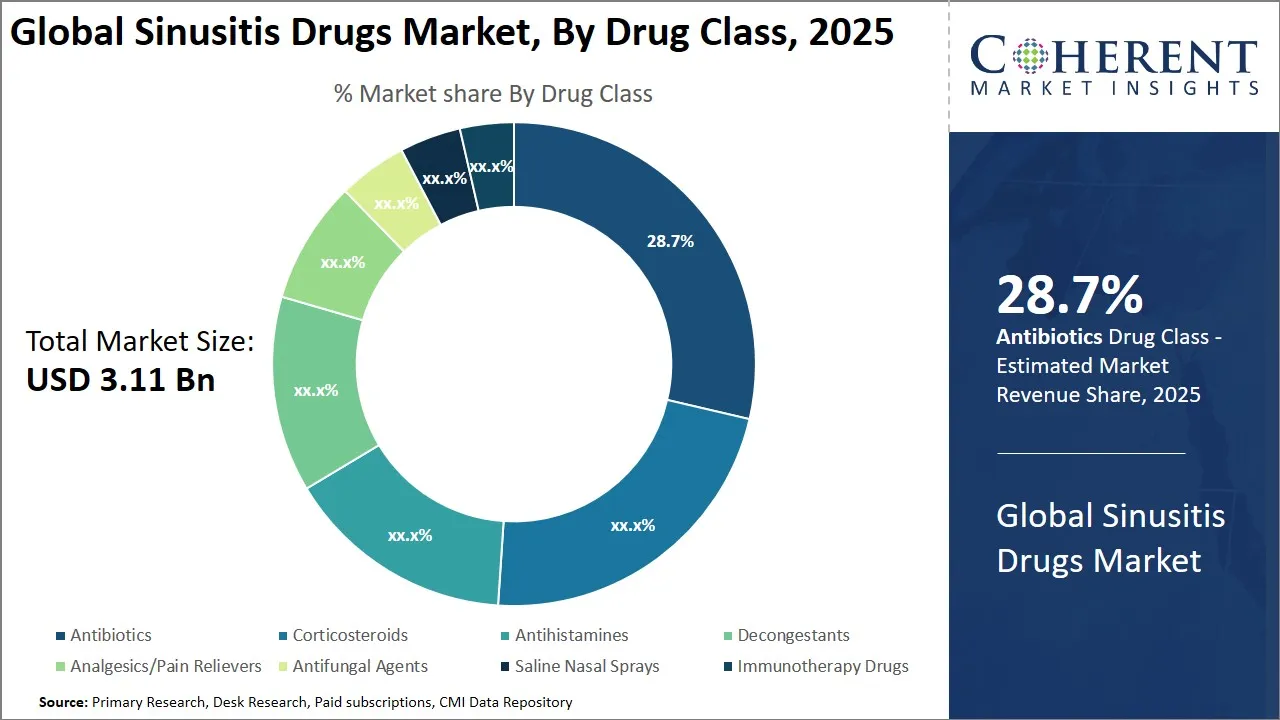
- Antibiotics segment is expected to dominate the global sinusitis drugs market, accounting for 29.7 % of the market share in 2026.
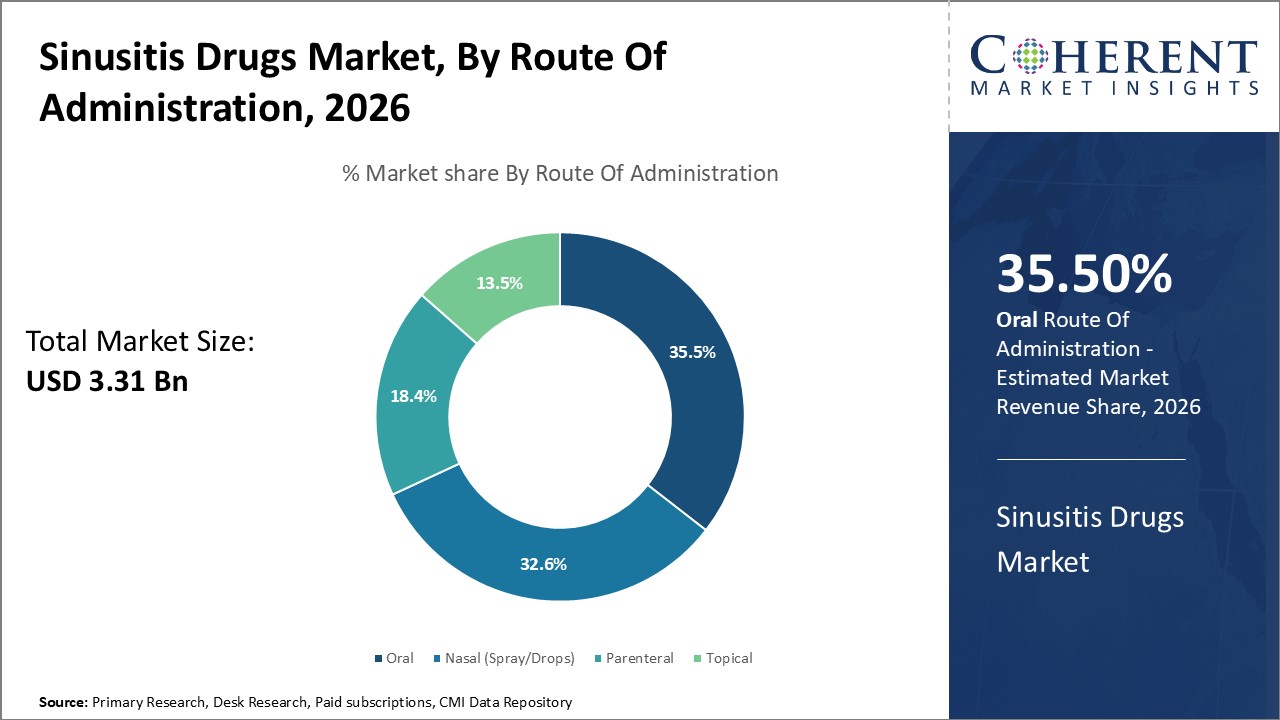
- By route of administration, the oral segment is projected to lead as the primary drug delivery route with 35.5 % of the market share in 2026.
- By dosage form, tablets are expected to represent the most widely used dosage form, holding 36.6 % of the market share in 2026.
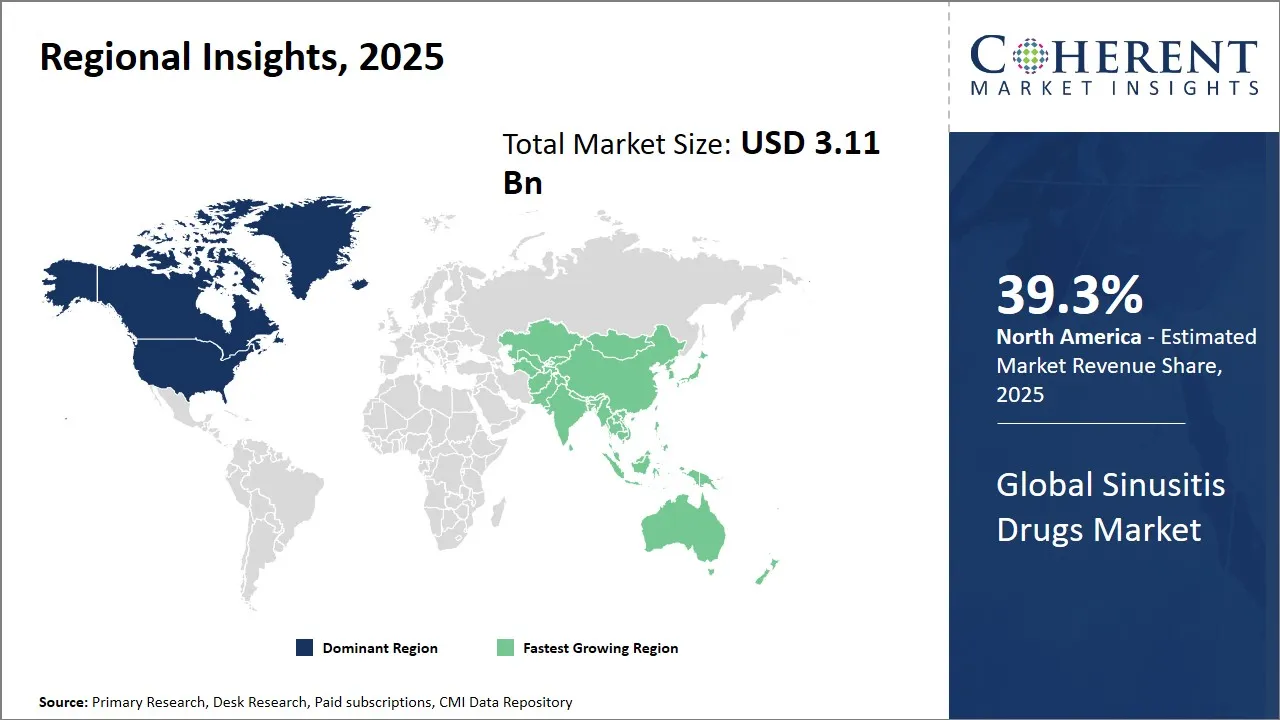
- North America is expected to lead the market, holding a share of 39.3 % in 2026. Asia Pacific is anticipated to be the fastest-growing region, with a market share of 24.4% in 2026.
Market Overview
Current market trends indicate a shift towards personalized and targeted therapies, with an emphasis on reducing side effects and improving patient compliance. The adoption of advanced biologics and novel drug delivery systems is on the rise, enhancing treatment efficacy for chronic sinusitis patients. Additionally, increasing investment in research and development, along with growing demand for over-the-counter sinusitis remedies, are shaping the competitive landscape. Digital health platforms and telemedicine are also facilitating easier access to sinusitis treatment, boosting the market growth.
Current Events and Its Impact
Current Events | Description and its Impact |
Amneal Pharmaceuticals Receives U.S. FDA Tentative Approval for Beclomethasone Dipropionate HFA Inhalation Aerosol |
|
Growth of Telemedicine and Digital Health Platforms |
|
Segmental Insights
- Current Industry Events of 2026
- Market Size Estimation
- Regional Breakdown
- Competitive Landscape
- Customer Intelligence
- Segmental Analysis
- Pricing Analysis
- Key Market Drivers, Challenges & Future Trends
- Customized Insights Section
Sinusitis Drugs Market Insights, By Drug Class - Antibiotics contribute the highest market share owing to its critical role in managing bacterial sinus infections
Antibiotics continue to dominate the global sinusitis drugs market, largely due to their effectiveness in treating bacterial infections. In fact, antibiotics are expected to hold a market share of 29.7% in 2026, as bacterial infections are the primary cause of sinusitis, particularly in acute and complicated cases. Bacteria are the main target of antibiotics as they are the ones that inflame and infect the sinus cavities, and hence are prescribed first.
Moreover, among the major companies leading the antibiotics segment in the sinusitis drugs market are Pfizer with Zithromax (azithromycin), GSK with Augmentin (amoxicillin/clavulanate), Johnson & Johnson via Janssen's ENT antibiotics, Teva and Amneal Pharmaceuticals, and generics.
Sinusitis Drugs Market Insights, By Route of Administration - Oral drugs dominate due to convenience, patient compliance, and systemic efficacy
The oral segment is expected to capture a market share of 35.5% in 2026, making it the preferred route of administration for sinusitis treatments. This dominance can be attributed to the convenience, ease of use, and higher patient compliance associated with oral drugs, which are available in forms such as tablets, capsules, and syrups. These factors make oral medications a practical choice for both patients and healthcare providers.
The systemic effect of the orally administered drugs is also a reason for their preference. Sinusitis is often accompanied by inflammation in several sinus cavities, along with systemic symptoms like fever and malaise, and oral delivery guarantees that the active ingredients reach the infected tissues and through the bloodstream targeting the root causes in a more comprehensive way.
Sinusitis Drugs Market Insights, By Dosage Form - Tablets lead the market driven by ease of manufacturing, dosing accuracy, stability, and patient compliance
In 2026, tablets will be the dominant dosage form in the sinusitis drugs market with a 36.6% share, which is being supported by several practical and pharmaceutical benefits. Among them is the ease of making tablets in great numbers with uniform quality, which keeps the cost of production low and guarantees the presence of supply in the world markets.
The patient acceptance rate is greatly increased through the use of tablets due to their advantage of being portable, discreet, and a familiar format. In contrast to the liquids or nasal sprays that need refrigeration, measuring devices, or intricate administering methods, tablets are very smoothly inserted into the daily routines.
Pipeline Analysis for Sinusitis Drugs Market
Drug | Company/Sponsor | Mechanism/Target | Sinusitis Indication | Development Phase |
Brensocatib (INS1007) | Insmed Incorporated | Oral DPP1 (dipeptidyl peptidase-1) inhibitor | Chronic rhinosinusitis without nasal polyps (CRSsNP) | Phase II |
Depemokimab (GSK3511294) | GSK plc. | Ultra-long-acting anti-IL-5 monoclonal antibody | Chronic rhinosinusitis with nasal polyps (CRSwNP) | Phase III |
CM310 (Stapokibart) | Jiangsu Simcere Pharmaceutical Co., Ltd. | Anti-IL-4Rα monoclonal antibody | Severe eosinophilic CRSwNP | Phase III |
TQC2731 | CHIA TAI TIANQING PHARMACEUTICAL GROUP CO., LTD | Investigational monoclonal antibody targeting type-2 inflammation | Chronic rhinosinusitis with nasal polyps (CRSwNP) | Phase II / III |
Lebrikizumab (LY3650150) | Eli Lilly and Company | Anti-IL-13 monoclonal antibody | Chronic rhinosinusitis with nasal polyps (CRSwN | Phase III |
Regional Insights
North America Sinusitis Drugs Market Analysis and Trends
North America will be the leading region in the global sinusitis drugs market with a 39.3% share by 2026, which is primarily due to a well-established healthcare infrastructure, high patient awareness, and huge R&D investment. The Presence of major pharmaceutical companies such as Pfizer, GlaxoSmithKline, and Johnson & Johnson has strengthened the market with new sinusitis drug formulations and strong distribution channels across the U.S. and Canada.
Pfizer, for instance, is engaged in the development of respiratory and allergy treatments in the U.S., GlaxoSmithKline is promoting Nucala for chronic rhinosinusitis with nasal polyps, and Johnson & Johnson’s Janssen unit is working on respiratory drug delivery systems. These companies reflect North America’s strong position in innovation and leadership in the sinusitis drugs market.
Asia Pacific Sinusitis Drugs Market Analysis and Trends
The Asia Pacific region is expected to experience the fastest growth in the global sinusitis drugs market, driven by factors such as urbanization and rising healthcare expenditure. With an estimated 24.4% market share in 2026, the region is also benefiting from increased access to healthcare services. Sinusitis is becoming more common in countries such as China, India, Japan, South Korea, and Australia, as a result of both pollution and lifestyle changes.
The presence of a large number of both foreign firms and local companies like Sun Pharma, Takeda Pharmaceutical (Japan), and Cipla, and the better regulatory frameworks together speed up the realization and accessibility of the market.
Sinusitis Drugs Market Outlook for Key Countries
U.S. Sinusitis Drugs Market Trends
The U.S. sinusitis drugs market leads due to advanced pharmaceutical research, advanced healthcare infrastructure, and high patient demand for novel sinusitis treatments. Big players such as Pfizer and Johnson & Johnson are actively involved through their product launches and clinical trials which are aimed at improving the drug's efficacy while at the same time minimizing its side effects. The insurance coverage and government programs allow for greater accessibility to the drugs.
For Instance, In September 2024, Regeneron Pharmaceuticals, a U.S.-based biotechnology company, and Sanofi, a French global biopharmaceutical firm, announced that the U.S. Food and Drug Administration (FDA) approved Dupixent (dupilumab) as the first and only biologic treatment for adolescents aged 12 to 17 years with inadequately controlled chronic rhinosinusitis with nasal polyps (CRSwNP).
China Sinusitis Drugs Market Trends
China's sinusitis drugs market is in a state of rapid change due to the government's increasing attention to boost healthcare reform and drug approval system expansion. Domestic companies such as Sino Biopharmaceutical are in a race with international players like GlaxoSmithKline to secure their foothold by heavily investing in development and distribution networks. The booming city population along with the increase in lifestyle-related respiratory ailments is creating a strong demand for sinusitis treatments.
In January 2026, GlaxoSmithKline (GSK), a U.K.-based global biopharmaceutical company, announced that regulatory agencies in China and Japan accepted applications for depemokimab, a monoclonal antibody targeting interleukin-5 (IL-5), for the treatment of asthma with type 2 inflammation and chronic rhinosinusitis with nasal polyps (CRSwNP).
Germany Sinusitis Drugs Market Trends
Germany is still the European leader, due to its highly developed healthcare system, powerful pharmaceutical manufacturing sector, and rigorous regulatory practices. Bayer AG and Merck KGaA, among others, are well-established in this area, providing various sinusitis drugs that are research supported by collaborations with universities. The government encourages the development of new medications for chronic diseases through its initiatives, thus making the market more attractive.
In June 2026, ALK, a Denmark-based global allergy solutions company, announced the first market launch of EURneffy (2 mg) in Germany the first-ever adrenaline nasal spray approved in the EU for emergency treatment of anaphylaxis in adults and children weighing 30 kg or more.
India Sinusitis Drugs Market Trends
The sinusitis drugs market in India is growing very fast mainly due to the high population, increased awareness, and better healthcare access that is gradually reaching rural places. Indian pharmaceutical companies like Sun Pharma and Cipla are leading the market with their low-priced generic medicines and are also putting money into R&D for coming up with new drug candidates.
In August 2026, Sanofi Consumer Healthcare India Limited, a leading India-based consumer healthcare company, launched Allegra‑D (fexofenadine HCl 60 mg + pseudoephedrine HCl 120 mg) in India for adults and children aged 12 years and older with allergic rhinitis and nasal congestion—adding a non-drowsy, dual-action option to the Sinusitis Drugs space.
Global Sinusitis Burden: Country-Level Prevalence and Environmental Correlates in the U.S., India, and China
U.S.
According to the Centers for Disease Control and Prevention (CDC), sinusitis is a common condition in the U.S., with about 28.9 million adults diagnosed, representing roughly 11.6% of the adult population. This high prevalence makes sinusitis a major U.S. public health issue, driving heavy outpatient and emergency department visits.
Sinusitis is closely linked to polluted city air, cigarette smoke, and constant exposure to indoor allergens like dust, pets, and mold.
India
According to the MDPI article published in January 2021, “Prevalence and Risk Factors of Sinus and Nasal Allergies among Tannery Workers of Kanpur City,” India is heavily burdened by sinusitis, with an estimated 134 million people affected, roughly one in eight Indians. In the specific high-risk group of tannery workers studied in Kanpur, India, 13.4% reported sinus problems and 12.3% reported nasal allergies, with prevalence and severity increasing with age, years of work in tanneries, and exposure to airborne dust and chemicals.
High background air pollution plus workplace hazards such as leather dust and chromium fumes in tanneries strongly contribute to sinus and nasal problems.
China
According to a National Library of Medicine indexed systematic review and meta-analysis published in January 2023, estimates suggest around 107 million people in China live with chronic sinusitis, and about one-third of them have chronic rhinosinusitis with nasal polyps, Meta-analysis data indicate an overall CRS prevalence of about 10% in the Chinese population, with higher rates in rural areas.
Living in damp or moldy homes, using biomass fuels in poorly ventilated spaces, and breathing urban smog are major environmental drivers of chronic rhinosinusitis
Market Players, Key Developments, and Competitive Intelligence
Key Developments
- In October 2025, Amgen, a leading U.S.-based biotechnology company, and AstraZeneca, a global biopharmaceutical firm, announced that the U.S. Food and Drug Administration (FDA) approved TEZSPIRE (tezepelumab-ekko) for the add-on maintenance treatment of chronic rhinosinusitis with nasal polyps (CRSwNP) in patients aged 12 years and older.
- In September 2025, AstraZeneca, a global biopharmaceutical company, and Amgen, a U.S.-based biotechnology firm, announced that the Committee for Medicinal Products for Human Use (CHMP) of the European Medicines Agency (EMA) recommended Tezspire (tezepelumab) for approval in the European Union for treating adults with chronic rhinosinusitis with nasal polyps (CRSwNP).
- In March 2024, the U.S. Food and Drug Administration (FDA) approved XHANCE, developed by the Medical Association of Sinus and Allergy (MASA), as the first and only medication for adults with chronic rhinosinusitis without nasal polyps. XHANCE is a fluticasone propionate nasal spray that uses an Exhalation Delivery System to deliver the steroid directly to inflamed sinus tissues, marking a significant advancement in the sinusitis drugs market by offering a targeted and effective non-surgical treatment option.
- In January 2025, GlaxoSmithKline (GSK), a U.K.-based global biopharmaceutical company, announced that China’s National Medical Products Administration approved Nucala (mepolizumab) for adults with chronic rhinosinusitis with nasal polyps (CRSwNP).
Top Strategies Followed by Global Sinusitis Drugs Market Players
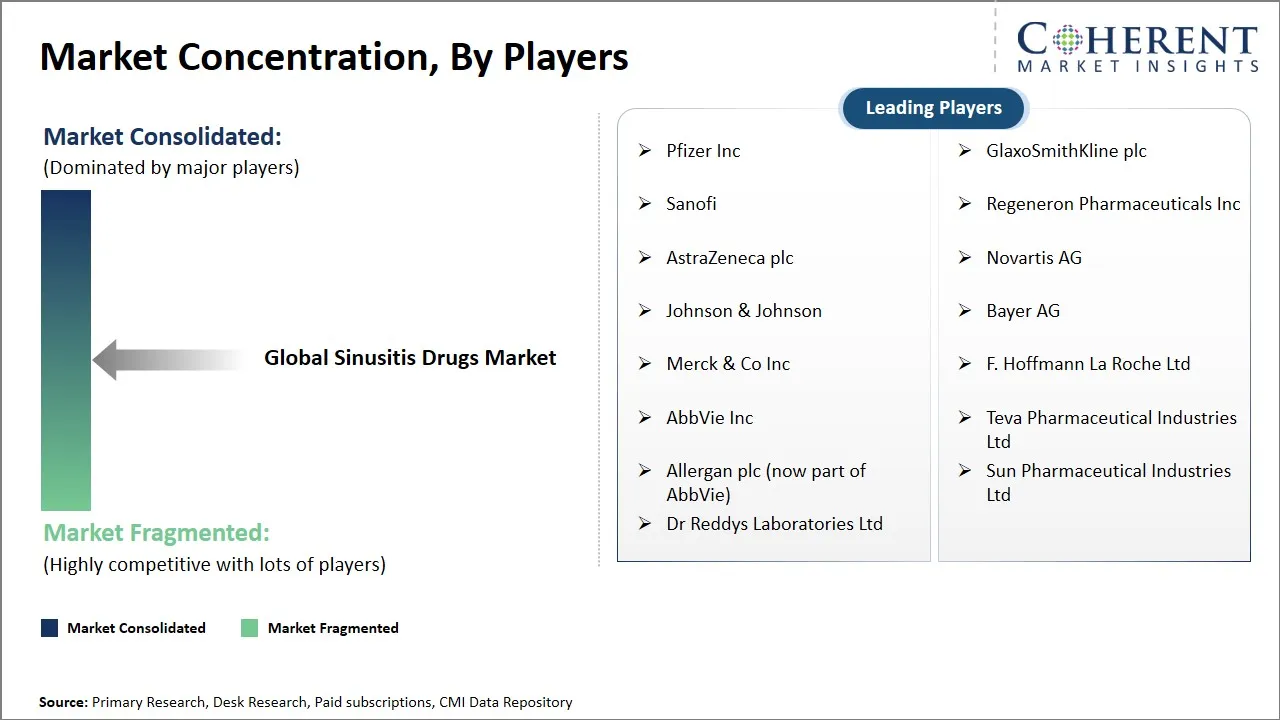
- Established market leaders heavily invest in research and development (R&D) to innovate high-performance and differentiated products that meet evolving patient needs and regulatory standards. These companies enhance drug efficacy, reduce side effects, and develop advanced delivery systems while forming strategic alliances with industry partners and OEMs to strengthen expertise, streamline production, and expand their product range.
- Established players such as Novartis AG, Sanofi, and AstraZeneca plc dominate the sinusitis drugs market by investing heavily in R&D to create next-generation anti-inflammatory and anti-infective formulations. Their collaborations with healthcare institutions and OEMs strengthen their global leadership and accelerate new drug approvals.
- Mid-level players in the sinusitis drugs market primarily concentrate on providing cost-effective solutions that balance quality with affordability. Mid-level players focus on price-sensitive markets in developing regions, using lean manufacturing and cost optimization to deliver safe, effective sinusitis treatments at competitive prices.
- Mid-level companies including Lupin Limited, Aurobindo Pharma, and Torrent Pharmaceuticals prioritize affordable sinusitis drug production through efficient manufacturing and strong distribution networks across Asia, Africa, and Latin America.
- Small-scale market players, meanwhile, seek to carve out niche segments within the sinusitis drugs market by focusing on specialized product features or novel therapies that address unmet medical needs. These companies frequently adopt cutting-edge technologies, such as biotechnology or personalized medicine approaches, to develop innovative solutions that distinguish them from larger competitors.
- Small-scale innovators such as ENTellus Medical, Synairgen plc, and Otonomy Inc. focus their efforts on targeted nasal therapies and biologic-based sinusitis solutions, creating unique drug delivery platforms and minimally invasive treatment methods that meet specific clinical needs that are not yet addressed.
Price and Reimbursement Landscape in the Global Sinusitis Drugs Market by Country
Country | Major Drug Classes | Price Range (US$) | Reimbursement |
U.S. | Antibiotics, corticosteroids | 30-250 | Insurance generally covers most branded prescription drugs, while generics and OTC products remain widely accessible. Payers engage in active negotiations to manage costs for biologics. |
Germany | Antibiotics, corticosteroids, saline sprays | 23-92.1 | Statutory health insurance covers prescription drugs, with reimbursement strictly based on evidence-backed clinical effectiveness. |
U.K. | Antibiotics, nasal sprays | 9.1-80 | The NHS provides coverage for the majority of prescription medications, while over-the-counter (OTC) medicines are not reimbursed and must be paid for by patients themselves. |
Japan | Antibiotics, steroids, decongestants | 13.03-52.89 | National Health Insurance provides coverage for prescription medications, while non-prescription drugs are commonly used to treat mild sinusitis. |
China | Antibiotics, antihistamines, combinations | 14.04-70.21 | Coverage of innovative drugs is expanding within provincial reimbursement programs. |
Market Report Scope
Sinusitis Drugs Market Report Coverage
| Report Coverage | Details | ||
|---|---|---|---|
| Base Year: | 2025 | Market Size in 2026: | USD 3.31 Bn |
| Historical Data for: | 2020 To 2024 | Forecast Period: | 2026 To 2033 |
| Forecast Period 2026 to 2033 CAGR: | 6.4% | 2033 Value Projection: | USD 5.11 Bn |
| Geographies covered: |
| ||
| Segments covered: |
| ||
| Companies covered: | Pfizer Inc, GlaxoSmithKline plc, Sanofi, Regeneron Pharmaceuticals Inc, AstraZeneca plc, Novartis AG, Johnson & Johnson, Bayer AG, Merck & Co Inc, F. Hoffmann La Roche Ltd, AbbVie Inc, Teva Pharmaceutical Industries Ltd, Allergan plc (now part of AbbVie), Sun Pharmaceutical Industries Ltd, and Dr Reddys Laboratories Ltd | ||
| Growth Drivers: |
| ||
| Restraints & Challenges: |
| ||
Sinusitis Drugs Market Dynamics
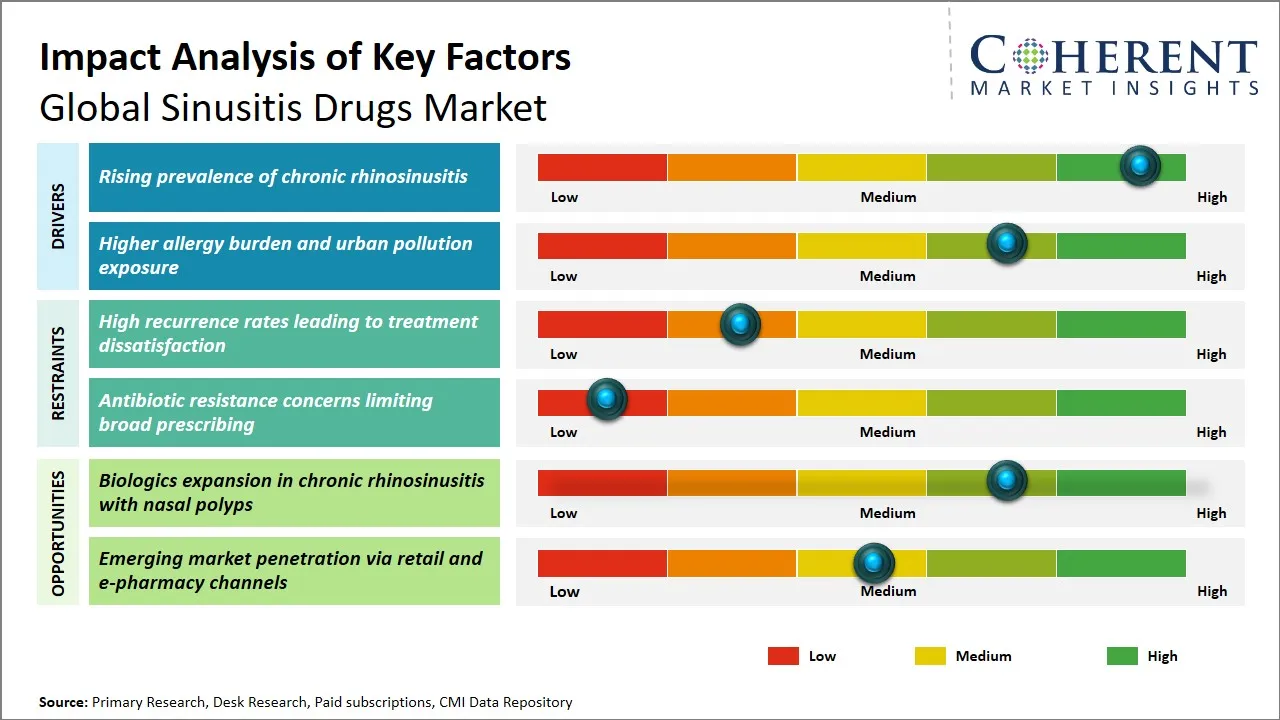
Sinusitis Drugs Market Driver - Rising prevalence of chronic rhinosinusitis
The chronic rhinosinusitis (CRS) prevalence going up is one of the most significant reasons for the growth of the global sinusitis drugs market. CRS is a condition characterized by inflammation of the sinuses for more than 12 weeks and is gradually being associated with various factors including polluted air, more allergens in the environment, and changes in people's way of living which culminate in the classic symptoms of nasal blockage, pain in the face, and difficulty in breathing that make life miserable. With the growing awareness and diagnosis, there is a rising demand for effective treatments such as intranasal corticosteroids, antibiotics, and nasal sprays, to name a few, which basically help in controlling inflammation, symptom management, and preventing complications.
In December 2023, according to the Explor Asthma Allergy Journal study by Mr. Sepideh Darougar, Mr. Masoumeh Hematyar, and Mr. Pantea Bozorg Savoji, chronic rhinosinusitis (CRS) affects approximately 5% to 12% of the global population, with CRS with nasal polyposis (CRSwNP) showing a worldwide prevalence of 2% to 4%. CRS without nasal polyposis (CRSsNP) accounts for about 70% of all CRS cases, making it the most common subtype.
Sinusitis Drugs Market Opportunity - Biologics expansion in chronic rhinosinusitis with nasal polyps
The use of biologic therapies for chronic rhinosinusitis with nasal polyps (CRSwNP) is one of the major growth opportunities in the worldwide market for sinusitis drugs. Monoclonal antibodies, like dupilumab, are more selective in their action against the underlying inflammation and thus sspecialty-optimized are efficacious compared to corticosteroids or antibiotics, particularly in the case of severe or resistant cases. As CRSwNP becomes more widely recognized, and with the progress in personalized medicine and understanding of disease intricacies, the pool of patients who can get biologics is increasing, thus their rapid development, regulatory approval and adoption as high-priced meds.
In October 2025, a study published in Laryngoscope Investigative Otolaryngology highlighted major progress in biologic therapies for chronic rhinosinusitis with nasal polyposis (CRSwNP), a key segment of the sinusitis drugs market. The research emphasized how biologics such as Dupilumab by Regeneron Pharmaceuticals, Omalizumab by Novartis AG, and Mepolizumab by GlaxoSmithKline plc (GSK) have transformed treatment for severe or recurrent sinusitis cases.
Analyst Opinion (Expert Opinion)
- The market for sinusitis medication is on the rise due to the increased frequency of chronic and acute sinus infections, the introduction of new nasal drug delivery systems, and the emphasis placed by the regulators on new biologics for treating severe sinusitis. Urban pollution, self-medication practices, and improved diagnostic awareness are the factors that support the demand. Biologics and immunotherapy targeting resistant cases are the areas where the most opportunities are, while the points like pricing pressures, antibiotic resistance, and covered care in developing countries are the main obstacles to be overcome.
- Among the significant changes are the approvals of the biologics for the chronic rhinosinusitis with nasal polyps and the updated clinical guidelines provided by the health officials, which all have an impact on the treatment strategies as they are reshaping them. The global ENT conferences such as the American Rhinologic Society Annual Meeting and European Rhinologic Society Congress have been influential in the spheres of cooperation, clinical trial design, and technology adoption, thereby creating the conditions for continued innovation that has a say in the market's direction.
Speak to the analyst
Want personalized insights?
Take the findings above to one of our principal consultants, or have the report rebuilt around the segments, geographies and competitors you actually track.
Market Segmentation
- Drug Class Insights (Revenue, USD Bn, 2021 - 2033)
- Antibiotics
- Corticosteroids
- Antihistamines
- Decongestants
- Analgesics/Pain Relievers
- Antifungal Agents
- Saline Nasal Sprays
- Immunotherapy Drugs
- Route of Administration Insights (Revenue, USD Bn, 2021 - 2033)
- Oral
- Nasal (Spray / Drops)
- Parenteral (Injection / IV)
- Topical
- Dosage Form Insights (Revenue, USD Bn, 2021 - 2033)
- Tablets
- Capsules
- Sprays
- Drops
- Syrups/Liquids
- Inhalers
- Prescription Status Insights (Revenue, USD Bn, 2021 - 2033)
- Prescription-only (Rx)
- Over-the-counter (OTC)
- Patient Age Group Insights (Revenue, USD Bn, 2021 - 2033)
- Pediatric
- Adult
- Geriatric
- Disease Type Insights (Revenue, USD Bn, 2021 - 2033)
- Acute Sinusitis
- Subacute Sinusitis
- Chronic Sinusitis
- Distribution Channel Insights (Revenue, USD Bn, 2021 - 2033)
- Hospital Pharmacies
- Retail Pharmacies
- Online Pharmacies
- End User Insights (Revenue, USD Bn, 2021 - 2033)
- Hospitals
- Clinics
- Homecare Settings
- Specialty Centers
- Regional Insights (Revenue, USD Bn, 2021 - 2033)
- North America
- U.S.
- Canada
- Latin America
- Brazil
- Argentina
- Mexico
- Rest of Latin America
- Europe
- Germany
- U.K.
- Spain
- France
- Italy
- Russia
- Rest of Europe
- Asia Pacific
- China
- India
- Japan
- Australia
- South Korea
- ASEAN
- Rest of Asia Pacific
- Middle East
- GCC Countries
- Israel
- Rest of Middle East
- Africa
- South Africa
- North Africa
- Central Africa
- North America
- Key Players Insights
- Pfizer Inc
- GlaxoSmithKline plc
- Sanofi
- Regeneron Pharmaceuticals Inc
- AstraZeneca plc
- Novartis AG
- Johnson & Johnson
- Bayer AG
- Merck & Co Inc
- Hoffmann La Roche Ltd
- AbbVie Inc
- Teva Pharmaceutical Industries Ltd
- Allergan plc (now part of AbbVie)
- Sun Pharmaceutical Industries Ltd
- Dr Reddys Laboratories Ltd
Sources
Primary Research Interviews
Industry Stakeholders list
- Otolaryngologists (ENT Specialists)
- Pharmaceutical Manufacturers (Sinusitis Drug Developers)
End Users list
- Hospital Pharmacy Managers
- Retail Pharmacists
Government and International Databases
- U.S. Food and Drug Administration (FDA)
- European Medicines Agency (EMA)
- National Institutes of Health (NIH)
- World Health Organization (WHO)
- Centers for Disease Control and Prevention (CDC)
- ClinicalTrials.gov
Trade Publications
- PharmaTimes
- Pharmaceutical Technology
- Drug Development & Delivery
- European Pharmaceutical Review
- BioPharm International
- The Pharma Letter
Academic Journals
- The Journal of Allergy and Clinical Immunology
- International Forum of Allergy & Rhinology
- The Lancet Respiratory Medicine
- American Journal of Rhinology & Allergy
- Clinical and Experimental Allergy
- The New England Journal of Medicine
Reputable Newspapers
- The New York Times (Health Section)
- The Guardian (Health)
- Reuters Health
- The Wall Street Journal (Pharma & Health)
- The Washington Post (Health & Science)
- Financial Times (Healthcare)
Industry Associations
- American Academy of Otolaryngology–Head and Neck Surgery (AAO-HNS)
- European Rhinologic Society (ERS)
- American Thoracic Society (ATS)
- International Society of Allergy and Clinical Immunology (ISACI)
- Infectious Diseases Society of America (IDSA)
- Global Initiative for Chronic Obstructive Lung Disease (GOLD)
Public Domain Resources
- MedlinePlus
- National Library of Medicine (NLM)
- World Allergy Organization (WAO) Resources
- OpenFDA Database
- HealthData.gov
Proprietary Elements
- CMI Data Analytics Tool: Proprietary analytics tool to analyze real-time market trends, consumer behavior, and technology adoption in market
- Proprietary CMI Existing Repository of Information for Last 8 Years
Get access to 250+ pages report
Every segment, forecast, competitor profile and data table behind the analysis above — available for instant download.
- ESOMAR Member
- ISO 9001:2015 Certified
- D-U-N-S Registered
- GDPR & CCPA Compliant
Missing comfort of reading report in your local language? Find your preferred language:
Transform your Strategy with Exclusive Trending Reports
Frequently Asked Questions
The global sinusitis drugs market is estimated to be valued at USD 3.31 Bn in 2026 and is expected to reach USD 5.11 Bn by 2033.
The CAGR of global sinusitis drugs market is projected to be 6.4% from 2026 to 2033.
Rising prevalence of chronic rhinosinusitis and higher allergy burden and urban pollution exposure are the major factors driving the growth of the global sinusitis drugs market.
High recurrence rates leading to treatment dissatisfaction and antibiotic resistance concerns limiting broad prescribing are the major factors hampering the growth of the global sinusitis drugs market.
In terms of drug class, the antibiotics segment is estimated to dominate the market revenue share in 2026.
Pfizer Inc, GlaxoSmithKline plc, Sanofi, Regeneron Pharmaceuticals Inc, AstraZeneca plc, Novartis AG, Johnson & Johnson, Bayer AG, Merck & Co Inc, F. Hoffmann La Roche Ltd, AbbVie Inc, Teva Pharmaceutical Industries Ltd, Allergan plc (now part of AbbVie), Sun Pharmaceutical Industries Ltd, and Dr Reddys Laboratories Ltd are the major players.
North America is expected to lead the global sinusitis drugs market in 2026.