

Global Skeletal Dysplasia Market Size and Forecast – 2026 To 2033
The global skeletal dysplasia market is expected to grow from USD 4.8 Bn in 2026 to USD 9.7 Bn by 2033, registering a compound annual growth rate (CAGR) of 10.6% from 2026 to 2033. The market for skeletal dysplasia is poised for significant expansion, fueled by the soaring burden of rare genetic disorders globally.
According to the National Human Genome Research Institute, an estimated 350 million individuals worldwide are affected by rare disorders, affecting fewer than 200,000 people in the U.S. Additionally, about 80% of these rare disorders are genetic in origin and lack an U.S.FDA-approved treatment.
(Source: National Human Genome Research Institute)
Key Takeaways of the Global Skeletal Dysplasia Market
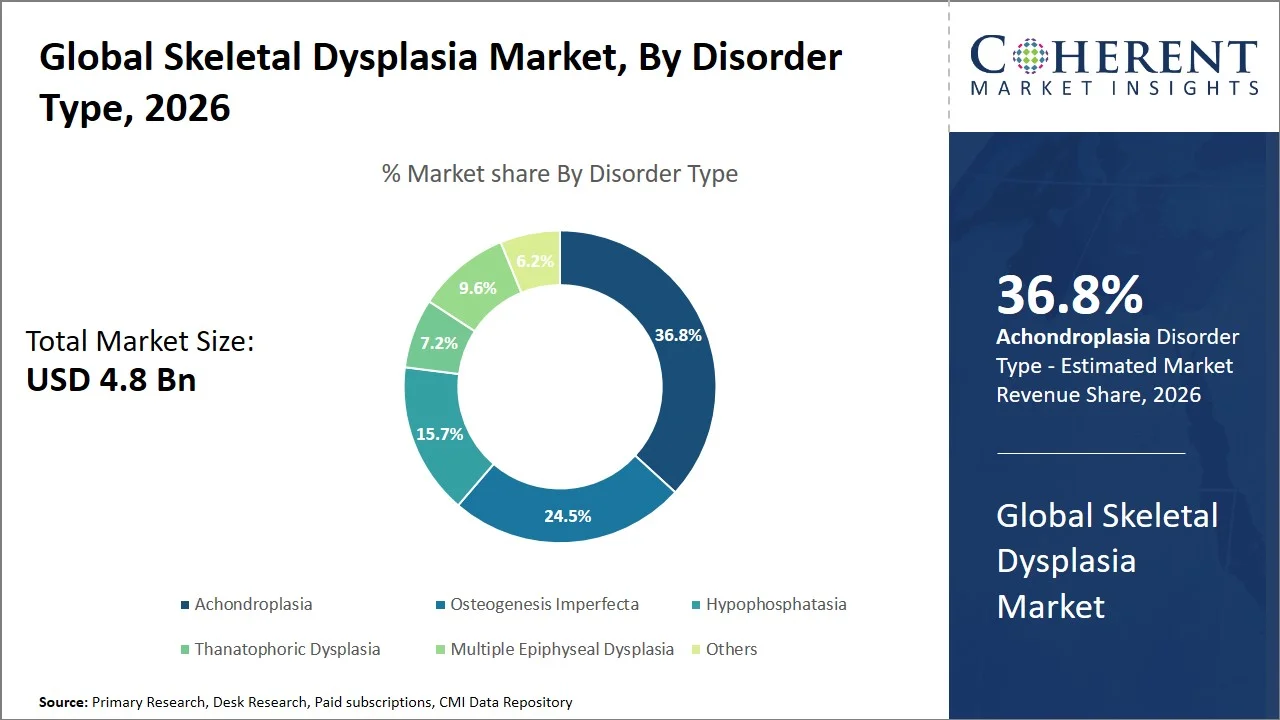
- Achondroplasia is projected to hold 36.8 % of the global skeletal dysplasia market share in 2026, making it the dominant disorder type segment, especially across North America where robust infrastructure for the diagnosis of rare diseases and growing approvals of targeted therapies are supporting patient treatment rates. For instance, the U.S. Food and Drug Administration approved BioMarin Pharmaceutical's VOXZOGO (vosoritide), as the first treatment indicated to advance growth in children five years and older presenting with achondroplasia with open epiphyses. It acts on paths of fibroblast growth factor receptor 3 (FGFR3) signaling pathways causing current abnormal bone development, symbolizing considerably significant progress in precise management of skeletal dysplasia patients into the region. (Source: Food and Drug Administration)
- Drug therapy is projected to hold 41.9 % of the global skeletal dysplasia market share in 2026, making it the dominant treatment type segment, particularly in Europe, where articulated orphan drug policies and reimbursement schemes are driving the increasing use of pharmacological therapies in rare skeletal diseases. For instance, the European Medicines Agency (EMA) has awarded orphan drug status to numerous therapies (e.g., hypophosphatasia, mucopolysaccharidoses) as an incentive to attract pharmaceutical companies to invest in new drug development through a variety of methods including market exclusivity, fee reductions, and protocol assistance. (Source: European Medicines Agency)
- The injectable segment is projected to hold 68.4 % of the global skeletal dysplasia market share in 2026, making it the dominant route of administration segment, especially in the Asia Pacific region, where the use of biologics, enzyme replacement therapies, and monoclonal antibodies via hospital-based administration is conventional practice in the management of rare genetic and metabolic bone diseases. For instance, Japan's Ministry of Health, Labour and Welfare (MHLW) is improving its Orphan Drug Designation (ODD) process to promote development and commercialization of injectable biologics for rare genetic diseases (including skeletal dysplasias) across comprehensive specialized centers. (Source: Global Regulatory Partners)
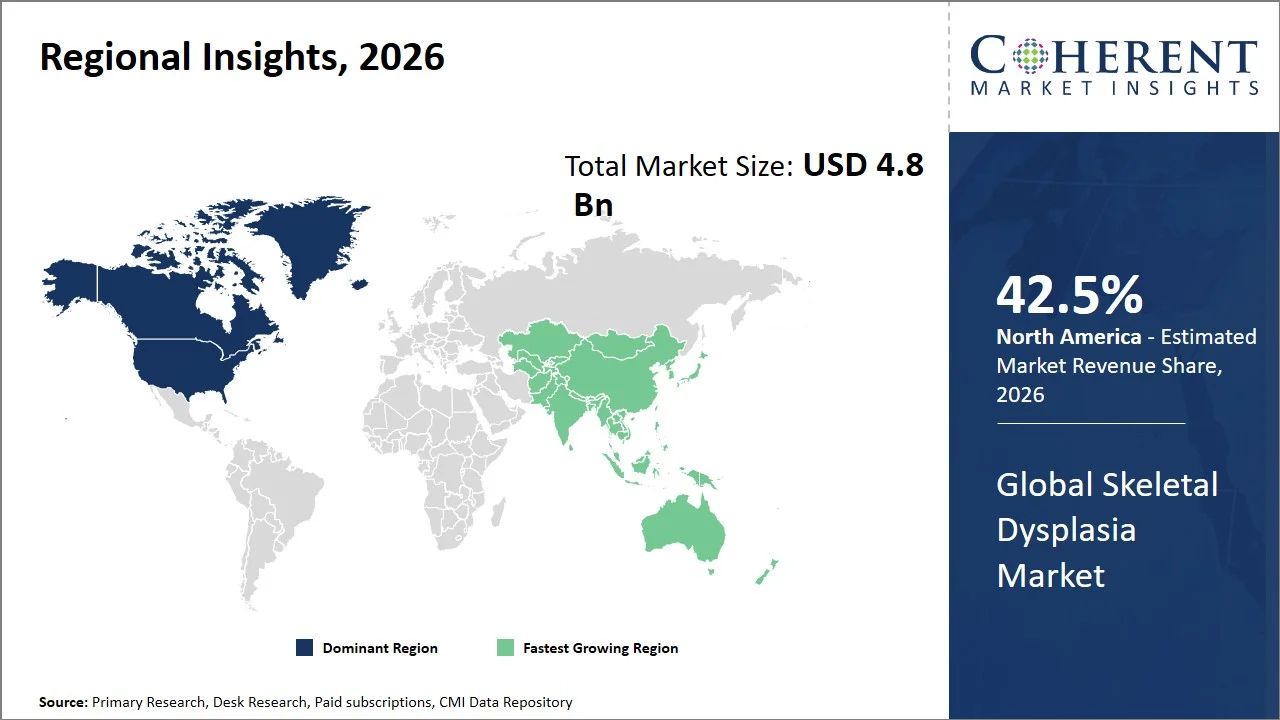
- North America maintains its dominance with an estimated share of 42.5 % in 2026, supported by the high number of dedicated skeletal disorder treatment centers, ease of access to genetic screening, and expansion of clinical study programs for skeletal disorder treatments, as well as increasing federal funding for rare disease innovation. For instance, in October 2025, the U.S. National Institutes of Health (NIH) invested around USD 26 million as grants for the Rare Diseases Clinical Research Network (RDCRN) network fortification, in addition to a further USD 5.6 million for research coordination and data management activities, to further ensure ongoing progress in the diagnosis and therapy development of rare disease. (Source: Rare Disease Clinical Research Network)
- Asia Pacific is expected to exhibit the fastest growth with an estimated contribution of 19.4 % share in 2026, bolstered by expanded neonatal genetic screening programs, increasing recognition of orphan diseases, and improved regulatory routes for orphan drugs across emerging Asian nations. For instance, in India, the National Policy for Rare Diseases (NPRD) offers financial help of up to USD 60,000 (INR 50 lakh) for the treatment of eligible rare disease patients in the specified Centers of Excellence, leading to better access to diagnosis and treatment for rare genetic conditions, including skeletal dysplasia related conditions. (Source: Ministry of Health and Family Welfare)
- Advancements in Precision Genetic Diagnostics: The increased use of next-generation-sequencing and whole exome sequencing and the implementation of molecular diagnostic tools are leading to an increase in the early diagnosis of skeletal dysplasia disorders by healthcare providers. The rising frequency of genetic screening tools detecting disease causing mutations allows for further therapeutic and treatment planning options. This will be of particular importance to complex and ultra rare skeletal disorders, which have previously been diagnosed at an advanced stage of disease.
- Expansion of Gene and RNA-Based Therapeutics: The advent of gene editing, RNA-based therapies, and regenerative medicine strategies provide significant growth opportunities within the skeletal dysplasia market. Increasing involvement of pharmaceutical and biotech players in the development of therapies that treat the root genetic causes of skeletal disorders, rather than just managing the symptoms, is set to coincide with rising investments in orphan drug development, attractive regulatory incentives and proliferating clinical development activity in the field of rare genetic diseases over the next decade.
Segmental Insights
Why Does Achondroplasia Dominate the Global Skeletal Dysplasia Market?
Achondroplasia is projected to hold a market share of 36.8% in 2026, owing to its overwhelming clinical prevalence, need for lifetime management, and the relentlessly increasing number of targeted growth modulating agents in clinical development. This condition necessitates long-term orthopedic, endocrine and neurological treatment modalities and has a perpetually growing requirement for specialized patient monitoring and therapeutic options. Persistently more pronounced development of targeted precision biologics and pediatric treatment options is strengthening the achondroplasia segment of the global skeletal dysplasia domain. For instance, in January 2026, Ascendis Pharma reported 52-week topline data from its COACH Trial of its TransCon CNP/ Trans Con h GH combination that showed sustained benefits in mean change from baseline in length in children with achondroplasia over the course of 52 weeks, with no adverse impact on safety or tolerability. (Source: Ascendis Pharma)
- Current Industry Events of 2026
- Market Size Estimation
- Regional Breakdown
- Competitive Landscape
- Customer Intelligence
- Segmental Analysis
- Pricing Analysis
- Key Market Drivers, Challenges & Future Trends
- Customized Insights Section
Why Does Drug Therapy Represent the Largest Treatment Type Segment in the Skeletal Dysplasia Market?
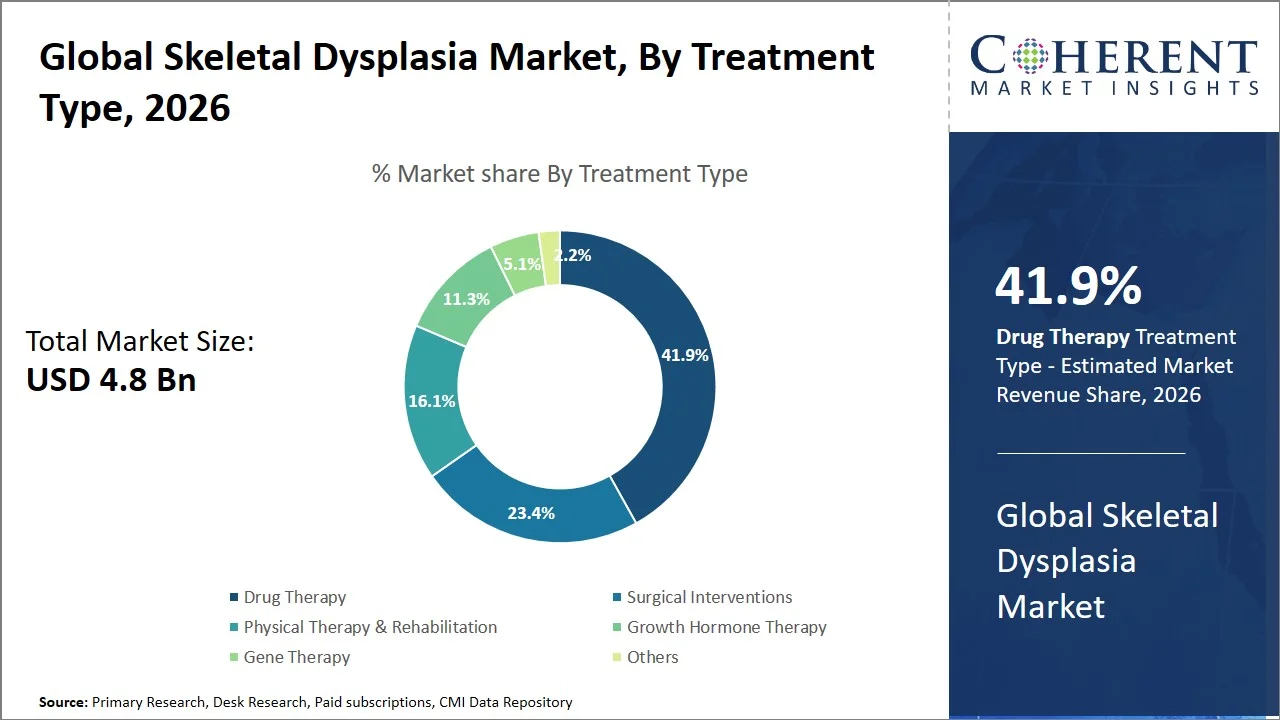
Drug therapy is projected to hold a market share of 41.9% in 2026, on account of the expanding availability of specific drugs for the treatment of various disease subtypes that directly control abnormal bone formation processes as well as the associated long term disease complications. The segment is further driven by the growing inclination of physicians towards the use of biologics and targeted therapies which provide superior safety profiles, can be administered on an outpatient basis, and sustain long term treatment benefits compared to surgical interventions. Ongoing upsurge in the pipeline of drugs for the treatment of rare diseases and enhancing physician focus on early treatment thereof are likely to contribute further to segment growth. For instance, in March 2026, the U.S FDA approved Yuviwel (navepegritide) injection for the treatment of growing children two or older with achondroplasia. The approval, aimed at improving annualized growth velocity over a one-year period in pediatric patients with classic achondroplasia and open growth plates, reflects the continued advancement of targeted therapies for skeletal dysplasia. (Source: Food and Drug Administration)
Injectable Segment Dominates the Global Skeletal Dysplasia Market
The injectable segment is projected to hold a market share of 68.4% in 2026, attributed to improved bioavailability, precise dosing capabilities, and the ability to administer biologics and growth-based therapies that are challenging to deliver through oral routes. Presently a majority of the skeletal dysplasia products such as peptide replacement therapies, enzyme substitutes, and monoclonal biologics have to be administered through this route to ensure the drugs' stability and efficacy of sustained clinical response. For instance, in October 2024, Tyra Biosciences obtained U.S. FDA Investigational New Drug (IND) approval to commence the Phase 2 BEACH301 trial of TYRA-300 in pediatric achondroplasia patients. The therapy is being investigated as an FGFR3-selective inhibitor to correct pathways of abnormal skeletal growth, an innovation in limb growth disorders treatment. (Source: Tyra Biosciences)
Currents Events and their Impact
Current Events | Description and its Impact |
European Medicines Agency (EMA) Strengthens Framework for Advanced Therapy Medicinal Products (ATMPs) and Rare Disease Biologics (March 2025) |
|
U.S. FDA Expands Platform Technology Designation Program for Innovative Therapies (May 2024) |
|
(Source: European Medicines Agency, Food and Drug Administration)
Skeletal Dysplasia Market Dynamics
Market Drivers
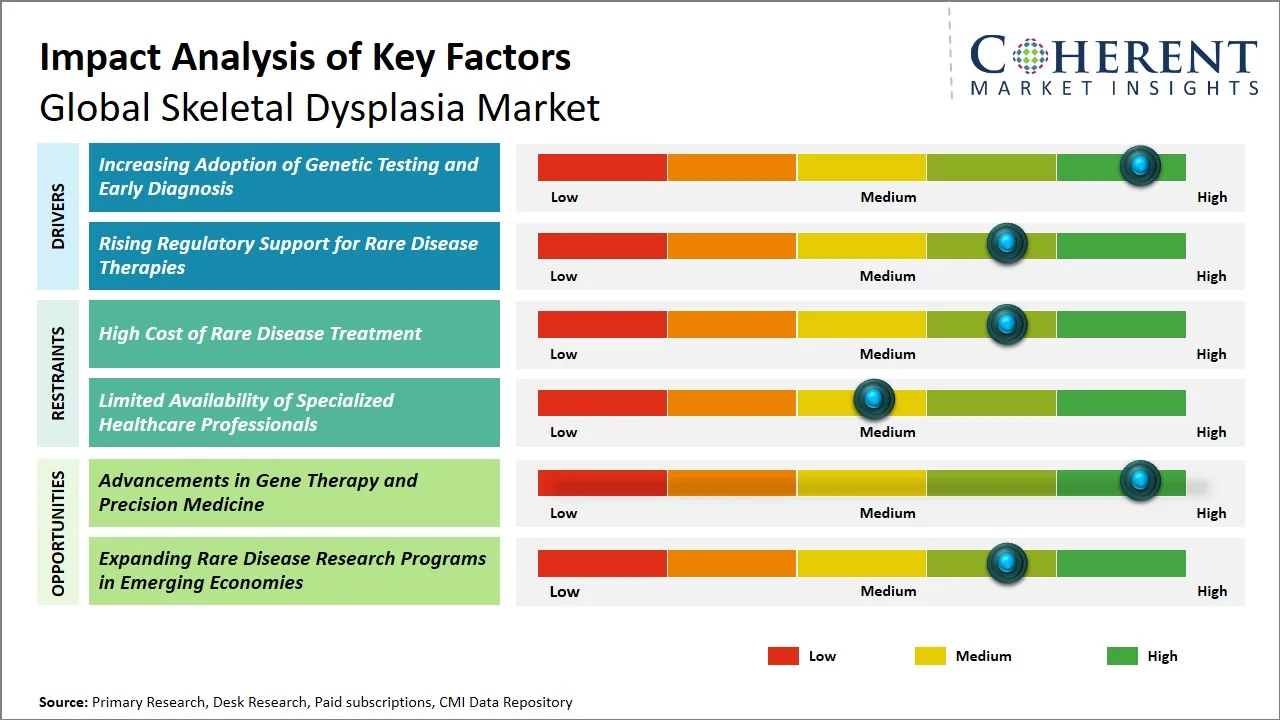
- Increasing Adoption of Genetic Testing and Early Diagnosis: The usage of sophisticated genetic screening tools including next-generation sequencing (NGS) and molecular diagnostics continue to facilitate rapid and precise detection of causative mutations in diseases contributing to the skeletal dysplasia market growth. Enhanced application of genetic screening for early disease detection of rare skeletal syndromes has enabled the deployment of personalized regimens earlier in the course of disease. Further, evolving role of genetic testing for commonplace pediatric disease, as well as broader adoption within rare disease communities, is raising buyer demand for targeted intervention. For instance, according to the National Human Genome Research Institute, majority of inherited skeletal disorders (80%) are genetic in nature, emphasizing the increasing clinical significance of advanced genomic testing techniques in diagnosis and management. (Source: National Human Genome Research Institute)
- Rising Regulatory Support for Rare Disease Therapies: The expansion of government and regulatory incentives for orphan drugs and rare disease therapies is a significant factor behind the positive outlook for the skeletal dysplasia market. Regulatory initiatives such as fast-track and accelerated approval pathways, market exclusivity provisions, fee waivers, and financial incentives are significantly supporting pharmaceutical innovation in rare genetic disorders. These measures are helping accelerate clinical development timelines and improve patient access to advanced therapies. For instance, U.S. FDA has an accelerated program, called Fast Track, which provides more comprehensive development and review of drugs and biological products designed for serious conditions and unmet medical needs. This program facilitates development and assessment through more frequent communication with U.S. FDA, the opportunity for rolling submission and review of applications, and possible sponsors for accelerated approval and priority reviews. Thus, this process enhances commercialization of therapies for rare diseases, such as genetic skeletal disorders. (Source: Food and Drug Administration)
Emerging Trends
- Increasing Integration of Digital Genomics and AI-Based Rare Disease Screening: The use of novel genomic platforms and artificial intelligence has dramatically changed the diagnosis and treatment of rare skeletal disorders due to the ability to analyze complex data sets in a high-throughput fashion. Such methods have accelerated the identification of the genetic cause of skeletal disorders, enhance clinical decision making, and facilitate a targeted therapeutic approach.
- Rising Focus on Long-Acting Biologics and Pediatric-Centric Therapies: There is a greater focus on the use of long-acting biologics and development of therapies specific to the pediatric population by pharmaceutical companies in order to enhance compliance and improve therapeutic response in skeletal dysplasias. Long-acting agents decrease the frequency of doses required, whereas pediatric specific approaches address individual age-related growth and management needs.
Regional Insights
Why is North America a Strong Market for Skeletal Dysplasia?
North America leads the global skeletal dysplasia market, accounting for an estimated 42.5% share in 2026, attributed to a mature healthcare system, investments in research and development, and unparalleled support by the government for rare and genetic disorder treatments. As the most significant number of top pharmaceutical and biotech firms are based in North America, it has benefited from extensive funding for genetic research, leading to widespread utilization of diagnostic strategies and expanded services for skeletal dysplasia. Moreover, strong patent and intellectual property laws and regulations have contributed toward the rise of innovation.
The increasing regulatory assistance for treatments in the rare disease space is significantly contributing to the growth in this sector and the development of skeletal dysplasia treatments. For instance, the U.S. Food and Drug Administration's Rare Pediatric Disease Designation program has an ongoing commitment to facilitate fast-track development of drugs for serious rare genetic diseases, such as skeletal dysplasia, by offering regulatory incentives and priority review pathways to drug manufacturers. (Source: Food and Drug Administration)
Why Does the Asia Pacific Skeletal Dysplasia Market Exhibit High Growth?
The Asia pacific skeletal dysplasia market is expected to exhibit the fastest growth with an estimated contribution of 19.4% share to the global market in 2026, owing to the rising healthcare spending, increasing awareness of rare disease, and growing healthcare infrastructure in emerging economies. The large and diverse population base in the region creates enormous unmet medical needs, promoting local as well as foreign firms to make significant investments into local research and development and clinical trials. In addition, government initiatives for improving diagnosis and treatment of genetic disorder and government relaxation of trade policies have fueled the market growth.
For instance, China’s National Health Commission (NHC) created a nationwide collaboration network for diagnosis and treatment of rare diseases in order to optimize the standardization of treatment, facilitate early diagnosis and treatment, and grow accessibility to patients suffering from rare genetic diseases nationwide. (Source: National Health Commission) Overall, these initiatives, along with increased adoption of precision medicine, and higher investment in their development, will likely expedite the commercial launch of sophisticated therapies for skeletal dysplasia in the future.
Global Skeletal Dysplasia Market Outlook for Key Countries
Why is the U.S. Leading Innovation and Adoption in the Skeletal Dysplasia Market?
The U.S. is at the forefront of technological adoption and development in the skeletal dysplasia market, driven by highly sophisticated rare disease research environment, strong concentration of pediatric genetic disorder treatment centers, and the widespread adoption of genomic medicine in clinical settings. The U.S. possesses a mature orphan drug commercialization infrastructure, which lowers the barriers for experimental therapies transition into clinic. Furthermore, the leading biotech players' active research on Fibroblast Growth Factor Receptor (FGFR) targeted therapies and biologics of rare bone disorder, continues to facilitate the U.S. skeletal dysplasia landscape with solid leadership in new treatment development.
Is the U.K. a Favorable Market for Skeletal Dysplasia?
The U.K. is an attractive market for skeletal dysplasia as it is technically advanced and has a robust network for rare genetic disease care as well as structured pediatric orthopedic pathways. The U.K. also has relatively good integration of genomic testing in a public health environment which allows for better detection of skeletal abnormalities and inherited bone conditions at an earlier stage. Furthermore, the U.K. is driving preclinical and translational research and is proactively forging new pathways for multidisciplinary care for rare diseases, which is also helping to foster the uptake of more advanced biologics and precision care opportunities in skeletal dysplasia.
Is China Emerging as a Key Growth Hub for the Skeletal Dysplasia Market?
The skeletal dysplasia market is a principal growth area in China because of the extensive development of genetic testing systems and a nationwide clinical focus on rare hereditary diseases in tertiary healthcare institutes. The progression of translating precision medicine and molecular testing into pediatric clinics has resulted in more prominent recognition of skeletal deformities at early stages in China. Alongside an expanding biotech industry and growing indigenous pipeline of rare disease medicines, China's skeletal dysplasia population will enjoy a broader spectrum of therapies.
Why Does Germany Top the Europe Skeletal Dysplasia Market?
Germany dominates the European skeletal dysplasia market, primarily driven by its advanced rare disease healthcare infrastructure, widespread adoption of genetic diagnostic technologies, and strong presence of specialized orthopedic and pediatric care centers focused on innovative treatment approaches. Significantly, Germany has a distinct advantage from its genomic, endocrinology and orthopedic expertise in handling inherited musculoskeletal disorders through multidisciplinary management approaches. Germany has access to a well-established biotechnology and orphan drug development universe which is facilitating rapid clinical adoption of the newer category of biologics and precision therapy approaches to treat skeletal dysplasias.
Is the Skeletal Dysplasia Market Developing in Japan?
Japan is emerging as a significant skeletal dysplasia market owing to the country's establishment of robust diagnosis infrastructure for rare diseases and clinical focus on the diagnosis and treatment of genetically induced pediatric disorders. Japan has a high penetration of molecular diagnostic testing and a culture of precision medicine that facilitates accurate diagnosis and monitoring of inherited skeletal anomalies at an earlier stage. The country has a well-established biopharmaceutical production network and an increasing focus on ultra-rare musculoskeletal therapeutics which altogether may drive the gradual growth of this market in the mid to long-term.
Regulatory Landscape Governing the Global Skeletal Dysplasia Market
Region | Authority & Classification | Approval Pathway | Key Regulatory Insight |
North America | U.S. Food and Drug Administration (FDA) – Orphan Drug Designation (ODD), Rare Pediatric Disease Designation | Investigational New Drug (IND) → Clinical Trials → New Drug Application (NDA)/Biologics License Application (BLA) | Strong orphan drug incentives including 7-year market exclusivity, tax credits, and priority review are accelerating development of skeletal dysplasia therapies in the U.S. |
Europe | European Medicines Agency (EMA) – Orphan Medicinal Product Designation | EMA centralized authorization procedure for orphan medicines | The European Union provides 10-year market exclusivity and protocol assistance for orphan therapies targeting rare skeletal disorders, supporting increased biologics and gene therapy innovation. |
Asia Pacific | Japan Ministry of Health, Labour and Welfare (MHLW), Pharmaceuticals and Medical Devices Agency (PMDA), China NMPA | Accelerated orphan drug review and conditional approval pathways | Countries such as Japan and China are strengthening orphan drug frameworks and fast-track approvals to improve access to rare disease therapies and advanced genetic treatments. |
Latin America | Brazil ANVISA, Mexico COFEPRIS | National orphan drug approval and import authorization pathways | Growing rare disease policy reforms and expanding access programs are improving availability of imported biologics and specialty therapies for skeletal dysplasia patients. |
Middle East & Africa | Saudi Food and Drug Authority (SFDA), South African Health Products Regulatory Authority (SAHPRA) | Priority review pathways for innovative and orphan medicines | Increasing investment in genomic medicine and rare disease healthcare infrastructure is supporting adoption of advanced skeletal dysplasia diagnostics and therapeutics across the region. |
How are advancements in gene therapy and precision medicine creating new growth opportunities in the skeletal dysplasia market?
The emerging future of gene therapy and precision medicine offers ample growth opportunities in the skeletal dysplasia market by enabling therapies that target the root genetic causes of abnormal skeletal development. The wider implementation of molecular diagnostics and next-generation sequencing is improving the early diagnosis of these rare bone disorders to help facilitate more tailored and targeted treatment approaches. Additionally, pharmaceutical companies are investing heavily into biologics, RNA and regenerative medicine-based interventions to enhance long-term skeletal growth results and minimize disease sequelae. For instance, in February 2024, BridgeBio Pharma and Kyowa Kirin furthered their collaboration by entering into an exclusive licensing agreement for the development and commercialization of infigratinib for the treatment of achondroplasia, hypochondroplasia and other skeletal dysplasias in Japan, which included an up-front payment of USD 100 million, a sign of increased industry investment in precision therapies for rare genetic bone disorders. (Source: BridgeBio Pharma)
Market Players, Key Development, and Competitive Intelligence
Key Developments
- On May 20, 2026, BioMarin Pharmaceutical announced positive results for VOXZOGO (vosoritide) phase 3 pivotal study in the treatment of children with hypochondroplasia, a rare form of genetic skeletal dysplasia disorder that affects bone growth. The study provides encouraging evidence that the therapy may be effective for improving growth results in children and thus demonstrates the company’s progress within this hard-to-treat orphan disease population.
- In January 2026, RoslinCT announced a strategic manufacturing deal with BOOST Pharma. The deal aimed to enable the development of cell therapy for infants suffering from osteogenesis imperfecta (OI), which is a rare genetic disorder causing skeletal dysplasia by leading to inadequate bone formation and fragile bones. The development indicates increasing focus of industry players on cell therapy and advanced regenerative medicine for rare skeletal disorders. Increasing investment into cell therapy manufacturing and rare disease research is likely to facilitate innovation and sustainable growth in the skeletal dysplasia space.
Competitive Landscape
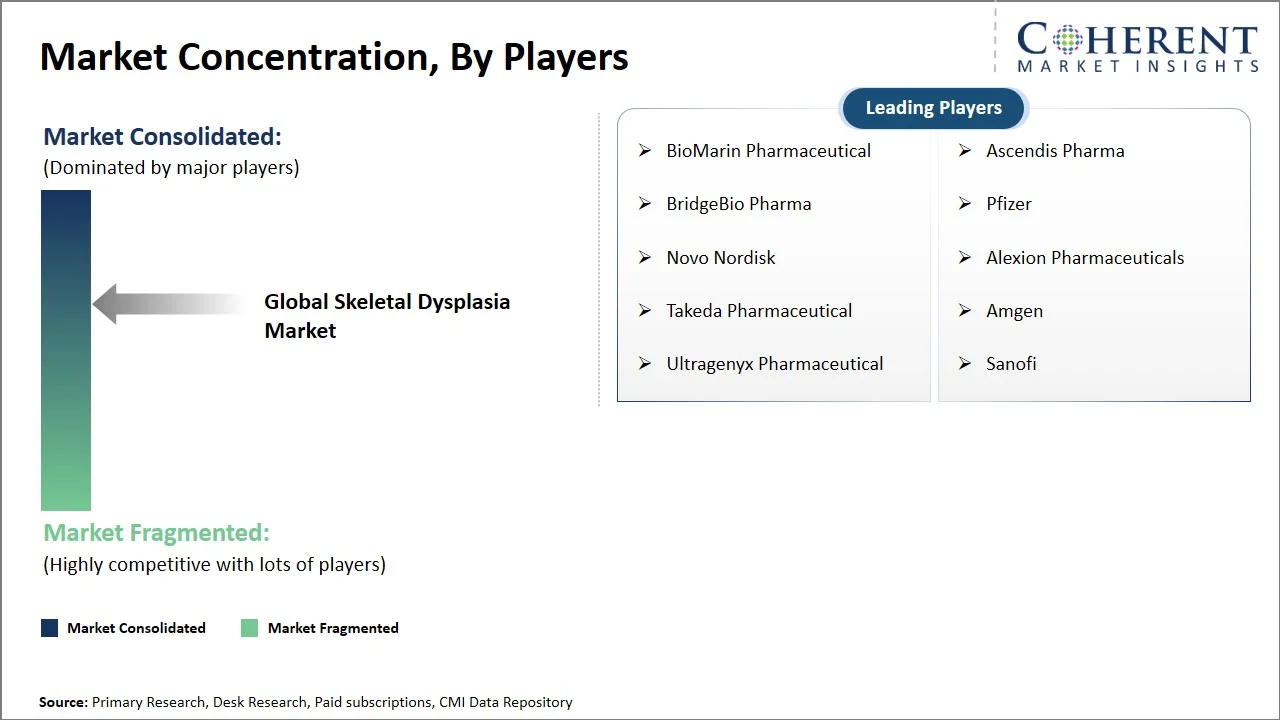
The global skeletal dysplasia market is moderately competitive, with industry participants investing heavily in genetically focused diagnostics, individualized treatments, and orthopedic management technologies for sustainable treatment results. Industry players are investing in next generation molecular technology platforms, personalized medicine for rare skeletal growth disorders, and non-invasive correction techniques. Intense cooperative programs with pediatric hospitals, rare skeletal disorder research institutes, and genomic medicine centers are centered around fast-tracking these novel interventions for clinical usage. Other core investment topics involve breaking open new born screening with highly individualized therapy, and the deployment of AI robotically assisted skeletal imaging tools for early diagnosis of skeletal abnormalities. Key focus areas include:
- Development of advanced genetic testing and molecular diagnostic platforms for early skeletal dysplasia detection
- Expansion of targeted therapies and biologics for rare bone growth and cartilage disorders
- Integration of AI-assisted imaging and precision orthopedic planning technologies for deformity assessment
- Strategic collaborations with pediatric hospitals, genomic research institutes, and rare disease centers for clinical validation
- Investments in minimally invasive orthopedic correction procedures and long-term patient management solutions
Market Report Scope
Skeletal Dysplasia Market Report Coverage
| Report Coverage | Details | ||
|---|---|---|---|
| Base Year: | 2025 | Market Size in 2026: | USD 4.8 Bn |
| Historical Data for: | 2020 To 2024 | Forecast Period: | 2026 To 2033 |
| Forecast Period 2026 to 2033 CAGR: | 10.6% | 2033 Value Projection: | USD 9.7 Bn |
| Geographies covered: |
| ||
| Segments covered: |
| ||
| Companies covered: | BioMarin Pharmaceutical, Ascendis Pharma, BridgeBio Pharma, Pfizer, Novo Nordisk, Alexion Pharmaceuticals Takeda Pharmaceutical, Amgen, Ultragenyx Pharmaceutical, and Sanofi | ||
| Growth Drivers: |
| ||
| Restraints & Challenges: |
| ||
Analyst Opinion (Expert Opinion)
- The prior growth in the skeletal dysplasia market is projected to transition toward the future of prevalence-based therapies on the back of an increasing trend in diagnoses through advancements in genetic testing and orphan drug development coupled with growth in regenerative medicine research. The future integration of gene sequencing techniques and targeted biologics will likely facilitate early and better diagnosis, resulting in evolution of treatment into personalized care of these orphan skeletal conditions. Furthermore, an increasing share of governmental absorption toward rare condition management coupled with rising investments in pediatric genetic care infrastructure could cement long-term market growth prospects worldwide.
- The maximum opportunity for growth is foreseen in injectable biologic therapies for achondroplasia and additional rare genetic skeletal disorders across the North American and Asia Pacific markets. The U.S. continues to be a predominant center of innovation in orphan drug development, supported by robust incentives and intense clinical trial activity, yet Asia Pacific is emerging, with Japan, China, and India increasing their investments into diagnosis and increasing the availability of treatments for rare diseases. An increased implementation of genetic screening programs as well as the development of dedicated rare disease centers in this geography is anticipated to stimulate this growth market for years to come.
- In order to secure a competitive advantage, the market players must focus on fast-tracking the orphan drug pipeline, further strengthen alliances with genetic research institutes, and upgrading newer molecular diagnostic strategies. Companies thrive to gain from expanding regional alliances with hospitals and rare disease networks to facilitate patient identification and easy access to therapy. Moreover, focusing on the advent of gene-based therapies, develop long-acting biologics and support programs for patients will help companies to reinforce their position in this niche and highly specialized therapeutic area.
Speak to the analyst
Want personalized insights?
Take the findings above to one of our principal consultants, or have the report rebuilt around the segments, geographies and competitors you actually track.
Market Segmentation
- Disorder Type Insights (Revenue, USD Bn, 2021 - 2033)
- Achondroplasia
- Osteogenesis Imperfecta
- Hypophosphatasia
- Thanatophoric Dysplasia
- Multiple Epiphyseal Dysplasia
- Others
- Treatment Type Insights (Revenue, USD Bn, 2021 - 2033)
- Drug Therapy
- Growth Hormone Therapy
- Surgical Interventions
- Physical Therapy and Rehabilitation
- Gene Therapy
- Others
- Route of Administration Insights (Revenue, USD Bn, 2021 - 2033)
- Injectable
- Oral
- Others
- End User Insights (Revenue, USD Bn, 2021 - 2033)
- Hospitals
- Specialty Clinics
- Rehabilitation Centers
- Academic and Research Institutes
- Others
- Regional Insights (Revenue, USD Bn, 2021 - 2033)
- North America
- U.S.
- Canada
- Latin America
- Brazil
- Argentina
- Mexico
- Rest of Latin America
- Europe
- Germany
- U.K.
- Spain
- France
- Italy
- Russia
- Rest of Europe
- Asia Pacific
- China
- India
- Japan
- Australia
- South Korea
- ASEAN
- Rest of Asia Pacific
- Middle East
- GCC Countries
- Israel
- Rest of Middle East
- Africa
- South Africa
- North Africa
- Central Africa
- North America
- Key Players Insights
- BioMarin Pharmaceutical
- Ascendis Pharma
- BridgeBio Pharma
- Pfizer
- Novo Nordisk
- Alexion Pharmaceuticals
- Takeda Pharmaceutical
- Amgen
- Ultragenyx Pharmaceutical
- Sanofi
Sources
Primary Research Interviews
- Pediatric orthopedic surgeons and skeletal dysplasia specialists involved in achondroplasia and rare bone disorder treatment management
- Clinical geneticists and molecular diagnostics experts working on skeletal dysplasia mutation identification and genetic screening programs
- Hospital pediatric endocrinology and orthopedic departments utilizing biologics and supportive therapies for skeletal growth disorder management
- Clinical researchers involved in FGFR3-targeted therapy development, rare disease registries, and long-term skeletal disorder outcome studies
- Pediatric rehabilitation specialists and multidisciplinary care professionals managing congenital skeletal abnormalities and mobility disorders
Stakeholders
- Skeletal dysplasia therapy manufacturers and rare disease biotechnology companies
- End-use Sectors
- Specialty orthopedic and pediatric hospitals
- Genetic testing and molecular diagnostic laboratories
- Rare disease research and academic institutions
- Ambulatory pediatric and orthopedic specialty clinics
- Regulatory & Health Bodies: U.S. Food and Drug Administration (FDA) – orphan drug and rare pediatric disease approvals, European Medicines Agency (EMA) – orphan medicinal product regulations, National Institutes of Health (NIH) – rare disease and genomic research initiatives, World Health Organization (WHO) – congenital disorder and genetic disease healthcare frameworks
Databases
- ClinicalTrials.gov – skeletal dysplasia and rare genetic disorder clinical studies
- FDA Orphan Drug Product Database – rare disease therapy approvals and orphan designations
- WHO Global Health Observatory – congenital disorder and rare disease healthcare statistics
- OECD Health Statistics – pediatric healthcare infrastructure and rare disease treatment expenditure data
Magazines
- Rare Disease Advisor – orphan disease therapy and genetic disorder treatment developments
- BioPharma Dive – biotechnology and rare disease therapeutic innovation trends
- Pharmaceutical Technology – orphan drug manufacturing and biologics development advancements
Journals
- American Journal of Medical Genetics
- Orphanet Journal of Rare Diseases
- Journal of Bone and Mineral Research
- Genetics in Medicine
Newspapers
- Financial Times – biotechnology investment and orphan drug market developments
- The Wall Street Journal – rare disease therapeutic innovation and pharmaceutical coverage
- The New York Times (Health Section) – genetic disorders and pediatric healthcare trends
- The Guardian (Health & Science Section) – rare disease policy and medical research developments
Associations
- Little People of America (LPA)
- European Society of Human Genetics (ESHG)
- American Society of Human Genetics (ASHG)
- International Skeletal Dysplasia Society (ISDS)
Public Domain Sources
- National Institutes of Health (NIH) – skeletal dysplasia and rare disease research
- National Human Genome Research Institute (NHGRI) – genetic disorder and genomic medicine data
- Centers for Disease Control and Prevention (CDC) – congenital disorder and birth defect statistics
Proprietary Elements
- CMI Data Analytics Tool, Proprietary CMI Existing Repository of information for last 10 years.
Get access to 250+ pages report
Every segment, forecast, competitor profile and data table behind the analysis above — available for instant download.
- ESOMAR Member
- ISO 9001:2015 Certified
- D-U-N-S Registered
- GDPR & CCPA Compliant
Missing comfort of reading report in your local language? Find your preferred language:
Transform your Strategy with Exclusive Trending Reports
Frequently Asked Questions
The global skeletal dysplasia market is estimated to be valued at USD 4.8 Bn in 2026 and is expected to reach USD 9.7 Bn by 2033.
Achondroplasia dominates due to its relatively higher prevalence among skeletal dysplasia disorders, increasing availability of targeted therapies, and growing clinical focus on genetic diagnosis and pediatric treatment management.
Skeletal dysplasia is a group of rare genetic disorders characterized by abnormal bone and cartilage growth, leading to impaired skeletal development and stature abnormalities.
The CAGR of the global skeletal dysplasia market is projected to be 10.6% from 2026 to 2033.
Increasing adoption of genetic testing and early diagnosis, and rising regulatory support for rare disease therapies are the major factors driving the growth of the global skeletal dysplasia market.
High cost of rare disease treatment, and limited availability of specialized healthcare professionals are the major factors hampering the growth of the global skeletal dysplasia market.
Common symptoms include short stature, bone deformities, joint abnormalities, spinal curvature, and impaired mobility depending on the specific disorder type.