

Global Synthetic Stem Cell Market Size and Forecast – 2026 To 2033
The global synthetic stem cell market is expected to grow from USD 11.2 Bn in 2026 to USD 46.8 Bn by 2033, registering a compound annual growth rate (CAGR) of 22.7% from 2026 to 2033. The market for synthetic stem cells is poised for significant expansion, fueled by the soaring burden of chronic diseases such as cardiovascular, neurological, and musculoskeletal disorders, reinforcing sustained demand for regenerative medicine solutions and innovative tissue repair therapies.
According to the World Health Organization, non-communicable diseases have been responsible for over 43 million deaths worldwide, representing 75% of all deaths unrelated to pandemics. The mortality rate due to NCDs was about 18 million deaths per year before the age of 70 years, with about 82% of such early deaths occurring in developing countries.
(Source: World Health Organization)
Key Takeaways of the Global Synthetic Stem Cell Market
- The Cell-mimicking Microparticles (CMMPs) segment is projected to hold 39.6 % of the global synthetic stem cell market share in 2026, making it the dominant type segment across North America due to strong investments in regenerative medicine research and biomaterials engineering in the region. For instance, the U.S. National Institutes of Health (NIH) funds regenerative medicine programs via the Regenerative Medicine Innovation Project (RMIP). This program enables technologies based on stem cell technology, engineered biomaterials and advanced tissue repair methods. (Source: National Institutes of Health) Such funding has hastened the development and commercialization of synthetic stem cell technologies such as the cell-mimicking microparticles (CMMP)-based therapies.
- Cardiovascular disorders are projected to hold 31.8 % of the global synthetic stem cell market share in 2026, making it the dominant application segment across Europe due to the increasing prevalence of cardiovascular diseases and rising focus on regenerative medicine research in the region. For instance, according to the European Commission, cardiovascular disease (CVD) is the leading cause of death and disability in the European Union, accounting for over 6 million of new cases and over 1.8 million deaths each year. (Source: European Commission) This significant disease burden creates a market need for novel regenerative tissue approaches, such as synthetic, stem cell-based cardiac repair and vascular regeneration therapies.
- Research laboratories are projected to hold 41.5 % of the global synthetic stem cell market share in 2026, making it the dominant end user segment across North America due to the presence of leading academic institutions, biotechnology companies, and dedicated regenerative medicine funding programs in the region. For instance, in March 2026, the California Institute for Regenerative Medicine (CIRM) governing board approved more than USD 111 million in funding, including over USD 80 million for six new discovery grants applications and USD 31 million for three clinical trial applications to develop and test potential therapies for a range of rare and common diseases. (Source: California Institute for Regenerative Medicine) Such investments are speeding up in-laboratory development of complex regenerative treatments, including artificial stem cell technologies.
- North America maintains its dominance with an expected share of 40.2 % in 2026, bolstered by strong regenerative medicine ecosystem, rising biotechnology investments, and strong support for translational research. For instance, Advanced Research Projects Agency for Health (ARPA-H) introduced the Repairing and Enhancing Advanced Cellular Therapies (REACT) program, aiming to foster next-generation cell engineering technologies, thereby making advanced cellular therapies safer, effective and accessible. (Source: ARPA-H) Such initiatives are accelerating the innovation of engineered cell platform and regenerative medicine technologies, fostering the development of synthetic stem cell science.
- Asia Pacific is expected to exhibit the fastest growth with an estimated contribution of 22.9 % share in 2026, driven by expanding regenerative medicine capabilities, and rising government investments in biotechnology, regenerative medicine, and advanced biomaterials research. For instance, China's 14th Five-Year Plan on bioeconomy development, biomedicine and biomaterials have been listed as development priorities, with focus on the incorporation of biotechnology into the cutting-edge health care innovation. The initiative seeks to accelerate the development of advanced technologies and high-value biomedical applications and nurture a stem cell engineering, regenerative medicine, and synthetic stem cell development environment within the region. (Source: United Nations Environment Programme)
- Growing Adoption of Cell-Free Regenerative Therapies: The cell-free regenerative approach is a burgeoning area, offering unprecedented possibilities to the synthetic stem cell field. This technology can mimic the function of a live stem cell, avoiding the dangers of transplanting a cell. Their stability, non-immunogenic and storability offer clear benefits for clinical application, and contribute to the development of treatments for cardiovascular, neurological and orthopedic applications.
- Expansion of Targeted Drug Delivery and Precision Medicine Application: Artificial stem cells are being increasingly investigated as drug delivery vehicles, due to their capacity for directing the delivery of therapeutic molecules to diseased tissue, thereby increasing efficacy, and minimizing side effects on normal tissue. With continuing research into cancer treatment, tissue regeneration, and precision medicine, the market size for these cells is predicted to grow beyond the existing regenerative medicine market ecosystem.
Segmental Insights
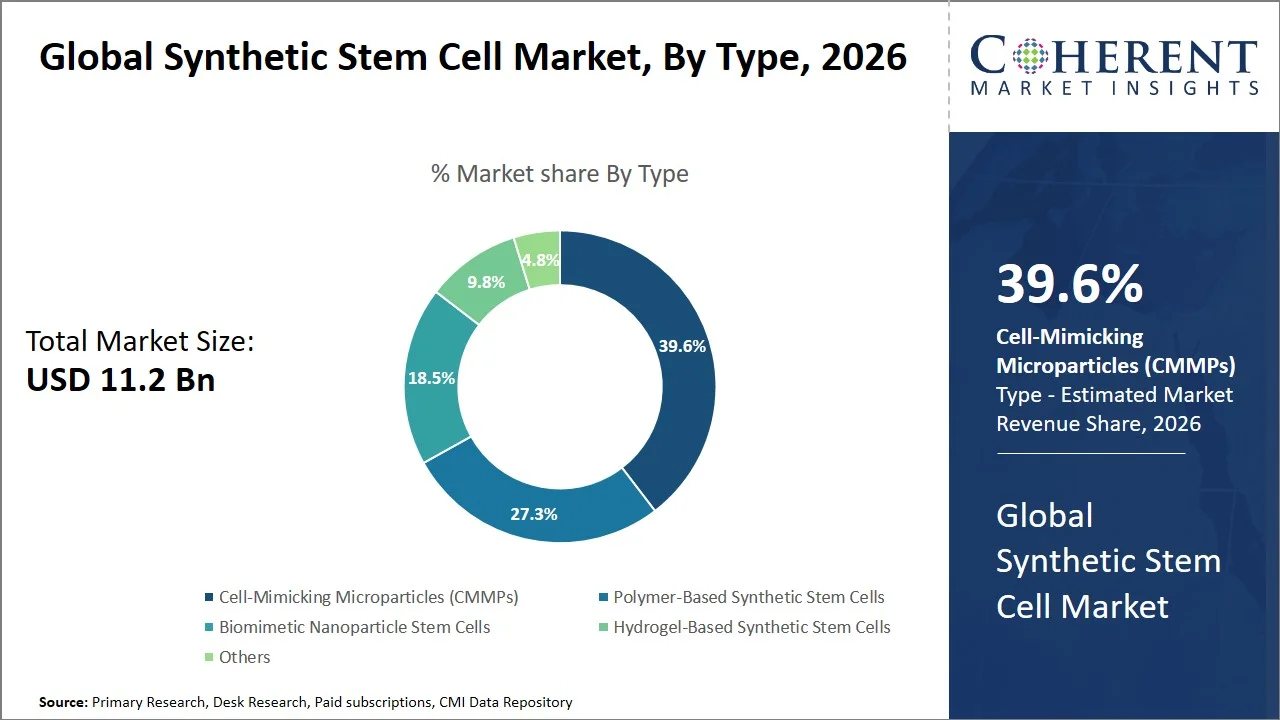
Why Do Cell-Mimicking Microparticles (CMMPs) Dominate the Global Synthetic Stem Cell Market?
Cell-mimicking Microparticles (CMMPs) are projected to hold a market share of 39.6% in 2026, owing to the ability of mimetics to replicate key stem cell functions while reducing the risks associated with the clinical use of live-cell based therapies such as local immune rejection or tumor development. Due to their stability, ability to produce on scale, and the customizable surface properties, they show considerable promise in regenerative medicine and targeted therapy delivery. Further integration into clinical and research applications is facilitated by progress in biomaterials engineering and stem cell-mimetic techniques. For instance, in November 2024, researches at the Pennsylvania State University's Material Research Institute fabricated granular biomaterials with soft microgels that could guide cell behavior and promote tissue regeneration. (Source: The Pennsylvania State University) Such innovations in engineered biomaterials are making the therapeutic benefits of CMMPs more accessible for future regenerative medicine.
- Current Industry Events of 2026
- Market Size Estimation
- Regional Breakdown
- Competitive Landscape
- Customer Intelligence
- Segmental Analysis
- Pricing Analysis
- Key Market Drivers, Challenges & Future Trends
- Customized Insights Section
Why Do Cardiovascular Disorders Represent the Largest Application Segment in the Synthetic Stem Cell Market?
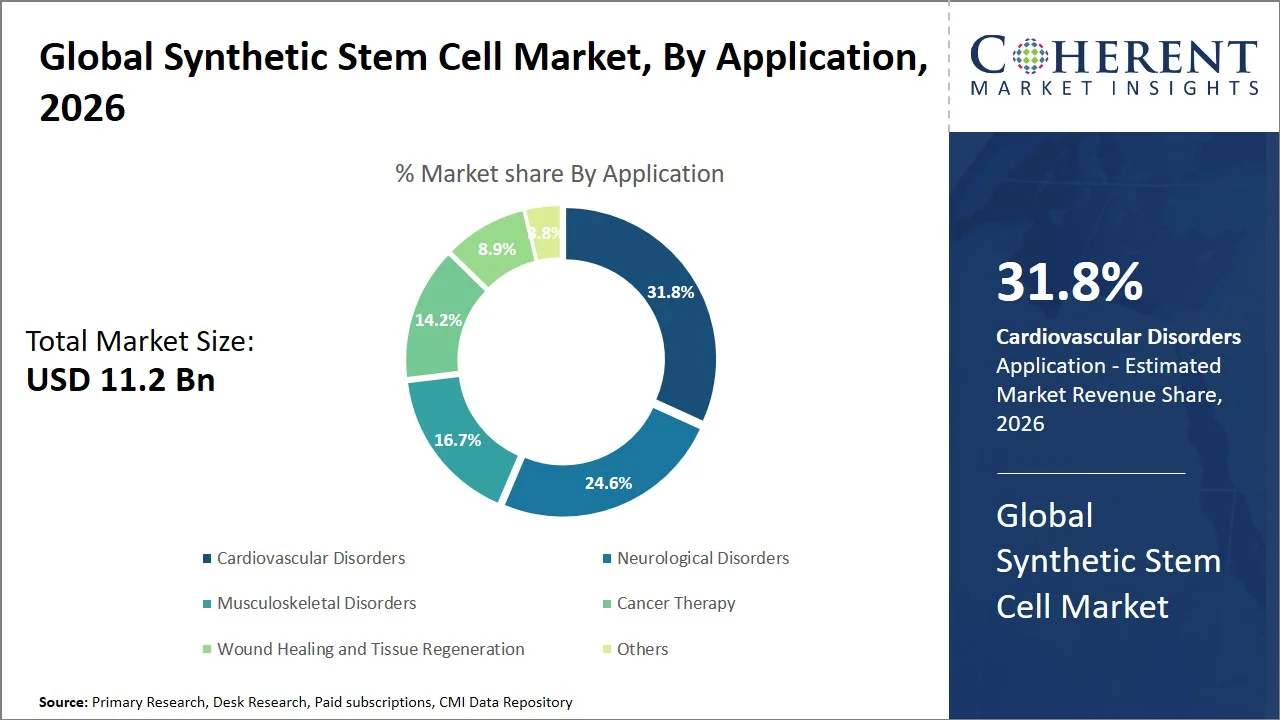
Cardiovascular disorders are projected to hold a market share of 31.8% in 2026, due to the enormous prevalence of heart diseases and increased interest in regenerative therapies which are capable of repairing cardiac muscle tissue. Synthetic stem cells are able to provide the same therapeutic benefits of actual stem cells through the creation of new blood vessels, decreasing inflammation, and promoting regeneration of the myocardium. For instance, in June 2024, a research study published by National Library of Medicine highlighted the progress in the design of sophisticated cardiac patches that combine biomaterials, bio-active substances and cell-mimetic technologies. The progress has been made in terms of sophistication as it aims to improve cardiac regeneration following infarction. This emphasizes the increasing contribution of synthetic stem cell-based regenerative medicine. (Source: National Library of Medicine)
Research Laboratories Segment Dominates the Global Synthetic Stem Cell Market
The research laboratories segment is projected to hold a market share of 41.5% in 2026, as they are at the forefront of synthetic stem cell technology development and testing. They facilitate advancements in biomaterials, tissue engineering and regenerative medicine, while simultaneously producing the preclinical data that will support future therapeutic approaches. For instance, in June 2025, The University of California San Diego, unveiled the Viterbi Family Vision Research Center to further increase research capabilities with regard to regenerative medicine and drug and therapy development. The center is projected to facilitate translational research and the discovery of next generation cell-based technology. (Source: Regents of the University of California)
Currents Events and their Impact
Current Events | Description and its Impact |
U.S. FDA Issues New Draft Guidance for Expedited Development of Regenerative Medicine Therapies (September 2025) |
|
European Union Advances Advanced Therapy Medicinal Product (ATMP) Regulatory Reforms (December 2025) |
|
(Source: Food and Drug Administration, Catapult)
Synthetic Stem Cell Market Dynamics
Market Drivers
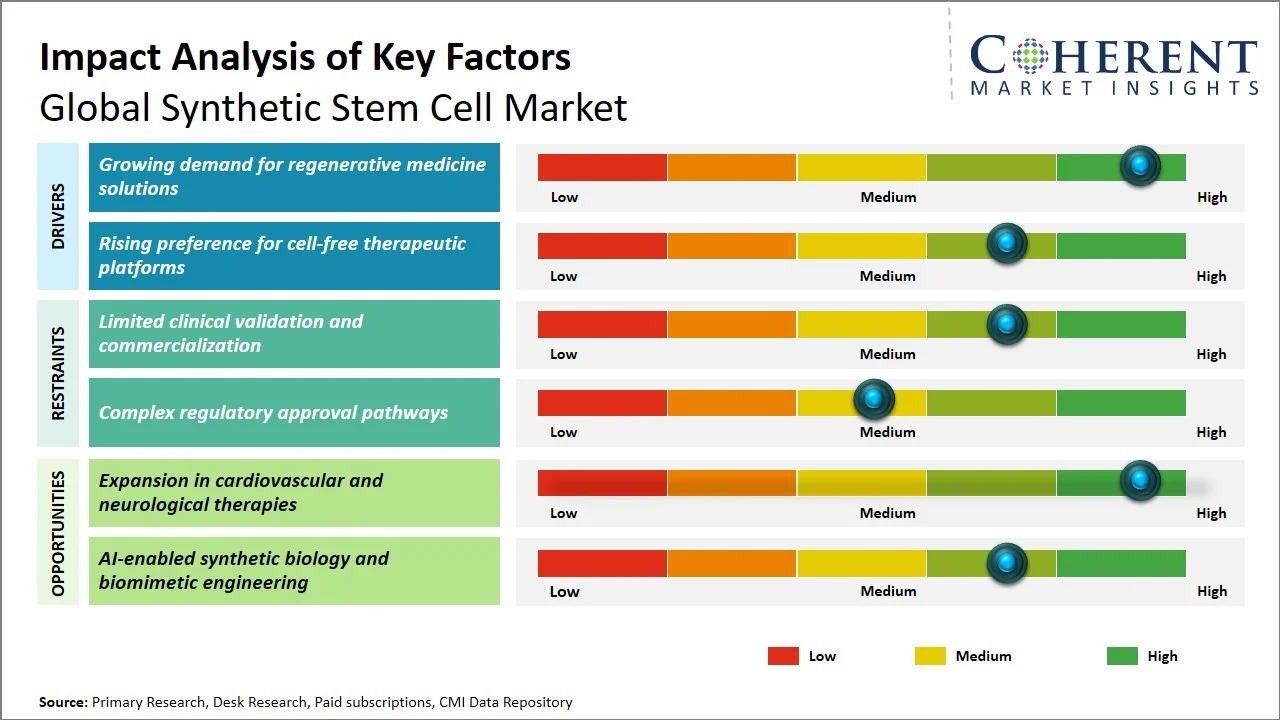
- Growing demand for regenerative medicine solutions: With the growing emphasis on cell free tissue regeneration strategies, the market for synthetic stem cells is expanding. These synthetic stem cells are capable of reproducing therapeutic effects of stem cells, while also avoiding limitations of cell viability, immune rejection, and tumorigenicity. Their ability to mediate cell repair and modulate biological response is paving way for its application in several fields. For instance, in April 2025, researchers at King's College London announced a significant development in lab-grown teeth utilizing regenerative biology principles, further underscoring the increasing interest in the future of regenerative tissues technology. (Source: King's College London)
- Rising preference for cell-free therapeutic platforms: The cell-free therapeutic platform has increasingly attracted researchers and driven demand for the synthetic stem cell market. Since these technologies can achieve similar regenerative properties of cell therapy without suffering the problems that live-cell therapies encounter regarding viability, storage and immunogenicity. Synthetic stem cells can mimic some essential signaling events performed by native stem cells but allows better scalability and more consistent manufacturing processes. Such controlled delivery systems of factors interested many in regenerative medicine field. For instance, Direct Biologics further developed its extracellular vesicle product platform (ExoFlo) for tissue repair and inflammatory diseases, showcasing a growing movement towards the commercialization of cell-free regenerative therapies. (Source: Direct Biologics)
Emerging Trends
- Integration of Biomaterial Engineering with Synthetic Stem Cell Design: Advanced biomaterials, microgels, and hydrogel technologies combined with synthetic stem cell platform is increasingly being developed to provide a better therapeutic result by providing better control over releasing bio-active factors and by facilitating targeted tissue regeneration. The trend toward broader applications for artificial stem cells in cardiovascular, neural and musculoskeletal disease is increasing.
- Growing Development of Stem Cell-Mimetic Drug Delivery Systems: The artificial stem cell has been designed to be a targeted drug delivery vehicle that can deliver the desired therapeutics to target tissues. Its modified surface characteristics and regulated release function optimize efficiency of therapy at target tissues and minimize its effects on off-target cells. This application area has gained wide application in regenerative medicine, oncology and other personalized medicine applications.
Regional Insights
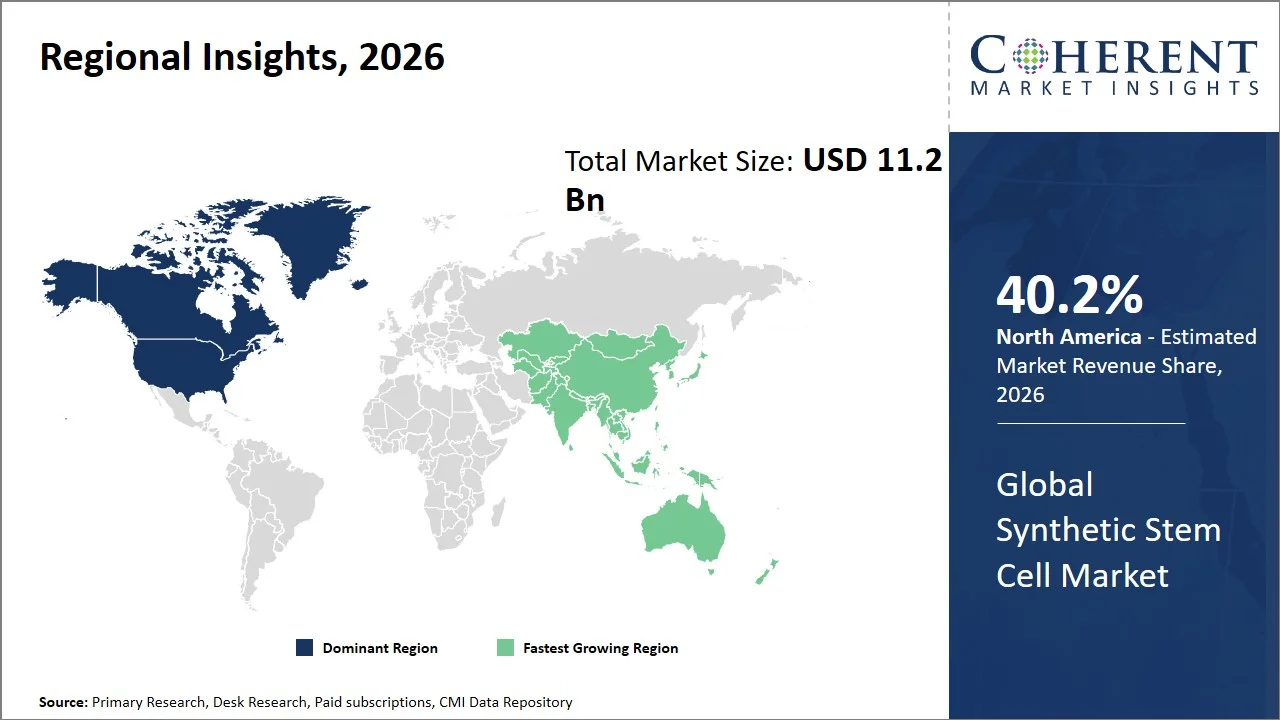
Why is North America a Strong Market for Synthetic Stem Cells?
North America leads the global synthetic stem cell market, accounting for an estimated 40.2% share in 2026, due to the presence of sophisticated healthcare infrastructure, and rising investment in biotechnological research and development. Moreover, government initiatives encouraging stem cell research and regenerative medicine further boost the region's performance. The U.S., in particular, has gained an advantage through beneficial government policies for regenerative medicine and stem cell research that include significant grants provided by institutions such as the National Institutes of Health (NIH). For instance, the 21st Century Cures Act unveiled the Regenerative Medicine Advanced Therapy (RMAT) designation. This designation allows certain regenerative medicine products to be eligible for expedited review and increased engagement with the U.S. FDA. The framework remains beneficial to the development and marketing of innovative regenerative technologies such as synthetic stem cell-based therapies. (Source: Food and Drug Administration) Additionally, the existence of a widespread network of biotech companies, academic institutions, and hospitals provides for an accelerated development and commercialization of products in the region.
Why Does the Asia Pacific Synthetic Stem Cell Market Exhibit High Growth?
The Asia Pacific synthetic stem cell market is expected to exhibit the fastest growth with an estimated contribution of 22.9% share to the global market in 2026, due to rapid growth of healthcare infrastructure, increasing governmental support, and rising awareness regarding regenerative medicine. Countries like China, Japan, and South Korea are pouring much capital in research & development with the support of the increasing government initiatives and beneficial policy amendments, enabling speedier approval process of regenerative therapies. For instance, Japan’s Act on the Safety of Regenerative Medicine is intended to accelerate the development and approval of regenerative medicine products through the use of a conditional and time-limited approval system. (Source: Ministry of Justice) Furthermore, academic-industrial collaboration drives innovations, whereas trade openness encourages global collaboration.
Global Synthetic Stem Cell Market Outlook for Key Countries
Why is the U.S. Leading Innovation and Adoption in the Synthetic Stem Cell Market?
The U.S. constitutes a premier market for synthetic stem cell driven by the country's expertise in biomaterials, tissue engineering and regenerative medicine. The collaboration between academic institutes, research organizations and biotech companies that develop cell-mimetic technology is well developed and has an outstanding infrastructure for preclinical researches, product development and market introduction of technologies. For instance, in January 2025, New York Stem Cell Foundation (NYSCF) collaborated with Janssen Research & Development to unite their AI-driven stem cell platforms and their drug development tools in the neurodegenerative disease area. This collaboration aims to hasten the next generation of regenerative medicines and disease models. (Source: The Jackson Laboratory)
Is Japan a Favorable Market for Synthetic Stem Cells?
Japan is one of the most promising markets for the synthetic stem cell market driven by the country’s emphasis on regenerative medicine, sophisticated biomedical research, and pioneering uptake of advanced treatment technology. The country has a comprehensive ecosystem of research institutions, universities (such as CiRA at Kyoto University, RIKEN, and Osaka University), and biotech companies (such as Takeda Pharmaceutical, Astellas Pharma, and Healios) that contribute to cell-based and tissue engineering research. Japan's focus on speeding up the transition of regenerative medicine therapies from the laboratory to clinic is another contributor to the progress in cell-mimetic technologies. In addition to existing diseases the population's rising need for therapies for aging related, neuro and cardiovascular disorders are likely to open huge doors for synthetic stem cell manufacturers.
Is China Emerging as a Key Growth Hub for the Synthetic Stem Cell Market?
China is positioned as a key growth hub in the global synthetic stem cell market driven by massive investment in biotechnology, regenerative medicine, and high-tech biomaterial research. Leading research organizations, universities and biotech companies (such as the Chinese Academy of Sciences, Tsinghua University, Peking University and Shanghai Jiao Tong University) are contributing greatly to the research and development in stem cell and tissue engineering. Furthermore, companies (such as Beike Biotechnology, Cellomics), and the regenerative medicine program continue to advance translational applications.
Why Does Germany Top the European Synthetic Stem Cell Market?
Germany is the leader in the European market for synthetic stem cell on account of its strengths in biomaterials research, tissue engineering and regenerative medicine research and development. A network of research institutions (such as the Fraunhofer Society, Max Planck Society, and Helmholtz Association; universities), universities (such as RWTH Aachen University, Heidelberg University, and Technical University of Munich (TUM)), and innovation centers (such as Berlin Institute of Health (BIH), Fraunhofer Institute for Interfacial Engineering and Biotechnology (IGB), and BioM Biotech Cluster Development GmbH) are actively driving innovation in cell-mimetic and advanced therapeutic technologies in Germany.
Is the Synthetic Stem Cell Market Developing in the U.K.?
The U.K. is a high-potential market for synthetic stem cell, capitalizing on the existing strengths in high value manufacturing of advanced therapy products, translational medicine, and clinical development. The U.K. has implemented a dedicated infrastructure for development of regenerative technology from benchtop research to manufacturing production scale. Its capabilities in the areas of process development, biomanufacturing and technology scale-up provide for attractive conditions for the progress of synthetic stem cell technology platforms. For instance, the Cell and Gene Therapy Catapult's Manufacturing Innovation Centre based in Stevenage continues to build U.K. capability in advanced therapy products manufacturing by supporting process scale-up and commercial manufacturing. (Source: Catapult)
Regional Regulatory Frameworks Supporting Regenerative Medicine and Advanced Cell Therapies
Region | Regulatory Authority / Framework | Key Focus Area | Market Relevance |
North America | FDA – Regenerative Medicine Advanced Therapy (RMAT) Designation | Expedited development and review pathways for regenerative medicine products targeting serious conditions. | Supports faster clinical development and commercialization of synthetic stem cell and cell-mimetic technologies. |
Europe | EMA – Advanced Therapy Medicinal Products (ATMP) Regulation | Dedicated regulatory pathway for cell therapies, tissue-engineered products, and gene therapies. | Provides a structured approval framework for advanced regenerative medicine products. |
Asia Pacific | Japan PMDA Regenerative Medicine Framework; China NMPA Cell Therapy Guidelines | Accelerated review pathways and regulatory oversight for regenerative medicine products. | Encourages innovation, clinical translation, and commercialization of emerging regenerative technologies. |
Latin America | Brazil ANVISA – Advanced Therapy Product (ATP) Regulation (RDC 505/2021) | Establishes quality, safety, and efficacy requirements for advanced therapy products. | Supports the development and clinical evaluation of regenerative medicine and cell-based therapies in the region. |
Middle East & Africa | Saudi Food and Drug Authority (SFDA) Cell and Gene Therapy Guidelines; UAE Regenerative Medicine Initiatives | Development of regulatory pathways for advanced biologics and regenerative therapies. | Strengthens the regulatory environment for adoption and clinical research of next-generation regenerative treatments. |
How is the expansion in cardiovascular and neurological therapies creating new growth opportunities in the synthetic stem cell market?
The expanding cardiovascular and neurologic therapeutics is providing tremendous growth avenues for the synthetic stem cell market since chronic neurologic and cardiovascular diseases require a regenerative therapeutic that is able to repair damaged tissues and improve functional recovery. Synthetic stem cells offer some of the same therapeutic advantages as stem cells but are more stable, safe and more importantly, can be generated at greater scales. These unique capabilities encourage repair and neural regeneration that have fueled research in this field. For instance, in December 2024, researchers at the University of California, San Diego, announced the success of their Phase I study of neural stem cell transplantation in individuals with chronic spinal cord injury, showing safety and neurologic benefit over a long period. (Source: Regents of the University of California)
Market Players, Key Development, and Competitive Intelligence
Key Developments
- In February 2026, Bio-Techne broadened its 3D stem cell and organoid culture offerings with a fully defined synthetic ECM solution. The synthetic platform aims to deliver enhanced reproducibility, reduced variability, and improved performance in the culture of stem cells for regenerative medicine and biomedical research. The decision to launch the product follows the rising demand within the industry for synthetic and more standardized platforms for world class stem cell engineering, enabling next-generation regenerative therapies.
- In October 2025, JAX acquired the New York Stem Cell Foundation (NYSCF) to acquire the additional stem cell science, disease modeling and precision medicine capabilities needed to enhance its expertise. The authoring partnership combines JAX's scientific skills in gene-related research and modern biology with NYSCF's state of the art stem cell technologies to strive for faster therapeutic finding, increased regenerative medicine research and hold the future generation of personalization therapies.
Competitive Landscape
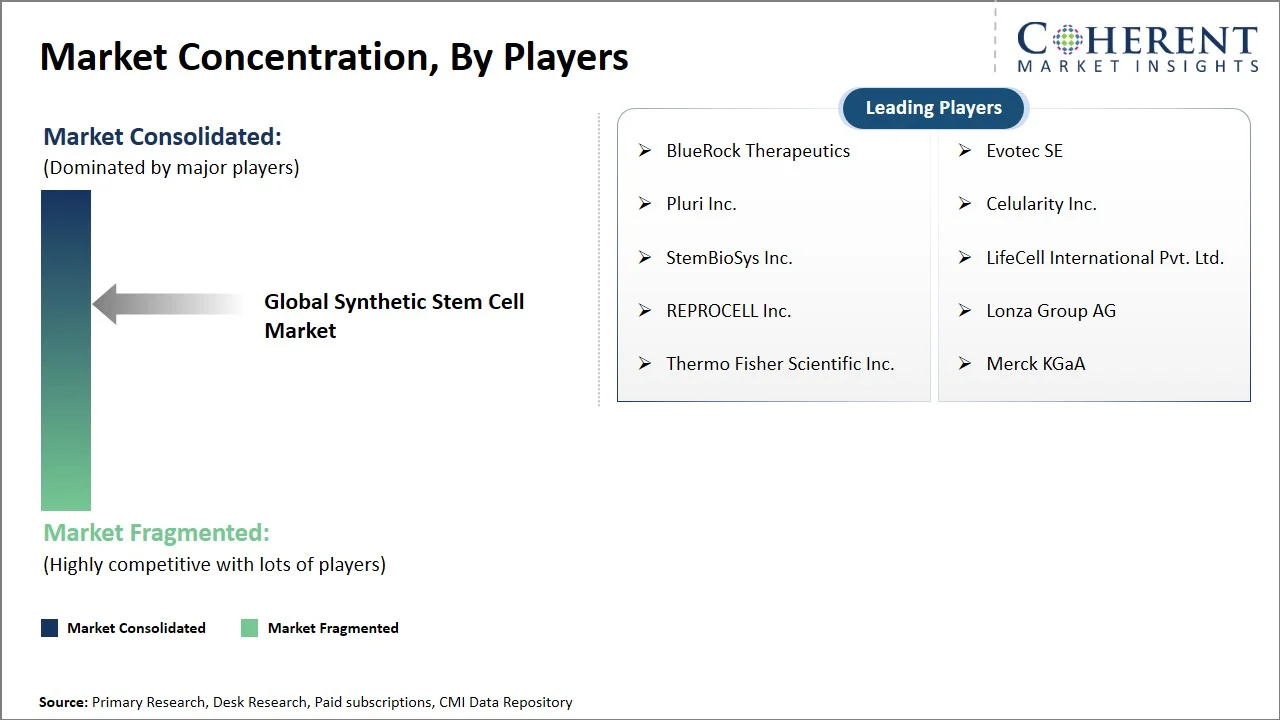
The global synthetic stem cell market is moderately fragmented, dominated by biotechnology firms, regenerative medicine developers and research institutions. Companies operating in the market are targeting advancements in cell-mimetic technology, biomaterial engineering, and large-scale manufacturing facilities, in order to enhance therapy effectiveness and safety. Collaborations with research institutions and partners, as well as efforts aimed at translational medicine, are becoming a critical growth strategy for companies to facilitate accelerated clinical trials and eventual market entry of the synthetic stem cell therapies. Key focus areas include:
- Development of advanced cell-mimicking microparticles and synthetic stem cell platforms
- Expansion of regenerative medicine applications across cardiovascular, neurological, and musculoskeletal disorders
- Strengthening research partnerships and translational medicine initiatives to accelerate product development
- Enhancing manufacturing scalability, product consistency, and regulatory compliance for future commercialization
Market Report Scope
Synthetic Stem Cell Market Report Coverage
| Report Coverage | Details | ||
|---|---|---|---|
| Base Year: | 2025 | Market Size in 2026: | USD 11.2 Bn |
| Historical Data for: | 2020 To 2024 | Forecast Period: | 2026 To 2033 |
| Forecast Period 2026 to 2033 CAGR: | 22.7% | 2033 Value Projection: | USD 46.8 Bn |
| Geographies covered: |
| ||
| Segments covered: |
| ||
| Companies covered: | BlueRock Therapeutics, Evotec SE, Pluri Inc., Celularity Inc., StemBioSys Inc., LifeCell International Pvt. Ltd., REPROCELL Inc., Lonza Group AG, Thermo Fisher Scientific Inc., and Merck KGaA | ||
| Growth Drivers: |
| ||
| Restraints & Challenges: |
| ||
Analyst Opinion (Expert Opinion)
- In the coming years, the market for synthetic stem cells will likely evolve through the increased use of cell-mimetic and cell-free regenerative therapy to overcome the safety, scale and manufacture constraints of traditional stem cell therapies. Biomaterial innovation, nanotechnology, and extracellular vesicle technology are anticipated to drive cell-mimetic and cell-free approaches from the lab to the clinic in tissue regeneration and therapeutics delivery.
- The maximum opportunities will probably exist within cell-mimicking microparticles (CMMPs) for cardiovascular and neurological applications in the U.S., China and Japan. These countries thrive due to robust regenerative medicine industries supported by favorable regulatory environments, rising research investments, and high chronic disease burdens necessitating new therapeutic strategies.
- In order to obtain a competitive advantage, market participants should focus on the development of scale-able manufacturing capabilities, innovation in biomaterials, and translational research partnerships. Collaborations with academia, clinicians and regenerative medicine centers will be paramount to speed clinical validation and commercialization. Companies that can demonstrate safety, reproducibility, and compliance while scaling up application specific therapeutic platforms will gain strength during the forecast period.
Speak to the analyst
Want personalized insights?
Take the findings above to one of our principal consultants, or have the report rebuilt around the segments, geographies and competitors you actually track.
Market Segmentation
- Type Insights (Revenue, USD Bn, 2021 - 2033)
- Cell-Mimicking Microparticles (CMMPs)
- Polymer-Based Synthetic Stem Cells
- Biomimetic Nanoparticle Stem Cells
- Hydrogel-Based Synthetic Stem Cells
- Others
- Application Insights (Revenue, USD Bn, 2021 - 2033)
- Cardiovascular Disorders
- Neurological Disorders
- Musculoskeletal Disorders
- Cancer Therapy
- Wound Healing and Tissue Regeneration
- Others
- End User Insights (Revenue, USD Bn, 2021 - 2033)
- Research Laboratories
- Pharmaceutical and Biotechnology Companies
- Academic and Research Institutes
- Hospitals and Specialty Clinics
- Contract Research Organizations (CROs)
- Others
- Regional Insights (Revenue, USD Bn, 2021 - 2033)
- North America
- U.S.
- Canada
- Latin America
- Brazil
- Argentina
- Mexico
- Rest of Latin America
- Europe
- Germany
- U.K.
- Spain
- France
- Italy
- Russia
- Rest of Europe
- Asia Pacific
- China
- India
- Japan
- Australia
- South Korea
- ASEAN
- Rest of Asia Pacific
- Middle East
- GCC Countries
- Israel
- Rest of Middle East
- Africa
- South Africa
- North Africa
- Central Africa
- North America
- Key Players Insights
- BlueRock Therapeutics
- Evotec SE
- Pluri Inc.
- Celularity Inc.
- StemBioSys Inc.
- LifeCell International Pvt. Ltd.
- REPROCELL Inc.
- Lonza Group AG
- Thermo Fisher Scientific Inc.
- Merck KGaA
Sources
Primary Research Interviews
- Regenerative medicine researchers and stem cell biologists involved in synthetic stem cell and cell-mimetic platform development
- Biomaterials scientists and tissue engineering specialists working on microparticles, hydrogels, and regenerative scaffolds
- Clinical investigators conducting preclinical and translational research in cardiovascular, neurological, and musculoskeletal regeneration
- Regulatory affairs and quality assurance professionals from regenerative medicine and advanced therapy developers
- Executives and R&D leaders from biotechnology companies focused on synthetic stem cells, extracellular vesicles, and cell-free therapeutics
Stakeholders
- Synthetic stem cell developers, regenerative medicine companies, and biotechnology firms
- End-use Sectors
- Research laboratories and academic research institutes
- Biotechnology and pharmaceutical companies
- Hospitals and regenerative medicine centers
- Contract research organizations (CROs)
- Specialty clinics involved in advanced therapy development
- Regulatory & Health Bodies
- U.S. Food and Drug Administration (FDA)
- European Medicines Agency (EMA)
- World Health Organization (WHO)
- Pharmaceuticals and Medical Devices Agency (PMDA), Japan
- National Medical Products Administration (NMPA), China
- Central Drugs Standard Control Organization (CDSCO), India
Databases
- ClinicalTrials.gov Database
- FDA Cellular & Gene Therapy Products Database
- EMA Advanced Therapy Medicinal Products (ATMP) Database
- NIH RePORTER Research Funding Database
- World Bank Health Indicators Database
- OECD Health Statistics
Magazines
- Genetic Engineering & Biotechnology News (GEN)
- Pharmaceutical Technology
- BioPharma Dive
- Cell & Gene Therapy Insights
- RegMedNet
- Pharmaceutical Executive
Journals
- Stem Cells Translational Medicine
- Nature Biotechnology
- Advanced Healthcare Materials
- Biomaterials
- Regenerative Medicine
- npj Regenerative Medicine
- Tissue Engineering Part A
Associations
- International Society for Stem Cell Research (ISSCR)
- Alliance for Regenerative Medicine (ARM)
- Tissue Engineering and Regenerative Medicine International Society (TERMIS)
- International Society for Cell & Gene Therapy (ISCT)
- American Society for Gene and Cell Therapy (ASGCT)
Public Domain Sources
- National Institutes of Health (NIH) – Stem Cell and Regenerative Medicine Research
- World Health Organization (WHO) – Noncommunicable Disease and Health Statistics
- U.S. Food and Drug Administration (FDA) – Cellular and Gene Therapy Guidance Documents
- European Medicines Agency (EMA) – Advanced Therapy Medicinal Products (ATMP) Resources
- ClinicalTrials.gov – Regenerative Medicine and Cell Therapy Clinical Trials
- Organisation for Economic Co-operation and Development (OECD) – Healthcare and R&D Statistics
- World Bank – Healthcare Expenditure and Innovation Indicators
Proprietary Elements
- CMI Data Analytics Tool, Proprietary CMI Existing Repository of information for last 10 years.
Get access to 250+ pages report
Every segment, forecast, competitor profile and data table behind the analysis above — available for instant download.
- ESOMAR Member
- ISO 9001:2015 Certified
- D-U-N-S Registered
- GDPR & CCPA Compliant
Missing comfort of reading report in your local language? Find your preferred language:
Transform your Strategy with Exclusive Trending Reports
Frequently Asked Questions
The global synthetic stem cell market is estimated to be valued at USD 11.2 Bn in 2026 and is expected to reach USD 46.8 Bn by 2033.
Cell-mimicking microparticles (CMMPs) dominate due to their ability to replicate the therapeutic functions of natural stem cells while offering enhanced stability, scalability, and reduced safety concerns.
A synthetic stem cell is an engineered cell-mimetic structure designed to mimic the regenerative and therapeutic functions of natural stem cells without using living cells.
The CAGR of the global synthetic stem cell market is projected to be 22.7% from 2026 to 2033.
Growing demand for regenerative medicine solutions, and rising preference for cell-free therapeutic platforms are the major factors driving the growth of the global synthetic stem cell market.
Limited clinical validation and commercialization, and complex regulatory approval pathways are the major factors hampering the growth of the global synthetic stem cell market.
Synthetic stem cells are primarily used in tissue regeneration, targeted drug delivery, cardiovascular repair, neurological therapies, and immune modulation.