

Global Temozolomide Market Size and Forecast – 2026 to 2033
The global temozolomide market is estimated to be valued at USD 1.44 Bn in 2026 and is expected to reach USD 2.44 Bn by 2033, exhibiting a compound annual growth rate (CAGR) of 7.8% from 2026 to 2033. This growth is driven by the increasing prevalence of brain tumors, advancements in targeted cancer therapies, and rising investments in research and development, positioning temozolomide as a vital chemotherapeutic agent worldwide.
Key Takeaways of the Global Temozolomide Market
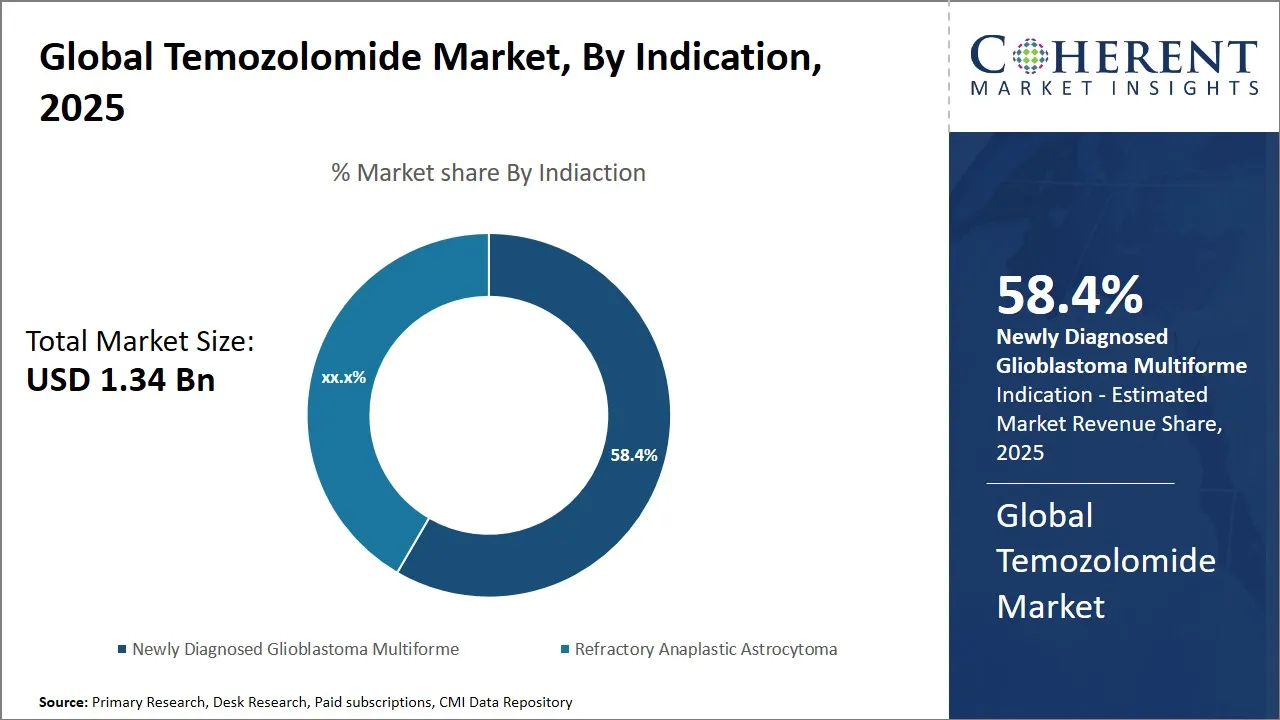
- In terms of indication, the global temozolomide market is predominantly led by the newly diagnosed glioblastoma multiforme segment, which is projected to hold the largest market share of 59.4 % in 2026.
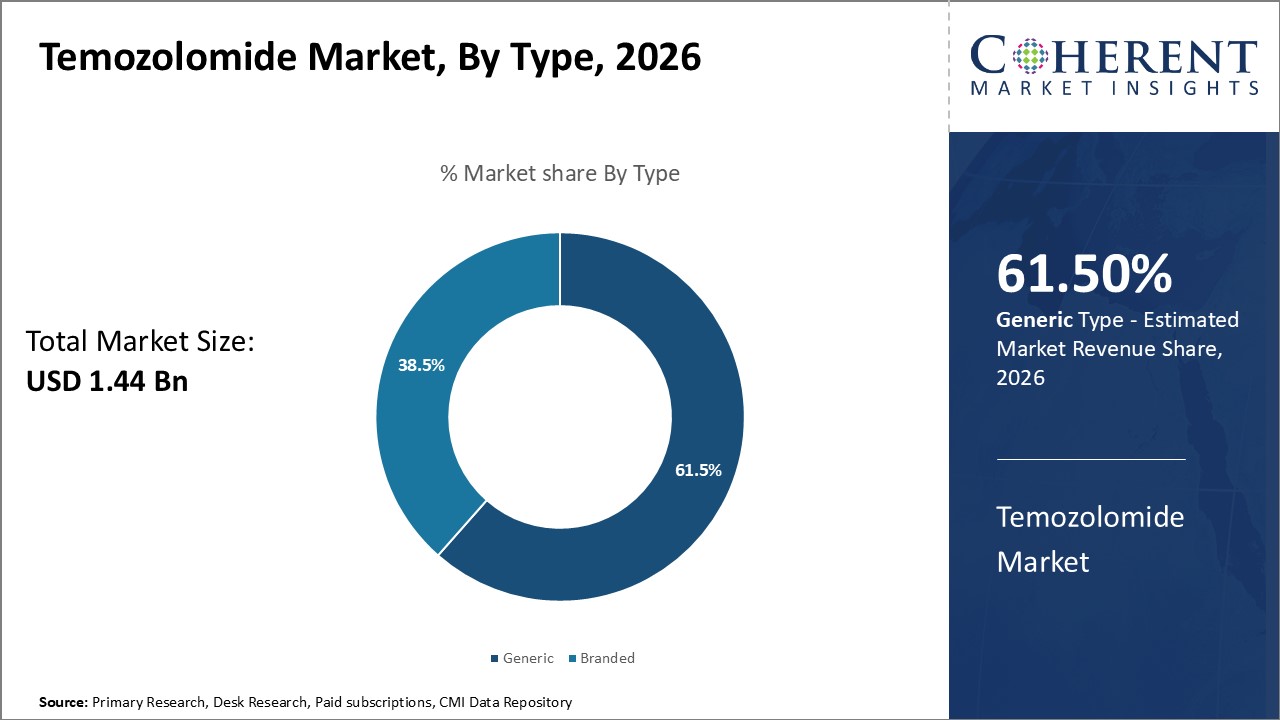
- Based on type segmentation, the generic segment stands as the dominant segment, capturing an estimated 61.5 % of the market share in 2026, surpassing branded versions.
- Based on route of administration, the oral (capsules) segment is expected to lead with a significant share of 71.4 % in 2026, driven by its ease of use, patient compliance, and suitability for outpatient therapy.
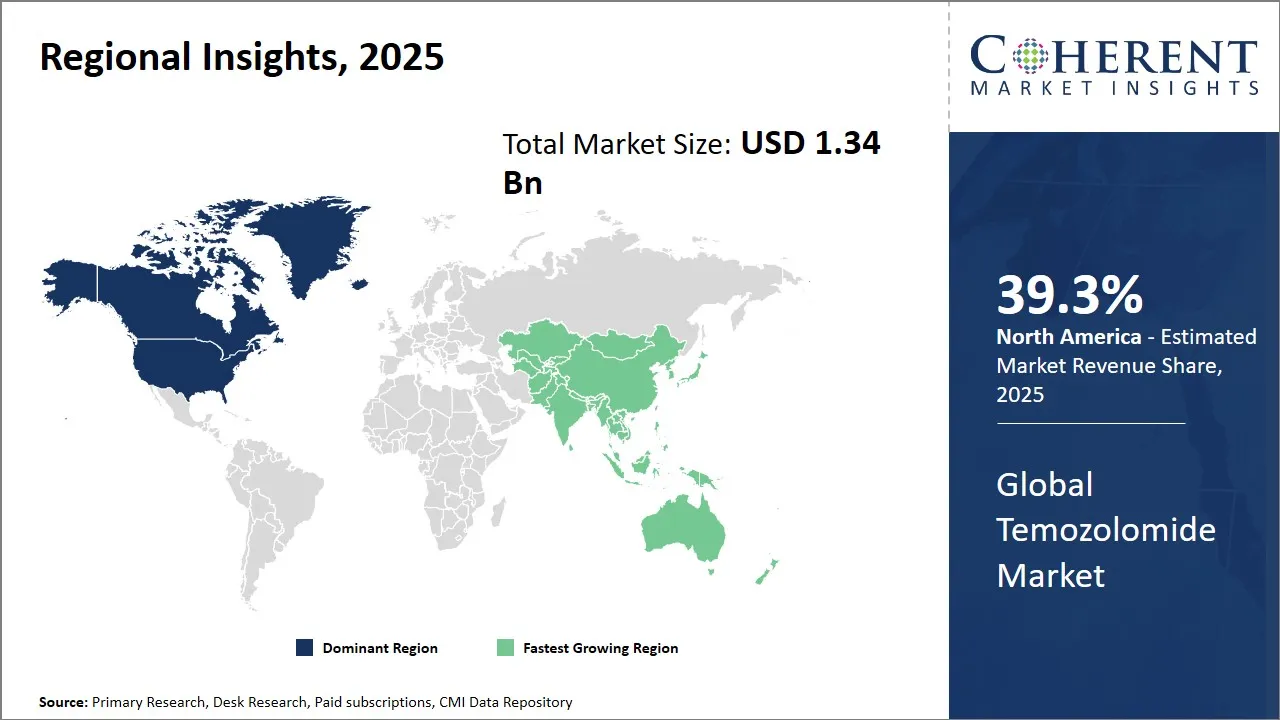
- North America is expected to lead the market, holding a share of 39.3 % in 2026. Asia Pacific is anticipated to be the fastest-growing region, with a market share of 24.5% in 2026.
Market Overview
In terms of market trends, the temozolomide market is witnessing a significant shift towards personalized medicine, with growing emphasis on tailoring treatment plans based on genetic profiles. Additionally, the integration of innovative drug delivery systems and combination therapies is enhancing drug efficacy and patient outcomes. Emerging markets are also contributing to growth due to improved healthcare infrastructure and increased awareness, while ongoing clinical trials continue to explore new applications for temozolomide, further propelling the market forward.
Current Events and Its Impact
Current Events | Description and its impact |
Patent Expiry of Key Branded temozolomide Drugs |
|
Advancements in Combination Therapies |
|
Segmental Insights
- Current Industry Events of 2026
- Market Size Estimation
- Regional Breakdown
- Competitive Landscape
- Customer Intelligence
- Segmental Analysis
- Pricing Analysis
- Key Market Drivers, Challenges & Future Trends
- Customized Insights Section
Temozolomide Market Insights, By Indication - Newly Diagnosed Glioblastoma Multiforme Segment is Dominant Due to Its Role as First-Line Standard of Care Treatment
In terms of indication, the global temozolomide market is primarily dominated by the segment of Newly Diagnosed Glioblastoma Multiforme which is expected to hold the highest market share of 59.4% in 2026. This dominance can be attributed to several critical factors related to disease prevalence, clinical treatment guidelines, and therapeutic outcomes. Glioblastoma Multiforme is the most aggressive and the most common form of primary brain tumor in adults, characterized by rapid growth and poor prognosis. Despite advancements in neurosurgery and radiation therapy, chemotherapy remains a cornerstone in extending patient survival and improving quality of life, with temozolomide being the frontline chemotherapeutic agent.
For instance, in July 2023, a study was published in the Asian Journal of Oncology which examined the epidemiology and outcomes of glioblastoma multiforme (GBM) at a tertiary care hospital in Srinagar, India. The retrospective study reviewed 80 GBM cases diagnosed between January 2016 and December 2020.
Additionally, in January 2021, a study in BMC Cancer analyzed the incidence trends of glioblastoma among elderly patients in the U.S. from 2000 to 2017. The overall incidence rate for elderly patients was 13.16 per 100,000. The incidence rate for males was approximately 1.62 times higher than for females.
Temozolomide Market Insights, By Type - The Ascendancy of Generic temozolomide Elevates Market Accessibility and Affordability
When analyzing the market through the lens of type, generic clearly emerges as the leading segment with an estimated share of 61.5% in 2026, outpacing branded counterparts in market share. This trend is largely motivated by the urgent need for cost-effective cancer treatments worldwide, especially in developing economies where healthcare expenditures are more constrained. Generic formulations of temozolomide provide a financially viable alternative without compromising on quality or therapeutic effect, encouraging wider adoption among healthcare providers and patients.
Patent expirations of the originally branded temozolomide drugs have led to an influx of generic versions, drastically reducing acquisition costs for hospitals and pharmacies. This price reduction can dramatically increase patient access to essential chemotherapy, particularly in countries where out-of-pocket medical expenses are significant. Health insurance providers and government health programs often prefer generics as part of cost-containment strategies, further accelerating uptake in both private and public sectors.
Temozolomide Market Insights, By Route of Administration - Oral Capsules Dominate due to Patient Convenience and Treatment Compliance
In the context of route of administration, the oral (capsules) segment is expected to command the largest share, accounting for 71.4% in 2026, attributable to its significant advantages in ease of use, patient compliance, and outpatient therapy management. Oral administration represents a less invasive and more patient-friendly alternative compared to intravenous injections, which require clinical supervision and more complex logistics. Patients, especially those receiving long-term chemotherapy regimens such as for brain tumors, prefer oral capsules as they enable treatment in home settings without frequent hospital visits. The convenience factor associated with oral temozolomide capsules supports better adherence to prescribed dosage schedules, a critical element in achieving desired therapeutic outcomes.
For example, Mylan has manufactured a generic version of temozolomide Capsules (5 mg, 20 mg, 100 mg, 140 mg, 180 mg, and 250 mg), which has been approved by the U.S. FDA. This generic formulation is indicated for the treatment of glioblastoma multiforme in adults, to be used both in conjunction with radiotherapy and as a maintenance treatment.
Regional Insights
North America Temozolomide Market Analysis and Trends
In North America, the dominance in the global temozolomide market stems from its well-established healthcare infrastructure with an estimated share of 39.3% in 2026, robust pharmaceutical industry, and significant investment in oncology research. The presence of leading pharmaceutical companies such as Merck & Co., Inc. and Sun Pharmaceutical Industries Ltd., with significant research & development capabilities, further solidifies North America’s leadership. Additionally, high healthcare expenditure and widespread adoption of advanced cancer therapeutics drive the sustained demand for temozolomide.
In June 2022, Dr. Pamela Kunz from Yale University School of Medicine, U.S. presented the final analysis of the E2211 trial at the American Society of Clinical Oncology (ASCO) Annual Meeting. The trial demonstrated that temozolomide combined with capecitabine achieved the longest progression-free survival and the highest response rates ever reported for patients with pancreatic neuroendocrine tumors. This finding marks a significant advancement in the treatment of this rare and challenging cancer.
Asia Pacific Temozolomide Market Analysis and Trends
The Asia Pacific region is projected to exhibit the fastest growth due to expanding healthcare infrastructure with a share of 24.5% in 2026 driven by the increasing cancer incidence and improving access to advanced therapies. Rapid urbanization and government initiatives to enhance healthcare affordability and accessibility, especially in emerging economies like India and China, are significant growth catalysts. The rise in local pharmaceutical manufacturing hubs and collaborations with multinational corporations enable quicker and more cost-effective drug production and distribution.
Companies such as Cipla Limited and Natco Pharma play pivotal roles by introducing affordable temozolomide versions, widening patient reach. Furthermore, regulatory bodies across these countries are streamlining approval processes, which accelerates the adoption of new and generic oncology medicines in the region.
Temozolomide Market Outlook for Key Countries
U.S. Temozolomide Market Trends
The U.S. temozolomide market continues to lead due to its advanced oncology research facilities, strong intellectual property protection, and a favorable reimbursement landscape for cancer treatments. Major players like Merck and Sun Pharmaceutical have launched innovative and generic temozolomide products, maintaining competitive pricing and extensive distribution networks. The U.S. benefits from high patient awareness and early diagnosis practices, which support steady demand. Moreover, collaborations between biotech startups and established pharmaceutical firms foster significant clinical development efforts aimed at improving temozolomide formulations and combination therapies.
In November 2024, the ECOG-ACRIN Cancer Research Group, a leading U.S.-based clinical trials network, reported landmark results from its phase 3 E3F05 trial showing that adding the chemotherapy pill temozolomide, produced by Merck & Co Inc a global biopharmaceutical leader, to radiation therapy significantly improves long-term survival in adults with slow-growing grade 2 gliomas. The 10-year survival rate reached 70% with combined treatment compared to 47% with radiation alone, marking the first randomized phase 3 evidence of temozolomide’s survival benefit in this cancer.
Canada Temozolomide Market Trends
The Canada temozolomide market is experiencing steady growth, driven by the increasing incidence of glioblastoma and anaplastic astrocytoma. temozolomide remains a cornerstone in the treatment of these aggressive brain cancers, often used in combination with radiation therapy. Recent advancements, such as the approval of Optune for glioblastoma and the availability of Gleolan for surgical guidance, have further enhanced treatment options. Additionally, ongoing clinical trials and research initiatives aim to optimize treatment regimens and explore new therapeutic combinations, reflecting Canada's commitment to improving outcomes for brain cancer patients.
In July 2026, University of Toronto, Canada researchers found that Lomitapide, a cholesterol-lowering drug, boosts the effectiveness of temozolomide by overcoming resistance in glioblastoma, showing prolonged survival and delayed tumor recurrence in preclinical models.
Germany Temozolomide Market Trends
Germany temozolomide market thrives due to its comprehensive healthcare system and significant investment in cancer research. Government support for pharmaceutical innovation, combined with early adoption of novel treatment protocols by healthcare providers, ensures strong uptake. Notable companies such as Bayer and Novartis provide both domestic and imported temozolomide products, supported by efficient distribution channels. The country’s emphasis on reimbursement policies that prioritize patient access to effective oncology drugs further enhances market demand.
In September 2022, the European Commission withdrew the marketing authorisation for temozolomide Sandoz, a generic version of Temodal produced by Sandoz GmbH a global generic and biosimilars division of Novartis, following the company’s decision to permanently discontinue its commercialisation in the EU. Originally approved in March 2010 for the treatment of newly diagnosed glioblastoma multiforme with radiotherapy and as monotherapy, as well as for recurrent or progressive malignant glioma in both adults and children over three years, the product had been granted unlimited validity in 2014.
India Temozolomide Market Trends
India’s temozolomide market is driven by a large patient population with rising cancer prevalence and improving healthcare infrastructure supported by government programs targeting affordability and access. Local pharmaceutical companies such as Cipla and Natco Pharma have been instrumental in increasing availability through cost-effective generic temozolomide versions. The relatively relaxed regulatory pathways for generic drugs facilitate faster market entries. Expansion of oncology centers and rising health insurance penetration are also key enablers supporting market growth.
In August 2026, researchers from the Indian Institute of Technology Gandhinagar (IITGN) identified a new target to combat drug resistance in glioblastoma multiforme (GBM), one of the deadliest brain cancers. By developing the molecule J54, the team successfully inhibited TLK1, a DNA repair enzyme that aids cancer cells in surviving chemotherapy. TLK1 helps glioblastoma cells resist temozolomide (TMZ), the standard chemotherapy. J54, previously shown effective in prostate and breast cancer models, re-sensitized TMZ-resistant glioblastoma cells, offering new insights into overcoming resistance mechanisms. These findings, published in Scientific Reports, could pave the way for more effective treatment strategies for glioblastoma patients.
End User Feedback and Unmet Needs: Temozolomide Market
- Across key application sectors in the global temozolomide market particularly among healthcare institutions, oncology clinics, and government-sponsored treatment programs end-user feedback has highlighted a mixed landscape of satisfaction and operational challenges. On the positive side, clinicians consistently praise temozolomide’s oral administration route, which simplifies treatment logistics compared to traditional intravenous chemotherapies. This feature is especially valuable in outpatient oncology settings where resource constraints often limit infusion capacity. One oncology center in Germany reported improved patient compliance and reduced scheduling bottlenecks due to the convenience of home dosing, particularly for patients undergoing long-term glioblastoma treatment. However, despite these benefits, a recurring concern raised by many healthcare providers, particularly in low- and middle-income countries, revolves around the high cost and inconsistent supply of temozolomide. Several public hospital systems in Southeast Asia, for instance, have flagged procurement delays and affordability challenges as key barriers that affect treatment continuity and planning.
- These limitations point to broader unmet needs in the temozolomide market. One of the most prominent gaps is the lack of region-specific pricing strategies or tailored formulations for diverse healthcare systems. Additionally, there is a growing call for improved support in terms of dosage personalization, especially in complex cases involving pediatric or elderly patients where standard protocols may not be optimal. Stakeholders also emphasize the need for better integration of temozolomide into broader treatment regimens supported by digital tools or companion diagnostics. Addressing these unmet needs could unlock significant growth opportunities—enabling manufacturers to expand access in emerging markets, foster stronger relationships with institutional buyers, and spur innovation through partnerships with digital health providers. Ultimately, refining affordability, customization, and support models could shift temozolomide from being a well-established drug to a more adaptable and inclusive solution across diverse oncology care settings.
Market Players, Key Developments, and Competitive Intelligence
Key Developments
- On September 08, 2025, NeuroNOS a U.S.-based biopharmaceutical company focused on neuro-oncology, and a subsidiary of Beyond Air Inc, a clinical-stage medical device and biopharma firm, announced that the U.S. FDA granted Orphan Drug Designation to its lead candidate BA-101 for the treatment of glioblastoma, the most aggressive primary brain cancer in adults. While surgery, radiation, and temozolomide developed by Merck, remain the current standard of care, they are not curative and survival rates remain poor, with median survival under 12 months.
- In May 2025, Camber Pharmaceuticals, a U.S.-based generic drug manufacturer, announced the launch of temozolomide Capsules, USP, expanding its oncology portfolio with a key chemotherapy option. The capsules are indicated for adults with newly diagnosed glioblastoma in combination with radiotherapy followed by maintenance treatment, for anaplastic astrocytoma, as adjuvant therapy in newly diagnosed anaplastic astrocytoma, and for refractory anaplastic astrocytoma.
- In March 2025, Allarity Therapeutics Inc, a U.S.-based clinical-stage biopharmaceutical company, announced the launch of a fully funded Phase 2 trial of its dual PARP/Wnt pathway inhibitor Stenoparib in combination with temozolomide, the widely used DNA-alkylating chemotherapy originally developed by Merck, a global leader in oncology.
- In September 2023, the U.S. FDA approved updated labeling for temozolomide, marketed as Temodar by Merck, a leading global biopharmaceutical company, under its Project Renewal initiative which modernizes labeling for older oncology drugs. temozolomide is now cleared for adjuvant treatment of adults with newly diagnosed anaplastic astrocytoma and for refractory anaplastic astrocytoma, while retaining its existing approval for newly diagnosed glioblastoma alongside radiotherapy and as maintenance therapy.
Top Strategies Followed by Global Temozolomide Market Players
- Established players dominate the scene through substantial investments in research and development (R&D) aimed at innovating high-performance temozolomide formulations. These innovations often focus on enhancing drug efficacy, minimizing side effects, and improving patient compliance, which are critical factors in oncology therapeutics. To further consolidate their market presence, these key players frequently engage in strategic partnerships and collaborations with major pharmaceutical companies, original equipment manufacturers (OEMs), and contract manufacturing organizations. Such alliances enable them to leverage shared resources, technological expertise, and extensive distribution channels.
- For example, in December 2020, Novocure, a global oncology company specializing in Tumor Treating Fields, announced that the Swiss Federal Office of Public Health added its Optune device in combination with temozolomide, the chemotherapy developed by Merck & Co Inc a leading biopharmaceutical firm, to Switzerland’s List of Remedies and Equipment, ensuring national reimbursement for newly diagnosed glioblastoma patients.
- Mid-level market players, on the other hand, pursue a somewhat different approach tailored to their operational scale and resource availability. These companies primarily focus on delivering cost-effective temozolomide products that strike a balance between quality and affordability to appeal to price-sensitive consumers, especially in developing countries. By targeting this demographic segment, mid-level firms carve out a sustainable niche where price competitiveness is as critical as therapeutic efficacy.
- For example, Intas Pharmaceuticals: Based in India, Intas is known for providing affordable yet high-quality generic medicines. Their temozolomide offerings target oncology patients, particularly in developing markets, where price competitiveness is crucial. Moreover, Cipla is another example of a mid-level player in the temozolomide market. It focuses on providing affordable oncology medicines, including generic versions of temozolomide, particularly in price-sensitive markets like India, Southeast Asia, and Africa.
- Small-scale players in the temozolomide market tend to differentiate themselves by focusing on niche segments and innovative product offerings. These companies often adopt cutting-edge technologies such as novel drug delivery systems or targeted formulations to remain competitive despite their limited scale. Innovation-driven, small players frequently develop specialized temozolomide variants aimed at addressing unmet medical needs or enhancing treatment outcomes in specific patient populations.
- For example, Hetero is a small-scale player that focuses on the production of niche oncology drugs like temozolomide. Hetero often works on developing new formulations to address specific patient needs, such as those with advanced-stage cancers. Its innovations in controlled-release formulations helps it target a specialized market segment despite its smaller scale.
Market Report Scope
Temozolomide Market Report Coverage
| Report Coverage | Details | ||
|---|---|---|---|
| Base Year: | 2025 | Market Size in 2026: | USD 1.44 Bn |
| Historical Data for: | 2020 To 2024 | Forecast Period: | 2026 To 2033 |
| Forecast Period 2026 to 2033 CAGR: | 7.8% | 2033 Value Projection: | USD 2.44 Bn |
| Geographies covered: |
| ||
| Segments covered: |
| ||
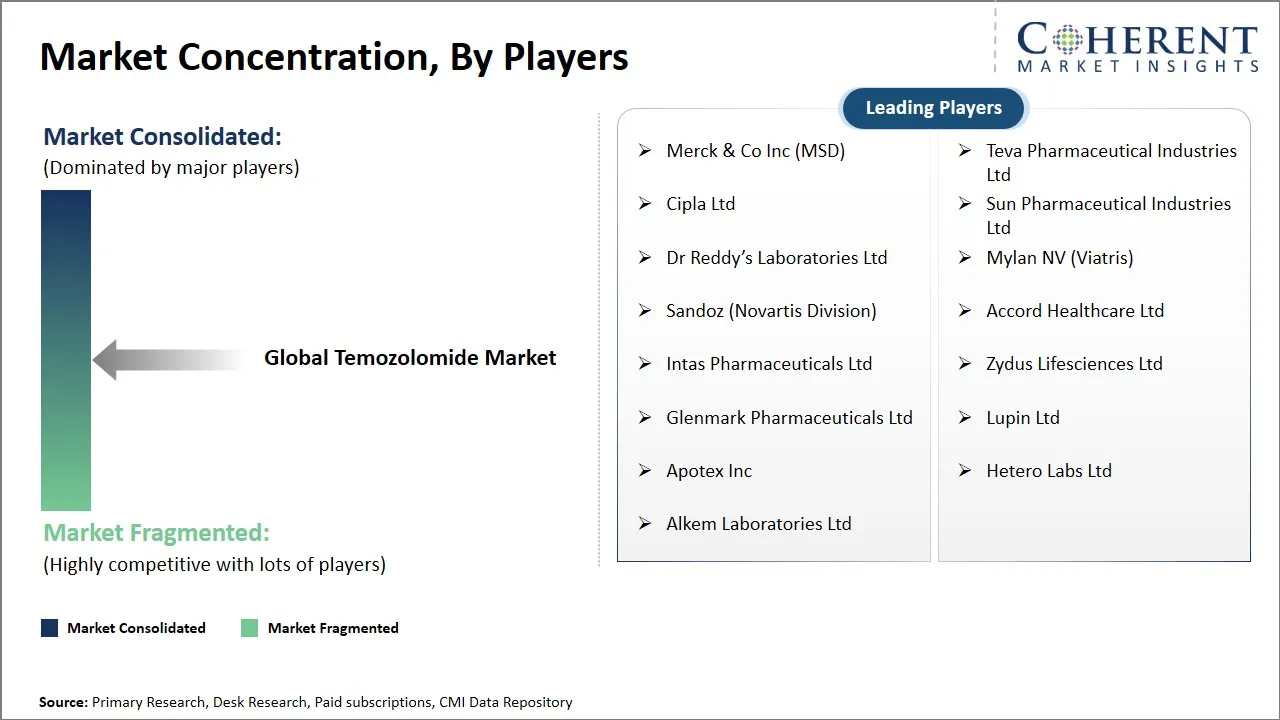
| Companies covered: | Merck & Co Inc (MSD), Teva Pharmaceutical Industries Ltd, Cipla Ltd, Sun Pharmaceutical Industries Ltd, Dr Reddy’s Laboratories Ltd, Mylan NV (Viatris), Sandoz (Novartis Division), Accord Healthcare Ltd, Intas Pharmaceuticals Ltd, Zydus Lifesciences Ltd, Glenmark Pharmaceuticals Ltd, Lupin Ltd, Apotex Inc, Hetero Labs Ltd, and Alkem Laboratories Ltd | ||
| Growth Drivers: |
| ||
| Restraints & Challenges: |
| ||
Temozolomide Market Dynamics
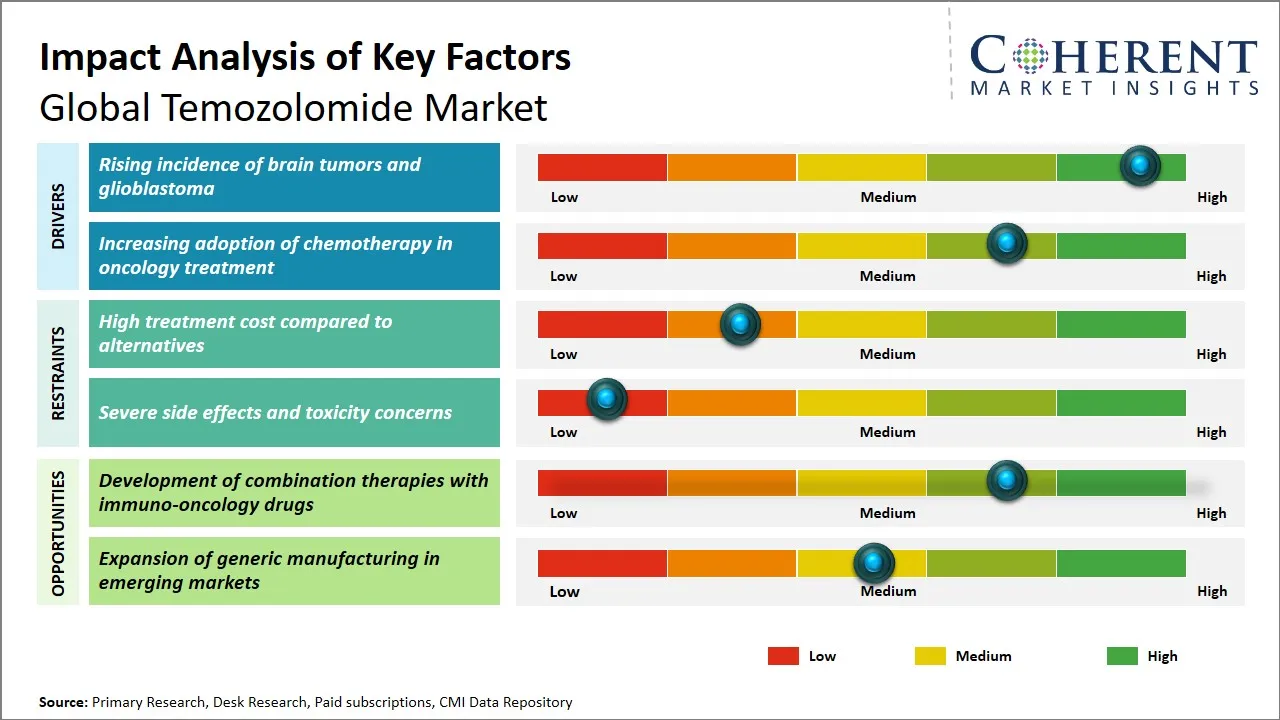
Temozolomide Market Driver - Rising Incidence of Brain Tumors and Glioblastoma
The growing incidence of brain tumors, particularly glioblastoma multiforme, is a significant factor driving the demand for temozolomide globally. Glioblastoma, being one of the most aggressive forms of brain cancer, presents substantial treatment challenges due to its rapid progression and poor prognosis. temozolomide, an oral alkylating agent, has become a cornerstone in the standard therapy regimen for glioblastoma, often used alongside radiotherapy to improve patient outcomes. With advancements in diagnostic techniques enabling earlier and more accurate detection of brain tumors, a larger patient population is being identified who require effective chemotherapeutic intervention. Additionally, the rising awareness among healthcare providers regarding the efficacy of temozolomide in managing malignant brain tumors is contributing to its increased adoption.
In August 2021, according to American Cancer Society, the incidence of glioblastoma and meningioma in the U.S. is expected to rise significantly, with glioblastoma cases projected to increase by 72%, from 10,688 in 2010 to 18,466 in 2050. Similarly, meningioma diagnoses are expected to grow by 77%. Approximately 1 million Americans are living with brain tumors, with 94,390 new diagnoses expected in 2023. Despite advancements, the survival rate for malignant brain tumors remains low at 35.7%, with 18,990 deaths projected in 2023. Glioblastoma treatments like temozolomide and Bevacizumab offer limited benefits, with survival after recurrence often under 6 months.
Temozolomide Market Opportunity - Development of Combination Therapies with Immuno-Oncology Drugs
The global temozolomide market stands to benefit significantly from the ongoing advancement and integration of combination therapies involving immuno-oncology drugs. temozolomide, primarily used for treating glioblastoma and other brain tumors, has traditionally faced challenges related to tumor resistance and limited efficacy in advanced cancer stages. However, recent developments in immuno-oncology have opened promising avenues for enhancing temozolomide’s therapeutic potential. By combining temozolomide with immune checkpoint inhibitors, CAR-T cell therapies, or other immunomodulatory agents, researchers aim to potentiate anti-tumor immune responses while overcoming resistance mechanisms that limit monotherapy outcomes. Such combination regimens can improve patient survival rates and expand temozolomide’s applicability across a broader range of tumor subtypes.
In January 2024, Rigel Pharmaceuticals announced a collaboration with CONNECT, a global network of pediatric cancer centers, to conduct a Phase 2 trial evaluating its drug REZLIDHIA (olutasidenib) in combination with temozolomide for maintenance therapy in newly diagnosed pediatric and young adult patients with high-grade glioma (HGG) harboring an IDH1 mutation. The trial, part of CONNECT's TarGeT-D umbrella study, will focus on post-radiotherapy administration of olutasidenib, followed by its monotherapy.
Analyst Opinion (Expert Opinion)
- The temozolomide market has been growing steadily, driven by the increasing prevalence of glioblastoma and anaplastic astrocytoma, both aggressive brain cancers with limited treatment options. Technological advancements in drug formulations, such as liquid or taste-masked versions for pediatric patients, have expanded accessibility. Regulatory support, particularly from agencies like the U.S. FDA and EMA, has also played a significant role in facilitating market growth by providing approval pathways for generic drugs, making temozolomide more affordable. Additionally, emerging therapies combining temozolomide with other treatments like immunotherapy offer new hope, further driving demand. However, challenges such as drug resistance and side effects continue to impede treatment effectiveness, creating a need for continued research and innovative treatment options.
- Recent global events, such as the 2023 ASCO Annual Meeting and the European Society for Medical Oncology (ESMO) Congress, have highlighted critical advances in glioblastoma therapies, with discussions focusing on optimizing existing treatments like temozolomide. These events have provided a platform for knowledge sharing and policy formulation, enabling researchers and healthcare professionals to address the unmet needs of cancer patients. Case studies, like the collaboration between ORPHELIA Pharma and Gustave Roussy for pediatric temozolomide formulations, showcase successful initiatives that are expected to influence market dynamics by offering more patient-friendly options. These collective efforts, along with ongoing clinical trials, are paving the way for enhanced outcomes and better therapeutic strategies in the glioblastoma and brain cancer treatment landscape.
Speak to the analyst
Want personalized insights?
Take the findings above to one of our principal consultants, or have the report rebuilt around the segments, geographies and competitors you actually track.
Market Segmentation
- Indication Insights (Revenue, USD Bn, 2021 - 2033)
- Newly Diagnosed Glioblastoma Multiforme
- Refractory Anaplastic Astrocytoma
- Type Insights (Revenue, USD Bn, 2021 - 2033)
- Generic
- Branded
- Route of Administration Insights (Revenue, USD Bn, 2021 - 2033)
- Oral (Capsules)
- Intravenous (Injection)
- Strength Insights (Revenue, USD Bn, 2021 - 2033)
- 5 mg
- 20 mg
- 100 mg
- 140 mg
- 180 mg
- 250 mg
- Age Group Insights (Revenue, USD Bn, 2021 - 2033)
- Adults
- Pediatric
- Geriatric
- Distribution Channel Insights (Revenue, USD Bn, 2021 - 2033)
- Hospital Pharmacies
- Retail Pharmacies
- Online Pharmacies
- End User Insights (Revenue, USD Bn, 2021 - 2033)
- Hospitals
- Specialty Clinics (Oncology and Neuro-oncology centers)
- Others (Research and Academic Institutes, etc.)
- Regional Insights (Revenue, USD Bn, 2021 - 2033)
- North America
- U.S.
- Canada
- Latin America
- Brazil
- Argentina
- Mexico
- Rest of Latin America
- Europe
- Germany
- U.K.
- Spain
- France
- Italy
- Russia
- Rest of Europe
- Asia Pacific
- China
- India
- Japan
- Australia
- South Korea
- ASEAN
- Rest of Asia Pacific
- Middle East
- GCC Countries
- Israel
- Rest of Middle East
- Africa
- South Africa
- North Africa
- Central Africa
- North America
- Key Players Insights
- Merck & Co Inc (MSD)
- Teva Pharmaceutical Industries Ltd
- Cipla Ltd
- Sun Pharmaceutical Industries Ltd
- Dr Reddy’s Laboratories Ltd
- Mylan NV (Viatris)
- Sandoz (Novartis Division)
- Accord Healthcare Ltd
- Intas Pharmaceuticals Ltd
- Zydus Lifesciences Ltd
- Glenmark Pharmaceuticals Ltd
- Lupin Ltd
- Apotex Inc
- Hetero Labs Ltd
- Alkem Laboratories Ltd
Sources
Primary Research Interviews
- Industry Stakeholders
- National Cancer Institute (NCI)
- U.S. Food and Drug Administration (FDA)
- End Users
- American Society of Clinical Oncology (ASCO)
- European Society for Medical Oncology (ESMO)
Government and International Databases
- Central Brain Tumor Registry of the United States (CBTRUS)
- World Health Organization (WHO)
- U.S. National Institutes of Health (NIH)
- European Medicines Agency (EMA)
- U.S. Centers for Disease Control and Prevention (CDC)
Trade Publications
- The ASCO Post
- Oncology Times
- The Lancet Oncology
- Cancer Research
- Journal of Clinical Oncology
- European Journal of Cancer
Academic Journals
- Journal of Clinical Oncology
- European Journal of Cancer
- Cancer Research
- Oncology Reports
- British Journal of Cancer
- Neuro-Oncology
Reputable Newspapers
- The New York Times
- The Guardian
- The Wall Street Journal
- BBC News
- Reuters
- Bloomberg
Industry Associations
- American Association for Cancer Research (AACR)
- European Society for Medical Oncology (ESMO)
- American Society of Clinical Oncology (ASCO)
- National Brain Tumor Society (NBTS)
- Brain Tumor Foundation
- International Brain Tumor Alliance (IBTA)
Public Domain Resources
- U.S. National Library of Medicine
- World Health Organization's Cancer Control
- European Medicines Agency's Public Assessment Reports
Proprietary Elements
- CMI Data Analytics Tool: Proprietary analytics tool to analyze real-time market trends, consumer behavior, and technology adoption in market
- Proprietary CMI Existing Repository of Information for Last 8 Years
Get access to 250+ pages report
Every segment, forecast, competitor profile and data table behind the analysis above — available for instant download.
- ESOMAR Member
- ISO 9001:2015 Certified
- D-U-N-S Registered
- GDPR & CCPA Compliant
Missing comfort of reading report in your local language? Find your preferred language:
Transform your Strategy with Exclusive Trending Reports
Frequently Asked Questions
The global temozolomide market is estimated to be valued at USD 1.44 Bn in 2026 and is expected to reach USD 2.44 Bn by 2033.
The CAGR of global temozolomide market is projected to be 7.8% from 2026 to 2033.
Rising incidence of brain tumors and glioblastoma and increasing adoption of chemotherapy in oncology treatment are the major factors driving the growth of the global temozolomide market.
High treatment cost compared to alternatives and severe side effects and toxicity concerns are the major factors hampering the growth of the global temozolomide market.
In terms of indication, newly diagnosed glioblastoma multiforme is estimated to dominate the market revenue share in 2026.
The generic temozolomide market plays a crucial role in making the drug more accessible by reducing treatment costs, which improves affordability for patients, especially in lower-income regions.
Opportunities include the growing incidence of glioblastoma, increased adoption of personalized medicine, and expanding clinical trials exploring combination therapies to improve efficacy and reduce resistance.