

Global Thalassemia Market Size and Forecast – 2026 to 2033
The global thalassemia market is estimated to be valued at USD 1069.7 Mn in 2026 and is expected to reach USD 1,845.1 Mn by 2033, exhibiting a compound annual growth rate (CAGR) of 8.1% from 2026 to 2033. This significant growth reflects increasing awareness, advancements in treatment options, and rising prevalence of thalassemia worldwide, driving the demand for effective management and therapeutic solutions in both developed and emerging markets.
Key Takeaways of the Global Thalassemia Market
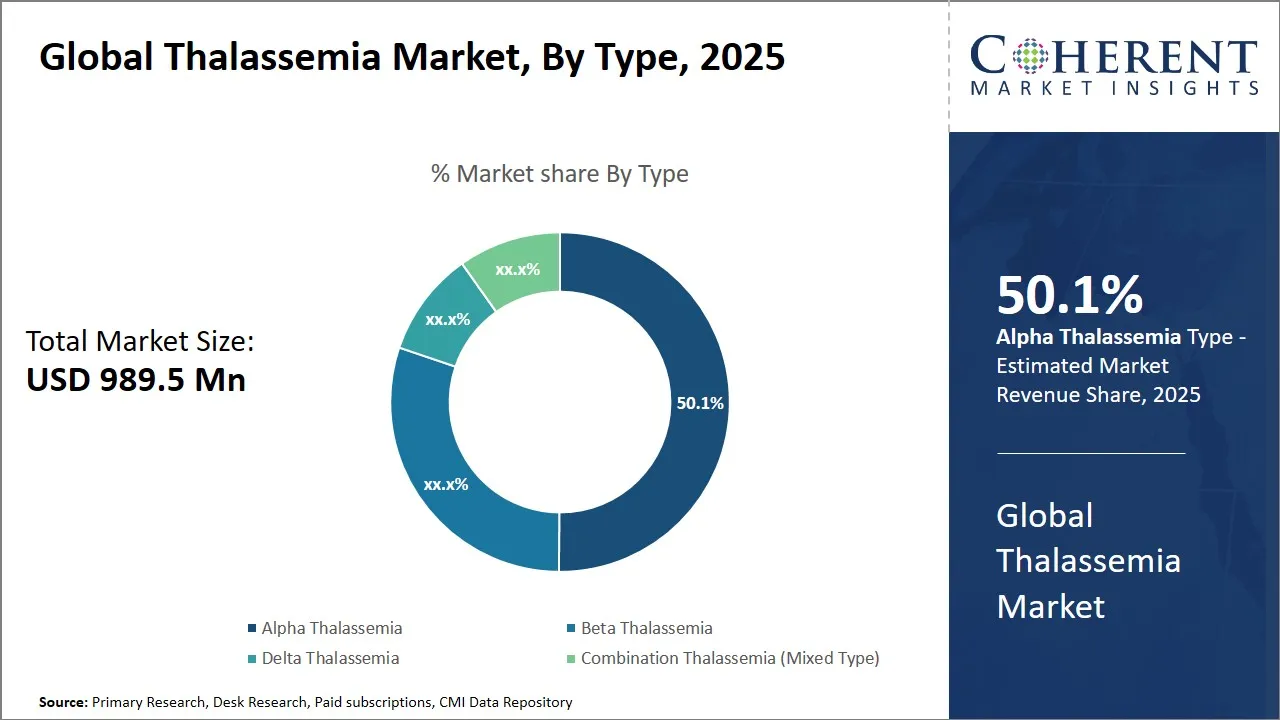
- The alpha thalassemia is expected to lead the global thalassemia market, accounting for 51.1 % of the market share in 2026.
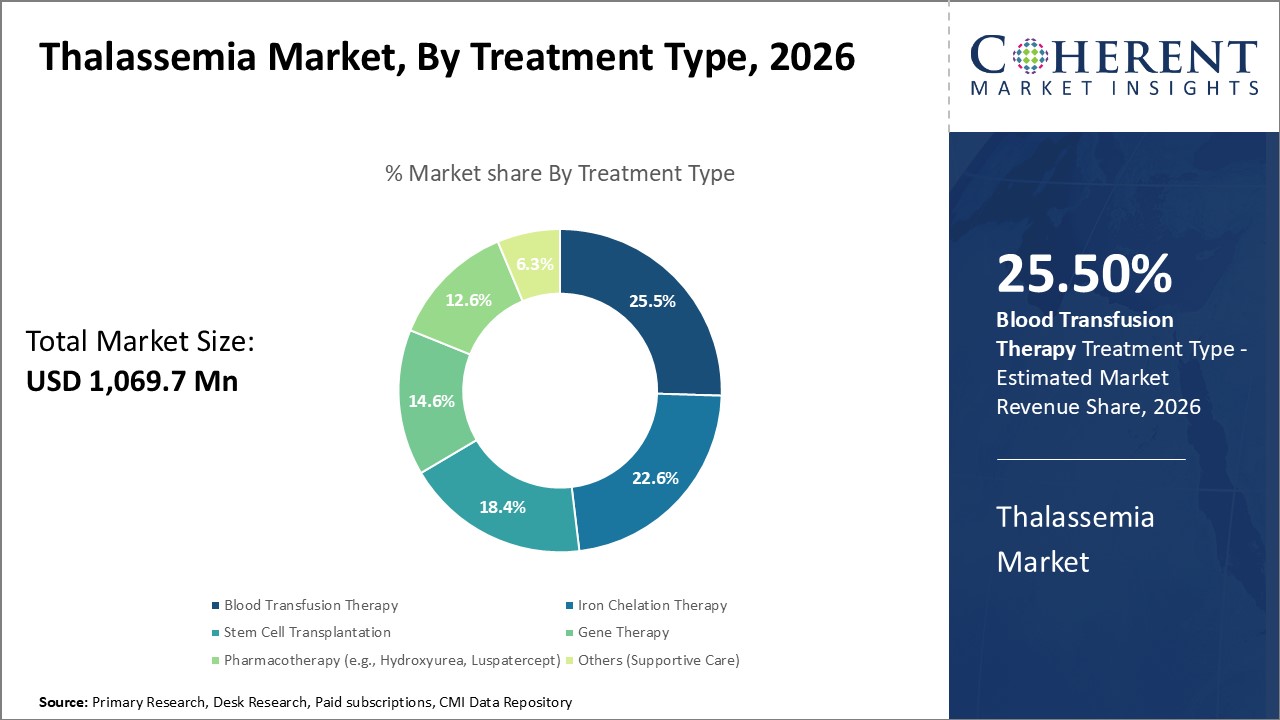
- In terms of treatment type, the blood transfusion therapy segment is the dominant approach, holding an estimated 25.5 % of the market share in 2026.
- The hospitals and clinics segment is projected to represent the largest end user segment, capturing 36.2 % of the market share in 2026.
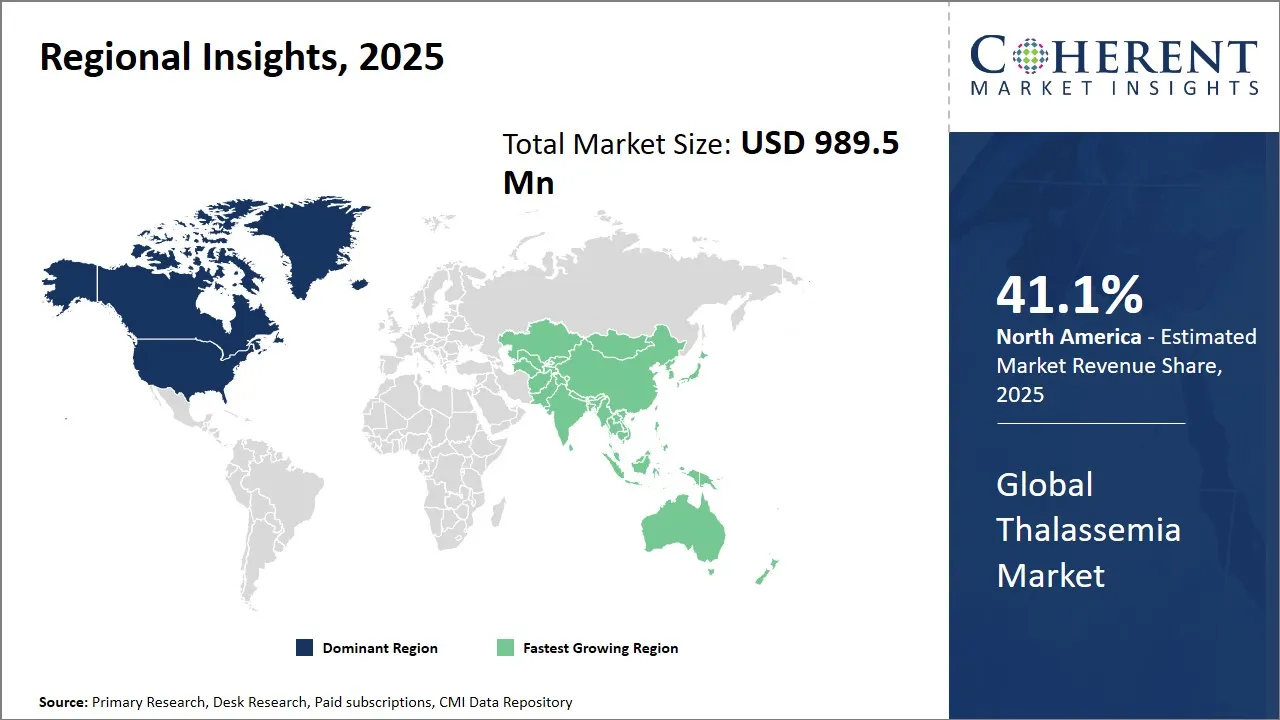
- North America is expected to lead the market, holding a share of 41.1 % in 2026. Asia Pacific is anticipated to be the fastest-growing region, with a market share of 24.3% in 2026.
Market Overview
Current market trends indicate a strong focus on research and development of cell and gene therapies and personalized medicine, aimed at offering curative treatments rather than just symptomatic relief. Additionally, growing investments in improving diagnostics, the introduction of non-invasive prenatal testing, and strategic collaborations among pharmaceutical companies and healthcare providers are shaping the competitive landscape. Increasing government initiatives and awareness campaigns further contribute to better disease management and expanded the market penetration globally.
Current Events and Its Impact
Current Events | Description and its Impact |
Advances in Gene Therapy and Curative Treatments |
|
Expansion of National Screening and Control Programs |
|
Segmental Insights
- Current Industry Events of 2026
- Market Size Estimation
- Regional Breakdown
- Competitive Landscape
- Customer Intelligence
- Segmental Analysis
- Pricing Analysis
- Key Market Drivers, Challenges & Future Trends
- Customized Insights Section
Thalassemia Market Insights, By Type - Alpha Thalassemia Contributes the Highest Share of the Market Owing to its Genetic Prevalence and Diagnostic Advancements
Alpha thalassemia is expected to dominate the global thalassemia market by type, primarily driven by its higher prevalence in various populations with a share of 51.1% in 2026, particularly in regions like Southeast Asia, the Mediterranean, and Africa. This genetic disorder arises from mutations or deletions in the alpha-globin genes, leading to deficient or absent alpha-globin chain production.
Several factors fuel the growth of this segment. First, increased awareness and genetic screening programs in high-prevalence countries have enabled early identification and better management of alpha thalassemia cases. Genetic counseling and prenatal diagnosis facilitate early intervention strategies, pushing the need for healthcare infrastructure and specialized treatments.
Thalassemia Market Insights, By Treatment Type - Blood Transfusion Therapy Leads the Treatment Segment Propelled by its Critical Role in Managing Anemia and Improving Patient Outcomes
Within the treatment type segment of the global thalassemia market, blood transfusion therapy is expected to hold the largest share with 25.5% in 2026, largely due to its essential role in the management of thalassemia patients, especially those with moderate to severe forms of the disease. Regular blood transfusions are critical for replenishing healthy red blood cells and alleviating the chronic anemia that thalassemia patients suffer from.
In January 2026, YolTech announced the launch of its clinical trial for YOLT-204, a novel in vivo gene editing therapy aimed at treating transfusion-dependent beta-thalassemia. This cutting-edge therapy utilizes gene-editing tools to target the root cause of the disease, offering a promising treatment option for patients.
Thalassemia Market Insights, By End User - Hospitals and Clinics Dominate the End User Segment Driven by Integrated Patient Care and Specialized Treatment Capabilities
Hospitals and clinics are the primary end user in the global thalassemia market, commanding the highest share with an estimated 36.2% in 2026, due to their central role in delivering comprehensive care to thalassemia patients. These healthcare settings provide an integrated approach that includes diagnosis, regular blood transfusions, iron chelation therapy administration, monitoring for complications, and access to supportive care services all under one roof.
The consolidation of services in hospitals and clinics offers key advantages that drive market preference. First, their multidisciplinary teams comprising hematologists, pediatricians, genetic counselors, and nursing staff enable coordinated management tailored to the complex needs of thalassemia patients.
Reimbursement Policies for Thalassemia Treatments
- In July 2024, the Cooley’s Anemia Foundation (CAF) introduced a travel assistance program aimed at alleviating the financial burden on Thalassemia patients. The program provides up to USD 500 in travel reimbursement for patients who require specialized care evaluations or extraordinary treatments at major treatment centers. With a yearly allocation of USD 30,000, the assistance is offered on a first-come, first-served basis, ensuring that more patients can access critical care without being hindered by travel expenses.
- In India, the government has been actively addressing Thalassemia through initiatives like the National Health Mission (NHM). As of March 2025, over USD 15.8 million people were screened for Thalassemia, identifying 50,462 carriers and 5,037 patients. Alongside prevention efforts, the government supports treatment access through the Thalassemia Bal Sewa Yojana (TBSY), which offers up to Rs. 10 lakh (approximately USD 12,000) in financial assistance for bone marrow transplants. This policy ensures that critical treatments are more accessible to those in need, further strengthening thalassemia care in India.
Regional Insights
North America Thalassemia Market Analysis and Trends
In North America, the dominance in the global thalassemia market is driven by a highly developed healthcare infrastructure with an estimated share of 41.1% in 2026, extensive government funding, and strong regulatory frameworks that support research and treatment of rare genetic disorders. The presence of well-established pharmaceutical companies and biotechnology firms specializing in gene therapies and blood disorder treatments creates a robust market ecosystem.
Additionally, proactive public health policies and screening programs in the United States and Canada encourage early diagnosis and comprehensive management of thalassemia, enhancing market demand. Notable companies such as Novartis, bluebird bio, and Pfizer have contributed significantly by advancing gene therapy innovations and offering novel pharmaceutical options, further consolidating the region's leading position.
Asia Pacific Thalassemia Market Analysis and Trends
Asia Pacific is expected to exhibit the fastest growth in the thalassemia market, attributed to a high prevalence of thalassemia patients with a share of 24.3% in 2026, increasing awareness, and improving healthcare infrastructure. Countries like India, China, and Southeast Asian nations are actively expanding genetic screening programs and access to advanced treatment options.
For instance, on July 20, 2024, CorrectSequence Therapeutics (Correctseq) cured its first overseas patient with transfusion-dependent β-thalassemia in Laos using CS-101, a base editing therapy. The patient has been transfusion-free for over two months, with stable hemoglobin levels, marking a breakthrough in gene therapy for Asia Pacific.
Global Thalassemia Market Outlook for Key Countries
U.S. Thalassemia Market Analysis and Trends
The U.S. thalassemia market benefits from a mature healthcare system with strong emphasis on genetic research and personalized medicine. Major companies such as bluebird bio have pioneered gene-editing therapies specifically for beta-thalassemia, driving innovation and treatment accessibility. Comprehensive insurance coverage and government-supportive policies ensure patients receive advanced but costly therapies, maintaining the nation’s competitive edge in thalassemia management.
In September 2026, UCLA scientists, led by gene therapy expert, Dr. Donald Kohn, advanced a potential cure for alpha thalassemia major, a severe blood disorder. This groundbreaking research, detailed in Cell Reports Medicine, aims to eliminate the need for lifelong blood transfusions and associated complications. The therapy involves collecting a patient's own blood stem cells, adding the missing alpha-globin gene, and then returning the corrected cells to the patient.
India Thalassemia Market Analysis and Trends
India thalassemia market is shaped by high prevalence and government-driven awareness programs aimed at early detection and prevention. The expanding network of diagnostic labs and public health interventions supports growth, while companies like Natco Pharma focus on producing cost-effective treatment options for the large patient base. Private sector participation is increasing, with partnerships forged to enhance therapy availability.
In June 2026, the Indian Council of Medical Research (ICMR) launched the country’s first national rare blood donor registry to support patients with rare blood types, especially those suffering from thalassemia and sickle cell disease. This initiative, developed by the National Institute of Immunohaematology (NIIH) in Mumbai, is integrated with the e-Raktakosh platform to streamline access to rare blood types and improve the efficiency of blood banks.
China Thalassemia Market Analysis and Trends
China continues to lead the Asia Pacific thalassemia market due to its substantial patient population and government investments in genetic disorder management. Increasing healthcare reforms promote accessibility to novel therapies, and companies such as Beijing Tide Pharmaceutical are developing innovative drug candidates. International collaborations enable technology exchange, while public health campaigns enhance awareness and screening.
In June 2026, a 19-year-old patient with severe β-thalassemia became the first person in China to be successfully cured through cell and gene therapy at Nansha Hospital, Guangzhou First Municipal People's Hospital. The patient, Xiao Zhi from Chengdu, had battled severe thalassemia since childhood and required regular blood transfusions.
U.K. Thalassemia Market Analysis and Trends
The U.K. thalassemia market thrives on an integrated healthcare system with strong NHS support for thalassemia patients. Prominent pharmaceutical firms, including Novartis and Pfizer, provide advanced pharmacological solutions, supported by robust clinical trial activity and government funding for rare diseases. The strategic focus on personalized treatments and genetic counseling services enhances patient outcomes.
In August 2024, the U.K.’s National Institute for Health and Care Excellence (NICE) approved the use of exagamglogene autotemcel (Casgevy) for treating transfusion-dependent beta-thalassemia (TDT) on the NHS. This CRISPR/Cas9 gene-editing therapy, developed by Vertex Pharmaceuticals, works by editing patients' blood stem cells to increase fetal hemoglobin production, significantly reducing or eliminating the need for transfusions.
Market Players, Key Developments, and Competitive Intelligence
Key Developments
- In August 2025, India launched a nationwide initiative to combat thalassemia, often referred to as the Thalassemia capital of the world due to the high number of affected children. The initiative, led by the Federation of Obstetric and Gynaecological Societies of India (FOGSI) and the Veha Foundation, aims to screen and prevent the condition early, allowing couples at risk to make informed decisions.
- In August 2025, Agios Pharmaceuticals announced that the Saudi Food and Drug Authority (SFDA) has approved PYRUKYND (mitapivat) for the treatment of adult patients with non-transfusion-dependent and transfusion-dependent alpha- or beta-thalassemia. This marks the first regulatory approval for PYRUKYND in thalassemia, a milestone for the company.
- In April 2025, Fortis Healthcare launched "Mission 2035," a nationwide initiative aimed at eliminating thalassemia in India by 2035. The movement kicked off with the Red Run to End Thalassemia, a public awareness event in Gurugram, which saw over 2,500 participants. Supported by actor Jackie Shroff, the mission seeks to raise awareness, promote early screening, and improve access to genetic counselling and treatment.
- In February 2025, Devyser launched the updated Devyser Thalassemia v2, a next-generation sequencing (NGS) solution designed to simplify genetic testing for thalassemia. The improved assay enhances precision in detecting structural variants, streamlines workflows, and provides rapid, comprehensive results with minimal hands-on time.
Top Strategies Followed by Global Thalassemia Market Players
- Market leaders who have established their positions spend a lot of money on research and development (R&D), so they can keep on producing high-quality therapeutic goods and advanced diagnostic equipment. Their commitment to the cutting-edge technology enables them to not only maintain their technological lead but also serve the thalassemia management's complex needs more efficiently. Companies having key positions in the market form strategic partnerships with original equipment manufacturers (OEMs) and biopharmaceutical companies to share expertise and speed up product development.
- In February 2025, a biotech company, Editas Medicine, announced that it had done with its investigational CRISPR gene-edited cell medicine, Reni-Cel, which had shown good results in curing transfusion-dependent beta-thalassemia. The research showed that the treatment was successful, and there was more hemoglobin produced, and thus, patients' transfusion dependency was significantly reduced.
- The thalassemia market's mid-level companies however go about their business in a different yet equally strategic way by emphasizing on providing economical solutions. The major objective of the companies is to get the most out of the product's quality and price, and thus, they are targeting the price-sensitive consumers who are mainly in the developing regions that have limited healthcare budgets. Market position of the mid-level players is then enhanced through regular partnerships with technology providers, contract manufacturers, or even regional distributors.
- One of the mid-level players in the thalassemia market is Biorasi, a clinical research organization that has teamed up with contract manufacturers to deliver low-cost clinical trial management services for gene therapy and so on.
- To a great extent, small-scale participants in the global thalassemia market maintain their position in the market by focusing on superior product characteristics and innovations that set them apart from their larger rivals. Besides, they can barely afford the costs involved, however, they always go for the latest technologies such as next-generation sequencing or innovative drug delivery systems to get the edge in the market.
- One of the small-scale players is Imara, Inc., a biopharmaceutical company concentrating on the development of innovative therapies for sickle cell disease and thalassemia.
Market Report Scope
Thalassemia Market Report Coverage
| Report Coverage | Details | ||
|---|---|---|---|
| Base Year: | 2025 | Market Size in 2026: | USD 1069.7 Mn |
| Historical Data for: | 2020 To 2024 | Forecast Period: | 2026 To 2033 |
| Forecast Period 2026 to 2033 CAGR: | 8.1% | 2033 Value Projection: | USD 1,845.1 Mn |
| Geographies covered: |
| ||
| Segments covered: |
| ||
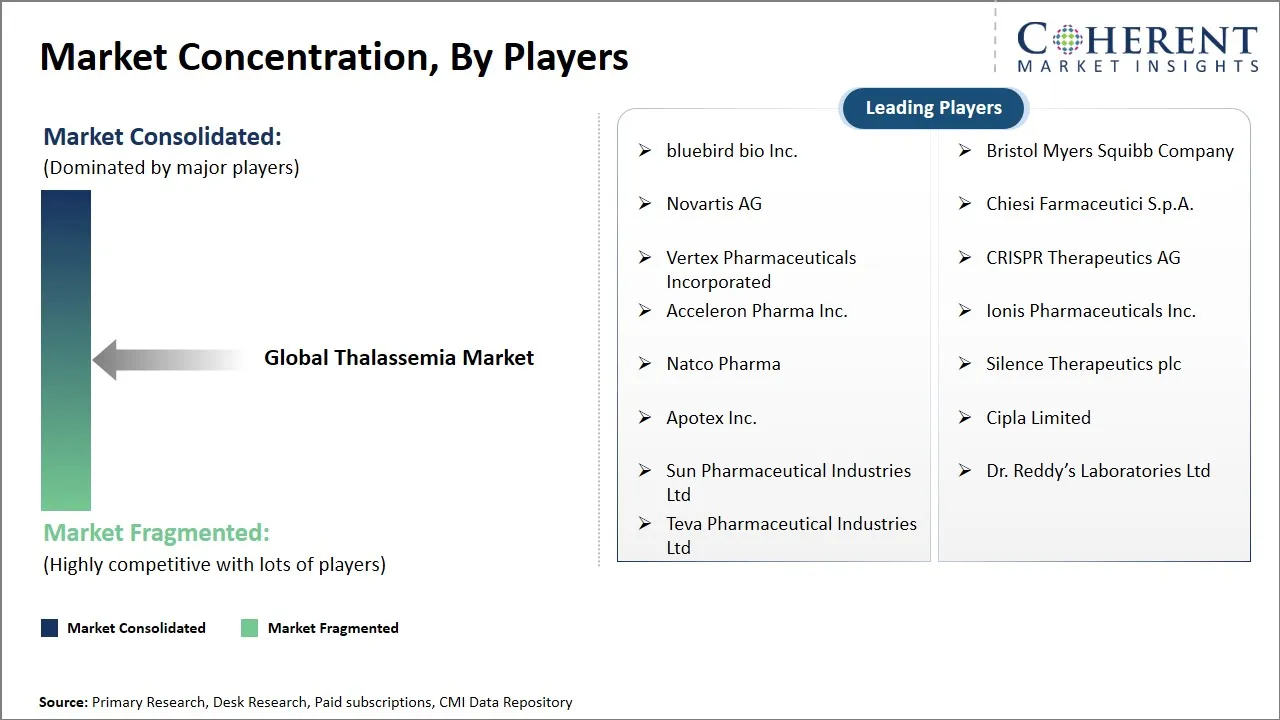
| Companies covered: | bluebird bio Inc., Bristol Myers Squibb Company, Novartis AG, Chiesi Farmaceutici S.p.A., Vertex Pharmaceuticals Incorporated, CRISPR Therapeutics AG, Acceleron Pharma Inc., Ionis Pharmaceuticals Inc., Natco Pharma, Silence Therapeutics plc, Apotex Inc., Cipla Limited, Sun Pharmaceutical Industries Ltd, Dr. Reddy’s Laboratories Ltd, and Teva Pharmaceutical Industries Ltd | ||
| Growth Drivers: |
| ||
| Restraints & Challenges: |
| ||
Thalassemia Market Dynamics
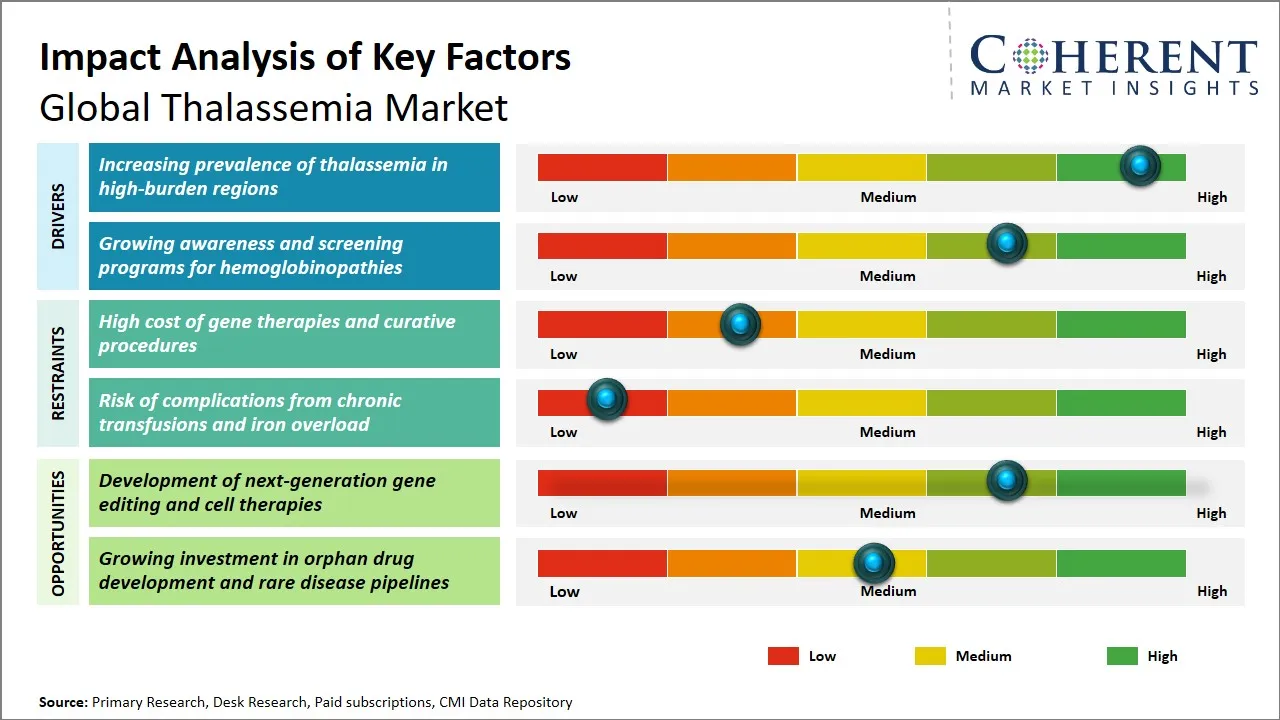
Thalassemia Market Driver - Increasing Prevalence of Thalassemia in High-Burden Regions
The increasing occurrence of thalassemia worldwide particularly in Southeast Asia, the Mediterranean, and the Middle East is one of the main factors that will drive the global thalassemia market. The affected population in these regions is on the increase due to genetic vulnerability, lack of knowledge, and not enough preventive measures, for example, carrier screening and genetic counseling. The constant occurrence of thalassemia major and intermedia in these communities makes it necessary to have diagnostic solutions, therapeutic interventions, and patient management programs that are comprehensive and continuous.
In November 2023, BGI Genomics released its 2023 Global State of Thalassemia Awareness Report, revealing that 5.2% of the global population carries hemoglobin abnormalities, leading to 300,000 to 400,000 children born with severe hemoglobinopathies each year. The report highlights that thalassemia is prevalent in regions like the Mediterranean, Africa, the Middle East, Southeast Asia, and southern China. Moreover, In July 2022, Vice President M. Venkaiah Naidu addressed the growing burden of thalassemia in India, highlighting that 10,000 to 15,000 babies are born with the condition each year.
Thalassemia Market Opportunity - Development of Next-Generation Gene Editing and Cell Therapies
The global thalassemia market is expected to grow rapidly as a result of the development of next-generation gene editing and cell therapies. The conventional treatment options for thalassemia such as blood transfusions and iron chelation therapy are aimed at alleviating symptoms but do not cure the disease thereby, making it even more important to find new and effective treatment solutions. The new technologies that are being developed such as CRISPR-Cas9 and other gene editing platforms are changing the industry by making it possible to accurately fix the genetic mutations that cause thalassemia. The new therapies that are being developed here are the ones that promise to cure a patient in one visit; hence the patient's quality of life could be greatly enhanced and the chronic management burden reduced to zero over a lifetime.
In September 2025, Vertex Pharmaceuticals announced a reimbursement agreement with Italy's Medicines Agency (AIFA) for CASGEVY, the first CRISPR/Cas9 gene therapy approved for transfusion-dependent beta thalassemia (TDT) and severe sickle cell disease (SCD) in patients 12 and older. Italy, with the largest TDT population in Europe, joins several countries in providing this transformative treatment, which has shown promise in reducing or eliminating blood transfusions and preventing VOCs.
Analyst Opinion (Expert Opinion)
- The thalassemia market is witnessing a growth trajectory primarily driven by innovations in gene therapies such as CRISPR that provide options other than the conventional therapies. The support of the regulatory authorities in the U.S. and Europe is stimulating the development of new products, while the increasing demand for personalized medicine and genetic testing is creating new opportunities for the market to grow. Nonetheless, the issue of affordability and access to care in economically backward areas still remains as a major challenge.
- Collaboration and policy advancements have been the results of global meetings like the International Conference on Thalassemia and Hemoglobinopathies. Early diagnosis and prenatal counseling services, which are the aims of the subsidies under the India’s Thalassemia Control Programme, are going to be a long way in determining the market's future by making the disease less prevalent.
Speak to the analyst
Want personalized insights?
Take the findings above to one of our principal consultants, or have the report rebuilt around the segments, geographies and competitors you actually track.
Market Segmentation
- Type Insights (Revenue, USD Mn, 2021 - 2033)
- Alpha Thalassemia
- Beta Thalassemia
- Delta Thalassemia
- Combination Thalassemia (Mixed Type)
- Treatment Type Insights (Revenue, USD Mn, 2021 - 2033)
- Blood Transfusion Therapy
- Iron Chelation Therapy
- Stem Cell Transplantation
- Gene Therapy
- Pharmacotherapy (e.g., Hydroxyurea, Luspatercept)
- Others (Supportive Care)
- End User Insights (Revenue, USD Mn, 2021 - 2033)
- Hospitals and Clinics
- Diagnostic Laboratories
- Research and Academic Institutions
- Specialty Treatment Centers
- Route of Administration Insights (Revenue, USD Mn, 2021 - 2033)
- Oral
- Parenteral
- Distribution Channel Insights (Revenue, USD Mn, 2021 - 2033)
- Hospital Pharmacies
- Retail Pharmacies
- Online Pharmacies
- Age Group Insights (Revenue, USD Mn, 2021 - 2033)
- Adult
- Pediatric
- Geriatric
- Regional Insights (Revenue, USD Mn, 2021 - 2033)
- North America
- U.S.
- Canada
- Latin America
- Brazil
- Argentina
- Mexico
- Rest of Latin America
- Europe
- Germany
- U.K.
- Spain
- France
- Italy
- Russia
- Rest of Europe
- Asia Pacific
- China
- India
- Japan
- Australia
- South Korea
- ASEAN
- Rest of Asia Pacific
- Middle East
- GCC Countries
- Israel
- Rest of Middle East
- Africa
- South Africa
- North Africa
- Central Africa
- North America
- Key Players Insights
- bluebird bio Inc.
- Bristol Myers Squibb Company
- Novartis AG
- Chiesi Farmaceutici S.p.A.
- Vertex Pharmaceuticals Incorporated
- CRISPR Therapeutics AG
- Acceleron Pharma Inc.
- Ionis Pharmaceuticals Inc.
- Natco Pharma
- Silence Therapeutics plc
- Apotex Inc.
- Cipla Limited
- Sun Pharmaceutical Industries Ltd
- Reddy’s Laboratories Ltd
- Teva Pharmaceutical Industries Ltd
Sources
Primary Research Interviews
- Industry Stakeholders: Haematology department heads, national haemoglobinopathy screening programme managers
- End Users: Transfusion-dependent thalassemia patients, genetic counsellors, families undergoing treatment
Government and International Databases
- WHO reports on haemoglobinopathies
- Global Burden of Disease (GBD) data
- National health registries for blood disorders
- European Surveillance for rare diseases
- Ministry of Health data on carrier screening
- UNICEF data on newborn screening
Trade Publications
- Healthcare bulletins on blood disorders
- Industry newsletters on genetic screening
- Transfusion journals on screening workflow
- White papers on iron-chelation therapies
- Clinical laboratory magazines
- PLOS ONE economic burden articles
Academic Journals
- "Thalassemia: Pathophysiology, Diagnosis" (MDPI)
- Sadiq IZ et al., on thalassemia epidemiology
- Cai A et al., on mutation distribution and economic burden
- Research on genetic screening and AI in thalassemia
- Studies on iron overload using MRI
- PLoS ONE on economic burden in Vietnam
Reputable Newspapers
- Times of India articles on thalassemia cases in India
- National coverage on gene therapy breakthroughs
- Regional coverage on blood donor issues for thalassemia
- Health‑section feature on carrier screening
- Press on reimbursement changes for treatments
Industry Associations
- Thalassemia International Federation (TIF)
- European Hematology Association (EHA)
- EuroBloodNet
- National thalassemia societies
- Transfusion service associations
- NGOs focused on thalassemia prevention
Public Domain Resources
- NCBI Bookshelf chapters on thalassemia management
- National guidelines on carrier screening
- Publicly accessible datasets on thalassemia prevalence
- Parliamentary documents on funding
- Public research datasets on thalassemia
Proprietary Elements
- CMI Data Analytics Tool: Proprietary analytics tool to analyze real-time market trends, consumer behavior, and technology adoption in market
- Proprietary CMI Existing Repository of Information for Last 8 Years
Get access to 250+ pages report
Every segment, forecast, competitor profile and data table behind the analysis above — available for instant download.
- ESOMAR Member
- ISO 9001:2015 Certified
- D-U-N-S Registered
- GDPR & CCPA Compliant
Missing comfort of reading report in your local language? Find your preferred language:
Transform your Strategy with Exclusive Trending Reports
Frequently Asked Questions
The global thalassemia market is estimated to be valued at USD 1069.7 Mn in 2026 and is expected to reach USD 1,845.1 Mn by 2033.
The CAGR of the global thalassemia market is projected to be 8.1% from 2026 to 2033.
Increasing prevalence of thalassemia in high-burden regions and growing awareness and screening programs for hemoglobinopathies are the major factors driving the growth of the global thalassemia market.
High cost of gene therapies and curative procedures and risk of complications from chronic transfusions and iron overload are the major factors hampering the growth of the global thalassemia market.
In terms of type, the alpha thalassemia segment is estimated to dominate the market revenue share in 2026.
bluebird bio-Inc., Bristol Myers Squibb Company, Novartis AG, Chiesi Farmaceutici S.p.A., Vertex Pharmaceuticals Incorporated, CRISPR Therapeutics AG, Acceleron Pharma Inc., Ionis Pharmaceuticals Inc., Natco Pharma, Silence Therapeutics plc, Apotex Inc., Cipla Limited, Sun Pharmaceutical Industries Ltd, Dr. Reddy’s Laboratories Ltd, and Teva Pharmaceutical Industries Ltd are the major players.
North America is expected to lead the global thalassemia market in 2026.