

Global Tinea Pedis Treatment Market Size and Forecast – 2026 to 2033
The global tinea pedis treatment market is estimated to be valued at USD 1.66 Bn in 2026 and is expected to reach USD 2.87 Bn by 2033, exhibiting a compound annual growth rate (CAGR) of 8.1% from 2026 to 2033. This steady growth is driven by the increasing prevalence of fungal infections worldwide and rising awareness about foot health. Expanding healthcare infrastructure and advancements in antifungal formulations further contribute to the market’s robust expansion over the forecast period.
Key Takeaways of the Global Tinea Pedis Treatment Market
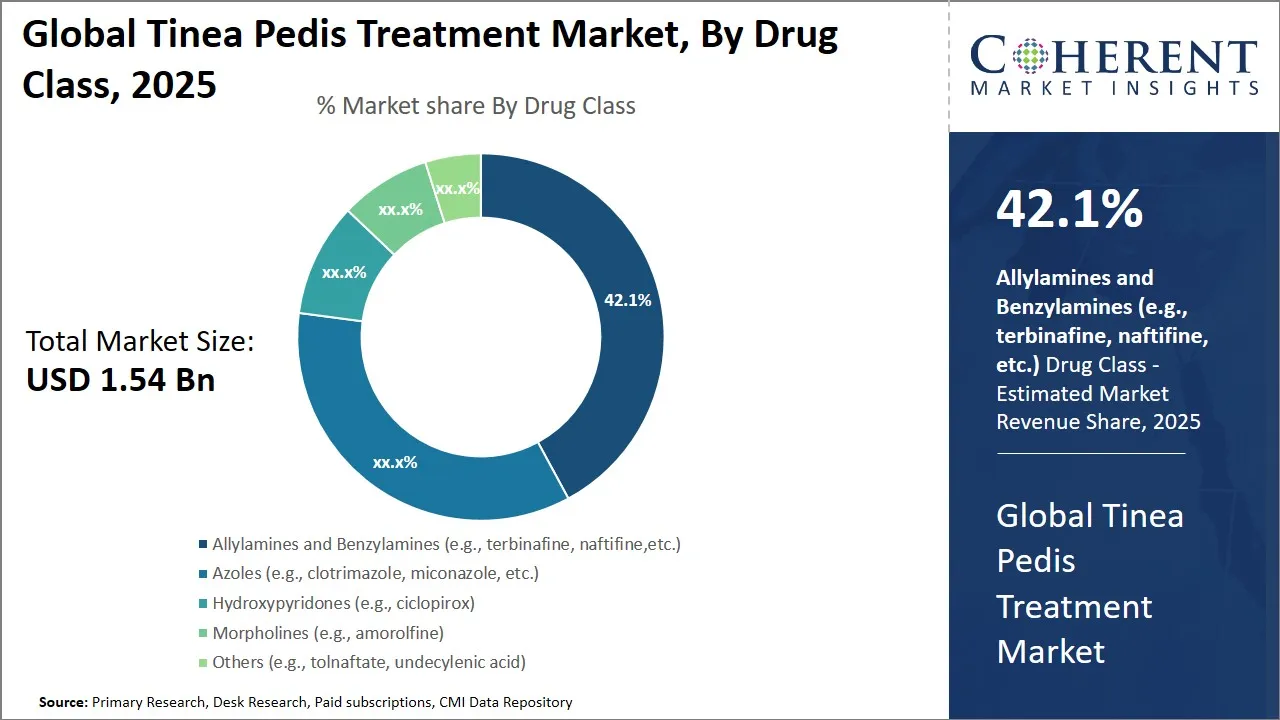
- In the drug class, allylamines and benzylamines (e.g., terbinafine, naftifine, etc.)is forecasted to hold a 43.1 % share in 2026.
- Within the route of administration, the topical segment is projected to lead with a 71.3 % share in 2026,
- While by formulation, creams and ointments are expected to account for 24.3 % of the market.
- North America is expected to lead the market, holding a share of 39.3 % in 2026. Asia Pacific is anticipated to be the fastest-growing region, with an estimated market share of 22.4% in 2026.
Market Overview
A current market trends indicate a strong focus on the development of novel and effective topical and oral antifungal therapies with improved efficacy and reduced side effects. Additionally, the growing popularity of natural and organic treatment options is shaping consumer preferences. Increasing adoption of preventive care measures and rising demand for over-the-counter products bolster the market dynamics. Technological innovations combined with strategic partnerships among pharmaceutical players are expected to drive sustained growth in the tinea pedis treatment market.
Currents Events and their Impact
Current Events | Description and its Impact |
Rising Antimicrobial Resistance (AMR) |
|
Expansion of Telehealth and Digital Health Platforms |
|
Segmental Insights
- Current Industry Events of 2026
- Market Size Estimation
- Regional Breakdown
- Competitive Landscape
- Customer Intelligence
- Segmental Analysis
- Pricing Analysis
- Key Market Drivers, Challenges & Future Trends
- Customized Insights Section
Tinea Pedis Treatment Market Insights, by Drug Class - Dominance of Allylamines and Benzylamines (e.g., terbinafine, naftifine, etc.) Driven by Superior Antifungal Efficacy and Patient Compliance
The Allylamines and Benzylamines (e.g., terbinafine, naftifine, etc.) segment is projected to account for 43.1% share in 2026. This segment has been able to command a huge market share mainly due to the high antifungal activity exhibited by these agents. Allylamines and benzylamines address an essential enzyme of fungal cell membrane production squalene epoxidase leading to a rapid cell death and successful elimination of the dermatophytes causing tinea pedis.
The other major aspect that has contributed to domination of the market by allylamines and benzylamines is their good safety profile and minimal side effects. These topical agents usually exhibit low absorption via the bloodstream, and thus they are a good option to patients and medical practitioners, particularly in the treatment of local infection., For Example, According to a study published in the Journal of the European Academy of Dermatology and Venereology, Novartis’ single-dose terbinafine 1% film-forming solution (Lamisil) proved effective in treating tinea pedis, achieving a 72% cure rate at week 6, delivering rapid symptom relief, and showing low relapse rates, positioning it as a safe and convenient alternative to extended treatment courses.
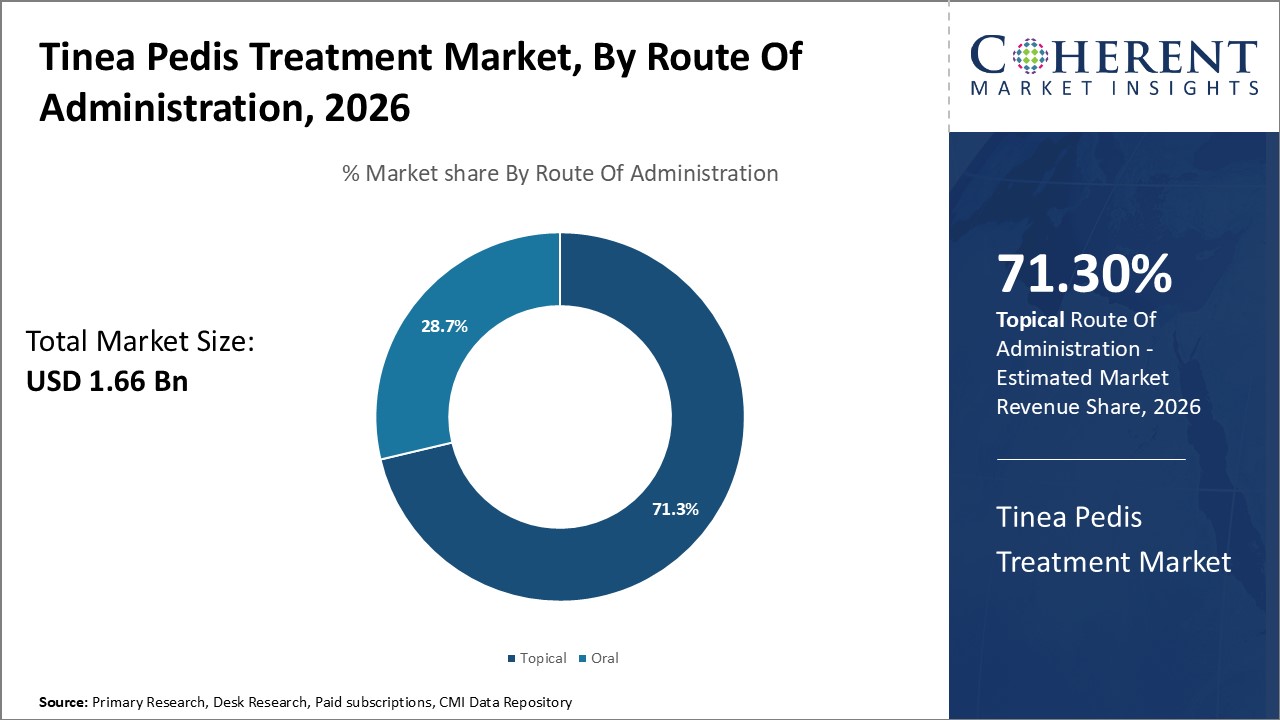
Tinea Pedis Treatment Market Insights, by Route of Administration - Prevailing Use of the Topical Segment can be Attributed to Ease of Application and Targeted Treatment
In the tinea pedis treatment market, the topical segment is projected to account for the highest market share with 71.3% in 2026, because topical therapy proves convenient and effective in localized fungus treatment. As a superficial skin infection of the feet, tinea pedis is the most susceptible to topical therapy, where direct contact with the tissues is possible to absorb antifungal medications, resulting in higher localization of the drug, and low exposure to the body.
The convenience of the topical treatments is also important to their use. Topical medications are favored by patients because they can be given independently without the supervision of a medical professional or elaborate dosages. This makes the treatment regimens easier and promotes compliance which is vital in disorders that require extended use to avoid relapse.
Tinea Pedis Treatment Market Insights, by Formulation - Dominance of Creams and Ointments Segment is Due to its Optimal Drug Delivery and Patient Acceptability
The creams and ointments segment is expected to capture 24.3% share in 2026, due to their ability to be used in treating the patients with better drug delivery features and also due to their acceptable quality by the patients. Creams and ointments are an ideal balance between hydration and occlusion, which promotes increased penetration of antifungal drugs through the stratum corneum, which is vital to reaching therapeutic drug levels at a site of fungal infection.
Another reason that deserves to be mentioned in respect to the great popularity of these formulations is that they are easy to apply and they can be utilized in many different ways. Creams usually have a non-greasy aesthetically pleasing feeling which the patients are comfortable with applying in their day to day lives to ensure they stick to the course of treatment. Due to its occlusive properties, ointments create a moist environment which can aid in skin healing, and prevents external contaminants to worsen the infection.
Regional Insights
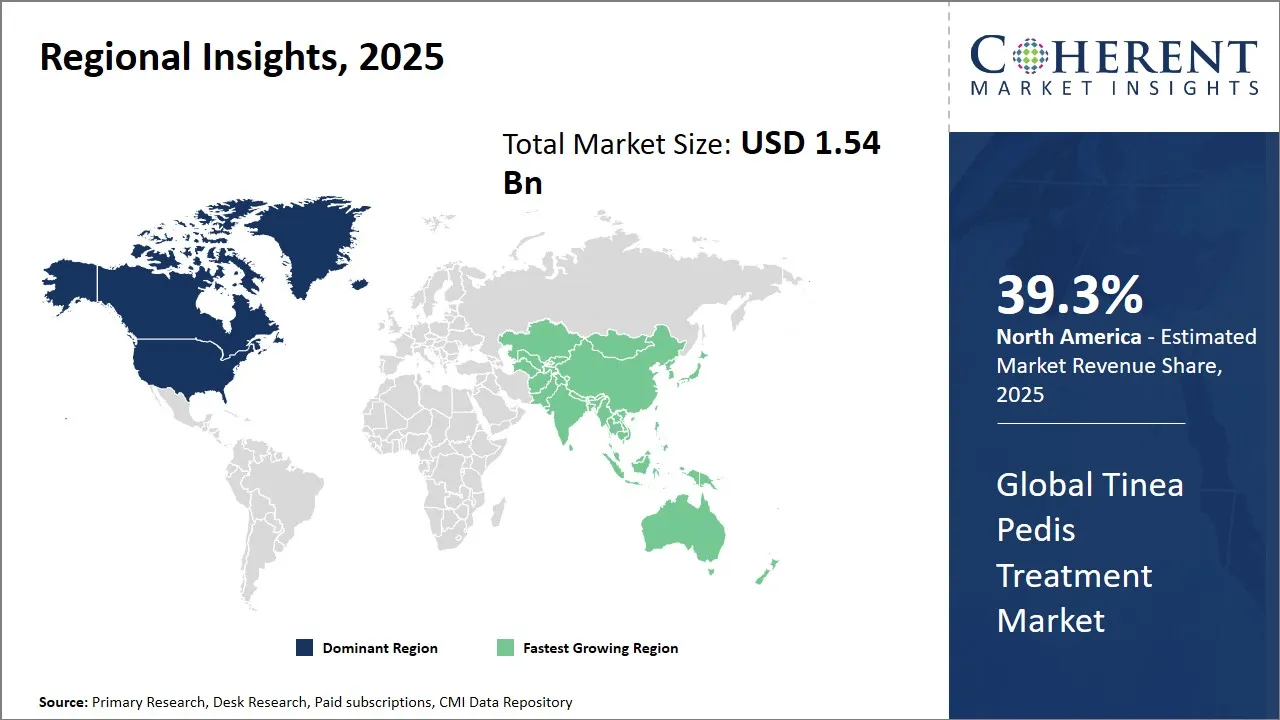
North America Tinea Pedis Treatment Market Analysis and Trends
The market leadership of tinea pedis treatment in North America may be explained by the developed healthcare system where it holds an estimated market share of 39.3% in 2026, the popularity of knowledge about fungal diseases, and high expenditure of healthcare products. Advanced pharmaceutical firms like Pfizer, Johnson & Johnson and GlaxoSmithKline are present, which is a contribution to the product innovation and availability. Moreover, strict regulatory measures by the U.S. FDA guarantee good and safe antifungal remedies, enhancing the consumer confidence.
In April 2024, the U.S. Centers for Disease Control and Prevention, the national public health agency, updated its guidance on Tinea Pedis Treatment and other ringworm infections. It highlighted that antifungal drugs such as clotrimazole from Bayer AG a global healthcare company, terbinafine marketed as Lamisil by Novartis AG a leading pharmaceutical group, and fluconazole developed by Pfizer Inc a multinational drugmaker remain effective when applied or taken as directed.
Asia Pacific Tinea Pedis Treatment Market Analysis and Trends
The Asia Pacific region has the highest growth in the tinea pedis treatment market due to rising awareness about this condition, accounting for an estimated 22.4% share in 2026, better healthcare infrastructure, and rising urbanization. The high rate of economic growth in such nations as China and India has caused the increased affordability and accessibility of healthcare services and products. Due to the emergence of e-commerce platforms and the growth of pharmaceutical production centres, the treatments are now more accessible both in urban and rural locations.
The use of government interventions to enhance health care structures, improve awareness campaigns against diseases, and promote the manufacture of pharmaceuticals in the country further boosts the market growth. It is worth mentioning that such companies as Cipla, Dr. Reddy Laboratories, and Taisho Pharmaceutical have a central role in increasing the availability and affordability of products in the region.
Tinea Pedis Treatment Market Outlook for Key Countries
U.S. Tinea Pedis Treatment Market Analysis and Trends
The U.S. tinea pedis treatment market enjoys robust support from its advanced pharmaceutical ecosystem with major players. The country benefits from a strong regulatory environment and a high level of health insurance coverage, which improves patient access to treatment. Retail expansions through pharmacies and online sales platforms enhance distribution channels, making products widely available. Public health campaigns emphasize hygiene and early treatment, increasing consumer awareness of tinea pedis and other fungal infections.
Pfizer Inc, a leading global pharmaceutical company, plays a key role in antifungal drug innovation with a strong pipeline and established products like fluconazole. Johnson & Johnson, one of the largest healthcare conglomerates, supports the dermatology and consumer health segments through OTC antifungal products and large-scale distribution networks across pharmacies and online platforms.
Germany Tinea Pedis Treatment Market Analysis and Trends
Germany tinea pedis treatment market is characterized by a well-organized healthcare system and rigorous regulatory standards upheld by bodies like the Federal Institute for Drugs and Medical Devices (BfArM). Renowned pharmaceutical companies such as Bayer and Boehringer Ingelheim are key contributors, focusing on R&D and effective formula innovations. The country’s healthcare policies promote early diagnosis and treatment, supported by strong insurance frameworks that facilitate product reimbursement. Germany’s strategic location and trade agreements also enable it to serve as a pharmaceutical hub within the European region.
Bayer AG, a multinational headquartered in Leverkusen, is a recognized leader in antifungal OTC solutions such as clotrimazole creams and sprays. Boehringer Ingelheim, one of the largest family-owned pharmaceutical companies, contributes through research partnerships and innovations in dermatological formulations, supporting Germany’s robust healthcare ecosystem.
China Tinea Pedis Treatment Market Analysis and Trends
China continues to lead as a major driver in the Asia Pacific tinea pedis treatment market, propelled by the increasing urbanization and growing health consciousness among the population. Domestic giants like Yunnan Baiyao and Shanghai Pharma dominate the market by supplying both traditional and modern antifungal medications. Government policies encouraging self-care and the expansion of healthcare infrastructure enhance accessibility. The rise of digital healthcare platforms and e-commerce accelerates product reach, especially in tier 2 and tier 3 cities, while partnerships with multinational companies help integrate advanced formulations into local markets.
Yunnan Baiyao, a leading Chinese healthcare company, combines traditional medicine with modern antifungal drugs, while Shanghai Pharmaceuticals dominates distribution and supplies both generics and branded formulations. Both firms also expand reach through e-commerce and partnerships with multinationals.
Brazil Tinea Pedis Treatment Market Analysis and Trends
Brazil tinea pedis treatment market is shaped by a developing healthcare infrastructure and rising public awareness about fungal infections amid a tropical climate conducive to tinea pedis prevalence. Local and multinational companies such as EMS and Novartis actively participate, focusing on affordability and availability. Government health programs aimed at improving sanitation and hygiene indirectly support market growth. However, regulatory complexities and import tariffs present challenges that manufacturers navigate through local production arrangements and strategic alliances to improve market penetration.
EMS, Brazil’s largest domestic pharma company, focuses on affordable antifungal generics for broad access. Novartis, the Swiss multinational, supports with advanced formulations and affordability programs. Together they strengthen local presence through production partnerships and strategic alliances.
End User Feedback and Unmet Needs for the Global Tinea Pedis Treatment Market
- The value of solutions that act quickly and are readily available is a consistent theme with end user feedback in the global tinea pedis treatment market. Topical terbinafine creams and sprays are usually mentioned as the most commonly used and satisfactory with patients and medical professionals, as they provide noticeable symptom relief in a little time frame, and are readily accessible at the pharmacy and online stores. This has enhanced compliance especially among the young urban consumers who believe in a fast recovery process and minimal inconvenience to regular lifestyles. The use of film-forming topical solutions with a good response is one good example in which patients can wear footwear comfortably, and both functional and lifestyle needs can be met. These innovations indicate the increasing preference to user-friendly styles of information that is relevant to the busy and active lifestyles.
- Meanwhile, the same issues keep coming up highlighting where the market has yet to establish itself. Often, end users cite increasing cost of branded antifungal preparations as an impediment to regular access, especially in emerging markets with the high out-of-pocket spending on healthcare. There is also frustration with recurrence in industrial and athletic groups who comment on the absence of preventive solutions that are not limited to short-term treatments. The need to have cheaper generics, preventive care products of a greater duration, and combined education on hygiene practices to reduce reinfection is apparent. Closing these gaps would both increase user trust and allow manufacturers to increase their presence into underserved areas, create differentiated product lines, and develop collaborative partnerships with policymakers around public health programs that integrate both treatment and prevention.
Market Players, Key Developments, and Competitive Intelligence
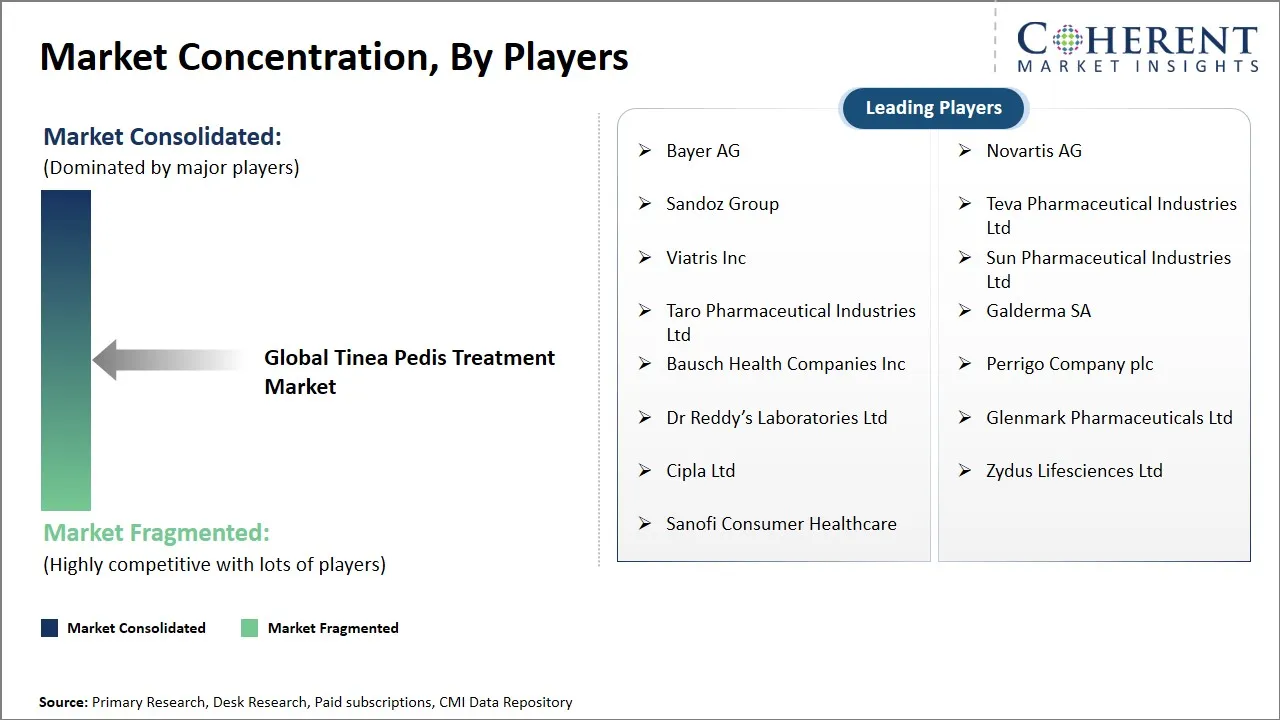
Key Developments
- In June 2025, Propedix, a dermatology-focused company known for developing accessible skin health solutions, is preparing to launch its flagship over-the-counter product, Dryello, a targeted treatment for Athlete’s Foot (tinea pedis). Designed to both treat and prevent recurrence, Dryello reflects the firm’s commitment to scientific rigor and everyday dermatological wellness.
- In July 2024, a study led by Professor Yoshimasa Nobeyama at the Jikei University School of Medicine in Tokyo, Japan a leading academic institution in dermatology research, has uncovered a concerning link between tinea pedis (athlete’s foot) and the onset of plantar melanoma, a rare but serious form of skin cancer affecting the sole.
- In June 2024, NYU Langone Health, one of the top U.S. academic medical centers, published research documenting the first U.S. case of Trichophyton mentagrophytes type VII (TMVII) and rising terbinafine-resistant T. indotineae infections. These findings underscore the growing challenge of antifungal resistance in dermatophytosis and the urgent need for new treatment approaches.
- In January 2021, DermBiont, a biotechnology company specializing in skin microbiome-based therapeutics, released positive Phase 2 data for its investigational drug DBI-001 in both tinea pedis and atopic dermatitis. In a Phase 2b trial for tinea pedis, once-daily topical application over 28 days significantly reduced T. rubrum levels, improved symptoms, and showed no safety concerns.
Top Strategies Followed by Global Tinea Pedis Treatment Market Players
- Established players dominate the market by investing heavily in research and development (R&D), striving to innovate high-performance products that offer superior efficacy and patient compliance. These companies focus on developing novel formulations, delivery mechanisms, and combination therapies that provide enhanced results while minimizing side effects. Moreover, strategic partnerships with major industry players or original equipment manufacturers (OEMs) enable these incumbents to pool resources, leverage technological expertise, and accelerate product development cycles.
- Companies such as Bayer AG, Novartis AG, and Sanofi Consumer Healthcare represent established leaders in the tinea pedis treatment market. Bayer has a strong presence in over-the-counter antifungal products like Canesten, while Novartis and Sanofi leverage robust R&D pipelines and global distribution channels to maintain dominance.
- Mid-level market players in the tinea pedis treatment market primarily concentrate on delivering cost-effective solutions that appeal to price-sensitive consumers without compromising on product quality. By balancing affordability with acceptable efficacy, these firms tap into demographic segments that are underserved by premium product offerings. To enhance their market position, mid-sized companies often engage in strategic collaborations with research organizations, contract manufacturing firms, and technology providers.
- Companies like Glenmark Pharmaceuticals, Dr. Reddy’s Laboratories, and Sun Pharmaceutical Industries are prominent mid-tier players focusing on affordable yet effective antifungal solutions. Glenmark has launched multiple cost-competitive dermatology formulations, while Dr. Reddy’s emphasizes generic antifungal creams for widespread access. Sun Pharma strengthens its position by collaborating with contract manufacturers and R&D partners to develop and distribute lower-cost alternatives that balance quality and price.
- Small-scale players in the global tinea pedis treatment market strategically carve out specific niches by emphasizing unique product attributes or pioneering innovative therapeutic options. These companies frequently adopt cutting-edge technologies such as natural or herbal extracts, nanotechnology-based delivery, or bioenhancers to create differentiated treatment solutions that address unmet clinical needs or consumer preferences.
- Smaller innovators such as Taro Pharmaceutical Industries, Zydus Lifesciences, and Perrigo Company focus on niche approaches and unique attributes in tinea pedis care. Taro, a dermatology-focused firm under Sun Pharma, often pioneers topical formulations tailored to dermatophyte infections. Zydus Lifesciences is investing in herbal and nanotechnology-based antifungal solutions.
Market Report Scope
Tinea Pedis Treatment Market Report Coverage
| Report Coverage | Details | ||
|---|---|---|---|
| Base Year: | 2025 | Market Size in 2026: | USD 1.66 Bn |
| Historical Data for: | 2020 To 2024 | Forecast Period: | 2026 To 2033 |
| Forecast Period 2026 to 2033 CAGR: | 8.1% | 2033 Value Projection: | USD 2.87 Bn |
| Geographies covered: |
| ||
| Segments covered: |
| ||
| Companies covered: | Bayer AG, Novartis AG, Sandoz Group, Teva Pharmaceutical Industries Ltd, Viatris Inc, Sun Pharmaceutical Industries Ltd, Taro Pharmaceutical Industries Ltd, Galderma SA, Bausch Health Companies Inc, Perrigo Company plc, Dr Reddy’s Laboratories Ltd, Glenmark Pharmaceuticals Ltd, Cipla Ltd, Zydus Lifesciences Ltd, and Sanofi Consumer Healthcare | ||
| Growth Drivers: |
| ||
| Restraints & Challenges: |
| ||
Tinea Pedis Treatment Market Dynamics
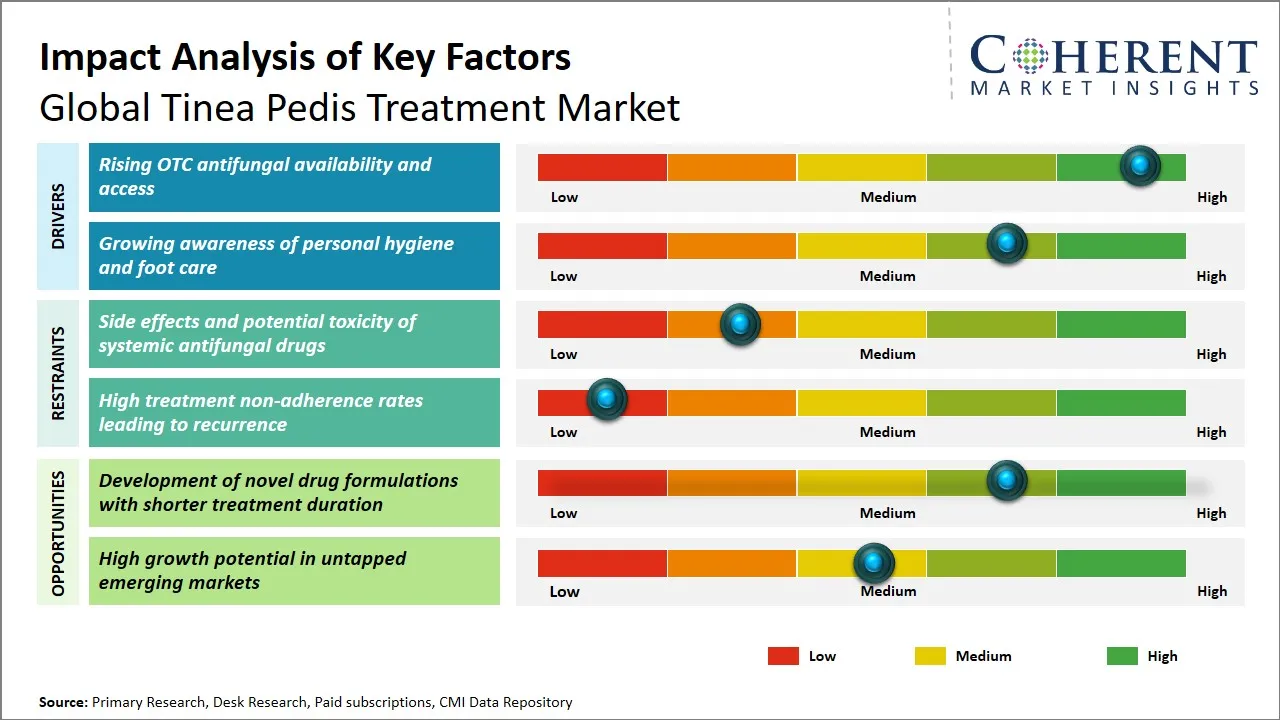
Tinea Pedis Treatment Market Driver - Rising OTC Antifungal Availability and Access
The growing accessibility and availability of non-prescription antifungal agents has greatly boosted the world market of tinea pedis treatment. Due to factors like convenience, cost-effectiveness and privacy, the move towards self-medication is especially pronounced, since the level of awareness about foot fungal infections among consumers is increasing. A variety of over the counter antifungal creams, sprays, powders, and ointments are now widely available in pharmacies, supermarkets, online, meaning that people can now easily access timely treatment without the need to have a medical prescription. The spread of these readily available goods does not only assist in early treatment of tinea pedis but also lessens the weight on the health care providers.
In June 2025, the World Health Organization warned about a surge in drug-resistant ringworm infections affecting over 650 million people worldwide with tinea pedis and tinea capitis spreading fast in schools and workplaces. Bayer AG a global healthcare company active in dermatology continues expanding its antifungal portfolio to address resistant strains while Novartis AG a major pharmaceutical firm focuses on innovative oral antifungals for severe cases. Sanofi Consumer Healthcare with strong OTC brands is driving awareness campaigns to encourage early use of topical solutions.
Tinea Pedis Treatment Market Opportunity - Development of Novel Drug Formulations with Shorter Treatment Duration
The global tinea pedis treatment market offers great opportunity by coming up with new formulations of drugs with shorter treatment cycles. Existing therapeutic regimens to treat tinea pedis may necessitate a lengthy application time, thus causing problems like decreased patient compliance, abandonment of treatment, and possible recurrence of infection. Pharmaceutical technology advances are designed to develop more powerful antifungal agents and improved delivery technologies that will hasten the destruction of fungi, therefore reducing the total course of treatment. These developments not only increase patient compliance, but also enhance therapeutic outcome, which is extremely appealing to both caregivers and patients.
In February 2025, researchers from the Journal of Drug Delivery Science and Technology reported the successful development of a novel luliconazole transferosomal gel designed for enhanced antifungal delivery against tinea pedis, tinea cruris, and tinea corporis. Abhishek Nidbane and team at Savitribai Phule Pune University, a leading Indian academic institution in pharmaceutical sciences, synthesized transferosomes using lecithin and tween 80 that showed high entrapment efficiency, sustained release, and potent antifungal effects.
Analyst Opinion (Expert Opinion)
- The market of tinea pedis treatment is rapidly growing due to the ever-increasing demand and awareness regarding fungal infections due to the presence of highly effective topical allylamines and azoles. Formulation technology including sprays, lacquers and powders that have enhanced adhesion and are patient-friendly are enhancing treatment, and contributing to consumer preference of OTC products. The increasing rates of incidences amongst sportspeople, army and industrial employees are strengthening the demand, whereas the online, e-commerce platforms are providing new channels of distribution. There are however still difficulties to face such as recurrence due to frequent misuse of OTC antifungals, pressure on pricing by generics and misdiagnosis delays appropriate treatment. There is an increasing opportunity in combination regimens, digital adherence tools and newer classes of antifungals that can address the resistance issue.
- To this end, conferences and forums like the International Congress of Dermatology, European Academy of Dermatology and Venereology (EADV) Congress and the World Congress of Fungal Infections have helped in the clinical discourse of fungal foot diseases and also have pointed out policy and research directions. On-the-ground efforts comprise Novartis and generic pharmaceutical companies increasing the supply of terbinafine in Asia and government-sponsored hygiene education in Europe and Asia Pacific on the awareness of athlete foot and infections. It is anticipated that such programs and industry-driven partnerships will provide a more organized market environment that will help to bridge knowledge gaps and also strengthen the implementation of both preventive and therapeutic solutions.
Speak to the analyst
Want personalized insights?
Take the findings above to one of our principal consultants, or have the report rebuilt around the segments, geographies and competitors you actually track.
Market Segmentation
- Drug Class Insights (Revenue, USD Bn, 2021 - 2033)
- Allylamines and Benzylamines (e.g., terbinafine, naftifine, etc.)
- Azoles (e.g., clotrimazole, miconazole, etc.)
- Hydroxypyridones (e.g., ciclopirox)
- Morpholines (e.g., amorolfine)
- Others (e.g., tolnaftate, undecylenic acid)
- Route of Administration Insights (Revenue, USD Bn, 2021 - 2033)
- Topical
- Oral
- Formulation Insights (Revenue, USD Bn, 2021 - 2033)
- Creams and Ointments
- Sprays
- Powders
- Gels
- Tablets
- Capsules
- Solution
- Prescription Type Insights (Revenue, USD Bn, 2021 - 2033)
- Over-the-counter (OTC)
- Prescription (Rx)
- Age Group Insights (Revenue, USD Bn, 2021 - 2033)
- Pediatric
- Adult
- Infection Type Insights (Revenue, USD Bn, 2021 - 2033)
- Interdigital
- Moccasin (chronic hyperkeratotic)
- Vesiculobullous
- Ulcerative
- Distribution Channel Insights (Revenue, USD Bn, 2021 - 2033)
- Hospital Pharmacies
- Retail Pharmacies
- Online Pharmacies
- End User Insights (Revenue, USD Bn, 2021 - 2033)
- Hospitals
- Dermatology Clinics
- Homecare Settings
- Outpatient/Primary care
- Regional Insights (Revenue, USD Bn, 2021 - 2033)
- North America
- U.S.
- Canada
- Latin America
- Brazil
- Argentina
- Mexico
- Rest of Latin America
- Europe
- Germany
- U.K.
- Spain
- France
- Italy
- Russia
- Rest of Europe
- Asia Pacific
- China
- India
- Japan
- Australia
- South Korea
- ASEAN
- Rest of Asia Pacific
- Middle East
- GCC Countries
- Israel
- Rest of Middle East
- Africa
- South Africa
- North Africa
- Central Africa
- North America
- Key Players Insights
- Bayer AG
- Novartis AG
- Sandoz Group
- Teva Pharmaceutical Industries Ltd
- Viatris Inc
- Sun Pharmaceutical Industries Ltd
- Taro Pharmaceutical Industries Ltd
- Galderma SA
- Bausch Health Companies Inc
- Perrigo Company plc
- Dr Reddy’s Laboratories Ltd
- Glenmark Pharmaceuticals Ltd
- Cipla Ltd
- Zydus Lifesciences Ltd
- Sanofi Consumer Healthcare
Sources
Primary Research Interviews
Industry Stakeholders list
- Dermatologists specializing in fungal infections
- Hospital procurement managers
End Users List
- Community pharmacists
- Patients with recurrent fungal infections
Government and International Databases
- U.S. Food and Drug Administration (FDA)
- European Medicines Agency (EMA)
- Centers for Disease Control and Prevention (CDC)
- World Health Organization (WHO)
- Indian Council of Medical Research (ICMR)
- National Health Service (NHS, UK)
Trade Publications
- Pharmaceutical Technology
- Drug Development & Delivery
- Pharma Times
- The Pharmaceutical Journal
- Medscape Dermatology News
- Scrip Pharma Intelligence
Academic Journals
- Journal of the American Academy of Dermatology (JAAD)
- Mycoses (Wiley)
- Clinical Infectious Diseases (CID)
- Journal of Antimicrobial Chemotherapy
- Medical Mycology
- International Journal of Dermatology
Reputable Newspapers
- The New York Times – Health Section
- The Guardian – Health and Science
- The Washington Post – Health
- The Times of India – Health
- The Japan Times – Science & Health
- Financial Times – Healthcare
Industry Associations
- American Academy of Dermatology (AAD)
- British Association of Dermatologists (BAD)
- International Society for Human and Animal Mycology (ISHAM)
- European Academy of Dermatology and Venereology (EADV)
- Infectious Diseases Society of America (IDSA)
- Global Action Fund for Fungal Infections (GAFFI)
Public Domain Resources
- OpenWHO (WHO training resources)
- U.S. National Library of Medicine (NLM)
- Europe PMC
- Directory of Open Access Journals (DOAJ)
Proprietary Elements
- CMI Data Analytics Tool: Proprietary analytics tool to analyze real-time market trends, consumer behavior, and technology adoption in market
- Proprietary CMI Existing Repository of Information for Last 8 Years
Get access to 250+ pages report
Every segment, forecast, competitor profile and data table behind the analysis above — available for instant download.
- ESOMAR Member
- ISO 9001:2015 Certified
- D-U-N-S Registered
- GDPR & CCPA Compliant
Missing comfort of reading report in your local language? Find your preferred language:
Transform your Strategy with Exclusive Trending Reports
Frequently Asked Questions
The global tinea pedis treatment market is estimated to be valued at USD 1.66 Bn in 2026 and is expected to reach USD 2.87 Bn by 2033.
The CAGR of the global tinea pedis treatment market is projected to be 8.1% from 2026 to 2033.
Rising OTC antifungal availability and access and growing awareness of personal hygiene and foot care are the major factors driving the growth of the global tinea pedis treatment market.
Side effects and potential toxicity of systemic antifungal drugs and high treatment non-adherence rates leading to recurrence are the major factors hampering the growth of the global tinea pedis treatment market.
In terms of drug class, the allylamines and benzylamines (e.g., terbinafine, naftifine, etc.) segment is estimated to dominate the market revenue share in 2026.
Bayer AG, Novartis AG, Sandoz Group, Teva Pharmaceutical Industries Ltd, Viatris Inc, Sun Pharmaceutical Industries Ltd, Taro Pharmaceutical Industries Ltd, Galderma SA, Bausch Health Companies Inc, Perrigo Company plc, Dr Reddy’s Laboratories Ltd, Glenmark Pharmaceuticals Ltd, Cipla Ltd, Zydus Lifesciences Ltd, and Sanofi Consumer Healthcare are the major players.
North America is expected to lead the global tinea pedis treatment market in 2026.