

Global Veterinary API Market Size and Forecast – 2026 to 2033
According to Coherent Market Insights, the global veterinary API market is estimated to be valued at USD 9.97 Bn in 2026 and is expected to reach USD 16.43 Bn by 2033, exhibiting a compound annual growth rate (CAGR) of 7.4% from 2026 to 2033. This growth reflects increasing demand for veterinary pharmaceuticals driven by rising pet ownership, advancements in animal health technologies, and expanding livestock industries globally. The market's robust expansion highlights significant opportunities for industry players to innovate and capitalize on evolving veterinary healthcare needs.
Key Takeaways of the Veterinary API Market
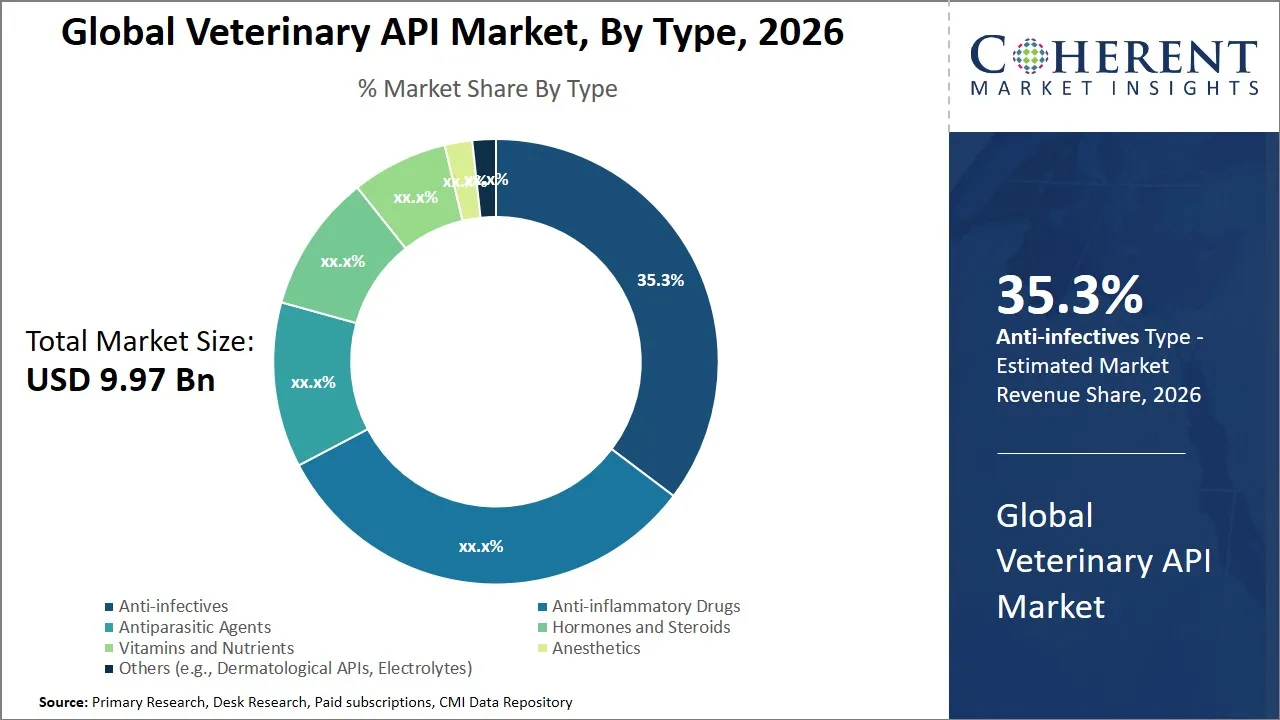
- Anti-infectives lead the global veterinary API market by type, holding an estimated 35.3 % share in 2026.
- Companion animals, including dogs, cats, and smaller pets, dominate the market by animal type with an estimated 65.8 % of the market share in 2026.
- In the formulation segment, solid forms like tablets, capsules, and powders are expected to account for the largest share at 45.5 % in 2026.
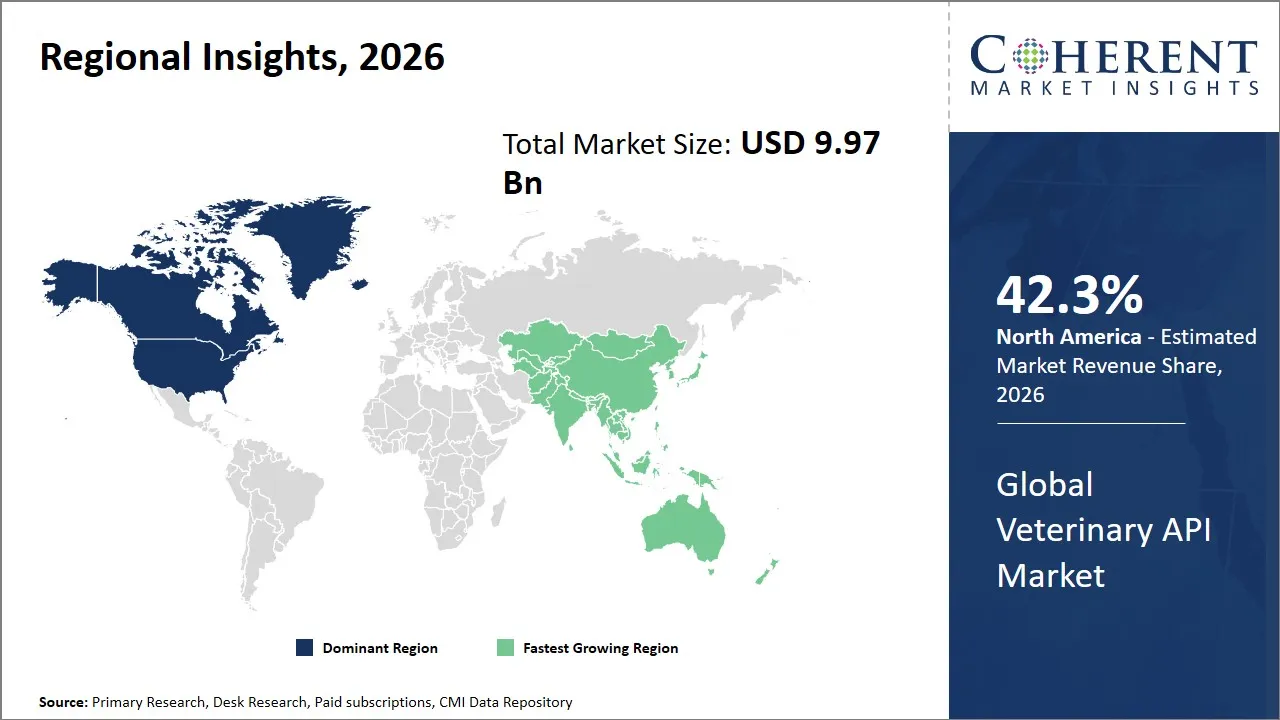
- North America is expected to lead the market, holding a share of 42.3 % in 2026. Asia Pacific is anticipated to be the fastest-growing region, with 23.5% share in 2026.
Current Events and Its Impact
Current Events | Description and its Impact |
Advancements in AI and High-Throughput Screening |
|
Patent Expirations of Major Biological Blockbusters |
|
Segmental Insights
- Current Industry Events of 2026
- Market Size Estimation
- Regional Breakdown
- Competitive Landscape
- Customer Intelligence
- Segmental Analysis
- Pricing Analysis
- Key Market Drivers, Challenges & Future Trends
- Customized Insights Section
Why Do Anti-infectives Contribute the Highest Share in the Market by Type?
The global veterinary API market by type is dominated by anti-infectives with an estimated share of 35.3% in 2026 due to the fact that infectious diseases are one of the greatest threats to the health of commodities in both companion and livestock markets. The extensive prevalence of bacterial, viral, and fungal diseases makes them treatable and, therefore, anti-infectives become indispensable entities in the course of veterinary treatment.
Veterinary practitioners extensively make use of antibiotics and associated agents not only to eradicate infections but also as a preventive measure within the animal population especially in intensive farming systems where the chances of disease outbreak are high, because of the close proximity of animals.
For example, Alivira Animal Health expanded its API portfolio, including Albendazole, Clorsulon, Fenbendazole, and Triclabendazole. The company, a leader in global veterinary API manufacturing, is committed to offering high-quality, synthetic APIs for animal health. Alivira’s advanced facilities, located in India, adhere to international regulatory standards, including USFDA and EU GMP.
(Source: https://alivira.co.in/api/)
What Makes Companion Animals the Leading Segment by Animal Type?
The companion animals category, which includes mostly dogs, cats and other smaller pets such as rabbits and birds, has the highest proportion in the global veterinary API market in terms of animal type at an estimated 65.8% share in 2026. This hegemony is essentially connected to the fast growth of the companion animal population of both developed and developing areas.
The trends in the society toward urbanization, increasing disposable income and the shift in attitudes that support pets as emotional and lifestyle are some of the factors that have increased the demand for veterinary care products specific to the pets. Therefore, APIs consumption in this market has borne an upward trend owing to preventive, therapeutic, and wellness formulations.
Why Do Solid Formulations Lead the By Formulation Segment in the Veterinary API Market?
In the formulation sector of global veterinary API market, solid forms of products like tablets, capsules, and powders are expected to command the highest market share of 45.5% in 2026. This is based on the tangible benefits that solid formulations present as compared to other forms such as semi-solid, liquid, or injectable drugs, which are very beneficial in veterinary practice.
The solid dosage forms offer a high level of chemical and physical stability relative to liquids or semi-solids, which increases shelf life and retains drug activity during a wide range of storage conditions that in veterinary practice are prevalent, particularly in rural or resource limited locations.
Regulatory Approval Timelines and Supply Dependence Risks in the Veterinary API Market
- Regulatory approval timelines for veterinary APIs vary by region, with each jurisdiction having its own set of requirements and processes. In North America, the U.S. Food and Drug Administration (FDA) plays a central role, requiring thorough clinical trials and safety data before approving any veterinary API. The approval process typically takes 18 to 24 months, depending on the complexity of the product and its intended use. Similarly, in Europe, the European Medicines Agency (EMA) oversees veterinary drug approvals, with a timeline of approximately 12 to 18 months, provided all data is in compliance with their strict standards.
- In emerging markets such as Asia Pacific and Latin America, regulatory approval timelines can be more variable. In countries like India and Brazil, the process may take longer due to less streamlined regulatory frameworks and fewer resources for reviewing applications. However, these regions are gradually improving their regulatory processes, with some countries introducing faster-track approval systems for certain essential veterinary APIs.
- China and India face significant API supply dependence risks in the veterinary market. China relies on imported raw materials and geopolitical stability, while India depends on imports for complex APIs, with regulatory challenges and fluctuating raw material costs adding to the risk.
Regional Insights
North America Veterinary API Market Analysis and Trends
North America is set to lead the global veterinary API marketwith an estimated 42.3% share in 2026, thanks to its well-developed pharmaceutical ecosystem, advanced veterinary healthcare infrastructure, and proactive government initiatives to promote animal healthcare and welfare. This is facilitated by the availability of large pharmaceutical companies including Zoetis Services LLC, Elanco, and Merck Inc. that stimulate innovations in the veterinary active pharmaceutical ingredient (API).
The high level of veterinary diagnostic services and the developed research and development in North America contribute to the further development of API, which is specific to companion animals and livestock. High quality standards in veterinary pharmaceuticals are secured by the government policies that promote the responsible use of antibiotics and high quality standards in the quality control of pharmaceutical products.
In April 2025, an article by Canadian Veterinary Medical Association highlighted how aging pets face chronic diseases like osteoarthritis, heart issues, and kidney problems. The rise in chronic conditions among veterinary animals is expected to drive the demand for effective medications, boosting the growth of the veterinary API market in the region.
(Source: https://www.canadianveterinarians.net/media/tgskf325/cvj_vol66_no04.pdf)
Asia Pacific Veterinary API Market Analysis and Trends
The Asia Pacific region is expected to experience the highest growth rate in the veterinary API market, driven by a 23.5% increase in animal protein demand by 2026, rising pet ownership, and the expansion of livestock production in countries like China and India. Advanced veterinary drugs are being adopted due to the increasing number of middle-class individuals and increased awareness towards animal health.
The ecosystem of the market in the region is rapidly developing with domestic enterprises like Zhejiang Huahai Pharmaceutical and Venkateshwara Hatcheries increasing the production of API with the help of the positive government policies aimed at the modernization of the agriculture sector and the elimination of animal diseases. Technology transfer and capacity expansion have also been led by trade liberalization and growth in foreign direct investment which have led to an accelerated growth in veterinary APIs in the region.
Veterinary API Market Outlook for Key Countries
What are the key drivers influencing the growth of the U.S. Veterinary API market?
The veterinary API market in the U.S. has a good foundation of novel pharmaceutical companies such as Zoetis and Merck Animal Health that invest a lot in API research and development. The FDA has established regulatory frameworks that guarantee the safety and effectiveness of products and thus promotes the constant launching of products. The U.S. also has an advanced supply chain and large veterinary care services, which serves the health of livestock as well as companion animals therapeutics. These aspects make the U.S. a very important center that is involved in the production of API, as well as in the use of veterinary drugs.
How is China’s regulatory environment evolving for Veterinary API approvals?
The market of veterinary API in China is motivated by the size of livestock industry and growing pet population in the country. The policies implemented by the government to enhance the food safety situation and enhance the animal husbandry practices have led to the increase in demand of high-quality veterinary APIs. Local firms like Zhejiang Huahai Pharmaceutical play a critical role in dealing with the domestic needs alongside partnering with the multinational companies to acquire technology. The investments in biopharmaceutical production and regulatory changes in the country play great role in the development of the market and in the influence of the country on the trade in the region.
Germany Veterinary API Market Trends
Germany remains ahead in terms of veterinary API innovation in Europe because of an excellent pharmaceutical network as well as conducive regulatory climate. Germany, with its most prominent representatives, such as Bayer Animal Health and Boehringer Ingelheim, is enjoying the advantages of the heavy investment in the field of biotechnology and the emphasis on the need to find the solution related to animal healthcare in the most sustainable manner. The regulations of the European Union lead to additional demand of high-quality and environmentally-friendly veterinary API. This makes the country a strategic location in the worldwide veterinary API supply chain since it is a manufacturing and distribution center.
India Veterinary API Market Trends
The veterinary API market in India is growing at a high rate due to its high agrarian population and the government focus on veterinary public health programs. There are also companies like Venkateshwara Hatcheries and Indian Immunologicals, which are involved in their production as well as innovation and which frequently serve low-cost and easy-access veterinary APIs. The trend of the government towards decreasing antibiotic resistance and enhance animal welfare, as well as increasing the awareness of the importance of animal health, contributes to the sustained growth of the market.
End User Feedback and Unmet Needs in the Global Veterinary API Market
- End users in the global veterinary API market have shared both positive feedback and concerns regarding product performance and accessibility. Many veterinarians appreciate the high efficacy of specific APIs, particularly those targeting chronic diseases in pets, as they report noticeable improvements in animal health. For example, a veterinary clinic using advanced anti-parasitic APIs noted a significant reduction in treatment time and improved recovery rates. However, a common concern is the lack of customization options for certain APIs, with end users expressing frustration over products that don’t meet the specific needs of different animal species or conditions, which can lead to inefficiencies.
- Unmet needs in the market include the demand for more affordable veterinary APIs, especially in emerging markets, and better integration with existing healthcare systems. Addressing these gaps could not only create growth opportunities but also improve customer satisfaction and loyalty. Providing more tailored solutions and enhancing the support infrastructure could encourage innovation, streamline operations, and lead to better health outcomes for animals.
Market Players, Key Developments, and Competitive Intelligence
Key Developments
- In September 2025, Sai Life Sciences, a leading global contract development and manufacturing organization (CDMO) in the pharmaceutical and biotech sectors, opened Unit VI in Bidar, a dedicated veterinary API facility. This expansion enhances their production capacity, regulatory compliance, and sustainability efforts while meeting the growing global demand for high-quality animal health pharmaceuticals.
- In August 2025, the U.S. FDA announced the PreCheck program to enhance U.S. drug manufacturing, increasing regulatory predictability, supporting domestic API production, and reducing reliance on foreign pharmaceutical suppliers, thus strengthening the national supply chain.
- In January 2024, Huateng Pharma, a Chinese pharmaceutical company known for its veterinary solutions, launched Fluralaner and Sarolaner, effective anti-parasitic treatments for pets. The company offered lab-to-commercial scale production, showcasing advanced technologies and a commitment to animal health innovation.
- In November 2022, SeQuent Scientific Limited, India's animal health company with a strong presence in veterinary formulations and APIs, signed a definitive agreement to acquire a 100% stake in Tineta Pharma Private Limited, a company incorporated in India.
Top Strategies Followed by Global Veterinary API Market Players
Player Type | Strategic Focus | Examples |
Established Market Leaders | Heavy R&D investments to drive innovation in high-performance veterinary APIs that meet stringent regulatory standards and evolving veterinary health demands. Expand global footprint through OEM partnerships, strategic collaborations, and broader distribution networks, especially in emerging markets. | Players such as Zoetis, SeQuent Scientific, and Huateng Pharma focus on high-quality API innovation, strategic partnerships with pharmaceutical firms, and expanding globally. |
Mid-Level Players | Compete on value by offering cost-effective veterinary APIs that maintain quality standards, aimed at price-sensitive customer segments in developing markets. Strengthen their market position through collaborations, joint ventures, and contract manufacturing agreements. | Companies such as Alivira Animal Health, Chempro Pharma, and SeQuent Scientific focus on providing affordable API options, with regional expansion through partnerships. |
Small-Scale Players | Focus on developing novel or niche veterinary APIs tailored to specific applications or emerging needs, using cutting-edge technologies such as biotech and green chemistry. Build local alliances to increase market visibility and target specialized market segments. | Smaller firms and regional players often target specific needs, such as anti-parasitic treatments, using local partnerships and innovative solutions to carve out niche segments. |
Market Report Scope
Veterinary API Market Report Coverage
| Report Coverage | Details | ||
|---|---|---|---|
| Base Year: | 2025 | Market Size in 2026: | USD 9.97 Bn |
| Historical Data for: | 2020 To 2024 | Forecast Period: | 2026 To 2033 |
| Forecast Period 2026 to 2033 CAGR: | 7.4% | 2033 Value Projection: | USD 16.43 Bn |
| Geographies covered: |
| ||
| Segments covered: |
| ||
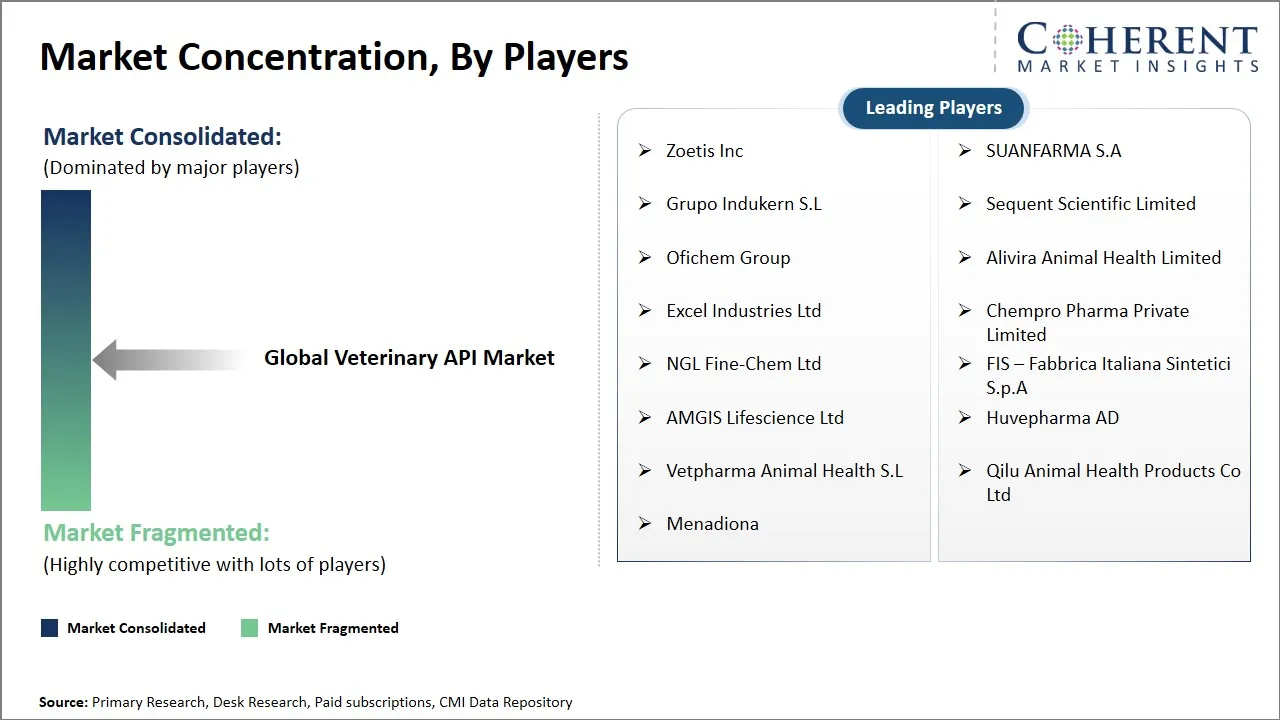
| Companies covered: | Zoetis Inc, SUANFARMA S.A, Grupo Indukern S.L, Sequent Scientific Limited, Ofichem Group, Alivira Animal Health Limited, Excel Industries Ltd, Chempro Pharma Private Limited, NGL Fine‑Chem Ltd, FIS – Fabbrica Italiana Sintetici S.p.A, AMGIS Lifescience Ltd, Huvepharma AD, Vetpharma Animal Health S.L, Qilu Animal Health Products Co Ltd, and Menadiona | ||
| Growth Drivers: |
| ||
| Restraints & Challenges: |
| ||
Veterinary API Market Dynamics
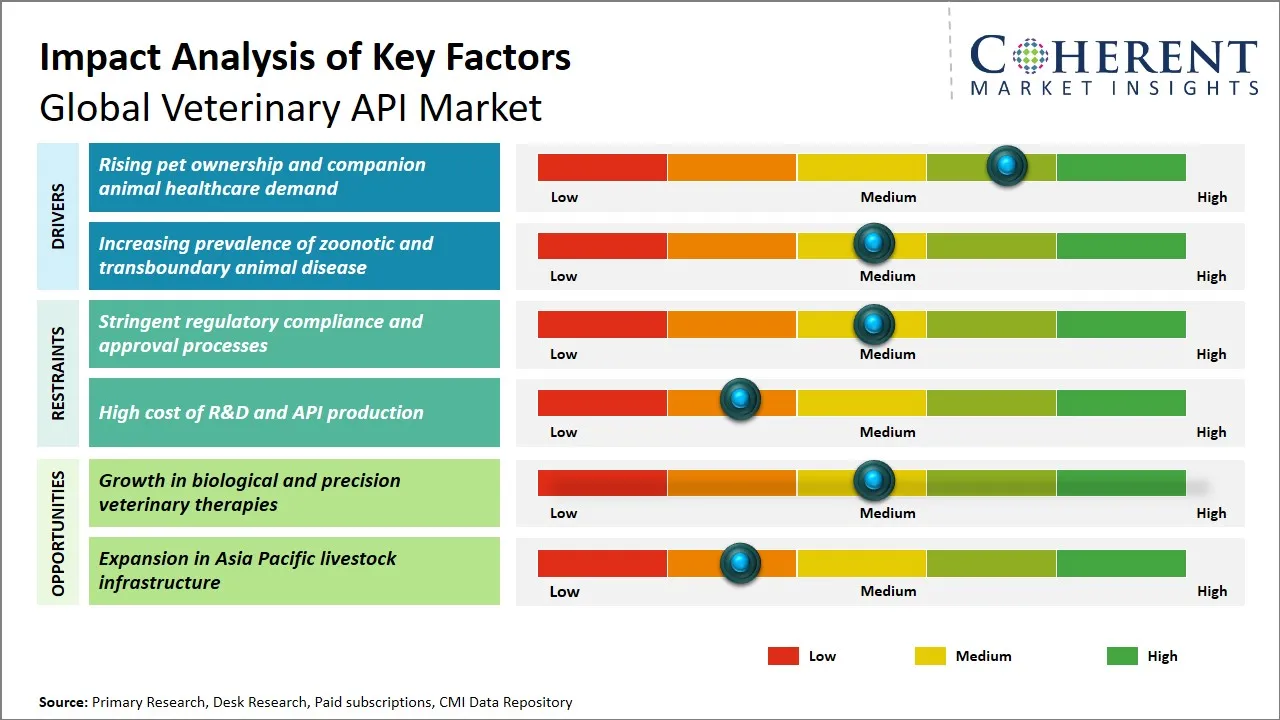
Veterinary API Market Driver - Rising Pet Ownership and Companion Animal Healthcare Demand
The global veterinary API market is significantly propelled by the steady increase in pet ownership across various regions, particularly in urban and suburban areas where pets are increasingly viewed as integral family members. This growing affection towards companion animals drives a higher demand for advanced healthcare solutions, including pharmaceuticals specifically formulated for pets.
As pet owners become more aware of animal wellness and preventive care, there is a stronger inclination to invest in effective veterinary medications that address common ailments, chronic conditions, and specialized treatments. Moreover, the humanization of pets has led to greater willingness to spend on high-quality veterinary products to ensure longevity and improved quality of life for animals. This behavioral shift encourages pharmaceutical companies to develop diverse and innovative veterinary APIs that cater to varied species and specific health needs, thus fueling market developments.
In March 2025, the American Pet Products Association (APPA) reported that U.S. pet industry expenditures reached USD 152 billion in 2024, with projections of USD 157 billion for 2025. Pet ownership is on the rise, with 94 million U.S. households owning at least one pet, up from 82 million in 2023. Gen Z leads this surge in multi-pet ownership, with 43.5% growth from 2023 to 2024. The growing demand for pet care, including veterinary APIs, is driven by increased pet healthcare needs.
Veterinary API Market Opportunity - Growth in Biological and Precision Veterinary Therapies
The Global Veterinary Active Pharmaceutical Ingredients (API) Market is witnessing a significant opportunity fueled by the rapid advancements and increasing adoption of biological and precision veterinary therapies. These innovative treatment modalities, including vaccines, monoclonal antibodies, and gene therapies, are transforming the landscape of animal healthcare by offering targeted, effective, and safer solutions compared to traditional pharmaceuticals. Rising awareness among veterinarians and pet owners about the benefits of precision medicine such as improved efficacy, reduced side effects, and personalized treatment regimens is driving demand for specialized APIs that cater to these therapies.
Additionally, the surge in companion animal ownership and the rising incidence of chronic and complex diseases in both livestock and pets are prompting the need for advanced therapeutics that can address specific genetic, environmental, and lifestyle factors.
In November 2023 Qingmu Pharm, a pharmaceutical API maker focused on veterinary APIs, highlighted innovations in veterinary API synthesis that improve treatment effectiveness and animal health outcomes. The company emphasized enhanced bioavailability and customized API formulations for diverse animal needs. These advancements in veterinary API synthesis expand therapeutic options and support better disease control for pets, livestock, and wildlife.
(Source: https://www.qingmupharm.com/innovations-in-veterinary-api-synthesis-implications-for-animal-health)
Analyst Opinion (Expert Opinion)
- The veterinary API market is growing rapidly due to advancements in technology, rising pet ownership, and increasing demand for high-quality veterinary care. Innovations in biotech and drug manufacturing are leading to more specialized treatments, while regulatory support like the FDA's PreCheck program ensures drug safety and efficiency. Additionally, the expanding livestock industry is further fueling the demand for veterinary APIs.
- Despite challenges like stringent regulations and high R&D costs, there are significant opportunities in biologics and anti-parasitic treatments. Key conferences like the World Veterinary Congress have fostered knowledge-sharing and collaboration. Companies like SeQuent Scientific, with strategic acquisitions, exemplify how partnerships are driving market growth and innovation in the veterinary pharmaceutical sector.
Speak to the analyst
Want personalized insights?
Take the findings above to one of our principal consultants, or have the report rebuilt around the segments, geographies and competitors you actually track.
Market Segmentation
- Type Insights (Revenue, USD Bn, 2021 - 2033)
- Anti‑infectives
- Anti‑inflammatory Drugs
- Antiparasitic Agents
- Hormones and Steroids
- Vitamins and Nutrients
- Anesthetics
- Others (e.g., Dermatological APIs, Electrolytes)
- Animal Type Insights (Revenue, USD Bn, 2021 - 2033)
- Companion Animals
- Dogs
- Cats
- Others (e.g., rabbits, birds)
- Livestock
- Cattle
- Swine
- Poultry
- Sheep and Goats
- Others (e.g., equine)
- Formulation Insights (Revenue, USD Bn, 2021 - 2033)
- Solid
- Tablets
- Capsules
- Powders
- Semi‑solid
- Ointments
- Gels
- Liquid
- Injectables
- Oral Solutions/Suspensions
- Therapeutic Application Insights (Revenue, USD Bn, 2021 - 2033)
- Infectious Disease Management
- Pain/Inflammation Management
- Parasitic Control
- Metabolic and Endocrine Disorders
- Reproductive Health
- Nutritional Support
- Anesthesia/Sedation
- Others (e.g., Dermatology)
- Route of Administration Insights (Revenue, USD Bn, 2021 - 2033)
- Oral
- Parenteral
- Topical
- Mucosal
- Manufacturing Type Insights (Revenue, USD Bn, 2021 - 2033)
- Contract Manufacturing
- In‑house Manufacturing
- Sales Channel Insights (Revenue, USD Bn, 2021 - 2033)
- Online
- Offline
- Regional Insights (Revenue, USD Bn, 2021 - 2033)
- North America
- U.S.
- Canada
- Latin America
- Brazil
- Argentina
- Mexico
- Rest of Latin America
- Europe
- Germany
- U.K.
- Spain
- France
- Italy
- Russia
- Rest of Europe
- Asia Pacific
- China
- India
- Japan
- Australia
- South Korea
- ASEAN
- Rest of Asia Pacific
- Middle East
- GCC Countries
- Israel
- Rest of Middle East
- Africa
- South Africa
- North Africa
- Central Africa
- North America
- Key Players Insights
- Zoetis Inc
- SUANFARMA S.A
- Grupo Indukern S.L
- Sequent Scientific Limited
- Ofichem Group
- Alivira Animal Health Limited
- Excel Industries Ltd
- Chempro Pharma Private Limited
- NGL Fine‑Chem Ltd
- FIS – Fabbrica Italiana Sintetici S.p.A
- AMGIS Lifescience Ltd
- Huvepharma AD
- Vetpharma Animal Health S.L
- Qilu Animal Health Products Co Ltd
- Menadiona
Sources
Primary Research Interviews
- Industry Stakeholders List
- Animal Health Manufacturers
- Veterinary Pharmaceutical Companies
- API Suppliers and Distributors
- Contract Research Organizations (CROs)
- Regulatory Agencies (FDA, EMA)
- Veterinary Health Practitioners
- End Users List
- Veterinary Clinics
- Livestock Farmers
- Pet Care Providers
- Pharmaceutical Developers
- Animal Healthcare Distributors
- Veterinary Hospitals
Government and International Databases
- U.S. Food and Drug Administration (FDA)
- European Medicines Agency (EMA)
- World Health Organization (WHO)
- U.S. Department of Agriculture (USDA)
- National Institutes of Health (NIH)
- International Atomic Energy Agency (IAEA)
Trade Publications
- Veterinary Medicine Journal
- Animal Health International
- Veterinary Pharmaceutical News
- Animal Pharm News
- Veterinary World
- The Veterinary Journal
Academic Journals
- Veterinary Research Journal
- International Journal of Veterinary Science
- Journal of Veterinary Pharmacology and Therapeutics
- Veterinary Therapeutics
- Journal of Animal Science and Technology
- Animal Health Research Reviews
Reputable Newspapers
- The New York Times (Health Section)
- The Guardian (Health and Science Section)
- The Washington Post (Health Section)
- Reuters (Health and Pharma News)
- BBC News (Science and Health Section)
- The Wall Street Journal (Pharma and Healthcare News)
Industry Associations
- American Veterinary Medical Association (AVMA)
- World Veterinary Association (WVA)
- National Animal Health Association (NAHA)
- European Medicines Agency (EMA) Animal Health
- International Federation for Animal Health (IFAH)
- American Animal Health Association (AAHA)
Public Domain Resources
- U.S. National Library of Medicine
- World Bank Animal Health Data
- Food and Agriculture Organization (FAO) of the UN
- National Agricultural Library (NAL)
- European Food Safety Authority (EFSA)
- Global Health Data Exchange (GHDx)
Proprietary Elements
- CMI Data Analytics Tool: Proprietary analytics tool to analyze real-time market trends, consumer behavior, and technology adoption in market
- Proprietary CMI Existing Repository of Information for Last 8 Years
Get access to 250+ pages report
Every segment, forecast, competitor profile and data table behind the analysis above — available for instant download.
- ESOMAR Member
- ISO 9001:2015 Certified
- D-U-N-S Registered
- GDPR & CCPA Compliant
Missing comfort of reading report in your local language? Find your preferred language:
Transform your Strategy with Exclusive Trending Reports
Frequently Asked Questions
The global veterinary API market is estimated to be valued at USD 9.97 Bn in 2026 and is expected to reach USD 16.43 Bn by 2033.
The CAGR of global veterinary API market is projected to be 7.4% from 2026 to 2033.
Rising pet ownership and companion animal healthcare demand and increasing prevalence of zoonotic and transboundary animal disease are the major factors driving the growth of the global veterinary API market.
Stringent regulatory compliance and approval processes and high cost of R&D and API production are the major factors hampering the growth of the global veterinary API market.
In terms of Type, Anti‑infectives are estimated to dominate the market revenue share in 2026.
Veterinary APIs are essential in managing infectious, parasitic, and chronic diseases, offering treatment solutions to improve animal health.
The market is expected to experience significant growth driven by rising pet ownership, increasing veterinary healthcare demand, and innovations in animal health treatments.