

Global XARELTO Market Size and Forecast – 2026 to 2033
The Global XARELTO Market is estimated to be valued at USD 3.11 Bn in 2026 and is expected to decline to USD 1.77 Bn by 2033, exhibiting a negative compound annual growth rate (CAGR) of -7.6% from 2026 to 2033. This downward trajectory is indicative of shifts in market dynamics, possibly driven by competitive alternatives, patent expirations, or changes in treatment protocols that impact the demand for XARELTO over the forecast period.
Key Takeaways of the Global XARELTO Market
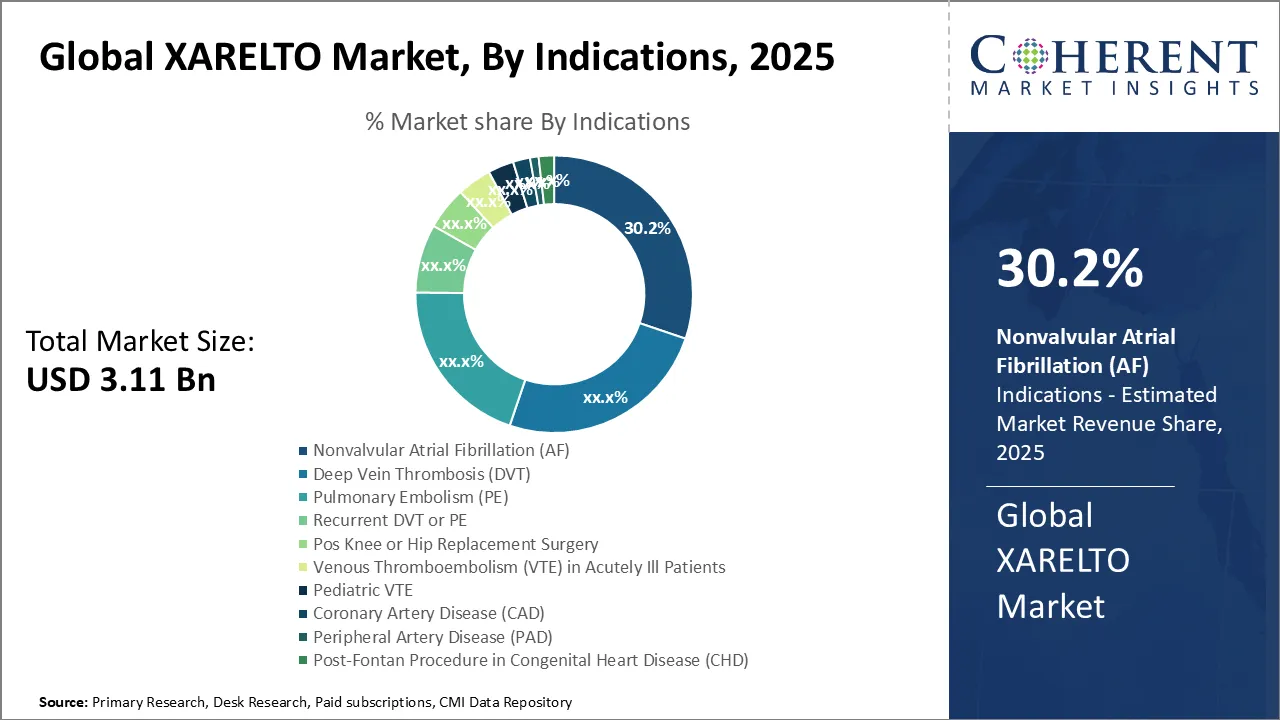
- Nonvalvular Atrial Fibrillation (AF) leads the global XARELTO market, holding an estimated 31.2 % share in 2026, and continues to be the primary factor driving the widespread use of this anticoagulant therapy.
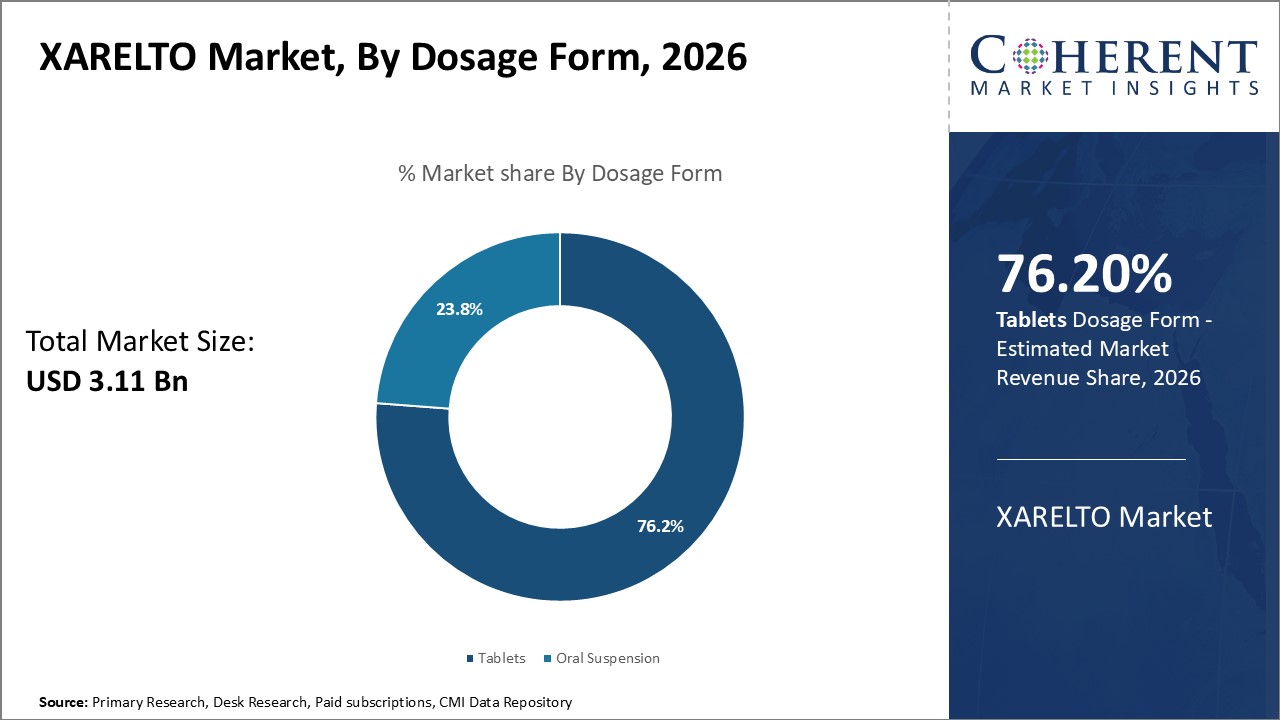
- In terms of dosage form, the tablets segment is expected to dominate, accounting for 76.2 % of the market share in 2026, largely due to its patient convenience, ease of administration, and improved medication adherence.
- Among the different dosage strengths, the 2.5 mg variant is the most prevalent, capturing an estimated 24.3 % of the market share in 2026, owing to its specific clinical applications and its role in combination therapies for cardiovascular protection.
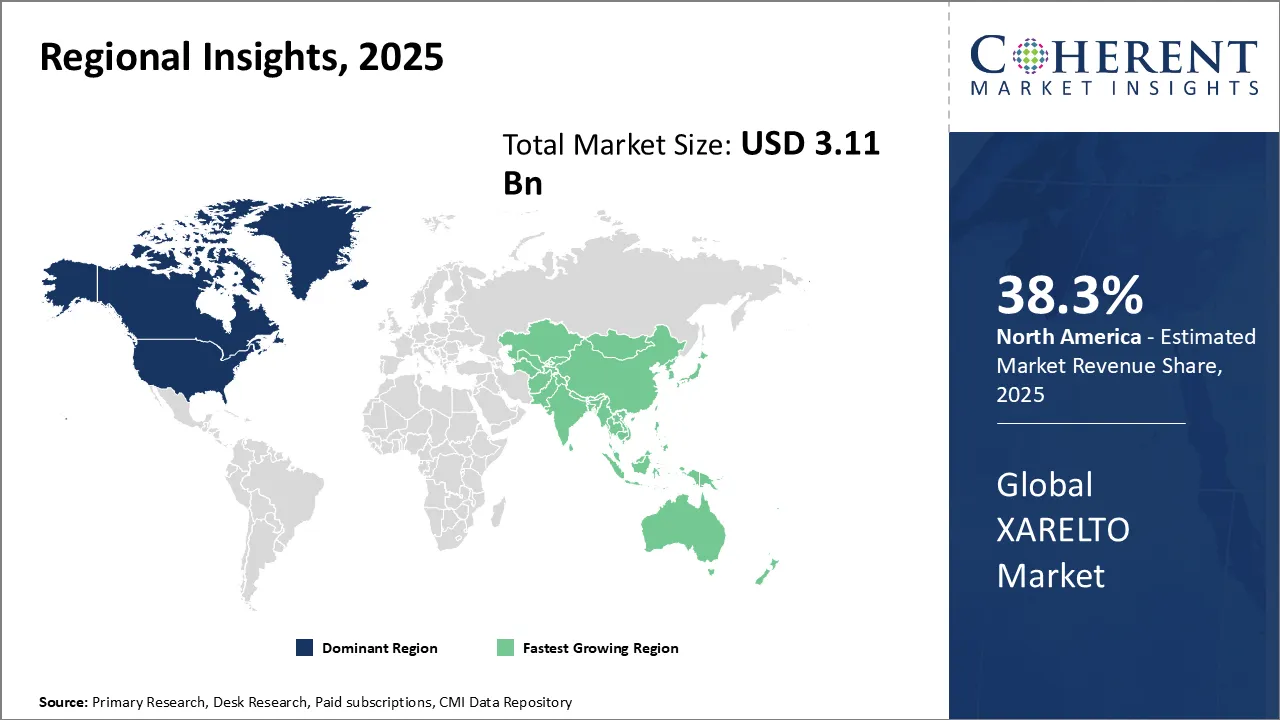
- North America is expected to lead the market, holding a share of 38.3 % in 2026. Asia Pacific is anticipated to be the fastest-growing region, with a market share of 23.2% in 2026.
Market Overview
The declining market trend for XARELTO reflects increasing competition from generic anticoagulants and emerging novel therapies that offer improved efficacy or safety profiles. Additionally, healthcare providers are increasingly adopting personalized medicine approaches, which may reduce reliance on traditional anticoagulants like XARELTO. Regulatory pressures and changes in reimbursement policies further constrain market growth, pushing pharmaceutical companies to innovate or diversify their portfolios to sustain profitability in a contracting market environment.
Current Events and Its Impact
Current Events | Description and its impact |
Patent Expirations in Key Markets |
|
U.S. FDA Approval of Generic Xarelto |
|
Segmental Insights
- Current Industry Events of 2026
- Market Size Estimation
- Regional Breakdown
- Competitive Landscape
- Customer Intelligence
- Segmental Analysis
- Pricing Analysis
- Key Market Drivers, Challenges & Future Trends
- Customized Insights Section
XARELTO Market Insights, By Indications - Nonvalvular Atrial Fibrillation (AF) Dominates Due to High Prevalence and Need for Stroke Prevention
In terms of indications, Nonvalvular Atrial Fibrillation (AF) is expected to dominate the global XARELTO market with a share of 31.2% in 2026 and remains the primary driver behind the widespread adoption of this anticoagulant therapy. The critical role played by XARELTO in stroke prevention among AF patients positions it as a preferred therapeutic option globally. AF is the most common sustained cardiac arrhythmia worldwide, and its prevalence rises significantly with aging populations, directly increasing the pool of patients requiring long-term anticoagulation. Unlike valvular AF, Nonvalvular AF patients benefit from novel oral anticoagulants like XARELTO, which offer advantages over traditional therapies such as warfarin—namely, fixed dosing without need for regular international normalized ratio. monitoring and fewer dietary restrictions.
Further supporting growth in this segment is the strong clinical evidence demonstrating XARELTO’s efficacy and safety profile in reducing stroke and systemic embolism risk in Nonvalvular AF patients. The drug’s proven effectiveness in reducing life-threatening thromboembolic events, coupled with its relatively low bleeding risk, encourages clinician preference and broad patient acceptance. Additionally, guidelines from major cardiology associations worldwide endorse XARELTO as a primary anticoagulant choice for stroke prevention in AF, reinforcing market uptake.
XARELTO Market Insights, By Dosage Form - Tablets Predominate Due to Patient Convenience, Ease of Administration, and Improved Compliance
Within the global XARELTO market, the tablets segment accounts for the majority share with an estimated 76.2% in 2026, reflecting key drivers centered on patient convenience, ease of administration, and improved medication adherence. Tablets are the preferred oral formulation for most chronic conditions, including anticoagulation, due to their straightforward dosing regimen and portability.
XARELTO’s once-daily or twice-daily tablet regimen simplifies treatment schedules, increasing patient compliance significantly compared to more complex regimens or injectable forms. This ease of use is particularly vital in anticoagulant therapy, where missed doses can considerably elevate the risk of thromboembolic events. Tablets allow patients to maintain consistent therapeutic levels without the need for frequent healthcare visits, improving long-term treatment sustainability.
XARELTO Market Insights, By Strength - Dominance of 2.5 mg Strength is Fueled by Dosage Flexibility and Preventive Indications
Among the various strength segments of XARELTO, the 2.5 mg dosage predominates, driven by its unique clinical applications and role in combination therapies for cardiovascular protection with an estimated share of 24.3% in 2026. The 2.5 mg strength is commonly prescribed for patients requiring lower anticoagulant activity combined with antiplatelet therapy—particularly in secondary prevention of thrombotic events related to coronary artery disease and peripheral artery disease.
This lower dose allows for a tailored approach in managing patients with overlapping thrombotic and bleeding risks. For example, when combined with aspirin, the 2.5 mg dose of XARELTO has demonstrated efficacy in reducing major cardiovascular events, which expands its usage beyond traditional anticoagulation indications like deep vein thrombosis or atrial fibrillation. This versatility supports the dose’s growing acceptance among cardiologists and vascular specialists.
Regional Insights
North America XARELTO Market Analysis and Trends
In North America, the dominance in the global XARELTO market is primarily driven by a well-established healthcare infrastructure with an estimated share of 38.3% in 2026, high patient awareness, and proactive government policies supporting advanced pharmaceutical innovations. For example, the University of Florida Health (UF Health) conducts significant cardiovascular research, including studies on anticoagulant therapies. Their clinical research plays a crucial role in providing evidence that supports the use of Xarelto for various medical conditions. The region’s strong ecosystem encompasses leading biotechnology firms, extensive clinical research activities, and widespread insurance coverage facilitating access to premium anticoagulant drugs like XARELTO.
The presence of notable companies such as Bayer AG and Janssen Pharmaceuticals (a Johnson & Johnson company) enhances market penetration through aggressive marketing, robust distribution channels, and continual investment in research and development. Furthermore, regulatory frameworks in the U.S. and Canada promote the adoption of innovative therapies through streamlined approval processes, encouraging rapid uptake of XARELTO for indications such as deep vein thrombosis, atrial fibrillation, and pulmonary embolism.
Asia Pacific XARELTO Market Analysis and Trends
Meanwhile, the Asia Pacific region is expected to exhibit the fastest growth in the global XARELTO market due to a combination of rapidly expanding healthcare infrastructure with a share of 23.2% in 2026, increasing prevalence of cardiovascular diseases, and improving patient awareness in emerging economies. Governments across countries like China, India, Japan, and South Korea have been actively implementing healthcare reforms and reimbursement policies aimed at expanding access to novel anticoagulant therapies.
For example, the Indian government has introduced several initiatives, such as the Ayushman Bharat Pradhan Mantri Jan Arogya Yojana (PMJAY), aimed at improving access to healthcare for low-income populations. This policy helps expand access to advanced treatments, including novel anticoagulants like Xarelto. The policy is helping to increase healthcare penetration in rural and semi-urban areas, where cardiovascular diseases are on the rise The growing presence of multinational and regional companies, including Bayer AG, Janssen Pharmaceuticals, and domestic firms such as Sun Pharma and Takeda Pharmaceuticals, is fueling market expansion by enhancing local manufacturing capabilities and customized marketing strategies targeting diverse populations.
XARELTO Market Outlook for Key Countries
U.S. XARELTO Market Trends
The U.S. market for XARELTO continues to be a key player in the treatment of cardiovascular diseases, supported by the country's robust healthcare system and comprehensive insurance coverage. Notably, Janssen Pharmaceuticals and Bayer have strategically driven clinical trials and awareness campaigns, reinforcing XARELTO’s reputation as a leading anticoagulant. The U.S. Food and Drug Administration (FDA) has been instrumental in providing regulatory support, ensuring timely approvals for new indications and formulations.
For instance, in August 2021, Janssen Pharmaceuticals, a part of Johnson & Johnson, received approval for XARELTO in combination with aspirin to reduce the risk of major thrombotic vascular events in patients with peripheral artery disease (PAD), including those who have recently undergone lower extremity revascularization. This approval was based on data from the Phase 3 VOYAGER PAD study.
Japan XARELTO Market Trends
In Japan, the XARELTO market is witnessing consistent adoption, particularly for indications such as stroke prevention in patients with non-valvular atrial fibrillation and the treatment of venous thromboembolism (VTE). The approval of XARELTO for peripheral artery disease (PAD) in patients following revascularization has further expanded its therapeutic use. Japan’s regulatory environment, along with a rapidly aging population and increasing awareness of cardiovascular and thromboembolic conditions, continues to support the drug’s widespread use.
For instance, in June 2022, Bayer AG announced that rivaroxaban (Xarelto) has been approved by Japan’s Ministry of Health, Labor, and Welfare for use in treating peripheral artery disease (PAD) patients after revascularization. The approval follows positive data from the Phase III VOYAGER PAD trial, which showed that Xarelto combined with aspirin significantly reduced the risk of major adverse cardiovascular events (MACE) and major adverse limb events (MALE) in these high-risk patients
U.K. XARELTO Market Trends
In the U.K., XARELTO is widely prescribed for managing atrial fibrillation and deep vein thrombosis (DVT), benefiting from its ease of use and predictable pharmacokinetics compared to older anticoagulants like warfarin. The market in the U.K. has seen strong adoption due to robust clinical evidence supporting its efficacy and safety. However, increasing pressure from cost-control measures in the National Health Service (NHS) and the growing availability of generic alternatives are likely to challenge XARELTO's market position. Despite these factors, the drug remains a leading choice in the DOAC category for various thromboembolic conditions.
In February 2021, Bayer received approval for Xarelto (rivaroxaban) in the U.K. to treat venous thromboembolism (VTE) and prevent its recurrence in children aged birth to under 18 years, following at least 5 days of initial parenteral anticoagulation. This approval is based on data from the EINSTEIN-Junior pediatric thromboembolism program. Xarelto becomes the first oral Factor Xa inhibitor approved for pediatric VTE treatment, offering an alternative to injectable therapies. The approval also includes a new oral suspension formulation (1mg/ml).
India XARELTO Market Trends
India’s XARELTO market reflects rapid growth driven by increasing awareness of cardiovascular risks and expanding healthcare accessibility. Government initiatives focused on universal health coverage and increased expenditure on healthcare infrastructure provide a supportive environment. Local pharmaceutical companies such as Sun Pharma collaborate with international players to scale distribution and enhance affordability. Despite regulatory challenges, reforms aimed at improving approval processes contribute to enhanced drug availability across urban and semi-urban areas.
In April 2026, Aurobindo Pharma, a Hyderabad, India-based pharmaceutical company, received final U.S. FDA approval to manufacture and market Rivaroxaban Tablets USP, 2.5mg, a generic version of Xarelto. The U.S. market for this strength is estimated at USD 447 million. Aurobindo has also secured tentative U.S. FDA approvals for Rivaroxaban tablets in 10mg, 15mg, and 20mg strengths, tapping into a larger market valued at USD 8.5 billion.
Reimbursement Policies of XARELTO
- XARELTO follows a comprehensive pricing and reimbursement structure to ensure accessibility for patients with varying insurance coverage. Janssen Pharmaceuticals Inc, the company offers a savings card program, XARELTO withMe, which helps eligible commercially insured patients pay as little as USD 10 for up to a 90-day supply of the medication. For those with Medicare coverage, changes set for 2025 will introduce a USD 2,000 cap on out-of-pocket expenses, eliminating the need for the previous Coverage Gap Support. This shift in policy reflects efforts to streamline patient access and reduce financial burden, particularly in light of recent Medicare Part D updates. Additionally, for those without commercial insurance, the company provides the XARELTO withMe Trial Offer, allowing a free 30-day trial to help familiarize patients with the medication.
- In terms of reimbursement, XARELTO works closely with a range of healthcare providers and pharmacies to ensure efficient claims processing, including coverage for patients under government health programs such as Medicare and Medicaid. The changes in Medicare, particularly the cessation of the coverage gap, will result in a more predictable and manageable cost structure for many patients. The company’s proactive approach includes offering various financial assistance options to accommodate patients with government insurance or no insurance coverage, facilitating access through education, resources, and reduced cost programs.
Market Players, Key Developments, and Competitive Intelligence:
Key Developments
- In August 2024, the Centers for Medicare and Medicaid Services (CMS) revealed the first negotiated Medicare prices for 10 drugs, including Xarelto (rivaroxaban) from Bayer and Janssen Pharmaceuticals. As a result of the Inflation Reduction Act (IRA), the negotiated price for Xarelto will be USD 197 per 30-day supply in 2026, down from the 2023 list price of USD 517. This will provide significant savings, benefiting approximately 1.3 million Medicare Part D enrollees.
- In April 2024, Johnson & Johnson announced new findings from the PIONEER AF-PCI trial, showing that XARELTO (rivaroxaban) reduced the risk of clinically significant bleeding (CSB) and net adverse clinical events (NACE), including rehospitalization, compared to warfarin in both elderly and non-elderly patients with nonvalvular atrial fibrillation (AF) undergoing percutaneous coronary intervention (PCI).
- In October 2023, the Institute for Clinical and Economic Review (ICER) released a Special Report evaluating the evidence on apixaban (Eliquis) by Bristol-Myers Squibb and rivaroxaban (Xarelto) by Bayer for the treatment of nonvalvular atrial fibrillation (NVAF). This report, submitted to CMS as part of the public comment process on Medicare drug price negotiations, aims to inform CMS on price negotiations, providing evidence on the value of these drugs and offering price target recommendations.
Market Report Scope
XARELTO Market Report Coverage
| Report Coverage | Details | ||
|---|---|---|---|
| Base Year: | 2025 | Market Size in 2026: | USD 3.11 Bn |
| Historical Data for: | 2020 To 2024 | Forecast Period: | 2026 To 2033 |
| Forecast Period 2026 to 2033 CAGR: | -7.6% | 2033 Value Projection: | USD 1.77 Bn |
| Geographies covered: |
| ||
| Segments covered: |
| ||
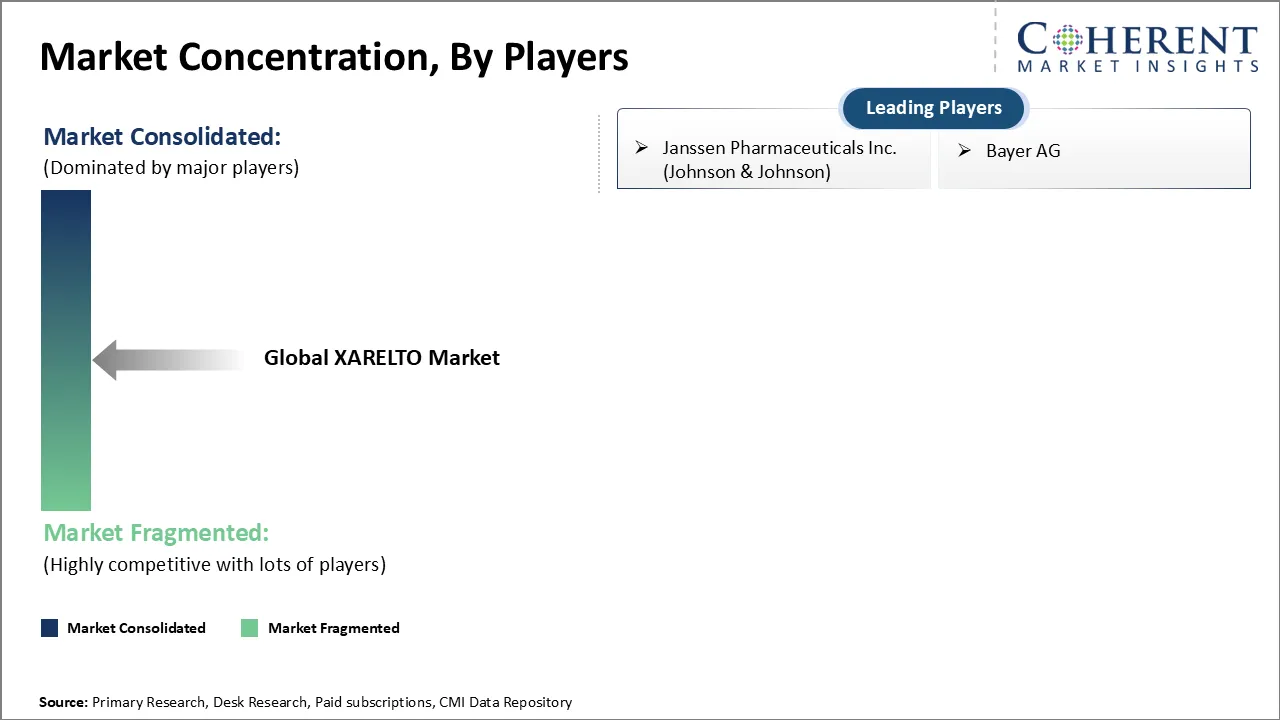
| Companies covered: | Janssen Pharmaceuticals Inc. (Johnson & Johnson) and Bayer AG | ||
| Growth Drivers: |
| ||
| Restraints & Challenges: |
| ||
XARELTO Market Dynamics
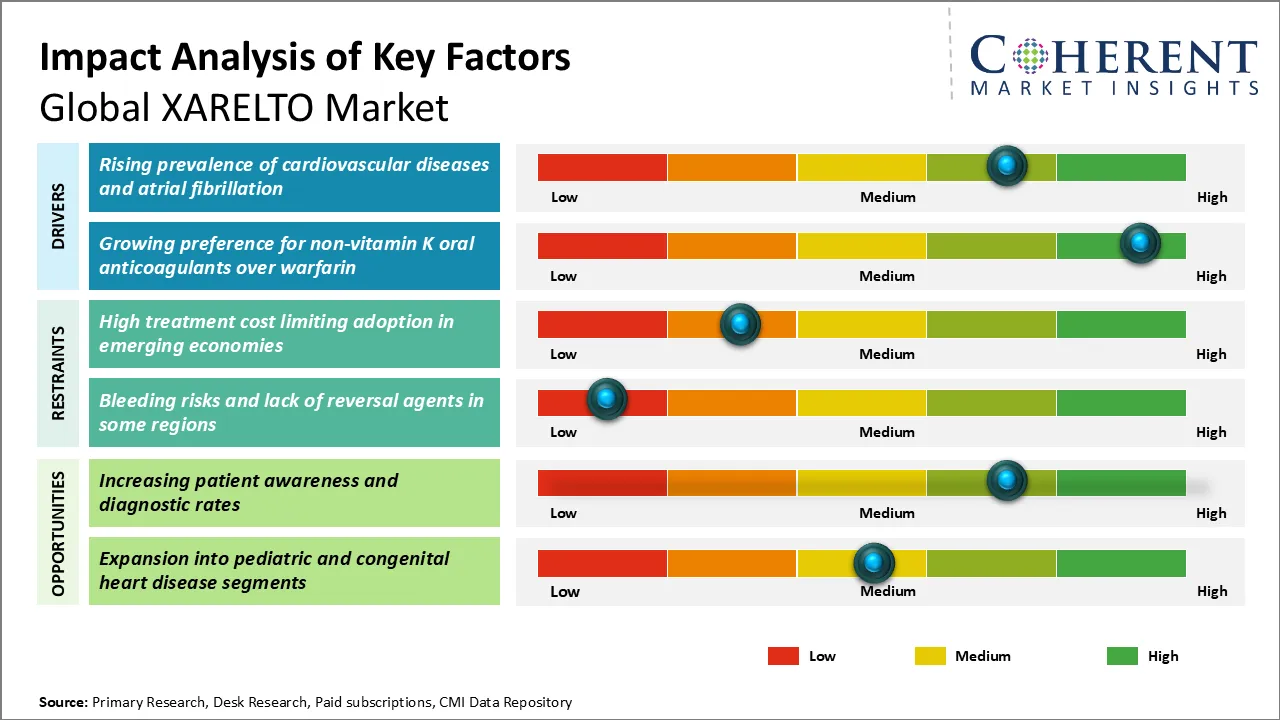
XARELTO Market Driver - Rising Prevalence of Cardiovascular Diseases and Atrial Fibrillation
The increasing global prevalence of cardiovascular diseases (CVDs), including conditions such as coronary artery disease, stroke, and atrial fibrillation (AF), continues to drive the demand for anticoagulant therapies like XARELTO. As populations age and lifestyle factors such as sedentary behavior, poor diet, and obesity remain widespread, the incidence of cardiovascular disorders rises. Atrial fibrillation, a common heart rhythm disorder, significantly increases the risk of stroke, making anticoagulation therapy essential for preventing thromboembolic events in these patients.
However, despite these growing risk factors, the market for XARELTO is experiencing slow and steady growth, with a negative compound annual growth rate (CAGR). The market faces challenges from generic alternatives and other direct oral anticoagulants (DOACs) that are intensifying competition. While XARELTO’s ease of use, predictable pharmacokinetics, and favorable safety profile remain key advantages, the broader anticoagulant market’s growth is being tempered by the increasing availability of generic options and pricing pressures.
In October 2022, according to European Society of Cardiology & American Heart Association, Inc. the prevalence of cardiovascular diseases (CVD) and atrial fibrillation (AF) is rising globally, with a significant increase in modifiable risk factors such as obesity, hypertension, Type 2 diabetes, smoking, and high cholesterol. A study of 1.3 million young Asian American adults revealed that those with these risk factors were nearly three times more likely to develop AF. Additionally, a global study estimated that AF accounts for 2.6% of the heart failure burden, impacting 1.5 million people in 2019, marking a 49.8% rise since 1990. While the burden of heart failure associated with AF has grown, high-income countries show declining rates, indicating that effective management can reduce the burden.
XARELTO Market Driver Opportunity - Increasing Patient Awareness and Diagnostic Rates
A significant opportunity in the global XARELTO market lies in the rising patient awareness and improved diagnostic rates for conditions such as atrial fibrillation, deep vein thrombosis, and pulmonary embolism, which XARELTO is primarily prescribed to manage. This heightened awareness leads to a greater number of diagnoses, thereby expanding the potential patient pool eligible for anticoagulant therapy with XARELTO. Furthermore, advancements in diagnostic technologies, including more accessible and precise imaging techniques and biomarker tests, enable earlier and more accurate detection of these conditions across both developed and emerging markets. As diagnostic facilities become widely available, especially in urban and semi-urban areas, the identification of patients requiring anticoagulation therapy is expected to surge, directly benefiting XARELTO’s market penetration.
Pharmaceutical companies, healthcare providers, and patient advocacy groups are increasingly collaborating to promote awareness programs, further driving demand. In September 2023, according to the World Heart Federation (WHF), It is mobilizing global efforts to combat cardiovascular diseases (CVD), which claimed over 20 million lives in 2021. With 80% of premature heart attacks and strokes preventable, WHF is launching the #UseHeart movement to raise awareness and drive action for better prevention, diagnosis, and treatment. The movement targets high-risk groups, including those under 55, and populations in low- to middle-income countries. WHF’s efforts, supported by organizations like Boehringer Ingelheim, Lilly Alliance, and Servier, focus on lifestyle changes and systemic improvements to reduce CVD risk.
Analyst Opinion (Expert Opinion)
- The global XARELTO market is currently experiencing slow and steady growth, with a negative CAGR observed in recent years. Key factors contributing to this trend include increased competition from generic alternatives, such as those from Aurobindo Pharma and Teva, and pricing pressures due to the Inflation Reduction Act (IRA) in the U.S. Furthermore, the regulatory environment has shifted, with growing scrutiny over pricing and reimbursement, especially in mature markets like the U.S. and Europe. However, technological advancements, such as oral suspension formulations, and expanding indications for pediatric and post-operative patients present opportunities for cautious growth. Notable challenges persist in navigating regulatory hurdles and the market’s saturation due to the entry of generics.
- In the last few years, important conferences such as the American College of Cardiology (ACC) Annual Meeting and European Society of Cardiology (ESC) Congress have hosted sessions focused on anticoagulant therapies, including XARELTO, discussing both efficacy and safety outcomes. These platforms contribute significantly to knowledge-sharing, with discussions around evolving treatment protocols and regulatory developments in the field. Such events are critical for advancing the understanding of direct oral anticoagulants (DOACs) and their role in atrial fibrillation and venous thromboembolism (VTE) management.
- A notable recent development is Bayer’s approval for pediatric use of XARELTO in treating VTE in children, expanding the market’s reach to previously underserved populations. Additionally, the CMS’s negotiation of Medicare drug prices, which includes XARELTO, has been a key regulatory event impacting pricing structures. These initiatives, while offering new market opportunities, also reflect ongoing pressures to manage drug prices, affecting market dynamics. Furthermore, partnerships between pharmaceutical companies and health authorities are helping push for price negotiations and policy updates to balance patient access with market sustainability.
Speak to the analyst
Want personalized insights?
Take the findings above to one of our principal consultants, or have the report rebuilt around the segments, geographies and competitors you actually track.
Market Segmentation
- Indications Insights (Revenue, USD Bn, 2021 - 2033)
- Nonvalvular Atrial Fibrillation (AF)
- Deep Vein Thrombosis (DVT)
- Pulmonary Embolism (PE)
- Recurrent DVT or PE
- Pos Knee or Hip Replacement Surgery
- Venous Thromboembolism (VTE) in Acutely Ill Patients
- Pediatric VTE
- Coronary Artery Disease (CAD)
- Peripheral Artery Disease (PAD)
- Post-Fontan Procedure in Congenital Heart Disease (CHD)
- Dosage Form Insights (Revenue, USD Bn, 2021 - 2033)
- Tablets
- Oral Suspension
- Strength Insights (Revenue, USD Bn, 2021 - 2033)
- 5 mg
- 10 mg
- 15 mg
- 20 mg
- 1 mg/mL
- Age Group Insights (Revenue, USD Bn, 2021 - 2033)
- Pediatric
- Adult
- Geriatric
- Gender Insights (Revenue, USD Bn, 2021 - 2033)
- Male
- Female
- End User Insights (Revenue, USD Bn, 2021 - 2033)
- Hospitals
- Specialty Clinics
- Ambulatory Surgical Centers
- Others (Academic and Research Institutes, etc.)
- Distribution Channel Insights (Revenue, USD Bn, 2021 - 2033)
- Hospital Pharmacies
- Retail Pharmacies
- Online Pharmacies
- Regional Insights (Revenue, USD Bn, 2021 - 2033)
- North America
- U.S.
- Canada
- Latin America
- Brazil
- Argentina
- Mexico
- Rest of Latin America
- Europe
- Germany
- U.K.
- Spain
- France
- Italy
- Russia
- Rest of Europe
- Asia Pacific
- China
- India
- Japan
- Australia
- South Korea
- ASEAN
- Rest of Asia Pacific
- Middle East
- GCC Countries
- Israel
- Rest of Middle East
- Africa
- South Africa
- North Africa
- Central Africa
- North America
- Key Players Insights
- Janssen Pharmaceuticals Inc. (Johnson and Johnson)
- Bayer AG
Sources
Primary Research Interviews
- Cardiologists
- Pharmacists
- Healthcare professionals
- Hospital administrators
- Clinical researchers
Government and International Databases
- World Health Organization (WHO)
- U.S. Food and Drug Administration (FDA)
- European Medicines Agency (EMA)
- Centers for Disease Control and Prevention (CDC)
- National Institutes of Health (NIH)
- Global Health Data Exchange (GHDx)
Trade Publications
- The Pharmaceutical Journal
- Pharmacy Times
- Cardiology Today
- Journal of the American College of Cardiology (JACC)
- Heart International
- The Lancet Cardiology
Academic Journals
- Circulation
- The New England Journal of Medicine (NEJM)
- The Journal of Thrombosis and Haemostasis
- Journal of Clinical Medicine
- European Heart Journal
Reputable Newspapers
- The New York Times
- The Guardian
- The Wall Street Journal
- Financial Times
- The Washington Post
Industry Associations
- American Heart Association (AHA)
- European Heart Rhythm Association (EHRA)
- International Society on Thrombosis and Haemostasis (ISTH)
- American College of Cardiology (ACC)
- European Society of Cardiology (ESC)
Public Domain Resources
- U.S. National Library of Medicine
- National Institutes of Health (NIH) resources
Proprietary Elements
- CMI Data Analytics Tool: Proprietary analytics tool to analyze real-time market trends, consumer behavior, and technology adoption in market
- Proprietary CMI Existing Repository of Information for Last 8 Years
Get access to 250+ pages report
Every segment, forecast, competitor profile and data table behind the analysis above — available for instant download.
- ESOMAR Member
- ISO 9001:2015 Certified
- D-U-N-S Registered
- GDPR & CCPA Compliant
Missing comfort of reading report in your local language? Find your preferred language:
Transform your Strategy with Exclusive Trending Reports
Frequently Asked Questions
The global XARELTO market is estimated to be valued at USD 3.11 Bn in 2026 and is expected to reach USD 1.77 Bn by 2033.
The CAGR of the global XARELTO market is projected to be -7.6% from 2026 to 2033.
Rising prevalence of cardiovascular diseases and atrial fibrillation and growing preference for non-vitamin K oral anticoagulants over warfarin full form are the major factors driving the growth of the global XARELTO market.
High treatment cost limiting adoption in emerging economies and bleeding risks and lack of reversal agents in some regions are the major factors hampering the growth of the global XARELTO market.
In terms of indications, Nonvalvular Atrial Fibrillation (AF) is estimated to dominate the market revenue share in 2026.
Janssen Pharmaceuticals Inc. (Johnson & Johnson) and Bayer AG are the major players operating in the market.
North America is expected to lead the global XARELTO market in 2026.