

Home Infusion Therapy Market Size and Forecast – 2026 to 2033
The global home infusion therapy market is estimated to be valued at USD 28.01 Bn in 2026 and is expected to reach USD 44.98 Bn by 2033, exhibiting a compound annual growth rate (CAGR) of 7.0% from 2026 to 2033.
Key Takeaways
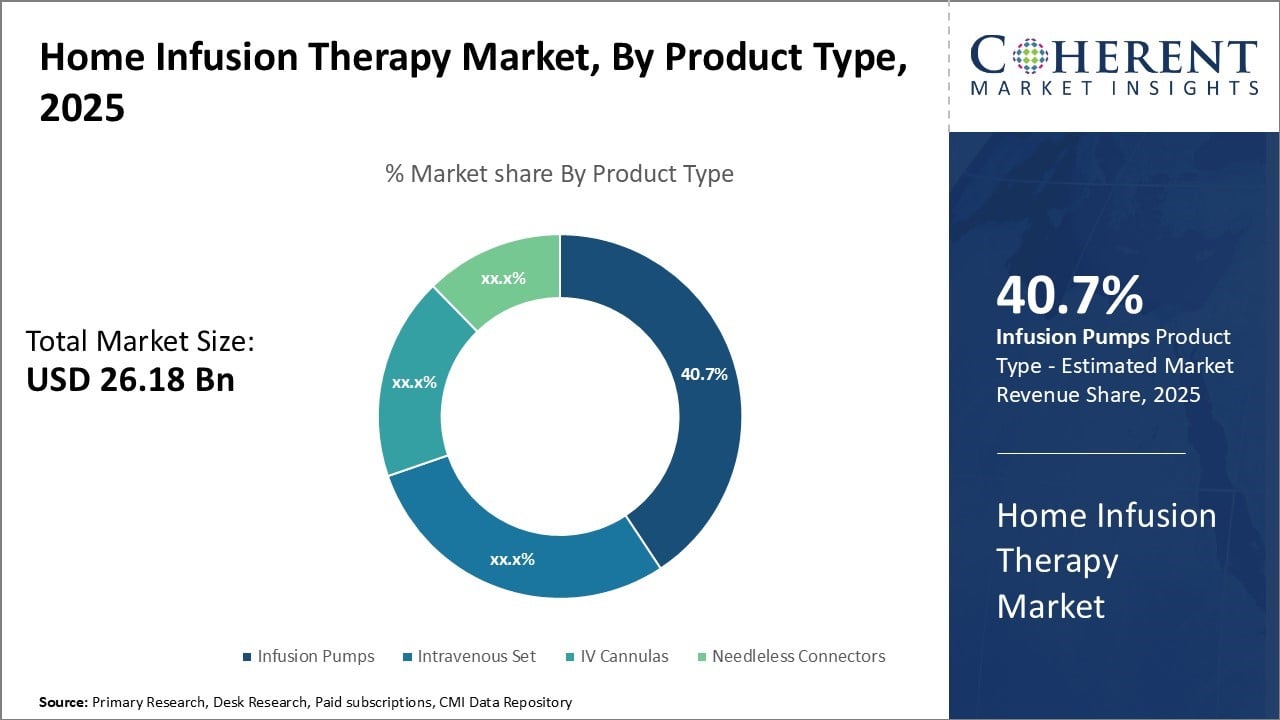
- By Product Type, Infusion Pumps acquired the prominent market share of 41.7% in 2026 owing to its advancements in infusion pump technology.
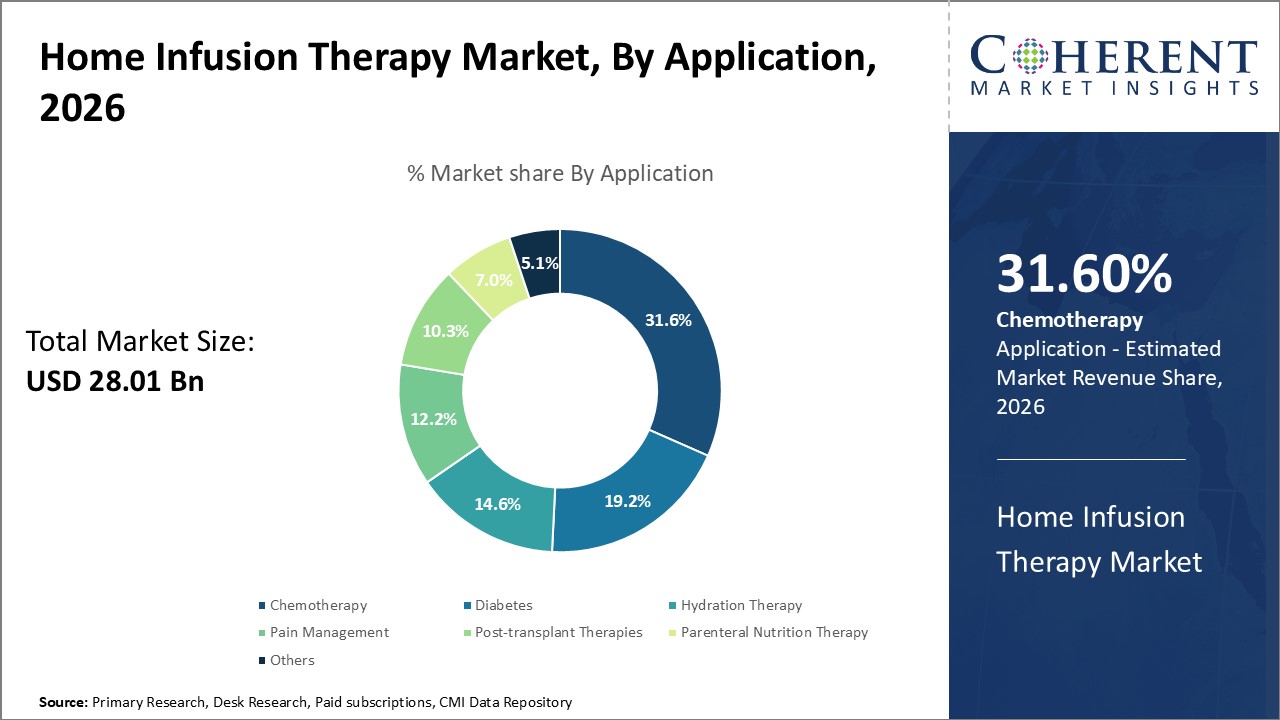
- By Application, Chemotherapy dominates the overall market with an estimated share of 31.60% in 2026 owing to its patient preference for comfort and convenience.
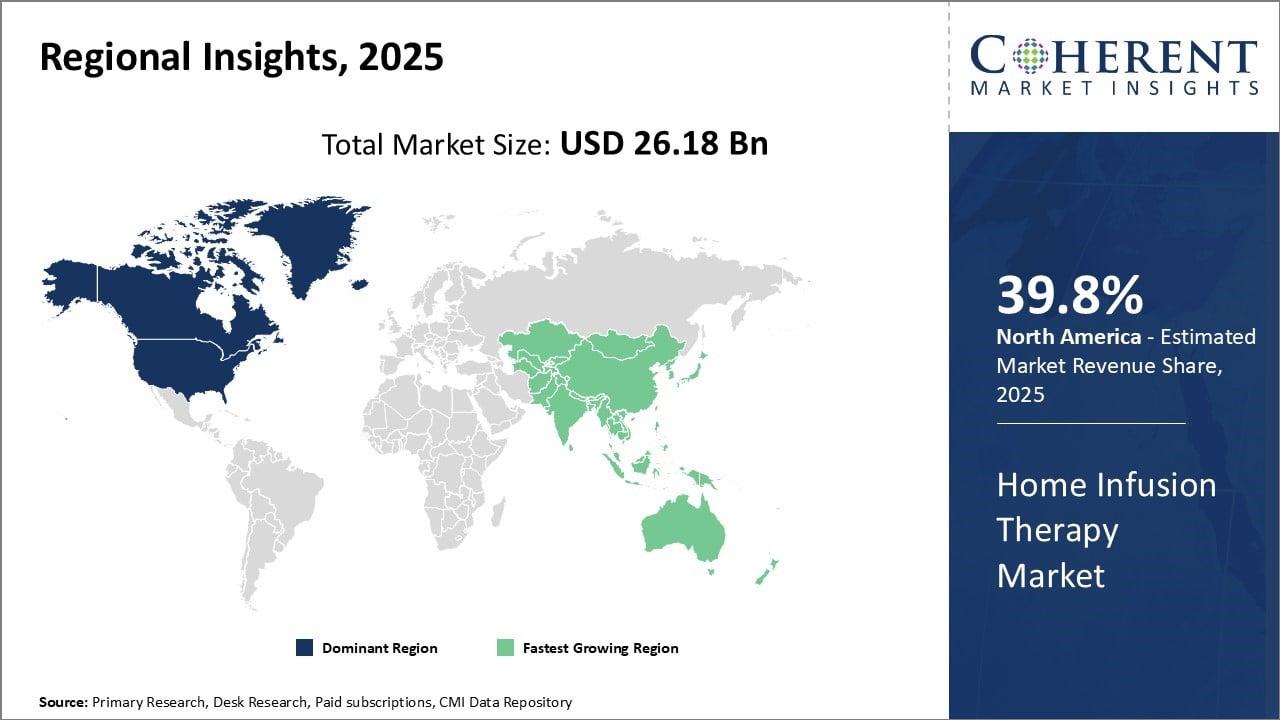
- By Region, North America hold the largest market share of 39.8% in 2026 owing to its aging population and chronic disease prevalence.
Market Overview
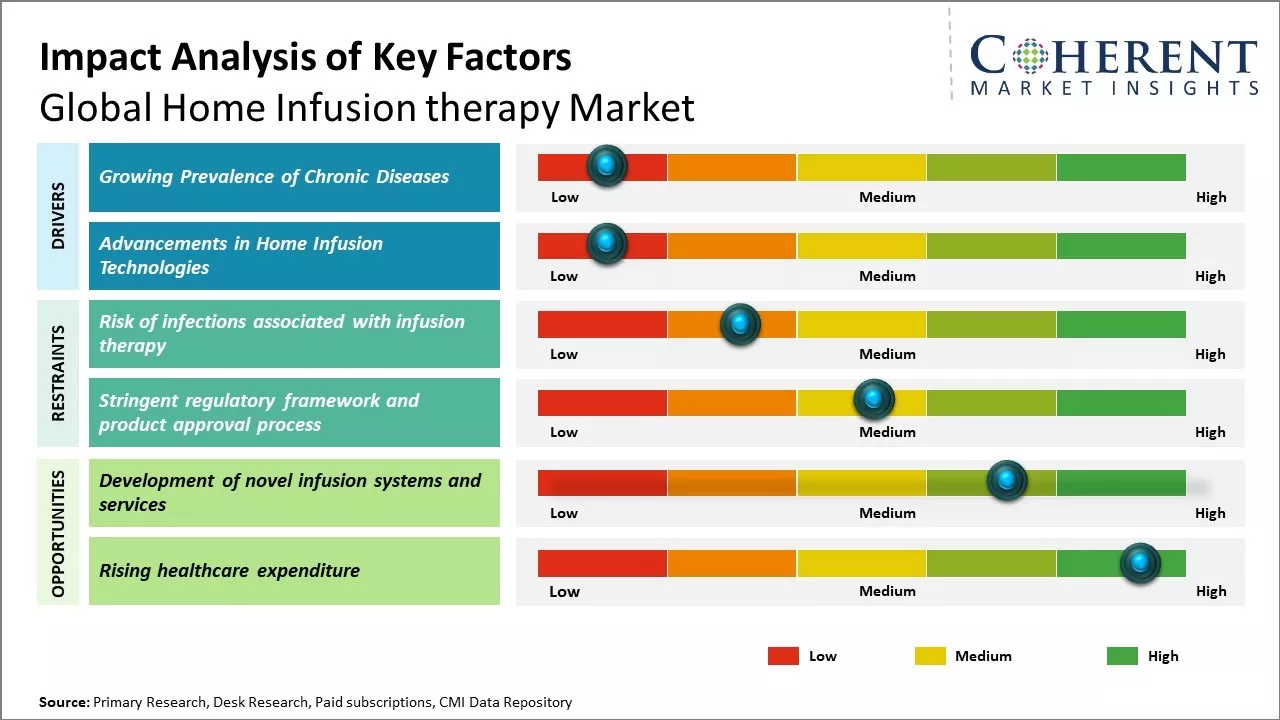
The home infusion therapy market is expected to witness high growth rate over the forecast period owing to the increasing prevalence of chronic diseases such as cancer, diabetes, and cardiovascular diseases. Rising geriatric population suffering from these conditions coupled with growing preference of patients to get treatment administered at home instead of hospitals or long-term care centers is a key factor expected to drive the demand for home infusion therapy. Additionally, rising health care costs have compelled patients to opt for low-cost treatment settings like home care which is further expected to support the market growth in the coming years.
Current Events and their Impact on the Home Infusion Therapy Market
Current Events | Description and its impact |
Regulatory and Reimbursement Policy Shifts |
|
Technological Innovations and Adoption |
|
Market Consolidation and Competitive Dynamics |
|
End-user Feedback and Unmet Needs in the Home Infusion Therapy Market
- Demand for User-Friendly Devices: End-users emphasize the need for more intuitive, easy-to-use infusion devices. Many patients, especially elderly or those with limited technical skills, face difficulties operating complex pumps. Simplified interfaces and clearer instructions could improve patient compliance and reduce errors, enhancing the overall therapy experience at home.
- Enhanced Remote Monitoring Capabilities: Patients and caregivers want better remote monitoring options that allow healthcare providers to track treatment progress in real time. Current systems sometimes lack seamless connectivity or timely alerts, limiting proactive interventions. Improving these features can boost safety and enable faster response to complications.
- Need for Personalized Therapy Options: End-users seek more customizable treatment plans tailored to individual needs, considering factors like dosage flexibility and infusion schedules. One-size-fits-all solutions often fail to address unique patient conditions, underscoring a gap for adaptive devices and protocols that accommodate diverse medical requirements.
- Current Industry Events of 2026
- Market Size Estimation
- Regional Breakdown
- Competitive Landscape
- Customer Intelligence
- Segmental Analysis
- Pricing Analysis
- Key Market Drivers, Challenges & Future Trends
- Customized Insights Section
Reimbursement Scenario in Home Infusion Therapy
Medicare’s Part B home infusion benefit, enacted under the 21st Century Cures Act and implemented in January 2021, covers professional services—such as nursing, training, and care coordination—only for drugs administered via a durable medical equipment (DME) pump. Also, commercial insurers routinely provide daily bundled reimbursement for all professional care associated with home infusions, enabling wider access and significant cost savings—literature reviews affirm that home infusion is as safe and effective as facility-based care and can reduce costs by approximately USD 2,000– USD 3,000 per treatment course.
Segmental Insights
Home Infusion Therapy Market Insights, By Product Type
Infusion Pumps contribute the highest share of the market owing to its increasing prevalence of chronic diseases
Infusion Pumps segment is expected to contribute the highest share of the global home infusion therapy market with 41.7% in 2026 owing to their versatility and suitability for delivering a variety of therapies at home. Infusion pumps allow for precision in drug delivery directly into the body via an IV, offering patients greater autonomy and control over their treatment. The demand for infusion pumps is primarily driven by their widespread application in chemotherapy and diabetes treatment. For chemotherapy patients, infusion pumps enable convenient home-based administration of drugs over extended periods, significantly improving quality of life by reducing hospital visits. They also help regulate drug dosage more accurately compared to manual methods. Similarly, insulin-dependent diabetes patients rely on infusion pumps to maintain steady glucose levels outside of hospital settings. For instance, in April 2025, ICU Medical achieved new regulatory milestones that establish a new category for its infusion systems. These developments include the introduction of the Plum Solo precision IV pump, designed as a single-channel counterpart to the dual-channel Plum Duo. Such developments are propelling the home fusion therapy market revenue.
Home Infusion Therapy Market Insights, By Application
Chemotherapy contributes the highest share of the market owing to its remote monitoring and telehealth integration
Chemotherapy is expected to account for the largest share of the home infusion therapy market with 31.60% in 2026 owing to the rising cancer prevalence and increasing shift towards home-based treatment. While hospital-based chemotherapy continues as the mainstream approach, many oncologists are now recommending interim home infusion to reduce clinic visits and improve patient comfort. The main advantages of home chemotherapy include avoidance of hospital-acquired infections, minimized disruptions to lifestyle and work, and more personalized care from family members. This is proving especially beneficial for older and palliative care patients requiring long-term treatment. With infusions being administered at a comfortable home setting by trained nurses, patients often experience less anxiety, pain and chemo-related side effects compared to clinical surroundings. For instance, Jivika Healthcare, a leading mobile medical service provider in India, has officially launched ChemoAtHome, a pioneering initiative aimed at delivering safe, high-quality chemotherapy treatment in the comfort of patients’ homes.
Regional Insights
North America Home Infusion Therapy Market Trends
The North American home infusion therapy market is growing rapidly due to several important trends. The rise in chronic diseases like cancer and diabetes is driving increased demand for long-term infusion treatments. Advances in infusion devices, such as smart pumps and remote monitoring systems, improve treatment accuracy and patient safety. Additionally, the aging population and growing preference for home-based care are fueling home infusion therapy market demand.
For instance, AmerisourceBergen (AB) has launched a program to help hospitals and health systems start or enhance home infusion services. As site-of-care strategies gain importance, many systems are expanding into home infusion to maintain care continuity and support growing outpatient treatment options. AB’s program offers a step-by-step approach to help health systems build and run clinically focused, sustainable home infusion programs within their networks.
Asia Pacific Home Infusion Therapy Market Trends
Fast aging populations in countries like China, India, and Japan are increasing the prevalence of chronic diseases that require long-term infusion treatments. This demographic shift is sharply driving up the demand for infusion therapy and other home-based healthcare services. Administering medication at home provides a cost-effective alternative to inpatient care, attracting patients and healthcare systems aiming to reduce costs without compromising quality.
United States Home Infusion Therapy Market Trends
Rising cases of chronic diseases such as diabetes, cardiovascular disease, and cancer are driving the demand for home infusion therapy. Patients often require continuous care and management, which healthcare providers can efficiently deliver at home. Recent innovations in infusion equipment, including portable pumps and advanced monitoring systems, have made home infusion therapy safer and more effective.
In February 2024, Hikma Pharmaceuticals PLC (Hikma), a multinational pharmaceutical company, has launched COMBOGESIC® IV injection in the US. This opioid-free intravenous pain relief medication combines 1,000 mg of acetaminophen with 300 mg of ibuprofen, a nonsteroidal anti-inflammatory drug (NSAID).
China Home Infusion Therapy Market Trends
China is experiencing a rise in chronic illnesses like diabetes, heart disease, and cancer. The National Health Commission reports that over 300 million people have diabetes, highlighting the growing demand for home-administered infusion therapies to manage these conditions effectively. Innovations such as smart delivery systems and computerized infusion pumps are making home infusion therapies safer and more effective. These devices improve patient outcomes and increase adoption by allowing real-time monitoring and remote adjustments.
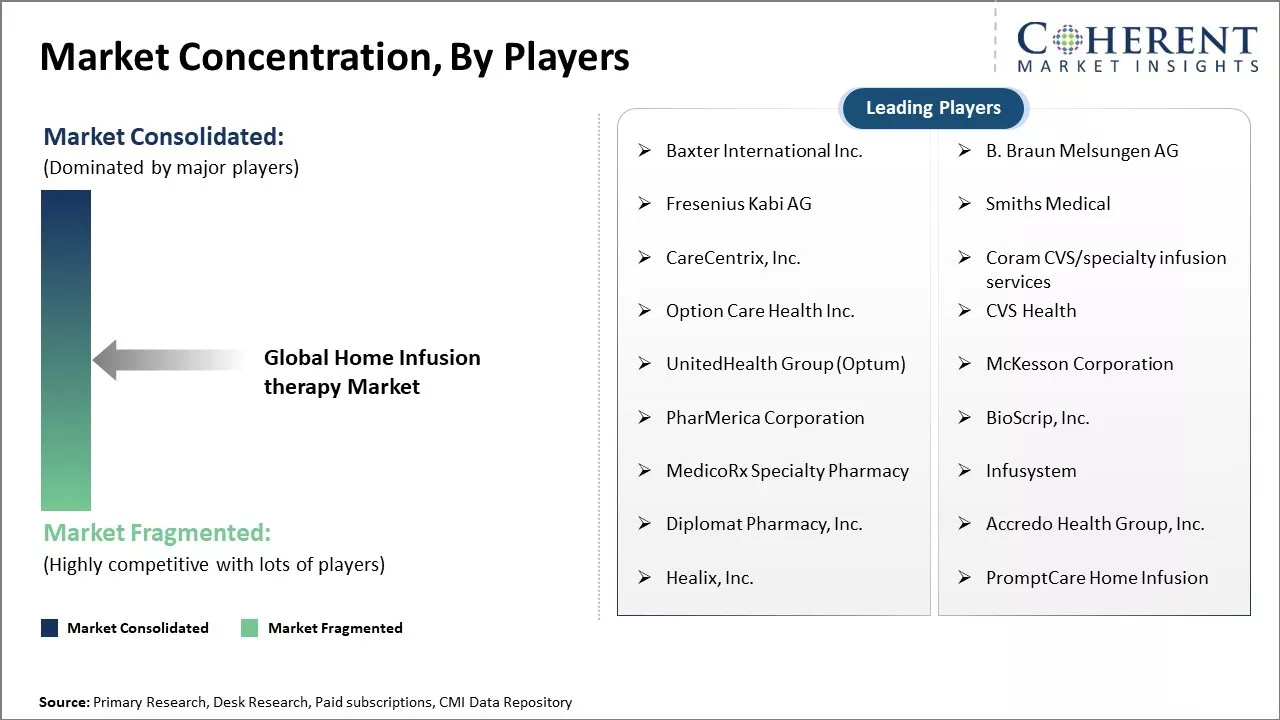
Market Concentration and Competitive Landscape
Home Infusion Therapy Market News
- In April 2025, Enclara Pharmacia, the nation’s leading hospice pharmacy solutions provider, launched next-day shipping infusion services. This innovative program aims to close a critical gap in hospice care by providing high-acuity patients with timely access to intravenous (IV) medications.
- In May 2025, Horizon Health Network launched Canada’s first at-home cancer treatment program in New Brunswick. Developed in collaboration with Roche Canada, the New Brunswick Extra-Mural Program, and ResearchNB, the initiative enables patients with specific types of lung cancer to receive Health Canada-authorized under-the-skin cancer immunotherapy in the comfort of their homes.
- In August 2024, the DRIPBaR Statesboro launched a new mobile hydration service that delivers IV therapy treatments directly to homes, offices, and events within a 30-mile radius. Operating on select Saturdays and Sundays, the service allows clients to access wellness treatments without needing to visit the physical location.
- In February 2024, Dynamic Access, LLC, a leading provider of vascular access solutions, launched a new affiliate brand, Dynamic Infusion, to deliver home infusion nursing services for patients with chronic conditions like autoimmune disorders, hemophilia, Crohn's disease, rheumatoid arthritis, multiple sclerosis, and others.
Market Report Scope
Home Infusion Therapy Market Report Coverage
| Report Coverage | Details | ||
|---|---|---|---|
| Base Year: | 2025 | Market Size in 2026: | USD 28.01 Bn |
| Historical Data for: | 2020 To 2024 | Forecast Period: | 2026 To 2033 |
| Forecast Period 2026 to 2033 CAGR: | 7.0% | 2033 Value Projection: | USD 44.98 Bn |
| Geographies covered: |
| ||
| Segments covered: |
| ||
| Companies covered: | Baxter International Inc., B. Braun Melsungen AG, Fresenius Kabi AG, Smiths Medical, CareCentrix, Inc., Coram CVS/specialty infusion services, Option Care Health Inc., CVS Health, UnitedHealth Group (Optum), McKesson Corporation, PharMerica Corporation, BioScrip, Inc., MedicoRx Specialty Pharmacy, Infusystem, Diplomat Pharmacy, Inc., Accredo Health Group, Inc., Healix, Inc., and PromptCare Home Infusion | ||
| Growth Drivers: |
| ||
| Restraints & Challenges: |
| ||
Home Infusion Therapy Market Trend
Technological Advancements in Infusion Devices
The development of portable, user-friendly infusion pumps equipped with smart features is enhancing the accessibility and efficiency of home infusion therapy. Modern devices often include wireless connectivity, enabling remote monitoring by healthcare providers. This allows for real-time tracking of patient conditions and therapy effectiveness, thereby improving patient safety and outcomes.
Integration of Digital Health Technologies
There is a growing trend towards integrating telehealth services and remote monitoring technologies into home infusion therapies. This integration facilitates continuous patient monitoring without the need for frequent hospital visits. Digital health platforms enable healthcare providers to offer personalized support, adjust treatment plans in real time, and ensure compliance with therapy protocols, leading to better management of chronic conditions and enhanced patient satisfaction.
Home Infusion Therapy Market Opportunity
Expansion in Emerging Markets
Emerging markets offer significant growth opportunities for home infusion therapy due to rising healthcare awareness, improving infrastructure, and increasing prevalence of chronic diseases. Countries in Asia-Pacific, Latin America, and the Middle East are investing in healthcare modernization and expanding home healthcare services. The growing elderly population in these regions further fuels demand for convenient, cost-effective treatment options. Companies can capitalize by introducing affordable, easy-to-use infusion devices and partnering with local healthcare providers to increase accessibility and adoption of home infusion therapies in underserved areas.
Analyst Opinion (Expert Opinion)
- The home infusion therapy market is at a critical inflection point, driven not merely by demographic shifts but by profound technological and systemic healthcare transformations. The integration of smart infusion pumps with AI-enabled monitoring is not just enhancing patient safety—it is redefining the standard of care outside hospital settings. For example, Baxter’s SIGMA Spectrum infusion system, which features dose error reduction software, has demonstrated a 50% reduction in medication errors in clinical settings, setting a benchmark for future device innovations.
- Furthermore, the pandemic underscored a persistent vulnerability in traditional healthcare delivery—patients with chronic diseases require uninterrupted care but face barriers accessing hospital-based services. Home infusion therapy addresses this gap effectively. Studies from the Journal of Clinical Oncology reveal that home-based chemotherapy infusion reduces hospital stay lengths by up to 30%, improving quality of life without compromising efficacy.
- The critical next phase involves leveraging interoperability between infusion devices and telehealth platforms. Real-time data integration can shift home infusion therapy from reactive to proactive care. Companies that invest heavily in developing such connected ecosystems will capture disproportionate value.
Speak to the analyst
Want personalized insights?
Take the findings above to one of our principal consultants, or have the report rebuilt around the segments, geographies and competitors you actually track.
Market Segmentation
- Product Type Insights (Revenue, USD Bn, 2021 - 2033)
- Infusion Pumps
- Ambulatory Infusion Pumps
- Insulin Pumps
- Syringe Pumps
- Elastomeric Pumps
- Patient Controlled Analgesics (PCA)
- Volumetric Pumps
- Intravenous Set
- IV Cannulas
- Needleless Connectors
- Application Insights (Revenue, USD Bn, 2021 - 2033)
- Chemotherapy
- Diabetes
- Hydration Therapy
- Pain Management
- Post-transplant Therapies
- Parenteral Nutrition Therapy
- Others
- Regional Insights (Revenue, USD Bn, 2021 - 2033)
- North America
- U.S.
- Canada
- Latin America
- Brazil
- Argentina
- Mexico
- Rest of Latin America
- Europe
- Germany
- U.K.
- Spain
- France
- Italy
- Russia
- Rest of Europe
- Asia Pacific
- China
- India
- Japan
- Australia
- South Korea
- ASEAN
- Rest of Asia Pacific
- Middle East
- GCC Countries
- Israel
- Rest of Middle East
- Africa
- South Africa
- North Africa
- Central Africa
- Key Players Insights
- Baxter International Inc.
- B. Braun Melsungen AG
- Fresenius Kabi AG
- Smiths Medical
- CareCentrix, Inc.
- Coram CVS/specialty infusion services
- Option Care Health Inc.
- CVS Health
- UnitedHealth Group (Optum)
- McKesson Corporation
- PharMerica Corporation
- BioScrip, Inc.
- MedicoRx Specialty Pharmacy
- Infusystem
- Diplomat Pharmacy, Inc.
- Accredo Health Group, Inc.
- Healix, Inc.
- PromptCare Home Infusion
Sources
Primary Research Interviews
- Healthcare professionals
- Infusion nurses
- Hospital administrators
- Home healthcare service providers
Databases
- PubMed
- ClinicalTrials.gov
- FDA Drug and Device Databases
- WHO Global Health Observatory
Magazines
- Home Healthcare Now
- Pharmacy Times
- MedTech Outlook
- BioPharma Reporter
Journals
- Journal of Infusion Nursing
- The Lancet Oncology
- American Journal of Managed Care
- Journal of Clinical Oncology
Newspapers
- The New York Times Health Section
- The Guardian Health
- The Wall Street Journal Health & Science
- Reuters Health News
Associations
- Infusion Nurses Society (INS)
- Home Care Association of America (HCAOA)
- American Society of Health-System Pharmacists (ASHP)
- National Home Infusion Association (NHIA)
Public Domain sources
- U.S. Centers for Disease Control and Prevention (CDC)
- National Institutes of Health (NIH)
- World Health Organization (WHO)
- Centers for Medicare & Medicaid Services (CMS)
Proprietary Elements
- CMI Data Analytics Tool, and Proprietary CMI Existing Repository of information for last 8 years
Get access to 250+ pages report
Every segment, forecast, competitor profile and data table behind the analysis above — available for instant download.
- ESOMAR Member
- ISO 9001:2015 Certified
- D-U-N-S Registered
- GDPR & CCPA Compliant
Missing comfort of reading report in your local language? Find your preferred language:
Transform your Strategy with Exclusive Trending Reports
Frequently Asked Questions
The Home Infusion Therapy Market is estimated to be valued at USD 28.01 Bn in 2026, and is expected to reach USD 44.98 Bn by 2033.
The CAGR of the Home Infusion Therapy Market is projected to be 7.0% from 2026 to 2033.
Growing Prevalence of Chronic Diseases and Advancements in Home Infusion Technologies are the major factors driving the growth of the global home infusion therapy market.
Risk of infections associated with infusion therapy and stringent regulatory framework and product approval process are the major factors hampering the growth of the global home infusion therapy market.
In terms of product type, infusion pumps is estimated to dominate the market revenue share in 2026.
Baxter International Inc., B. Braun Melsungen AG, Fresenius Kabi AG, Smiths Medical, CareCentrix, Inc., Coram CVS/specialty infusion services, Option Care Health Inc., CVS Health, UnitedHealth Group (Optum), McKesson Corporation, PharMerica Corporation, BioScrip, Inc., MedicoRx Specialty Pharmacy, Infusystem, Diplomat Pharmacy, Inc., Accredo Health Group, Inc., Healix, Inc., and PromptCare Home Infusion are the major players.
North America is expected to lead the global home infusion therapy market.