

Plant Extracts Market Analysis & Forecast: 2026-2033
Plant Extracts Market is estimated to be valued at USD 52.89 Bn in 2026 and is expected to reach USD 114.03 Bn in 2033, exhibiting a compound annual growth rate (CAGR) of 11.6% from 2026 to 2033.
Key Takeaways
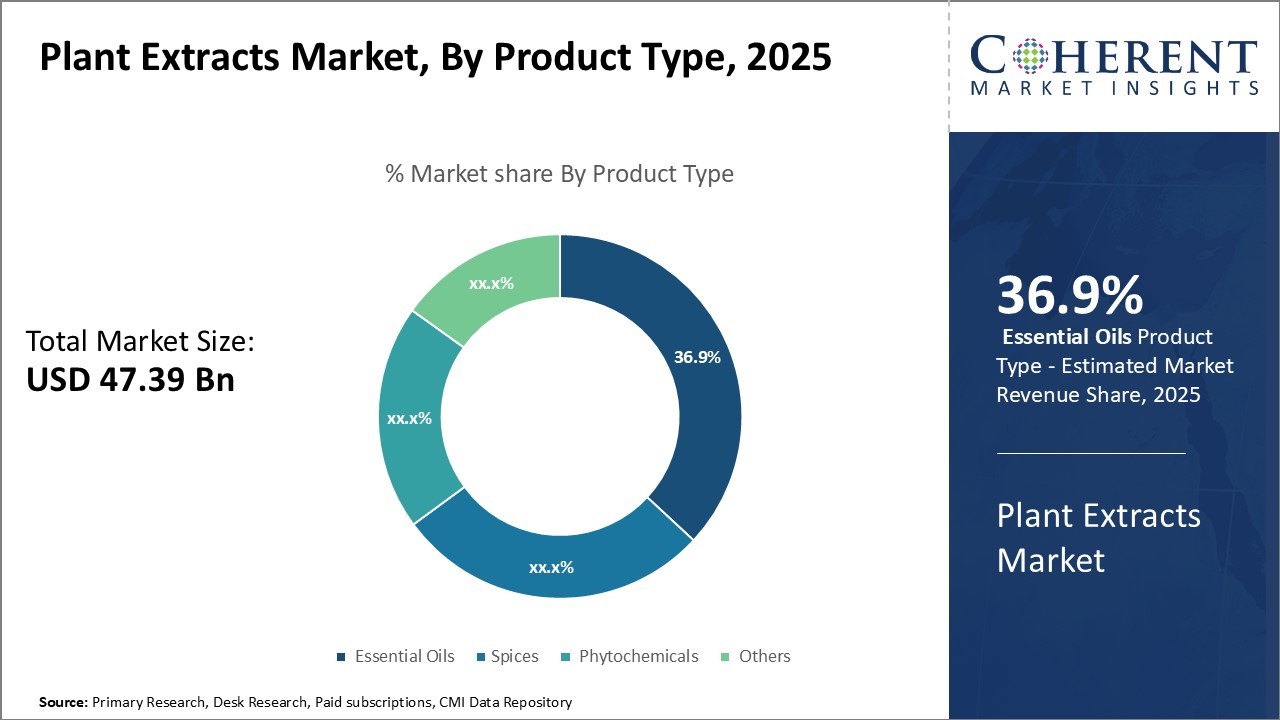
- According to Product Type, The Essential Oils Category is anticipated to account for the largest share of 37.9% for the Plant Extracts market in 2026. Their extentive use in sectors which includes food and beverage, personal care and cosmetics, pharmaceuticals, and aromatherapy is what propels their supremacy.
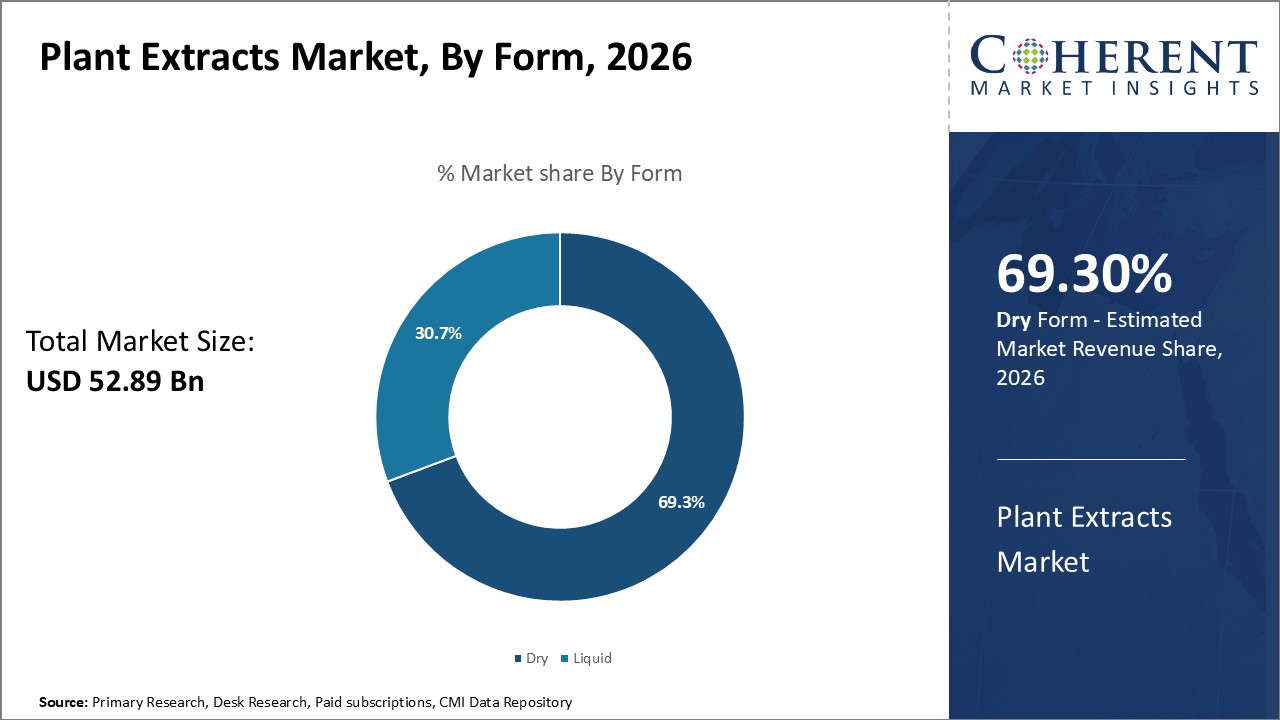
- According to Form, The Dry Segment is anticipated to hold major share of 69.3% for the Plant Extracts market in 2026. Compared to liquid versions, dry plant extracts are easier to store and transport because they are more stable and have a longer shelf life.
- According to Application, Personal Care Segment is expected to hold 39.1% plant extracts market share in 2026. Customers are looking for products that are safe, mild, effective, and eco-friendly and there is a noticeable shift toward clean, green, and ethically derived components.
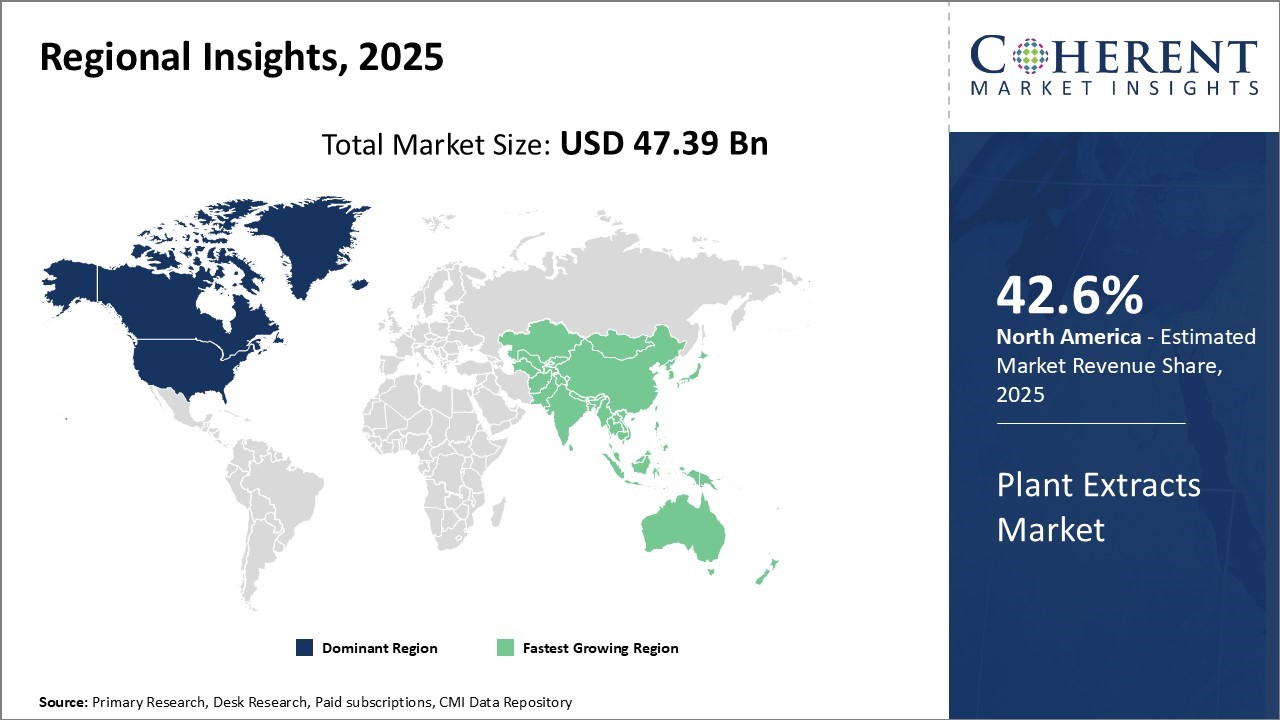
- According to region, North America holds the largest market share of 42.6% for Plant Extracts market growth by 2026. Products without artificial ingredients are highly preferred, and plant extracts are used as natural flavorings, colorsnts, and preservatives.
Market Overview
The plant extracts market size is growing health consciousness, a preference for clean-label products, and a move away from artificial ingredients are all factors. The global plant extracts market is expected to witness strong growth over the forecast period. The rising demand for natural ingredients from industries such as pharmaceuticals, functional food & beverages, and premium cosmetics is expected to drive the growth of the market. Growing awareness regarding the health benefits of plant extracts along with the increasing consumer preference for herbal and natural products are further expected to support the increasing demand. Moreover, the expanding application scope of plant extracts in nutraceuticals, skincare and emerging industries such as cannabis is projected to create new opportunities for players in the market.
Current Events and Its Impact on the Plant Extracts Market
Event | Description and Impact |
Surge in Clean-Label and Natural Product Demand |
|
Adoption of AI and Machine Learning in Automation |
|
Pricing Analysis
The pricing of plant extracts in Europe is influenced by several factors, including the quality and purity of the extracts, the type of plant source, extraction methods, and regional demand. This is particularly relevant in the anti-aging creams with plant extracts market, where European products, especially those from Germany and Switzerland, command premium prices due to their reputation for high quality and stringent quality control standards.
Additionally, the growing demand for plant extracts in pharmaceuticals, food, and cosmetics has led to increased competition, which can both stabilize and drive up prices depending on supply dynamics and raw material availability. Fluctuations in the supply chain, especially for rare or seasonal botanicals, can also lead to price volatility, impacting both manufacturers and end-users.
- Current Industry Events of 2026
- Market Size Estimation
- Regional Breakdown
- Competitive Landscape
- Customer Intelligence
- Segmental Analysis
- Pricing Analysis
- Key Market Drivers, Challenges & Future Trends
- Customized Insights Section
Adoption of New Technology
- Technological advancements have played a pivotal role in shaping the plant extracts market.
- The adoption of innovative extraction techniques such as supercritical CO2 extraction, cold-pressed methods, and advanced solvent extraction has improved the efficiency, yield, and safety of plant extracts.
- These technologies help preserve the active compounds in plants, enhance product quality, and reduce environmental impact.
- As a result, manufacturers can offer a broader range of high-quality extracts for use in functional foods, pharmaceuticals, and cosmetics, further expanding market applications and supporting premium product positioning.
Use of Organic and Natural Material
- There is a marked increase in the use of organic and natural raw materials in the production of plant extracts, driven by consumer preference for clean-label, chemical-free, and sustainable products.
- This trend is especially strong in Europe, where health consciousness and environmental awareness are high.
- The use of organically grown plants ensures that extracts are free from synthetic pesticides and fertilizers, aligning with regulatory standards and consumer expectations. Plant extracts in nanotechnology are increasingly valued for their purity and biocompatibility, making them suitable for advanced applications where safety and sustainability are priorities.
- This shift not only enhances the perceived value and safety of finished products but also supports the market growth of plant extracts in sectors like food, beverages, and personal care, where demand for natural ingredients continues to rise.
Segmental Insights
Plant Extracts Market Insights, By Product Type
In terms of product type, essential oils is expected to contribute 37.9% share of the market in 2026, owing to the growing consumer preference for natural products. As people become more health conscious, they are drawn to essential oils due to their numerous benefits and lack of synthetic chemicals.
Compared to other plant extracts, essential oils offer a more concentrated format that packs the therapeutic essence of plant ingredients into small volumes. This has made them highly sought after as natural alternatives in various applications. Their use in aromatherapy and alternative medicine is also gaining wider acceptance, further spurring demand. In the personal care space, essential oils are prominent ingredients in many natural cosmetic products for their skin and hair benefits.
Food and beverage producers also incorporate essential oils to impart distinctive flavors in a natural way. Overall, the diverse applications and natural positioning of essential oils have enabled this segment to outperform others in the plant extracts market. Looking ahead, as consumers increasingly prioritize wellness and sustainability, essential oils are poised to retain their top status.
Plant Extracts Market Insights, By Form
In terms of form, the dry segment is expected to hold 69.3% of the market share in 2026, driven by its stability advantages. Being concentrated makes dry plant extracts more shelf-stable than liquids, enabling easier storage and transportation. This durability is highly valued across different industries where plant extracts are utilized.
Pharmaceutical companies prefer dry formulations as they maintain consistent potency over extended periods. Likewise, food producers favor dry plant extracts for their ability to withstand packaging, distribution and storage without degradation. In personal care, dry extracts also offer formulation benefits as their concentration allows for precise inclusion in small volume products like serums and creams. Their non-perishable nature further ensures minimal wastage.
Overall, as industries require plant-based compounds to retain quality and efficacy over time, the superior stability of dry extracts has made them the preferred format in the plant extracts marketplace.
Plant Extracts Market Insights, By Application
In terms of application, personal care is expected to emerge as the leading segment in the plant extracts market with 39.1% of the market share in 2026. Growing consumer emphasis on natural ingredients is a key factor driving the use of plant extracts in personal care products. People are increasingly seeking natural alternatives to synthetic chemicals in their skin, hair, and oral care regimes.
Plant extracts deliver multiple bioactive compounds that contribute various benefits. For instance, phytochemicals from fruits and herbs are popular anti-aging actives. Essential oils provide therapeutic scalp and skincare effects. Natural extracts also allow formulation of products aligned with clean beauty trends. Manufacturers utilize plant extracts to market premium natural positioning and better ingredient labels.
Additionally, continuous new product launches incorporating plant-based compounds have augmented their application in personal care. The dynamic nature of the personal care industry strategizing on trending consumer interests makes it a fertile ground for plant extracts. Overall, personal care emerges as the top application driving the overall plant extracts marketplace.
Plant Extracts Market – Regional Insights
Asia Pacific Plant Extracts Market
North America has emerged as the dominant region in the global plant extracts market. The region is expected to account for 42.6% of the market share in 2026. The large size and robust growth of the nutraceuticals industry in the U.S. and Canada has propelled the demand for various plant extracts.
Rising health consciousness among consumers has increased the consumption of dietary supplements, which is the major end-use segment for plant extracts. Furthermore, the presence of leading players such as Frutarom, Naturex, Sensient Technologies, and numerous small and mid-sized firms has made North America a major innovation hub in this industry.
These companies cater to the demands of various healthcare products and food & beverage brands. Given the strong production capabilities and distribution networks of extract manufacturers across the region, North American brands can source high quality plant extracts with ease and reliability.
Asia Pacific Plant Extracts Market
The Asia Pacific region displays the fastest growth prospects for the plant extracts market over the forecast period. Rapid economic development, rising disposable incomes, and growing health awareness are some key macroeconomic factors driving the market growth. Countries like India and China consist of nearly 40.5% of the world's population and their collective GDP is expected to surpass major developed economies in the coming years. This indicates the immense commercial potential of catering to their domestic needs.
Local companies in Asia Pacific are investing in R&D facilities to develop innovative extraction technologies and novel plant-based products. They also increasingly partner or acquire foreign extract manufacturers to gain access to advanced methods and new plant varieties.
Various trade agreements have further eased the import of plant extracts within the region. Such favorable market environment and demand drivers are assisting the rise of Asia Pacific as the fastest expanding regional market for plant extracts.
Plant Extracts Market In Europe
The market for plant extracts in Europe is expected to keep growing due to consumer preferences, technical advancements, and robust demand from a wide range of application sectors. The quality and purity of European goods, particularly those from Germany and Switzerland, are highly prized, which increases demand for them both domestically and internationally.
Plant Extracts Market Dominating Countries
U.S Plant Extracts Market
Strong consumer demand for natural and clean-label products in the food, beverage, pharmaceutical, cosmetic, and nutraceutical industries is driving the U.S. industry. Manufacturers are being pushed to create pure and potent plant extracts by American consumers' strong preference for products with few artificial additives.
India Plant Extracts Market
India's extensive production of medicinal plants, ancient Ayurvedic knowledge, and rich biodiversity make it stand out in the market for plant extracts. The nation is a major supplier of a variety of botanical extracts, particularly for usage in cosmetics, nutraceuticals, and pharmaceuticals. India is becoming a major exporter because to the rising demand for natural health products and the expanding acceptability of traditional herbal therapies around the world.
Plant Extracts Market In China
The nation enjoys the advantages of a vast manufacturing base, a wealth of raw material resources, and a long history of using plant-based substances in food and medicine. China's demand for botanical extracts is being driven by the country's fast urbanization, rising disposable income, and consumer desire for functional, healthful meals.
Market Report Scope
Plant Extracts Market Report Coverage
| Report Coverage | Details | ||
|---|---|---|---|
| Base Year: | 2025 | Market Size in 2026: | USD 52.89 Bn |
| Historical Data for: | 2020 To 2024 | Forecast Period: | 2026 To 2033 |
| Forecast Period 2026 to 2033 CAGR: | 11.6% | 2033 Value Projection: | USD 114.03 Bn |
| Geographies covered: |
| ||
| Segments covered: |
| ||
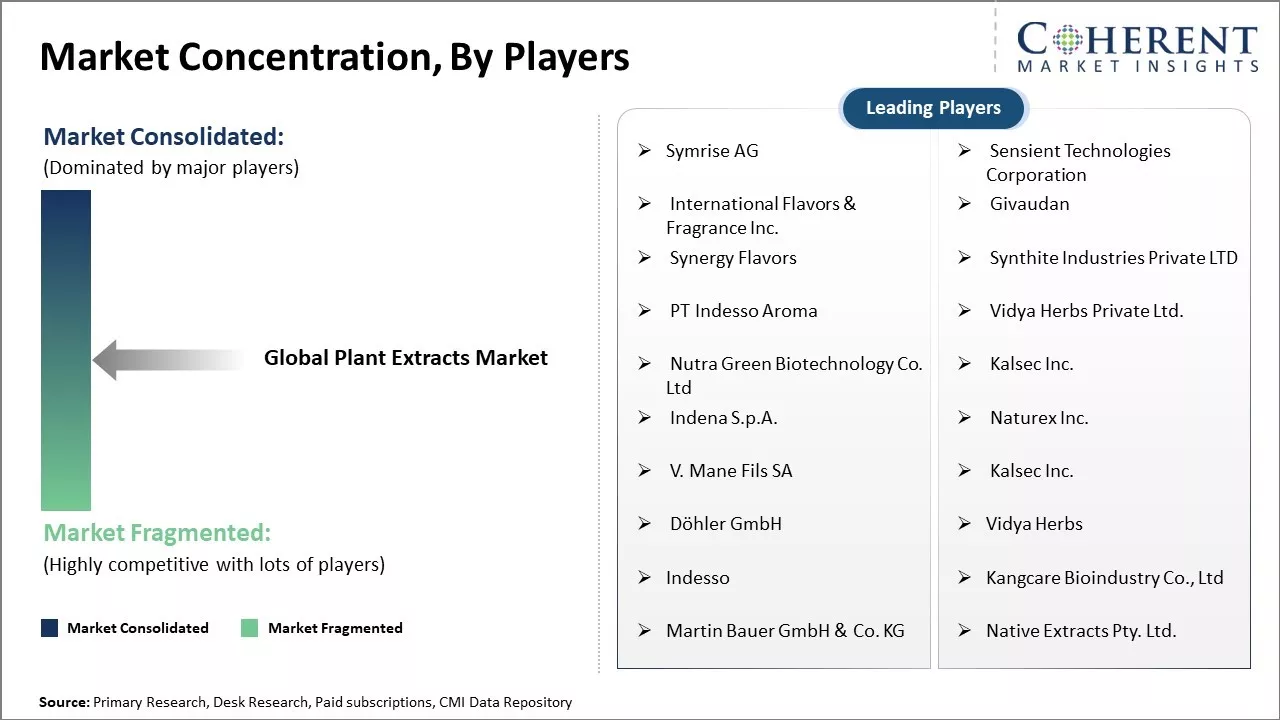
| Companies covered: | Symrise AG, Sensient Technologies Corporation, International Flavors & Fragrance Inc., Givaudan, Synergy Flavors, Synthite Industries Private LTD, PT Indesso Aroma, Vidya Herbs Private Ltd., Nutra Green Biotechnology Co. Ltd, Kalsec Inc., Indena S.p.A., Naturex Inc., V. Mane Fils SA, Kalsec Inc., Döhler GmbH, Vidya Herbs , Indesso , Kangcare Bioindustry Co., Ltd, Martin Bauer GmbH & Co. KG, Native Extracts Pty. Ltd. are the major players | ||
| Growth Drivers: |
| ||
| Restraints & Challenges: |
| ||
Market Concentration and Competitive Landscape
Plant Extracts Market: Growth Drivers
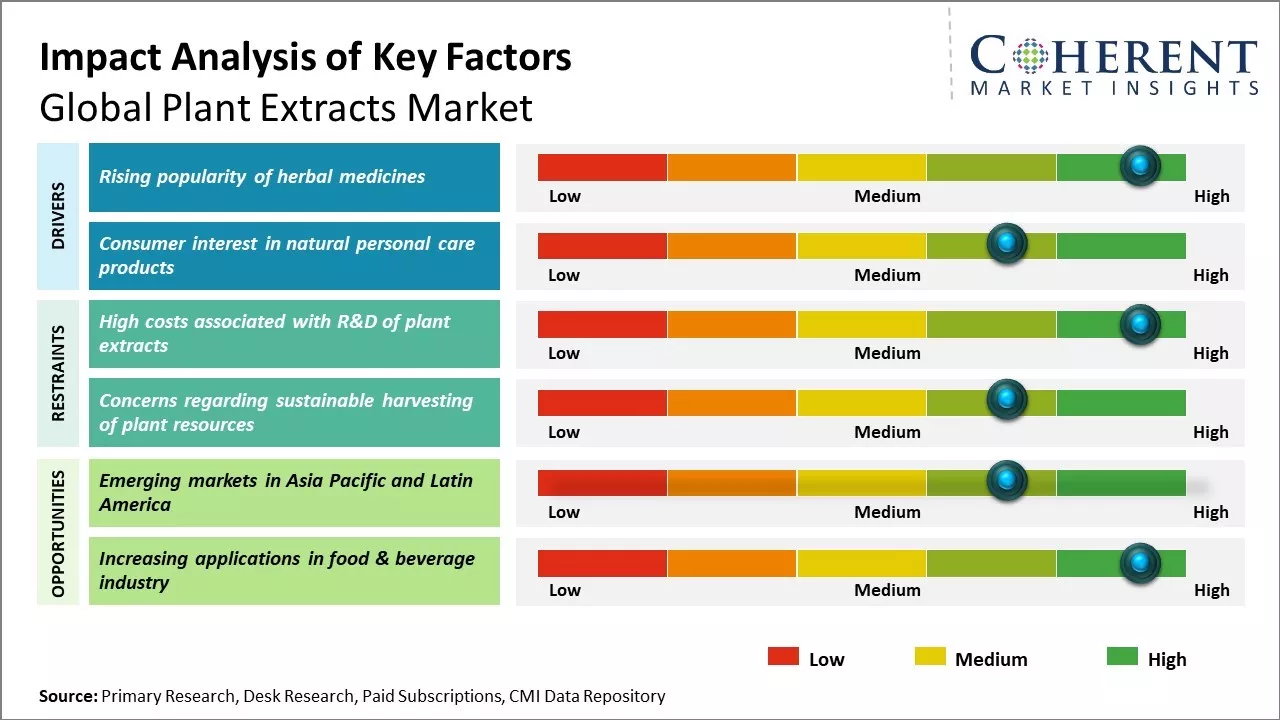
- Rising popularity of herbal medicines
The use of plant extracts in herbal medicines is growing globally due to the increasing concerns about the potential side effects of synthetic drugs. Many people now prefer taking herbal remedies made from plant extracts to treat common health issues like cough, cold, digestive problems, etc. as they believe that natural remedies are safer and more effective than allopathic medicines.
Various plant extracts like ginger, turmeric, garlic, aloe vera, basil, etc. have been used extensively in Ayurveda and Chinese traditional medicines for centuries to treat numerous ailments without any major side effects. With growing evidence of their healing properties, herbal medicines are gaining more trust among the public.
More people are now turning to herbal supplements containing various plant extracts to boost their immunity, energy levels and overall well-being in a natural way. The elderly population in particular favors herbal medicines to avoid health complications associated with prolonged usage of synthetic drugs. Herbal remedies are also becoming increasingly popular as an alternative to painkillers and anti-depressants.
Many Ayurvedic and Chinese medicines use plant extracts like ashwagandha, tulsi, shatavari, ginseng, etc. to fight stress and infections in a natural manner without any side effects. Manufacturers are developing more efficacious herbal formulations containing standardized extracts from these medicinal plants to capitalize on the rising preference for natural remedies.
- Consumer interest in natural personal care products
Rising health and environmental concerns have prompted many consumers to look for natural and sustainable personal care products containing plant extracts. People are increasingly wary of chemicals in cosmetics and want to switch to formulations containing botanical extracts that are gentler on the skin as well as the environment.
With growing research supporting the skin healing and anti-ageing properties of various plant extracts, there is soaring demand for natural beauty products incorporating these natural ingredients.
Manufacturers are actively responding to this consumer sentiment by launching more green personal care ranges containing extracts from fruits and plants that are rich in antioxidants. Some of the most popular botanical extracts finding applications in natural skin, hair and oral care products include aloe vera, green tea, pomegranate, grapeseed, jojoba, calendula, neem, ginger, turmeric, etc.
Plant Extracts Market: Restraints
- High costs associated with R&D of plant extracts
The research and development required to discover and verify the medical applications of plant extracts is an extremely expensive and lengthy process. Pharmaceutical companies must invest significant resources into conducting laboratory and clinical testing to study how plant compounds may treat or prevent diseases. Often, many plant extracts do not end up having useful medical properties or their effects are too minor to justify developing into drugs.
According to data from the World Health Organization, nearly 80% of plant extracts that enter the preclinical trial phase will never make it to human testing due to insufficient efficacy, unacceptable toxicity levels, or other safety issues. The vast sums required for unsuccessful research projects acts as a deterrent for companies and restricts further investment in exploring nature's pharmacopeia of potential treatments.
Plant Extracts Market: Trends
The plant extracts market is witnessing several prominent trends that are shaping its rapid growth and evolution. There is a strong and growing demand for natural and clean-label ingredients across food, beverage, cosmetics, and pharmaceutical industries, as consumers increasingly seek products with health benefits, minimal synthetic additives, and transparent labelling. This consumer preference is fueling the integration of plant extracts into functional foods, dietary supplements, and personal care products, with particular interest in botanicals that offer antioxidant, immune-boosting, and anti-inflammatory properties.
The Plant Extracts Market in Herbal Teas is also expanding rapidly, as consumers turn to herbal infusions for their perceived wellness benefits and natural flavors, further driving innovation and product development within the segment.
Plant Extracts Market: Opportunities
- Emerging markets in Asia Pacific and Latin America
The plant extracts market in emerging economies of Asia Pacific and Latin America promises significant growth opportunities going forward. These regions are home to a diversity of native plant species that have historically formed the basis of traditional medicine systems. With growing global interest in herbal supplements and natural ingredients, plant-based therapies from these regions are gaining more mainstream acceptance.
Countries such as India, China, Brazil, and Mexico have a strong cultural emphasis on herbal remedies and medicinal plants. For example, according to the World Health Organization (WHO), around 80% of the Indian population still relies on traditional Ayurvedic and herbal medicine. There has also been a steady rise in upper- and middle-class populations in these developing nations who are more aware of natural ingredients and their health benefits.
Local companies are increasingly investing in extraction technologies to derive active pharmaceutical ingredients from indigenous plants. They aim to develop standardized herbal formulations for export markets, in line with international regulatory standards.
Plant Extracts Market: Key Developments
- July 2025, Natural ingredients provider BioVivo Science has officially opened its new 100,000 sqft, cGMP-certified US ingredient manufacturing facility in Jeffersonville, Indiana. Through this $70m investment, BioVivo has significantly expanded its domestic production capacity, while boosting the its supply chain resilience in an increasingly unstable geopolitical climate.
- September 2024, Givaudan Active Beauty unveils a new generation of active botanical extracts designed to revolutionise make-up with its Vibrant Collection. This series of 100% natural origin active extracts represents a significant breakthrough in both performance and skin benefits, ensuring colour stability and longevity. Five powerful natural extracts make up the [N.A.S.]™ Vibrant Collection, which was created via green fractionation. These powder extracts, which are highly rich in bioactive components, have potent antioxidant qualities and each provide extra skin benefits.
- June 2024, Lilac, US-based Lilac Solutions, which is developing direct lithium extraction (DLE) technology, has demonstrated operation of its lithium extraction demonstration plant in Jujuy, Argentina. Utilizing Lilac's fourth-generation ion exchange (IX) technology, the facility recovered 91% of the lithium from salar brine with a grade of 300 mg/L. Additionally, it rejected 99.4% of contaminants, including sodium, magnesium, calcium, potassium, and boron. The technique was able to reject sodium, the main contaminant in the feed brine, with 99.9% accuracy.
Analyst Opinion
- The plant extracts market holds significant opportunities over the next five years driven by increasing demand for natural and herbal ingredients in food and beverages, pharmaceuticals, and personal care products industries globally. The growing health-consciousness among consumers has pushed product developers to increasingly utilize plant and herbal extracts in various applications.
- The North America region dominated the global plant extracts market in 2020 and the trend is likely to continue during the forecast period. This can be attributed to rising per capita income, growing health awareness and cultural inclination towards herbal products in the region. Changing customer preferences towards green and natural products also presents a strong growth prospect for players in the plant extracts space.
- Factors such as pricing pressures from product commoditization and uncertainty over raw material supply could pose challenges. Furthermore, the intricate extraction process coupled with the requirement of specialized extraction machinery increases input costs. Stringent regulatory norms and certification requirements in developed markets also act as a restraint.
Speak to the analyst
Want personalized insights?
Take the findings above to one of our principal consultants, or have the report rebuilt around the segments, geographies and competitors you actually track.
Market Segmentation
- By Product Type (Revenue, USD Bn, 2021 - 2033)
- Spices
- Essential Oils
- Phytochemicals
- Others
- By Form (Revenue, USD Bn, 2021 - 2033)
- Dry
- Liquid
- By Application (Revenue, USD Bn, 2021 - 2033)
- Pharmaceuticals
- Food and Beverages
- Personal Care
- Others
- Regional Insights (Revenue, USD Bn, 2021 - 2033)
- North America
- U.S.
- Canada
- Latin America
- Brazil
- Argentina
- Mexico
- Rest of Latin America
- Europe
- Germany
- U.K.
- Spain
- France
- Italy
- Russia
- Rest of Europe
- Asia Pacific
- China
- India
- Japan
- Australia
- South Korea
- ASEAN
- Rest of Asia Pacific
- Middle East
- GCC Countries
- Israel
- Rest of Middle East
- Africa
- South Africa
- North Africa
- Central Africa
- North America
- Company Profiles
- Symrise AG
- Sensient Technologies Corporation
- International Flavors & Fragrance Inc.
- Givaudan
- Synergy Flavors
- Synthite Industries Private LTD.
- PT Indesso Aroma
- Vidya Herbs Private Ltd.
- Nutra Green Biotechnology Co. Ltd.
- Kalsec Inc.
- Indena S.p.A.
- Naturex Inc.
- V. Mane Fils SA
- Kalsec Inc.
- Döhler GmbH
- Vidya Herbs
- Indesso
- Kangcare Bioindustry Co., Ltd.
- Martin Bauer GmbH & Co. KG
- Native Extracts Pty. Ltd.
Sources
Primary Research Interviews
- Procurement Managers – Ayurvedic & Pharma Companies
- Product Managers – Functional Food Brands
- Export Managers – Botanical Extract Suppliers
- Distributors – Organic Ingredients Supply Chain
Databases
- AGRIS
- JSTOR
- CAB Abstracts
- Global Trade Atlas
Magazines
- Nutraceuticals World
- Natural Products Insider
- HerbalGram
- Nutrition Insight
Journals
- Plant Foods for Human Nutrition
- Industrial Crops and Products
- Journal of Herbal Medicine
- Fitoterapia
Newspapers
- Business Standard – Agro & Pharma coverage
- Mint – Startups & Health segments
- The Hindu Business Line – Agri-Business section
Associations
- Association of Herbal and Nutraceutical Manufacturers of India (AHNMI)
- Ayurvedic Drug Manufacturers Association (ADMA)
- International Alliance of Dietary/Food Supplement Associations (IADSA)
- National Medicinal Plants Board (NMPB)
Proprietary Elements
- CMI Data Analytics Tool, Proprietary CMI Existing Repository of information for last 8 years
*Definition: Plant Extracts are concentrated substances obtained by using solvents to dissolve and separate soluble components from botanical materials such as roots, leaves, flowers, seeds, or fruits. These extracts are complex mixtures containing various bioactive compounds including flavonoids, phenols, terpenes, alkaloids, and other phytochemicals that contribute to their therapeutic, nutritional, or functional properties.
Get access to 250+ pages report
Every segment, forecast, competitor profile and data table behind the analysis above — available for instant download.
- ESOMAR Member
- ISO 9001:2015 Certified
- D-U-N-S Registered
- GDPR & CCPA Compliant
Missing comfort of reading report in your local language? Find your preferred language:
Transform your Strategy with Exclusive Trending Reports
Frequently Asked Questions
The Plant Extracts Market sze is estimated to be valued at USD 52.89 Bn in 2026, and is expected to reach USD 114.03 Bn by 2033.
The CAGR of the global Market is projected to be 11.6% from 2026 to 2033.
Rising popularity of herbal medicines and consumer interest in natural personal care products are the major factors driving the growth of the global plant extracts industry.
High costs associated with R&D of plant extracts and concerns regarding sustainable harvesting of plant resources are the major factors hampering the growth of the global plant extracts industry.
In terms of product type, essential oils is estimated to dominate the market revenue share in 2026.
Symrise AG, Sensient Technologies Corporation, International Flavors & Fragrance Inc., Givaudan, Synergy Flavors, Synthite Industries Private LTD, PT Indesso Aroma, Vidya Herbs Private Ltd., Nutra Green Biotechnology Co. Ltd, Kalsec Inc., Indena S.p.A., Naturex Inc., V. Mane Fils SA, Kalsec Inc., Döhler GmbH, Vidya Herbs , Indesso , Kangcare Bioindustry Co., Ltd, Martin Bauer GmbH & Co. KG, Native Extracts Pty. Ltd. are the major players.
North America is expected to lead the global plant extracts market.