

Global Biological Indicator Market Size and Forecast – 2026-2033
The Global Biological Indicator Market is estimated to be valued at USD 895.9 Mn in 2026 and is expected to reach USD 1,286.0 Mn by 2033, exhibiting a compound annual growth rate (CAGR) of 5.3% from 2026 to 2033. This steady growth is driven by increasing regulatory requirements for sterilization validation across the healthcare and pharmaceutical industries, alongside rising awareness about infection control and safety standards worldwide.
Key Takeaways of the Global Biological Indicator Market
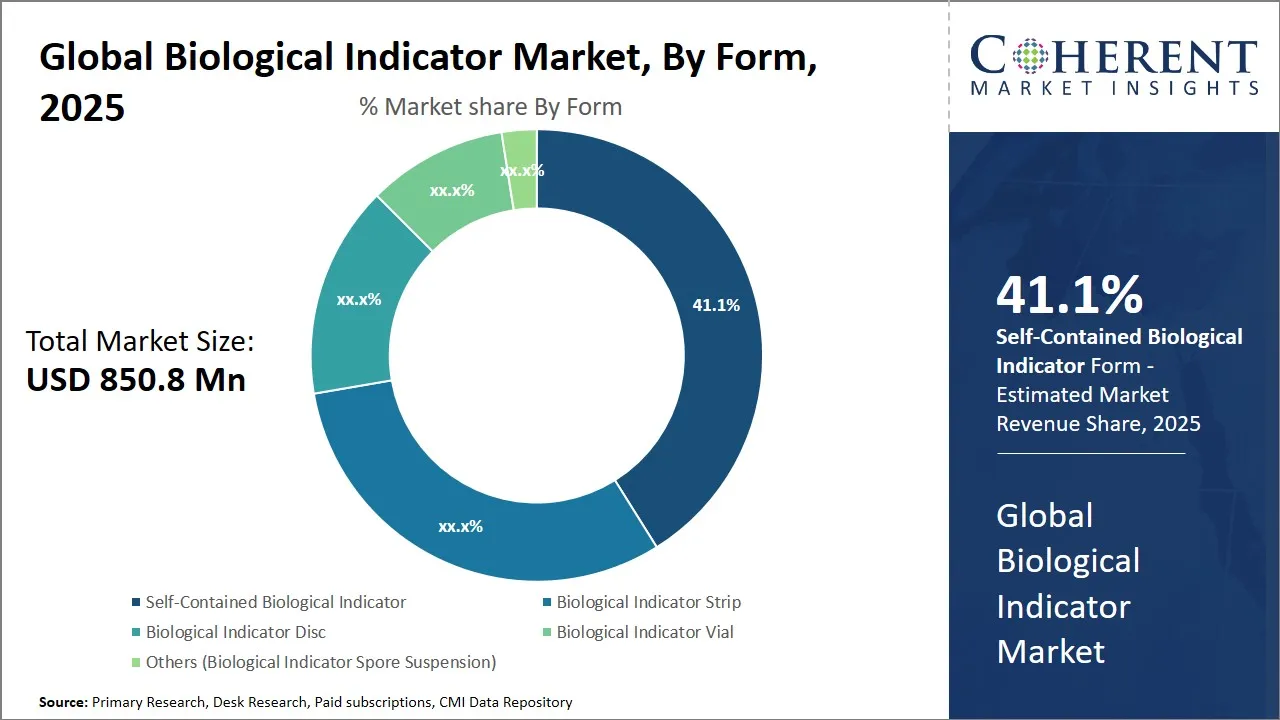
- In terms of form, the self-contained biological indicator segment is expected to lead the global biological indicator market, accounting for the largest share at 42.1 % in 2026.
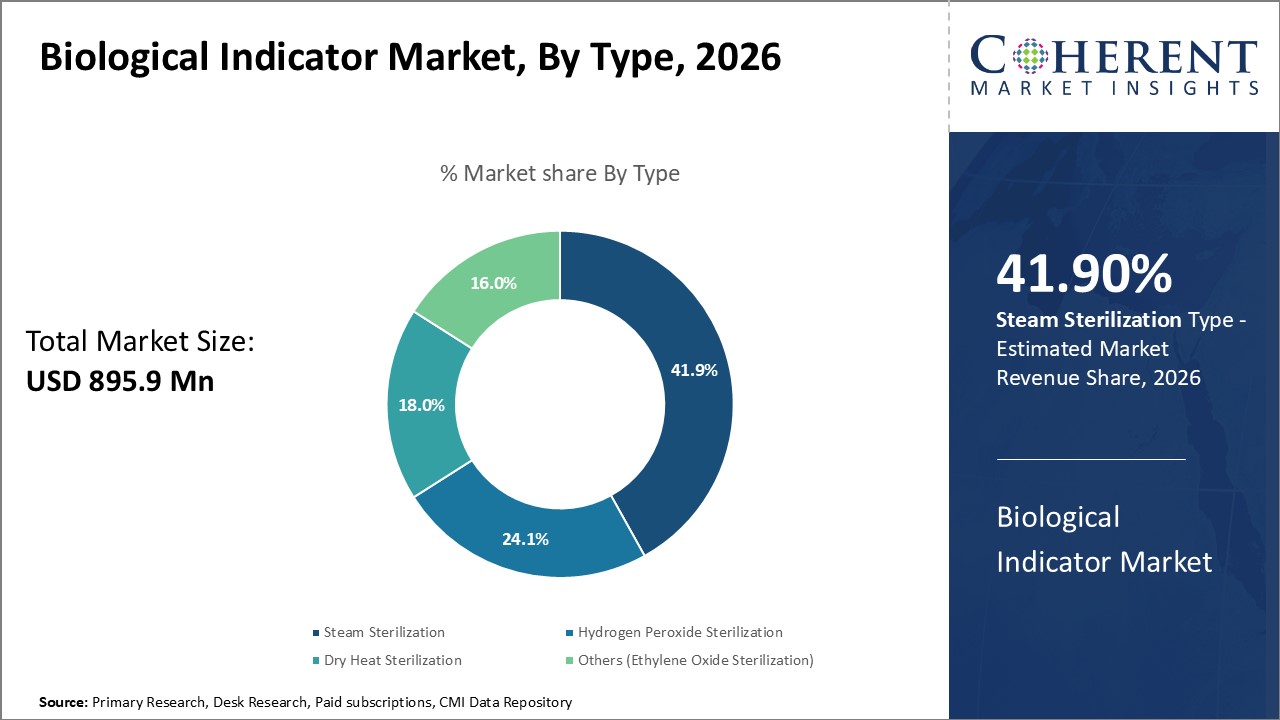
- Steam sterilization-based biological indicators are expected to dominate the market among various types, with a significant share of 41.9 % in 2026.
- Among the end user segment, the biopharmaceutical industry is projected to stand as the largest contributor to the market, representing 33.3 % of the share in 2026.
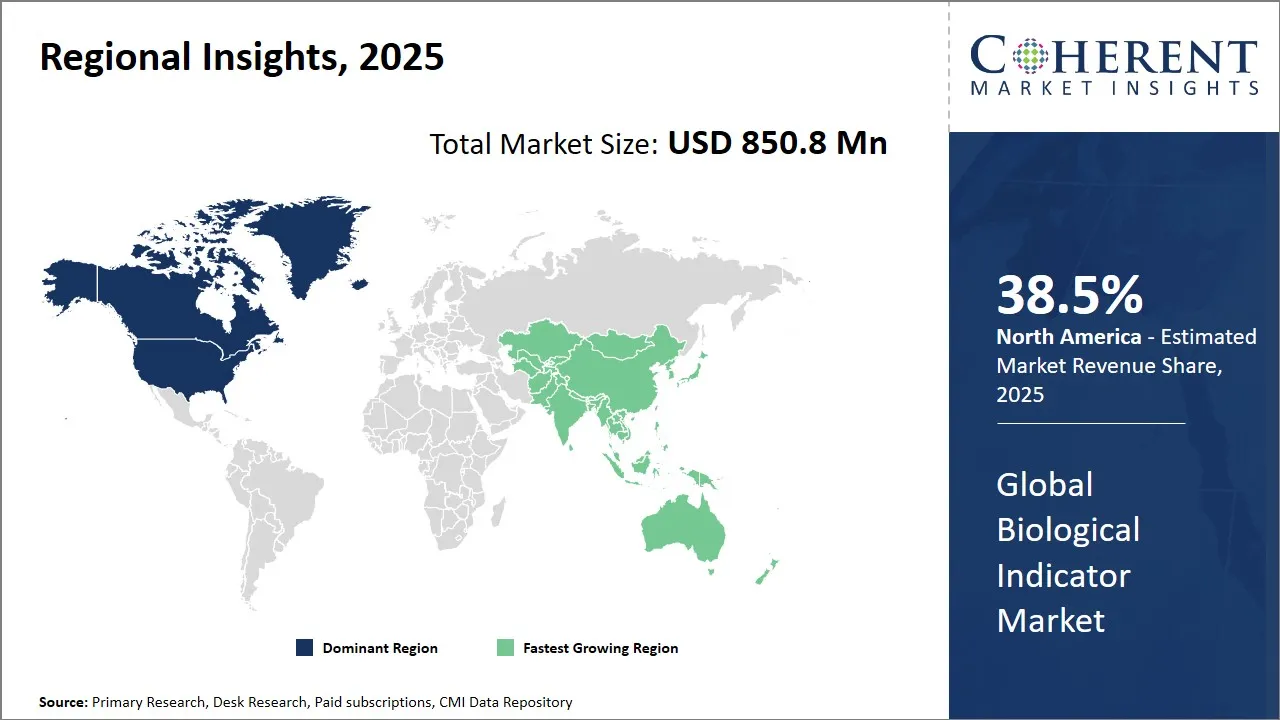
- North America is expected to lead the market, holding a share of 38.5 % in 2026. Asia Pacific is anticipated to be the fastest-growing region, with a market share of 24.3% in 2026.
Market Overview
The biological indicator market is driven by advancements in rapid, automated indicators for efficient sterilization, expanding use in emerging economies, and growing adoption in medical device manufacturing and food processing. The increasing prevalence of healthcare-associated infections (HAIs) further accelerates market growth.
For instance, in May 2024, the European Centre for Disease Prevention and Control (ECDC) released data from the third point prevalence survey (PPS) of healthcare-associated infections (HAIs) and antimicrobial use, conducted in 2022-2023. The survey revealed that 4.3 million patients in hospitals across the EU/EEA acquire at least one healthcare-associated infection each year. Healthcare-associated COVID-19 infections significantly contributed to the rise in HAIs, with respiratory tract infections, including pneumonia and COVID-19, accounting for nearly one-third of all reported cases.
Current Events and Its Impact
Current Events | Description and its impact |
Technological Advancements and Rapid Readout Indicators |
|
Global Expansion of Healthcare Infrastructure |
|
Segmental Insights
- Current Industry Events of 2026
- Market Size Estimation
- Regional Breakdown
- Competitive Landscape
- Customer Intelligence
- Segmental Analysis
- Pricing Analysis
- Key Market Drivers, Challenges & Future Trends
- Customized Insights Section
Biological Indicator Market Insights, By Form - Dominance of Self-Contained Biological Indicators is Driven by their Convenience and Reliability
In terms of form, the global biological indicator market is chiefly dominated by self-contained biological indicators which is expected to contribute the highest share of the market with 42.1% in 2026. The primary driving factor behind this dominance is the inherent convenience and reliability that SCBIs offer in sterilization validation processes. Unlike other forms, such as strips, discs, or vials, that require additional handling or reagents, SCBIs combine the biological test organism and growth medium within a single vial or device, simplifying the sterilization monitoring process.
For instance, in December 2020, STERIS, a global leader in sterilization and infection prevention technologies, launched its Spordex Self-Contained Biological Indicator (SCBI) Ampoules. These ampoules offer an all-in-one system, including spores, media, and a pH indicator, designed to confirm the sterilization of liquids in steam autoclave cycles. The Spordex SCBI Ampoules reduce incubation time to 48 hours for faster and reliable results. They are used for testing critical locations in liquids or steam sterilizers, with a vivid color change indicating microbial presence.
Biological Indicator Market Insights, By Type - Steam Sterilization Leads due to its Established Efficacy and Broad Applicability
The biological indicators used for steam sterilization hold the highest share among different sterilization types globally with an estimated share of 41.9% in 2026. This overarching preference is largely fueled by steam sterilization’s widespread use across healthcare, pharmaceutical, and laboratory settings due to its proven effectiveness, practicability, and cost-efficiency. Steam sterilization, commonly achieved through autoclaving processes, efficiently destroys all microbial life, including resistant bacterial spores, making it the gold standard in sterilization technology.
Biological indicators designed for steam sterilization have evolved to ensure they effectively validate the sterilization process by containing highly resistant spores like Geobacillus stearothermophilus. These spores challenge the sterilization cycle’s lethality, serving as a rigorous test that guarantees the destruction of even the toughest microorganisms. The established efficacy of steam sterilization makes these biological indicators essential components in achieving stringent sterilization validation goals.
Biological Indicator Market Insights, By End User - Biopharmaceutical Industry Drives Demand Through Rigorous Sterilization Standards
Among end users of biological indicators, the biopharmaceutical industry is expected to emerge as the largest contributor to the global market with 33.3% in 2026. The driving force for this significant share lies in the industry’s uncompromising need for sterile environments and contamination control throughout drug manufacturing processes. Given the critical nature of biopharmaceutical products, including vaccines, biologics, and advanced therapies, sterilization and process validation are crucial to ensure patient safety and product efficacy.
Biopharmaceutical manufacturers operate under stringent regulatory oversight with rigorous standards set by agencies such as the U.S. FDA, EMA, and WHO. These regulations mandate comprehensive sterilization verification using biological indicators to guarantee the inactivation of microbial agents during critical production steps. The complexity of equipment, cleanrooms, and product handling demands highly reliable and sensitive biological indicators capable of detecting sterilization failures that could compromise batches.
Regional Insights
North America Biological Indicator Market Analysis and Trends
In North America, the dominance in the global biological indicator market is expected to account for 38.5% share in 2026. This growth is driven primarily by the well-established healthcare infrastructure, advanced pharmaceutical and biotechnology industries, and stringent regulatory standards. The presence of leading regulatory authorities such as the U.S. Food and Drug Administration (FDA) and the Canadian Health Authority ensures rigorous sterilization validation processes, thereby bolstering the demand for reliable biological indicators. Additionally, North America boasts a mature ecosystem of market players including 3M Company, Mesa Labs, and STERIS Corporation, who continuously innovate and expand their portfolios of biological indicators.
For instance, in May 2020, Getinge, a leading global provider of medical technology and sterilization solutions, launched the Getinge Assured Superfast 20 Biological Indicator. Designed to accelerate sterile reprocessing, this new indicator ensures that the Central Sterile Supply Department (CSSD) can release sterilized loads safely and efficiently in just 20 minutes. By providing fast, accurate, and consistent results, the Superfast 20 allows CSSD staff to proceed with confidence, ensuring patient safety and improving hospital workflows.
Asia Pacific Biological Indicator Market Analysis and Trends
Meanwhile, the Asia Pacific region is projected to exhibit the fastest growth in the biological indicator market with 24.3% in 2026 due to rapid industrialization, expanding healthcare infrastructure, and a rising pharmaceutical manufacturing base. Countries in this region are increasingly adopting stringent sterilization standards aligned with international guidelines, thereby escalating demand. Government initiatives aimed at strengthening healthcare services and boosting the biotechnology sector in countries like China, India, and South Korea contribute significantly to market expansion. Furthermore, the growing presence of contract research organizations and pharmaceutical manufacturing hubs necessitates robust sterilization validation solutions.
Biological Indicator Market Outlook for Key Countries
U.S. Biological Indicator Market Trends
The U.S. biological indicator market is characterized by strong regulatory oversight, with the U.S. FDA enforcing strict standards that necessitate reliable biological indicators. Major companies, such as 3M and Mesa Labs, have a substantial presence here, focusing on innovation and product quality. The country’s mature healthcare and pharmaceutical sectors foster continuous demand, while advancements in sterilization technologies encourage market diversification. These factors collectively contribute to a highly competitive and technologically advanced market environment.
On October 19, 2022, STEMart, a U.S.-based provider specializing in all stages of medical device development, launched its Biological Indicator Sterility Testing service for the medical device industry. This service focuses on the testing of Biological Indicators (BIs) after sterilization loads are completed, providing a qualitative test to determine if microorganisms have been destroyed effectively.
China Biological Indicator Market Trends
China’s biological indicator market benefits from expansive healthcare reforms and increased investments in biopharmaceutical manufacturing. Government policies focused on enhancing healthcare quality and compliance with global sterilization standards are pivotal drivers. Local companies are increasingly partnering with multinational firms like Merck KGaA to develop tailored biological indicators suitable for China’s growing pharmaceutical industry. The expanding contract manufacturing organizations (CMOs) and rising exports of sterilized medical products further underscore China’s growing market importance.
In April 2026, LISTER BIOMEDICAL CO., LTD, a leader in biological indicators and sterilization monitoring solutions based in China, announced the advancement of its core technology in biotechnological innovations. The company focuses on providing high-quality sterilization monitoring products and services, ensuring safety in hospitals, biopharmaceutical factories, and cosmetic manufacturing. Its solutions play a crucial role in maintaining sterile environments in operating rooms, reducing hospital infection rates, and safeguarding the integrity of bioproducts and cosmetics.
India Biological Indicator Market Trends
India’s biological indicator market growth is propelled by expanding pharmaceutical manufacturing capabilities and improving healthcare infrastructure. Increasing compliance with international sterilization standards by domestic manufacturers enhances the demand for biological indicators. Government initiatives promoting “Make in India” and support for biotechnology startups attract investments from major players like Advanced Sterilization Products (ASP) seeking to tap into the burgeoning market. Additionally, the presence of numerous contract manufacturing organizations creates significant opportunities for indicator suppliers.
In August 2023, Predictmedix AI Inc., a global leader in AI-driven diagnostics, announced the launch of its innovative non-invasive diabetes screening technology in India. This cutting-edge solution uses advanced AI algorithms to detect early signs of diabetes by analyzing subtle biological indicators, which are often missed by traditional methods. With India facing a growing diabetes crisis, Predictmedix AI’s new screening solution aims to revolutionize early detection and intervention, providing healthcare professionals with a powerful tool to manage the condition before it leads to severe complications.
Japan Biological Indicator Market Trends
Japan’s biological indicator market is supported by advanced medical technology and a well-regulated healthcare sector demanding high sterilization assurance. The country has a strong industrial base with companies like Eiken Chemical Co., Ltd., that contribute specialized biological indicators suited for Japanese standards. Japan’s focus on innovation and precision in sterilization processes creates a niche for technologically sophisticated products, driving market sophistication and stability.
In November 2023, ASP Japan G.K., a leader in infection control, unveiled a new product portfolio aimed at enhancing sterilization monitoring. The expanded portfolio includes biological and chemical monitoring solutions for high-pressure steam sterilization, along with innovative traceability solutions that comply with global ISO and U.S. FDA standards.
End User Feedback and Unmet Needs in the Global Biological Indicator Market
- End users in the global biological indicator market, particularly within sectors like healthcare, biopharmaceuticals, and food safety, often provide valuable feedback regarding product performance and operational challenges. One of the recurring points of satisfaction comes from users in the biopharmaceutical industry who appreciate the convenience and accuracy of Self-Contained Biological Indicators (SCBIs). For example, a leading pharmaceutical company highlighted how the rapid-readout feature of SCBIs has significantly reduced downtime in their sterilization validation process, allowing them to maintain higher throughput in their manufacturing operations. On the other hand, a common concern reported by users is the difficulty of integrating biological indicators with existing automation systems. Users in the healthcare sector have expressed frustration with the compatibility issues that arise when attempting to link sterilization monitoring systems with biological indicators, leading to inefficiencies and errors in data reporting.
- Despite these positive aspects, the market still faces several unmet needs. There is a notable gap in the customization of biological indicators for specific sterilization methods or unique industrial requirements. Users have called for solutions tailored to various sterilization types beyond steam, such as gas or dry heat sterilization. Additionally, affordability remains a barrier, especially in regions with limited budgets or lower-cost healthcare facilities. Addressing these issues could open up growth opportunities by improving accessibility to these critical products and increasing adoption across diverse end-user segments. Manufacturers could focus on creating more flexible, cost-effective, and user-friendly solutions, which would not only enhance customer satisfaction but also foster innovation by responding directly to operational challenges faced by industries like healthcare, pharmaceuticals, and food safety.
Market Players, Key Developments, and Competitive Intelligence
Key Company Insights
- STERIS, a leader in sterilization solutions, expanded its offerings in biological indicators (BIs) for steam and vaporized hydrogen peroxide (VH2O2) sterilization. The company's portfolio includes the Celerity 5 HP Biological Indicator, which delivers results in just 5 minutes, making it ideal for rapid sterilization monitoring. For steam sterilization, STERIS provides products such as the Celerity 20 Steam Biological Indicator with a fast 20-minute read time, ideal for dynamic air removal cycles. Its VERIFY Assert self-contained biological indicators and process challenge devices also ensure compliance with sterilization standards, offering results in 40 minutes. Additionally, for low-temperature sterilization, Celerity HP Biological Indicators and Challenge Packs deliver results as quickly as 5 minutes for systems like V-PRO and STERRAD. STERIS ensures the efficiency of these devices through their biological indicator incubators, which are designed to support all BI testing processes, delivering accurate and fast results.
- Getinge, a leading provider of infection control solutions, introduced a range of self-contained biological indicators for steam sterilization. The Getinge Assured Self-Contained Biological Indicator is designed for pre-vacuum steam sterilizers and contains 105 Geobacillus Stearothermophilus spores with growth media. For gravity cycles, the Getinge Assured AccuFast Biological Indicator is used at temperatures of 250°F, 270°F, and 275°F, offering a simple system for testing with a spore strip and sealed glass vial. Additionally, the Getinge Assured Smart-Read Biological Indicator offers fast cycle detection within 3 to 5 hours, providing enhanced performance for steam processes at various temperatures (121°C, 132°C, 134°C, 135°C).
Top Strategies Followed by Global Biological Indicator Market Players
- Leading market players heavily invest in research and development (R&D) to continuously innovate and enhance the performance of their biological indicator products. By focusing on developing highly reliable, accurate, and user-friendly solutions, these companies maintain technological superiority and meet stringent regulatory requirements across industries such as healthcare, pharmaceuticals, and food processing.
- For example, 3M, a global leader in innovation and healthcare solutions, expanded its biological indicator product line, offering nine products under its Attest brand for sterilization and monitoring. The new range includes various indicators for steam, ethylene oxide (EO), and vaporized hydrogen peroxide sterilization methods. Notable products in the lineup include the 1492V Super Rapid Readout Biological Indicator, the 1264 and 1262-S Steam and EO indicators, and the 1295 Attest Rapid Readout Biological Indicator for hydrogen peroxide sterilization.
- Mid-level companies in the biological indicator market adopt distinct strategies centered around offering cost-effective solutions that strike an optimal balance between quality and affordability. By catering to price-sensitive consumers who require reliable yet budget-conscious sterilization assurance products, these players position themselves as value-driven alternatives to premium brands. Such competitive pricing often helps them penetrate smaller healthcare facilities, diagnostic centers, and pharmaceutical manufacturers operating under constrained budgets.
- Examples of mid-level companies include Mesa Labs and SteriTec Products Inc. Mesa Labs offers a wide range of biological indicators and has built a reputation for providing quality sterilization monitoring products at competitive prices. The company also engages in strategic acquisitions and partnerships to expand its global footprint and product capabilities.
- Small-scale market players carve out their niche by focusing on specialized product features or innovative solutions that address specific customer needs unmet by larger competitors. These companies often leverage cutting-edge technologies such as advanced bio-detection methods, smart indicators, or eco-friendly materials to differentiate their offerings and maintain relevance in a competitive environment.
- Examples of small-scale companies include True Indicating and Excelsior Scientific. True Indicating specializes in rapid-readout biological indicators, providing faster turnaround times for sterilization verification, which is particularly useful in high-throughput laboratory and medical environments. Excelsior Scientific, based in the U.K., distinguishes itself through eco-conscious product design and regional customization, catering to niche markets with specific regulatory or environmental requirements.
Market Report Scope
Biological Indicator Market Report Coverage
| Report Coverage | Details | ||
|---|---|---|---|
| Base Year: | 2025 | Market Size in 2026: | USD 895.9 Mn |
| Historical Data for: | 2020 To 2024 | Forecast Period: | 2026 To 2033 |
| Forecast Period 2026 to 2033 CAGR: | 5.3% | 2033 Value Projection: | USD 1,286.0 Mn |
| Geographies covered: |
| ||
| Segments covered: |
| ||
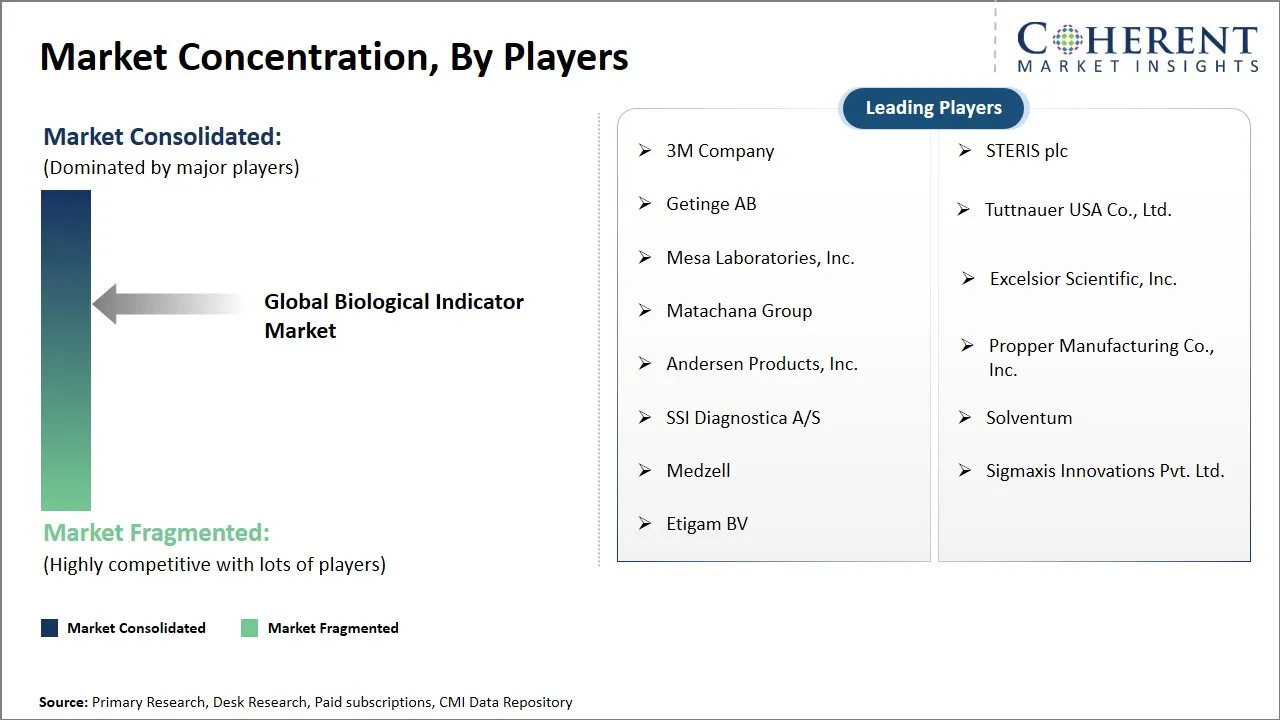
| Companies covered: | 3M Company, STERIS plc, Getinge AB., Mesa Laboratories, Inc., Tuttnauer USA Co., Ltd., Matachana Group, Excelsior Scientific, Inc., Andersen Products, Inc., Propper Manufacturing Co., Inc., SSI Diagnostica A/S, Solventum, Medzell, Sigmaxis Innovations Pvt. Ltd., and Etigam BV | ||
| Growth Drivers: |
| ||
| Restraints & Challenges: |
| ||
Biological Indicator Market Dynamics
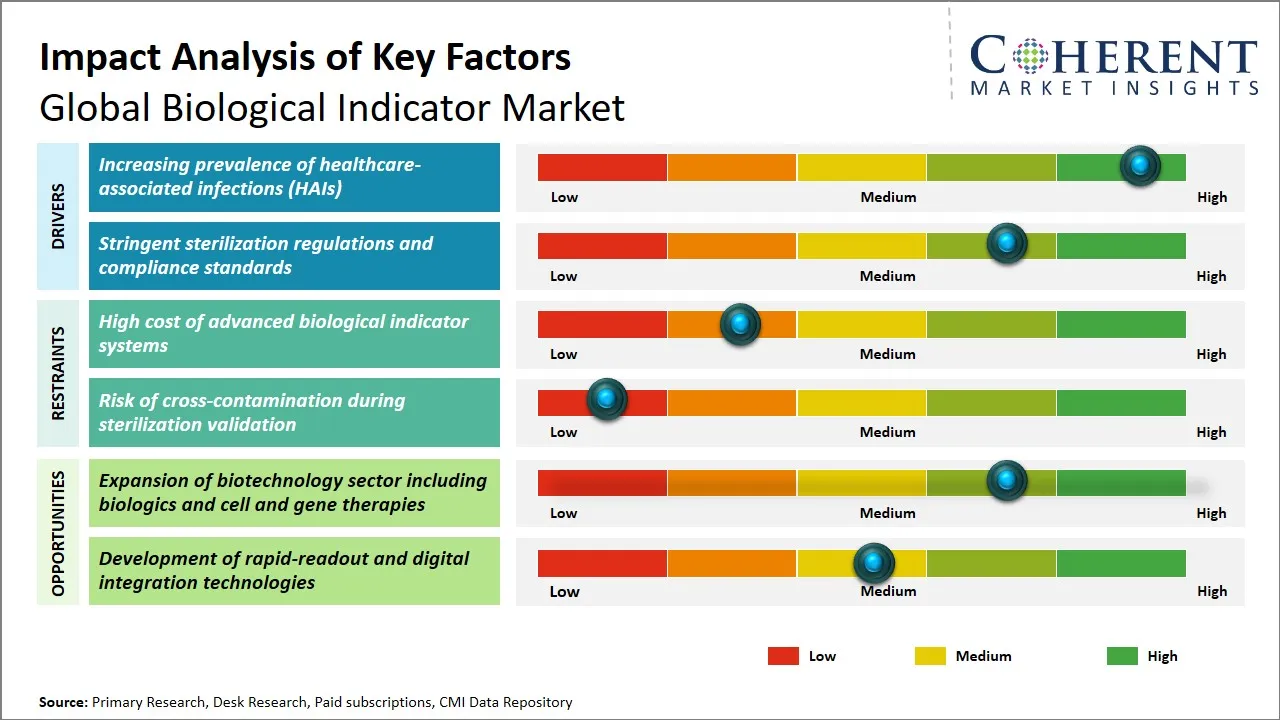
Biological Indicator Market Driver - Increasing Prevalence Of Healthcare-Associated Infections (HAIs)
The escalating prevalence of healthcare-associated infections (HAIs) is significantly fueling the demand for biological indicators in hospitals and healthcare facilities globally. HAIs pose a serious risk to patient safety, often leading to prolonged hospital stays, increased healthcare costs, and higher mortality rates. As healthcare providers intensify efforts to enhance sterilization processes and ensure the safety of medical instruments and environments, there is a growing reliance on biological indicators to validate the efficacy of sterilization methods. Biological indicators serve as a gold standard for monitoring sterilization cycles, offering precise and reliable results by using highly resistant bacterial spores to detect process failures. This heightened focus on infection control protocols, driven by guidelines and regulatory agencies emphasizing sterilization validation, especially in surgical centers, critical care units, and diagnostic labs, continues to expand the use of biological indicators.
In May 2022, the World Health Organization (WHO) released its first-ever Global Report on Infection Prevention and Control (IPC), revealing that good IPC practices, such as proper hand hygiene, can prevent up to 70% of healthcare-associated infections (HAIs). The report highlights that in acute-care hospitals, 7 out of every 100 patients in high-income countries and 15 in low- and middle-income countries acquire at least one HAI, with 1 in 10 of these patients dying from the infection.
Biological Indicator Market Opportunity - Expansion of Biotechnology Sector, Including Biologics and Cell & Gene Therapies
The rapid expansion of the biotechnology sector, particularly in the development of biologics and advanced cell and gene therapies, presents a significant growth opportunity for the global biological indicator market. Biologics, which include therapeutic proteins, monoclonal antibodies, and vaccines, require stringent sterilization validation processes to ensure product safety and efficacy. As these complex biologics become more prevalent, the demand for reliable and sensitive biological indicators (BIs) to validate sterilization protocols in manufacturing environments is expected to surge. Furthermore, the advent of cell and gene therapies introduces unique challenges in contamination control due to the sensitivity of living cells and genetic material. This necessitates the use of highly specialized biological indicators that can accurately verify sterilization cycles without compromising the delicate nature of these therapies. The increasing adoption of personalized medicine and the regulatory emphasis on sterility assurance further drive the need for robust BI solutions.
For example, on September 01, 2025, the Indian government launched a network of advanced biomanufacturing hubs aimed at boosting the country's bioeconomy and fostering innovation across sectors like health, agriculture, and energy. The initiative, under the BioE3 Policy (Biotechnology for Environment, Economy & Employment), offers state-of-the-art infrastructure and expertise to startups, SMEs, and researchers. The hubs, designed to scale up bio-based innovations, integrate cutting-edge technologies like synthetic biology and AI. With a goal of reaching a USD 300 billion bioeconomy by 2030, India is positioning itself as a global leader in biotechnology.
Analyst Opinion (Expert Opinion)
- The biological indicator market is witnessing strong growth driven by several key factors. Technological advancements in sterilization processes, coupled with regulatory support, are fueling this expansion. As industries like biopharmaceuticals, healthcare, and food safety continue to prioritize sterilization and infection control, the demand for reliable biological indicators is rising. Innovations such as rapid-readout biological indicators and IoT-enabled monitoring systems are addressing industry needs for quicker, more accurate results. However, challenges such as the high cost of advanced systems and concerns over cross-contamination in sterilization processes remain. Additionally, there is increasing pressure on the market to adopt sustainable practices, with a shift toward eco-friendly indicators that align with global sustainability goals.
- Recent industry events and collaborations have also significantly contributed to shaping the future of the market. Conferences like the International Conference on Sterilization and Infection Control have been pivotal in sharing knowledge on the latest sterilization technologies and biological indicator applications. These gatherings not only showcase innovations but also foster global discussions on policies and regulations around safety standards. Furthermore, initiatives like the European Medicines Agency’s (EMA) updated guidelines on sterilization processes are expected to influence market dynamics, encouraging better practices and technological adoption across various sectors. These developments will likely create new opportunities for growth, particularly in emerging markets with expanding healthcare infrastructures.
Speak to the analyst
Want personalized insights?
Take the findings above to one of our principal consultants, or have the report rebuilt around the segments, geographies and competitors you actually track.
Market Segmentation
- Form Insights (Revenue, USD Mn, 2021 - 2033)
- Self-Contained Biological Indicator
- Biological Indicator Strip
- Biological Indicator Disc
- Biological Indicator Vial
- Others (Biological Indicator Spore Suspension)
- Type Insights (Revenue, USD Mn, 2021 - 2033)
- Steam Sterilization
- Hydrogen Peroxide Sterilization
- Dry Heat Sterilization
- Others (Ethylene Oxide Sterilization)
- End User Insights (Revenue, USD Mn, 2021 - 2033)
- Biopharmaceutical Industry
- Medical Device Manufacturers
- Hospitals and Clinics
- Ambulatory Surgical Centers
- Diagnostic Labs
- Others (Research Laboratories, etc.)
- Distribution Channel Insights (Revenue, USD Mn, 2021 - 2033)
- Online
- Offline
- Regional Insights (Revenue, USD Mn, 2021 - 2033)
- North America
- U.S.
- Canada
- Latin America
- Brazil
- Argentina
- Mexico
- Rest of Latin America
- Europe
- Germany
- U.K.
- Spain
- France
- Italy
- Russia
- Rest of Europe
- Asia Pacific
- China
- India
- Japan
- Australia
- South Korea
- ASEAN
- Rest of Asia Pacific
- Middle East
- GCC Countries
- Israel
- Rest of Middle East
- Africa
- South Africa
- North Africa
- Central Africa
- North America
- Key Players Insights
- 3M Company
- STERIS plc
- Getinge AB
- Mesa Laboratories, Inc.
- Tuttnauer USA Co., Ltd.
- Matachana Group
- Excelsior Scientific, Inc.
- Andersen Products, Inc.
- Propper Manufacturing Co., Inc.
- SSI Diagnostica A/S
- Solventum
- Medzell
- Sigmaxis Innovations Pvt. Ltd.
- Etigam BV
Sources
Primary Research Interviews
- Industry Stakeholders
- Global Insight Services
- Future Market Insights
- End Users
- Stratview Research
- Research and Markets
Government and International Databases
- U.S. Food and Drug Administration (FDA)
- European Medicines Agency (EMA)
- World Health Organization (WHO)
- U.S. Centers for Disease Control and Prevention (CDC)
- Indian Council of Medical Research (ICMR)
- China National Medical Products Administration (NMPA)
Trade Publications
- Journal of Clinical Microbiology
- Journal of Hospital Infection
- Infection Control Today
- Sterilization Science and Technology
- Medical Device and Diagnostic Industry (MDDI)
- Pharmaceutical Technology
Academic Journals
- Journal of Applied Microbiology
- International Journal of Food Microbiology
- Journal of Hospital Infection
- Journal of Clinical Microbiology
- Antimicrobial Resistance and Infection Control
- BMC Microbiology
Reputable Newspapers
- The New York Times
- The Guardian
- The Washington Post
- BBC News
- Reuters
- Bloomberg
Industry Associations
- Association for the Advancement of Medical Instrumentation (AAMI)
- International Association for Food Protection (IAFP)
- American Society for Microbiology (ASM)
- European Society of Clinical Microbiology and Infectious Diseases (ESCMID)
- International Society for Pharmaceutical Engineering (ISPE)
- Sterilization Society of Australasia (SSA)
Public Domain Resources
- National Institutes of Health (NIH)
- Centers for Disease Control and Prevention (CDC)
- World Health Organization (WHO)
- U.S. Food and Drug Administration (FDA)
- European Medicines Agency (EMA)
Proprietary Elements
- CMI Data Analytics Tool: Proprietary analytics tool to analyze real-time market trends, consumer behavior, and technology adoption in market
- Proprietary CMI Existing Repository of Information for Last 8 Years
Get access to 250+ pages report
Every segment, forecast, competitor profile and data table behind the analysis above — available for instant download.
- ESOMAR Member
- ISO 9001:2015 Certified
- D-U-N-S Registered
- GDPR & CCPA Compliant
Missing comfort of reading report in your local language? Find your preferred language:
Transform your Strategy with Exclusive Trending Reports
Frequently Asked Questions
The global biological indicator market is estimated to be valued at USD 895.9 Mn in 2026 and is expected to reach USD 1,286.0 Mn by 2033.
The CAGR of the global biological indicator market is projected to be 5.3% from 2026 to 2033.
Increasing prevalence of healthcare-associated infections (HAIs) and stringent sterilization regulations and compliance standards are the major factors driving the growth of the global biological indicator market.
High cost of advanced biological indicator systems and risk of cross-contamination during sterilization validation are the major factors hampering the growth of the global biological indicator market.
In terms of form, self-contained biological indicator is estimated to dominate the market revenue share in 2026.
Biological indicators measure sterilization efficacy using live spores, while chemical indicators show only exposure through color change.
Automation in sterilization monitoring, rapid-readout indicators, and eco-friendly packaging are gaining popularity in this market.