

Global Bullous Keratopathy Market Size and Forecast – 2026 to 2033
The Global Bullous Keratopathy Market is estimated to be valued at USD 1.77 Bn in 2026 and is expected to reach USD 3.23 Bn by 2033, exhibiting a compound annual growth rate (CAGR) of 9.0% from 2026 to 2033. This growth trajectory highlights a significant expansion driven by increasing prevalence of corneal diseases, rising geriatric population, and advancements in treatment modalities, leading to enhanced market opportunities and investments in innovative therapies and surgical interventions.
Key Takeaways of the Global Bullous Keratopathy Market
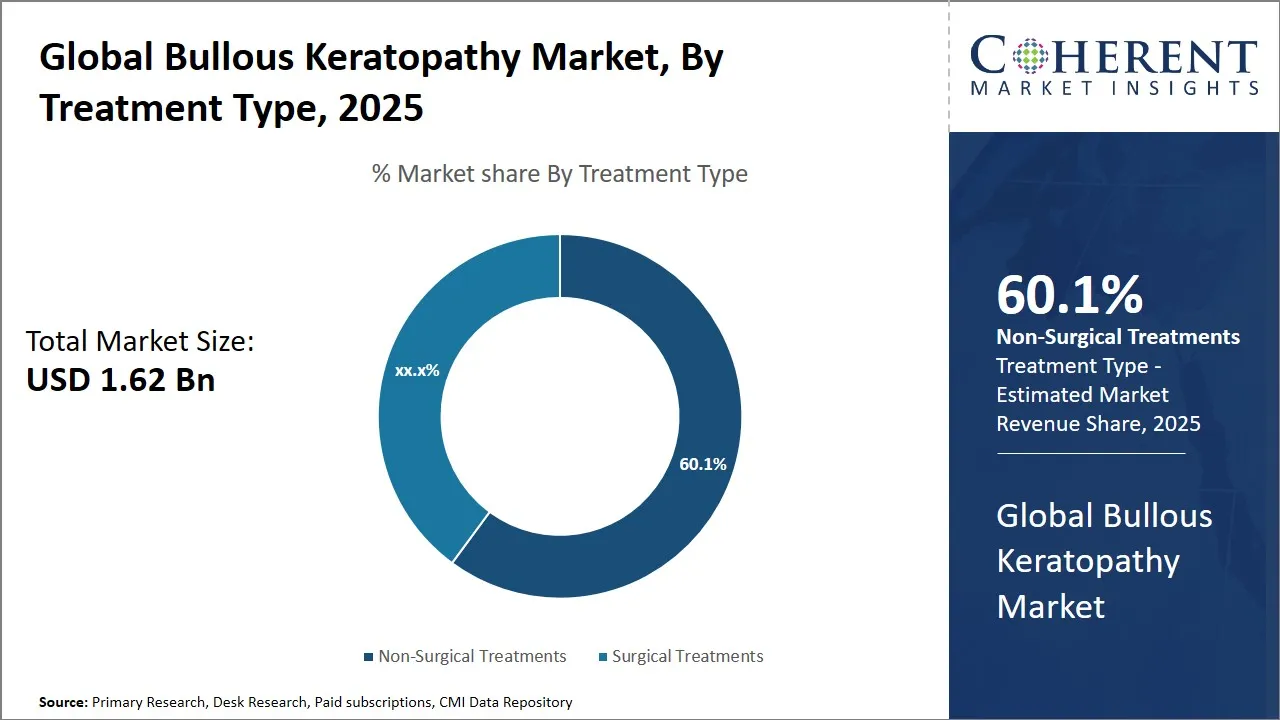
- In 2026, the non-surgical treatments segment is projected to hold the largest share of the bullous keratopathy market at 61.1 %
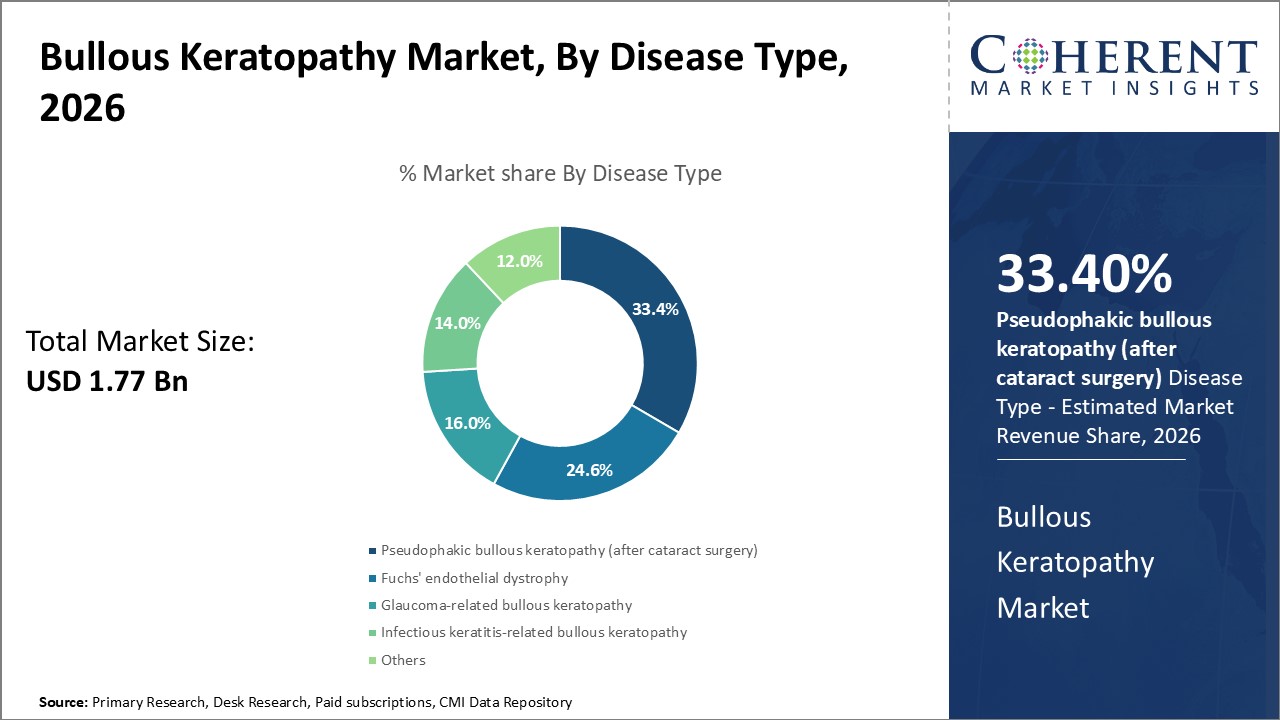
- By disease type, pseudophakic bullous keratopathy—developing after cataract surgery—represents the leading segment with an estimated 33.4 % share.
- In terms of age group, the adult segment is expected to account for the largest portion of the global bullous keratopathy market, contributing 39.2% in 2026.
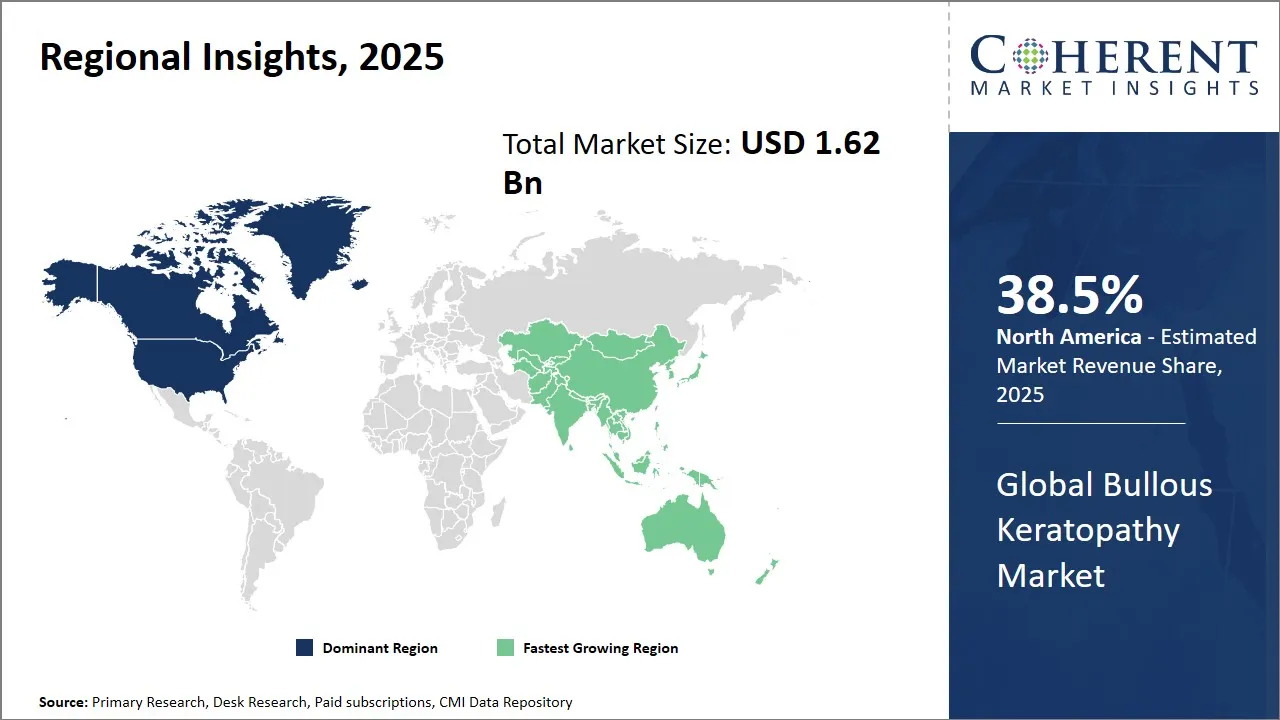
- North America is expected to lead the market, holding a share of 38.5% in 2026. Asia Pacific is anticipated to be the fastest-growing region, with a market share of 25.4% in 2026.
Market Overview
Market trends in bullous keratopathy reveal a shift towards minimally invasive procedures and the adoption of advanced corneal transplantation techniques such as endothelial keratoplasty. Additionally, the development of bioengineered corneas and improvements in diagnostic tools are catalyzing better patient outcomes. Increased healthcare awareness and government support for eye care programs further bolster market expansion. These trends collectively underscore a dynamic market landscape focused on effective management and improved quality of life for patients affected by bullous keratopathy.
Current Events and Its Impact
Current Events | Description and its impact |
Technological Advancements in Minimally Invasive Surgical Techniques. |
|
Post-cataract complications rising with aging populations |
|
Segmental Insights
- Current Industry Events of 2026
- Market Size Estimation
- Regional Breakdown
- Competitive Landscape
- Customer Intelligence
- Segmental Analysis
- Pricing Analysis
- Key Market Drivers, Challenges & Future Trends
- Customized Insights Section
Bullous Keratopathy Market Insights, By Treatment Type – The non-surgical treatments segment leads as they are the primary and most widely used approach for initial patient management
The non-surgical treatments segment is expected to hold the dominant share in the bullous keratopathy market with 61.1% in 2026 due to their role as the first line of management for most patients. Options such as hyperosmotic agents (topical hypertonic saline), anti-glaucoma drugs, antibiotics, lubricating eye drops, and therapeutic contact lenses are widely prescribed to manage symptoms, reduce corneal edema, control intraocular pressure, and prevent infections. These interventions are relatively low-cost, easy to administer, and accessible even in primary care settings, making them the preferred choice before surgical intervention becomes necessary.
The dominance of non-surgical treatments is also driven by their ability to delay disease progression and improve quality of life in early or moderate cases, especially in regions with limited surgical facilities or donor tissue availability. Additionally, supportive therapies like steroids and non-steroidal anti-inflammatory drugs (NSAIDs) help manage inflammation and discomfort, further enhancing patient compliance. This widespread adoption, coupled with their suitability for long-term management and minimal procedural risks, ensures the continued market leadership of the non-surgical treatments segment.
Bullous Keratopathy Market Insights, By Disease Type – Pseudophakic bullous keratopathy holds the largest share in the market due to its high prevalence following cataract surgery
Among the disease type segment, pseudophakic bullous keratopathy bullous keratopathy occurring after cataract surgery accounts for the highest share of the market with an estimated share of 33.4% in 2026. This is largely attributed to the high volume of cataract surgeries performed globally, which stands as one of the most common ophthalmic procedures especially in aging populations. Even with advancements in surgical techniques and intraocular lens technology, endothelial cell loss during cataract extraction remains a significant risk factor, predisposing patients to post-surgical bullous keratopathy. The sheer number of cataract surgeries directly correlates with the incidence of pseudophakic bullous keratopathy, thereby enlarging this segment’s presence in the market.
The growing geriatric population worldwide is another driver bolstering the prevalence of pseudophakic bullous keratopathy. Age-related changes in corneal endothelial cell density and function increase vulnerability to endothelial damage during surgery. As the number of elderly individuals undergoing cataract removal rises, so does the incidence of this specific variant of bullous keratopathy. Moreover, the increasing awareness and availability of cataract surgery in developing regions have expanded access, contributing further to the pool of individuals at risk for post-operative complications including pseudophakic bullous keratopathy.
Bullous Keratopathy Market Insights, By Age Group – The adult population segment leads due to the rising incidence of cataract surgeries
In terms of age group, the adult segment is expected to dominate the global bullous keratopathy market with a share of 39.2% in 2026. This dominance stems from the fact that bullous keratopathy typically manifests in the adult population where cumulative endothelial cell loss and ocular comorbidities are more prevalent. Adults, especially those in middle to older age brackets, represent the demographic most likely to undergo risk-enhancing procedures such as cataract surgery or develop associated ocular diseases like glaucoma, directly increasing their vulnerability to bullous keratopathy.
The adult segment also benefits from greater healthcare access relative to pediatric and geriatric populations in many regions. Adults are more likely to seek medical attention promptly, undergo routine eye examinations, and adhere to treatment regimens, which translates to higher diagnosis rates and sustained demand for therapeutic solutions. Furthermore, workplace requirements and the need to maintain quality of life spur adult patients to actively pursue effective treatment options to manage vision impairment caused by bullous keratopathy.
Regional Insights
North America Bullous Keratopathy Market Analysis and Trends
North America’s dominance in the global bullous keratopathy market, with an estimated share of 38.5% in 2026, is driven by a well-established healthcare infrastructure. Advanced ophthalmic medical technology, and strong government support for eye care initiatives are driving the regional market growth. The presence of leading medical device manufacturers and biopharmaceutical companies has fostered innovation in corneal transplant techniques and therapeutics for bullous keratopathy. Well-regulated healthcare policies and extensive insurance coverage ensure widespread accessibility and adoption of advanced treatment options.
Moreover, favorable reimbursement policies and increasing awareness about corneal diseases and treatment options have fueled the demand for corneal transplants in the region. In April 2024, according to International Journal of Disaster Risk Reduction, the U.S. healthcare system comprises over 6,000 hospitals and thousands of clinics, offering more than a million hospital beds. The country’s infrastructure includes advanced research labs, modern medical equipment, and cutting-edge technology. Federal funding continues to support the modernization of healthcare facilities.
Asia Pacific Bullous Keratopathy Market Analysis and Trends
The Asia Pacific region is expected to exhibit the fastest growth in the bullous keratopathy market with a share of 25.4% in 2026, driven by rising healthcare awareness, increasing geriatric populations, and expanding healthcare infrastructure. Governments in countries like China, India, and Japan are actively investing in improving ophthalmic care facilities and eye donation programs, encouraging corneal transplantation practices. The region benefits from a growing middle-class population with improved access to healthcare services and increasing penetration of modern medical technologies.
Companies including Santen Pharmaceutical, Nidek, and Hoya Corporation are expanding their footprint in Asia Pacific, enhancing local manufacturing and distribution networks. Moreover, emerging collaborations between government bodies and private sector institutions are accelerating the adoption of innovations in the diagnosis and management of bullous keratopathy.
Global Bullous Keratopathy Market Outlook for Key Countries
U.S. Bullous Keratopathy Market Trends
The U.S.' bullous keratopathy market is characterized by advanced research facilities and pioneering clinical trials focused on bullous keratopathy. Key players like Alcon and Bausch + Lomb drive technological advancements in corneal implants and novel therapeutics. Strong reimbursement frameworks and high patient awareness create a favorable environment for adopting cutting-edge treatments. The country’s leadership in ophthalmic innovation influences global trends and treatment protocols.
In February 2026, Glaukos Corporation announced receiving the U.S. FDA “Day 74” letter for its New Drug Application (NDA) of Epioxa (Epi-on), a next-gen corneal cross-linking therapy for keratoconus, which could indirectly benefit the global bullous keratopathy by helping preserve corneal health and delaying disease progression.
Germany Bullous Keratopathy Market Trends
Germany’s bullous keratopathy market benefits from its robust healthcare system and strong support for medical innovation. Renowned companies such as Carl Zeiss Meditec and Bausch + Lomb have a significant presence, contributing to technological advancements in surgical devices for corneal diseases. Government initiatives promoting eye health awareness and insurance coverage for corneal transplant procedures bolsters market stability.
In Germany, the Deutsche Gesellschaft für Gewebetransplantation (DGFG) runs nationwide campaigns to raise awareness about corneal blindness, promote tissue donation, and improve access to transplants, alongside international training and outreach.
China Bullous Keratopathy Market Trends
China continues to lead the Asia Pacific bullous keratopathy market with substantial government initiatives aimed at enhancing ophthalmic healthcare infrastructure. Increased funding for eye banks, coupled with rising awareness about corneal diseases, is expanding treatment accessibility.
For example, from March to May 2026, China’s Seniors University conducted over 10 pilot eye health education and awareness campaigns in Neijiang (Sichuan) and Zunyi (Guizhou), targeting elderly communities with basic eye care knowledge, early vision screenings, and prevention tips to address corneal and other ocular diseases
India Bullous Keratopathy Market Trends
India’s bullous keratopathy market is rapidly evolving due to expanding healthcare infrastructure and government-led eye care programs targeting preventable blindness. Rising incidences of eye trauma and corneal injuries increase demand for effective bullous keratopathy treatments.
According to the Journal of Ophthalmology, in July 2024, India is seeing a steady rise in corneal blindness, with 20,000–25,000 new cases annually, now making up about 7.5% of the country’s total blindness burden. Experts note a shift in causes from infectious diseases like keratitis to trauma and surgical complications, with rural areas most affected due to limited access to eye care. Collaborations between global companies such as Johnson & Johnson Vision and local manufacturers drive innovation and affordability in corneal therapies.
Japan Bullous Keratopathy Market Trends
Japan’s bullous keratopathy market is distinguished by its cutting-edge research in biomedical engineering and regenerative medicine for corneal disorders. Strong government support for healthcare innovation and presence of companies like Santen Pharmaceutical enable the development of next-generation therapeutic options. High standards of healthcare and insurance coverage motivate adoption of advanced treatments for bullous keratopathy.
In September 2024, Aurion Biotech, a regenerative medicine company focused on vision restoration, launched Vyznova (neltependocel) in Japan for the treatment of bullous keratopathy of the cornea, marking the world’s first approved allogeneic cell therapy for corneal endothelial disease.
End User Feedback and Unmet Needs for the Global Bullous Keratopathy Market
- End users across the global bullous keratopathy market, including ophthalmology clinics, specialized hospitals, and government-supported eye care programs, often emphasize the importance of treatment options that deliver consistent clinical outcomes with minimal post-procedure complications. Many ophthalmologists report satisfaction with advanced corneal transplantation techniques and next-generation cross-linking therapies that reduce recovery times and improve visual acuity in a predictable manner. For instance, a leading eye institute in Southeast Asia noted that adopting a minimally invasive endothelial keratoplasty procedure significantly improved patient satisfaction scores and reduced follow-up visits, which in turn lowered operational strain on the facility. Such positive feedback reflects the growing confidence in innovative solutions that blend procedural efficiency with better long-term results for patients.
- However, recurring concerns still surface, particularly around accessibility and affordability. In lower-income regions and rural settings, patients and practitioners frequently cite the high cost of donor corneas, limited availability of specialized surgical equipment, and inadequate post-operative care infrastructure as major barriers. One public health program in Latin America reported that despite having trained surgeons, delays in procuring suitable donor tissue extended patient wait times by several months, often leading to worsened prognoses. These gaps highlight unmet needs for more cost-effective surgical alternatives, improved supply chain systems for corneal tissue, and broader integration of adjunct therapies that can delay or reduce the need for invasive surgery. Addressing these issues could open substantial growth opportunities for manufacturers by expanding market reach, while also enabling healthcare providers to enhance patient outcomes and retention. For policymakers, investing in localized tissue banking, training programs, and subsidized treatment pathways could accelerate adoption of advanced therapies and foster innovation in less penetrated markets.
Market Players, Key Developments, and Competitive Intelligence
Company Insights
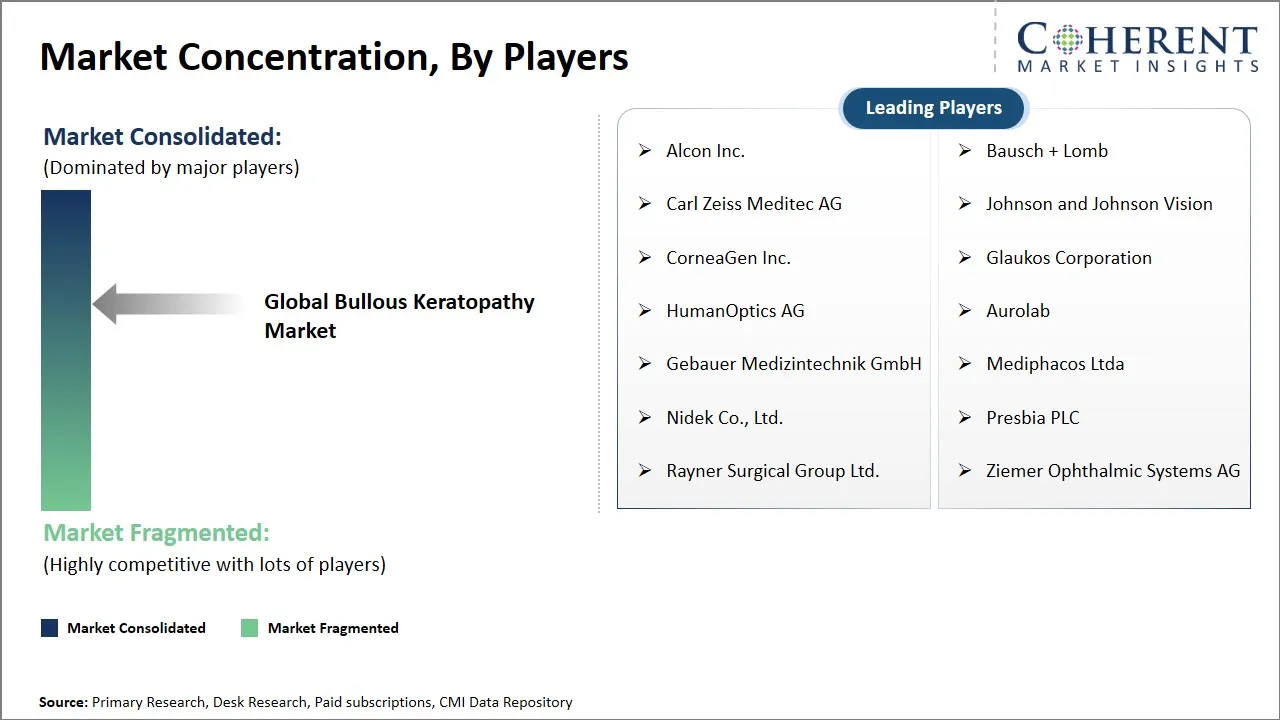
- Alcon Inc., a global leader in eye care solutions, plays a significant role in the treatment of Bullous Keratopathy (BK) by providing high-quality ophthalmic surgical instruments for corneal transplantation. The company’s portfolio includes Ophthalmic Viscosurgical Devices (OVDs – sterile, gel-like materials used to maintain eye shape, protect tissues, and create space during surgery) specifically for keratoplasty (corneal transplant) procedures, as well as the Centurion Vision System (a phacoemulsification platform that uses ultrasound to remove cataracts with minimal damage to corneal endothelial cells in BK patients).
- Bausch + Lomb, one of the most recognized names in eye health, contributes to the bullous keratopathy market with donor corneal tissue processing solutions and advanced surgical tools for Descemet Membrane Endothelial Keratoplasty (DMEK – a minimally invasive corneal transplant technique replacing only the diseased endothelial layer of the cornea) and Descemet Stripping Automated Endothelial Keratoplasty (DSAEK – a partial-thickness corneal transplant where a donor endothelial layer and part of the stroma are transplanted using a microkeratome). The company also offers ophthalmic pharmaceuticals for managing corneal edema (swelling), improving vision and patient comfort.
- Carl Zeiss Meditec AG, renowned for precision optics and medical devices, supports BK management with the VisuMax femtosecond laser (a laser that uses ultra-short pulses for precise corneal cutting), advanced operating microscopes for anterior segment surgery (surgery on the front structures of the eye), and keratoplasty surgical systems for high-accuracy corneal transplants.
- Johnson & Johnson, a major global pharmaceutical company, offers phacoemulsification systems (cataract removal using ultrasound energy) designed to minimize endothelial cell loss during surgery—a major cause of BK. The company also supplies Ophthalmic Viscosurgical Devices (OVDs – surgical gels for maintaining space in the eye and protecting delicate tissues) and surgical instruments tailored for corneal grafting procedures.
- CorneaGen Inc., a leader in corneal transplantation solutions, supplies pre-stripped and preloaded Descemet Membrane Endothelial Keratoplasty (DMEK) tissue, preloaded Descemet Stripping Automated Endothelial Keratoplasty (DSAEK) lenticules (thin layers of donor cornea prepared for transplant), and VisionGraft sterile corneal tissue to address global donor shortages and simplify surgical preparation.
Top Strategies Followed by Global Bullous Keratopathy Market Players
- Established market leaders in the bullous keratopathy market typically adopt aggressive strategies centered around heavy investments in research and development (R&D). These investments are vital for innovating high-performance products that improve patient outcomes and align with the latest technological advancements in corneal treatment.
- For example, Alcon Inc. continues to invest heavily in surgical innovations such as advanced Ophthalmic Viscosurgical Devices (OVDs) and precision phacoemulsification systems, which help reduce endothelial cell damage in cataract-related BK cases.
- Similarly, Bausch + Lomb has enhanced its DMEK (Descemet Membrane Endothelial Keratoplasty) and DSAEK (Descemet Stripping Automated Endothelial Keratoplasty) product lines through collaborations with eye banks and research institutions to improve donor tissue preparation. To expand globally, companies like Johnson & Johnson Vision have increased their distribution channels in Asia Pacific and Latin America, leveraging growing healthcare infrastructure and rising awareness to address unmet clinical needs in these emerging markets.
- Mid-level players in the bullous keratopathy market occupy a strategic position that balances quality and affordability to appeal to price-sensitive consumers without compromising on essential product efficacy.
- For example, Aurolab offers affordable corneal surgical instruments and trephines for Penetrating Keratoplasty (PKP), making high-quality surgical care more accessible in developing regions like South Asia and Africa.
- Small-scale players focus on differentiation through specialization and innovation, carving out niche segments within the bullous keratopathy space. They often develop products with unique features or novel technologies, such as bioengineered corneal implants or advanced graft insertion tools. For example, HumanOptics AG specializes in custom-made keratoprosthesis (artificial cornea) models, targeting complex cases unsuitable for traditional donor grafts.
- Another example is Presbia PLC, which focuses on corneal inlay technology for vision rehabilitation in select BK patients, offering a unique solution not commonly provided by larger players. These smaller companies frequently collaborate with startups, academic institutions, and local distributors to gain market entry.
Market Report Scope
Bullous Keratopathy Market Report Coverage
| Report Coverage | Details | ||
|---|---|---|---|
| Base Year: | 2025 | Market Size in 2026: | USD 1.77 Bn |
| Historical Data for: | 2020 To 2024 | Forecast Period: | 2026 To 2033 |
| Forecast Period 2026 to 2033 CAGR: | 9.0% | 2033 Value Projection: | USD 3.23 Bn |
| Geographies covered: |
| ||
| Segments covered: |
| ||
| Companies covered: | Alcon Inc., Bausch + Lomb, Carl Zeiss Meditec AG, Johnson and Johnson Vision, CorneaGen Inc., Glaukos Corporation, HumanOptics AG, Aurolab, Gebauer Medizintechnik GmbH, Mediphacos Ltda, Nidek Co., Ltd., Presbia PLC, Rayner Surgical Group Ltd., and Ziemer Ophthalmic Systems AG | ||
| Growth Drivers: |
| ||
| Restraints & Challenges: |
| ||
Bullous Keratopathy Market Dynamics
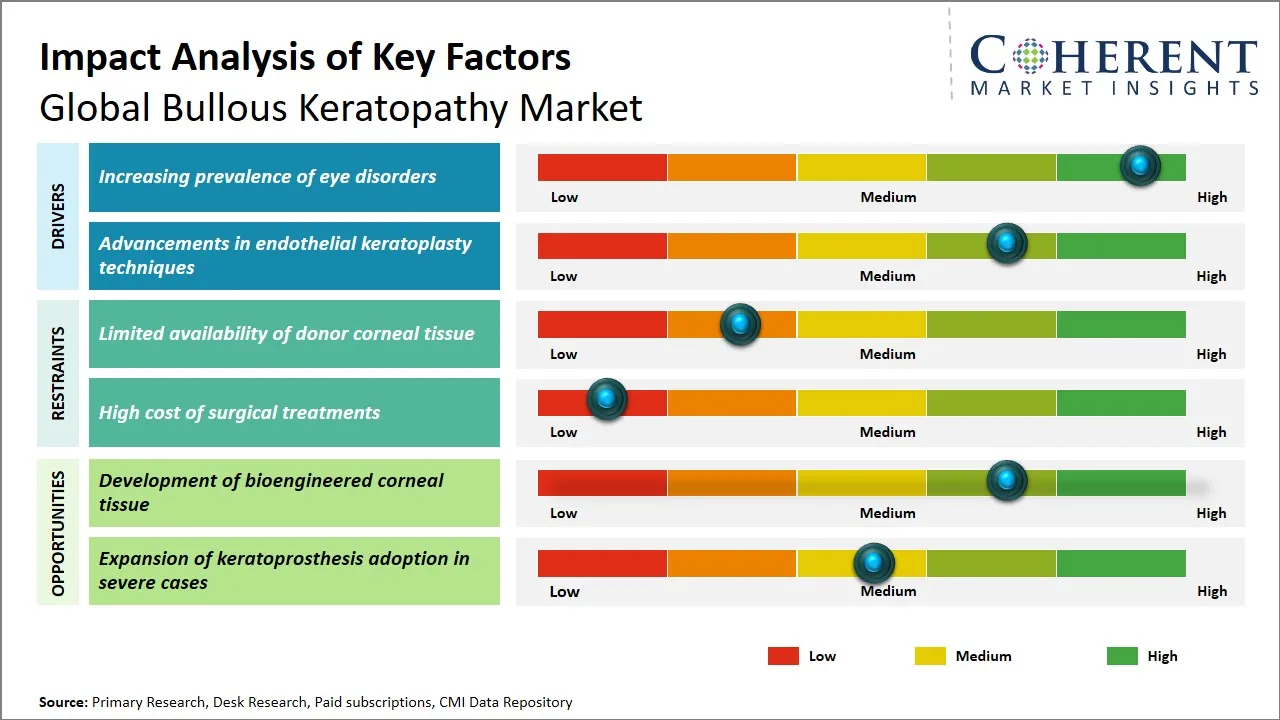
Bullous Keratopathy Market Driver - Increasing Prevalence of Eye Disorders
The rising prevalence of various eye disorders significantly contributes to the growing demand for effective bullous keratopathy treatments globally. As populations age and chronic health conditions such as diabetes and hypertension become more widespread, the incidence of corneal endothelial dysfunctions that lead to bullous keratopathy is increasing. Additionally, the surge in cataract surgeries and other ocular procedures, which are often associated with endothelial cell damage, further elevates the risk of developing bullous keratopathy. This growing patient pool necessitates advanced therapeutic interventions, both surgical and non-surgical, to manage the condition and improve visual outcomes.
Moreover, heightened awareness about eye health and advancements in diagnostic technologies enable earlier identification and timely management of bullous keratopathy, fueling the demand for innovative treatment options. For instance, in May 2022, Vice President Mr. M. Venkaiah Naidu called for greater public awareness on eye health, urging media campaigns in local languages with celebrity participation to spread the message that vision impairment is largely preventable and curable. Virtually inaugurating the Anant Bajaj Retina Institute, a Centre of Excellence for Retinal Diseases established by L V Prasad Eye Institute (LVPEI), a leading not-for-profit eye care institution in India.
Bullous Keratopathy Market Opportunity - Development of Bioengineered Corneal Tissue
The development of bioengineered corneal tissue presents a significant opportunity within the global bullous keratopathy market, driven by the growing demand for advanced therapeutic alternatives to conventional corneal transplantation. Bullous keratopathy, caused by endothelial cell dysfunction leading to macular edema, often necessitates corneal transplantation as the definitive treatment. However, the shortage of donor corneas, risk of graft rejection, and complications associated with traditional transplants have propelled research into bioengineered corneal substitutes. Advances in tissue engineering and regenerative medicine have enabled the creation of functional, lab-grown corneal tissues that mimic native corneal structure and function. These bioengineered grafts have the potential to overcome the limitations of donor tissue availability, reduce immunogenic reactions, and improve patient outcomes with faster recovery times and enhanced graft survival rates.
In August 2022, a Nature Biotechnology journal study found that a new bioengineered corneal implant, BPCDX, restored vision in advanced keratoconus patients in India and Iran. Made from medical-grade porcine collagen, it was implanted without removing tissue or using sutures, improving corneal shape, thickness, and vision over two years with no side effects, offering a simpler alternative to donor cornea transplants.
Analyst Opinion (Expert Opinion)
- The global bullous keratopathy market is witnessing steady growth, driven by advances in corneal endothelial therapies, increasing availability of minimally invasive keratoplasty techniques, and supportive regulatory frameworks in key markets. The approval of innovative treatments such as neltependocel in Japan has set a new benchmark in regenerative ophthalmology, while rising demand from aging populations and a higher prevalence of cataract surgeries continue to expand the patient base. Opportunities are emerging in bioengineered corneal tissue, cell-based therapies, and ROCK inhibitor-based interventions, with growing interest from both public health agencies and private innovators. However, the sector still faces challenges, including limited donor tissue availability, high surgical costs, and uneven access to specialist care in developing regions. Industry knowledge-sharing has been enriched through platforms like the Asia Cornea Society Biennial Scientific Meeting, the World Cornea Congress, and the European Society of Cataract and Refractive Surgeons (ESCRS) annual meeting, which have played a pivotal role in showcasing breakthrough technologies and shaping clinical best practices.
- Recent developments reflect a global shift toward advanced treatment adoption. Aurion Biotech’s launch of Vyznova in Japan is a standout example, representing the first commercialized allogeneic cell therapy for corneal endothelial disease, offering a practical alternative to traditional transplants. Government-backed eye health programmes in countries such as India, Singapore, and the U.K. are focusing on improving early diagnosis and subsidizing corneal surgeries, while collaborative pilot projects between eye banks and biotech firms are exploring scalable production of preloaded endothelial grafts. These initiatives, combined with rising investment in clinical trials and cross-border partnerships, are expected to broaden patient access and accelerate the market’s progression over the coming years.
Speak to the analyst
Want personalized insights?
Take the findings above to one of our principal consultants, or have the report rebuilt around the segments, geographies and competitors you actually track.
Market Segmentation
- Treatment Type Insights (Revenue, USD Bn, 2021 - 2033)
- Non-Surgical Treatments
- Hyperosmotic agents (topical hypertonic saline)
- Anti-Glaucoma Drugs (e.g., beta-blockers, alpha agonists)
- Antibiotics
- Lubricating eye drops
- Therapeutic contact lenses
- Others (Steroids, NSAIDs, etc.)
- Surgical Treatments
- Corneal transplantation (penetrating keratoplasty, endothelial keratoplasty)
- Amniotic membrane grafting
- Anterior stromal puncture
- Basement membrane polishing
- Others (Annular keratotomy, etc.)
- Non-Surgical Treatments
- Disease Type Insights (Revenue, USD Bn, 2021 - 2033)
- Pseudophakic bullous keratopathy (after cataract surgery)
- Fuchs’ endothelial dystrophy
- Glaucoma-related bullous keratopathy
- Infectious keratitis-related bullous keratopathy
- Others
- Age Group Insights (Revenue, USD Bn, 2021 - 2033)
- Adult
- Pediatric
- Geriatric
- Distribution Channel Insights (Revenue, USD Bn, 2021 - 2033)
- Hospital pharmacies
- Retail pharmacies
- Online pharmacies
- End User Insights (Revenue, USD Bn, 2021 - 2033)
- Hospitals
- Ophthalmology clinics
- Ambulatory surgery centers (ASC)
- Others (Academic and research institutes)
- Regional Insights (Revenue, USD Bn, 2021 - 2033)
- North America
- U.S.
- Canada
- Latin America
- Brazil
- Argentina
- Mexico
- Rest of Latin America
- Europe
- Germany
- U.K.
- Spain
- France
- Italy
- Russia
- Rest of Europe
- Asia Pacific
- China
- India
- Japan
- Australia
- South Korea
- ASEAN
- Rest of Asia Pacific
- Middle East
- GCC Countries
- Israel
- Rest of Middle East
- Africa
- South Africa
- North Africa
- Central Africa
- North America
- Key Players Insights
- Alcon Inc.
- Bausch + Lomb
- Carl Zeiss Meditec AG
- Johnson and Johnson Vision
- CorneaGen Inc.
- Glaukos Corporation
- HumanOptics AG
- Aurolab
- Gebauer Medizintechnik GmbH
- Mediphacos Ltda
- Nidek Co., Ltd.
- Presbia PLC
- Rayner Surgical Group Ltd.
- Ziemer Ophthalmic Systems AG
Sources
Primary Research Interviews
Industry Stakeholders List
- Corneal surgeons (hospital and private practice)
- Eye bank directors
- Clinical trial investigators (corneal diseases)
- Hospital procurement managers (ophthalmology)
- Regulatory affairs professionals (ophthalmic devices)
End-users List
- Patients diagnosed with bullous keratopathy
- Post–corneal transplant patients
- Caregivers of corneal disease patients
- Low-vision clinic attendees
- Patients awaiting corneal transplantation
Government and International Databases
- World Health Organization (WHO) – Global Health Observatory
- U.S. Food and Drug Administration (FDA) – CDRH, MAUDE
- European Medicines Agency (EMA) – EUDAMED
- National Institutes of Health (NIH)/National Eye Institute (NEI)
Trade Publications
- EyeNet Magazine (AAO)
- Ophthalmology Times
- The Ophthalmologist
- EuroTimes (ESCRS)
- Review of Ophthalmology
Academic Journals
- Ophthalmology
- Cornea
- JAMA Ophthalmology
- American Journal of Ophthalmology
- British Journal of Ophthalmology
Reputable Newspapers
- The New York Times
- The Wall Street Journal
- Financial Times
- The Guardian
- The Hindu
Industry Associations
- American Academy of Ophthalmology (AAO)
- Cornea Society
- Eye Bank Association of America (EBAA)
- European Society of Cataract and Refractive Surgeons (ESCRS)
- International Council of Ophthalmology (ICO)
Public Domain Resources
- Open Government Data (OGD) Platform India
- European Commission – Health and Food Safety
- Indian Council of Medical Research (ICMR)
- National Programme for Control of Blindness and Visual Impairment (NPCBVI), India
Proprietary Elements
- CMI Data Analytics Tool: Proprietary analytics tool to analyze real-time market trends, consumer behavior, and technology adoption in market
- Proprietary CMI existing repository of information for last 8 years
Get access to 250+ pages report
Every segment, forecast, competitor profile and data table behind the analysis above — available for instant download.
- ESOMAR Member
- ISO 9001:2015 Certified
- D-U-N-S Registered
- GDPR & CCPA Compliant
Missing comfort of reading report in your local language? Find your preferred language:
Transform your Strategy with Exclusive Trending Reports
Frequently Asked Questions
The global bullous keratopathy market is estimated to be valued at USD 1.77 Bn in 2026 and is expected to reach USD 3.23 Bn by 2033.
The CAGR of global bullous keratopathy market is projected to be 9.0% from 2026 to 2033.
Increasing prevalence of eye disorders and advancements in endothelial keratoplasty techniques are the major factors driving the growth of the global bullous keratopathy market.
Limited availability of donor corneal tissue and high cost of surgical treatments are the major factors hampering the growth of the global bullous keratopathy market.
In terms of treatment type, Non-Surgical Treatments are estimated to dominate the market revenue share in 2026.
Diagnosis typically involves comprehensive eye exams using slit-lamp microscopy, visual acuity tests, corneal thickness assessments, and sometimes corneal topography or specular microscopy
Early-stage management includes lubricants, hyperosmotic drops, steroids, bandage contact lenses, while advanced cases may require corneal transplantation.