

Global Imbruvica Market Size and Forecast – 2026 - 2033
The Global Imbruvica Market is estimated to be valued at USD 3.02 Bn in 2026 and is expected to reach USD 1.41 Bn by 2033, exhibiting a compound annual growth rate (CAGR) of -10.1% from 2026 to 2033. This negative growth trajectory indicates a significant contraction in market value over the forecast period, reflecting evolving dynamics within the pharmaceutical landscape and competitive pressures impacting Imbruvica’s market penetration and sales.
Key Takeaways of the Global Imbruvica Market
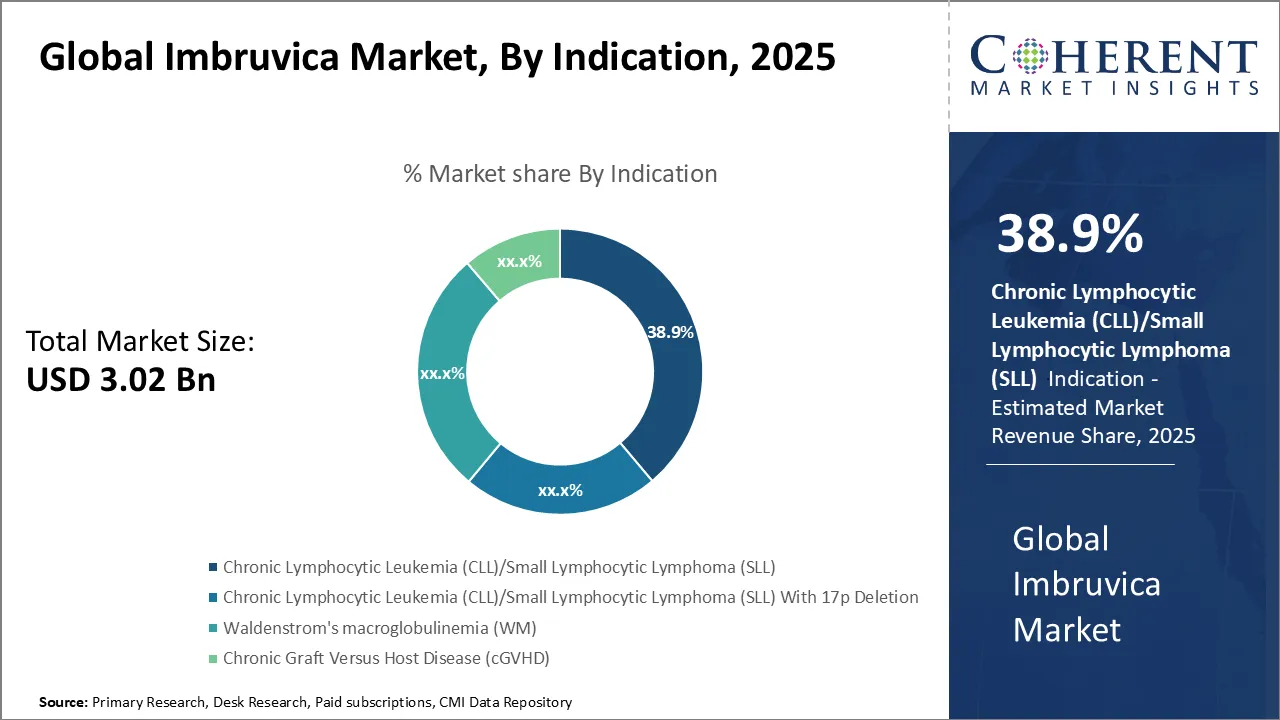
- Among the various indications treated with Imbruvica, Chronic Lymphocytic Leukemia (CLL) and Small Lymphocytic Lymphoma (SLL) represent the largest market segment, accounting for an estimated 39.9 % of the market share in 2026.
- Within the dosage form landscape, the capsules segment, particularly the 70 mg and 140 mg strengths, is expected to hold the largest share at 43.3 % in 2026.
- The adult segment continues to be the leading contributor to the Imbruvica market, capturing an estimated 69.2 % of the market share in 2026, driven by its extensive use in treating various hematological malignancies.
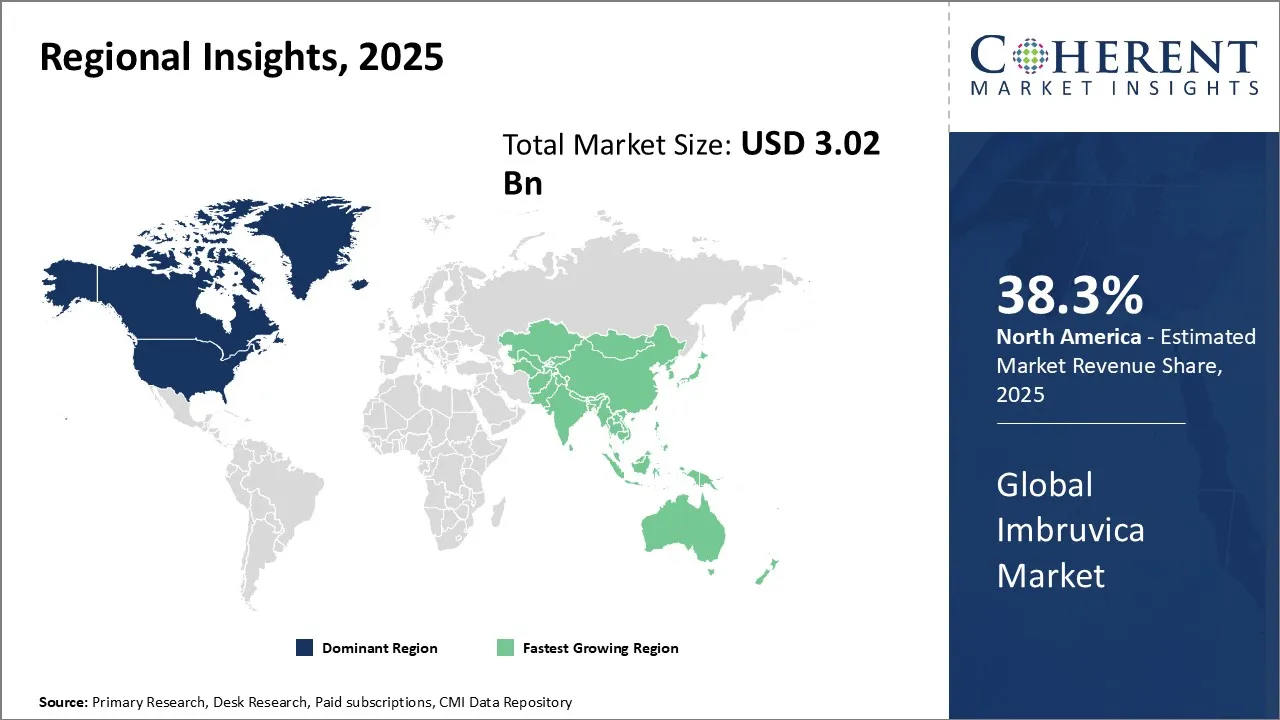
- North America is expected to lead the market, holding a share of 38.3 % in 2026. Asia Pacific is anticipated to be the fastest-growing region, with a market share of 24.2% in 2026.
Market Overview
A key market trend influencing the Imbruvica market is the increasing focus on alternative therapies and the emergence of next-generation targeted treatments that are providing competitive options for hematologic malignancies. Additionally, patent expirations and the introduction of generic alternatives are exerting downward pricing pressures. Furthermore, shifting healthcare priorities and regulatory challenges are limiting the drug’s uptake, accelerating market decline and encouraging pharmaceutical companies to innovate or pivot towards new therapeutic avenues.
Current Events and Its Impact
Current Events | Description and its impact |
Q3 2023 Impairment Charge & Competitive Losses |
|
Humira’s Patent Expiry and Market Shifts |
|
Segmental Insights
- Current Industry Events of 2026
- Market Size Estimation
- Regional Breakdown
- Competitive Landscape
- Customer Intelligence
- Segmental Analysis
- Pricing Analysis
- Key Market Drivers, Challenges & Future Trends
- Customized Insights Section
Imbruvica Market Insights, By Indication - Chronic Lymphocytic Leukemia (CLL)/Small Lymphocytic Lymphoma (SLL) Contributes the Highest Share of The Market Owing to Increasing Prevalence and Therapeutic Need
Among the numerous indications treated with Imbruvica, Chronic Lymphocytic Leukemia (CLL) and Small Lymphocytic Lymphoma (SLL) form the most significant market segment with an estimated share of 39.9% in 2026. This predominance is primarily driven by the relatively high prevalence of CLL/SLL as compared to other hematological malignancies, combined with the proven efficacy of Imbruvica in managing these diseases. CLL and SLL are mature B-cell lymphoid malignancies that predominantly affect older adults, making this indication an important target for treatment interventions.
The growing awareness and diagnosis of CLL/SLL have contributed to the demand for novel therapies that can improve patient outcomes and quality of life. Imbruvica’s targeted mechanism as a Bruton's tyrosine kinase (BTK) inhibitor offers a significant advantage over traditional chemotherapy by enabling more precise disruption of malignant B-cell signaling pathways, leading to durable remission rates. Moreover, the convenience of oral administration aligns well with patient preferences, encouraging adherence and sustained therapy.
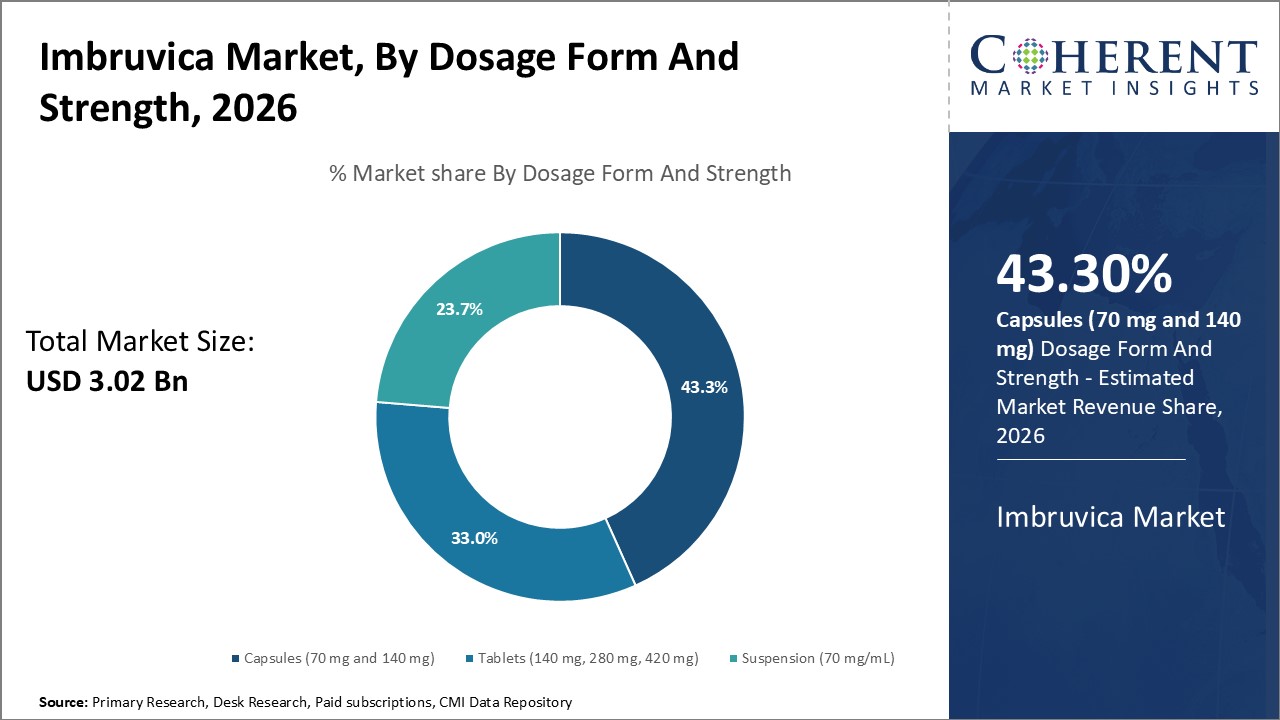
Imbruvica Market Insights, By Dosage Form and Strength - Capsules (70 Mg And 140 Mg) Lead the Market, Due to Ease of Use and Dosing Flexibility
The capsules segment, specifically the 70 mg and 140 mg strengths, is expected to command the largest share of the global Imbruvica market with 43.3% in 2026 within the dosage form landscape. The preference for capsules is influenced by several factors related to both patient adherence and medical practitioner convenience. Capsules provide a familiar and user-friendly oral delivery method, which suits the long-term administration often required in hematological malignancies treated with Imbruvica.
One key driver of the capsule segment’s dominance is the flexibility in dosage adjustments that the availability of multiple strengths affords. Physicians can tailor dosing regimens based on disease severity, patient tolerance, and specific treatment protocols. This adaptability is crucial in treating complex and heterogeneous conditions like CLL/SLL or Waldenstrom’s macroglobulinemia, where personalized treatment plans yield better clinical outcomes.
Imbruvica Market Insights, By Age Group - Adult Segment Dominates Market Share, Driven by Widespread Treatment Approvals and Established Efficacy
The adult segment remains the dominant contributor in the Imbruvica market with an estimated share of 69.2% in 2026, driven by its widespread use in treating hematological malignancies such as chronic lymphocytic leukemia (CLL), mantle cell lymphoma (MCL), and Waldenström’s macroglobulinemia (WM). Imbruvica’s effectiveness as a Bruton's tyrosine kinase (BTK) inhibitor makes it a critical therapeutic option for adult patients, especially those with relapsed or refractory conditions. The drug's ability to target key molecular pathways in cancer cells while offering a safer alternative to chemotherapy has further solidified its position in adult oncology.
Additionally, the expanding range of indications and the increasing number of adult patients diagnosed with CLL, MCL, and other hematological cancers continue to drive Imbruvica's dominance in this segment. The growing body of clinical data and ongoing regulatory approvals in adult oncology reinforce Imbruvica’s role as the preferred treatment for various hematological malignancies, ensuring its continued market leadership among adult populations.
Reimbursement Scenario for Imbruvica
- Collaborative Patient Access Strategy: In the Imbruvica market, reimbursement plays a crucial role in ensuring patient access to the treatment. The availability of reimbursement frameworks under government programs like Medicare and Medicaid, as well as private insurance plans, AbbVie Inc. (via Pharmacyclics) and Johnson & Johnson (via Janssen) jointly manage reimbursement through the IMBRUVICA By Your Side program. This unified support system offers financial navigation for all payer types: commercially insured patients access a USD 0 copay card (subject to eligibility), while government-insured (Medicare/Medicaid) or uninsured patients are guided toward foundations like MyAbbVie Inc. Assist or Johnson & Johnson Patient Assistance Foundation. The program centralizes insurance specialist support, prior authorization aid, and pharmacy coordination to minimize coverage barriers.
- Policy-Driven Affordability & Payer Engagement: For Medicare Part D patients, the 2025 USD 2,000 out-of-pocket cap and Medicare Prescription Payment Plan (MPPP) are actively leveraged to reduce cost burdens. Manufacturers strategically align with specialty pharmacies/distributors to streamline reimbursements and negotiate formulary placements. Key restrictions apply: copay cards exclude government-funded programs (per federal regulations), while foundations require income/insurance criteria. Continuous monitoring of state/federal policy changes (e.g., Inflation Reduction Act) ensures adaptive reimbursement tactics across markets.
Regional Insights
North America Imbruvica Market Analysis and Trends
In North America, the dominance in the global Imbruvica market is driven primarily by a highly developed healthcare infrastructure with an estimated share of 38.3% in 2026, strong presence of pharmaceutical companies, and supportive government policies facilitating drug approvals and reimbursements. The U.S., being a hub for biotech innovation, houses key players such as AbbVie Inc. (which manufactures Imbruvica), Janssen Pharmaceuticals, and other prominent firms investing heavily in research and development.
The established oncology treatment ecosystem, coupled with widespread awareness and high healthcare expenditure, strengthens the adoption of Imbruvica for hematological malignancies. Additionally, streamlined regulatory pathways by the U.S. FDA and substantial funding for cancer research contribute significantly to the region's leadership. Trade dynamics favor rapid access to cutting-edge therapeutics due to strong intellectual property protection and collaborative agreements between manufacturers and healthcare providers.
Asia Pacific Imbruvica Market Analysis and Trends
Meanwhile, the Asia Pacific region is expected to exhibit the fastest growth for the global Imbruvica market with a share of 24.2% in 2026, driven by rising cancer incidence rates, improving healthcare infrastructure, and increasing government initiatives for oncology care. Countries like China, Japan, and India are witnessing escalating demand, due to expanding patient pools, growing awareness, and improved diagnostic capabilities. Governments in this region are actively revising drug approval processes and incorporating innovative therapies into national reimbursement lists, fostering quicker market access.
The presence of local pharmaceutical companies partnering with multinational firms enhances market penetration strategies. Additionally, ongoing clinical trials and collaborations pave the way for early adoption of Imbruvica. The evolving regulatory framework and increasing healthcare investments create a vibrant market ecosystem that supports sustainable growth.
Imbruvica Market Outlook for Key Countries
U.S. Imbruvica Market Trends
The market in the U.S. remains highly influential, due to its advanced healthcare environment and strong biotech industry presence. AbbVie Inc., the key market player, continues to lead through extensive clinical development programs and strategic collaborations. The availability of reimbursement frameworks under Medicare and private insurance plans accelerates patient access to Imbruvica. Moreover, ongoing R&D investments into expanded indications and combination therapies solidify the product’s market position. The U.S. regulatory environment’s clarity and efficiency help maintain the market's innovative edge.
China Imbruvica Market Trends
China’s Imbruvica market is expanding rapidly as the government prioritizes cancer treatment accessibility and invests in healthcare modernization. Local regulatory reforms have improved the drug approval timeline, facilitating quicker introduction of therapies like Imbruvica. AbbVie Inc. and Janssen have established significant partnerships with domestic companies, enabling better distribution and localized clinical trials. Growing patient awareness and increasing oncology centers enhance demand. Additionally, government reimbursement schemes are gradually improving, aiding affordability for patients.
For example, in February 2026, China’s integrated cancer care guidelines, developed by the China Anti-Cancer Association, reflect the country's growing confidence in oncology. The guidelines, covering 53 cancer types and 60 treatment methods, incorporate local evidence and traditional Chinese medicine. Launched at the 2024 China Integrative Oncology Conference, they are designed to address the unique needs of Chinese patients, marking a significant step in enhancing cancer care and contributing to global oncology efforts.
Canada Imbruvica Market Trends
In Canada, Imbruvica (ibrutinib) is approved by Health Canada for treating various blood cancers, including chronic lymphocytic leukemia (CLL), mantle cell lymphoma (MCL), and Waldenström’s macroglobulinemia. The drug offers flexibility through oral administration and is part of innovative treatment regimens. While generic versions of Imbruvica are not yet approved in Canada, the market is supported by the country's strong healthcare system, which ensures patient access to novel therapies. Ongoing clinical research and partnerships continue to expand treatment options for patients with hematologic malignancies.
In January 2021, Johnson & Johnson’s company, Janssen Pharmaceutical Companies announced that Health Canada has approved IMBRUVICA (ibrutinib) in combination with rituximab for the treatment of previously untreated chronic lymphocytic leukemia (CLL) in patients aged 70 or younger. The approval is based on the Phase 3 ECOG1912 study, which showed that patients treated with IMBRUVICA plus rituximab had a 66% reduced risk of disease progression or death compared to those treated with the chemoimmunotherapy regimen FCR. This marks the tenth Health Canada approval for IMBRUVICA across five disease areas.
Germany Imbruvica Market Trends
Germany represents a key European market with a strong healthcare system, supportive reimbursement policies, and high patient access to novel therapies. The country benefits from leading pharmaceutical companies’ European headquarters and research centers, including AbbVie Inc. and Janssen. AbbVie Inc. and Janssen, with their European headquarters and research centers in the country, benefit from the statutory health insurance system, which facilitates patient access. Germany’s strategic position within Europe also aids its role as a distribution hub, enhancing trade flows across the continent and beyond.
Market Players, Key Developments, and Competitive Intelligence
Key Developments
- In February 2024, Johnson & Johnson, a leading global healthcare company, in collaboration with its alliance partner Pharmacyclics LLC (an AbbVie Inc. Company), announced the U.S. FDA approval of a label expansion for IMBRUVICA (ibrutinib). The expansion includes an oral suspension formulation for adult patients with chronic lymphocytic leukemia (CLL), small lymphocytic lymphoma (SLL), Waldenström’s macroglobulinemia (WM), and chronic graft-versus-host disease (cGVHD) after failure of one or more lines of systemic therapy. This new formulation provides additional flexibility for patients who have difficulty swallowing tablets or capsules, offering a more accessible treatment option.
- In December 2024, Johnson & Johnson's Janssen-Cilag International NV submitted a Type II variation application to the European Medicines Agency (EMA) for an extension of IMBRUVICA (ibrutinib) to include adult patients with previously untreated mantle cell lymphoma (MCL) who are eligible for autologous stem cell transplant. The submission is supported by data from the Phase 3 TRIANGLE study, which showed that ibrutinib-based regimens, with or without transplant, significantly improved efficacy compared to the current standard of care. This new indication offers a promising treatment option for MCL patients, potentially replacing or complementing transplant-based regimens.
- In April 2023, AbbVie Inc. Inc. announced its decision to voluntarily withdraw the U.S. accelerated approvals for IMBRUVICA (ibrutinib) in the treatment of mantle cell lymphoma (MCL) and marginal zone lymphoma (MZL), following the results of confirmatory Phase 3 studies. While the SHINE study for MCL showed improved progression-free survival, it also indicated increased adverse reactions when IMBRUVICA was added to chemoimmunotherapy. The SELENE study for MZL did not meet its primary endpoint. This withdrawal does not affect other approved indications for IMBRUVICA, which remains a key therapy for multiple blood cancers. AbbVie Inc., a global biopharmaceutical leader, continues to support the U.S. FDA’s accelerated approval process and is working with the FDA to complete the withdrawal.
- In October 2022, Johnson & Johnson's Janssen Pharmaceutical Companies announced the U.S. FDA's accelerated approval of IMBRUVICA (ibrutinib) for the treatment of chronic graft-versus-host disease (GVHD) in pediatric patients aged 1 year and older who have not responded to at least one prior systemic treatment. Along with this approval, a new oral suspension formulation of ibrutinib was also approved, providing an option for children who have difficulty swallowing capsules or tablets. The approval is based on the results of the iMAGINE trial, which showed a 60% overall response rate by week 25 in pediatric patients. The most common side effects included anemia, pain, and diarrhea.
Market Report Scope
Imbruvica Market Report Coverage
| Report Coverage | Details | ||
|---|---|---|---|
| Base Year: | 2025 | Market Size in 2026: | USD 3.02 Bn |
| Historical Data for: | 2020 To 2024 | Forecast Period: | 2026 To 2033 |
| Forecast Period 2026 to 2033 CAGR: | -10.1% | 2033 Value Projection: | USD 1.41 Bn |
| Geographies covered: |
| ||
| Segments covered: |
| ||
| Companies covered: | AbbVie Inc. Inc., and Johnson-Johnson | ||
| Growth Drivers: |
| ||
| Restraints & Challenges: |
| ||
Imbruvica Market Dynamics
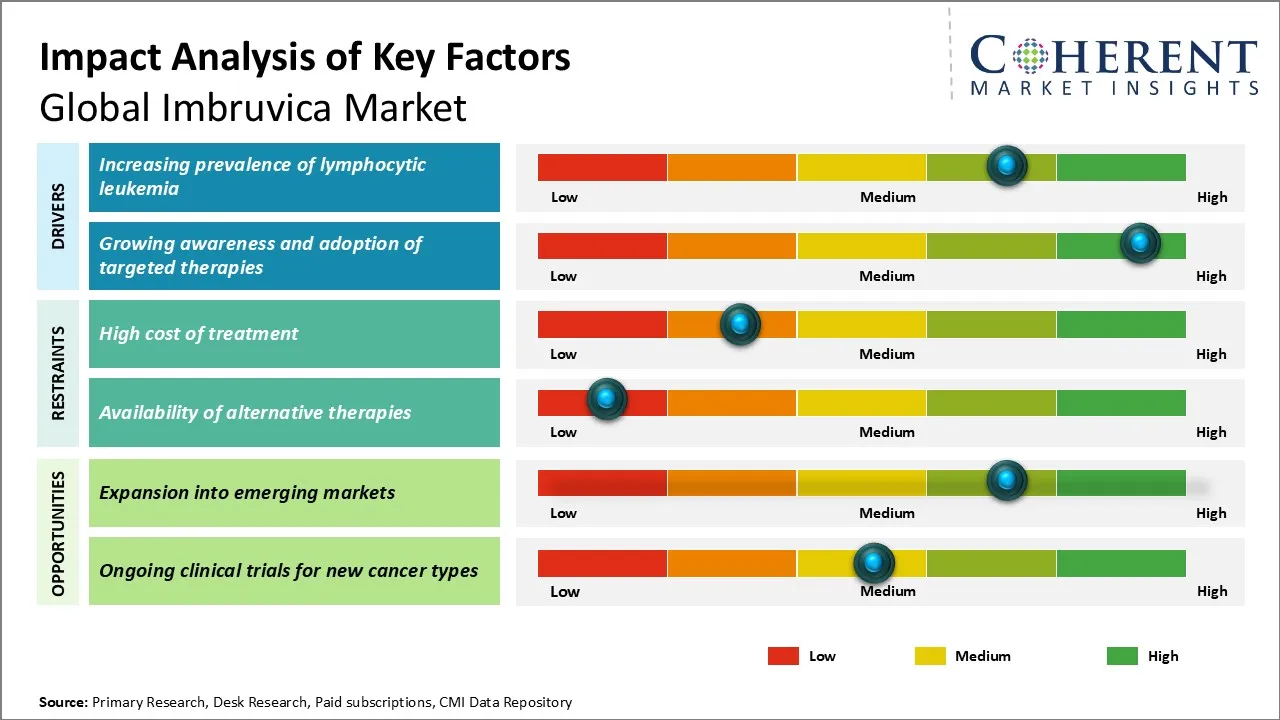
Imbruvica Market Driver - Increasing Prevalence of Lymphocytic Leukemia
The rising incidence of chronic lymphocytic leukemia (CLL) continues to influence the demand for Imbruvica globally, although the market is experiencing slow growth with a negative CAGR. As one of the most common types of leukemia in adults, the increasing number of diagnosed cases still contributes to the need for effective targeted therapies. Imbruvica, known for its ability to inhibit Bruton's tyrosine kinase (BTK), has historically been a preferred treatment for CLL and small lymphocytic lymphoma, thanks to its efficacy.
However, the emergence of newer therapies and increased competition are impacting its market share. Improved diagnostic techniques and greater awareness have led to earlier detection, expanding the pool of potential patients, but the overall growth in the Imbruvica market is constrained by the evolving treatment landscape and competitive pressures. Additionally, the aging population, more vulnerable to hematological malignancies, continues to drive the need for innovative therapies, though this does not fully offset the market's declining trajectory.
The global incidence of chronic lymphocytic leukemia (CLL) is rising, with over 200,000 affected in the U.S. alone. Significant advancements in therapy have improved survival rates, with patients diagnosed in 2015 experiencing a 92% 5-year survival rate, up from 87% a decade ago. However, the focus is shifting from treatment-related mortality to non-CLL-related causes, such as cardiovascular disease, second cancers, and infections. This shift underscores the need for a comprehensive survivorship model, addressing not just cancer treatment but also secondary health issues and psychosocial well-being.
Imbruvica Market Opportunity - Expansion into Emerging Markets
The global Imbruvica market presents a significant opportunity for expansion into emerging markets, driven by the increasing prevalence of hematologic cancers such as chronic lymphocytic leukemia (CLL), mantle cell lymphoma (MCL), and Waldenström’s macroglobulinemia within these regions.
In May 2023, according to Blood Cancer Journal, The global incidence of hematologic malignancies, including leukemia, multiple myeloma (MM), non-Hodgkin lymphoma (NHL), and Hodgkin lymphoma (HL), has been rising, with leukemia showing the highest number of cases in 2019. However, the age-standardized death rates (ASDR) for these cancers have been declining, indicating improvements in treatment and survival. While the incidence of leukemia and HL is decreasing, MM and NHL are seeing an increase, particularly in regions with higher socio-demographic indices. Overall, better treatment options have led to reduced mortality despite rising case numbers.
Emerging economies in Asia Pacific, Latin America, and Eastern Europe are witnessing increased healthcare investments, improving infrastructure, and growing patient awareness, creating a favorable environment for adopting advanced oncology therapies like Imbruvica. Rising disposable incomes and expanding insurance coverage in countries such as India, China, Brazil, and Russia are improving access to innovative treatments. Pharmaceutical companies can benefit from localized manufacturing, collaborations with government programs, and the relatively lower competition in these regions, offering a significant first-mover advantage. Tailored educational initiatives for healthcare professionals and patients can further boost market acceptance.
Analyst Opinion (Expert Opinion)
- The global Imbruvica market, while experiencing a decline with a negative CAGR, continues to be influenced by key market dynamics. Technological advancements, such as the development of combination therapies and precision medicine, have supported the drug’s efficacy in treating B-cell malignancies, particularly in relapsed or refractory chronic lymphocytic leukemia (CLL) and mantle cell lymphoma (MCL). Regulatory support has also played a role, with approvals in new indications and regions. However, the emergence of biosimilars and generic alternatives is intensifying competition, contributing to a slow decline in market share. Additionally, the high cost of treatment and issues related to drug resistance and adverse events are restricting broader adoption, especially in resource-constrained markets.
- Emerging opportunities lie in expanding into underserved markets where healthcare infrastructure is improving, as well as further research into combination therapies that may offer enhanced outcomes for patients. However, the market faces significant challenges, such as the ongoing regulatory hurdles for new indications and the increasing shift toward more cost-effective treatments. Notable industry events, such as the Annual Meeting and the American Society of Hematology Annual Meeting, have showcased advancements in immunotherapy and targeted treatments, though discussions on biosimilar alternatives to Imbruvica are expected to reshape the competitive landscape. Additionally, global initiatives aimed at improving healthcare access in emerging regions are likely to impact the market's future trajectory.
Speak to the analyst
Want personalized insights?
Take the findings above to one of our principal consultants, or have the report rebuilt around the segments, geographies and competitors you actually track.
Market Segmentation
- Indication Insights (Revenue, USD Bn, 2021 - 2033)
- Chronic Lymphocytic Leukemia (CLL)/Small Lymphocytic Lymphoma (SLL)
- Chronic Lymphocytic Leukemia (CLL)/Small Lymphocytic Lymphoma (SLL) With 17p Deletion
- Waldenstrom’s macroglobulinemia (WM)
- Chronic Graft Versus Host Disease (cGVHD)
- Dosage Form and Strength Insights (Revenue, USD Bn, 2021 - 2033)
- Capsules (70 mg and 140 mg)
- Tablets (140 mg, 280 mg, and 420 mg)
- Suspension (70 mg/mL)
- Age Group Insights (Revenue, USD Bn, 2021 - 2033)
- Pediatric
- Adult
- End User Insights (Revenue, USD Bn, 2021 - 2033)
- Hospitals
- Specialty Oncology Clinics
- Outpatient cancer centers
- Specialty Pharmacies
- Others (Research and Academic Institutes, etc.)
- Regional Insights (Revenue, USD Bn, 2021 - 2033)
- North America
- U.S.
- Canada
- Latin America
- Brazil
- Argentina
- Mexico
- Rest of Latin America
- Europe
- Germany
- U.K.
- Spain
- France
- Italy
- Russia
- Rest of Europe
- Asia Pacific
- China
- India
- Japan
- Australia
- South Korea
- ASEAN
- Rest of Asia Pacific
- Middle East
- GCC Countries
- Israel
- Rest of Middle East
- Africa
- South Africa
- North Africa
- Central Africa
- North America
- Key Players Insights
- AbbVie Inc.
- Johnson-Johnson
Sources
Primary Research Interviews
- Oncologists and Hematologists
- Pharmaceutical executives and managers
- Healthcare providers and institutions
- Pharmacists and Pharmacy Managers
- Patients and patient advocacy groups
Government and International Databases
- U.S. Food and Drug Administration (FDA)
- European Medicines Agency (EMA)
- World Health Organization (WHO)
- National Institutes of Health (NIH)
- Centers for Medicare & Medicaid Services (CMS)
- National Cancer Institute (NCI)
- Global Health Data Exchange (GHDx)
- United Nations International Drug Control Programme (UNDCP)
Trade Publications
- Pharmaceutical Executive
- Oncology Times
- BioPharma Dive
- The Pharmaceutical Journal
- Cancer Therapy Advisor
- Health Affairs
- The Lancet Oncology
Academic Journals
- Journal of Clinical Oncology
- British Journal of Haematology
- Cancer Research Journal
- Leukemia
- Hematology/Oncology Clinics of North America
- The New England Journal of Medicine
- The Journal of the American Medical Association (JAMA)
Reputable Newspapers
- The New York Times
- The Wall Street Journal
- The Guardian
- The Financial Times
- Bloomberg
- BBC News
Industry Associations
- American Society of Clinical Oncology (ASCO)
- American Association for Cancer Research (AACR)
- European Society for Medical Oncology (ESMO)
- Hematology Society of America (HSA)
- Leukemia & Lymphoma Society (LLS)
- International Society for Stem Cell Research (ISSCR)
Public Domain Resources
- National Cancer Institute (NCI) Database
- National Institute for Health and Care Excellence (NICE)
- U.S. Census Bureau
Proprietary Elements
- CMI Data Analytics Tool: Proprietary analytics tool to analyze real-time market trends, consumer behavior, and technology adoption in market
- Proprietary CMI Existing Repository of Information for the Last 8 Years.
Get access to 250+ pages report
Every segment, forecast, competitor profile and data table behind the analysis above — available for instant download.
- ESOMAR Member
- ISO 9001:2015 Certified
- D-U-N-S Registered
- GDPR & CCPA Compliant
Missing comfort of reading report in your local language? Find your preferred language:
Transform your Strategy with Exclusive Trending Reports
Frequently Asked Questions
The global Imbruvica market is estimated to be valued at USD 3.02 Bn in 2026 and is expected to reach USD 1.41 Bn by 2033.
The CAGR of the global Imbruvica market is projected to be -10.1% from 2026 to 2033.
Increasing prevalence of lymphocytic leukemia and growing awareness and adoption of targeted therapies are the major factors driving the growth of the global Imbruvica market.
High cost of treatment and the availability of alternative therapies are the major factors hampering the growth of the global Imbruvica market.
In terms of Indication, the Chronic Lymphocytic Leukemia (CLL)/Small Lymphocytic Lymphoma (SLL) segment is estimated to dominate the market revenue share in 2026.
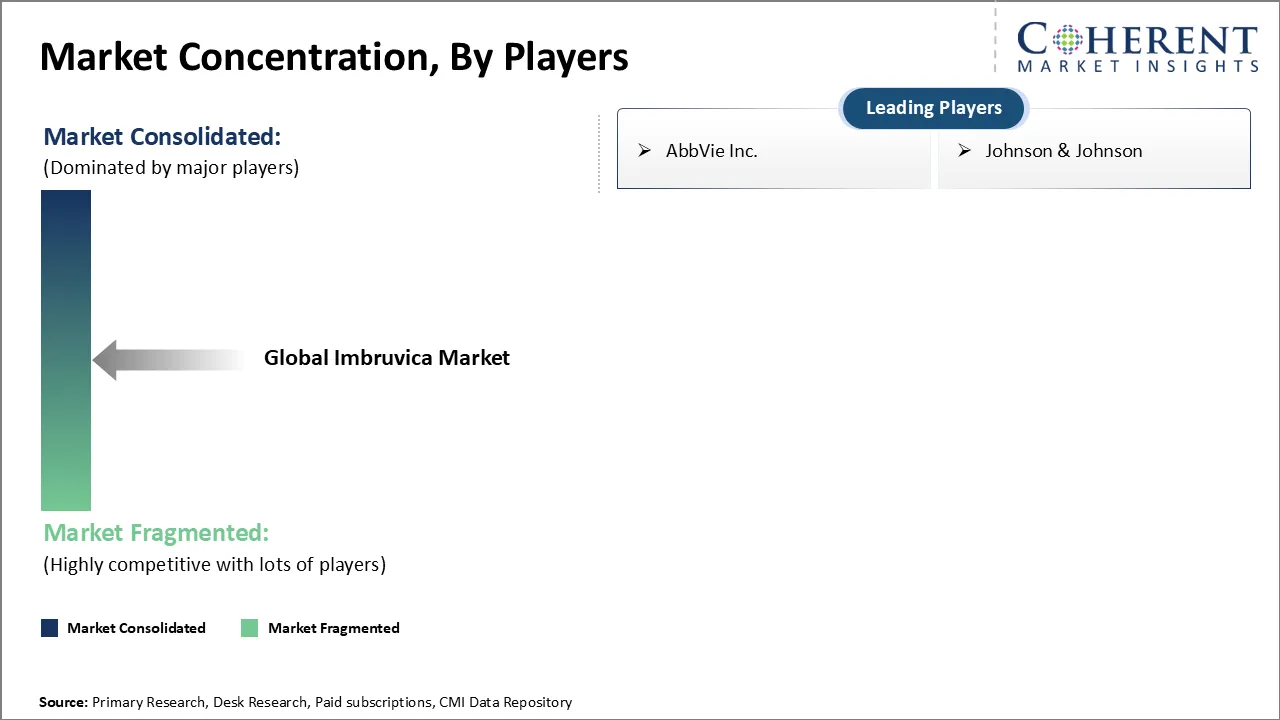
AbbVie Inc. Inc. and Johnson-Johnson are the only major players in the global Imbruvica market.
North America is expected to lead the global Imbruvica market in 2026.