

Global Medical Display Market Size and Forecast – 2026 to 2033
The Global Medical Display Market is estimated to be valued at USD 2.88 Bn in 2026 and is expected to reach USD 4.34 Bn by 2033, exhibiting a compound annual growth rate (CAGR) of 6.0% from 2026 to 2033. This steady growth reflects the increasing demand for high-resolution, reliable display technologies in healthcare settings, driven by advancements in medical imaging and diagnostic procedures.
Key Takeaways of the Global Medical Display Market
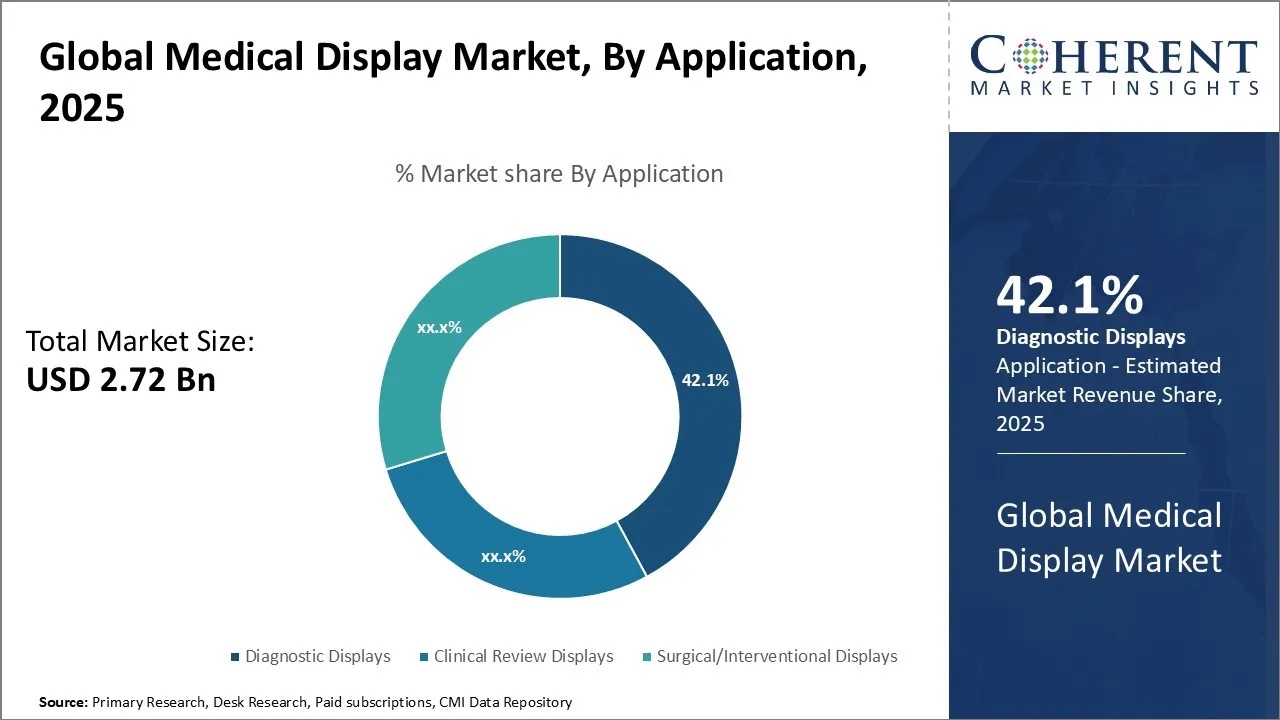
- In 2026, the diagnostic displays segment leads the global medical display market by application, accounting for an estimated 43.1% of the total share.
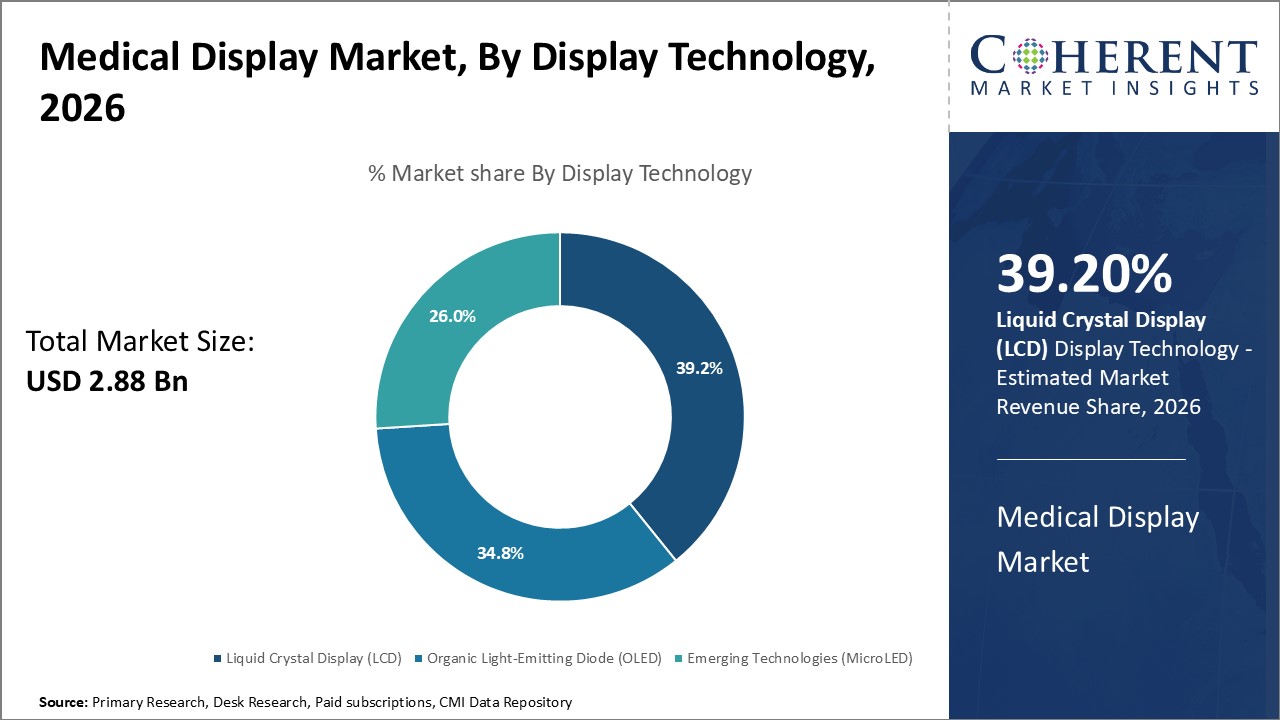
- Among display technologies, Liquid Crystal Display (LCD) remains dominant with an estimated 39.2 % of the market share in 2026.
- By panel size, displays under 22 inches hold the largest segment, capturing an estimated 24.1% of the global market in 2026.
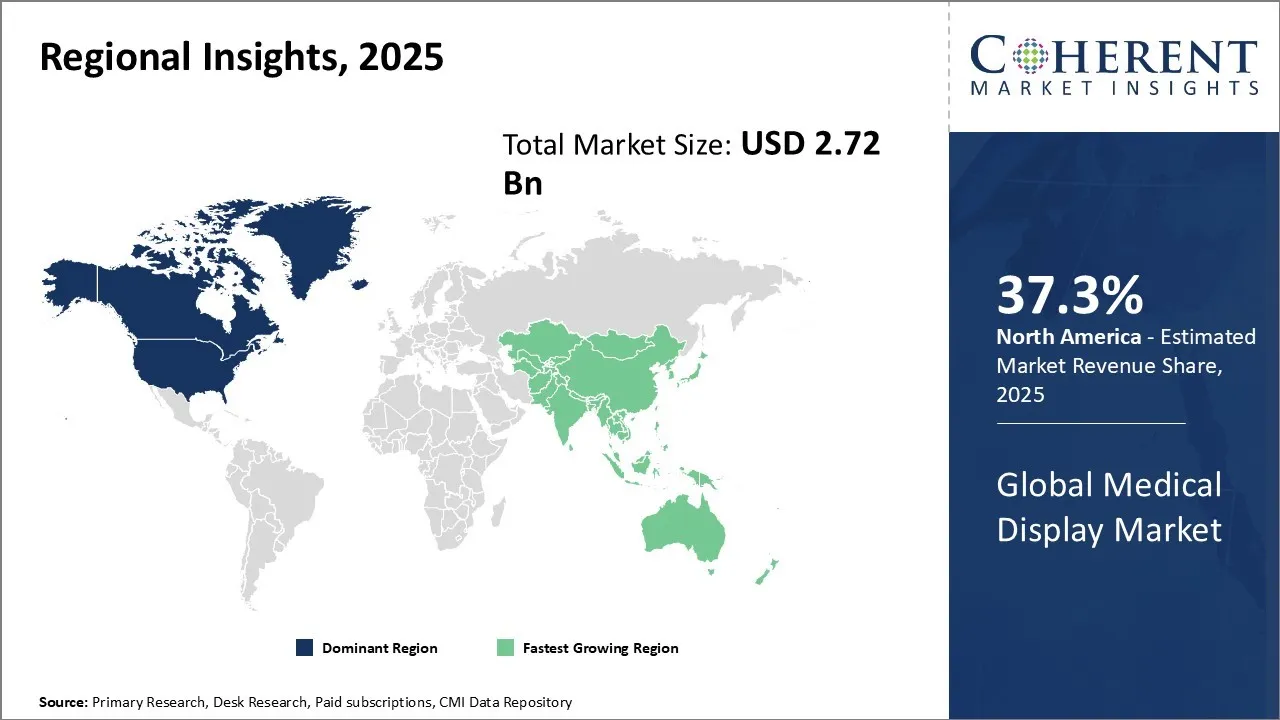
- North America is expected to lead the market, holding a share of 37. 3% in 2026. Asia Pacific is anticipated to be the fastest-growing region, with a market share of 23.5% in 2026.
Market Overview
A key trend in the medical display market is the rising adoption of advanced display technologies such as OLED and 4K/8K resolution panels, which enhance image clarity and diagnostic accuracy. Additionally, the integration of AI and machine learning in medical imaging systems is prompting the demand for more sophisticated displays. Increasing telemedicine adoption and rising healthcare infrastructure investments globally are also propelling market growth, alongside stringent regulatory standards improving display quality and patient safety.
Currents Events and their Impact
Current Events | Description and its impact |
Expansion of Telehealth Infrastructure |
|
Rise of 3D and Holographic Display Adoption in Biomedical Research |
|
Segmental Insights
- Current Industry Events of 2026
- Market Size Estimation
- Regional Breakdown
- Competitive Landscape
- Customer Intelligence
- Segmental Analysis
- Pricing Analysis
- Key Market Drivers, Challenges & Future Trends
- Customized Insights Section
Medical Display Market Insights, By Application - Diagnostic Displays Lead the Medical Display Market through Superior Imaging Precision and Clinical Versatility
In terms of application, diagnostic displays dominate the global medical display market with an estimated share of 43.1% in 2026, underscoring their critical role in enabling accurate and timely diagnosis across numerous medical fields. This segment’s prominence is largely driven by the increasing need for high-resolution imaging capable of displaying intricate anatomical and pathological details with unparalleled clarity. Diagnostic displays integrate cutting-edge technologies that provide enhanced luminance, contrast ratios, and color accuracy, which are essential for detecting subtle abnormalities in medical images such as X-rays, MRI scans, and CT scans.
The demand for diagnostic displays is further propelled by expanding clinical applications, including mammography, oncology imaging, and cardiology imaging, where precision diagnostics directly impact treatment outcomes. Within oncology imaging, for instance, the ability to differentiate tissue types with high fidelity is crucial for tumor detection and monitoring therapeutic progress. Similarly, cardiology imaging relies heavily on displays that accurately render vascular structures and cardiac physiology to facilitate minimally invasive procedures and critical diagnostics.
Medical Display Market Insights, By Display Technology - Liquid Crystal Display (LCD) Technology Prevails Due to its Reliability, Versatility, and Cost-Effectiveness
Among different display technologies, Liquid Crystal Display (LCD) is expected to hold the highest share in the global medical display market with a share of 39.2% in 2026, primarily driven by its proven reliability, mature manufacturing processes, and broad adaptability across numerous medical applications. LCD technology strikes an optimal balance between performance attributes—such as brightness, contrast, and color accuracy—and cost, making it a preferred choice for both suppliers and end-users in healthcare environments.
One of the key drivers for LCD dominance lies in its ability to support high-definition imaging with consistent luminance, essential for diagnostic and clinical review tasks. The technology’s inherent thin form factor and energy efficiency also align well with hospital infrastructure constraints where space and operational costs are critical considerations.
In October 2021, JVC, a recognized name in medical imaging solutions, announced the launch of its new CL-S600, a 30-inch 6-megapixel color LCD monitor designed for diagnostic efficiency. With high brightness (1,300 cd/㎡), 2000:1 contrast, and a wide color display, the CL-S600 enables simultaneous viewing of multiple CT, MRI, ultrasound, and pathology images on a single screen. Tailored for the evolving needs of AI-supported imaging and multi-window diagnostics, it enhances productivity while saving workspace.
Medical Display Market Insights, By Panel Size - Small Panel Sizes (<22 inches) Dominate due to Compactness and Adaptability in Clinical Settings
When analyzed by panel size, small medical displays measuring less than 22 inches command the largest share of the market with an estimated 24.1% in 2026, reflecting an industry preference for compact, ergonomically optimized devices tailored to various clinical workflows. The high adoption rate of these smaller screens is closely linked to their versatility and integration ease across a wide range of medical environments, including point-of-care settings, mobile workstations, and bedside monitoring units.
The compact size allows medical practitioners to position these displays conveniently without compromising limited workspace—an important consideration in crowded diagnostic rooms, emergency departments, and surgical suites where horizontal and vertical space is at a premium. Additionally, small panels facilitate rapid and efficient access to vital patient data, images, and electronic health records (EHR), supporting streamlined decision-making workflows.
Role of Artificial Intelligence (AI) in the Global Medical Display Market
- Artificial Intelligence (AI) is revolutionizing the global medical display market by enabling smarter, faster, and more accurate healthcare delivery. One of the most transformative roles AI plays in this sector is through predictive analytics and real-time diagnostics, where AI-powered algorithms can analyze large sets of medical imaging data to detect patterns, anomalies, or early-stage diseases such as cancer with higher accuracy than traditional methods. This leads to faster diagnosis and reduces the burden on radiologists, increasing efficiency and minimizing human error.
- AI also supports the personalization of medical imaging workflows, where display settings are automatically adjusted based on specific diagnostic requirements or user behavior. Additionally, AI helps automate routine tasks such as image labeling, sorting, and enhancement, significantly reducing operational costs while improving workflow efficiency and patient throughput. For instance, integration of AI into Picture Archiving and Communication Systems (PACS) and diagnostic displays ensures seamless interpretation, which accelerates clinical decision-making.
- Emerging opportunities within the medical display space driven by AI include the development of adaptive displays that adjust brightness and contrast dynamically based on the type of scan and tissue being examined, or cloud-based AI platforms that offer remote diagnostics for underserved regions. Companies can capitalize on AI by investing in R&D partnerships to co-develop intelligent display solutions, leveraging AI to enhance after-sales service through predictive maintenance, or even adopting AI-driven content optimization for multi-modality displays.
- However, while AI enhances accuracy and speeds up processes, challenges remain—such as high initial costs, data privacy concerns, and the need for regulatory approvals. Nevertheless, the competitive advantage offered by AI integration—through improved diagnostics, operational agility, and elevated user satisfaction—positions it as a critical enabler for long-term success in the medical display market. Organizations that proactively embrace AI-driven innovation stand to gain scalability, clinical credibility, and global market leadership.
Regional Insights
North America Medical Display Market Analysis and Trends
In North America, the dominance in the global medical display market is primarily driven by a mature healthcare infrastructure with an estimated share of 37.3% in 2026, significant R&D investment, and the presence of leading medical device manufacturers. The region benefits from stringent government regulations ensuring high-quality standards and patient safety, which fosters innovation in advanced display technologies such as 3D visualization and high-resolution imaging.
The U.S. and Canada host numerous renowned companies like Barco, Eizo Corporation, and Sony Healthcare Solutions, which contribute through continuous technological advancements and strategic partnerships with healthcare providers. Furthermore, strong reimbursement frameworks and widespread adoption of telemedicine and digital diagnostics amplify the demand for sophisticated medical displays in various applications including radiology, surgery, and pathology.
Asia Pacific Medical Display Market Analysis and Trends
Meanwhile, the Asia Pacific region is expected to exhibit the fastest growth in the medical display market due to expanding healthcare infrastructure with 23.5% in 2026, increasing healthcare expenditure, and the growing prevalence of chronic diseases. Government initiatives aimed at improving healthcare quality and accessibility, especially in emerging economies such as India and China, underpin the market expansion. Additionally, the rise of medical tourism and the rapid adoption of advanced imaging technologies accelerate demand.
A growing number of regional players like Shenzhen Desay and Shenzhen TCTL Optoelectronics, along with multinational corporations establishing local manufacturing and R&D centers, significantly contribute to the evolving ecosystem. Favorable trade dynamics and partnerships with local distributors also facilitate faster market penetration and adaptation to regional needs.
Medical Display Market Outlook for Key Countries
U.S. Medical Display Market Trends
The U.S. medical display market remains highly competitive with dominant players such as Barco, Eizo Corporation, and NEC Display Solutions leading innovations in high-definition and surgical displays. The emphasis on cutting-edge healthcare and the integration of AI-driven diagnostic tools enhance demand for superior imaging quality. Robust regulatory frameworks and strong relationships between manufacturers and major healthcare institutions support continuous product development and deployment across hospitals and diagnostic centers.
In November 2022, Mindray, a global leader in healthcare technologies for patient monitoring, ultrasound, and anesthesia, launched the VS9 Vital Signs Monitor. Featuring a 10.1" touchscreen, the VS9 offers spot check and continuous monitoring, intuitive tools, and enhanced connectivity to support clinical decisions, streamline workflows, and improve patient outcomes.
Japan Medical Display Market Trends
Japan continues to lead as a technologically advanced market with companies like Sony Healthcare Solutions and Toshiba Medical Systems driving growth. A mature healthcare system supported by government policies promoting technological integration encourages the adoption of high-precision medical displays. The focus on minimally invasive surgeries and telemedicine solutions fuels demand for superior visualization tools. Collaborations between manufacturers and research institutions further stimulate product innovations tailored to clinical needs.
In June 2022, EIZO Corporation, a Japan-based leader in high-precision medical display solutions, launched the RadiForce MX243W, a 24.1-inch, 2.3-megapixel monitor designed for patient chart display and diagnostic image review in hospitals and clinics. Calibrated to DICOM Part 14, it ensures accurate grayscale for X-rays, CTs, and MRIs, while also supporting color for modalities like endoscopy, 3D rendering, and nuclear medicine—offering versatile use across clinical environments.
China Medical Display Market Trends
China's medical display market is rapidly evolving due to government healthcare reform and increasing private sector participation. Local companies such as Shenzhen Desay and Mindray are expanding their footprint with cost-effective, high-performance display solutions aimed at both urban hospitals and rural health centers. The emphasis on digital transformation in healthcare, coupled with strong manufacturing capabilities, allows China to emerge as a key player. Moreover, government support for medical technology innovation boosts industry growth and attracts foreign investment.
In November 2021, ADLINK Technology, a global provider of edge computing and medical-grade solutions with operations extending into China and the Asia Pacific region, introduced a new range of 43-inch touchscreen medical monitors featuring up to 4K/UHD resolution. Specifically designed for surgical environments, these monitors support glove-friendly operation, making them highly suitable for use in sterile medical settings across global and regional markets, including Chinese healthcare facilities where surgical digitization and display integration are rapidly advancing.
India Medical Display Market Trends
India’s medical display market is gaining momentum with growing healthcare infrastructure and rising health awareness. Companies like OptoCircuits and Samsung India are instrumental in offering displays suited for diagnostic and surgical applications that balance quality and affordability. Additionally, increasing collaborations between global medical display manufacturers and local distributors support technology diffusion and customization for diverse clinical requirements.
In April 2024, Schiller India, a leading provider of medical diagnostic and monitoring equipment, launched its high-end TRUSCOPE P Series modular patient monitors in April 2024. The series includes models P12, P15, P18, and P22, offering advanced features tailored for critical care environments.
Market Players, Key Developments, and Competitive Intelligence
Key Developments
- In July 2025, Sony, a global leader in imaging technology, expanded its medical monitor lineup with two new models—27-inch (LMD-27M1MD) and 43-inch (LMD-43M1MD)—joining the previously launched 32-inch (LMD-32M1MD). Designed for precision in clinical procedures, these monitors offer exceptional clarity and are the first in the medical market to earn VESA Display HDR 1000 certification, ensuring superior brightness and image detail for enhanced diagnostic accuracy.
- In October 2024, Barco, a global leader in breast imaging displays, unveiled its new flagship Coronis OneLook display to mark Breast Cancer Awareness Month and celebrate its 90th anniversary. Designed for breast radiology, the 32-megapixel display offers the highest resolution in the market, enabling radiologists to view full images without zooming. It supports multi-modality side-by-side viewing, boosts productivity by 19%, and enhances detection of microcalcifications. With RapidFrame technology and a wide calibrated color range, it is optimized for 3D cine exams like CT, ultrasound, and breast MRI.
- In September 2024, ASUS, a global leader in innovative technology, showcased its latest AI-powered healthcare solutions at Medical Fair Asia 2024, including advanced medical displays. Key highlights featured the ASUS VivoWatch 6 Aero wearable with ECG and blood pressure monitoring, the EndoAim AI endoscopy system, and the LU800 handheld ultrasound. In medical imaging, ASUS unveiled its clinical-grade monitors—the 31.5" MH3281A and 23.8" MH2441A—designed for radiology and compliant with DICOM Part 14, demonstrating its growing focus on smart healthcare and high-precision medical display technology.
Top Strategies Followed by Global Medical Display Market Players
- Established players dominate this space by heavily investing in research and development (R&D) to deliver high-performance and innovative medical displays that meet stringent regulatory standards and clinical requirements. These companies continuously push the envelope in enhancing display resolution, color accuracy, and ergonomic designs to improve diagnostic accuracy and user experience. Moreover, they form strategic partnerships with major industry players, including original equipment manufacturers (OEMs), healthcare providers, and technology firms, to integrate their displays into comprehensive medical imaging systems.
- In June 2024, GE HealthCare, a global leader in medical technology and imaging, and MediView XR, a clinical augmented reality company, announced the world’s first clinical use of the OmnifyXR Interventional Suite at North Star Vascular and Interventional, Minnesota. This cutting-edge solution integrates augmented reality medical displays with real-time imaging, 3D anatomy visualization, and remote collaboration tools.
- Mid-level players in the medical display market adopt a distinct strategy centered on delivering cost-effective and versatile solutions tailored for price-sensitive healthcare providers, particularly in developing regions and smaller healthcare facilities. These companies strike a balance between affordability and essential performance, addressing the growing demand for reliable imaging displays that meet clinical needs without the high costs associated with premium systems.
- For instance, in November 2021, ADLINK Technology, a global provider of edge computing and medical-grade solutions, launched a new line of 43-inch touchscreen medical monitors offering up to 4K/UHD resolution. Engineered for surgical settings, these monitors support glove-friendly operation, aligning with the mid-tier strategy of offering practical, high-quality solutions optimized for sterile environments—all while maintaining cost-efficiency.
- Small-scale players navigate the competitive medical display landscape by carving out specialized niches that differentiate them from larger competitors. These companies focus on innovative or unique product features tailored to specific clinical applications or emerging technologies, such as portable medical displays, touch-enabled screens, or displays optimized for telemedicine and remote diagnostics.
- For example, Double Black Imaging, a U.S.-based medical display manufacturer, specializes in radiology and mammography displays with integrated calibration software, offering niche diagnostic solutions tailored for small and mid-sized healthcare institutions.
Market Report Scope
Medical Display Market Report Coverage
| Report Coverage | Details | ||
|---|---|---|---|
| Base Year: | 2025 | Market Size in 2026: | USD 2.88 Bn |
| Historical Data for: | 2020 To 2024 | Forecast Period: | 2026 To 2033 |
| Forecast Period 2026 to 2033 CAGR: | 6.0% | 2033 Value Projection: | USD 4.34 Bn |
| Geographies covered: |
| ||
| Segments covered: |
| ||
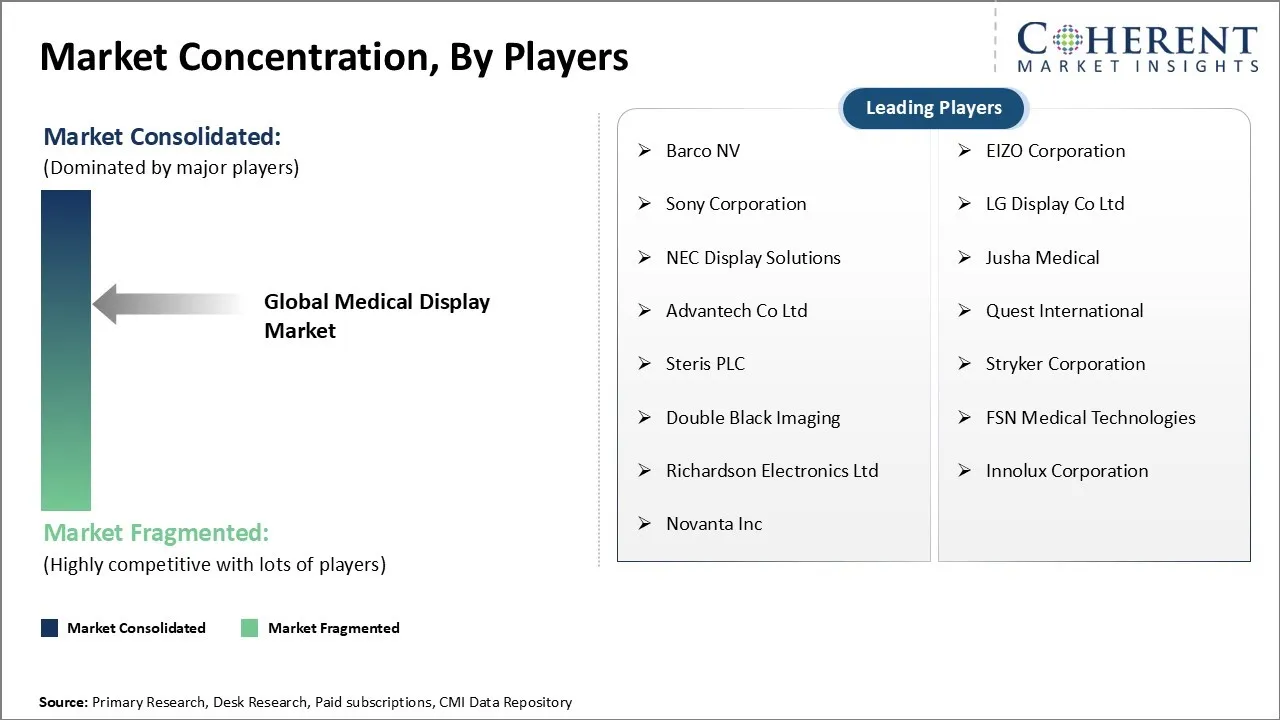
| Companies covered: | Barco NV, EIZO Corporation, Sony Corporation, LG Display Co Ltd, NEC Display Solutions, Jusha Medical, Advantech Co Ltd, Quest International, Steris PLC, Stryker Corporation, Double Black Imaging, FSN Medical Technologies, Richardson Electronics Ltd, Innolux Corporation, and Novanta Inc. | ||
| Growth Drivers: |
| ||
| Restraints & Challenges: |
| ||
Medical Display Market Dynamics
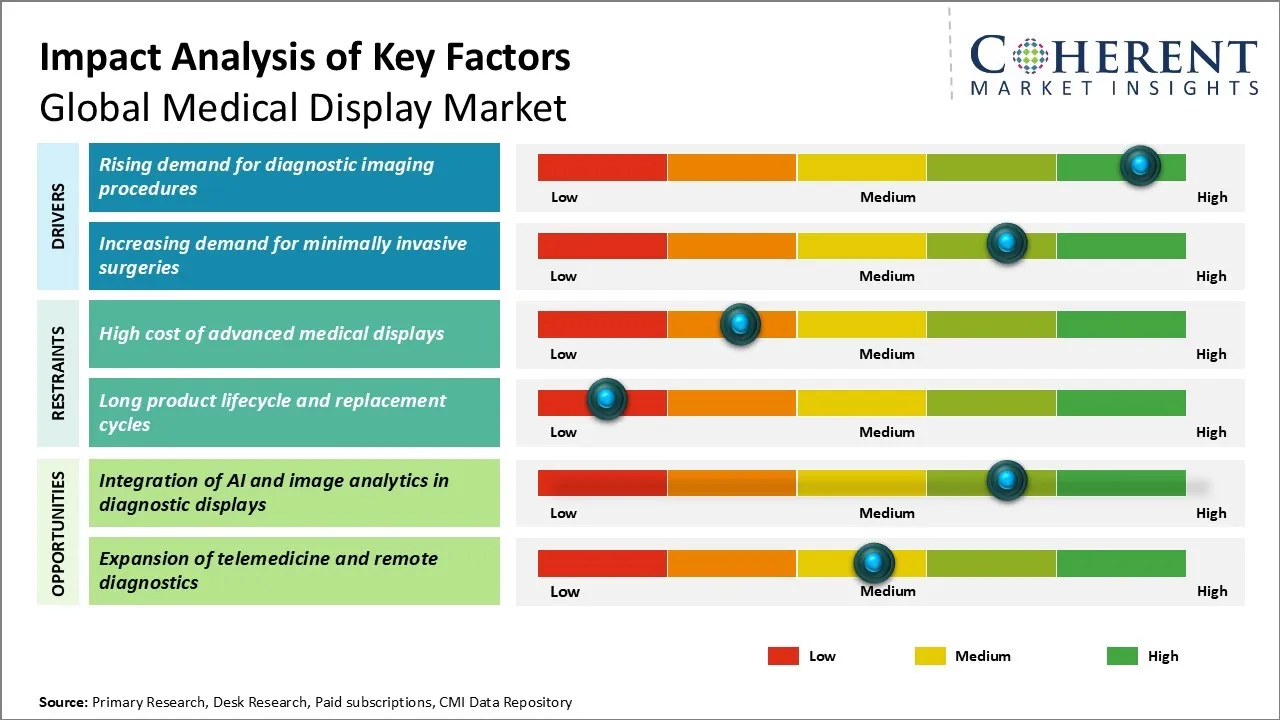
Medical Display Market Driver - Rising Demand for Diagnostic Imaging Procedures
The increasing adoption of advanced diagnostic imaging procedures is significantly driving the growth of the global medical display market. As healthcare providers focus more on early and accurate disease detection, the reliance on imaging technologies such as MRI, CT scans, and ultrasound has surged. Medical displays play a crucial role in ensuring high-resolution, precise visualization of complex medical images, which aids clinicians in making informed decisions. Moreover, the growing prevalence of chronic diseases and the aging population have amplified the need for frequent diagnostic tests, further propelling demand. The shift towards minimally invasive procedures and personalized medicine also emphasizes the importance of detailed and accurate imaging, which medical displays facilitate. Additionally, advancements in display technologies, including higher resolution and enhanced color accuracy, have enhanced image clarity, making them indispensable in radiology departments, surgical suites, and diagnostic centers worldwide.
On August 1, 2025, BPL Medical Technologies, a leading Indian medical device manufacturer, is gearing up to launch two new X-ray systems in response to the rising demand for diagnostic imaging procedures. With India witnessing rapid healthcare digitalization and increased imaging needs, BPL is expanding its portfolio and operations—backed by a new Bengaluru facility and the government’s PLI scheme. These efforts align with national initiatives like “Make in India” and “Atmanirbhar Bharat”, supporting local production to meet the growing demand for efficient, accessible diagnostic solutions.
Medical Display Market Opportunity - Integration of AI and Image Analytics in Diagnostic Displays
The integration of artificial intelligence (AI) and advanced image analytics into diagnostic displays presents a significant growth opportunity within the global medical display market. As healthcare providers increasingly rely on precision diagnostics, the demand for displays capable of supporting AI-driven image processing is on the rise. These intelligent systems enhance image clarity, automate anomaly detection, and assist radiologists by highlighting critical areas, thereby improving diagnostic accuracy and efficiency. Moreover, AI integration facilitates real-time image enhancement and adaptive display calibration tailored to specific imaging modalities such as MRI, CT, and ultrasound, ensuring optimal visualization.
This advancement also supports the growing trend of telemedicine and remote diagnostics by enabling high-quality image interpretation regardless of location. Vendors that incorporate AI-powered analytics into their medical displays can differentiate their products by offering enhanced workflow solutions and reducing diagnostic errors. Additionally, regulatory authorities are gradually recognizing AI-enhanced diagnostic tools, encouraging market adoption. As big data and machine learning algorithms evolve, the potential for predictive analytics embedded within diagnostic displays further expands, providing clinicians with actionable insights directly on the display interface.
Analyst Opinion (Expert Opinion)
- The global medical display market is witnessing strong growth, driven by the increasing demand for high-resolution imaging in diagnostics and surgery, the surge in minimally invasive procedures, and ongoing technological advancements such as OLED panels, AI-enabled displays, and hybrid imaging systems. Supportive regulatory frameworks, including DICOM compliance and FDA clearances, have further facilitated adoption across hospitals, diagnostic centers, and surgical units. Opportunities are emerging in telemedicine, remote diagnostics, and 3D/AR imaging, while challenges include high procurement costs, interoperability issues, and slower adoption in developing regions due to infrastructure gaps.
- Industry activity has remained vibrant with companies like Barco launching the Coronis OneLook for breast imaging and LG introducing Mini LED surgical monitors with U.S. FDA 510(k) clearance. Events such as RSNA (Radiological Society of North America), Arab Health, and MEDICA (Germany) over the past three years have served as critical platforms for showcasing innovations and shaping digital imaging standards. Collaborations like the GE HealthCare–MediView XR launch of the OmnifyXR AR suite highlight how real-world projects are reshaping clinical visualization and workflow efficiency across global healthcare systems.
Speak to the analyst
Want personalized insights?
Take the findings above to one of our principal consultants, or have the report rebuilt around the segments, geographies and competitors you actually track.
Market Segmentation
- Application Insights (Revenue, USD Bn, 2021 - 2033)
- Diagnostic Displays
- General Radiology
- Mammography
- Oncology Imaging
- Cardiology Imaging
- Clinical Review Displays
- PACS Review Workstations (Non-Diagnostic)
- EHR/CIS Viewing
- Dental
- Digital Pathology
- Endoscopy/Cystoscopy Review
- Surgical/Interventional Displays
- Surgical Monitors (MIS)
- Angiography/Cardiac Cath Labs
- Others Microscopy Displays (Surgical/Procedural)
- Diagnostic Displays
- Display Technology Insights (Revenue, USD Bn, 2021 - 2033)
- Liquid Crystal Display (LCD)
- Organic Light-Emitting Diode (OLED)
- Emerging Technologies (MicroLED)
- Panel Size Insights (Revenue, USD Bn, 2021 - 2033)
- Small (<22 inches)
- Medium (22 - 27 inches)
- Large (28 - 32 inches)
- Extra Large (32 inches)
- Display Type Insights (Revenue, USD Bn, 2021 - 2033)
- Monochrome Displays
- Color Displays
- Modality Insights (Revenue, USD Bn, 2021 - 2033)
- X-ray
- Magnetic Resonance Imaging (MRI)
- Computed Tomography (CT)
- Ultrasound
- Endoscopy
- Others (PET, Nuclear Medicine)
- End User Insights (Revenue, USD Bn, 2021 - 2033)
- Hospitals
- Diagnostic Imaging Centers
- Ambulatory Surgical Centers (ASCs)
- Specialty Clinics
- Others (Academic and Research Institutions, etc.)
- Regional Insights (Revenue, USD Bn, 2021 - 2033)
- North America
- U.S.
- Canada
- Latin America
- Brazil
- Argentina
- Mexico
- Rest of Latin America
- Europe
- Germany
- U.K.
- Spain
- France
- Italy
- Russia
- Rest of Europe
- Asia Pacific
- China
- India
- Japan
- Australia
- South Korea
- ASEAN
- Rest of Asia Pacific
- Middle East
- GCC Countries
- Israel
- Rest of Middle East
- Africa
- South Africa
- North Africa
- Central Africa
- North America
- Key Players Insights
- Barco NV
- EIZO Corporation
- Sony Corporation
- LG Display Co Ltd.
- NEC Display Solutions
- Jusha Medical
- Advantech Co Ltd.
- Quest International
- Steris PLC
- Stryker Corporation
- Double Black Imaging
- FSN Medical Technologies
- Richardson Electronics Ltd.
- Innolux Corporation
- Novanta Inc.
Sources
Primary Research Interviews
- Industry Stakeholders List
- Barco NV (Medical Division)
- EIZO Corporation (Healthcare Division)
- End-users List
- Radiologists at Apollo Hospitals
- Clinical Imaging Technicians at Mayo Clinic
Government and International Databases
- U.S. Food and Drug Administration (FDA)
- European Medicines Agency (EMA)
- World Health Organization (WHO)
- Ministry of Health and Family Welfare (India)
- Centers for Medicare & Medicaid Services (CMS)
- Eurostat
Trade Publications
- Healthcare IT News
- Medical Buyer
- DOTmed News
- Imaging Technology News (ITN)
- Diagnostic Imaging
Academic Journals
- Journal of Digital Imaging
- Radiology
- Journal of the American College of Radiology (JACR)
- IEEE Transactions on Medical Imaging
- BMC Medical Imaging
Reputable Newspapers
- The New York Times – Health Section
- The Guardian – Global Health
- The Economic Times – Healthcare
- The Wall Street Journal – Healthcare Technology
- The Times of India – Health
Industry Associations
- Radiological Society of North America (RSNA)
- European Society of Radiology (ESR)
- Society for Imaging Informatics in Medicine (SIIM)
- American College of Radiology (ACR)
- Medical Imaging & Technology Alliance (MITA)
Public Domain Resources
- National Library of Medicine (NIH)
- Digital Imaging and Communications in Medicine (DICOM) Standards
- OpenFDA
Proprietary Elements
- CMI Data Analytics Tool: Proprietary analytics tool to analyze real-time market trends, consumer behavior, and technology adoption in market
- Proprietary CMI Existing Repository of Information for Last 8 Years
Get access to 250+ pages report
Every segment, forecast, competitor profile and data table behind the analysis above — available for instant download.
- ESOMAR Member
- ISO 9001:2015 Certified
- D-U-N-S Registered
- GDPR & CCPA Compliant
Missing comfort of reading report in your local language? Find your preferred language:
Transform your Strategy with Exclusive Trending Reports
Frequently Asked Questions
The global medical display market is estimated to be valued at USD 2.88 Bn in 2026 and is expected to reach USD 4.34 Bn by 2033.
The CAGR of the global medical display market is projected to be 6.0% from 2026 to 2033.
Rising demand for diagnostic imaging procedures and increasing demand for minimally invasive surgeries are the major factors driving the growth of the global medical display market.
High cost of advanced medical displays and long product lifecycle and replacement cycles are the major factors hampering the growth of the global medical display market.
In terms of application, diagnostic displays is estimated to dominate the market revenue share in 2026.
Barco NV, EIZO Corporation, Sony Corporation, LG Display Co Ltd, NEC Display Solutions, Jusha Medical, Advantech Co Ltd, Quest International, Steris PLC, Stryker Corporation, Double Black Imaging, FSN Medical Technologies, Richardson Electronics Ltd, Innolux Corporation, and Novanta Inc are the major players.
North America is expected to lead the global medical display market in 2026.