

Global Monoclonal Antibodies for Cancer and Non-Cancer Diagnostics Market Size and Forecast – 2026 To 2033
The global monoclonal antibodies for cancer and non-cancer diagnostics market is expected to grow from USD 10,129.3 Mn in 2026 to USD 18,291.2 Mn by 2033, registering a compound annual growth rate (CAGR) of 8.8% from 2026 to 2033. The market for monoclonal antibodies for cancer and non-cancer diagnostics is poised for significant expansion, fueled by the soaring burden of cancer, and chronic diseases which is surging the demand for accurate biomarker-based diagnostic solutions.
According to the World Health Organization, about 1 in 5 people develop cancer in their lifetime, approximately 1 in 9 men and 1 in 12 women die from the disease. In 2022, there were an estimated 20 million new cancer cases and 9.7 million deaths globally, highlighting the rising need for advanced diagnostic tools, including monoclonal antibody-based assays for early disease detection and precision medicine.
(Source: World Health Organization)
Key Takeaways of the Global Monoclonal Antibodies for Cancer and Non-Cancer Diagnostics Market
- Murine antibodies are projected to hold 41.0 % of the global monoclonal antibodies for cancer and non-cancer diagnostics market share in 2026, making it the dominant antibody type segment across North America due to their extensive use in immunohistochemistry (IHC), immunoassays, and companion diagnostic applications. For instance, the U.S. Food and Drug Administration (FDA) maintains a growing list of approved companion diagnostic devices that utilize antibody-based biomarker detection to support precision oncology and targeted treatment selection. The continued regulatory support for biomarker-guided diagnostics reinforces the adoption of monoclonal antibody reagents across the region.
- Chemiluminescent immunoassay (CLIA) is projected to hold 30.7 % of the global monoclonal antibodies for cancer and non-cancer diagnostics market share in 2026, making it the dominant usage techniques segment across Europe due to its high sensitivity, automation compatibility, and suitability for high-throughput diagnostic testing. For instance, the implementation of the European Union's In Vitro Diagnostic Regulation (IVDR) has strengthened quality and performance requirements for diagnostic assays, encouraging wider adoption of standardized immunodiagnostic technologies, including CLIA-based platforms, across clinical laboratories in the region.
- Cancer is projected to hold 43.9 % of the global monoclonal antibodies for cancer and non-cancer diagnostics market share in 2026, making it the dominant application segment across Asia Pacific due to the increasing burden of cancer and expanding national screening and early detection programs. For instance, China's National Health Commission continues to advance cancer prevention and screening initiatives under the Healthy China program, promoting broader use of pathology, biomarker testing, and precision diagnostic approaches. These initiatives are supporting increased demand for monoclonal antibody-based diagnostic assays in oncology.
- North America maintains its dominance with an expected share of 34.6 % in 2026, bolstered by the extensive adoption of precision medicine, strong oncology diagnostics infrastructure, and widespread use of biomarker-guided testing. For instance, the National Cancer Institute (NCI) supports multiple cancer biomarker research programs and translational oncology initiatives focused on improving early detection and patient stratification. These efforts continue to strengthen the adoption of monoclonal antibody-based diagnostic assays across the region.
- Asia Pacific is expected to exhibit the fastest growth with an estimated contribution of 23.7 % share in 2026, driven by the expanding cancer screening programs, increasing healthcare investments, and growing implementation of genomic medicine initiatives. For instance, Japan's Cancer Genomic Medicine Network integrates hospitals, research centers, and genomic testing facilities to support precision oncology and biomarker-based treatment decisions. The initiative is promoting broader utilization of advanced diagnostic technologies, including monoclonal antibody-based testing platforms, across the region.
- Expanding Adoption of Companion Diagnostics in Targeted Oncology: The growing adoption of targeted therapies across various disease indications is increasing the demand for companion diagnostic tests that accurately identify patients with specific biomarkers who are the most likely to benefit from treatment. Monoclonal antibody-based immunohistochemistry (IHC) and biomarker detection assays are widely used in companion diagnostics to support patient stratification, treatment selection, and personalized clinical decision-making.
- Growing Integration of Digital Pathology and AI-Assisted Biomarker Analysis: The continued advancements in digital pathology solutions and image analysis leveraging artificial intelligence is giving rise to promising new diagnostic applications of monoclonal antibodies. They allow pathologists to more precisely analyze image-based findings of immunohistochemistry staining, ensuring more reliable diagnosis and enabling larger-scale assessment of diagnostic and prognostic biomarkers.
Segmental Insights
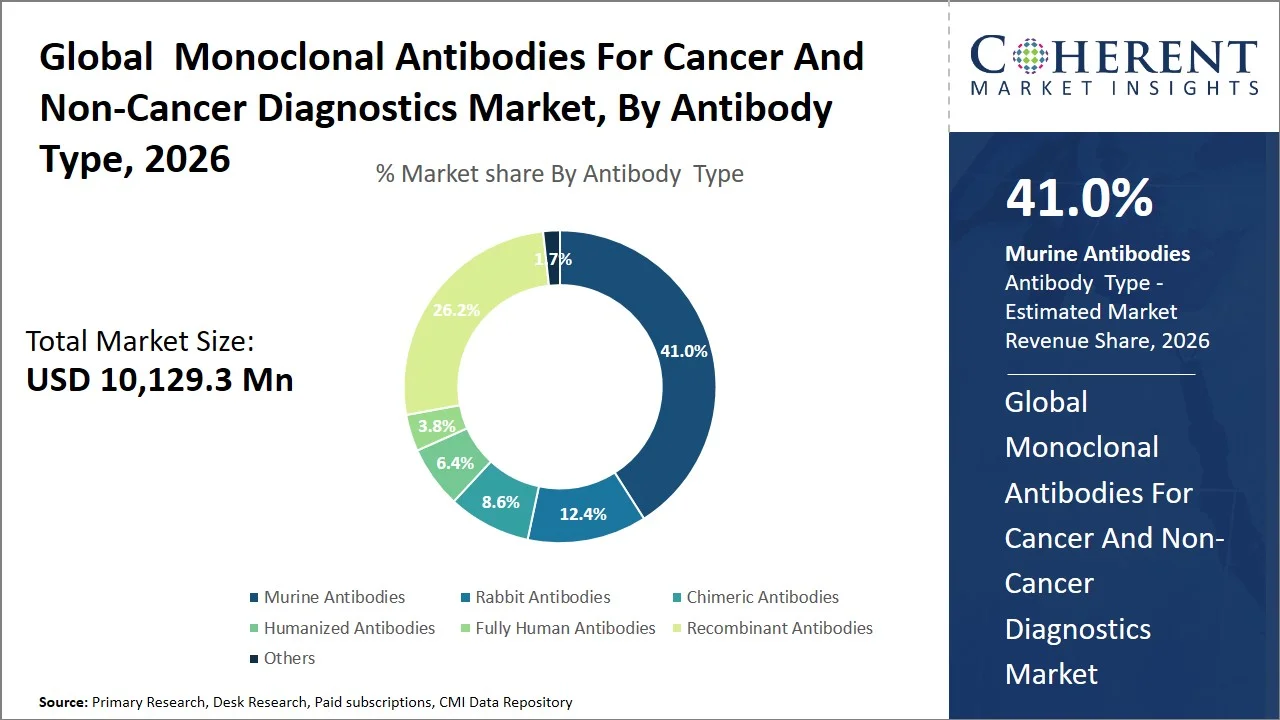
Why Do Murine Antibodies Dominate the Global Monoclonal Antibodies for Cancer and Non-Cancer Diagnostics Market?
Murine antibodies are projected to hold a market share of 41.0% in 2026, as they are utilized as established tools in diagnostic assays, feature high antigen specificity and low cost of production. The rigorous validation of murine antibodies in various immunohistochemistry (IHC), Enzyme-Linked Immunosorbent Assay (ELISA) and other immunodiagnostic formats for biomarker detection in research and clinical applications makes it a preferable option for the market stakeholders. Also, the robust manufacturing procedures and compatibility with most diagnostic workflows has led to the use of such products by laboratories worldwide in the pathology workflow.
For instance, Novus Biologicals, an in vitro diagnostic product portfolio from Bio-Techne, provides a number of mouse monoclonal antibodies against significant cancer diagnostic targets, including Ki-67, p53, EGFR, and HER2, all used extensively in both diagnostic and pathology laboratories. Their widespread use throughout the healthcare field and commercial availability highlight widespread utilization of these mouse monoclonal antibodies, underscoring their critical role in cancer and non-cancer diagnostic testing. (Source: Bio-Techne)
- Current Industry Events of 2026
- Market Size Estimation
- Regional Breakdown
- Competitive Landscape
- Customer Intelligence
- Segmental Analysis
- Pricing Analysis
- Key Market Drivers, Challenges & Future Trends
- Customized Insights Section
Why Does Chemiluminescent Immunoassay (CLIA) Represent the Largest Usage Techniques Segment in the Monoclonal Antibodies for Cancer and Non-Cancer Diagnostics Market?
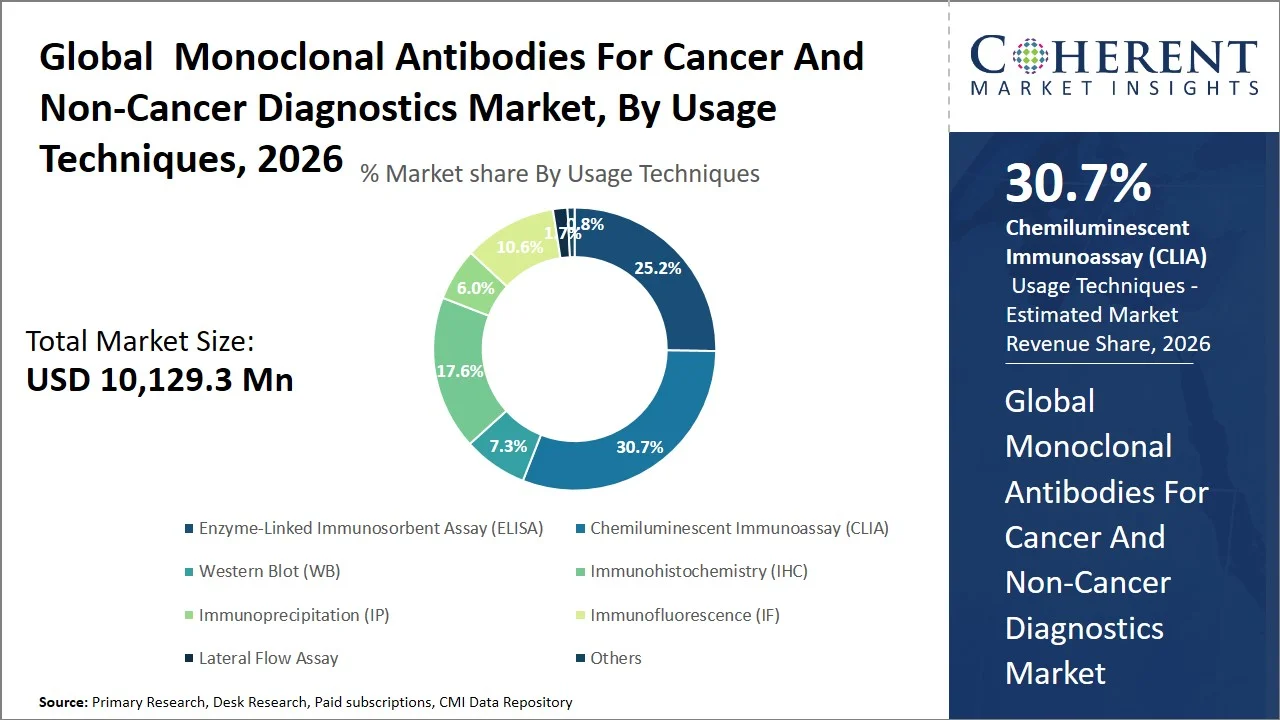
Chemiluminescent immunoassay (CLIA) is projected to hold a market share of 30.7% in 2026, due to its supreme detection limit, fast turnaround-time and suitability with the automated laboratory platform with a high processing ability. It plays an important role in analyzing infectious, non-infectious and oncologic conditions. This usage technique is widely adopted for cancer-related tests, neurologic test and used for a quantitative evaluation of numerous chronic disorders with the incorporation of monoclonal antibodies affinity and laboratory’s high throughput and the automation.
For instance, in January 2026, Fujirebio broadened its neurological diagnostic portfolio with the commercial release of the Lumipulse G pTau 217 CSF assay, a fully automated Chemiluminescent immunoassay (CLIA) platform for neurological disease testing utilizing biomarkers. Fujirebio’s product launch represents an increasing use of Chemiluminescent immunoassay (CLIA) platforms in more cutting-edge diagnostic settings and signals it as a preferred method of detecting biomarkers requiring a high level of sensitivity. (Source: Fujirebio)
Cancer Segment Dominates the Global Monoclonal Antibodies for Cancer and Non-Cancer Diagnostics Market
The cancer segment is projected to hold a market share of 43.9% in 2026, attributed to the expanding application of biomarker-based diagnostics for accuracy and personalized cancer therapies to address the growing need for earlier identification of diseases. Monoclonal antibodies are employed in immunohistochemistry, immunoassay and companion diagnostic techniques which help to determine the cancer biomarkers and subtypes and further selecting right kind of therapies for targeted applications of antibody based diagnostic techniques. For instance, in September 2025 Roche's companion diagnostic (4B5) for the HER2 ELISA test received CE IVDR approval to identify breast and biliary tract cancer patients who will receive targeted treatment with trastuzumab to their HER2-ultralow cancer cells. This launch illustrates the expanding world of monoclonal antibody-based cancer diagnostics and highlights the increasing emergence of biomarker directed cancer diagnostics. (Source: F. Hoffmann-La Roche Ltd)
Currents Events and their Impact
Current Events | Description and its Impact |
U.S. FDA Proposes Reclassification of Oncology Companion Diagnostics (December 2025) |
|
European Commission Advances IVDR Transition and Regulatory Simplification Framework (December 2025) |
|
(Source: Duane Morris LLP & Affiliates, European Commission)
Monoclonal Antibodies for Cancer and Non-Cancer Diagnostics Market Dynamics
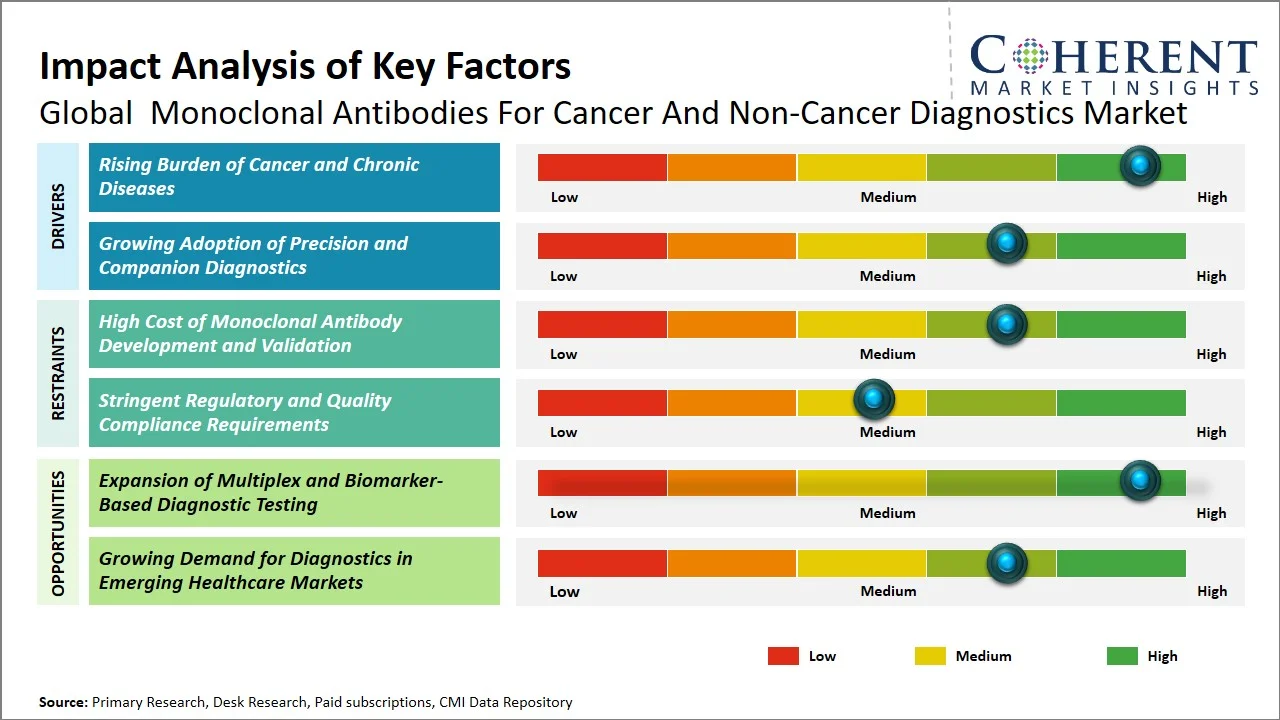
Market Drivers
- Rising Burden of Cancer and Chronic Diseases: Growing incidences of cancer and other chronic diseases is spurring the need for enhanced precision of diagnosis technologies. In such diagnostic landscape monoclonal antibodies offer supreme specificity to target biomarkers relevant in different diseases for definitive diagnosis, monitoring and predicting patient response to therapies. The increasing incidence of complex chronic diseases across various geographies is likely to further increase the demand for monoclonal antibody-based diagnostic assays in clinical applications. For instance, according to the U.S. Centers for Disease Control and Prevention, an estimated 129 million people in the U.S have at least 1 major chronic disease (such as, heart disease, cancer, diabetes, obesity, hypertension) highlighting the rising need for advanced biomarker-based diagnostic tools to support early detection and effective disease management.
- Growing Adoption of Precision and Companion Diagnostics: The increasing shift toward precision medicine is accelerating the use of companion diagnostics to identify patients most likely to benefit from targeted therapies. Monoclonal antibodies are essential components of these assays, enabling highly specific biomarker detection for patient stratification and treatment selection. For instance, according to Foundation Medicine, its FoundationOne CDx comprehensive genomic profiling test has accumulated more than 40 FDA-approved companion diagnostic indications across multiple solid tumors, highlighting the expanding clinical adoption of biomarker-driven diagnostics in oncology.
Emerging Trends
- Expansion of Multiplex Biomarker Testing Platforms: Diagnostic laboratories are increasingly adopting multiplex immunoassays that enable simultaneous detection of multiple disease biomarkers from a single patient sample. This trend is increasing the demand for highly specific monoclonal antibodies that can support comprehensive disease profiling, particularly in oncology, autoimmune disorders, and neurological diseases.
- Rising Adoption of Liquid Biopsy-Based Protein Biomarker Testing: The rising focus on minimally invasive diagnostics is accelerating the development of liquid biopsy platforms incorporating monoclonal antibody-based protein biomarker detection. These technologies facilitate earlier disease detection, real-time treatment monitoring, and improved patient stratification while reducing reliance on invasive tissue biopsies.
Regional Insights
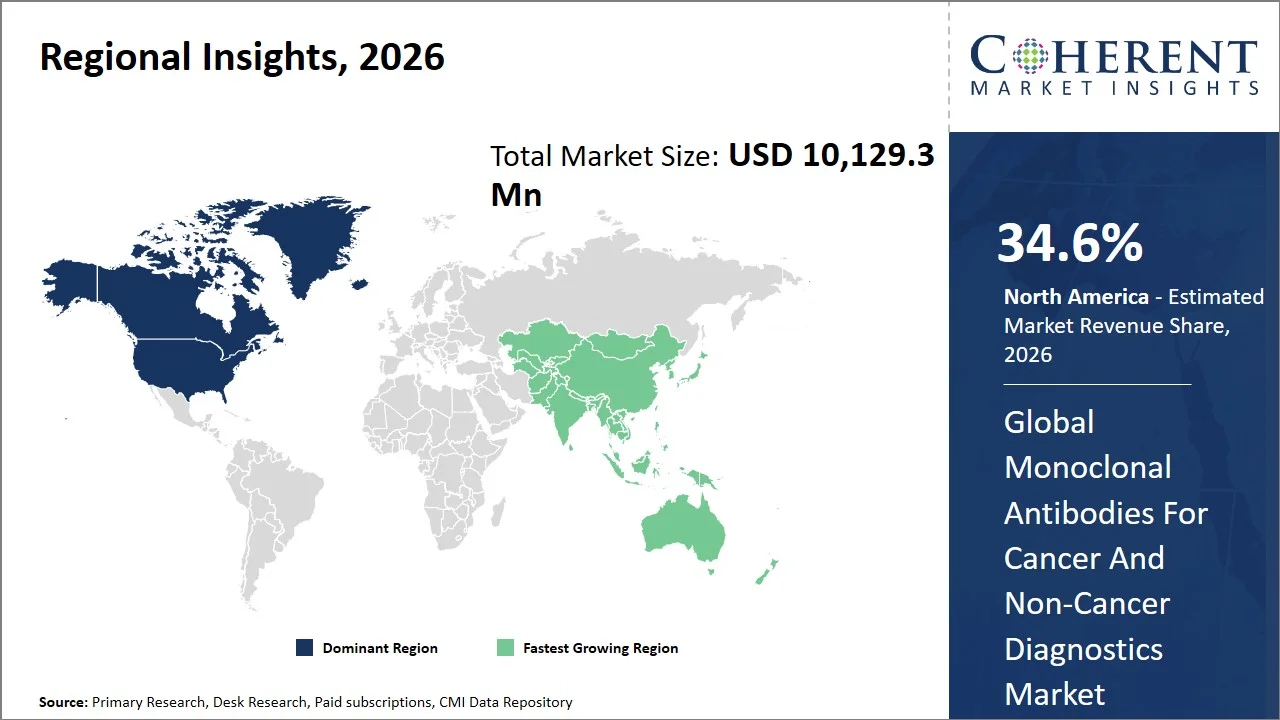
Why is North America a Strong Market for Monoclonal Antibodies for Cancer and Non-Cancer Diagnostics?
North America leads the global monoclonal antibodies for cancer and non-cancer diagnostics market, accounting for an estimated 34.6% share in 2026, driven primarily by its well-established healthcare infrastructure, high levels of implementation of precision medicine concepts and expansion of biomarker-based testing into mainstream clinical diagnostics. The region is supported by the favorable regulatory environment, large-scale use of companion diagnostics, integration of advanced immunoassay-based testing platforms and sophisticated pathology technologies. For instance, the U.S. FDA continues to update and streamline the regulatory pathway for companion diagnostics and precision medicine tools, promoting expanded use of biomarker diagnostic tests. These regulations continue to encourage commercialization and innovation in monoclonal antibody-based diagnostic solutions within oncology and other disease applications. (Source: Food and Drug Administration) Ongoing investment in diagnostic innovations, translational research, laboratory automation are further expected to benefit the commercialization and use of mAb-based diagnostic products for oncology and non-oncology testing.
Why Does the Asia Pacific Monoclonal Antibodies for Cancer and Non-Cancer Diagnostics Market Exhibit High Growth?
The Asia Pacific monoclonal antibodies for cancer and non-cancer diagnostics market is expected to exhibit the fastest growth with an estimated contribution of 23.7% share to the global market in 2026, driven by the growth of healthcare sector, increasing needs for precision medicine and rising demands for advanced diagnostic screening. Besides, the rising investments in biotechnology, advanced and modern laboratories biomarker related testing are facilitating the increased adoption of diagnostic test based on monoclonal antibody across Asia Pacific. Growing burden of cancer and chronic disease, improvement in access to health care and favorable impact of government are the factors encouraging increased innovation and subsequent sales. For instance, the government of India initiated GenomeIndia Project to build a catalogue of genetic variation in Indian population across India. Under this initiative, India’s ecosystem for precision medicine and genomics is enhanced in the areas of biomarker discovery, in addition to developing molecular and antibody-based diagnostics. (Source: GenomeIndia)
Global Monoclonal Antibodies for Cancer and Non-Cancer Diagnostics Market Outlook for Key Countries
Why is the U.S. Leading Innovation and Adoption in the Monoclonal Antibodies for Cancer and Non-Cancer Diagnostics Market?
The U.S dominates the monoclonal antibodies for cancer and non-cancer diagnostics market owing to the well-developed companion diagnostics infrastructure and penetration of biomarker tests in the treatment process. The presence of extensive support structure of reference laboratories, academic centers, and precision medicine networks across the nation enable swift adoption of antibody-based test. Furthermore, simplified regulatory framework for companion diagnostics and ever-growing research in biomarker-based oncology treatment ensures that new diagnostics rapidly reach the commercial space.
Is Japan a Favorable Market for Monoclonal Antibodies for Cancer and Non-Cancer Diagnostics?
Japan represents an excellent market opportunity for monoclonal antibodies for cancer and non-cancer diagnostics due to high penetration of biomarker-based diagnostics, widespread deployment of automated immunoassay platforms and advanced precision medicine framework in place in the country. The Japanese healthcare system is well prepared to integrate genome wide as well as molecular diagnostics test into its mainstream to include genome wide and molecular testing into oncology and neuro diseases. The ongoing demand for high sensitivity antibody-based tests is being driven by early diagnostic trend and automated testing workflow.
Is China Emerging as a Key Growth Hub for the Monoclonal Antibodies for Cancer and Non-Cancer Diagnostics Market?
China is positioned as a key growth hub in the global monoclonal antibodies for cancer and non-cancer diagnostics market attributed to expansion in precise medicine programs, widespread adoption of tests for biomarker detection and the consistent integration of molecular diagnostic tests in the field of medical treatment and therapy. The diagnostics landscape of the nation is being augmented by expansion in lab automation as well as high-throughput diagnostic facilities focused on managing oncology disorders and chronic illness. Further emphasis to boost local diagnostic innovation as well as access to sophisticated diagnostic tests contributes in driving the usage of monoclonals in the nation.
Why Does Germany Top the European Monoclonal Antibodies for Cancer and Non-Cancer Diagnostics Market?
Germany is the leader in the European market for monoclonal antibodies for cancer and non-cancer diagnostics attributed to country's superior integration of biomarker-based diagnostics in routine care, superior penetration of modern pathology and immunoassay-based solutions within sophisticated lab infrastructure. Moreover, Germany has been consistently at the edge of implementing precision oncology approaches, through the frequent utilization of companion diagnostic products and molecular tests to enhance targeted cancer therapies.
Is Monoclonal Antibodies for Cancer and Non-Cancer Diagnostics Market Developing in India?
India has emerged as a favorable market for monoclonal antibodies for cancer and non-cancer diagnostics due to the availability of high-end diagnostic technologies. With rapid modernization of clinical laboratories and incorporation of immunoassay and molecular diagnostics platform, awareness regarding early diagnosis of diseases is increasing with the integration of personal therapy approaches.
Technology Maturity and Adoption Landscape in the Global Monoclonal Antibodies for Cancer and Non-Cancer Diagnostics Market
Technology | Maturity Level | Adoption Level | Key Applications | Future Growth Potential |
Immunohistochemistry (IHC) | High | High | Cancer tissue diagnostics, biomarker identification | Medium |
Chemiluminescent Immunoassays (CLIA) | High | High | Oncology, infectious disease, autoimmune testing | High |
Enzyme-Linked Immunosorbent Assay (ELISA) | High | High | Biomarker screening, disease monitoring | Medium |
Multiplex Immunoassays | Medium | Medium | Multi-biomarker profiling, precision medicine | High |
Companion Diagnostics | Medium-High | Medium-High | Targeted therapy selection, precision oncology | Very-High |
Digital Pathology & AI-Enabled Diagnostics | Medium | Low-Medium | Automated biomarker analysis, cancer classification | Very-High |
How is the expansion of multiplex and biomarker-based diagnostic testing creating new growth opportunities in the monoclonal antibodies for cancer and non-cancer diagnostics market?
The growth potential for monoclonal antibodies in both cancer and non-cancer diagnostic applications is significantly high as a result of increased acceptance of multiplex and biomarker diagnostic applications. This includes ability to identify numerous targets in a single sample test simultaneously yielding shorter results processing times, increasing speeds, and allowing usage in personalized treatment strategies. Since antibodies are fundamental components of this methodology, identifying a wide array of potential disease markers in either oncological or non-oncological tests provides high levels of specificity and accuracy. The increased necessity to perform multi-biomarker screen & personalize the treatment for multiple diseases is also anticipated to influence the adoptions of antibody-based multiplex tests. For instance, in May 2026, Arcoris Bio unveiled ImmunoMUSE Kits that increase multiplex capability for bespoke biomarker analysis of several biomarker signals simultaneously. These new assay products support continued and ongoing investment in multiplex biomarker analyses from across the market to support cutting-edge research, facilitate precise diagnosis and enable future clinical applications. (Source: arcoris bio AG)
Market Players, Key Development, and Competitive Intelligence
Key Developments
- In April 2026, Bio-Rad Laboratories expanded its portfolio of recombinant monoclonal anti-idiotypic antibodies and introduced its first anti-Fc mutation antibody range for bioanalysis and drug monitoring applications. The expanded portfolio supports the development of highly sensitive pharmacokinetic (PK) and anti-drug antibody (ADA) assays used for biologic therapeutics and therapeutic drug monitoring. This development highlights ongoing industry investment in advanced monoclonal antibody technologies that enhance assay performance, biomarker monitoring, and precision diagnostics across clinical and research settings.
- In March 2026, Agilent Technologies announced its acquisition of Biocare Medical, a global provider of clinical and research pathology solutions. Biocare Medical's portfolio includes more than 300 antibodies, reagents, and immunohistochemistry (IHC) diagnostic products used in cancer diagnostics. The acquisition strengthens Agilent's pathology and companion diagnostics capabilities, supporting the growing adoption of monoclonal antibody-based diagnostic assays in precision medicine and oncology testing.
Competitive Landscape
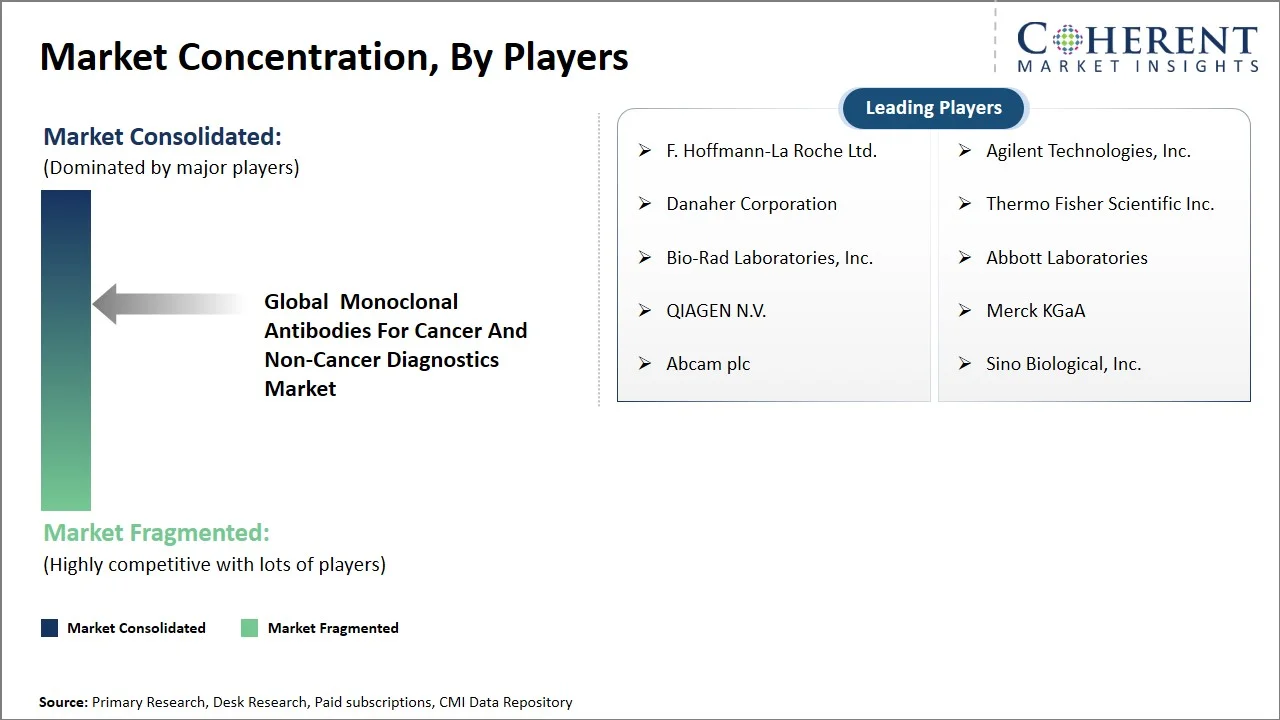
The global monoclonal antibodies for cancer and non-cancer diagnostics market is moderately consolidated. Major companies in the market are expanding their offerings with diagnostic monoclonal antibodies and establishing targeted antibody drugs, companion diagnostics as well as biomarker driven testing. The increasing adoption of various immunohistochemistry (IHC), chemilumentric immunoassay (CLIA) in conjunction with multiplex diagnostics are further complementing the development and growth of antibody-based oncology and nononcologic diagnostics. Key focus areas include:
- Expansion of companion diagnostics and biomarker-based testing platforms for precision medicine
- Development of high-sensitivity monoclonal antibody assays for cancer and chronic disease detection
- Integration of automation, digital pathology, and multiplex diagnostic technologies
- Strategic partnerships and portfolio expansion to strengthen oncology and specialty diagnostics capabilities
Market Report Scope
Monoclonal Antibodies for Cancer and Non-Cancer Diagnostics Market Report Coverage
| Report Coverage | Details | ||
|---|---|---|---|
| Base Year: | 2025 | Market Size in 2026: | USD 10,129.3 Mn |
| Historical Data for: | 2020 To 2024 | Forecast Period: | 2026 To 2033 |
| Forecast Period 2026 to 2033 CAGR: | 8.8% | 2033 Value Projection: | USD 18,291.2 Mn |
| Geographies covered: |
| ||
| Segments covered: |
| ||
| Companies covered: | F. Hoffmann-La Roche Ltd., Agilent Technologies, Inc., Danaher Corporation, Thermo Fisher Scientific Inc., Bio-Rad Laboratories, Inc., Abbott Laboratories, QIAGEN N.V., Merck KGaA, Abcam plc, and Sino Biological, Inc. | ||
| Growth Drivers: |
| ||
| Restraints & Challenges: |
| ||
Analyst Opinion (Expert Opinion)
- The future of the cancer and non-cancer monoclonal antibodies for diagnostics market will be defined by its integration into the growth of precision medicine, companion diagnostics and biomarker-based disease management. Modern multiplex immunoassays, digital pathology, and artificial intelligence-enabled diagnostic image analysis will improve the clinical usefulness of monoclonal antibody-based diagnostics by facilitating earlier detection of disease and more tailored clinical decision making in oncology, neurodegeneration, autoimmune and infectious disease indications.
- The maximum opportunities will probably exist within cancer diagnostics application particularly in companion diagnostics and IHC-based biomarker testing in North America and Europe due to strong current drivers of increasing acceptance of precision oncology, reimbursement and regulatory approvals for targeted therapeutics. Asia Pacific will also offer potential in the long-term primarily due to scale of cancer screening activities, upgrading of healthcare infrastructure and high investments in innovative diagnostics technologies.
- In order to obtain a competitive advantage, market participants should seek to diversify through the development of larger biomarker and companion diagnostic portfolios, as well as new competitive multiplexed and automated testing platforms. Furthermore, they should invest in the development of deeper partnerships with the pharma targeted therapies. Companies that integrate monoclonal antibody diagnostics with digital pathology, AI-driven analytics, and precision medicine workflows will be better positioned to capture emerging opportunities and differentiate themselves in an increasingly competitive market.
Speak to the analyst
Want personalized insights?
Take the findings above to one of our principal consultants, or have the report rebuilt around the segments, geographies and competitors you actually track.
Market Segmentation
- Antibody Type Insights (Revenue, USD Mn, 2021 - 2033)
- Murine Antibodies
- Rabbit Antibodies
- Chimeric Antibodies
- Humanized Antibodies
- Fully Human Antibodies
- Recombinant Antibodies
- Others
- Usage Techniques Insights (Revenue, USD Mn, 2021 - 2033)
- Enzyme-Linked Immunosorbent Assay (ELISA)
- Chemiluminescent Immunoassay (CLIA)
- Western Blot (WB)
- Immunohistochemistry (IHC)
- Immunoprecipitation (IP)
- Immunofluorescence (IF)
- Lateral Flow Assay
- Others
- Application Insights (Revenue, USD Mn, 2021 - 2033)
- Cancer
- Obstetrics
- Dengue
- Chikungunya
- Helicobacter pylori
- Syphilis
- HIV (Human immunodeficiency virus)
- Others
- End User Insights (Revenue, USD Mn, 2021 - 2033)
- Clinical and Diagnostic Laboratories
- Hospitals
- Biopharmaceutical Companies
- Research Institutions
- Others
- Distribution Channel Insights (Revenue, USD Mn, 2021 - 2033)
- Offline
- Online
- Regional Insights (Revenue, USD Mn, 2021 - 2033)
- North America
- U.S.
- Canada
- Latin America
- Brazil
- Argentina
- Mexico
- Rest of Latin America
- Europe
- Germany
- U.K.
- Spain
- France
- Italy
- Russia
- Rest of Europe
- Asia Pacific
- China
- India
- Japan
- Australia
- South Korea
- ASEAN
- Rest of Asia Pacific
- Middle East
- GCC Countries
- Israel
- Rest of Middle East
- Africa
- South Africa
- North Africa
- Central Africa
- North America
- Key Players Insights
- F. Hoffmann-La Roche Ltd.
- Agilent Technologies, Inc.
- Danaher Corporation
- Thermo Fisher Scientific Inc.
- Bio-Rad Laboratories, Inc.
- Abbott Laboratories
- QIAGEN N.V.
- Merck KGaA
- Abcam plc
- Sino Biological, Inc.
Sources
Primary Research Interviews
- Clinical laboratory directors and pathology specialists utilizing monoclonal antibody-based diagnostic assays
- Oncologists and precision medicine experts involved in biomarker-guided treatment decisions
- Diagnostic assay developers and immunoassay scientists working on monoclonal antibody platforms
- Hospital procurement managers responsible for diagnostic testing and pathology solutions
- Executives and product managers from monoclonal antibody diagnostic reagent and assay manufacturers
Stakeholders
- Monoclonal antibody diagnostic manufacturers
- In vitro diagnostics (IVD) companies
- Clinical laboratories and pathology centers
- Hospitals and cancer care centers
- Pharmaceutical and companion diagnostic developers
- End-use Sectors
- Hospitals and healthcare systems
- Clinical and reference laboratories
- Cancer and specialty diagnostic centers
- Academic and research institutions
- Biopharmaceutical companies
- Regulatory & Health Bodies
- U.S. Food and Drug Administration (FDA)
- European Medicines Agency (EMA)
- European Commission – In Vitro Diagnostic Regulation (IVDR)
- Pharmaceuticals and Medical Devices Agency (PMDA), Japan
- National Medical Products Administration (NMPA), China
- World Health Organization (WHO)
Databases
- FDA Medical Device Databases
- EUDAMED (European Database on Medical Devices)
- ClinicalTrials.gov
- National Cancer Institute (NCI) Databases
- WHO Global Health Observatory
- Surveillance, Epidemiology, and End Results (SEER) Program
Magazines
- GenomeWeb
- Medical Laboratory Observer
- CAP TODAY
- Diagnostics World News
Journals
- Journal of Immunological Methods
- Clinical Chemistry
- Journal of Clinical Oncology
- Clinical Cancer Research
- The Journal of Molecular Diagnostics
- Nature Reviews Clinical Oncology
Newspapers
- The Wall Street Journal
- Financial Times
- USA Today
- The Washington Post
- The New York Times
Associations
- American Association for Cancer Research (AACR)
- Association for Molecular Pathology (AMP)
- American Society of Clinical Oncology (ASCO)
- College of American Pathologists (CAP)
- European Society for Medical Oncology (ESMO)
- International Society for Advancement of Cytometry (ISAC)
Public Domain Sources
- World Health Organization (WHO)
- National Cancer Institute (NCI)
- U.S. Centers for Disease Control and Prevention (CDC)
- European Commission Health & Food Safety Directorate
- International Agency for Research on Cancer (IARC)
- Organisation for Economic Co-operation and Development (OECD) Health Statistics
Proprietary Elements
- CMI Data Analytics Tool, Proprietary CMI Existing Repository of information for last 10 years.
Get access to 250+ pages report
Every segment, forecast, competitor profile and data table behind the analysis above — available for instant download.
- ESOMAR Member
- ISO 9001:2015 Certified
- D-U-N-S Registered
- GDPR & CCPA Compliant
Missing comfort of reading report in your local language? Find your preferred language:
Transform your Strategy with Exclusive Trending Reports
Frequently Asked Questions
The global monoclonal antibodies for cancer and non-cancer diagnostics market is estimated to be valued at USD 10,129.3 Mn in 2026 and is expected to reach USD 18,291.2 Mn by 2033.
Murine antibodies dominate due to their well-established production processes, high antigen specificity, extensive validation across diagnostic platforms, and widespread use in immunohistochemistry (IHC), ELISA, and other immunodiagnostic assays.
Monoclonal antibodies are laboratory-produced antibodies designed to specifically bind to disease-associated biomarkers, enabling the detection, classification, and monitoring of cancerous and non-cancerous conditions.
The CAGR of the global monoclonal antibodies for cancer and non-cancer diagnostics market is projected to be 8.8% from 2026 to 2033.
In terms of usage techniques, chemiluminescent immunoassay (CLIA) is estimated to dominate the market revenue share in 2026.
They are used to identify tumor-specific biomarkers in tissue and blood samples, supporting cancer diagnosis, prognosis assessment, and selection of targeted therapies.
CLIA combines monoclonal antibody specificity with highly sensitive signal detection, enabling rapid, accurate, and high-throughput biomarker testing in clinical laboratories