

Global PET Imaging System Market Size and Forecast – 2026 to 2033
The Global PET Imaging System Market is estimated to be valued at USD 2.91 Bn in 2026 and is expected to reach USD 5.89 Bn by 2033, exhibiting a compound annual growth rate (CAGR) of 10.6% from 2026 to 2033. This significant growth highlights the increasing adoption of advanced imaging technologies across healthcare sectors worldwide, driven by rising prevalence of chronic diseases, technological advancements, and expanding applications in oncology, neurology, and cardiology.
Key Takeaways of the Global PET Imaging System Market
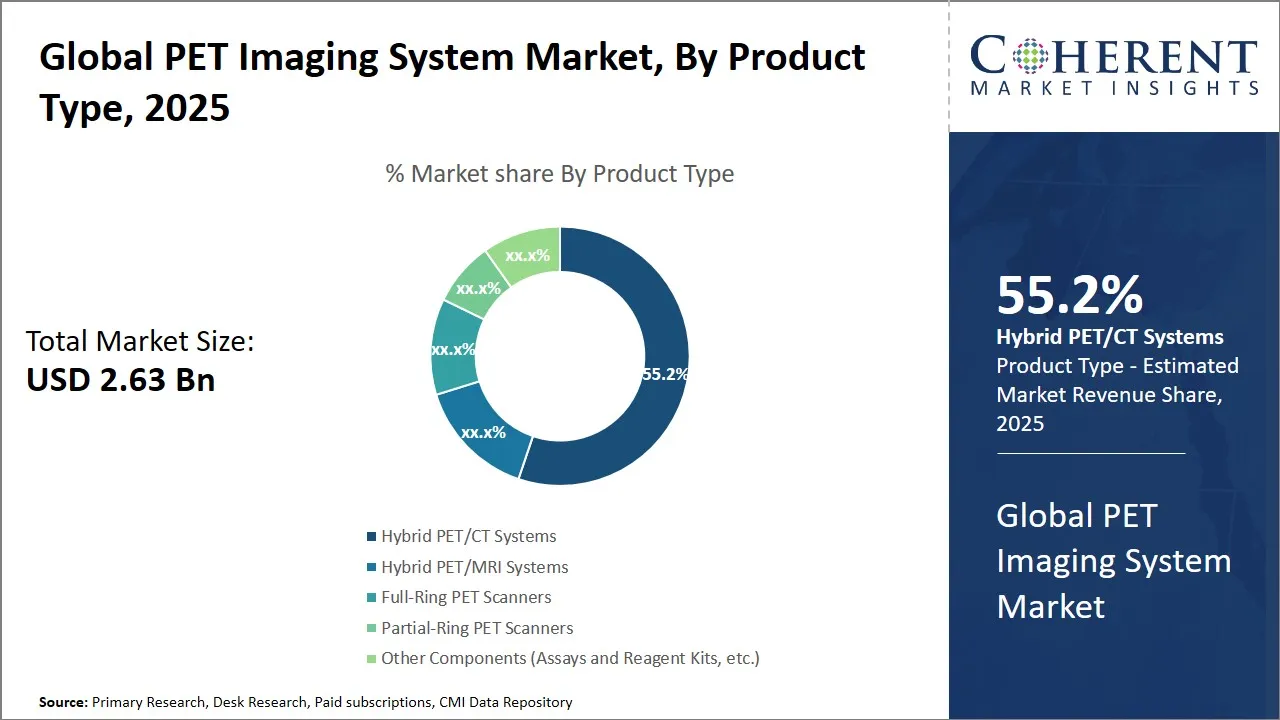
- By product type, hybrid PET/CT systems are projected to account for the largest share of the global PET imaging system market, representing 56.2% in 2026.
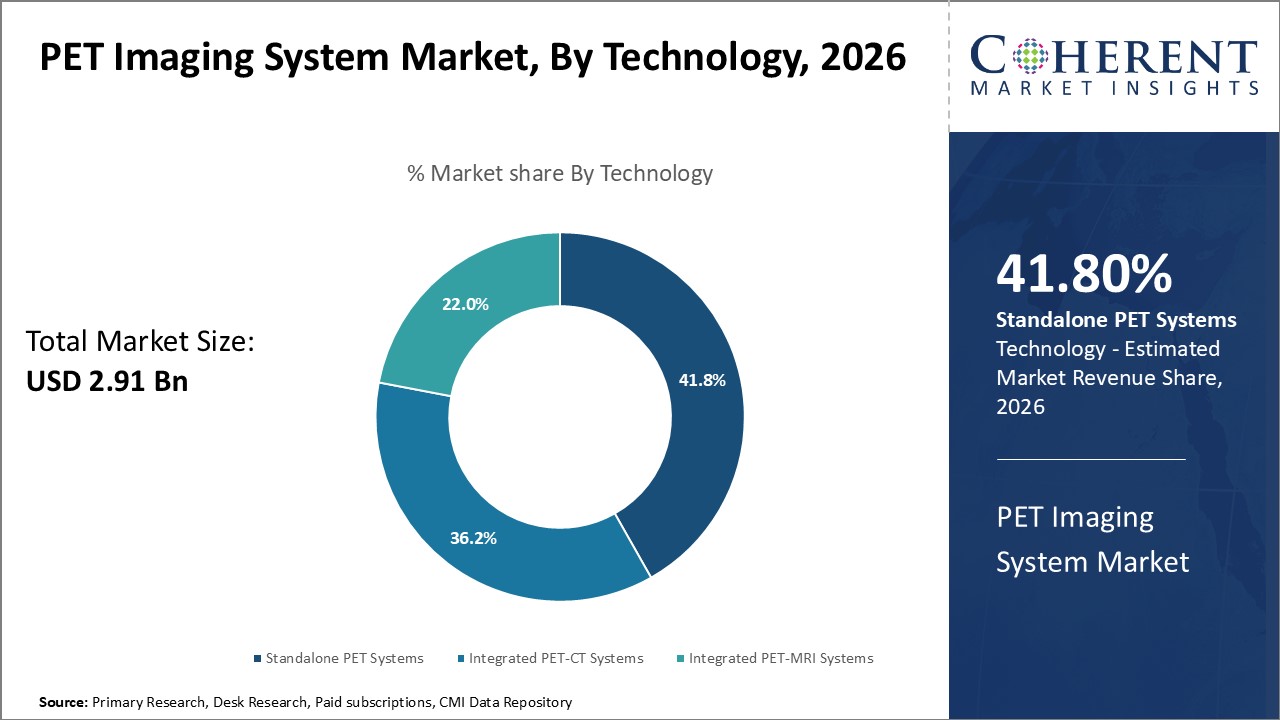
- From a technology perspective, standalone PET systems are expected to lead with a 41.8 % share in 2026.
- In terms of application, oncology remains the dominant segment, holding an estimated 39.5 % of the market share in 2026.
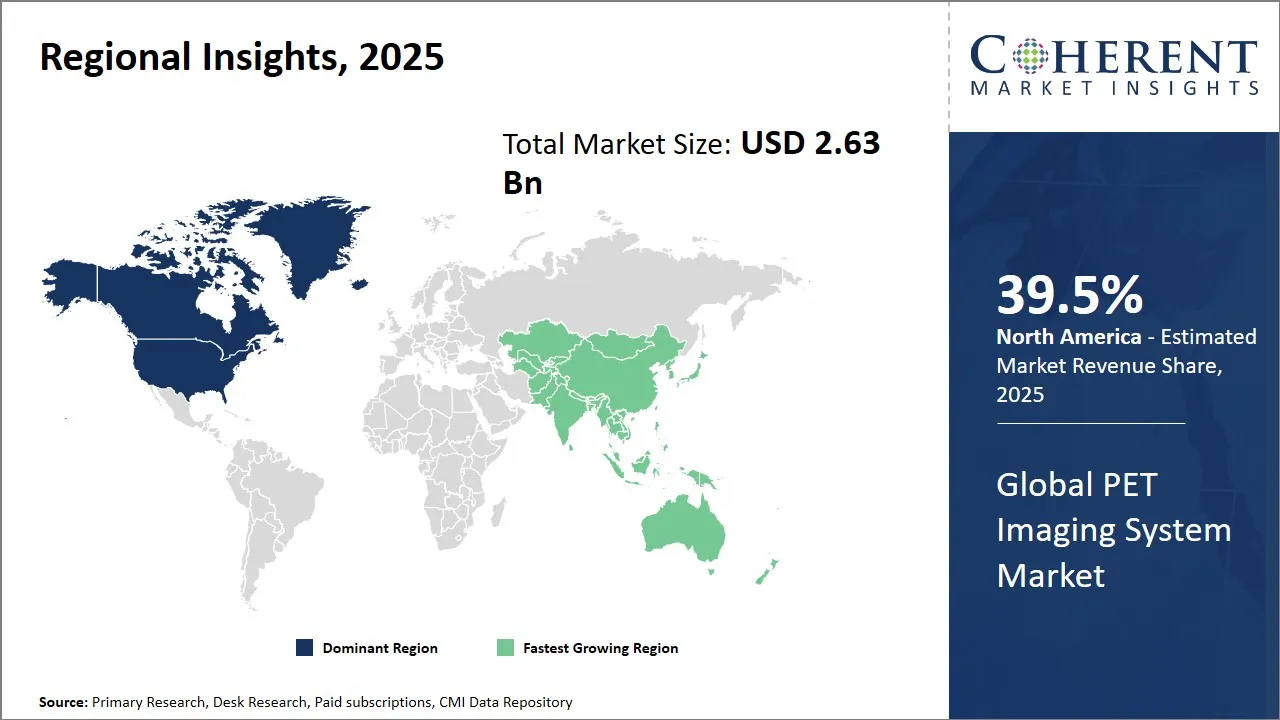
- North America is expected to lead the market, holding a share of 39.5 % in 2026. Asia Pacific is anticipated to be the fastest-growing region, with an estimated market share of 24.5% in 2026.
Market Overview
Market trends indicate a strong shift towards the integration of artificial intelligence and machine learning with PET imaging systems, enhancing diagnostic accuracy and operational efficiency. Additionally, there is a growing demand for hybrid imaging modalities combining PET with CT or MRI, facilitating comprehensive disease analysis. Increasing investment in research and development, along with expanding healthcare infrastructure in emerging economies, is further propelling the market growth, making PET imaging systems integral to modern diagnostic and therapeutic practices.
Current Events and Its Impact
Current Events | Description and its Impact |
U.S. FDA Approves Flurpiridaz F-18 (Flyrcado) for Cardiac PET |
|
Innovation in PET Radiotracers |
|
Segmental Insights
- Current Industry Events of 2026
- Market Size Estimation
- Regional Breakdown
- Competitive Landscape
- Customer Intelligence
- Segmental Analysis
- Pricing Analysis
- Key Market Drivers, Challenges & Future Trends
- Customized Insights Section
PET Imaging System Market Insights, By Product Type - Hybrid PET/CT Systems Lead Product Innovation through Enhanced Diagnostic Precision
Hybrid PET/CT systems are expected to account for 56.2% in 2026 as they have the ability to offer a hybrid functional and anatomical imaging in one complete imaging modality. This particular medical imaging set-up has elevated the technology to be defined as the only imaging modality capable of very precise spatial correlation of metabolic activity with structural information. This kind of synthesis improves the detection and staging of different kinds of cancers, which remains the major application of PET imaging.
In June 2024, Siemens Healthineers, a global leader in medical technology, launched its latest Positron Emission Tomography–Computed Tomography (PET/CT) scanner, the Biograph Trinion, at the Society of Nuclear Medicine and Molecular Imaging annual meeting in Canada. The system recently cleared by the U.S. Food and Drug Administration features a scalable axial field-of-view design that allows on-site technological upgrades without disrupting workflow.
PET Imaging System Market Insights, By Technology - Standalone PET Systems Maintain Dominance Due to Focused Functional Imaging and Cost Efficiency
Within the global PET imaging system market segmented by technology, standalone PET systems are expected to retain the maximum share of 41.8% in 2026, mainly because of their provision of dedicated functional imaging with operational and economic efficiency. Standalone PET Systems are distinguished from the integrated systems with PET/CT or PET/MRI in that they view metabolic imaging alone as of primary value, which best serves a location whereby anatomical imaging is either already present or may be obtained separately.
A critical driver of the standalone PET segment is its lower cost relative to hybrid systems, which allows healthcare facilities with limited budgets to implement advanced functional imaging solutions without the substantial capital investment or infrastructure adjustments required for integrated devices.
PET Imaging System Market Insights, By Application - Oncology Application Maintains Dominance Driven by Early Detection and Targeted Treatment Monitoring
In terms of application, oncology commands the largest share of the global PET imaging system market with 39.5% in 2026 due to the modality’s pivotal role in cancer diagnosis, staging, treatment planning, and response evaluation. PET imaging’s ability to visualize metabolic activity at the cellular level provides oncologists with unmatched insight into tumor biology, enabling differentiation between benign and malignant tissues and identification of metastases that are not always apparent on anatomical scans alone.
The widespread prevalence of cancer and the growing emphasis on early and accurate diagnosis is a fundamental driver propelling oncology as the leading application area for PET systems. PET imaging supports critical clinical decisions in several common yet complex cancers including lung, breast, colorectal, and lymphoma by improving accuracy in staging and detecting recurrent disease. This capability directly impacts treatment strategies such as determining surgical feasibility, radiation planning, and evaluating chemotherapeutic efficacy.
Role of Artificial Intelligence (AI) on the Global PET Imaging System Market
- Artificial Intelligence (AI) is reshaping the global PET imaging system market by streamlining diagnostics, improving accuracy, and providing insights driving down cost and improving efficiencies. AI-powered predictive analytics assist clinicians in detecting early disease patterns and predicting patient outcomes, thus improving decision-making in oncology, neurology, and cardiology imaging. Image reconstruction and workflow processes wherein AI works to automate reduce radiologists' burden and turnaround times, while machine learning optimizes resource allocation and operational efficiency.
- Companies such as GE Healthcare and Siemens Healthineers are keenly investing in the integration of AI in their PET imaging platforms to personalize diagnostics, improve image clarity, and quicken reporting, thus demonstrating the realms of transformability AI projects within the medical sphere. At the same time, AI is opening new opportunities in the PET imaging system market, where scalable, cloud-based AI solutions enable remote analysis, virtual consultations, and new service-based business models.
Regional Insights
North America PET Imaging System Market Analysis and Trends
North America is expected to account for a share of 39.5% of the global PET imaging system market in 2026 due to the presence of a well-developed healthcare infrastructure with immense investments in medical imaging technologies. The presence of top research entities alongside a very strong biotech and pharmaceutical ecosystem ensures constant innovation in PET imaging systems. Favorable government policies which include funds disbursement for research in cancer and neurological diseases also play a role in accelerating the pace of adoption of these systems in clinical as well as research purposes.
In April 2026, Southcoast Health, a non-profit community health system based in the U.S., heralded the GE HealthCare Omni Legend 21-centimeter Positron Emission Tomography–Computed Tomography (PET/CT) system's first installation in the country at its Cancer Care Center in Fairhaven. An established innovator in precision diagnostics, GE HealthCare designed this new PET Imaging System to yield shorter scan times and lower radiation doses, while also providing superior images for oncology, cardiology, and neurology.
Asia Pacific PET Imaging System Market Analysis and Trends
Asia Pacific is projected to lead the PET imaging system market growth rate at 24.5% in 2026, owing to the fast-moving healthcare sector, rising prevalence of chronic diseases, and improving healthcare infrastructure in emerging nations. Governments across countries such as China, India, Japan, and South Korea are driving healthcare modernization by offering incentives and increasing medical expenditures. The region hence lends support to the growing number of private hospitals and diagnostic centers with modern imaging technologies as per patient demands.
PET Imaging System Market Outlook for Key Countries
U.S. PET Imaging System Market Trends
Due to its matured healthcare setup and substantial research being carried out, the U.S. has always seen the largest and technologically advanced market for PET imaging systems. Siemens Healthineers and GE Healthcare are two names in the manufacturing and supply of PET/CT and PET/MR systems which maintain a strong foothold in this area. Strong insurance coverage coupled with regulatory support by the U.S. FDA ensures a great uptake of PET solutions for oncology diagnostics in the U.S. Strategic collaborations with academia also promote clinical trials and the development of new radiotracers, which together consolidate the market's technological front.
In July 2024, Positron Corporation, a U.S. molecular imaging medical device company for Positron Emission Tomography or PET and PET-Computed Tomography or PET-CT systems, launched its new NeuSight PET-CT 3D 64 slice scanner for the U.S. and North American markets. The NeuSight PET Imaging System was created to further nuclear cardiology and oncology diagnostics by balancing cost with high performance, suitable for hospitals and practices seeking precision imaging at a low cost.
Germany PET Imaging System Market Trends
Germany’s PET imaging system market is characterized by a strong industrial base and an emphasis on high-quality healthcare services. The country benefits from consistent government support for medical technologies and a collaborative environment between research centers and industry players such as Siemens Healthineers. Germany’s high standard of healthcare combined with a well-established network of hospitals makes it a key hub for PET imaging applications, particularly in cardiovascular and neurological disorders.
In October 2024, United Imaging, a global leader in advanced medical imaging, marked a milestone with the first installation of its digital PET/CT technology in Germany. Working in partnership with Medical Imaging Electronics (MiE), a company with more than 40 years of expertise in molecular imaging, the uMI 550 PET/CT system was installed at Kliniken Essen-Mitte Evang and the private nuclear medicine clinic Nukmed.
China PET Imaging System Market Trends
China’s PET imaging system market growth is fueled by its large population and increasing prevalence of cancer and neurological diseases. Government initiatives like “Healthy China 2030” prioritize improving diagnostic infrastructure, encouraging the adoption of advanced imaging modalities including PET systems. Local manufacturers, such as United Imaging Healthcare, have gained prominence by developing cost-effective and technologically advanced imaging equipment tailored for the domestic market. Additionally, collaborations with international companies enhance technology exchange and expand the market’s scope, further driving the country’s rapid expansion.
In April 2026, the First Affiliated Hospital of Xi’an Jiaotong University in Northwest China announced a major milestone with the successful launch of β-amyloid positron emission tomography–computed tomography (PET/CT) imaging. The hospital has already performed more than 200 amyloid imaging exams, with a positive detection rate of over 85 percent, making it the first center in the region to apply this technology for Alzheimer’s disease care.
Japan PET Imaging System Market Trends
Japan continues to lead in technological innovation and early adoption of advanced healthcare equipment including PET imaging systems. The country has well-established governmental policies supporting medical research and innovation, facilitating the integration of hybrid PET/MR imaging. Domestic manufacturers like Shimadzu Corporation play a significant role in pioneering new technologies, leveraging Japan’s strong emphasis on precision medicine. Japan’s aging population also stimulates demand, especially for neurodegenerative disease diagnosis, making it a critical market for sustained PET system advancements.
In November 2023, CMI Inc., a Japan-based imaging solutions company, and Life Molecular Imaging, a global leader in radiopharmaceuticals, announced that their amyloid PET diagnostic Neuraceq (florbetaben F18 injection) has been approved for reimbursement by Japan’s Ministry of Health, Labor, and Welfare. This makes Neuraceq-PET the first amyloid PET Imaging System diagnostic tool covered by government health insurance in Japan.
Market Players, Key Developments, and Competitive Intelligence
Key Developments
- In July 2025, Shimadzu Corporation, a Japan-based leader in analytical and medical technologies, announced the release of its PositView PET Imaging System in the U.S. after obtaining clearance from the U.S. Food and Drug Administration. The system is specialized for head and breast examinations and is designed to support early diagnosis and treatment research for dementia including Alzheimer’s disease.
- In May 2025, Mahajan Imaging and Laboratories, a leading diagnostics provider in India, introduced North India’s first 128-slice Digital Positron Emission Tomography–Computed Tomography (PET-CT) system at its new Gurugram facility. The company known for pioneering advanced imaging technologies launched the GE HealthCare Omni Legend PET Imaging System which delivers high-resolution images with 1.4-millimeter spatial clarity reduced radiation exposure by 60 percent and faster scans through its digital Bismuth Germanate Oxide (dBGO) detector technology.
- In February 2025, Jordan inaugurated a new Positron Emission Tomography Computed Tomography (PET-CT) system at Al-Bashir Hospital with support from the International Atomic Energy Agency (IAEA) under its Rays of Hope initiative. Al-Bashir the country’s only public hospital with a nuclear medicine department now offers advanced diagnostic services for cancer and other non-communicable diseases, eliminating the need for over 500 patients each year to rely on private facilities or travel abroad.
- In March 2025 GE HealthCare, a global medical technology company, introduced its new Revolution Vibe computed tomography (CT) system at the American College of Cardiology meeting, highlighting its focus on cardiovascular diagnostics. The scanner is designed for unlimited one-beat cardiac imaging, capturing low-dose, full-organ images quickly enough to assess moving valves and coronary blockages with high clarity, supporting cardiac CT angiography as a frontline tool for chest pain evaluation and coronary artery disease detection.
Top Strategies Followed by Global PET Imaging System Market Players
- Eminent market leaders invest extensively in the research and development arena to be pioneers in designing high-performance and technology-driven PET imaging systems. Continuous advancements lead to an extremely high image resolution, faster scanning times, and better diagnostic accuracy, which are very crucial from a view of their competition. The market giants could also consider forming various strategic alliances and partnerships with major OEMs, healthcare technology providers, and other key industry players.
- For example, PerkinElmer, based in Massachusetts, provider of imaging platforms for cellular, tissue, and in vivo research, entered into a collaboration with Sofie Biosciences. Since then, Sofie has been recognized as an expert in the PET domain and is now marketing benchtop PET Imaging Systems for preclinical research. With this agreement, Sofie Biosciences holds the exclusive rights to commercialize and sell PerkinElmer's PET x-ray and 3D computed tomography imaging systems, thus fortifying its stance in preclinical PET applications
- Mid-level players in the PET imaging system market primarily emphasize offering cheap solutions that strike a compromise between price and quality. These companies admit that there is a large proportion of price-sensitive customers, including small hospitals and diagnostic centers from third-world countries, and therefore, they provide products competing on price but never at the expense of essential clinical capabilities. By offering products that are suited to fulfill imaging needs at a basic level but reliable enough to create value for buyers older in price-consciousness, mid-tier companies try to create value propositions for these buyers in the price spectrum.
- In January 2025, American Society of Nuclear Cardiology gave notification that positron emission tomography (PET) is probably the future standard in cardiac imaging. The hybrid PET-computed tomography (PET-CT) systems are increasingly looked at by hospitals and clinics as very affordable and pragmatic solutions rather than fancy equipment. Due to broad access to radiotracers approved by the U.S. FDA, faster computing, and intelligent system designs, PET-CT scans become faster, accurate yet less costly to operate, thus, contributing to better diagnoses by doctors while making the advanced imaging technique more available.
- Small players in the PET imaging system market carve out specific niches by focusing on certain features or on developing new, inventive products for specific clinical applications or end user markets. To continue with newer technologies, they perhaps employ the latest technologies such as AI-based image processing, miniaturized system designs, or portable-based PET setups in order to create a uniqueness that the industry giants can hardly infringe.
- For example, Alliance Medical, the famous U.K.-based molecular imaging company, holding the NHS England contract to provide PET-CT services, shared the news of the company's continued investments in digital PET-CT Imaging Systems throughout the country. The company offers PET-CT services covering 80 percent of England and is the Managing Agent of the Molecular Imaging Collaborative Network. It also manufactures radiopharmaceuticals at five sites in the U.K.
Market Report Scope
PET Imaging System Market Report Coverage
| Report Coverage | Details | ||
|---|---|---|---|
| Base Year: | 2025 | Market Size in 2026: | USD 2.91 Bn |
| Historical Data for: | 2020 To 2024 | Forecast Period: | 2026 To 2033 |
| Forecast Period 2026 to 2033 CAGR: | 10.6% | 2033 Value Projection: | USD 5.89 Bn |
| Geographies covered: |
| ||
| Segments covered: |
| ||
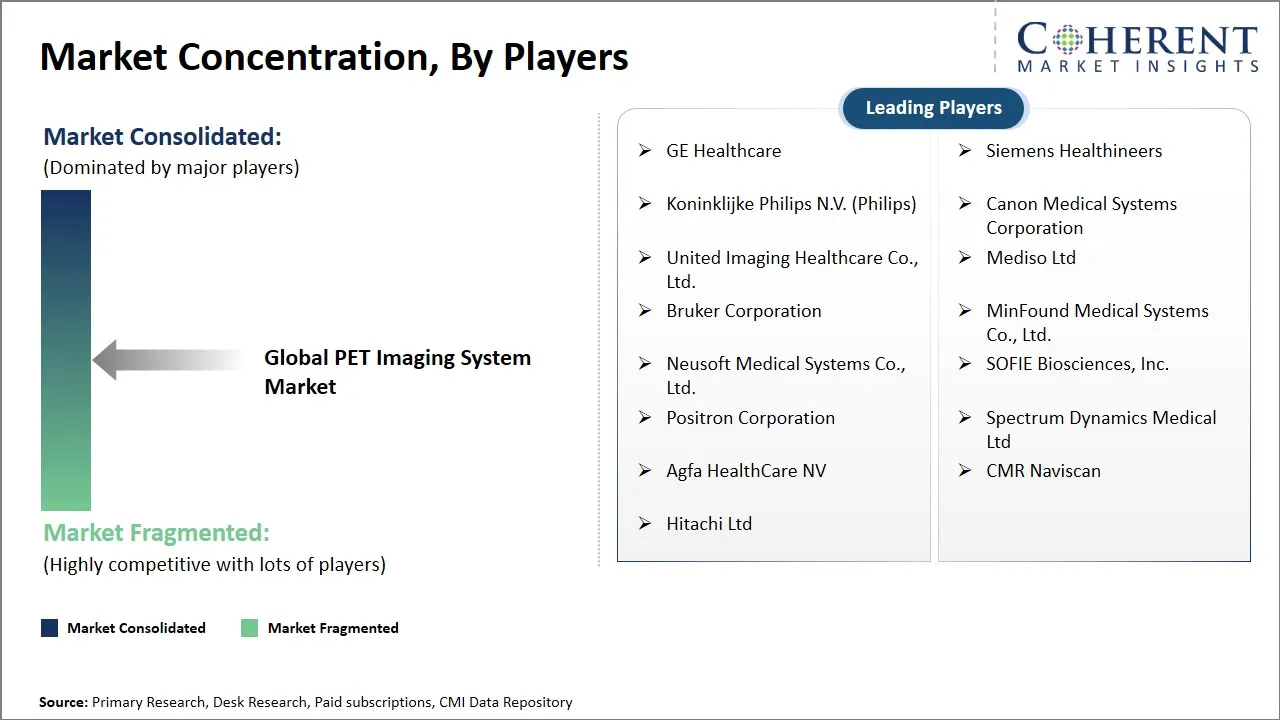
| Companies covered: | GE Healthcare, Siemens Healthineers, Koninklijke Philips N.V. (Philips), Canon Medical Systems Corporation, United Imaging Healthcare Co., Ltd., Mediso Ltd, Bruker Corporation, MinFound Medical Systems Co., Ltd., Neusoft Medical Systems Co., Ltd., SOFIE Biosciences, Inc., Positron Corporation, Spectrum Dynamics Medical Ltd, Agfa HealthCare NV, CMR Naviscan, and Hitachi Ltd | ||
| Growth Drivers: |
| ||
| Restraints & Challenges: |
| ||
PET Imaging System Market Dynamics
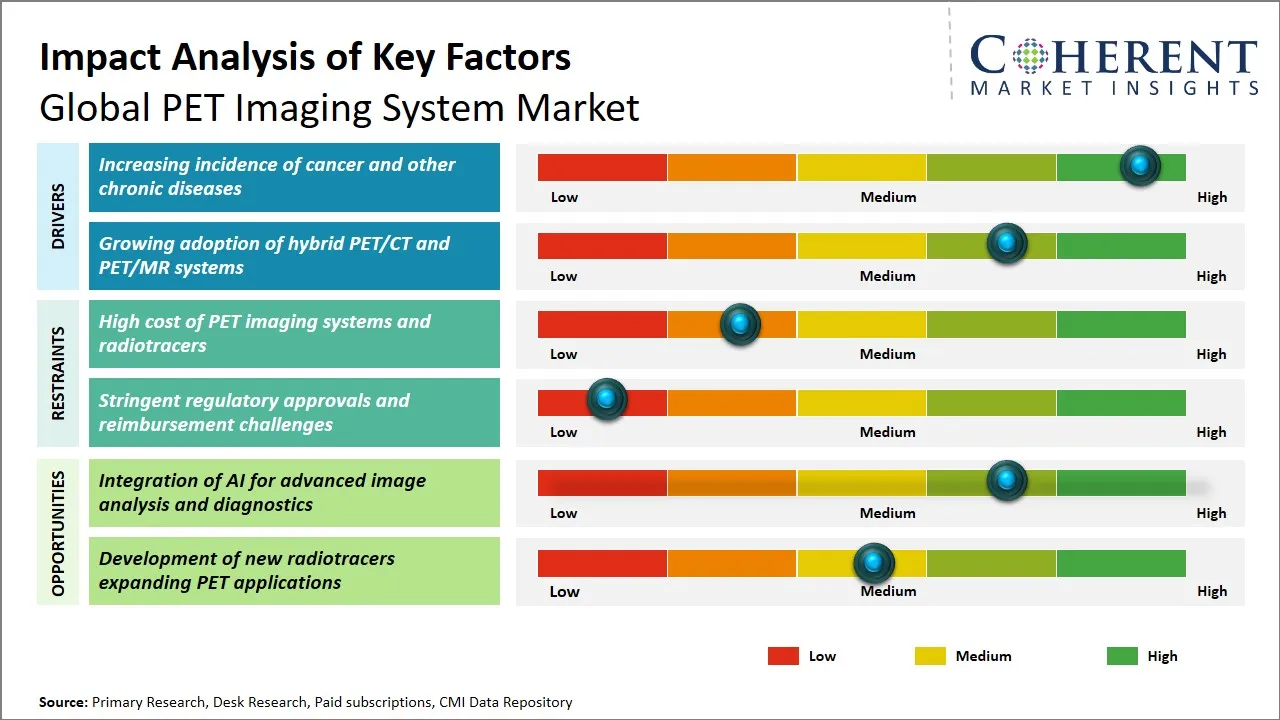
PET Imaging System Market Driver - Increasing Incidence of Cancer and Other Chronic Diseases
The increasing incidence of cancer and other chronic diseases plays a critical role in driving demand for advanced diagnostic tools such as PET imaging systems. As cancer cases continue to rise globally due to aging populations, lifestyle changes, and environmental factors, early and accurate diagnosis becomes imperative to improve patient outcomes. PET imaging systems offer high sensitivity and specificity in detecting malignancies, enabling clinicians to identify tumors, assess metastasis, and monitor treatment response more effectively than conventional imaging methods.
For instance, in February 2024, the World Health Organization WHO and the International Agency for Research on Cancer IARC reported 20 million new cancer cases and 9.7 million deaths in 2022 with lung breast and colorectal cancers most common highlighting the urgent need for better care access and wider use of PET Imaging System for early detection and treatment planning. Moreover, in February 2024, a study in centers for disease control and prevention, chronic diseases are most prevalent in the Southeastern U.S. where low-income poor education and limited healthcare access worsen outcomes highlighting the need for policies that address inequality and improve care access.
PET Imaging System Market Opportunity - Integration of AI for Advanced Image Analysis and Diagnostics
The integration of artificial intelligence (AI) within positron emission tomography (PET) imaging systems presents a significant opportunity to revolutionize the global PET imaging system market. AI-powered algorithms enable enhanced image reconstruction, pattern recognition, and quantification, thereby improving the accuracy and speed of diagnostics. Machine learning models can analyze vast datasets generated by PET scans, detecting subtle anomalies that might be overlooked by human interpretation alone. This advancement facilitates earlier disease detection, more precise tumor delineation, and personalized treatment planning, especially in oncology, neurology, and cardiology applications.
For instance, in June 2025, S L Raheja Hospital part of Fortis Healthcare Mumbai, India launched Artificial Intelligence (AI) enabled Digital Positron Emission Tomography (PET) Imaging System with 3 Tesla Magnetic Resonance Imaging (MRI) and upgraded Neonatal Intensive Care Unit (NICU) and Pediatric Intensive Care Unit (PICU) to boost precision diagnostics and advanced child care.
Analyst Opinion (Expert Opinion)
- The global PET imaging system market is gaining momentum as healthcare providers increasingly focus on early and precise disease detection. Technological advancements such as digital PET, time-of-flight imaging, and AI-enabled scan interpretation are making systems faster, more accurate, and less invasive, which is driving wider adoption across oncology, neurology, and cardiology. At the same time, regulatory support for innovative radiotracers and system approvals is broadening clinical use, while patient demand for advanced diagnostics continues to rise. However, industry challenges remain, particularly high equipment costs, limited skilled workforce, and unequal access in emerging economies. Opportunities are opening up through expanding reimbursement frameworks, rising clinical trials using novel tracers, and collaborative research between hospitals and imaging companies. Conferences like the Society of Nuclear Medicine and Molecular Imaging (SNMMI) Annual Meeting, the European Association of Nuclear Medicine (EANM) Congress, and the Radiological Society of North America (RSNA) Annual Meeting over the last few years have played a central role in sharing breakthroughs, setting clinical standards, and showcasing technology innovations that directly influence PET imaging adoption worldwide.
- Real-world developments highlight how these trends are translating into practice. GE HealthCare’s Omni Legend PET/CT systems launched in North America, Siemens Healthineers unveiling its Biograph Trinion with energy-saving features, and Shimadzu’s specialized PositView PET for dementia diagnosis in the United States are examples of companies reshaping imaging solutions. Public initiatives such as Jordan’s collaboration with the International Atomic Energy Agency to install a PET-CT in a public hospital and CDC’s increasing emphasis on cancer screening in the U.S. show how government-backed projects are expanding access. Together, these corporate launches and policy initiatives demonstrate that the PET Imaging System market is not only technologically advancing but also structurally adapting to bring precision imaging to more patients around the globe.
Speak to the analyst
Want personalized insights?
Take the findings above to one of our principal consultants, or have the report rebuilt around the segments, geographies and competitors you actually track.
Market Segmentation
- Product Type Insights (Revenue, USD Bn, 2021 - 2033)
- Hybrid PET/CT Systems
- Hybrid PET/MRI Systems
- Full-Ring PET Scanners
- Partial-Ring PET Scanners
- Other Components (Assays and Reagent Kits, etc.)
- Technology Insights (Revenue, USD Bn, 2021 - 2033)
- Standalone PET Systems
- Integrated PET-CT Systems
- Integrated PET-MRI Systems
- Application Insights (Revenue, USD Bn, 2021 - 2033)
- Oncology
- Cardiology
- Neurology
- Orthopedics
- Others (e.g., Inflammatory and Infectious Diseases)
- Modality Insights (Revenue, USD Bn, 2021 - 2033)
- Fixed
- Mobile
- Detector Type Insights (Revenue, USD Bn, 2021 - 2033)
- Bismuth Germanate Oxide (BGO)
- Lutetium Oxyorthosilicate (LSO)
- Lutetium-Yttrium Oxyorthosilicate (LYSO)
- Gadolinium Oxyorthosilicate (GSO)
- Other Scintillators
- End User Insights (Revenue, USD Bn, 2021 - 2033)
- Hospitals
- Diagnostic Imaging Centers
- Cancer Research Centers
- Ambulatory Surgical Centers
- Research Institutes and Universities
- Specialty Clinics
- Regional Insights (Revenue, USD Bn, 2021 - 2033)
- North America
- U.S.
- Canada
- Latin America
- Brazil
- Argentina
- Mexico
- Rest of Latin America
- Europe
- Germany
- U.K.
- Spain
- France
- Italy
- Russia
- Rest of Europe
- Asia Pacific
- China
- India
- Japan
- Australia
- South Korea
- ASEAN
- Rest of Asia Pacific
- Middle East
- GCC Countries
- Israel
- Rest of Middle East
- Africa
- South Africa
- North Africa
- Central Africa
- North America
- Key Players Insights
- GE Healthcare
- Siemens Healthineers
- Koninklijke Philips N.V. (Philips)
- Canon Medical Systems Corporation
- United Imaging Healthcare Co., Ltd.
- Mediso Ltd
- Bruker Corporation
- MinFound Medical Systems Co., Ltd.
- Neusoft Medical Systems Co., Ltd.
- SOFIE Biosciences, Inc.
- Positron Corporation
- Spectrum Dynamics Medical Ltd
- Agfa HealthCare NV
- CMR Naviscan
- Hitachi Ltd
Sources
Primary Research Interviews
- Industry Stakeholders
- Radiology Department Heads from major hospitals
- Executives from medical imaging equipment manufacturers
- End Users
- Nuclear medicine physicians
- Oncologists specializing in imaging-based diagnostics
Government and International Databases
- U.S. Food and Drug Administration (FDA) Database
- European Medicines Agency (EMA) Reports
- Centers for Medicare & Medicaid Services (CMS)
- World Health Organization (WHO) Cancer Databases
- International Atomic Energy Agency (IAEA) Nuclear Medicine Section
- National Cancer Institute (NCI) SEER Database
Trade Publications
- AuntMinnie.com
- Diagnostic Imaging Magazine
- Radiology Today
- Imaging Technology News (ITN)
- HealthCare Business News (DOTmed)
- Nuclear Newswire (ANS)
Academic Journals
- Journal of Nuclear Medicine
- European Journal of Nuclear Medicine and Molecular Imaging
- Radiology (RSNA)
- Journal of Medical Imaging
- Frontiers in Nuclear Medicine
- Clinical Nuclear Medicine
Reputable Newspapers
- The New York Times – Health Section
- The Guardian – Healthcare and Science
- The Washington Post – Health
- The Wall Street Journal – Healthcare Industry
- The Times of India – Health News
- Financial Times – Healthcare and Pharmaceuticals
Industry Associations
- Society of Nuclear Medicine and Molecular Imaging (SNMMI)
- European Association of Nuclear Medicine (EANM)
- Radiological Society of North America (RSNA)
- American College of Radiology (ACR)
- World Molecular Imaging Society (WMIS)
- International Society for Magnetic Resonance in Medicine (ISMRM)
Public Domain Resources
- U.S. National Library of Medicine (NLM)
- World Bank Health Data
- OECD Health Statistics
- Global Cancer Observatory (GLOBOCAN)
Proprietary Elements
- CMI Data Analytics Tool: Proprietary analytics tool to analyze real-time market trends, consumer behavior, and technology adoption in market
- Proprietary CMI Existing Repository of Information for Last 8 Years
Get access to 250+ pages report
Every segment, forecast, competitor profile and data table behind the analysis above — available for instant download.
- ESOMAR Member
- ISO 9001:2015 Certified
- D-U-N-S Registered
- GDPR & CCPA Compliant
Missing comfort of reading report in your local language? Find your preferred language:
Transform your Strategy with Exclusive Trending Reports
Frequently Asked Questions
The global PET imaging system market is estimated to be valued at USD 2.91 Bn in 2026 and is expected to reach USD 5.89 Bn by 2033.
The CAGR of global PET imaging system is projected to be 10.6% from 2026 to 2033.
Increasing incidence of cancer and other chronic diseases and growing adoption of hybrid PET/CT and PET/MR systems are the major factors driving the growth of the global PET imaging system market.
High cost of PET imaging systems and radiotracers and stringent regulatory approvals and reimbursement challenges are the major factors hampering the growth of the global PET imaging system market.
In terms of product type, hybrid PET/CT systems are estimated to dominate the market revenue share in 2026.
GE Healthcare, Siemens Healthineers, Koninklijke Philips N.V. (Philips), Canon Medical Systems Corporation, United Imaging Healthcare Co., Ltd., Mediso Ltd, Bruker Corporation, MinFound Medical Systems Co., Ltd., Neusoft Medical Systems Co., Ltd., SOFIE Biosciences, Inc., Positron Corporation, Spectrum Dynamics Medical Ltd, Agfa HealthCare NV, CMR Naviscan, and Hitachi Ltd are the major players.
North America is expected to lead the global PET imaging system market in 2026.