

Global Radiation Oncology Market Size and Forecast – 2026 to 2033
The global radiation oncology market is estimated to be valued at USD 13.94 Bn in 2026 and is expected to reach USD 29.67 Bn by 2033, exhibiting a compound annual growth rate (CAGR) of 11.4% from 2026 to 2033. This growth reflects the increasing adoption of advanced radiotherapy technologies and rising incidence of cancer cases worldwide, driving the demand for improved oncology treatment options and supporting infrastructure expansion across key regions.
Key Takeaways of the Global Radiation Oncology Market
- In terms of therapy type, External Beam Radiation Therapy (EBRT) segment is expected to lead the market with a share of 58.9% in 2026.
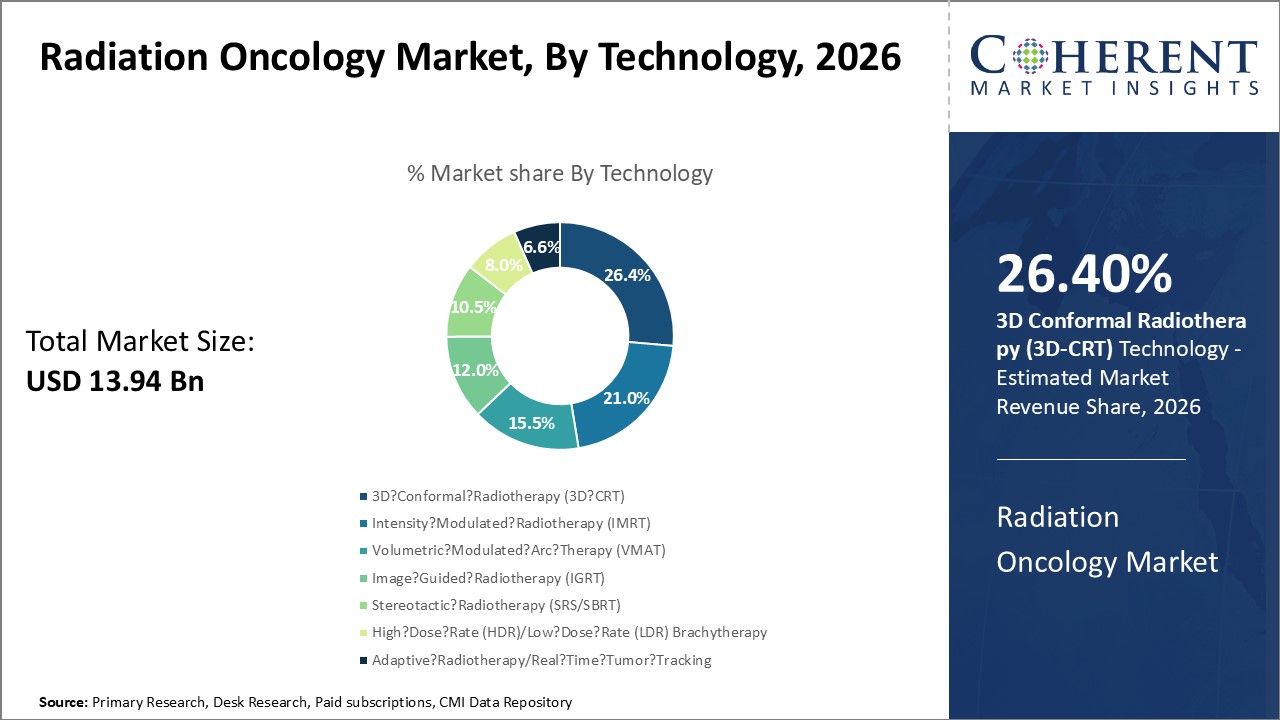
- By technology, 3D Conformal Radiotherapy (3D‑CRT) segment is estimated to hold the largest market share of 26.4% in 2026.
- Regarding application, breast cancer segment is projected to dominate the global radiation oncology market, accounting for 33.4% of the market share in 2026.
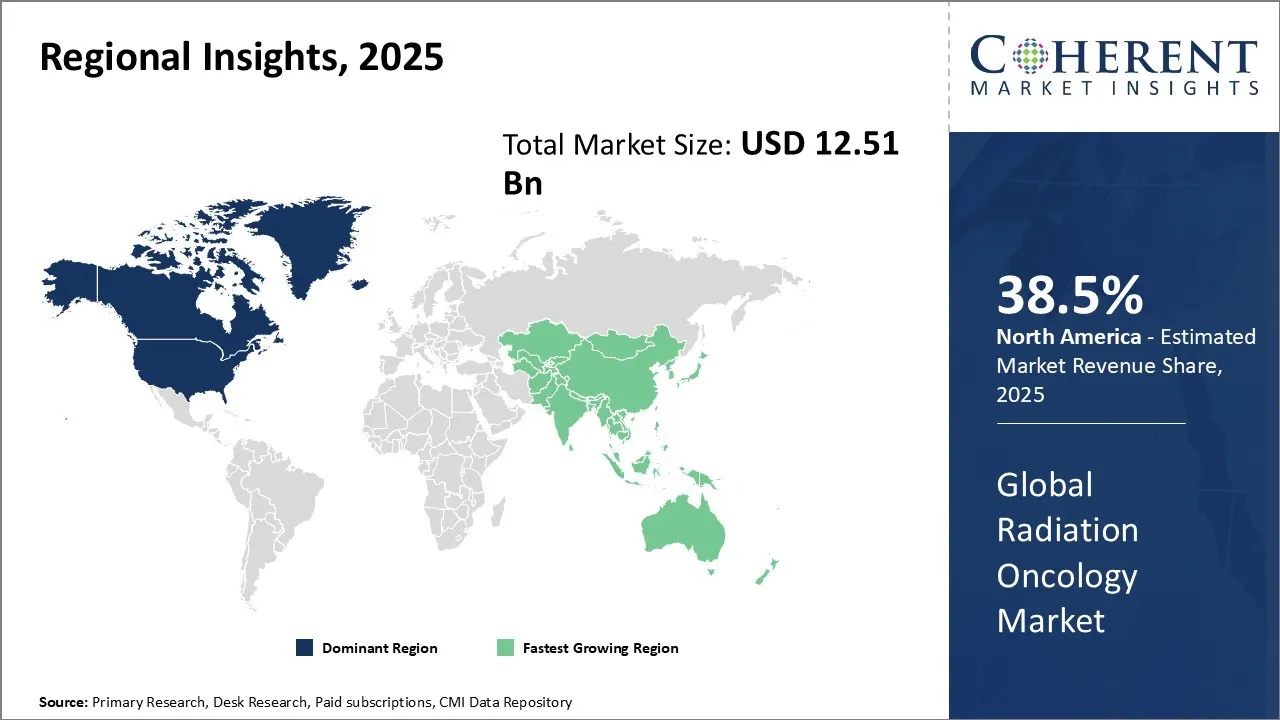
- North America is expected to lead the market, holding a share of 38.5% in 2026. Asia Pacific is anticipated to be the fastest-growing region, with an estimated market share of 24.4% in 2026.
Market Overview
Market trends indicate a significant shift towards personalized radiation therapy and integration of artificial intelligence to enhance treatment precision and patient outcomes. Innovations such as proton therapy and image-guided radiation therapy are gaining traction, while an emphasis on reducing side effects is fueling development of sophisticated delivery systems. Additionally, collaborative efforts between technology providers and healthcare institutions are enhancing accessibility and affordability, further propelling the market’s growth trajectory in the coming years.
Currents Events and Its Impact
Current Events | Description and its Impact |
Introduction of the Radiation Oncology Case Rate Value Based Program Act of 2025 (ROCR Act) in the U.S. |
|
Adoption and commercialization of adaptive radiotherapy and precision technologies |
|
Segmental Insights
- Current Industry Events of 2026
- Market Size Estimation
- Regional Breakdown
- Competitive Landscape
- Customer Intelligence
- Segmental Analysis
- Pricing Analysis
- Key Market Drivers, Challenges & Future Trends
- Customized Insights Section
Radiation Oncology Market Insights, By Therapy Type - External Beam Radiation Therapy’s (EBRT) Dominance Driven by Precision and Versatility
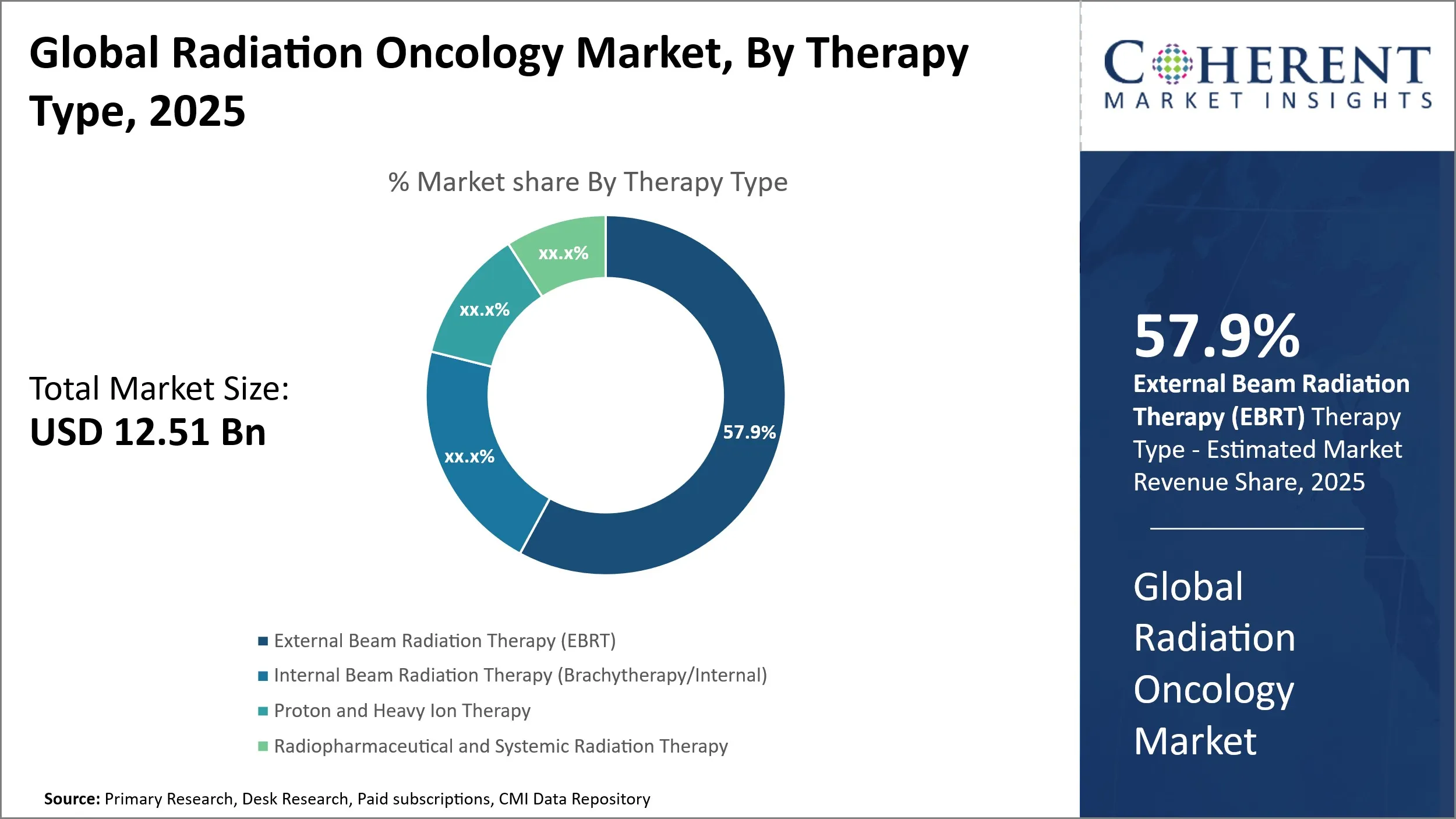
Considering therapy type, External Beam Radiation Therapy (EBRT) is expected to hold the largest market share of 58.9% in 2026, because of its high precision, adaptability, and widespread clinical use. EBRT is still the mainstay of radiation oncology due to its non-invasive nature, which allows directing of the radiate to various tumor types, thus treating localized and some advanced cancers.
The development of technology in beam delivery systems has considerably improved the accuracy of treatment, allowing oncologists to precisely aim at the tumor with the least destructiveness of the adjacent healthy tissue. This high accuracy has resulted in a lesser number of side effects and better patient outcomes, which has become one of the main factors for its extensive use.
Radiation Oncology Market Insights, By Technology - 3D Conformal Radiotherapy (3D ‑CRT) Leading Technological Adoption Due to Enhanced Tumor Targeting
In the case of technology, 3D Conformal Radiotherapy (3D‑CRT) leads with the highest market share of 26.4% in 2026, due to its early adoption, high technicality, and tumor-targeting efficiency that is superior to conventional radiation therapies. 3D-CRT makes use of the latest imaging methods to render three-dimensional images of the tumor and its surrounding area, thus the radiation beams can be accurately designed to fit the shape of the tumor.
In September 2026, Stony Brook Cancer Center, a leading academic medical center, highlighted advancements in radiation oncology. The center utilizes 3D Conformal Radiation Therapy, which creates precise treatment plans by mapping tumors in 3D, improving tumor control while minimizing damage to healthy tissue.
Radiation Oncology Market Insights, By Application - Breast Cancer Application Leads Demand Owing to High Incidence and Treatment Advancements
On the basis of application, breast cancer occupies the largest share in the global radiation oncology market which is expected to be 33.4% share in 2026, as a result of the increasing prevalence of the disease and the development of targeted radiation therapies that improve the outcome of treatment.
Radiotherapy is essential in breast cancer management during all stages, from the treatment of early localized tumors to adjuvant therapy after surgery, thus greatly reducing the chances of recurrence and improving survival rates. The extensive use of X-ray in breast cancer treatments has reinforced its position and has thus contributed to demand for the market.
Reimbursement Challenges and Cost Burden in the Radiation Oncology Market
- Reimbursement issues in radiation oncology are becoming more challenging. The Centers for Medicare & Medicaid Services (CMS) plans to implement significant payment cuts in 2026, especially for freestanding centers, impacting radiation therapy services. These changes include stricter billing controls and limits on repeat codes, further decreasing provider revenue. These adjustments will particularly affect practices that rely on CMS payments for a substantial portion of their income.
- The financial burden is growing due to the high costs of advanced equipment and specialized staffing. With reimbursement cuts potentially reaching 40%, many practices, particularly smaller ones, may face financial distress. These pressures could lead to closures or consolidation, as practices struggle to cover operational costs amid reduced fees and increasing regulatory demands. This could disrupt the availability of services for patients and increase reliance on larger health systems.
Regional Insights
North America Radiation Oncology Market Analysis and Trends
The radiation oncology market in North America, leading with a share of 38.5% in 2026, is primarily determined by a well-developed healthcare system, heavy capital investments in modern medical technologies, and the presence of major players in the industry. The governments in this region back the policies through treatments discovery and innovation, as well as through reimbursement schemes that allow the use of new solutions in radiation therapy.
In September 2026, UPMC Hillman Cancer Center in Pennsylvania, U.S launched Surface Guided Radiation Therapy (SGRT). SGRT uses advanced cameras and sensors to track skin contours, ensuring precise radiation delivery. This technology minimizes radiation exposure to healthy tissue, improving treatment accuracy and patient comfort.
Asia Pacific Radiation Oncology Market Analysis and Trends
The Asia Pacific region is the trailblazer of the radiation oncology market with a share of 24.4% in 2026, due to the increasing number of cancer patients, rapidly developing healthcare availability, and the support from the governments in terms of cancer care accessibility. The countries of the region are not only investing heavily in the latest radiation therapy machines but also in making the insurance coverage for healthcare better.
In November 2024, Australia, in partnership with the International Atomic Energy Agency (IAEA), launched a new radiation oncology project aimed at improving cancer care in the Asia-Pacific region. The project, "Strengthening Cancer Care by Training Radiation Oncology Health Professionals in Consistent and Accurate Data Collection," is led by Associate Professor Mei Ling Yap from Liverpool and Macarthur Cancer Therapy Centers.
Radiation Oncology Market Outlook for Key Countries
U.S. Radiation Oncology Market Trends
U.S. radiation oncology market is characterized by an early embrace of innovative radiation oncology technologies, along with the support of a national health insurance system, a skilled workforce, and excellent collaboration between the private and public sectors. The major players such as Varian Medical Systems and Accuray conduct extensive research and development and manufacturing activities in the U.S. focusing on next-generation technologies, including proton therapy and artificial intelligence-enabled treatment planning.
In October 2026, Unio Specialty Care, a leading provider of community-based radiation oncology in the U.S., launched the CyberKnife S7 system at its San Diego Radiation Oncology center. This advanced robotic radiosurgery platform offers faster, more precise, and comfortable cancer treatment.
Germany Radiation Oncology Market Trends
The German market for radiation oncology is that of a highly developed healthcare system and strict regulations, which together lead to the employ of precise radiation therapy methods. Elekta and Siemens Healthineers, among others, compete for a market share in this region and take advantage of the well-educated labor force and the supportive environment of the country to develop and improve radiation oncology machines.
In September 2026, researchers in Germany tested a radioactive carbon ion beam (^11C) for cancer therapy. The experiment, conducted at the GSI/FAIR accelerator, marked a breakthrough in combining therapy with real-time imaging. The trial used a portable PET scanner developed by LMU Munich under the SIRMIO project, allowing real-time monitoring.
China Radiation Oncology Market Trends
China is the main driver of rapid radiation oncology growth in Asia Pacific and is backed by government healthcare initiatives which are quite substantial for the improved diagnosis and treatment facilities. The domestic and international companies are vigorously competing with each other, and at the same time Varian and Elekta are increasing their commercial presence together with local companies that are coming up. The huge investments in healthcare infrastructure and training of oncologists are making China a major market for radiation oncology technology.
In January 2026, Accuray Incorporated, a global leader in radiation therapy, announced the approval of its Radixact SynC and CyberKnife S7 Systems by the Chinese National Medical Products Administration (NMPA). These approvals expand Accuray's product portfolio in China, which already includes the Tomo C System. The CyberKnife S7 offers robotic precision, treating tumors in just 1 to 5 outpatient sessions.
Japan Radiation Oncology Market Trends
The patient's life quality is the theme of the radiation oncology in Japan market, which is directed by the highly technologically advanced cancer treatment solutions and the use of less invasive radiation therapies that are less painful. The presence of manufacturers consists of the big names like Hitachi and Varian, who are working closely with the government to establish complex systems such as particle therapy.
In July 2026, Hitachi High-Tech Corporation announced receiving an order from the Tokyo Metropolitan Hospital Organization for a proton therapy system to be installed at the Tokyo Metropolitan Cancer and Infectious Diseases Center Komagome Hospital.
Global Radiation Oncology Capacity: Linear Accelerators (LINACs) and Proton Therapy Centers
Metric | Figure | Notes / Context |
Number of medical linear accelerators (LINACs) installed globally | > 14,000 units worldwide | Includes high‑income and emerging markets; installation growth driven by rising cancer incidence. |
Regional split – LINACs (approximate) | North America: ~4,500 units; Europe: >3,000 units | Asia‑Pacific is adding ~500+ new units/year. |
Guideline benchmark | ~1 LINAC per 80,000‑250,000 population in high‑resource countries (or ~7 machines per million population) | Many low‑ and middle‑income countries fall far below this benchmark. |
Number of operational proton therapy centers | Over 100 proton‑therapy centers globally | Indicates the more advanced/ specialized treatment capacity. |
Number of planned or under‑construction proton therapy centers | > 60 centers in construction/planned worldwide | Future capacity expansion in this high‑cost segment. |
Market Players, Key Developments, and Competitive Intelligence
Key Developments
- In October 2025, ShardaCare Healthcity launched its advanced High-Dose-Rate (HDR) Brachytherapy Unit to deliver precision-driven, patient-centric cancer care. HDR Brachytherapy, manufactured by Varian (formerly Nucleotron), utilizes Iridium-192 to directly target tumors, minimizing harm to surrounding healthy tissues. This method offers a significant advantage over traditional External Beam Radiotherapy (EBRT), especially for gynaecological cancers like cervical cancer, where organs like the bladder and rectum are at risk.
- In September 2025, Accuray Incorporated, a leader in radiation therapy technology, launched the Accuray Stellar Solution, designed to advance adaptive radiotherapy. This all-in-one solution empowers clinical teams to deliver personalized care, improving treatment for various cancers, including breast, prostate, and lung. Accuray Stellar integrates adaptive technologies, such as Synchrony motion tracking and PreciseART adaptive protocols, to ensure precise radiation delivery.
- In April 2025, ZEISS Medical Technology, a global leader in optical and medical technology, reaffirmed its commitment to advancing modern oncology with the FDA’s 510(k) clearance of its INTRABEAM 700 system. This next-generation platform, designed for intraoperative radiation therapy (IORT), delivers robotic-assisted precision. Featuring a digital-first design, the INTRABEAM 700 streamlines workflows and enhances connectivity, delivering significant clinical value in neuro-oncology and breast cancer treatment.
- In October 2024, Aster DM Healthcare, one of India’s largest integrated healthcare companies, introduced India’s first Intra-Operative Electron Radiation Therapy (IOeRT) for cancer care. This state-of-the-art technology, now available at Aster International Institute of Oncology (AIIO) in Bengaluru, delivers concentrated radiation during surgery, reducing the need for multiple post-op sessions.
Top Strategies Followed by Global Radiation Oncology Market Players
- The players in this market have a great deal of resources which they devote to R&D (Research and Development) for innovating and optimizing the equipment for radiation therapy that is up to the highest standards. The R&D focus does not only lead to improvements in the areas of treatment efficacy and accuracy but also provides with a possibility of being different from others in the market. Apart from that, these top companies often enter into strategic alliances with the key stakeholders in the industry, such as OEMs (original equipment manufacturers), to develop advanced solutions together and to unite the technologies which are complementary.
- In March 2024, AstraZeneca, a major global biopharmaceutical company, announced a definitive agreement to acquire Fusion Pharmaceuticals Inc., a clinical-stage biopharmaceutical company focused on developing next-generation radioconjugates (RCs). This acquisition represents a significant advancement in AstraZeneca’s mission to revolutionize cancer care by shifting from traditional therapies such as chemotherapy and radiotherapy to more precise, targeted treatment approaches.
- The radiation oncology market, mid-level companies choose a different route and build their own strategies around the delivery of dependable, cost-effective solutions. Their main selling point is the price since some customers are more sensitive to price than others and hence the company tries to offer both quality and affordability in the same breath, thus allowing the majority, especially those in developing countries, to experience the benefits of radiation therapy.
- Varian Medical Systems is one company that exemplifies this approach as it has adapted some of its products to suit the needs of poor countries mainly in Asia Pacific and Africa. Their TrueBeam system is an economical and excellent option for cancer treatment using radiation thus making it possible for many health facilities around the world, especially in the emerging markets, to offer advanced treatments that are not confined only to the rich countries.
- Small-sized companies in the radiation oncology market do not have much competition and therefore try to create a specific market that their product can serve. They offer innovative or highly specialized products that are tailored to meet the clinical or operational needs of the particular market they are serving. Moreover, the companies usually adopt costly, but very powerful, technologies like AI-driven treatment planning or compact and portable devices for their operations to keep them competitive even with limited financial resources.
- One of the small companies, ViewRay, offers high-end and very specialized products while still being innovative. For example, ViewRay's MRIdian system, using real-time MRI imaging with radiation therapy is not only very modern but also covers some of the specific clinical needs such as the precision of radiation treatment planning.
Market Report Scope
Global Radiation Oncology Market Report Coverage
| Report Coverage | Details | ||
|---|---|---|---|
| Base Year: | 2025 | Market Size in 2026: | USD 13.94 Bn |
| Historical Data for: | 2020 To 2024 | Forecast Period: | 2026 To 2033 |
| Forecast Period 2026 to 2033 CAGR: | 11.4% | 2033 Value Projection: | USD 29.67 Bn |
| Geographies covered: |
| ||
| Segments covered: |
| ||
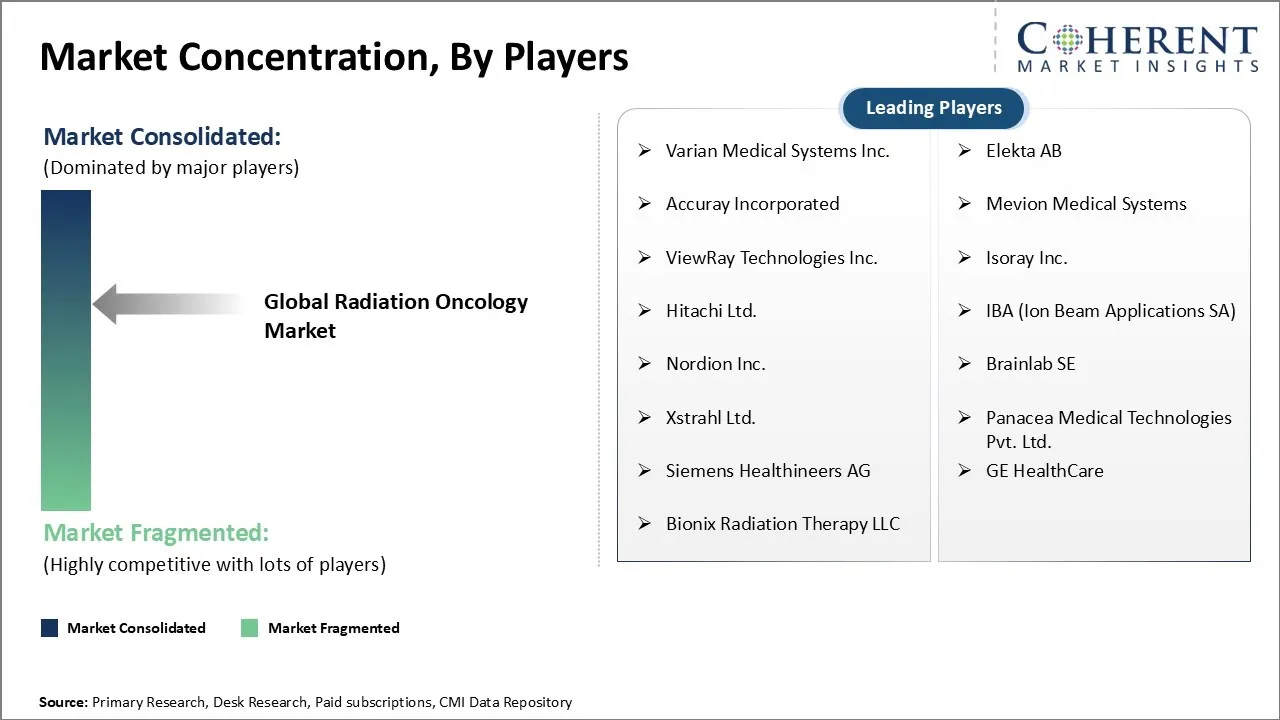
| Companies covered: | Varian Medical Systems Inc., Elekta AB, Accuray Incorporated, Mevion Medical Systems, ViewRay Technologies Inc., Isoray Inc., Hitachi Ltd., IBA (Ion Beam Applications SA), Nordion Inc., Brainlab SE, Xstrahl Ltd., Panacea Medical Technologies Pvt. Ltd., Siemens Healthineers AG, GE HealthCare, and Bionix Radiation Therapy LLC | ||
| Growth Drivers: |
| ||
| Restraints & Challenges: |
| ||
Radiation Oncology Market Dynamics
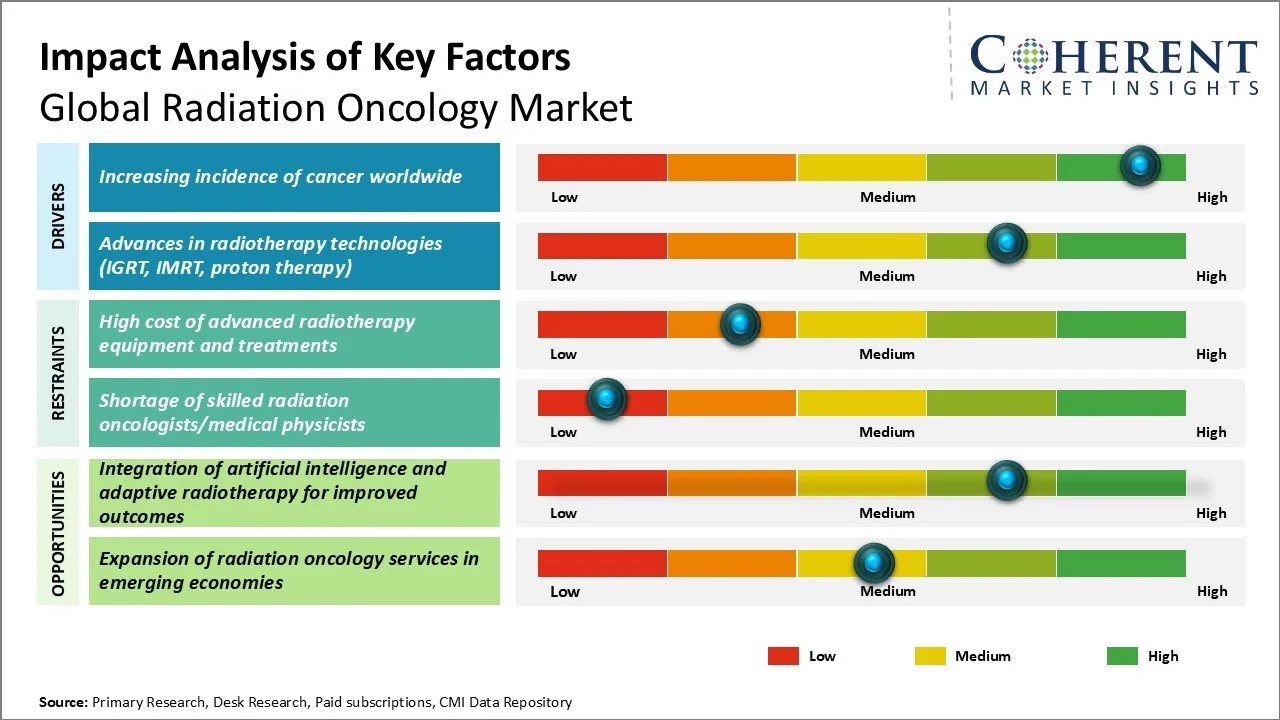
Radiation Oncology Market Driver - Increasing Incidence of Cancer Worldwide
The increasing incidence of cancer worldwide is still a major reason that the demand for new radiation oncology technologies is being pushed forward. The changes in the way of life, the aging of the population, and the environment are the main factors for the increase in the number of cancer cases, so the healthcare systems are gradually forced to look for effective and precise treatment options. Radiation oncology that is the mainstay of cancer treatment offers a variety of treatment modalities but the targeted treatment that causes lesser damage to the surrounding normal tissues is gaining more preference from both physicians and patients. Moreover, the multitude of cancer types and stages diagnosed has increased the demand for advanced radiotherapy technologies that can manage intricate tumor profiles.
In February 2025, according to WHO, cancer remains a leading global cause of death, accounting for nearly 10 million deaths in 2020. The most common cancers in 2020 were breast (2.26 million cases), lung (2.21 million cases), colon and rectum (1.93 million cases), prostate (1.41 million cases), skin (non-melanoma) (1.20 million cases), and stomach (1.09 million cases). Tobacco use, alcohol, obesity, poor diet, and physical inactivity contribute to one-third of cancer deaths. Cancer-causing infections, such as HPV and hepatitis, account for 30% of cancer cases in low- and lower-middle-income countries. Early detection and treatment can cure many cancers. The radiation oncology market continues to grow, with innovations improving early diagnosis and treatment outcomes.
Radiation Oncology Market Opportunity - Integration of Artificial Intelligence and Adaptive Radiotherapy for Improved Outcomes
Combination of artificial intelligence with adaptive radiation therapy creates a very promising opportunity for the global radiation oncology market to grow. The use of AI in radiotherapy leads to improved detection of the tumor by their algorithm, accurate targeting of the tumor, and even instant changes in the treatment based on real-time analysis, resulting in person-specific and more effective therapies. The adaptive radiotherapy which alters the treatment plan according to the specific anatomical and biological changes of the patient that happen during the therapy course, is really benefiting from AI's skills in data handling and predictive analytics. This collaboration makes it possible to have higher doses being delivered to the tumor while at the same time lower exposure of the normal tissues and organs thus giving rise to fewer side effects and better patient quality of life.
In September 2025, Philips, a global leader in health technology, introduced new advancements in radiation oncology at ASTRO. The company launched the Philips Rembra RT and Areta RT CT platforms, designed to improve speed and precision in radiation therapy. These systems offer ultra-fast imaging and enhanced tumor visualization for better treatment planning. Philips also unveiled the helium-free BlueSeal RT 1.5T MR system with AI-powered SmartSpeed Precise, advancing sustainable magnetic resonance (MR) in oncology.
Analyst Opinion (Expert Opinion)
- As a result of advancements in technology, like proton therapy and IGRT, which have all made cancer treatment easier, more accurate, and less painful for patients, the radiation oncology market is on the fast track to podium! Moreover, besides the booming cancer cases, the general and the medical public demand for less invasive procedures have become more vocal and have added their weight to the upward pull. Nevertheless, the market still grapples with barriers, such as the exorbitant treatment prices and the limited availability of facilities in underdeveloped areas.
- A series of congresses, including that of the American Society for Radiation Oncology (ASTRO), have been significant in the worldwide exchange of ideas and setting of policies. Upcoming projects, such as the establishment of government-sponsored proton therapy centers and the allocation of funds for widening the scope of oncology services in developing countries, are very likely to have a positive impact on the market, hence making it easier for the future growth to come.
Speak to the analyst
Want personalized insights?
Take the findings above to one of our principal consultants, or have the report rebuilt around the segments, geographies and competitors you actually track.
Market Segmentation
- Therapy Type Insights (Revenue, USD Bn, 2021 - 2033)
- External Beam Radiation Therapy (EBRT)
- Internal Beam Radiation Therapy (Brachytherapy/Internal)
- Proton and Heavy‑Ion Therapy
- Radiopharmaceutical and Systemic Radiation Therapy
- Technology Insights (Revenue, USD Bn, 2021 - 2033)
- 3D Conformal Radiotherapy (3D‑CRT)
- Intensity‑Modulated Radiotherapy (IMRT)
- Volumetric Modulated Arc Therapy (VMAT)
- Image‑Guided Radiotherapy (IGRT)
- Stereotactic Radiotherapy (SRS/SBRT)
- High‑Dose‑Rate (HDR)/Low‑Dose‑Rate (LDR) Brachytherapy
- Adaptive Radiotherapy/Real‑Time Tumor Tracking
- Application Insights (Revenue, USD Bn, 2021 - 2033)
- Breast Cancer
- Lung Cancer
- Prostate Cancer
- Head and Neck Cancer
- Colorectal Cancer
- Gynecologic Cancers
- Other Cancers (e.g., skin, brain, pancreas, rare tumors)
- End User Insights (Revenue, USD Bn, 2021 - 2033)
- Hospitals (Cancer/Radiation Therapy Departments)
- Dedicated Oncology and Radiotherapy Centers
- Ambulatory/Outpatient Radiotherapy Clinics
- Research and University Institutes
- Regional Insights (Revenue, USD Bn, 2021 - 2033)
- North America
- U.S.
- Canada
- Latin America
- Brazil
- Argentina
- Mexico
- Rest of Latin America
- Europe
- Germany
- U.K.
- Spain
- France
- Italy
- Russia
- Rest of Europe
- Asia Pacific
- China
- India
- Japan
- Australia
- South Korea
- ASEAN
- Rest of Asia Pacific
- Middle East
- GCC Countries
- Israel
- Rest of Middle East
- Africa
- South Africa
- North Africa
- Central Africa
- North America
- Key Players Insights
- Varian Medical Systems Inc.
- Elekta AB
- Accuray Incorporated
- Mevion Medical Systems
- ViewRay Technologies Inc.
- Isoray Inc.
- Hitachi Ltd.
- IBA (Ion Beam Applications SA)
- Nordion Inc.
- Brainlab SE
- Xstrahl Ltd.
- Panacea Medical Technologies Pvt. Ltd.
- Siemens Healthineers AG
- GE HealthCare
- Bionix Radiation Therapy LLC
Sources
Primary Research Interviews
Industry Stakeholders list
- Varian Medical Systems (executive interview)
- Elekta AB (R&D leadership discussion)
- Accuray Incorporated (senior management testimony)
- IBA (Ion Beam Applications SA) (business development head insight)
- Panacea Medical Technologies Pvt. Ltd. (CEO interview)
- Nordion Inc. (regional head interview)
End-users list
- Major hospital radiotherapy department head
- National cancer center director
- Outpatient radiotherapy clinic administrator
- Government hospital oncology programme manager
- Veteran radiation oncologist in private practice
- Medical physicist working in a large teaching hospital
Government and International Databases
- International Atomic Energy Agency (IAEA) DIRAC database on radiotherapy capacity
- Organization for Economic Co‑operation and Development (OECD) “Radiotherapy equipment” indicator
- U.S. Centers for Medicare & Medicaid Services (CMS) Radiation Oncology Model documentation
- American College of Surgeons (ACS) National Cancer Database (NCDB) registry data
- European Organization for Research and Treatment of Cancer (EORTC) radiotherapy‑trial repository
- National health ministry/data portal (e.g., India’s AERB e‑licensing)
Trade Publications
- Imaging Technology News (ITN) covering radiation oncology equipment trends
- Medical Imaging & Radiation Oncology News magazine
- Radiotherapy Today (industry magazine)
- Oncology Technology Review (specialized trade publication)
- HealthTech Insight – Radiotherapy edition
- Radiation Oncology Business & Strategy magazine
Academic Journals
- Radiation Oncology journal
- International Journal of Radiation Oncology, Biology, Physics (IJROBP)
- Radiotherapy & Oncology (“The Green Journal”)
- Journal of Medical Imaging and Radiation Oncology
- Frontiers in Oncology – Radiation Oncology Section
- Acta Oncologica
Reputable Newspapers & Press
- The Times of India – oncology access story
- The New York Times – cancer‑tech investment coverage
- The Guardian – global healthcare equipment reports
- Financial Times – med‑tech industry analysis
- The Hindu – India healthcare infrastructure news
- Reuters Health – radiotherapy industry updates
Industry Associations
- American Society for Radiation Oncology (ASTRO)
- European Society for Radiotherapy and Oncology (ESTRO)
- Global Coalition for Radiotherapy (GCR)
- International Radiation Protection Association (IRPA)
- American Radium Society
- European Association of Nuclear Medicine (EANM)
Public Domain Resources
- IAEA publication “Radiotherapy in Cancer Care: Facing the Global Challenge”
- National radiotherapy capacity reports (e.g., IAEA/World Health Organization country profiles)
- Government regulation portals (e.g., India AERB eLORA)
- Open‑access datasets (e.g., NCDB public tools)
- Published trial registries (e.g., EORTC database)
- Public health statistics portals (cancer incidence/prevalence by region)
Proprietary Elements
- CMI Data Analytics Tool: Proprietary analytics tool to analyze real-time market trends, consumer behavior, and technology adoption in market
- Proprietary CMI Existing Repository of Information for Last 8 Years
Get access to 250+ pages report
Every segment, forecast, competitor profile and data table behind the analysis above — available for instant download.
- ESOMAR Member
- ISO 9001:2015 Certified
- D-U-N-S Registered
- GDPR & CCPA Compliant
Missing comfort of reading report in your local language? Find your preferred language:
Transform your Strategy with Exclusive Trending Reports
Frequently Asked Questions
The global radiation oncology is estimated to be valued at USD 13.94 Bn in 2026 and is expected to reach USD 29.67 Bn by 2033.
The CAGR of the global radiation oncology market is projected to be 11.4% from 2026 to 2033.
Increasing incidence of cancer worldwide and advances in radiotherapy technologies (IGRT, IMRT, proton therapy) are the major factors driving the growth of the global radiation oncology market.
High cost of advanced radiotherapy equipment and treatments and shortage of skilled radiation oncologists/medical physicists are the major factors hampering the growth of the global radiation oncology market.
In terms of therapy type, the External Beam Radiation Therapy (EBRT) is estimated to dominate the market revenue share in 2026.
Varian Medical Systems Inc., Elekta AB, Accuray Incorporated, Mevion Medical Systems, ViewRay Technologies Inc., Isoray Inc., Hitachi Ltd., IBA (Ion Beam Applications SA), Nordion Inc., Brainlab SE, Xstrahl Ltd., Panacea Medical Technologies Pvt. Ltd., Siemens Healthineers AG, GE HealthCare, and Bionix Radiation Therapy LLC are the major players.
North America is expected to lead the global radiation oncology market in 2026.