

Global Vitamin B6 Market Size and Forecast – 2026-2033
The global vitamin B6 market is expected to grow from USD 412.6 Mn in 2026 to USD 628.4 Mn by 2033, registering a compound annual growth rate (CAGR) of 6.2% from 2026 to 2033. The market for vitamin B6 is poised for significant expansion, fueled by the growing prevalence of micronutrient deficiencies and rising government focus on nutritional health programs worldwide
According to the Micronutrient Forum, 1 in 2 pre-school aged children and 2 of 3 women of reproductive age worldwide have at least one micronutrient deficiency. The regional prevalence levels are the highest in South Asia and Sub-Saharan Africa, while significant deficiency levels are also reported in high-income countries affecting 1 in 2 women in the U.K. and 1 in 3 women in the U.S.
(Source: Micronutrient Forum)
Key Takeaways of the Global Vitamin B6 Market
- Pyridoxine hydrochloride is projected to hold 68.4 % of the global vitamin B6 market share in 2026, making it the dominant product type segment, with high penetration in Europe, since the producers of medicinal and medical nutritional supplements in Europe make extensive use of pyridoxine hydrochloride in their standardized formulas. The practice of regulating nutrient dosages in clinical formulas remains a key factor in sustaining high consumption levels of vitamin B6 in the region. For instance, European Medicines Agency oversees the regulation of vitamin-based medicines and nutrition supplements marketed across the European Union. (Source: European Medicines Agency)
- Synthetic is projected to hold 72.4 % of the global vitamin B6 market share in 2026, making it the dominant source segment, with strong presence in the Asia Pacific region because of the clustering of industrial complexes for the manufacture of vitamins as well as the production facilities for bulk nutrients. Manufacturers in the region have been increasingly producing synthetic vitamin B6 compounds for use in the manufacture of medications and food additives. For instance, China Chamber of Commerce for Import and Export of Medicines and Health Products emphasizes increasing exports of vitamins and nutritional from China's health care manufacturing industry. (Source: eMedEvents Corporation)
- Powder is projected to hold 48.6 % of the global vitamin B6 market share in 2026, making it the dominant form segment, with substantial use in North America because of the emphasis on fortifying staple foods and adding powdered micronutrients for overcoming nutritional deficiencies that are prevalent in the area. The powdered form of vitamins is extensively used in flour fortification and nutritional premix processes owing to their ability to facilitate effective mixing within staple foods. For instance, PAHO Micronutrient Programs provides information on regional micronutrient fortification and vitamin supplementation programs in North America. (Source: Pan American Health Organization)
- North America maintains dominance with an estimated share of 35.8 % in 2026, facilitated by the robust demand for specialized nutritional items and sophisticated dietary supplement formulas. In the U.S., the continued trend is towards the rising commercialization of active vitamin B6 supplements in relation to neurological, pregnancy, and metabolic health applications. For instance, National Institutes of Health has continued to provide clinical information about the importance of vitamin B6 in promoting good immune system response, neurotransmitter synthesis, and mental performance. This helps to promote the consumption of B6 supplements among people in North America. (Source: National Institutes of Health)
- Asia Pacific is expected to exhibit the fastest growth with an estimated contribution of 21.8 % share in 2026, driven by growing investments made towards food fortification and preventive nutrition initiatives in China, India, and Southeast Asia. The market is experiencing significant growth in the sale of fortified staples, nutrient drinks, and health supplements from pharmacies containing vitamin B6. For instance, the Food Safety and Standards Authority of India continues to promote food fortification efforts through national nutrition programs, recommending increased use of vitamin B6 in fortified food products across India. (Source: Food Safety and Standards Authority of India)
- Increasing Integration of Vitamin B6 in Women’s Hormonal Health Formulations: Vitamin B6 is attracting attention within the sphere of health supplements that target hormonal health, menstrual health, maternal nutrition, and menopausal health in women. Health supplement companies are finding it more advantageous to include vitamin B6 in their compound health products designed for managing mood disorders, fatigue, and metabolism among other areas. This niche application area is creating new commercial opportunities within premium wellness and gender-specific nutraceutical categories.
- Growing Utilization of Vitamin B6 in Medical Foods and Specialized Clinical Nutrition: The utilization of vitamin B6 in medical foods and specific nutritional products intended for individuals with metabolism disorders, malabsorption disorders, and neurological disorders is gaining traction. There are more developments by clinical nutrition manufacturers who create specific mixes of vitamin B6-based nutritional supplements for hospital food programs as well as for the use in dietary management therapies.
Segmental Insights
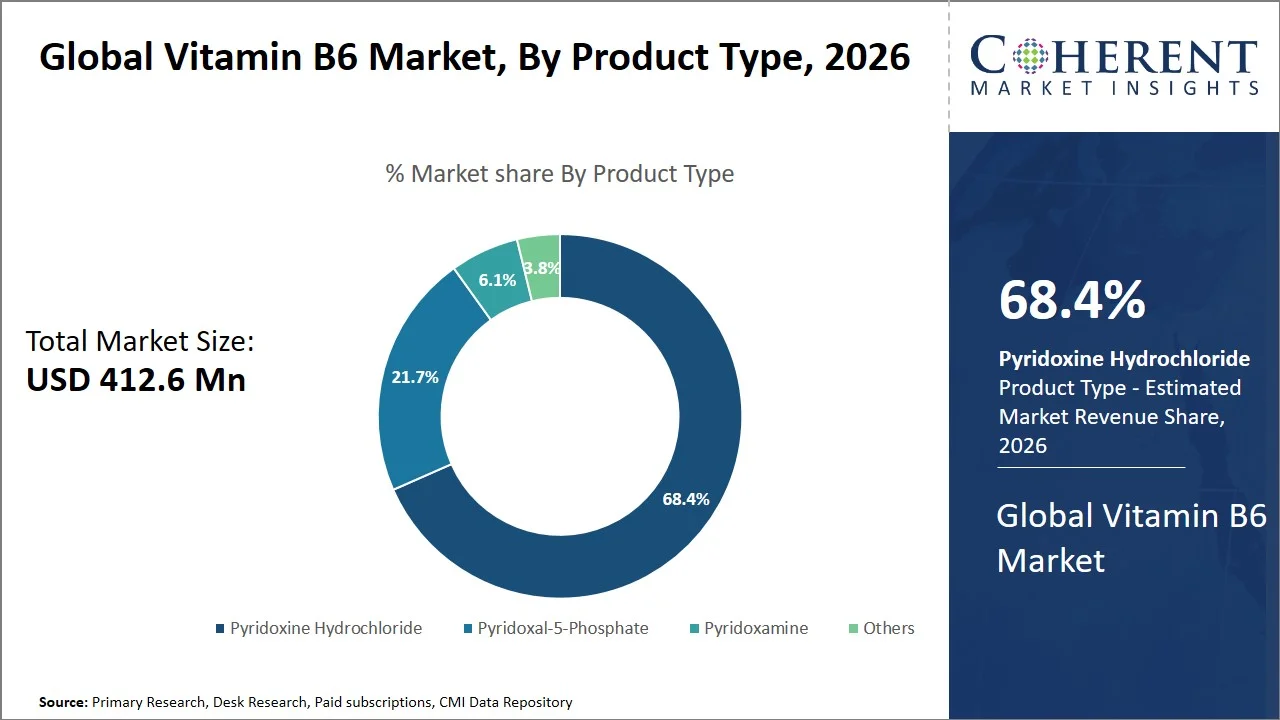
Why Does the Pyridoxine Hydrochloride Segment Dominate the Global Vitamin B6 Market?
Pyridoxine hydrochloride is projected to hold a market share of 68.4% in 2026, owing to its highly versatile properties as well as compatibility with a wide range of end use sectors. Pyridoxine hydrochloride has a widespread application in dry powder blends, tablets, capsules, fortified cereals, drink mixes, and even injections owing to its high thermal stability. Pyridoxine hydrochloride is preferred by manufacturers for bulk production purposes due to the ability to provide standardized doses and ensure that the nutrients are stable during the food production process and storage period. It has an established regulatory approval in most countries of the world including the U.S., Japan, China, and India, and thus allows for ease of incorporation into nutritional and therapeutic products. For instance, pyridoxine hydrochloride portfolio by Jubilant Ingrevia showcases the application of pyridoxine hydrochloride in human nutrition, pharmaceutical, and animal feed sectors, emphasizing the versatility and wide-scale use of the compound. (Source: Jubilant Ingrevia)
- Current Industry Events of 2026
- Market Size Estimation
- Regional Breakdown
- Competitive Landscape
- Customer Intelligence
- Segmental Analysis
- Pricing Analysis
- Key Market Drivers, Challenges & Future Trends
- Customized Insights Section
Why Does Synthetic Represent the Largest Source Segment in the Global Vitamin B6 Market?
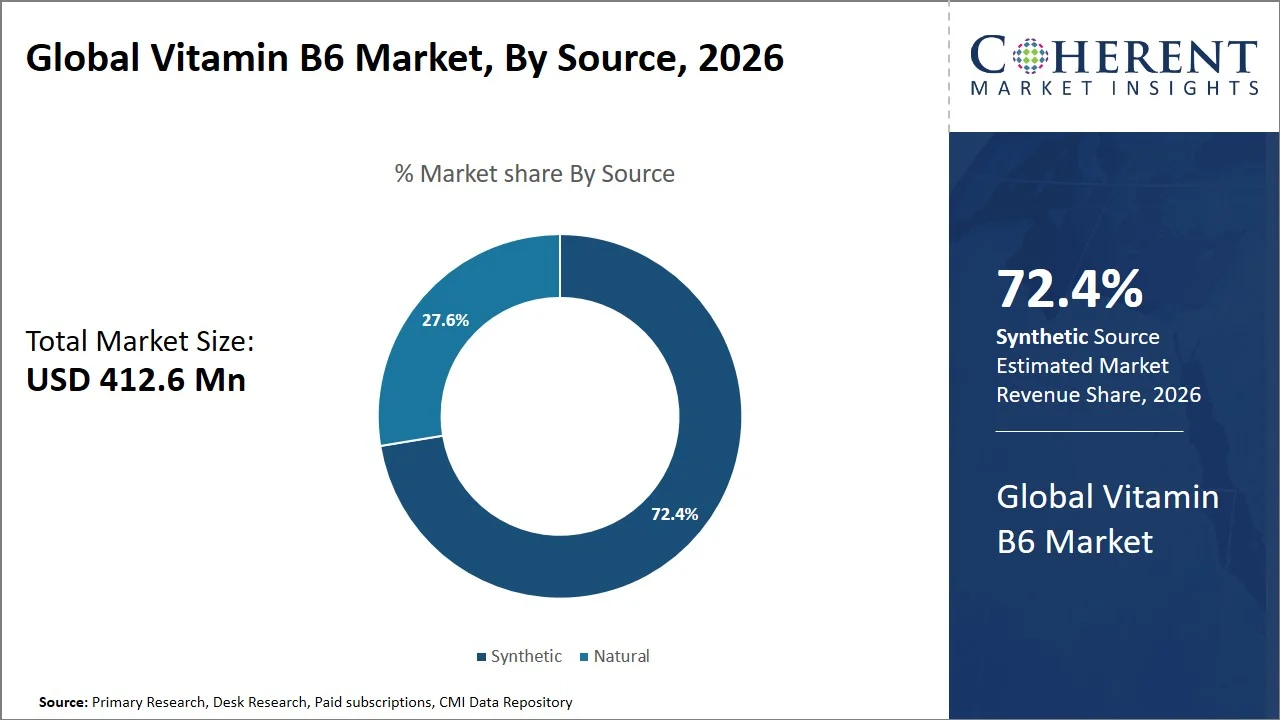
Synthetic is projected to hold a market share of 72.4% in 2026, attributed to the provision of uniform nutrient concentration during its large-scale manufacturing process. Manufacturers have found that using synthetic vitamin B6 in nutritional and pharmaceutical preparations provides them the facility of dosage formulation along with effective bulk manufacturing. The segment further enjoys the advantage of high industrial scalability and consistent availability round the year. Synthetic vitamin B6 also shows greater compatibility during processing for tablet, capsule, powder mixes, and fortification of beverages that are mass-produced. For instance, BASF Human Nutrition Vitamins Portfolio contains industrially produced synthetic vitamin ingredients used for nutritional and pharmaceutical purposes, reflecting the widespread industrial use of synthetic vitamin products in the global market. (Source: BASF)
Powder Segment Dominates the Global Vitamin B6 Market
The powder segment is projected to hold a market share of 48.6% in 2026, due to its numerous applications such as being used in food supplements, food fortification products, medicines, and animal feed premixes. Being in powder form provides excellent properties of mixing, which makes it the best choice for various applications in industries. Moreover, the powder form of vitamin B6 offers excellent stability as well as easy transportability, thereby enhancing its shelf life.
Furthermore, powdered products enable accurate nutrient dosage in multivitamins, dietary beverages, and feeds, enhancing their market penetration through a wide range of applications. For instance, Jubilant Ingrevia’s pyridoxine hydrochloride powder provides formulations of vitamin B6 powder for pharmaceuticals, nutrition, and animal feed, emphasizing the widespread industrial demand for vitamin B6 powders. (Source: Jubilant Ingrevia)
Currents Events and their Impact
Current Events | Description and its Impact |
European Union Move Toward Harmonized Maximum Vitamin Levels in Food Supplements (January 2026) |
|
FDA Expansion of Food Labeling and Dietary Supplement Compliance Framework (January 2025) |
|
(Source: BAV Institute, Food and Drug Administration
Global Vitamin B6 Market Dynamics
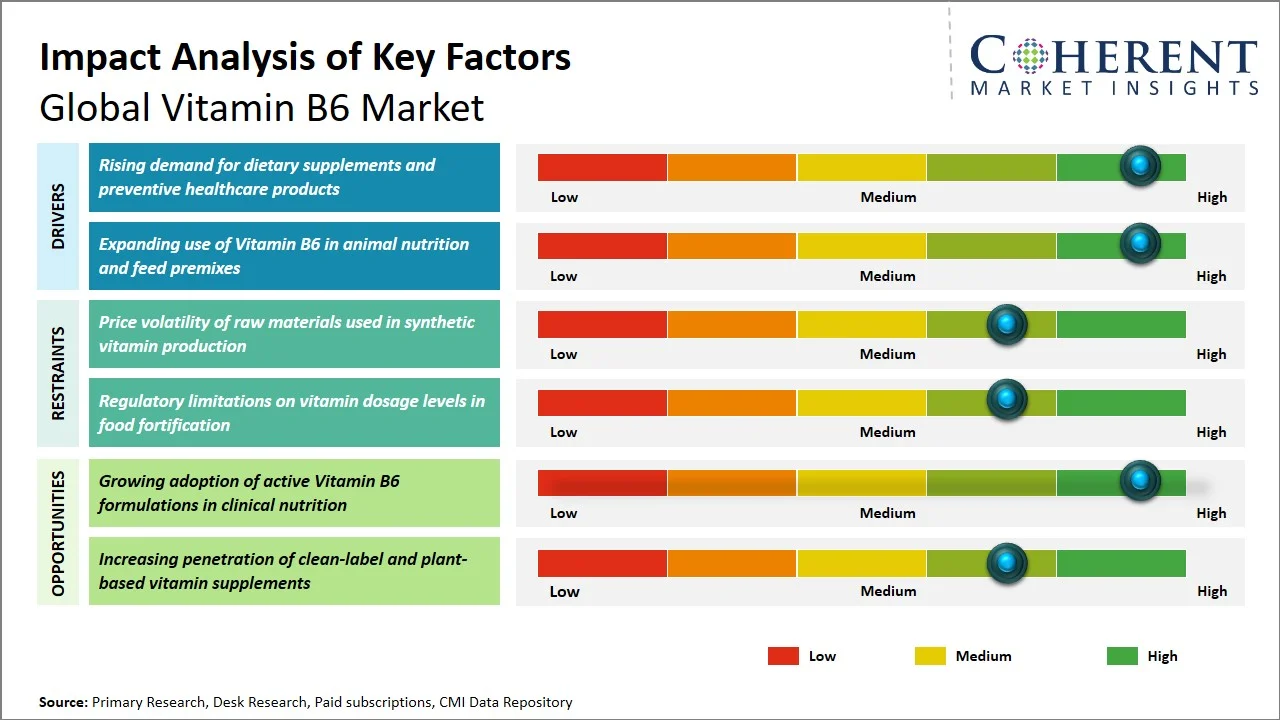
Market Drivers
- Rising demand for dietary supplements and preventive healthcare products: The growing consumer focus on immunity, metabolic health, mental function, and overall nutritional health results in the higher intake of supplements and foods that are enriched with vitamins. Due to the wide range of health benefits provided by vitamin B6, such as metabolism of amino acids, neurotransmitter production, and immunity boost, the vitamin has become popularly used in multivitamin preparations, prenatal supplements, sports nutrition products, and fortified beverages. Moreover, rising consumer inclination towards preventive and self-nutrition solutions are prompting manufacturers to offer more vitamin-based products across both retail and online channels. For instance, the supplements from Nature Made for Vitamin B6 aim to promote nervous system functioning and energy metabolism, illustrating the growing trend of commercializing preventative nutrition products within the world of dietary supplements. (Source: Nature Made)
- Expanding use of Vitamin B6 in animal nutrition and feed premixes: Vitamin B6 has diverse uses in the preparation of animal feed formulations, which include use in poultry, swine, aqua farming, and livestock to improve protein metabolism, immunization, growth performance, and overall animal health. The ever-increasing requirement for high-quality animal protein products coupled with the demand for feed efficiency has necessitated the inclusion of feed mixes containing vitamins by the animal feed manufacturing industry in their animal nutrition products. Moreover, the adoption of industrial methods of raising animals as well as scientifically formulated feed additives has led to an increase in the use of vitamin B6 in animal nutrition. For instance, Adisseo Vitamin Nutrition Solutions supplies feed nutritional supplements based on vitamins to enhance animal health and performance, underscoring the growing use of vitamins, such as vitamin B6, in the global feed additives market. (Source: Adisseo Vitamin Nutrition Solutions)
Emerging Trends
- Rising Demand for Active and Bioavailable Vitamin B6 Forms: Manufacturers are showing increased interest in vitamin B6 forms that are highly bioavailable, such as Pyridoxal-5-Phosphate (P5P), because of the superior absorption rates of these vitamins in clinical applications of therapeutic nutrition. Such vitamins have been increasingly popular in the production of supplements for cognitive health, metabolic health, maternal nutrition, and neurological health, particularly within premium nutraceutical product portfolios.
- Expansion of Vitamin B6 in Functional Foods and Clean-Label Nutrition Products: There has been a rise in the use of Vitamin B6 in functional drinks, fortifying snacks, protein supplement products, and health-focused foods because consumers are favoring preventive nutrition approaches more. Clean label products with natural positioning have become an important trend, as companies are increasingly responding to the changing demands of consumers.
Regional Insights
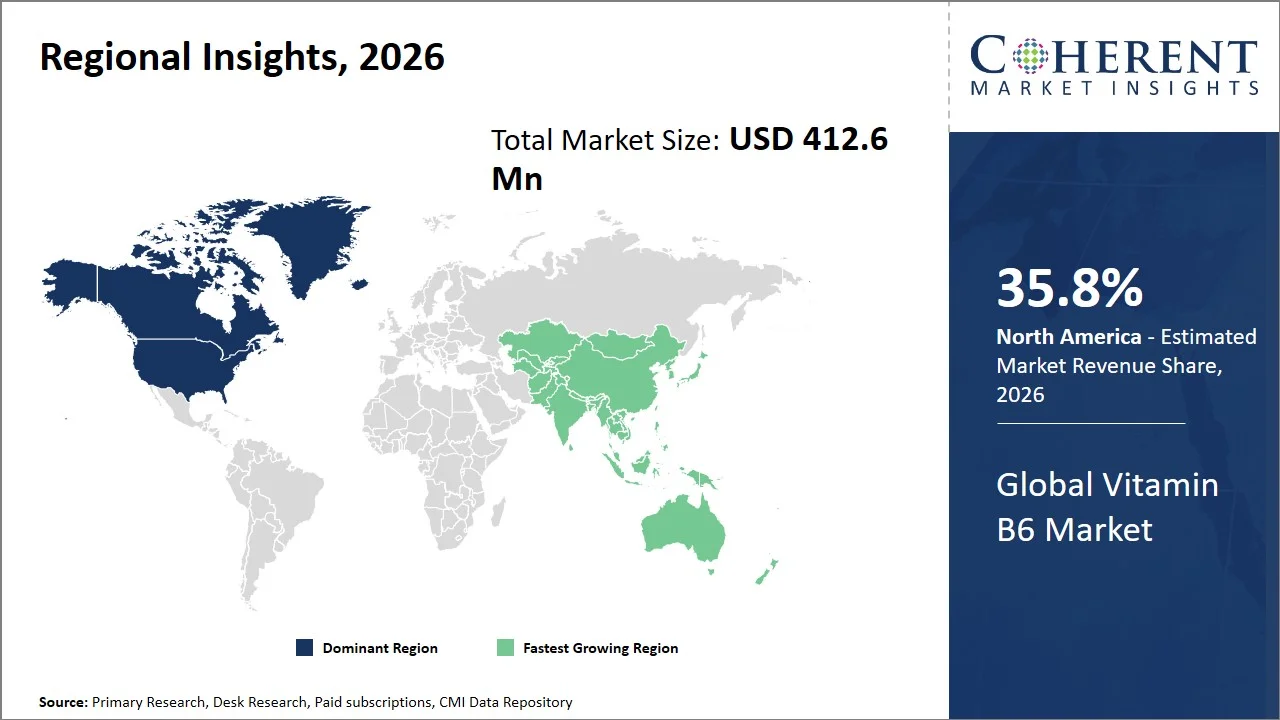
Why is North America a Strong Market for Vitamin B6?
North America leads the global vitamin B6 market, accounting for an estimated 35.8% share in 2026, owing to the highly developed market for dietary supplements within the region and the growth in the commercialization of nutritional products for conditions. Within the U.S. and Canada, producers of dietary supplements have been working towards including vitamin B6 into more advanced formulas catering to cognition, metabolism, sports nutrition, prenatal care, and energy.
The innovation in this region has led to fortified functional foods as well as highly purified ingredients of vitamins for pharmaceutical use. For example, dsm-firmenich provides various pharmaceutical-grade and enhanced nutrition vitamin B6 compositions, which include customized pyridoxine hydrochloride forms tailored for food fortification, nutritional supplements, and medicinal purposes, demonstrating the region's emphasis on advanced nutritional ingredient development. (Source: dsm-firmenich)
Why Does Asia Pacific Vitamin B6 Market Exhibit High Growth?
The Asia Pacific vitamin B6 market is expected to exhibit the fastest growth with an estimated contribution of 21.8% share to the market in 2026, owing to the rapid growth of the nutraceuticals industry, fortified food industry, and the preventive healthcare sector in countries like China, India, and Japan. Rising demands for energy boosters, pregnancy nutrition products, functional drinks, and immune-boosting products have prompted the manufacturers to increase vitamin B6 production and utilization.
This sector is also driven by the robust vitamin ingredient manufacturing base in the region along with investments made in the field of clinical nutrition and food fortification. For example, Zhejiang NHU Co., Ltd., a leading company in the production of vitamins in China, remains committed to increasing its range of nutrition ingredients and global supply chains, which include vitamin B6 for pharmaceutical, supplement, and animal nutrition use. (Source: Zhejiang NHU Co., Ltd.)
Global Vitamin B6 Market Outlook for Key Countries
Why is the U.S. Leading Innovation and Adoption in the Vitamin B6 Market?
The U.S. emerges as a market leader in innovation and adoption of vitamin B6 due to its highly sophisticated manufacturing base for nutraceuticals and its emphasis on the clinical positioning of dietary supplements. The vitamin B6 supplements being manufactured by companies in the region include high bioavailability formulations of Pyridoxal-5-Phosphate (P5P) that are meant for use in cognitive health, metabolic health, prenatal, and heart health among others. The market receives impetus from the fast pace of adoption of personal nutrition products and specialized condition-specific dietary supplements available at pharmacies and wellness stores. The presence of key ingredient providers, contract manufacturers, and U.S. FDA-certified production plants ensures efficient product launch and widespread availability of vitamin B6 dietary supplements.
Is Japan a Favorable Market for Vitamin B6?
The market of vitamin B6 in Japan appears promising owing to the country’s high demand for functional nutrition products and advanced health supplements industry. There exists a stable market in Japan for condition-specific health supplements that are aimed at supporting energy metabolism, health of nerves, fighting fatigue, and age-related disorders – the market in which vitamin B6 is used extensively. Furthermore, Japanese consumers have a clear predilection toward quality products containing scientifically proven nutritional ingredients, thereby fostering further development of premium drinks, tablets, and fortified foods containing vitamin B6. Another positive trend contributing to the market growth in Japan includes the use of vitamin formulas in convenient health products.
Is China Emerging as a Key Growth Hub for the Vitamin B6 Market?
The vitamin B6 market in China is currently experiencing significant development attributed to its well-established vitamin manufacturing facilities and growing nutritional supplement manufacturing sector. Being an active player in the production of vitamin components across the world, China is making it possible to provide cost-effective supply of vitamin B6 on a large scale. The increase in preventive healthcare products' and functional nutrition's popularity is leading to more investment by Chinese firms in their manufacturing capabilities, resulting in improved purity levels for vitamin B6 components. Additionally, the emergence of e-health commerce platforms and easy availability of locally produced health supplements is contributing significantly to the vitamin B6 market growth in the country.
Why Does Germany Top the Europe Vitamin B6 Market?
Being one of the Europe leaders in the vitamin B6 market, Germany is fueled by its advanced pharmaceuticals and nutraceuticals production capacity combined with significant consumer demand for scientifically developed nutritional supplements. The country’s well-developed functional foods and wellness sector make widespread use of vitamin B6 in their products targeting energy metabolism, brain functionality, and immune system support.
Moreover, owing to a growing trend among German producers of creating high-quality, safe, and clinically studied supplements, there have emerged innovative approaches to developing high-purity vitamin B6 supplements. Additionally, Germany benefits from a network of sophisticated ingredient suppliers and export-oriented nutraceutical manufacturers. (such as BASF SE, Queisser Pharma, Orthomol, and Dr. Wolz Zell GmbH), which support large-scale production and distribution of vitamin B6-enriched products across Europe.
Is Vitamin B6 Market Developing in India?
India is gradually establishing itself as a high-growth market for vitamin B6 because of the growing development of its local nutraceuticals industry. The use of vitamin B6 in protein shakes, pregnancy nutritional supplements, sports drinks, and immunological formulas will contribute to the wider business use of the vitamin in urban and suburban markets. Furthermore, India has started producing cost-effective vitamin blends and fortified foods that will meet the growing needs of the preventive and therapeutic healthcare sectors. Lastly, India’s flourishing pharmaceutical industry and increased availability of local dietary supplements via online retail outlets will ensure sustainable growth in the coming years.
Regulatory Landscape Governing the Global Vitamin B6 Market
Region
| Regulatory Authority | Key Regulations/Frameworks | Impact on Vitamin B6 Market |
North America | U.S. Food and Drug Administration (FDA), Health Canada | Dietary Supplement Health and Education Act (DSHEA), FDA Food Fortification Guidelines, Current Good Manufacturing Practices (cGMP) | Ensures product safety, labeling compliance, and quality standards for vitamin B6 supplements and fortified food products |
Europe | European Food Safety Authority (EFSA), European Commission | Food Supplements Directive, EFSA Nutrient Reference Values, Novel Food Regulation | Supports standardized vitamin usage limits, health claims approvals, and consumer safety across EU countries |
Asia Pacific | Food Safety and Standards Authority of India (FSSAI), National Medical Products Administration (NMPA), Japan Consumer Affairs Agency | Food Safety and Standards Regulations, Health Foods Regulations, Nutritional Fortification Standards | Encourages expansion of fortified food products and dietary supplements while strengthening quality and import regulations |
Latin America | National Health Surveillance Agency (ANVISA), COFEPRIS | Dietary Supplement and Food Fortification Regulations, Labeling Standards | Promotes regulated commercialization of vitamin supplements and supports increasing nutritional awareness initiatives |
Middle East & Africa | Saudi Food and Drug Authority (SFDA), South African Health Products Regulatory Authority (SAHPRA) | Food Supplement Regulations, Gulf Standards Organization (GSO) nutrition guidelines | Improves regulatory oversight for imported supplements and supports growth in preventive healthcare and fortified nutrition products |
How is the growing adoption of active Vitamin B6 formulations in clinical nutrition creating new growth opportunities in the global vitamin B6 market?
The use of the active vitamin B6 forms like Pyridoxal-5-Phosphate (P5P) is leading to various growth prospects in the global market for vitamin B6. With increased usage of active forms of vitamin B6 in clinical nutrition, there will be higher demand for these advanced forms of vitamin B6 from patients suffering from metabolic, nervous system, and those with poor vitamin B6 conversion ability. Increased emphasis on personalized nutrition and clinical supplementation is set to boost demand for advanced forms of vitamin B6 in hospitals, nutraceuticals, and other clinical products.
As per National Institute of Health, Pyridoxal-5-Phosphate (PLP) is the active coenzyme form of vitamin B6 that plays a role in over hundred enzymatic processes in relation to amino acid metabolism, neurotransmitter formation, and functioning of the immune system. (Source: ScienceDirect) The increased use of advanced vitamin B6 supplements to promote good brain and heart health along with metabolic functions that may present new revenue generation opportunities for vitamin B6 manufacturers.
Market Players, Key Development, and Competitive Intelligence
Key Developments
- In April 2026, Triquetra Health released the BioActive Vitamin B6, which is a unique three-factor combination of Pyridoxal-5' Phosphate (P-5-P), riboflavin, and Albion magnesium. This new product was formulated to counter some of the difficulties associated with the usual process of conversion of vitamin B6. The release of BioActive Vitamin B6 indicates the increasing attention the industry is giving to bioactive vitamins and advanced nutraceuticals.
- In November 2025, the Therapeutic Goods Administration (TGA), which operates under the Australian government, tightened up the safety rules for any medication that contains vitamin B6 to prevent possible peripheral neuropathy in patients who have been taking the medication in large quantities for a long period of time. This reform has come as a result of the increased attention paid to vitamin overconsumption and will likely affect the future development of the global vitamin B6 market.
Competitive Landscape
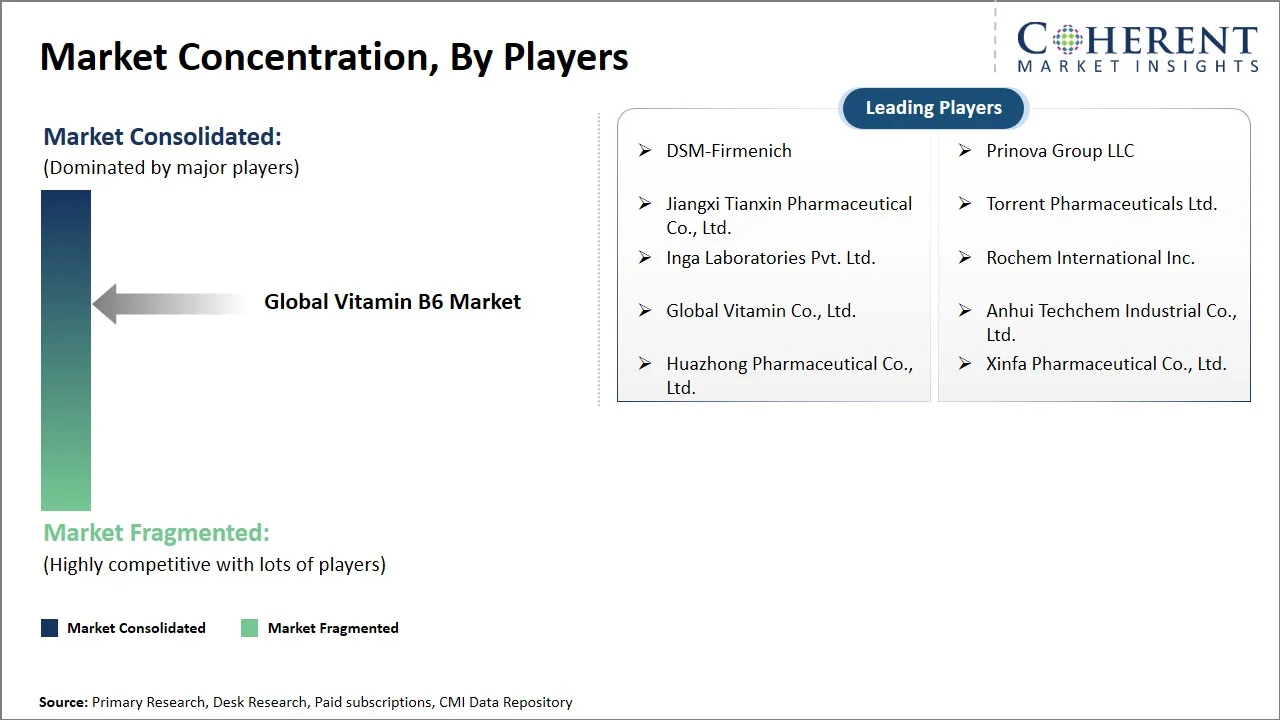
The vitamin B6 market globally is highly competitive with the presence of well-known companies from the fields of pharmaceuticals, nutraceuticals, and food ingredients working towards increasing their competitiveness by offering better quality, increasing their supply chain and innovating the formulations offered in the market. The increasing trend among companies in the vitamin B6 market has been of investment in making clean label ingredients, nutrition-based solutions, and high-quality vitamin formulations for meeting the rising demand of consumers for preventative care products. Initiatives being taken by companies in this regard include partnering with dietary supplements brand, expanding capacity for production, and making custom blends of nutrition solutions. Key focus areas include:
- Development of high-purity and bioavailable vitamin B6 formulations
- Expansion of fortified food, beverage, and dietary supplement product portfolios
- Increasing investments in clean-label and naturally sourced vitamin ingredients
- Strengthening global distribution networks and nutraceutical partnerships
- Strategic capacity expansion and focus on regulatory-compliant manufacturing practices
Market Report Scope
Vitamin B6 Market Report Coverage
| Report Coverage | Details | ||
|---|---|---|---|
| Base Year: | 2025 | Market Size in 2026: | USD 412.6 Mn |
| Historical Data for: | 2020 To 2024 | Forecast Period: | 2026 To 2033 |
| Forecast Period 2026 to 2033 CAGR: | 6.2% | 2033 Value Projection: | USD 628.4 Mn |
| Geographies covered: |
| ||
| Segments covered: |
| ||
| Companies covered: | DSM-Firmenich, Prinova Group LLC, Jiangxi Tianxin Pharmaceutical Co., Ltd., Torrent Pharmaceuticals Ltd., Inga Laboratories Pvt. Ltd., Rochem International Inc., Global Vitamin Co., Ltd., Anhui Techchem Industrial Co., Ltd., Huazhong Pharmaceutical Co., Ltd., and Xinfa Pharmaceutical Co., Ltd. | ||
| Growth Drivers: |
| ||
| Restraints & Challenges: |
| ||
Analyst Opinion (Expert Opinion)
- Vitamin B6 market around the globe is expected to register significant growth over the coming years owing to the rising inclination towards preventive healthcare and the increased usage of supplements along with growing awareness about micronutrient deficiency. The future of the sector is expected to be dominated by personal nutrition, use of clean label supplements, and fortification of functional foods. Moreover, the growing demand for supplements that aid in immune support and metabolism from elderly people will create future growth prospects for the manufacturers.
- The highest opportunities are anticipated from the applications sectors of dietary supplements and functional foods, particularly in developing countries like India, China, and Brazil, where growing discretionary income and urbanization, coupled with government efforts in increasing public knowledge about nutrition, have led to increased consumption volumes. In respect to contributions to sales revenue, it is predicted that the Asia Pacific region will continue to dominate the market owing to the large number of people, high prevalence of micronutrient deficiencies, and vibrant nutraceutical industry. Additionally, a surge in demand for vitamin B6 is anticipated in the North America and Europe regions.
- For gaining any competitive advantage in the market, companies need to concentrate on producing vitamin B6 supplements that are pure, bioavailable, and clean-labeled in accordance with the changing needs of consumers. It would be ideal for companies to forge stronger ties with manufacturers of functional foods and dietary supplements as well as with pharmaceutical companies. There is no doubt that investments in sustainability, regulation-compliance, and innovative marketing tactics will go a long way towards ensuring the success of these efforts.
Speak to the analyst
Want personalized insights?
Take the findings above to one of our principal consultants, or have the report rebuilt around the segments, geographies and competitors you actually track.
Market Segmentation
- Product Type Insights (Revenue, USD Mn, 2021 - 2033)
- Pyridoxine Hydrochloride
- Pyridoxal-5-Phosphate
- Pyridoxamine
- Others
- Source Insights (Revenue, USD Mn, 2021 - 2033)
- Synthetic
- Natural
- Form Insights (Revenue, USD Mn, 2021 - 2033)
- Powder
- Liquid
- Capsules and Tablets
- Application Insights (Revenue, USD Mn, 2021 - 2033)
- Pharmaceuticals
- Dietary Supplements
- Functional Food and Beverages
- Animal Nutrition
- Cosmetics and Personal Care
- Distribution Channel Insights (Revenue, USD Mn, 2021 - 2033)
- Direct Sales
- Retail Pharmacies
- Online Channels
- Specialty Stores
- Regional Insights (Revenue, USD Mn, 2021 - 2033)
- North America
- U.S.
- Canada
- Latin America
- Brazil
- Argentina
- Mexico
- Rest of Latin America
- Europe
- Germany
- U.K.
- Spain
- France
- Italy
- Russia
- Rest of Europe
- Asia Pacific
- China
- India
- Japan
- Australia
- South Korea
- ASEAN
- Rest of Asia Pacific
- Middle East
- GCC Countries
- Israel
- Rest of Middle East
- Africa
- South Africa
- North Africa
- Central Africa
- North America
- Key Players Insights
- DSM-Firmenich
- Prinova Group LLC
- Jiangxi Tianxin Pharmaceutical Co., Ltd.
- Torrent Pharmaceuticals Ltd.
- Inga Laboratories Pvt. Ltd.
- Rochem International Inc.
- Global Vitamin Co., Ltd.
- Anhui Techchem Industrial Co., Ltd.
- Huazhong Pharmaceutical Co., Ltd.
- Xinfa Pharmaceutical Co., Ltd.
Sources
Primary Research Interviews
- Clinical nutritionists, dietitians, and healthcare professionals specializing in micronutrient deficiency management
- Dietary supplement manufacturers and nutraceutical product developers
- Food and beverage companies involved in vitamin fortification and functional food production
- Pharmaceutical manufacturers producing vitamin B6 formulations and injectable products
- Animal nutrition and feed additive manufacturers utilizing vitamin B6 ingredients
- Regulatory experts and research scientists involved in nutritional health and vitamin studies
Stakeholders
- Vitamin B6 manufacturers and raw material suppliers
- End-use Sectors:
- Dietary Supplements and Nutraceuticals
- Functional Food and Beverage Industry
- Pharmaceutical Industry
- Animal Feed and Veterinary Nutrition
- Regulatory & Health Bodies: U.S. Food and Drug Administration (FDA) – dietary supplement and food fortification regulations, European Food Safety Authority (EFSA) – nutritional ingredient guidelines, World Health Organization (WHO) – micronutrient deficiency data and nutrition programs, Food Safety and Standards Authority of India (FSSAI) – food fortification and supplement regulations
Databases
- PubMed – studies on vitamin B6 metabolism, deficiency disorders, and nutritional supplementation
- ClinicalTrials.gov – clinical studies related to vitamin B6 and neurological, metabolic, and cardiovascular health
- World Health Organization Global Health Observatory – micronutrient deficiency and nutrition-related statistics
- FAO Food and Nutrition Database – global nutrition and food fortification data
Magazines
- Nutraceuticals World – updates on dietary supplement and functional ingredient trends
- Food Business News – developments in fortified foods and nutritional product innovation
- Nutrition Insight – trends in vitamins, clean-label nutrition, and wellness products
- Vitamin Retailer Magazine – market developments in vitamins and dietary supplements
Journals
- The American Journal of Clinical Nutrition
- Nutrients
- Journal of Nutrition
- Clinical Nutrition
- European Journal of Nutrition
Newspapers
- The New York Times (Health Section) – coverage on nutrition, wellness, and dietary supplement trends
- Financial Times – healthcare, nutraceutical, and ingredient industry developments
- The Guardian (Health & Science) – global nutrition and public health coverage
Associations
- Council for Responsible Nutrition (CRN)
- American Society for Nutrition (ASN)
- International Alliance of Dietary/Food Supplement Associations (IADSA)
- Global Organization for EPA and DHA Omega-3s (GOED)
Public Domain Sources
- National Institutes of Health (NIH) – vitamin B6 health and nutrition research
- Centers for Disease Control and Prevention (CDC) – micronutrient deficiency and public health statistics
- World Health Organization (WHO) – global nutrition and deficiency-related data
- Food and Agriculture Organization (FAO) – food fortification and nutrition datasets
- National health ministries (e.g., U.S., U.K., India, China) – public nutrition and dietary health initiatives
Proprietary Elements
- CMI Data Analytics Tool
- Proprietary CMI Existing Repository of information for last 10 years.
Get access to 250+ pages report
Every segment, forecast, competitor profile and data table behind the analysis above — available for instant download.
- ESOMAR Member
- ISO 9001:2015 Certified
- D-U-N-S Registered
- GDPR & CCPA Compliant
Missing comfort of reading report in your local language? Find your preferred language:
Transform your Strategy with Exclusive Trending Reports
Frequently Asked Questions
The global vitamin B6 market is estimated to be valued at USD 412.6 Mn in 2026 and is expected to reach USD 628.4 Mn by 2033.
Pyridoxine hydrochloride dominates due to its high stability, cost-effectiveness, extensive use in dietary supplements and fortified foods, and broad application across pharmaceutical and animal nutrition industries.
The CAGR of global vitamin B6 market is projected to be 6.2% from 2026 to 2033
Rising demand for dietary supplements and preventive healthcare products and expanding use of Vitamin B6 in animal nutrition and feed premixes are the major factors driving the growth of the global vitamin B6 market.
Price volatility of raw materials used in synthetic vitamin production and regulatory limitations on vitamin dosage levels in food fortification are the major factors hampering the growth of the global Vitamin B6 market.
DSM-Firmenich, Prinova Group LLC, Jiangxi Tianxin Pharmaceutical Co., Ltd., Torrent Pharmaceuticals Ltd., Inga Laboratories Pvt. Ltd., Rochem International Inc., Global Vitamin Co., Ltd., Anhui Techchem Industrial Co., Ltd., Huazhong Pharmaceutical Co., Ltd., and Xinfa Pharmaceutical Co., Ltd. are the major players.
North America is expected to lead the global vitamin B6 market in 2026.