

Immunomodulators Market Size and Share Analysis- 2026 To 2033
The Immunomodulators Market size is anticipated to grow at a CAGR of 6.7% with USD 263.8 Bn in 2026 and is expected to reach USD 416.4 Bn in 2033. The primary drivers are defined by rising prevalence of autoimmune and inflammatory disorders, expanding oncology immunotherapy adoption, growth in biologics and biosimilar pipelines, and increasing use of targeted immune therapies. According to the WHO, around 20 million new cancer cases were estimated globally in 2022, thereby highlighting the strong demand for immunomodulating treatments. This is strengthening focus on precision medicine, combination therapies, and improved clinical outcomes.
Key Takeaways
- The immunosuppressants segment is likely to dominate the market with 53.2% in 2026. The segment’s growth is owing to the rising organ transplant procedures, autoimmune disease prevalence, and strong use of corticosteroids, calcineurin inhibitors, and antimetabolites. According to the WHO GODT, more than 172,000 solid organ transplants were performed globally in 2023, highlighting sustained demand for long-term immunosuppressive therapies.
- The oncology segment is set to lead with 37.6% in 2026. The segment’s growth is owing to the increasing cancer burden, wider adoption of immune-based therapies, and growing use of immunomodulators in targeted cancer treatment regimens. NCI/SEER estimates that roughly 2.1 million people will be diagnosed with cancer in the U.S. in 2026.
- The hospitals segment is set to lead with 56.1% in 2026. The segment’s growth is owing to the high patient inflow, advanced treatment infrastructure, specialist availability, and strong administration of complex injectable and biologic immunomodulator therapies. NIH highlights that most advanced immunotherapy and biologic treatments are administered in hospital-based clinical settings.
- North America is expected to acquire the prominent share of 38.4% in 2026. The region’s growth is owing to the advanced healthcare infrastructure, high biologics adoption, strong R&D spending, and favorable access to innovative immunomodulatory therapies. FDA reported that its Center for Biologics Evaluation and Research has approved close to 50 cell and gene therapies over the last decade, supporting strong regional access to advanced immune-modulating treatments.
Segmental Insights
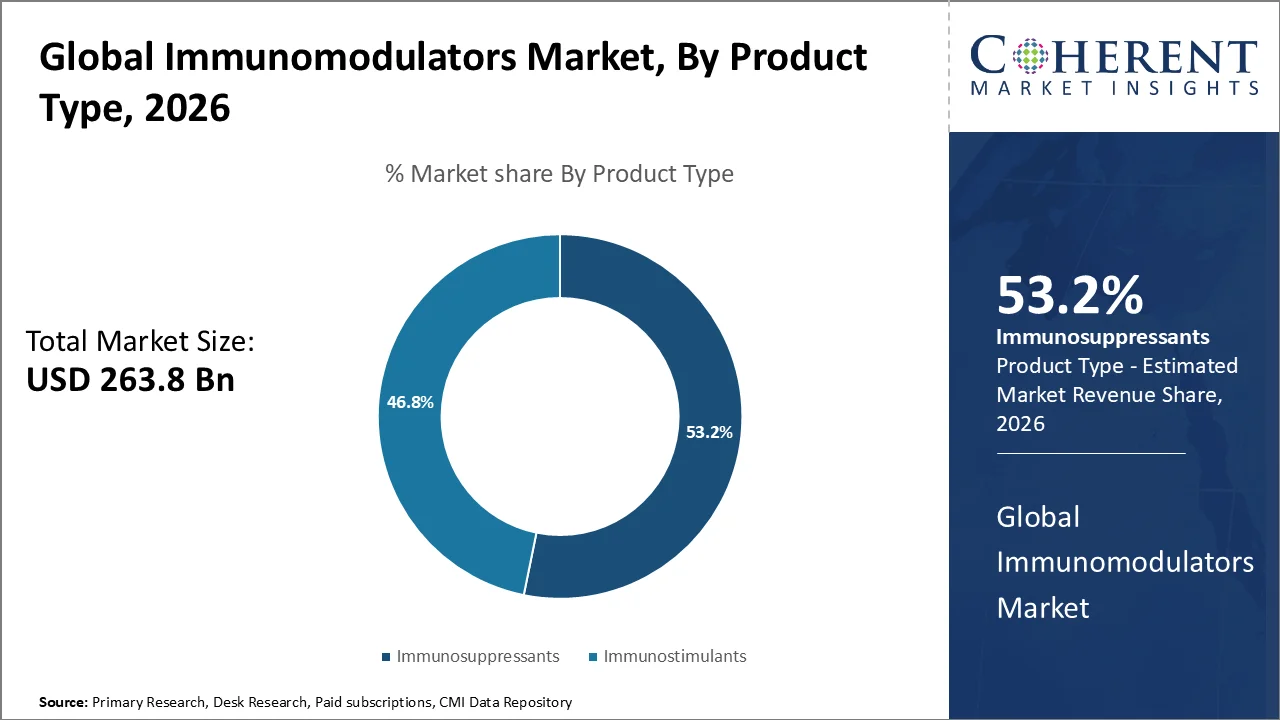
Why is Immunosuppressants Segment Acquiring the Largest Share?
On the basis of product type, the immunosuppressants segment is projected to account for the largest Immunomodulators Market share of 53.2% in 2026. The segment’s growth is owing to its broad use in organ transplantation, autoimmune inflammation control, and long-term maintenance therapy, where immune suppression is clinically required rather than optional.
In the U.S., organ transplants exceeded 48,000 in 2024, including 41,119 deceased-donor and 7,030 living-donor transplants, creating sustained demand for calcineurin inhibitors, corticosteroids, antimetabolites, and biologic maintenance regimens.
In October 2025, Natco Pharma launched Everolimus, a generic version of Novartis’ immunosuppressant Zortress, with Breckenridge Pharmaceutical set to commercialize it in the U.S. The drug, an mTOR inhibitor, is used for preventing organ transplant rejection in kidney and liver patients.
- Current Industry Events of 2026
- Market Size Estimation
- Regional Breakdown
- Competitive Landscape
- Customer Intelligence
- Segmental Analysis
- Pricing Analysis
- Key Market Drivers, Challenges & Future Trends
- Customized Insights Section
Oncology hold the Largest Market Share
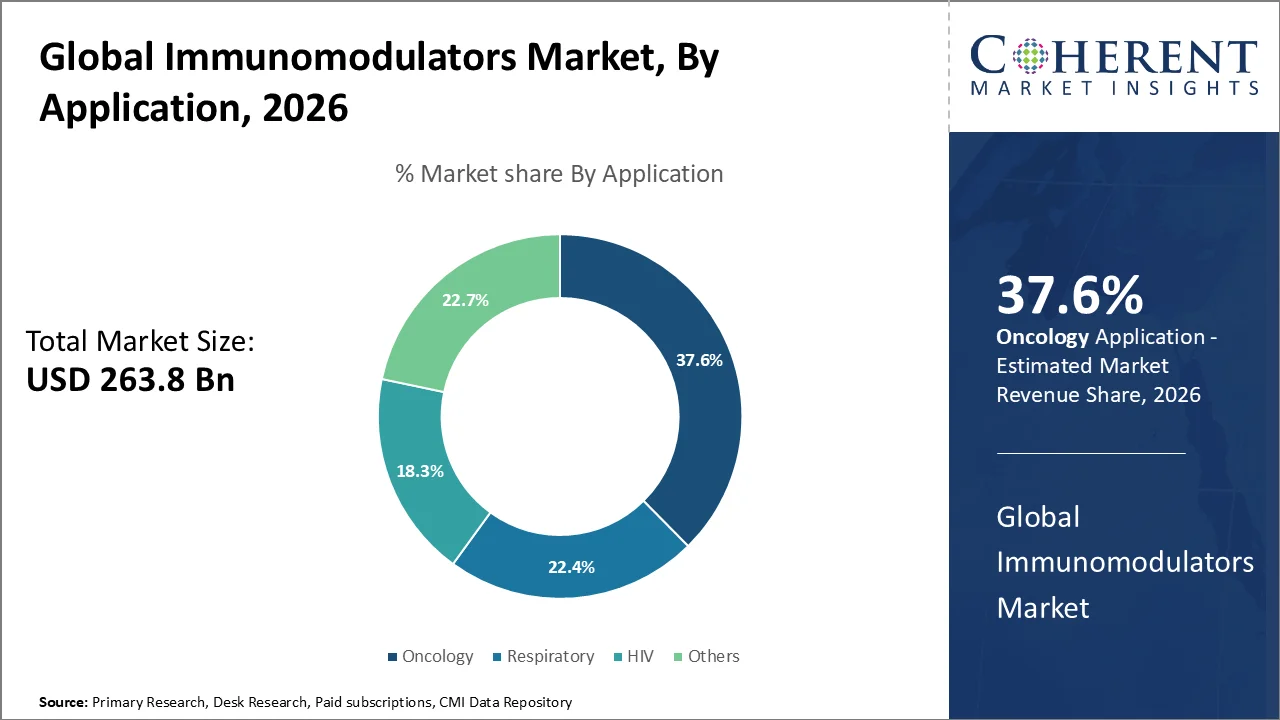
On the basis of application, the oncology segment lead with a major 37.6% share in 2026. The growth is owing to the rapid adoption of immune checkpoint inhibitors, monoclonal antibodies, cytokine modulators, and cancer vaccines across solid tumors and hematological malignancies.
The demand is supported by the rising cancer treatment pool. NCI estimated 2,041,910 new cancer cases and 618,120 deaths in the U.S. in 2025. These figures increase the need for therapies that modify immune response, improve tumor recognition, and support combination regimens with chemotherapy, targeted therapy, as well as radiation.
In October 2026, BioNTech founders announced the plans to establish an independent mRNA-focused biotechnology venture to advance the next-generation platform technologies. The new company, will operate alongside BioNTech, which retains a minority stake while focusing on late-stage oncology development and commercialization, including immunomodulators and combination therapies.
Market Drivers
Rising Innovations in FcRn and B-cell Targeting Therapies are Transforming the Immunomodulators Market in the U.S.
The U.S. immunomodulators market is undergoing rapid innovation through next-generation targeted biologics that modulate specific immune pathways rather than broadly suppressing the immune system. FcRn blockers, B-cell-depleting agents, complement inhibitors, JAK inhibitors, and interleukin pathway inhibitors are being used to improve disease control, reduce steroid dependence, and address rare immune-mediated diseases with limited approved treatment options.
The NIH notes that the autoimmune diseases include more than 140 chronic and often debilitating diseases, thereby underscoring the need for more selective as well as durable immunomodulatory therapies.
In April 2025, Johnson & Johnson received the U.S. FDA approval for IMAAVY (nipocalimab-aahu). It was intended for generalized myasthenia gravis in adults and pediatric patients aged 12 years and older who are anti-AChR or anti-MuSK antibody positive. The product blocks neonatal FcRn receptor, reducing pathogenic IgG antibodies while preserving broader immune function.
CAR T-Cell Therapy: A Major Breakthrough in the Immunomodulators Market
The Immunomodulators Market is experiencing rapid expansion. This is driven by the advanced cell-based immunotherapies like CAR T-cell therapy, cytokine modulators, and checkpoint inhibitors that actively reprogram immune responses against both cancer as well as autoimmune disorders.
According to the U.S. Food and Drug Administration (FDA), in 2026, seven CAR T-cell therapies are approved in the US which included Yescarta, Kymriah, and Carvykti. This highlights the increasing regulatory validation of the immune-engineered treatments.
In December 2025, the FDA approved new expanded indications for CAR T-cell therapy Breyanzi for the additional relapsed or refractory B-cell lymphoma subtypes. This reinforces its role in the next-generation immunomodulation strategies.
Current Events and Their Impact on the Immunomodulators Market
Current Event | Description and its Impact |
FDA 2025 Draft Guidance to Accelerate Biosimilar Development (U.S.)
|
|
EU Pharmaceutical Legislation Reform Agreement 2025 (Europe) |
|
Immunomodulators Market Trends
- The rising adoption of biologics, monoclonal antibodies, and targeted immune therapies is improving the treatment precision for autoimmune disorders, cancers, as well as chronic inflammatory diseases.
- The growing immuno-oncology use including checkpoint inhibitors and combination therapies is strengthening the demand for immunomodulators across the oncology treatment pathways. In 2022, there were nearly 9.7 million cancer deaths globally, thereby supporting the long-term therapy demand.
- The increasing organ transplantation volumes continue to support the immunosuppressant usage for graft survival and rejection prevention. In 2024, a record 173,727 solid organ transplants were performed worldwide, thereby reflecting the sustained need for the post-transplant immunosuppressive therapy.
- The rising respiratory and inflammatory disease burden is boosting the demand for immunomodulators used in asthma, COPD, as well as immune-mediated lung conditions. In the U.S., around 8.6% of adults and 6.5% of children had current asthma in 2024.
- Biosimilar expansion is improving the affordability and access to biologic immunomodulators, especially in autoimmune and oncology indications. The FDA stated that biosimilars can increase the medication options and potentially lower costs, while 86 biosimilars had been approved in the U.S. by October 2025.
Regional Insights
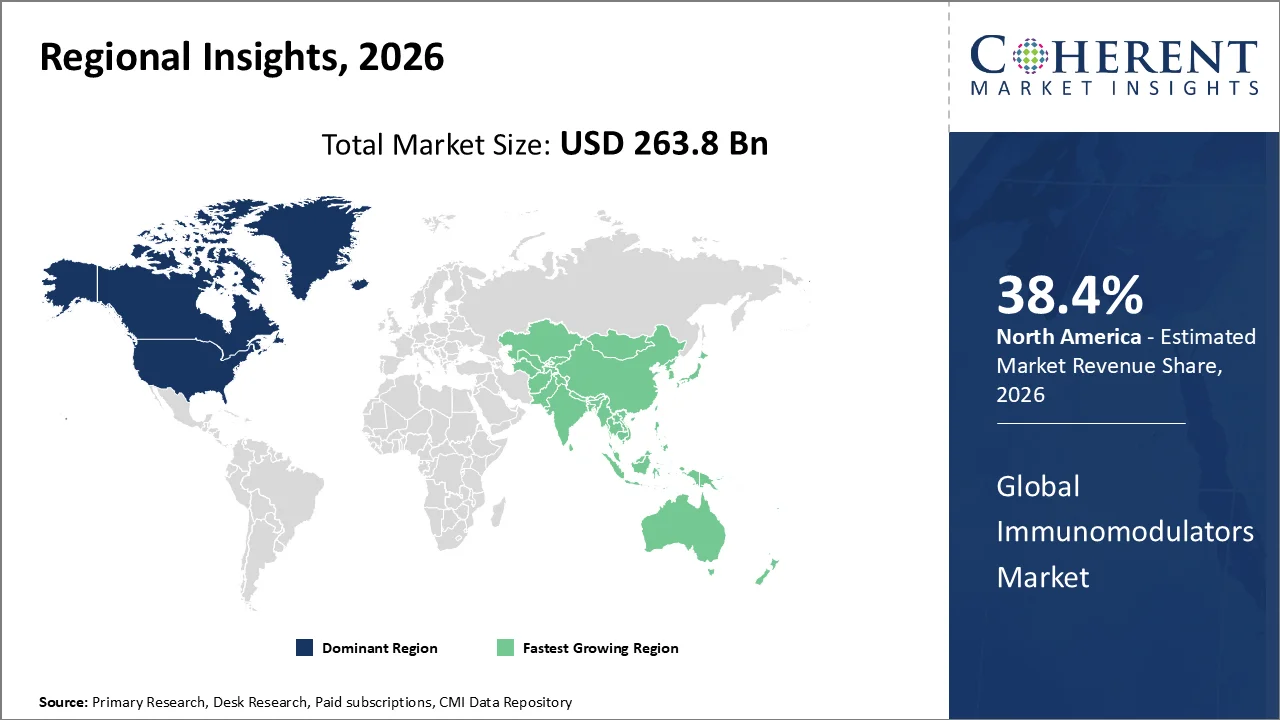
North America Dominates Owing to the High Autoimmune Disease Prevalence and Advanced Specialty Healthcare Infrastructure
The North America region accounts for 38.4% of the market share in 2026. The region’s growth is owing to the high autoimmune disease prevalence, advanced specialty healthcare infrastructure, strong biologic adoption, active clinical research, and fast regulatory review pathways.
Oncology remains a major demand driver, as SEER estimates 2,114,850 new cancer cases and 626,140 cancer deaths in the U.S. in 2026, thereby sustaining the uptake of checkpoint inhibitors, cytokine modulators, monoclonal antibodies, as well as cell therapies.
In April 2025, Aviceda Therapeutics appointed Dr. Jeffrey Nau as CEO to drive its next growth phase, strengthening its immunomodulator-focused pipeline based on the HALOS nanotechnology platform. The company is advancing inflammation-targeting therapies, including AVD-104, highlighting expansion in immunology, fibrosis, and ophthalmology-linked immune modulation.
Asia Pacific Immunomodulators Market Trends
Asia Pacificis expected to witness strong growth in market over the forecast period. The region’s growth is owing to the expanding diagnosis of autoimmune diseases, rising biologic approvals, improving specialty care access, increasing healthcare expenditure, and stronger participation of Japan and China in immunology innovation.
In September 2023, UCB received Japan MHLW approval for RYSTIGGO and ZILBRYSQ to treat adults with generalized myasthenia gravis inadequately responding to steroids or immunosuppressants. The approvals strengthen the immunomodulators market by adding targeted FcRn and C5 complement therapies for autoimmune neuromuscular disease.
Reuters also reported in May 2026 that Johnson & Johnson’s nipocalimab received China NMPA approval for generalized myasthenia gravis patients aged 12 years and older.
High Autoimmune Disease Burden and Active FDA Approvals are Accelerating the Immunomodulators Market in United States
In the United States, the Immunomodulators Market is influenced by the high diagnosis rates, strong specialist networks, large biologics market, and active FDA approval pipeline. NIH reports that autoimmune diseases affect around 8% of the U.S. population, thereby creating a large treated population in rheumatology, dermatology, gastroenterology, neurology, and immunology. The FDA’s 2025 approval activity also demonstrates strong support for the innovative immunomodulatory products.
In August 2023, AVM Biotechnology reported that its immunomodulatory drug AVM0703 had been administered to 28 patients with various solid tumors and blood cancers under expanded access and compassionate use programs. The treatment showed broad potential anti-cancer activity across multiple advanced and refractory cancer types in early clinical use.
China Immunomodulators Market Trends
China is emerging as a major growth market for immunomodulators due to faster regulatory acceptance of innovative biologics, growing specialty diagnosis, and increasing access to autoimmune and neurology therapies. NMPA approval of VYVGART for generalized myasthenia gravis in June 2023 and subcutaneous efgartigimod alfa injection in July 2024 highlight China’s rising adoption of FcRn-targeted immunomodulation.
Who are the Major Companies in Immunomodulators Industry
Some of the major key players in Immunomodulators Market are F. Hoffmann-La Roche Ltd., Biogen Inc., Teva Pharmaceutical Industries Ltd., Novartis AG, Amgen, Inc., Bristol-Myers Squibb Company, Merck Sharp & Dohme Corp., Eli Lilly and Company, Abbott Laboratories, Johnson & Johnson, and Pfizer Inc.
Key News
- In October 2025, Nilo Therapeutics launched with USD 101 million Series A funding led by The Column Group, DCVC Bio, and Lux Capital, along with participation from the Gates Foundation and Alexandria Venture Investments. The company is developing immunology therapies that target brain–vagus neural circuits to regulate systemic inflammation.
- In August 2023, Ecuadorian scientist Dr. Edwin Cevallos launched the BIRM, a natural immunomodulator derived from Dulcamara root. Manufactured in Ecuador and available in the U.S., BIRM supports immune balance, offers antioxidant benefits, and comes in preventative and concentrated supplement formulations.
Market Report Scope
Immunomodulators Market Report Coverage
| Report Coverage | Details | ||
|---|---|---|---|
| Base Year: | 2025 | Market Size in 2026: | USD 263.8 Bn |
| Historical Data for: | 2020 To 2024 | Forecast Period: | 2026 To 2033 |
| Forecast Period 2026 to 2033 CAGR: | 6.7% | 2033 Value Projection: | USD 416.4 Bn |
| Geographies covered: |
| ||
| Segments covered: |
| ||
| Companies covered: | F. Hoffmann-La Roche Ltd., Biogen Inc., Teva Pharmaceutical Industries Ltd., Novartis AG, Amgen, Inc., Bristol-Myers Squibb Company, Merck Sharp & Dohme Corp., Eli Lilly and Company, Abbott Laboratories, Johnson & Johnson, and Pfizer Inc. | ||
| Growth Drivers: |
| ||
| Restraints & Challenges: |
| ||
Analyst Opinion
- The Immunomodulators Market growth is primarily driven by the growing medical need across autoimmune, inflammatory, transplant, oncology, and infectious disease care. In the U.S. alone, autoimmune diseases affect an estimated 23.5 million to 50 million people, while 25% of patients live with two or more autoimmune diseases, creating sustained demand for long-term immune-regulating therapies.
- Oncology is becoming one of the strongest demand areas for immunomodulators. Nearly 20 million new cancer cases were reported globally in 2022, and cases are projected to rise to more than 35 million by 2050. This rising burden is increasing the adoption of immune checkpoint inhibitors, monoclonal antibodies, cytokine-based therapies, as well as combination immunotherapy regimens.
- Immunostimulants, especially vaccines and immune-activating biologics, remain critical to public health and preventive care. WHO estimates that immunization prevents around 3.5 million to 5 million deaths every year, while 14.3 million infants still missed an initial DTP vaccine dose in 2024, showing strong unmet demand for wider immunization coverage and next-generation immune-based products.
Speak to the analyst
Want personalized insights?
Take the findings above to one of our principal consultants, or have the report rebuilt around the segments, geographies and competitors you actually track.
Market Segmentation
- By Product Type (Revenue, USD Bn, 2021-2033)
- Immunosuppressants
- Calcineurin Inhibitors
- Glucocorticoids
- Antimetabolites
- Others
- Immunostimulants
- Vaccines
- Antibodies
- Others
- Immunosuppressants
- By Application (Revenue, USD Bn, 2021-2033)
- Oncology
- Respiratory
- HIV
- Others
- By End User (Revenue, USD Bn, 2021-2033)
- Hospitals
- Clinics
- Others
- By Region (Revenue, USD Bn, 2021-2033)
- North America
- U.S.
- Canada
- Latin America
- Brazil
- Mexico
- Argentina
- Rest of Latin America
- Europe
- Germany
- U.K.
- France
- Italy
- Spain
- Russia
- Rest of Europe
- Asia Pacific
- China
- India
- Japan
- Australia
- South Korea
- ASEAN
- Rest of Asia Pacific
- Middle East
- GCC
- Israel
- Rest of Middle East
- Africa
- South Africa
- Central Africa
- North Africa
- North America
Sources
Primary Research Interviews
- Immunologists
- Rheumatologists
- Oncologists
- Dermatologists
- Gastroenterologists
- Transplant specialists
- Hospital administrators
- Specialty pharmacy managers
- Biopharmaceutical distributors
- Key opinion leaders (KOLs) in autoimmune diseases, oncology, and immunology
Databases
- World Health Organization (WHO)
- Centers for Disease Control and Prevention (CDC)
- National Institutes of Health (NIH)
- U.S. Food and Drug Administration (FDA)
- European Medicines Agency (EMA)
- Organisation for Economic Co-operation and Development (OECD)
Magazines
- Pharmaceutical Technology
- BioPharma Dive
- Drug Discovery & Development
- The Pharma Letter
- Fierce Pharma
Journals
- Journal of Immunology
- Nature Immunology
- Frontiers in Immunology
- The Lancet Rheumatology
- Clinical Immunology
- Autoimmunity Reviews
- Journal of Autoimmunity
Newspapers
- The New York Times
- The Guardian
- The Wall Street Journal
- Financial Times
- Reuters
Associations
- American Association of Immunologists
- European Federation of Immunological Societies
- International Union of Immunological Societies
- American College of Rheumatology
- European Alliance of Associations for Rheumatology
- American Society of Clinical Oncology
- American Society of Transplantation
Public Domain Sources
- Company Annual Reports and Investor Presentations
- Government Health Ministry Publications
- Drug Approval Databases
- Clinical Trial Registries Such as ClinicalTrials.gov
- Regulatory Filings and Product Labels
- Public Health Agency Reports
Proprietary Elements
- CMI Data Analytics Tool
- Proprietary CMI Existing Repository of Information for Last 10 Years
Get access to 250+ pages report
Every segment, forecast, competitor profile and data table behind the analysis above — available for instant download.
- ESOMAR Member
- ISO 9001:2015 Certified
- D-U-N-S Registered
- GDPR & CCPA Compliant
Missing comfort of reading report in your local language? Find your preferred language:
Transform your Strategy with Exclusive Trending Reports
Frequently Asked Questions
The Immunomodulators Market is expected to reach USD 416.4 Bn in 2033.
Major players operating in the global Immunomodulators Market include F. Hoffmann-La Roche Ltd., Biogen Inc., Teva Pharmaceutical Industries Ltd., Novartis AG, Amgen, Inc., Bristol-Myers Squibb Company, Merck Sharp & Dohme Corp., Eli Lilly and Company, Abbott Laboratories, Johnson & Johnson, and Pfizer Inc.
The severe adverse side effects, exorbitant treatment costs, stringent regulatory approval processes, and generic or biosimilar patent expiries are the key factors hampering growth of the market.
The escalating prevalence of autoimmune and chronic inflammatory diseases (like rheumatoid arthritis and IBD), the rapid expansion of cancer immunotherapies, and a growing geriatric population globally is boosting the demand for Immunomodulators.
The Immunomodulators Market is anticipated to grow at a CAGR of 6.7% between 2026 and 2033.
Among regions, North America is expected to account for a largest market share in the global Immunomodulators Market over the forecast period.
The market outlook remains positive due to rising prevalence of autoimmune and inflammatory diseases, rapid advancements in immuno-oncology, and a broader shift toward personalized medicine.