

Global Exosome Research Market Size and Forecast: 2026-2033
The global exosome research market is expected to grow from USD 337.7 Mn in 2026 to USD 1,069.4 Mn by 2033, registering a compound annual growth rate (CAGR) of 17.9% from 2026 to 2033. The market for exosome research is poised for significant expansion, fueled by increasing demand for exosome-based liquid biopsies in cancer diagnostics and precision medicine.
According to the World Health Organization, in 2022, there were an estimated 20 million new cancer cases and 9.7 million deaths. The estimated number of people who were alive within 5 years following a cancer diagnosis was 53.5 million. Additionally, over 35 million new cancer cases are predicted in 2050, a 77% increase from the estimated 20 million cases in 2022.
(Source: World Health Organization)
Key Takeaways of the Global Exosome Research Market
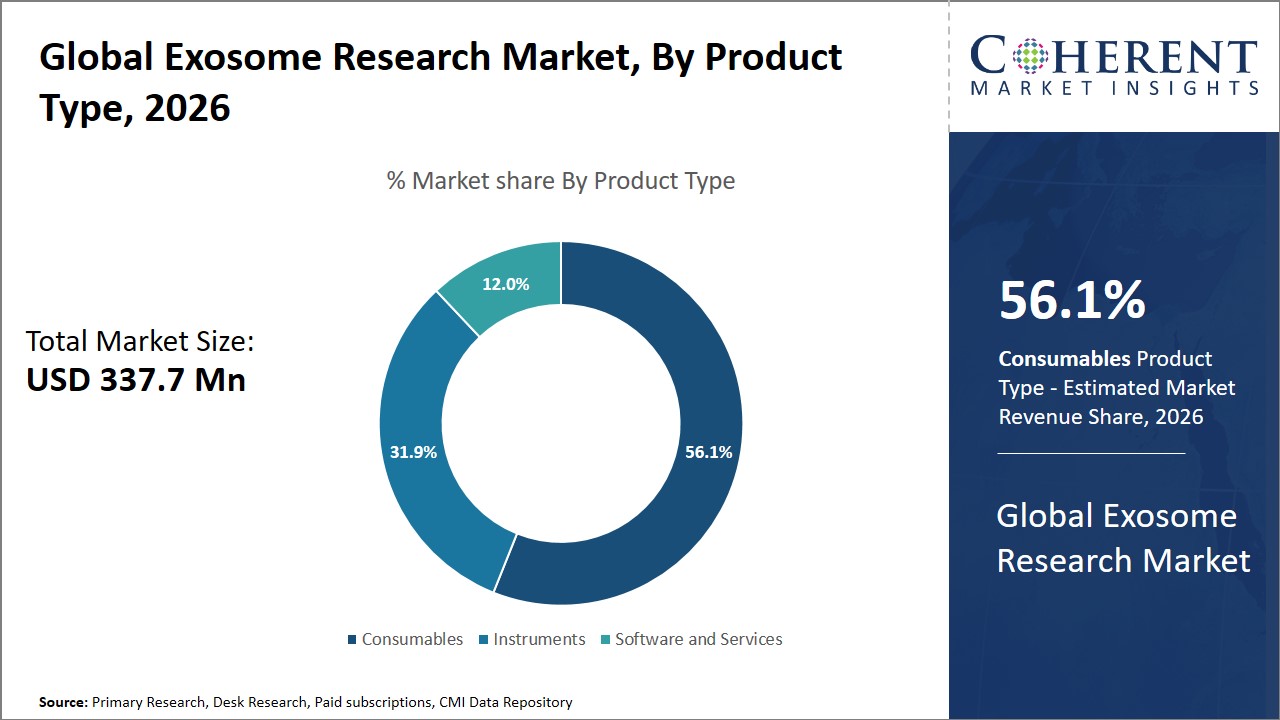
- Consumables are projected to hold 56.1 % of the global exosome research market share in 2026, making it the dominant product type segment, especially in North America, due to the presence of academic medical centers and translational research centers conducting high-throughput studies involving extracellular vesicle analyses that need repetitive usage of isolation kits, reagents, and other assay materials, the leadership is strongly backed by the growing trend towards using standard procedures for preparing exosomes samples in cancer and biomarker laboratories in the U.S. For instance, the Mayo Clinic Center for Individualized Medicine - Extracellular Vesicle Research uses extracellular vesicles for biomarker discovery and precision medicine research. (Source: Mayo Clinic)
- Isolation methods are projected to hold 56.2 % of the global exosome research market share in 2026, making it the dominant workflow segment, especially in North America, where researchers are paying more attention to increasing the purity and reliability of exosomes for their use in clinical practice. This region has been seeing increased use of methods such as ultracentrifugation, size exclusion chromatography, and immunopurification in standardization protocols of extracellular vesicles. For instance, the International Society for Extracellular Vesicles (ISEV) promotes standardized protocols of isolation and characterization worldwide, and its approaches are widely applied throughout European scientific communities. (Source: International Society for Extracellular Vesicles)
- Oncology is projected to hold 34.0 % of the global exosome research market share in 2026, making it the dominant disease indication segment, especially in Asia Pacific, where cancer-specific precision medicine initiatives have begun incorporating exosome testing in their translational science initiatives. Exosomes for liquid biopsy and tumor microenvironment investigations are now becoming popular among nations like China and South Korea for aiding cancer detection and monitoring of treatment progress. For instance, the National Cancer Center Korea – Research Institute specializes in cancer biology and translational oncology research, some of which is focused on extracellular vesicles. (Source: National Cancer Center Korea)
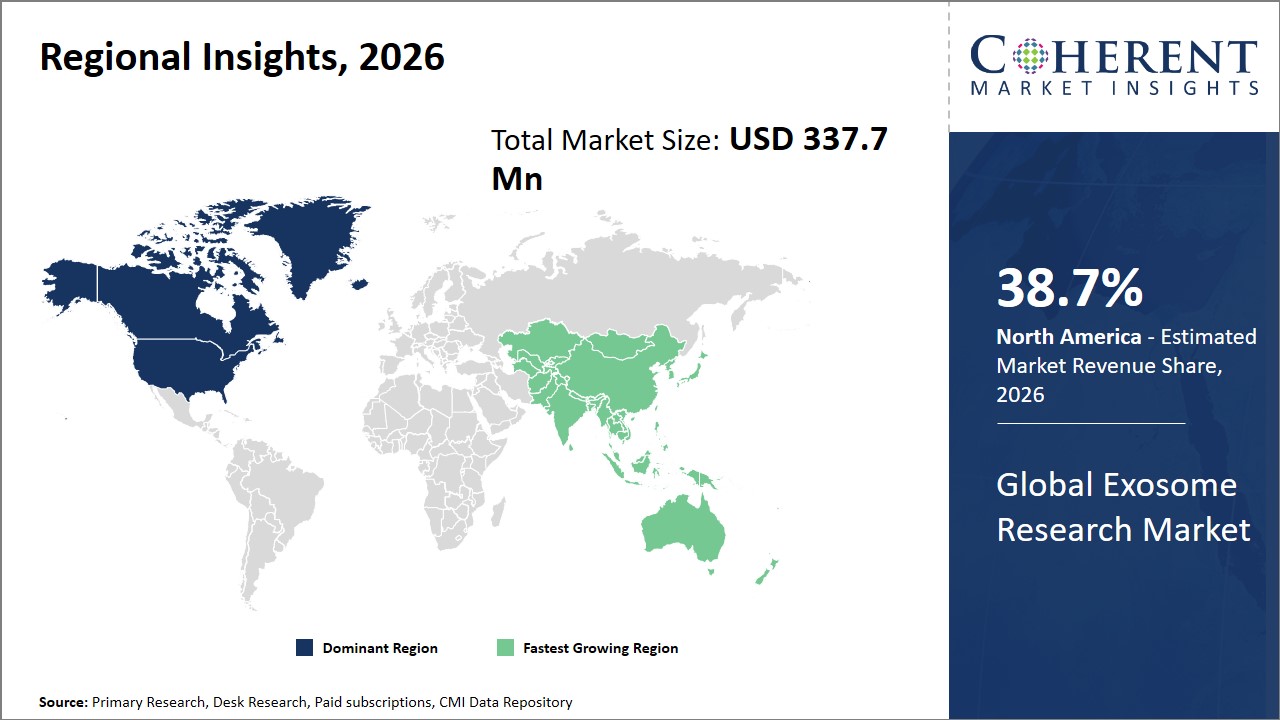
- North America maintains dominance with an estimated share of 38.7 % in 2026, attributed to the robust presence of dedicated centers for extracellular vesicle research and translational oncology throughout the U.S. There is growing adoption of techniques for isolating and characterizing exosomes within the field of precision medicine research, especially in the study of cancers and neurodegenerative diseases. For instance, Ohio State University Comprehensive Cancer Center - Exosome Research Program is engaged in the study of exosomes and microvesicles in cancer progression and therapeutics, and hence enhances regional research leadership. (Source: Ohio State University)
- Asia Pacific is expected to exhibit the fastest growth with an estimated contribution of 24.2 % share in 2026, backed up by increased efforts in terms of regenerative medicine and cell therapies, which are sponsored by governments in countries like China, Japan, and South Korea. The region is paying more attention to manufacturing of extracellular vesicles and translating their clinical applications. For instance, Japan Agency for Medical Research and Development (AMED) supports many programs related to regenerative medicine and advanced biotechnology, including therapeutic development involving extracellular vesicles and cells (such as, Research Center Network for Realization of Regenerative Medicine, Project for Regenerative/Cellular Medicine and Gene Therapies, Moonshot R&D Program, and CiCLE – Cyclic Innovation for Clinical Empowerment) in Japan. (Source: Japan Agency for Medical Research and Development)
- Rising Adoption of Exosome-Based Neurodegenerative Disease Research: The increased focus on studying neurodegenerative diseases like Alzheimer's and Parkinson's disease has led to a need for the development of biomarkers through exosomes. The use of exosomes are very crucial in studying the development of neurological diseases since they are able to pass through the blood-brain barrier. This has made their use very significant in diagnosing such illnesses.
- Expansion of Plant-Derived Exosome Research in Cosmetic and Regenerative Applications: Plant-derived exosomes have become of interest in cosmeceutical preparations as well as wound healing and regenerative medicines because of their biocompatibility and reduced immunogenicity. The use of plant-derived extracellular vesicles in formulating cosmetic and medicinal products are becoming popular among cosmetic and biotech firms. There are possibilities of future commercialization in this application domain apart from scientific investigations.
Segmental Insights
Why Does the Consumables Segment Dominate the Global Exosome Research Market?
Consumables are projected to hold a market share of 56.1% in 2026, owing to their continuous and repeated use in exosome isolation, exosome purification, exosome characterization, and molecular analysis of exosomes. Consumables like reagents, exosome isolation kits, antibodies, exosome purification columns, ELISA kits, RNA extraction kits, and labeling consumables have a constant demand for each of the experiments carried out and contribute to the rising adoption rate of the products by universities, pharmaceutical organizations, and diagnostic facilities.
Moreover, the rise in the use of exosomes for applications in the fields of liquid biopsy, biomarkers identification, regenerative medicine, oncology, and targeted drug delivery is also boosting the sales of consumables. For instance, Thermo Fisher Scientific provides isolation reagents, purification kits, magnetic beads, and downstream analysis consumables for extracellular vesicles that are extensively used in research applications. (Source: Thermo Fisher Scientific)
- Current Industry Events of 2026
- Market Size Estimation
- Regional Breakdown
- Competitive Landscape
- Customer Intelligence
- Segmental Analysis
- Pricing Analysis
- Key Market Drivers, Challenges & Future Trends
- Customized Insights Section
Why Do Isolation Methods Represent the Largest Workflow Segment in the Global Exosome Research Market?
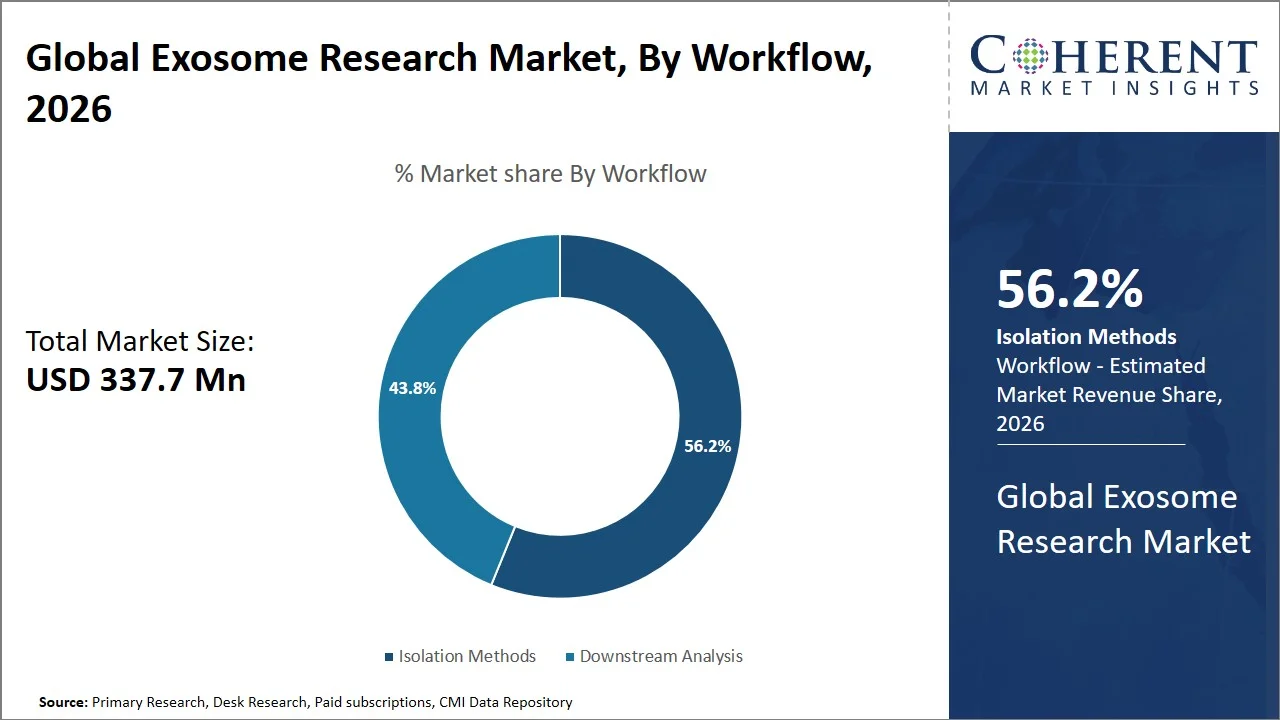
Isolation methods are projected to hold a market share of 56.2% in 2026, as exosome isolation is the primary and most vital process for all applications that follow down the line in this industry, which range from discovery of biomarkers, liquid biopsy, drug delivery, and regeneration medicines. Since the quality, purity, and quantity of isolated exosomes determine how accurate the characterization, sequencing, and therapeutic assessment will be in downstream research efforts, there is need to incorporate effective isolation technologies in order to be able to conduct efficient and productive research studies. With the growing demand for purity of the purification process of extracellular vesicles from various biofluids like blood, urine, saliva, and culture medium, there has been an increasing trend in using efficient methodologies like ultracentrifugation, size exclusion chromatography, immunoaffinity capture, and microfluidics.
Oncology Segment Dominates the Global Exosome Research Market
The oncology segment is projected to hold a market share of 34.0% in 2026, due to the expanding use of extracellular vesicles in cancer progression studies, therapeutic response monitoring, and translational oncology research. Exosomes are increasingly being investigated for their ability to transport oncogenic molecules between cells, enabling researchers to better understand metastasis mechanisms and tumor microenvironment interactions. Growing collaborations between cancer institutes and biotechnology firms are further accelerating innovation in exosome-based oncology applications.
For instance, Memorial Sloan Kettering Cancer Center is conducting dedicated extracellular vesicle and exosome research focused on cancer biology, tumor signaling pathways, and therapeutic development for oncology applications. (Source: Memorial Sloan Kettering Cancer Center)
Currents Events and their Impact
Current Events | Description and its Impact |
FDA Expansion of Cellular & Gene Therapy Guidance Framework for Regenerative Medicines (September 2025–May 2026) |
|
Health Canada Regulatory Classification Notice for Human-Derived Exosome Products (August 2025) |
|
(Source: Food and Drug Administration, Government of Canada)
Global Exosome Research Market Dynamics
Market Drivers
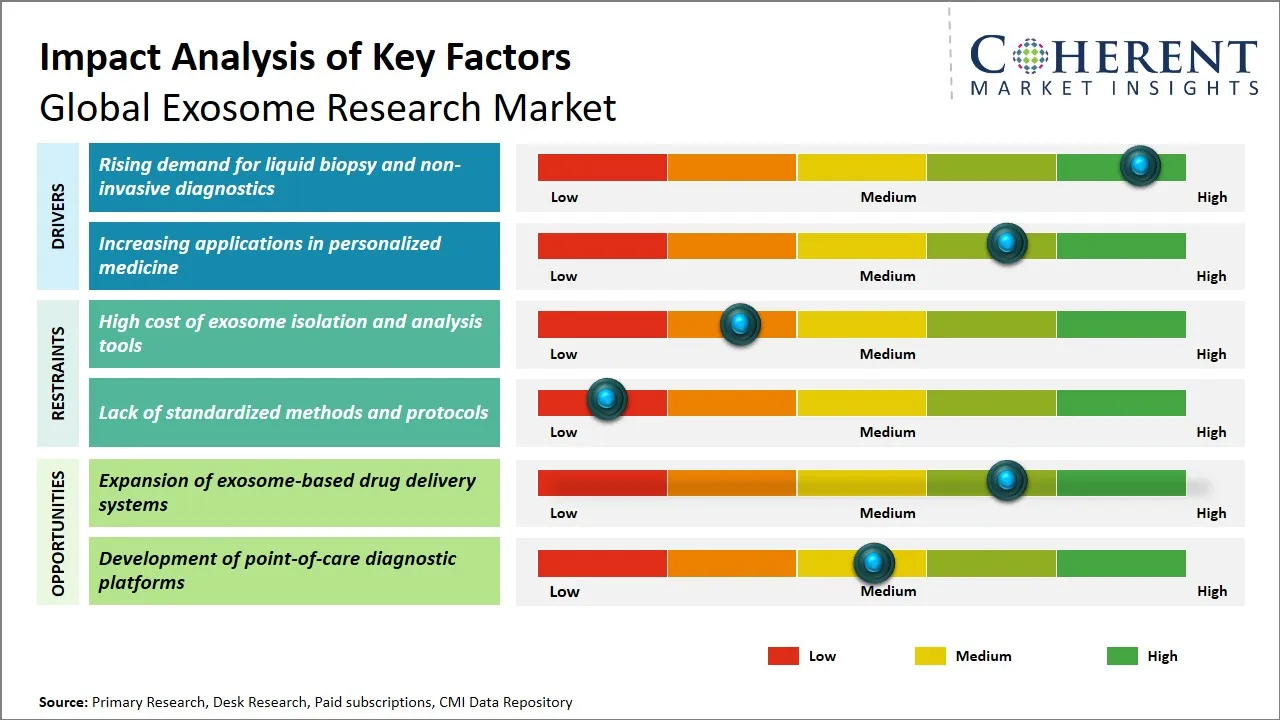
- Rising adoption of exosome-based liquid biopsy technologies for early cancer diagnosis and biomarker discovery: The involvement of cell-derived nucleic acid, proteins, and lipids in exosomes is highly useful in gaining knowledge about the process of tumorigenesis and disease-related molecular alterations. There is an increasing need for precision oncology, as well as real-time disease tracking, thus driving innovation in technologies for high-throughput extracellular vesicle analysis and biomarker profiling. More healthcare organizations and laboratories are showing interest in using exosomes for diagnostic purposes. For example, researchers from Memorial Sloan Kettering Cancer Center have initiated projects involving extracellular vesicle biomarkers for use in cancer diagnostics and translational oncology, highlighting growing clinical interest in exosome-driven precision medicine approaches. (Source: Memorial Sloan Kettering Cancer Center)
- Increasing investments in extracellular vesicle research for targeted drug delivery and regenerative medicine applications: Growing interest in exosomes as biological vehicles for transporting nucleic acids, proteins, and drugs, considering their ability to enable targeted cell-to-cell communication and toxicity levels, has been observed. In addition, growing interest in cell-free therapies are also contributing to the advancement of engineering of extracellular vesicles for use in therapies for various conditions, such as inflammation and tissue regeneration. Various academic institutes and biotech firms are conducting translational research for exosome-based therapies and manufacturing approaches. For instance, Cedars-Sinai Medical Center researchers showed that exosomes derived from cardiac stem cells were able to replicate the regenerative effects on heart healing, emphasizing the increasing significance of exosomes as therapies for regenerative medicine treatments. (Source: Medical Xpress)
Emerging Trends
- Increasing Adoption of Exosome-Based Liquid Biopsy Platforms: There is growing interest in using exosome-based biomarkers to diagnose cancer and monitor disease progression and therapeutic responses non-invasively. The scientific community and bio-technology industries have shifted their research focus toward highly sensitive techniques for the detection of extracellular vesicles.
- Expansion of GMP-Compliant Exosome Manufacturing for Therapeutics: There has been an increase in investment in scalable manufacturing platforms that are compliant with Good Manufacturing Practice (GMP) standards for exosomes. This has been made possible through partnerships between companies working on exosomes and CDMOs or manufacturers of biological drugs.
Regional Insights
Why is North America a Strong Market for Exosome Research?
North America leads the global exosome research market, accounting for an estimated 38.7% share in 2026, owing to the advanced biotechnology ecosystem, developed precision medicine infrastructure, and the increasing trend towards the application of extracellular vesicles in diagnostics and therapy. The region boasts capabilities for GMP-grade production of biologics and the translational aspect of cellular therapies, which can allow rapid implementation of exosome technologies into processes of cancer treatments and regenerative medicines. For instance, in 2025, MD Anderson Cancer Center conducted research into exosomes as potential biomarkers for assessing cancer progression and treatment efficacy, underscoring the importance of clinically applicable applications of extracellular vesicles within the region. (Source: MD Anderson Cancer Center)
Why Does the Asia Pacific Exosome Research Market Exhibit High Growth?
The Asia Pacific exosome research market is expected to exhibit the fastest growth with an estimated contribution of 24.2% share to the market in 2026, owing to advancements made in biotech infrastructure, rising interest in personalized treatment methods, and enhanced manufacturing capabilities for biologicals in countries such as China, Japan, South Korea, and India. There is an emerging trend of incorporating extracellular vesicle studies in oncology diagnostic tools, regenerative medicine, and translational therapies, driven by increasing research organizations and biotechnology clusters.
Further, the increasing usage of sophisticated molecular diagnostics and the growing partnership between universities and biopharmaceutical firms is boosting the commercial development of exosomes technologies in the region. For instance, in January 2026, Pandorum Technologies revealed a strategic alliance with Nucelion Therapeutics for the production of exosomes for tissue regeneration therapy in APAC countries, reflecting an increased interest in developing exosome-based therapeutic development and biologics manufacturing infrastructure. (Source: Times of India)
Global Exosome Research Market Outlook for Key Countries
Why is the U.S. Leading Innovation and Adoption in the Exosome Research Market?
The U.S. plays an important role in the exosome research market owing to the effective translational research infrastructure that facilitates interaction among academic institutions, biotech organizations, cancer hospitals, and clinical labs. There are ample number of enterprises engaged in the development of exosome isolation systems, analytical tools for extracellular vesicles, and liquid biopsy systems (such as Thermo Fisher Scientific, QIAGEN, Bio-Techne Corporation, Lonza Group, Miltenyi Biotec, and NanoFCM), thereby fostering commercialization efforts. The availability of facilities equipped with GMP compliance standards for biological drug manufacturing adds value to the process of clinical development of exosome-related treatments and diagnostic tools. Moreover, awareness of advanced biologics and cell-based therapies has helped conduct early-stage clinical trials of extracellular vesicles in various fields.
Is the U.K. a Favorable Market for Exosome Research?
The U.K. is an ideal market for exosome research attributed to its emphasis on translational medicine, molecular diagnostics, and biomarker discovery from extracellular vesicles. There exists a vibrant ecosystem of life sciences research centers, which are anchored in universities in the area of genomics medicine research that includes research into exosomes, mainly associated with the diagnosis and treatment of cancer and neurodegenerative disorders. This is further enhanced by the existence of state-of-the-art biologics research facilities (such as Cell and Gene Therapy Catapult, Francis Crick Institute, Oxford Science Park, and Stevenage Bioscience Catalyst) coupled with collaboration among academic institutions and biotech companies to facilitate the development of exosome-based diagnostic and therapeutic products.
Is China Emerging as a Key Growth Hub for the Exosome Research Market?
The exosome research market in China is currently experiencing significant development attributed to the rapid advancements in biotech manufacturing in the country and increasing demand for exosomes-based therapeutics and molecular diagnostics. China has a strong track record in the manufacturing of biologics, translational medicine, and cell therapy, which is driving research and development programs in exosomes.
Moreover, the presence of biotech parks and precision medicine research centers (such as Zhangjiang Hi-Tech Park, Guangzhou International Bio Island, Zhongguancun Life Science Park, and the China National Center for Bioinformation), is supporting the commercialization process of exosomes isolation techniques and liquid biopsy technology. In addition, collaborations between domestic biotechnology firms, R&D facilities, and hospitals have strengthened China’s position in cancer research and regenerative medicine using exosomes.
Why Does Germany Top the Europe Exosome Research Market?
Germany dominates the exosome research market in Europe owing to the strong infrastructure developed by biopharmaceutical companies and a comprehensive body of knowledge regarding molecular diagnostics, exosome detection, and precision medicines. It means that there is a clear structure for conducting oncology and regenerative medicine research involving exosomes with the help of translational research centers, university hospitals, and biotech clusters.
Moreover, there are also innovation centers in life sciences and facilities for developing advanced biologicals (such as BioM Biotech Cluster Munich, Berlin Institute of Health, Heidelberg Technology Park, and Max Delbrück Center for Molecular Medicine) that contribute to innovations within exosome isolation and detection.
Is the Exosome Research Market Developing in Japan?
Japan is gradually evolving into a prominent market for exosome research owing to the expertise of the country in regenerative medicine, study of extracellular vesicles, and molecular diagnostics. Japan has developed a robust research infrastructure comprising research universities, institutes of cell therapy, and centers for precision medicines (such as RIKEN Center for Integrative Medical Sciences, Center for iPS Cell Research and Application (CiRA), University of Tokyo Institute of Medical Science, and National Cancer Center Japan) who are studying various possibilities using exosomes for treatment and diagnostics. Additionally, Japan’s strengths in the manufacture of biologics and nanoscale analysis are aiding advancements in exosomes technology such as exosome isolation, exosome characterization, and drug delivery systems involving exosomes.
Regulatory Landscape Governing the Global Exosome Research Market
Region
| Key Regulatory Bodies | Approval & Compliance Framework | Impact on Market |
North America | U.S. Food and Drug Administration (FDA), Health Canada, National Institutes of Health (NIH) | Regulation of exosome-based therapeutics, biologics, diagnostics, and extracellular vesicle clinical studies under biologics and regenerative medicine frameworks; GMP compliance and clinical trial approvals required | Strong regulatory oversight supports clinical validation, commercialization, and investment in exosome-based diagnostics and therapeutics |
Europe | European Medicines Agency (EMA), European Commission, MHRA (UK) | Advanced Therapy Medicinal Product (ATMP) regulations, GMP manufacturing standards, and clinical evaluation requirements for extracellular vesicle-based products | Harmonized regulatory standards encourage translational research and cross-border collaborations in precision medicine and regenerative therapies |
Asia Pacific | National Medical Products Administration (NMPA - China), Pharmaceuticals and Medical Devices Agency (PMDA - Japan), CDSCO (India), TGA (Australia) | Expanding regulatory frameworks for biologics, cell therapies, and advanced diagnostics; increasing focus on clinical trial governance and GMP compliance | Rising biotechnology investments and supportive research initiatives are accelerating regional exosome research and manufacturing activities |
Latin America | ANVISA (Brazil), COFEPRIS (Mexico), INVIMA (Colombia) | Evolving regulatory pathways for biologics, molecular diagnostics, and regenerative medicine products; country-specific approval systems | Gradual improvement in regulatory infrastructure is supporting clinical research expansion and adoption of advanced diagnostic technologies |
Middle East & Africa | Saudi Food and Drug Authority (SFDA), South African Health Products Regulatory Authority (SAHPRA), UAE Ministry of Health & Prevention | Emerging frameworks for biotechnology products, biologics, and clinical research oversight with increasing alignment to international standards | Growing healthcare modernization initiatives and investments in precision medicine are expected to support future market growth |
How is the expanding use of exosomes in personalized medicine and precision therapeutics creating new growth opportunities in the global exosome research market?
The increasing use of exosomes for personalized medicines and precision therapeutics is adding significant growth potential to the exosome research market due to the potential role of exosomes as biomarkers and drug carriers in minimal invasive processes. Exosomes contain proteins, RNAs, lipids, and genes extracted from their respective host cells. Hence, exosomes prove very useful in diagnostic measures, treatment evaluation, and precise therapy. The growing usage of exosomes in areas such as oncology, degenerative neurological disorders, and regenerative treatments has resulted in increased R&D activities all over the world.
As per the U.S. National Cancer Institute (NCI), liquid biopsy technology utilizing extracellular vesicles and exosomes is currently under active investigation for early cancer diagnosis and molecular profiling. (Source: National Cancer Institute) Additionally, a study published by Frontiers in October 2025, identified 128 cancer-related extracellular vesicle clinical trials as of May 2025, including 84 studies focused on diagnostic and prognostic applications and 44 studies evaluating therapeutic applications, highlighting the growing clinical and translational potential of exosome technologies in precision healthcare. (Source: Frontiers) The advancements in this field are expected to lead to greater use of exosome technology in future diagnostic techniques and treatment methods.
Market Players, Key Development, and Competitive Intelligence
Key Developments
- In September 2025, Lonza Group formed a partnership with RION in order to provide cGMP services for the manufacture of their platelet-derived exosomes for use in chronic wounds treatment and tissue regeneration. This collaboration is indicative of a trend in the pharmaceutical industry, which centers on scaling up exosome production, clinical studies, and regenerative medicine.
- In March 2025, Exogenus Therapeutics contracted with Lonza Group to establish a GMP-manufacturing process for Exo-101, which is its leading exosome therapy candidate. This collaboration underscores the increasing focus of the industry in developing processes that enable large-scale production and the commercialization of exosome therapies.
Competitive Landscape
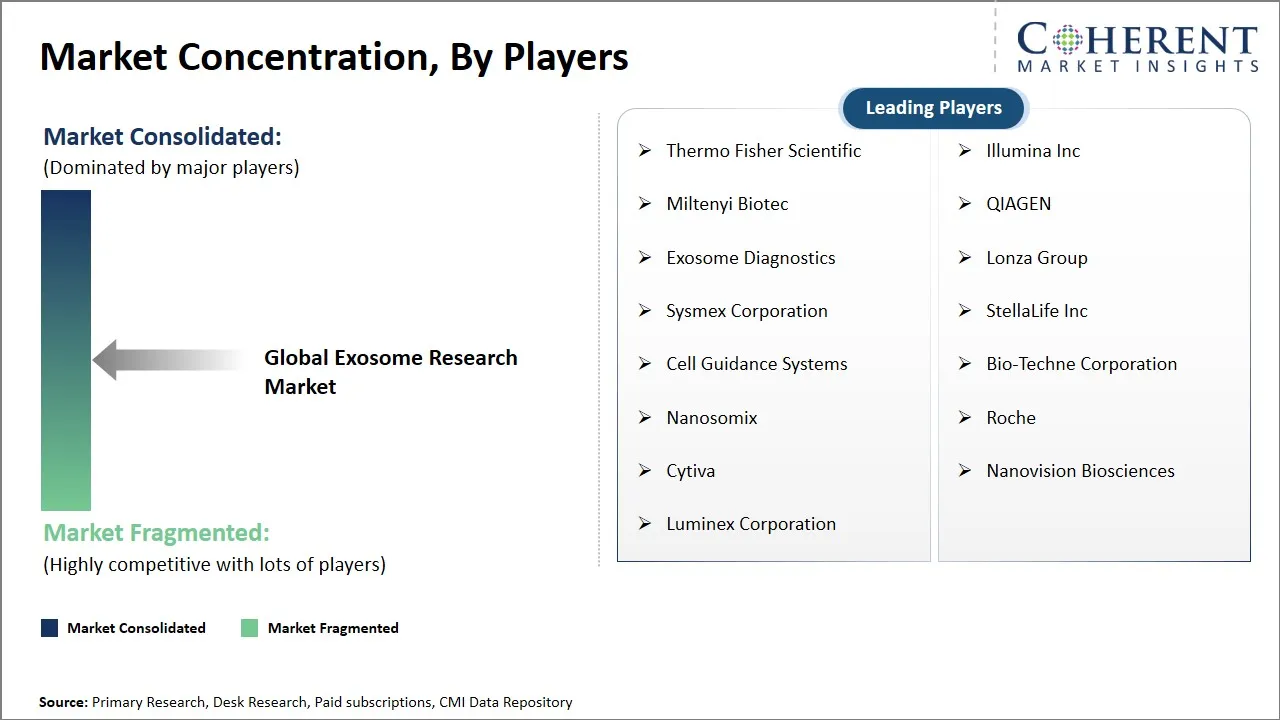
The global exosome research market is moderately competitive with the existence of biotech firms, life science tools vendors, and contract development and manufacturing organization (CDMOs) that are working towards improving their technologies related to exosome separation, characterization, and therapeutics. Market players are increasingly making efforts to develop scalable manufacturing technology for exosomes, liquid biopsies, and applications in precision medicine to improve their market standing. Pharmaceutical companies, research institutes, and CDMOs have been forming strategic alliances to accelerate commercialization and clinical implementation of exosome-based products. Key focus areas include:
- Development of advanced exosome isolation and purification technologies
- Expansion of exosome-based liquid biopsy and biomarker discovery platforms
- Strategic collaborations for GMP-compliant manufacturing and clinical development
- Increasing investments in regenerative medicine and targeted drug delivery applications
- Enhancement of exosome characterization, analytics, and scalable production capabilities
Market Report Scope
Exosome Research Market Report Coverage
| Report Coverage | Details | ||
|---|---|---|---|
| Base Year: | 2025 | Market Size in 2026: | USD 337.7 Mn |
| Historical Data for: | 2020 To 2024 | Forecast Period: | 2026 To 2033 |
| Forecast Period 2026 to 2033 CAGR: | 17.9% | 2033 Value Projection: | USD 1,069.4 Mn |
| Geographies covered: |
| ||
| Segments covered: |
| ||
| Companies covered: | Thermo Fisher Scientific, QIAGEN, Lonza Group, Bio-Techne Corporation, Danaher Corporation, Miltenyi Biotec, System Biosciences, FUJIFILM Corporation, Norgen Biotek Corp., and Hologic Inc. | ||
| Growth Drivers: |
| ||
| Restraints & Challenges: |
| ||
Analyst Opinion (Expert Opinion)
- The market for exosome research is projected to experience a stable growth rate owing to the increased adoption of the liquid biopsy technique using exosomes, innovations in precision medicine, and its application in regenerative medicines. This industry is gradually shifting from an era where it focused mainly on fundamental research to one where it becomes more oriented towards applying exosomes in therapeutics and business ventures, particularly in oncology diagnostics and drug delivery systems.
- The highest opportunities are anticipated exosomes used for oncology diagnostics and liquid biopsies in the U.S because of the country’s high incidence rate of cancer, well-supported cancer research funding from the government, and biotech and pharmaceutical giants present in the country. Further, in the Asia Pacific region, especially China and Japan, growth prospects are forecasted to increase due to biotechnology investment, precision medicine programs, and cell and gene therapy research facilities.
- For gaining any competitive advantage in the market, companies need to concentrate on working towards standardizing and scaling up the exosome’s isolation and purification techniques, enhancing manufacturing capacities in line with the GMP guidelines, and making more strategic partnerships with pharmaceutical firms, academic institutions, and CDMOs. Companies that are working on biomarker discovery platforms powered by AI, downstream analytics, and clinically proven liquid biopsy solutions have been predicted to secure themselves in the market environment.
Speak to the analyst
Want personalized insights?
Take the findings above to one of our principal consultants, or have the report rebuilt around the segments, geographies and competitors you actually track.
Market Segmentation
- Product Type Insights (Revenue, USD Mn, 2021 - 2033)
- Consumables
- Instruments
- Software and Services
- Workflow Insights (Revenue, USD Mn, 2021 - 2033)
- Isolation Methods
- Downstream Analysis
- Disease Indication Insights (Revenue, USD Mn, 2021 - 2033)
- Oncology
- Neurology/neurodegeneration
- Cardiovascular
- Infectious diseases
- Metabolic/endocrine
- Autoimmune/inflammation
- Reproductive/prenatal
- Others
- Application Insights (Revenue, USD Mn, 2021 - 2033)
- Diagnostics
- Therapeutics
- Research and Development
- End User Insights (Revenue, USD Mn, 2021 - 2033)
- Hospitals and clinical laboratories
- Pharmaceutical & Biotechnology Companies
- Hospitals and Diagnostics Centers
- Government/Non-profit Centers
- Academic and Research Institutes
- Others
- Regional Insights (Revenue, USD Mn, 2021 - 2033)
- North America
- U.S.
- Canada
- Latin America
- Brazil
- Argentina
- Mexico
- Rest of Latin America
- Europe
- Germany
- U.K.
- Spain
- France
- Italy
- Russia
- Rest of Europe
- Asia Pacific
- China
- India
- Japan
- Australia
- South Korea
- ASEAN
- Rest of Asia Pacific
- Middle East
- GCC Countries
- Israel
- Rest of Middle East
- Africa
- South Africa
- North Africa
- Central Africa
- North America
- Key Players Insights
- Thermo Fisher Scientific
- QIAGEN
- Lonza Group
- Bio-Techne Corporation
- Danaher Corporation
- Miltenyi Biotec
- System Biosciences
- FUJIFILM Corporation
- Norgen Biotek Corp.
- Hologic Inc.
Sources
Primary Research Interviews
- Exosome research scientists, molecular biologists, and extracellular vesicle (EV) specialists from academic and research institutes
- Clinical researchers and oncologists involved in liquid biopsy and biomarker discovery studies
- Biotechnology and pharmaceutical company executives focused on exosome therapeutics and regenerative medicine
- Laboratory directors and diagnostic specialists utilizing exosome isolation and characterization technologies
- Contract development and manufacturing organization (CDMO) professionals involved in GMP-compliant exosome production
- Regulatory and translational medicine experts involved in extracellular vesicle clinical development
Stakeholders
- Exosome Research Manufacturers
- End-use Sectors:
- Pharmaceutical & Biotechnology Companies
- Academic & Research Institutes
- Hospitals & Diagnostic Laboratories
- CROs/CDMOs
- Regulatory & Health Bodies: U.S. Food and Drug Administration (FDA) – exosome therapeutics and diagnostic regulatory framework, European Medicines Agency (EMA) – advanced biologics and extracellular vesicle guidance, National Institutes of Health (NIH) – extracellular vesicle and cancer biomarker research funding, World Health Organization (WHO) – global cancer and chronic disease statistics, Centers for Disease Control and Prevention (CDC) – cancer and disease surveillance data
Databases
- ClinicalTrials.gov – studies on exosome therapeutics, liquid biopsy, and extracellular vesicle diagnostics
- World Health Organization Global Health Observatory – global cancer and chronic disease statistics
- PubMed – research on exosome isolation, extracellular vesicles, biomarkers, and regenerative medicine
- NIH RePORTER – federally funded extracellular vesicle and exosome research projects
Magazines
- GEN (Genetic Engineering & Biotechnology News) – updates on exosome therapeutics and biotechnology innovations
- BioPharma Dive – developments in biologics, cell therapy, and exosome commercialization
- Pharmaceutical Technology – advancements in drug delivery and extracellular vesicle manufacturing
Journals
- Medicine
- Resuscitation Journal of Extracellular Vesicles
- Nature Biotechnology
- Molecular Therapy
- Advanced Drug Delivery Reviews
Newspapers
- The Wall Street Journal – biotechnology investments and precision medicine developments
- Financial Times – healthcare innovation and biopharmaceutical industry trends
- The New York Times (Health Section) – cancer diagnostics and emerging biotechnology coverage
Associations
- International Society for Extracellular Vesicles (ISEV)
- American Association for Cancer Research (AACR)
- American Society of Clinical Oncology (ASCO)
- Biotechnology Innovation Organization (BIO)
Public Domain Sources
- National Institutes of Health (NIH) – extracellular vesicle and cancer biomarker research
- Centers for Disease Control and Prevention (CDC) – cancer incidence and disease surveillance statistics
- World Health Organization (WHO) – global cancer burden and chronic disease prevalence data
- National Cancer Institute (NCI) – liquid biopsy and precision oncology research initiatives
Proprietary Elements
- CMI Data Analytics Tool
- Proprietary CMI Existing Repository of information for last 10 years.
Get access to 250+ pages report
Every segment, forecast, competitor profile and data table behind the analysis above — available for instant download.
- ESOMAR Member
- ISO 9001:2015 Certified
- D-U-N-S Registered
- GDPR & CCPA Compliant
Missing comfort of reading report in your local language? Find your preferred language:
Transform your Strategy with Exclusive Trending Reports
Frequently Asked Questions
The global exosome research market is estimated to be valued at USD 337.7 Mn in 2026 and is expected to reach USD 1,069.4 Mn by 2033.
Consumables dominate due to their recurring usage in exosome isolation, purification, labeling, storage, and downstream analysis workflows across research laboratories, biotechnology companies, and clinical research settings.
The CAGR of global exosome research market is projected to be 17.9% from 2026 to 2033.
Rising adoption of exosome-based liquid biopsy technologies for early cancer diagnosis and biomarker discovery and increasing investments in extracellular vesicle research for targeted drug delivery and regenerative medicine applications are the major factors driving the growth of the global exosome research market.
Lack of standardized protocols for exosome isolation, purification, and characterization and regulatory and scalability challenges associated with clinical-grade exosome manufacturing are the major factors hampering the growth of the global exosome research market.
Thermo Fisher Scientific, QIAGEN, Lonza Group, Bio-Techne Corporation, Danaher Corporation, Miltenyi Biotec, System Biosciences, FUJIFILM Corporation, Norgen Biotek Corp., and Hologic Inc. are the major players.
North America is expected to lead the global exosome research market in 2026.